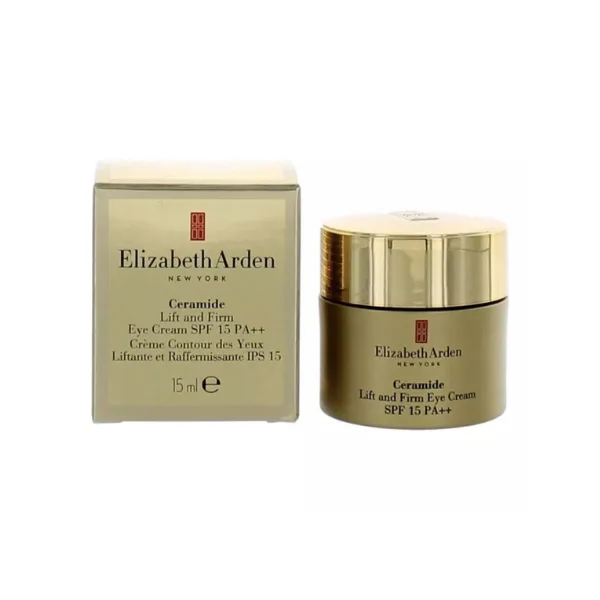
A rare hybrid that actually delivers on its double promise — SPF 15 for the eye area bundled with Arden's long-running ceramide and peptide firming complex in a base designed not to sting the lash line. The formula shows its age in filter choice and parabens, but as a one-and-done AM eye step from a legacy brand, it still earns its place on a vanity.
Ceramide Lift and Firm Eye Cream SPF 15
A rare hybrid that actually delivers on its double promise — SPF 15 for the eye area bundled with Arden's long-running ceramide and peptide firming complex in a base designed not to sting the lash line. The formula shows its age in filter choice and parabens, but as a one-and-done AM eye step from a legacy brand, it still earns its place on a vanity.
Score Breakdown
Where this product gains points and where it loses them — broken down across the four scoring pillars.
A well-rounded legacy formula combining ceramides, peptides, hesperidin and SPF 15 into one step, but the outdated UV filter choice (oxybenzone, octinoxate), parabens and reef-concern flags drag value and irritation scores relative to 2026 norms.
Pros & Cons
- ✓Contains a real OTC sunscreen panel, not just a cosmetic claim
- ✓Three ceramide types paired with cholesterol and phytosphingosine
- ✓SNAP-8-style peptide that targets expression lines gently
- ✓Encapsulated filter system does not sting the eye area
- ✓Layers cleanly under concealer without pilling or crawling
- ✓Hesperidin methyl chalcone helps with bluish under-eye shadows
- ✓Rare SPF eye cream from a legacy prestige franchise
- ✗Uses oxybenzone, a filter most modern sunscreens have moved past
- ✗SPF 15 is below current daily-wear dermatology guidance
- ✗Paraben-preserved formula some consumers actively avoid
- ✗Frosted jar packaging is not the most hygienic format
- ✗Contains myristyl myristate and beeswax, a milia risk for some
Full Review
Eye creams with SPF are one of skincare's weirdest empty categories. Go looking for one and you'll find shelves of 'brightening' and 'lifting' eye products, but almost nothing with a real OTC sunscreen drug-facts panel. The reason is that the eye area is the worst place on the face to put standard face sunscreen — filters migrate, sting and crawl into the tear film — and most brands just gave up trying to formulate around it. Elizabeth Arden, to its credit, did not. This Ceramide Lift and Firm Eye Cream SPF 15 is one of the very few products in the entire prestige eye-cream aisle with an active sunscreen panel that lists octinoxate and oxybenzone as its UV filters, encapsulated in a base specifically engineered to sit on the orbital bone under concealer without weeping or burning. Whether you love or hate the filter choice, the formulation effort is real, and that alone makes it worth a closer look. The broader Ceramide franchise launched in 1990 and has been continuously reformulated for more than three decades, which gives this particular SKU an unusual provenance — it isn't a trend product, it's a late-stage expression of a skincare line that was already established before most of the influencers currently reviewing it were born. Cracking the jar, the first thing you notice is that this doesn't look or feel like a sunscreen. The texture is a satin cushion — heavier than a gel eye cream, lighter than a true ceramide balm — and it breaks down on warm fingertips before absorbing without a trace of white cast. That's the encapsulated filter system earning its keep. On the skin, there's no sting, no chemical tingle, no slip that drifts into the eye corner ten minutes later. A rice-grain amount pressed around the orbital bone is enough; try to spread it like a face moisturizer and you'll over-apply. Under makeup, it layers cleanly and doesn't pill against silicone-based primers, which is honestly a higher bar than most SPF eye creams clear. On formulation, this is classic Arden Ceramide DNA with a UV upgrade. Ceramide 1, Ceramide 3 and Ceramide 6 II are in the formula alongside phytosphingosine and cholesterol — the same lipid quartet that barrier-repair researchers have been pointing to for years as necessary for proper recovery of stressed skin. Peptides do the visible-firming work: Acetyl Octapeptide-3 is the SNAP-8 muscle-signal peptide that Arden leaned into before it became a common ingredient, and Palmitoyl Tetrapeptide-3 supports collagen pathways. Hesperidin methyl chalcone, a citrus bioflavonoid, earns its spot by strengthening capillary walls — useful because so much under-eye darkness comes from dilated vessels showing through thin skin. Ascorbyl glucoside adds a gentle vitamin C brightening note. Stack all of that with SPF 15 and you're getting more functional ingredients per application than most far more expensive eye treatments. Now, the honest limitations. The sunscreen filters are oxybenzone and octinoxate, which is a 1990s choice that most of the market has moved on from. Neither is banned, both are still FDA-permitted, but oxybenzone is the filter pregnant users are most commonly told to avoid, and both are restricted in Hawaii and various reef-sensitive jurisdictions for environmental reasons. It's also paraben-preserved, which many consumers actively seek to avoid even if dermatology has largely moved past the paraben panic. There are also a few comedogenic-adjacent ingredients — myristyl myristate, beeswax — that could nudge milia-prone users toward the dreaded eye-area bumps if they over-apply. And the SPF 15 rating itself, while genuinely better than zero, is below modern dermatological recommendations of SPF 30+ for daily wear. If you're outdoors for long stretches, the real protection plan is oversized sunglasses plus face SPF 30+ taken carefully up to the orbital rim. Price-wise, 15 ml for around $68 lands it squarely in prestige territory. That's a lot of money per milliliter of cream, and the value depends entirely on what you're comparing it to. Against a dedicated eye cream plus a separate mineral SPF, this is arguably more convenient and no more expensive. Against a tube of drugstore ceramide eye cream and a tube of Japanese SPF applied carefully, it's a luxury choice. For the right buyer — someone who wants a one-step AM eye routine from a legacy brand they already trust — it works. For someone building a modern derm-led routine from scratch, there are more current formulations out there with safer filter profiles and cleaner preservative systems. What it is, ultimately, is a well-executed legacy formula doing something almost no one else is willing to do: put real sunscreen in an eye cream that people can actually wear. That's rarer than the brand gets credit for.
Formula
Key Ingredients
The hero actives that drive this product's performance.
| Ingredient | Function | Evidence |
|---|---|---|
| Octinoxate & Oxybenzone (SPF 15) (4.09% + 1.40%) | These two chemical UV filters give the cream its SPF 15 rating, shielding the thin eye-area skin from the UVB and short-UVA exposure that drives collagen breakdown, hollowing and dark circles — the same drivers of aging this cream's firming complex is trying to counteract. | well-established |
| Ceramide 1, Ceramide 3, Ceramide 6 II | The three Arden signature ceramides slot into the eye-area barrier alongside phytosphingosine and cholesterol, reinforcing the lipid matrix that thins quickly around the orbital bone and reducing the trans-epidermal water loss that exaggerates crepey under-eye lines. | well-established |
| Palmitoyl Tetrapeptide-3 & Acetyl Octapeptide-3 | A signal-peptide pair paired here to cue fibroblasts and soften the look of dynamic lines — Acetyl Octapeptide-3 (SNAP-8) is the Botox-inspired expression-smoother, while Palmitoyl Tetrapeptide-3 leans toward supporting collagen and calming micro-inflammation at the orbicularis. | emerging |
| Hesperidin Methyl Chalcone | A bioflavonoid derived from citrus that shows up in eye creams because it strengthens capillary walls and reduces the visibility of the fine bluish vessels that create shadowed under-eye circles — pairs logically with this formula's firming and plumping focus. | promising |
| Ascorbyl Glucoside | A stable vitamin C derivative that converts to ascorbic acid on skin, brightening the pigment-prone under-eye zone without the instability and irritation risk straight L-ascorbic acid would bring to such a delicate area. | promising |
Full INCI List
Active Ingredients: Octinoxate 4.09%, Oxybenzone 1.40%. Inactive Ingredients: Water, Dimethicone, Cetyl Ricinoleate, Cetearyl Alcohol, Glycerin, Synthetic Beeswax, Butylene Glycol, Cetearyl Dimethicone Crosspolymer, Hydrogenated Polyisobutene, Pentylene Glycol, Stearyl Heptanoate, Myristyl Myristate, Isononyl Isononanoate, Ammonium Acryloyldimethyl Taurate/VP Copolymer, Copernicia Cerifera Wax, PPG-2 Isoceteth-20 Acetate, Ascorbyl Glucoside, Ceramide 1, Ceramide 3, Ceramide 6 II, Beeswax, Camellia Sinensis Leaf Extract, Glycine Soja Seed Extract, Hibiscus Abelmoschus Seed Extract, Pyrus Malus Fruit Extract, Ascorbyl Palmitate, Tocopheryl Acetate, Bis-PEG-12 Dimethicone, Acetyl Octapeptide-3, Propylene Glycol, Dipeptide-2, Palmitoyl Tetrapeptide-3, Phospholipids, Phytosphingosine, Ceteth-20, PEG-100 Stearate, PEG-20, Sodium Lauroyl Lactylate, Sorbitan Tristearate, Myristyl Laurate, Steareth-100, Steareth-20, PVP, VP/Eicosene Copolymer, Xanthan Gum, Sodium Hydroxide, BHT, Hesperidin Methyl Chalcone, Disodium EDTA, Silica, Cyclopentasiloxane, Diazolidinyl Urea, Methylparaben, Phenoxyethanol, Potassium Sorbate, Propylparaben, Chlorhexidine Digluconate
Product Flags
✓ Fragrance Free✓ Alcohol Free✗ Oil Free✗ Silicone Free✗ Paraben Free✓ Sulfate Free✗ Cruelty Free✗ Vegan✗ Fungal Acne Safe
Comedogenic Ingredients
Myristyl MyristateIsononyl Isononanoate
Potential Irritants
OxybenzoneMethylparabenPropylparabenBHT
Common Allergens
BeeswaxSoy (Glycine Soja Seed Extract)
Compatibility
Skin Match
Best For
Works For
Not Ideal For
Addresses These Conditions
aging dark circles sun damage dryness
Use With Caution
Routine Step
moisturizer
Time of Day
AM
Pregnancy Safe
No ✗
Layering Tips
AM only — this is your SPF-containing eye step. Press a rice-grain-sized amount around the orbital bone after serums and before your face SPF. Do not layer on top of another sunscreen at the eye area; the SPF 15 here is meant to fill that gap.
Results Timeline
Immediate: softer, cushier under-eye texture and a slight plumping from the occlusive/humectant blend. Short-term (1–2 weeks): smoother appearance of fine dehydration lines and a brighter look from ascorbyl glucoside. Full benefits (6–8 weeks): firmer-looking contour and reduced dynamic line visibility from continued peptide and ceramide exposure; SPF 15 protection, however, begins from day one.
Pairs Well With
vitamin-c-serumspeptide-serumsceramide-moisturizers
Conflicts With
high-strength-retinoids-in-same-spot-amother-eye-creams-layered-simultaneously
Sample AM Routine
- Gentle cleanser
- Vitamin C serum
- Elizabeth Arden Ceramide Lift and Firm Eye Cream SPF 15
- Moisturizer
- Broad-spectrum SPF 30+ (avoid re-applying over eye area)
Sample PM Routine
- Cleansing oil
- Gentle cleanser
- Retinol (mid-face, avoiding eye)
- Ceramide moisturizer
Evidence
Science & Expert Perspective
The Science
The evidence case for this formula rests on three legs: barrier lipids, peptides and photoprotection. Ceramides are well-documented to reduce trans-epidermal water loss and support recovery of compromised skin, with classic work by Peter Elias and others establishing that the physiologic lipid ratio of ceramides, cholesterol and free fatty acids matters more than any one lipid in isolation. This cream delivers ceramides 1, 3 and 6 II alongside phytosphingosine (a ceramide precursor) and cholesterol, which is a more complete lipid package than most eye creams bother with. The peptide side is where claims get softer. Acetyl Octapeptide-3, the SNAP-8 peptide, is marketed as a topical muscle-signal modulator inspired by the mechanism of botulinum toxin; a small manufacturer-sponsored study suggested reduced wrinkle depth after eight weeks of twice-daily application, but independent replication is limited, so treat it as an emerging benefit rather than a clinical certainty. Palmitoyl tetrapeptide-3 (Matrixyl-adjacent chemistry) has a broader evidence base for supporting extracellular matrix components. Hesperidin methyl chalcone is a citrus bioflavonoid documented in vascular dermatology for reducing capillary fragility, which is relevant to the bluish under-eye discoloration many users describe. The SPF claim is the strongest-evidenced element: octinoxate and oxybenzone are FDA-monographed UV filters with decades of photoprotection data, and UV exposure is the single largest external driver of periorbital aging in every major longitudinal study of facial photoaging. The formulation concept — wrap those filters in an encapsulated delivery system so they don't migrate into the eye — is straightforward cosmetic chemistry, not a novel claim.
Dermatologist Perspective
Dermatologists have long pointed out that the under-eye area is where photoaging shows up earliest and most visibly, and that most patients fail to apply sunscreen right up to the lash line because standard face SPF stings. In that context, board-certified dermatologists often welcome the idea of an eye cream with a built-in sunscreen as a practical compliance tool — the best sunscreen is the one actually worn. That said, dermatologists generally recommend daily protection at SPF 30 or higher, so this cream tends to be presented as a baseline for indoor days rather than a replacement for stronger outdoor protection. Dermatologists also frequently note that oxybenzone is no longer a preferred filter, particularly for pregnant patients, and that mineral alternatives may be a better choice for sensitive periorbital skin. The ceramide-plus-peptide backbone, by contrast, is consistent with standard dermatological advice for maintaining a resilient eye-area barrier as collagen production slows.
Guidance
Usage Guide
How to Use
Morning only. After cleansing and any vitamin C or treatment serum, take a rice-grain amount on a clean ring finger, warm it briefly, and press it around the orbital bone in three to four light taps per side. Start from the outer corner and move inward along the under-eye, then sweep up along the brow bone. Do not drag, do not apply inside the lash line, and do not spread it across the upper lid toward the brow. Allow thirty seconds to set before applying face sunscreen or concealer. Because it contains SPF, you do not need to layer another sunscreen on top of this product at the eye area, but you should continue using broad-spectrum SPF 30+ on the rest of your face.
Value Assessment
At roughly $68 for 15 ml, this sits at prestige pricing, and that price only makes sense if you specifically want an SPF step at the eye area in a single product. Compared to buying a dedicated ceramide eye cream plus a separate mineral sunscreen to use around the eye, the convenience premium is modest. Compared to drugstore ceramide eye creams like CeraVe paired with a carefully applied Japanese SPF, it's a clear luxury choice driven by brand trust and formulation polish. The 15 ml tub lasts a long time at a rice-grain per application, so per-day cost works out better than the sticker suggests. This is not priced as aggressively as a brand-new ceramide launch would be, and the formula's long track record does help justify the spend.
Who Should Buy
People who want a single AM eye step from a trusted legacy brand, prefer a cushiony texture over gel eye creams, and specifically value having any level of sunscreen baked into their eye routine. It works especially well for normal to dry skin with early fine lines.
Who Should Skip
Pregnant users, anyone avoiding oxybenzone for reef or personal reasons, people building a strict fragrance-free and paraben-free routine, and those with very oily or milia-prone skin who react to waxes. Sensitive-skin users should patch test near the temple before committing.
Ready to try Elizabeth Arden Ceramide Lift and Firm Eye Cream SPF 15?
Details
Details
Texture
Lightweight satin cream that breaks down quickly and absorbs without a white cast despite the chemical SPF.
Scent
Very faint — no added fragrance but a subtle botanical note from the extracts.
Packaging
Frosted glass jar with a gold-tone cap — luxe in hand but a hygiene compromise versus a tube or pump.
Finish
satinnon-greasyinvisible
What to Expect on First Use
First application feels richer than expected for an eye cream with SPF — slight slip from the dimethicone, then a velvety set. No stinging or tingling; if you normally react to oxybenzone, patch test first. Makeup layers cleanly on top within a minute.
How Long It Lasts
4–6 months with once-daily AM application around both eyes.
Period After Opening
12 months
Best Season
All Year
Background
The Why
Arden built its Ceramide capsule line in 1990 on the then-novel idea that eye-area skin needed barrier lipids, not just firming claims. When dermatology started emphasizing daily UV as the biggest driver of under-eye aging in the 2000s, this SPF-equipped version was added so fans of the capsule line could get photoprotection without layering a stinging face sunscreen close to the lash line.
About Elizabeth Arden Legacy Brand (20+ years)
Elizabeth Arden was founded in 1910 and is one of the oldest prestige beauty houses in the United States. The Ceramide franchise specifically launched in 1990 and has been continuously reformulated, with its gold capsule product long cited in beauty press as a category benchmark.
Brand founded: 1910 · Product launched: 2011
Myth vs. Reality
Myths & Misconceptions
Myth
An eye cream with SPF 15 is enough sun protection for the eye area.
Reality
SPF 15 at the eye area is meaningfully better than zero, but for outdoor exposure, oversized UV sunglasses plus a higher-SPF mineral sunscreen around the orbital bone give far more protection.
Myth
Ceramides in an eye cream can't do much because the skin there is too thin.
Reality
Thin skin is precisely why ceramides help — the eye-area barrier is fragile, and replacing lost lipids reduces the dehydration lines that exaggerate crow's feet within days.
FAQ
Frequently Asked Questions
Does this eye cream really have SPF 15 or is it just a marketing claim?
It is an FDA-regulated over-the-counter sunscreen with octinoxate at 4.09% and oxybenzone at 1.40% as its UV actives, which together give it a legitimate SPF 15 rating around the eyes — not a cosmetic claim.
Can I use it under makeup?
Yes. The encapsulated sunscreen base is specifically designed to layer under concealer and foundation without pilling, which is one of the main reasons the formula has survived multiple reformulations of the broader Ceramide line.
Is it pregnancy safe?
We flag it as not pregnancy-safe because of the oxybenzone content. Oxybenzone is still FDA-permitted but many OB/GYNs ask pregnant users to avoid it; a mineral SPF eye cream is a safer swap.
Does it replace my regular face sunscreen?
No. Think of it as the eye-area SPF step so you don't have to bring stinging face sunscreen up to the lash line. You still need a full broad-spectrum SPF 30+ on the rest of your face.
Will it cause milia around the eyes?
The base is rich and contains myristyl myristate and beeswax, which can trigger milia in a small subset of users. If you're prone to milia, stick to a rice-grain amount and keep it on the orbital bone, not the lash line.
How does it compare to the capsule version from the same brand?
The capsule serum focuses on barrier repair and plumping without SPF; this cream takes the same ceramide philosophy and adds peptides plus daytime UV protection into a richer emulsion designed for the under-eye and orbital bone.
Community
Community Voices
Common Praise
"Smooths fine lines around the eyes"
"Non-greasy under makeup"
"SPF in an eye cream is rare and appreciated"
"Light citrusy finish that doesn't sting"
Common Complaints
"Contains oxybenzone which many now avoid"
"Price is high for 15 ml"
"Contains parabens"
"Not suitable during pregnancy"
Notable Endorsements
Long-running editorial coverage in Allure and InStyle for the broader Ceramide franchise
Appears In
best eye cream with spf best eye cream for aging best ceramide eye cream best luxury eye cream
Related Conditions
Related Ingredients
ceramides peptides hesperidin vitamin c chemical sunscreen filters
You Might Also Like
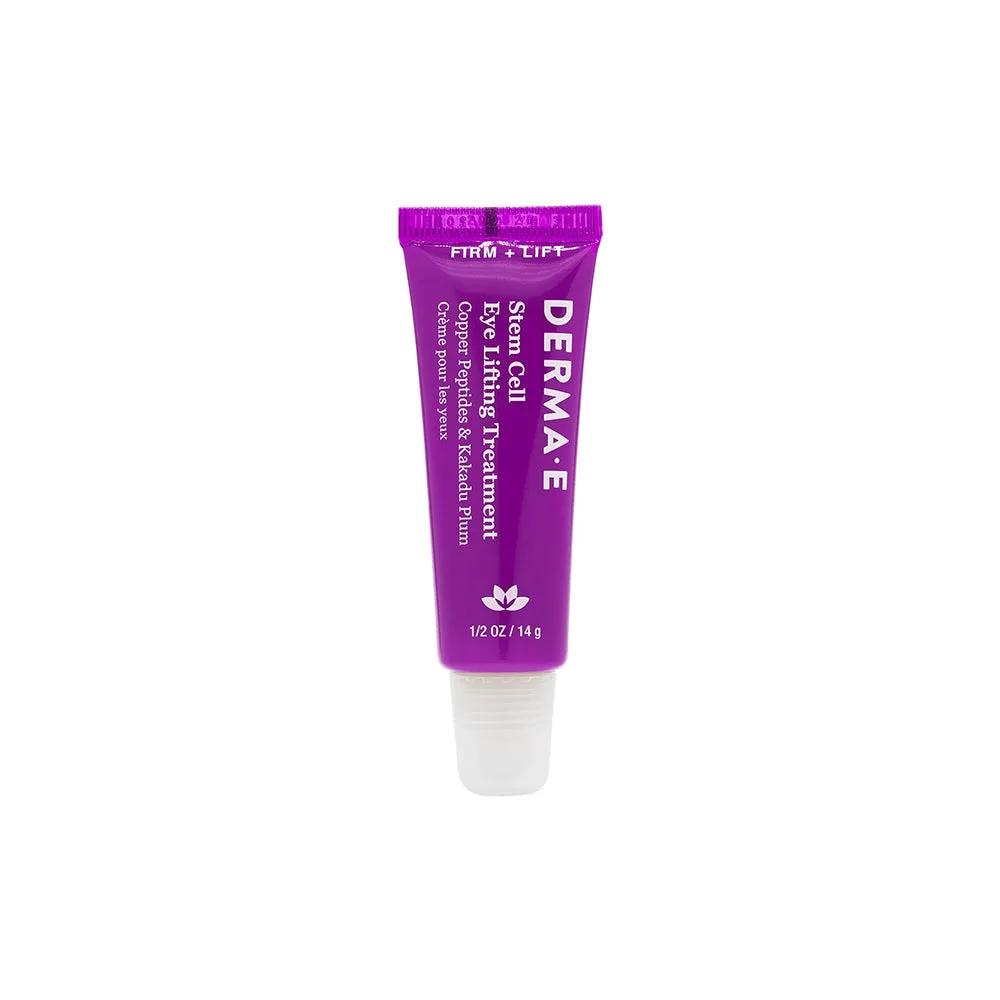 Budget Holy Grail
 Firming DMAE Eye Lift Cream
A genuinely well-formulated multi-active eye cream at a price that undercuts most of the dermatologist-developed competition by a factor of three. DMAE, high-position niacinamide, two validated peptides, caffeine, and alpha-lipoic acid in a fragrance-free base — the ingredient density is almost unreasonable for the cost. Holds up extremely well against much more expensive eye creams for daily under-eye use.
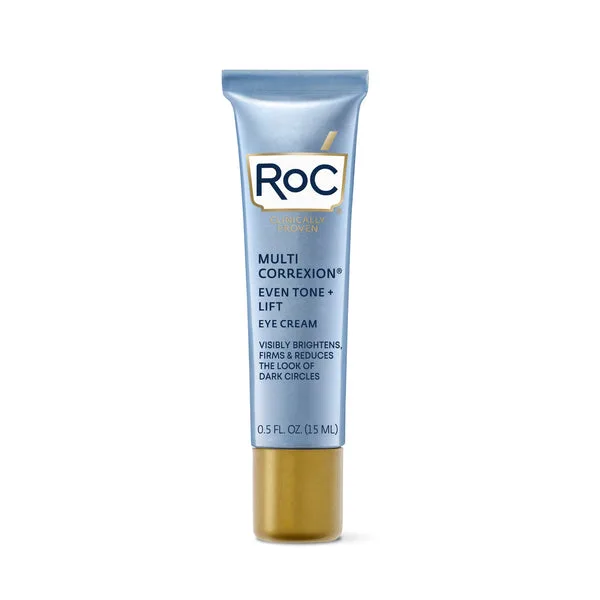 Drugstore Dark Circle Fighter
 Multi Correxion Even Tone + Lift 5 in 1 Eye Cream
A triple-pathway brightening eye cream that punches well above its drugstore weight class. Hexylresorcinol, niacinamide, and vitamin C attack dark circles from three angles simultaneously — at a price that makes twice-daily use feel like common sense rather than luxury.
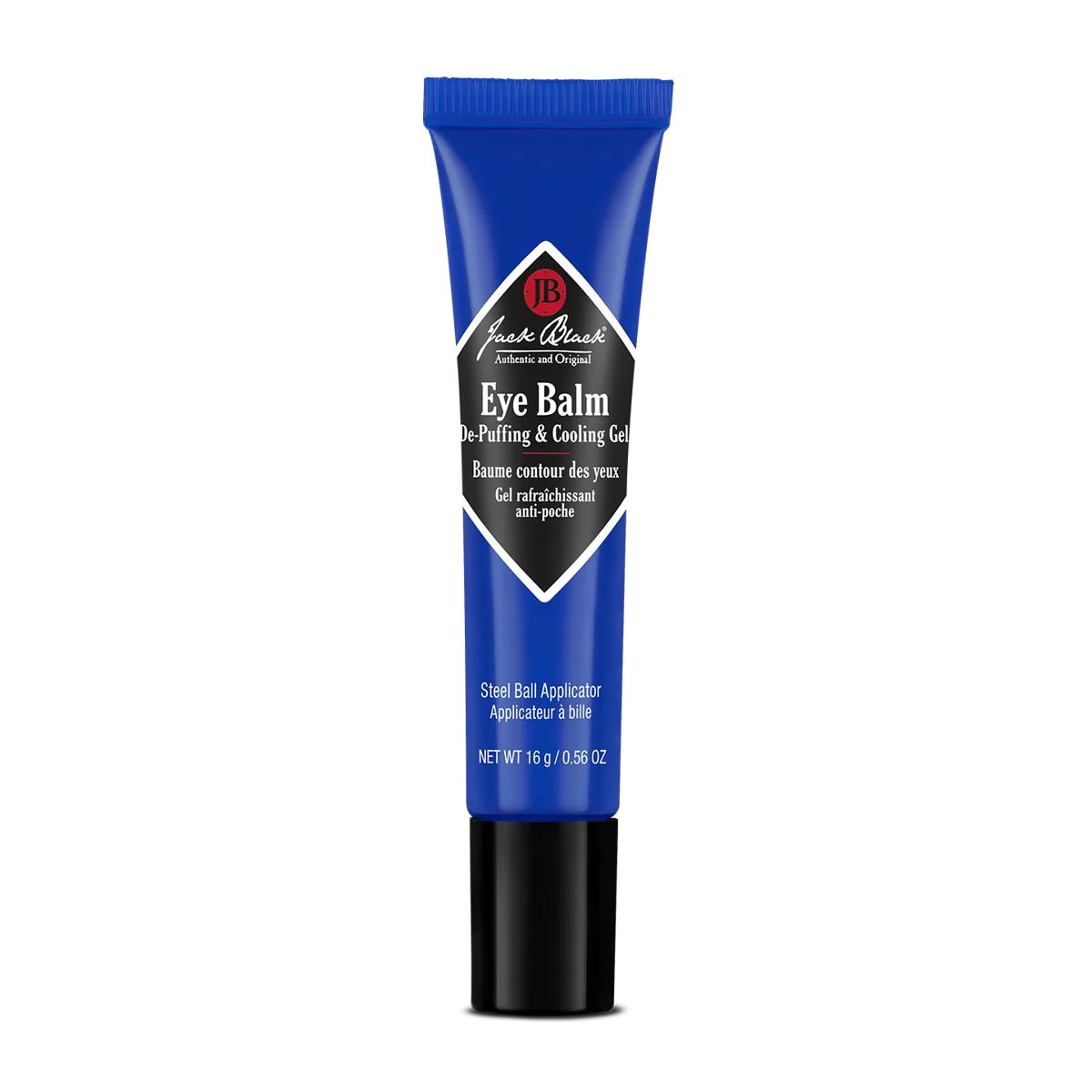 Effortless Eye Fix
 Eye Balm De-Puffing & Cooling Gel
A no-fuss eye gel that delivers genuine de-puffing and brightening results through a clean botanical-vitamin formula and a clever rollerball applicator. It won't transform genetic dark circles overnight, but for anyone dealing with puffy, tired-looking eyes — especially those who've never touched an eye product before — it's a perfectly calibrated entry point.
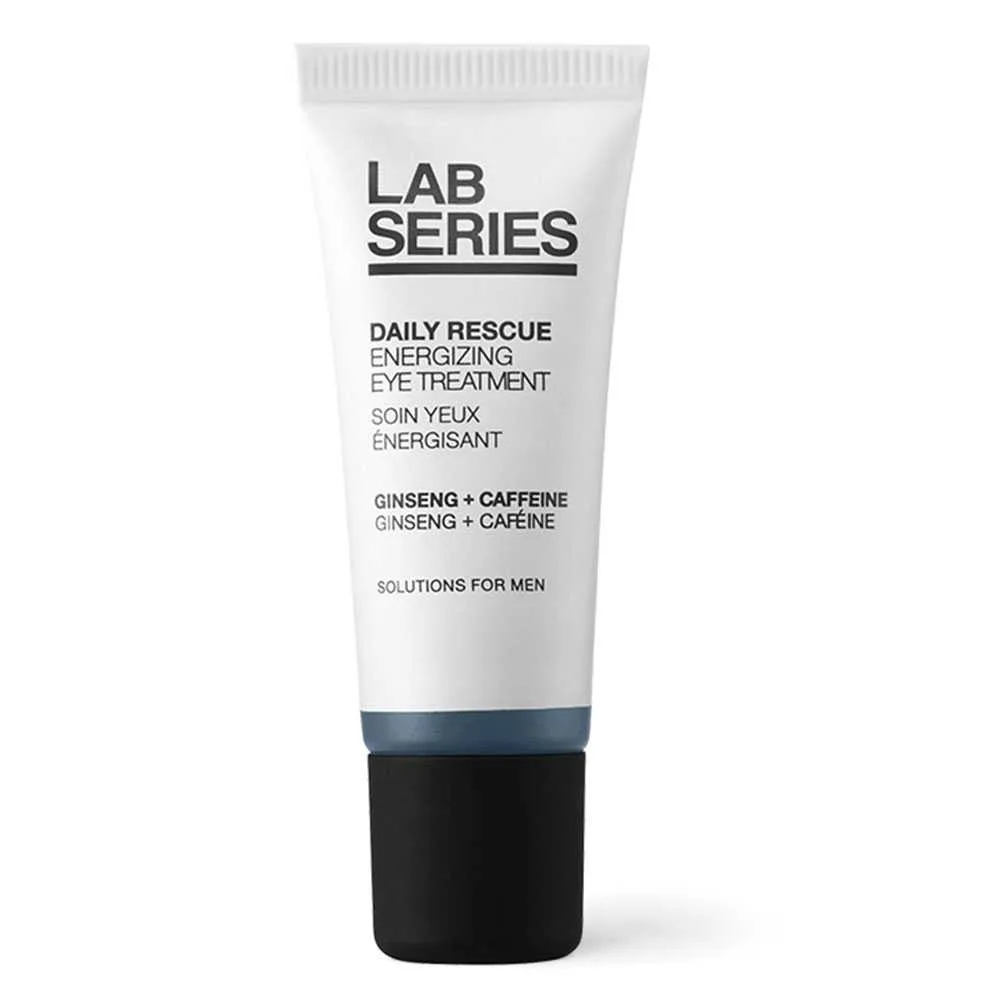 Men's Eye Area Essential
 Daily Rescue Energizing Eye Treatment
A remarkably clean-formula eye treatment — fragrance-free, alcohol-free, oil-free, silicone-free — that packs caffeine, Argireline, green tea, and hyaluronic acid into a lightweight gel-cream. It does exactly what a men's eye product should: brighten, depuff, and hydrate without any fuss or heaviness.
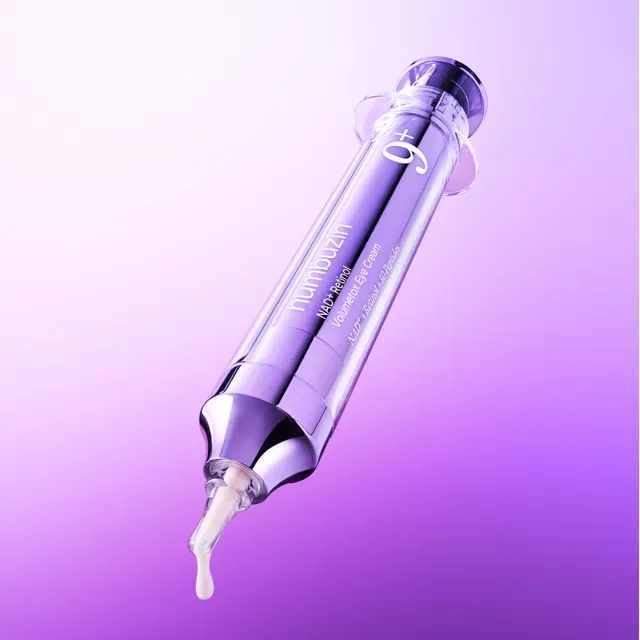 K-Beauty Eye Cream Powerhouse
 No. 9 NAD+ Retinol Volumetox Eye Cream
Numbuzin's No. 9 eye cream is an ambitious K-beauty formula that crams retinol, NAD+, 30+ peptides, niacinamide, and ceramides into a tiny tube at a price that makes luxury eye creams look like a bad investment. The NAD+ claims are ahead of the science, but the overall formulation is genuinely impressive for under $25.
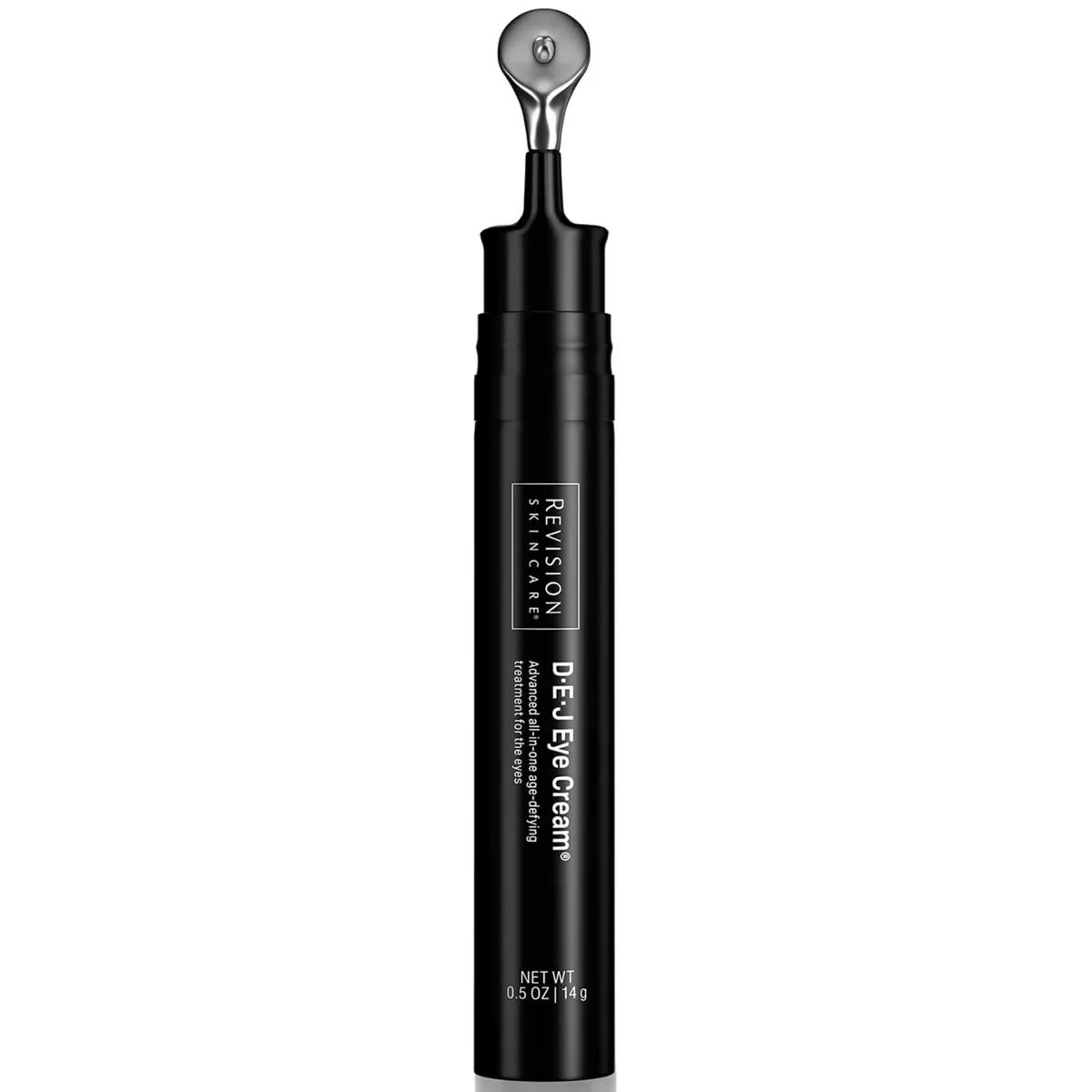 Derm Office Gold Standard
 D.E.J. Eye Cream
A genuinely sophisticated eye cream that targets the dermal-epidermal junction — the structural anchor point most eye creams don't even know exists. The price is steep, but the dual-peptide technology, oil-soluble vitamin C, and clinical backing make this one of the few luxury eye creams that earns its tag.