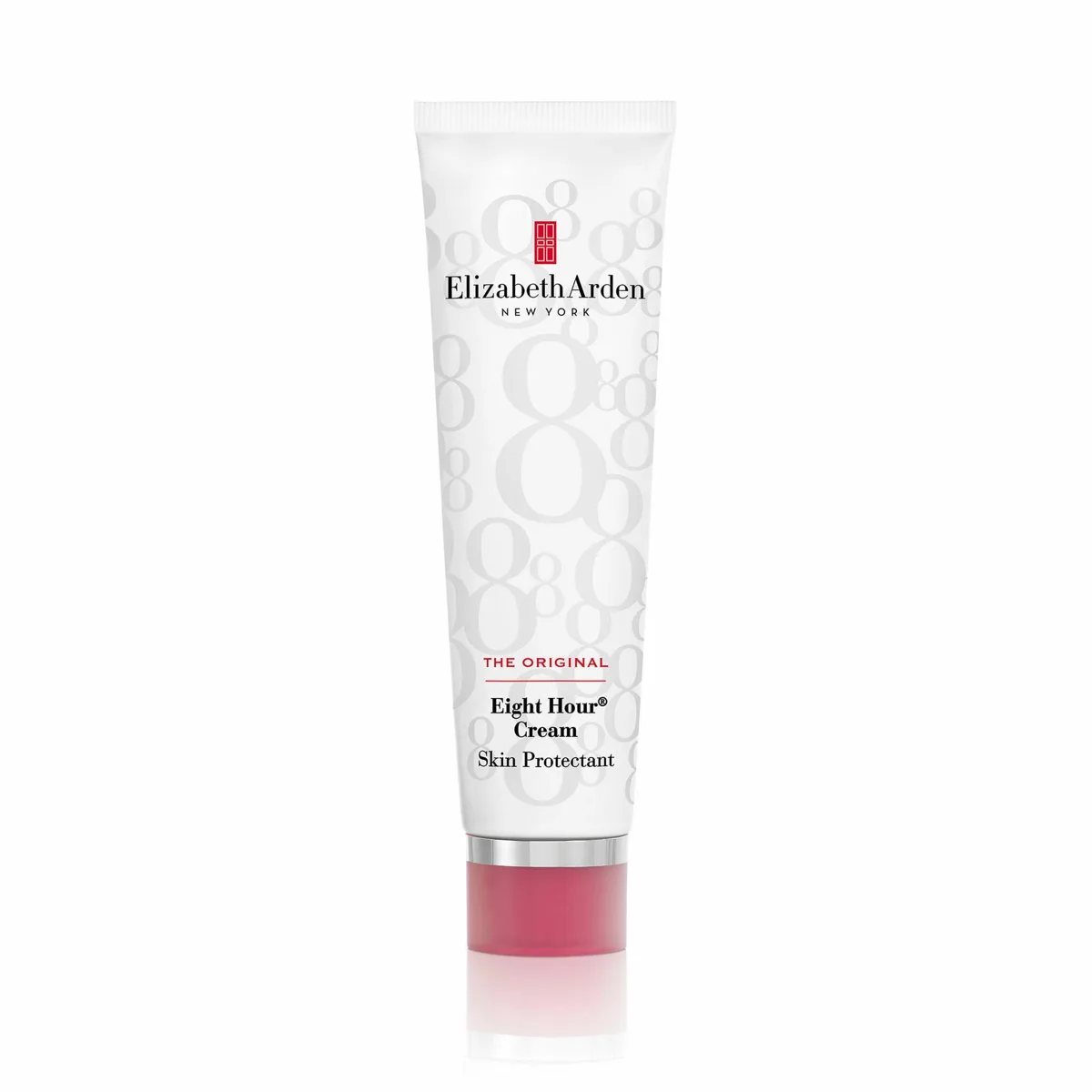
Eight Hour Cream is the rare beauty product that actually earns its cult status through a 1930s formula that has barely changed in nearly a century. The petrolatum base does the real work, but the addition of castor oil, vitamin E, and a mild salicylate derivative gives it a glossy, soothing character that pure Vaseline can't match. At around $24 for a tube that lasts months, it's a deserved heirloom.
Eight Hour Cream Skin Protectant
Eight Hour Cream is the rare beauty product that actually earns its cult status through a 1930s formula that has barely changed in nearly a century. The petrolatum base does the real work, but the addition of castor oil, vitamin E, and a mild salicylate derivative gives it a glossy, soothing character that pure Vaseline can't match. At around $24 for a tube that lasts months, it's a deserved heirloom.
Score Breakdown
Where this product gains points and where it loses them — broken down across the four scoring pillars.
A near-century-old multipurpose balm that genuinely earns its cult status through a workhorse petrolatum base, vitamin E, and a mild salicylate. Fragrance and lanolin keep it from a top score for sensitive users.
Pros & Cons
- ✓Petrolatum base provides best-in-class occlusive barrier protection
- ✓Genuinely versatile — lips, cuticles, brows, slugging, dry patches all covered
- ✓Vitamin E and beta-carotene add antioxidant support to the base
- ✓Salicylate derivative gives mild soothing on irritated skin
- ✓A small tube lasts months with spot use
- ✓Glossy castor oil texture doubles as a highlighter trick
- ✓Nearly a century of professional makeup artist endorsement
- ✓Works exceptionally well as a winter slugging product
- ✗Strong herbal-medicinal fragrance is polarizing
- ✗Lanolin content can break out acne-prone skin
- ✗Amber tint can stain pillowcases and pale fabrics
- ✗Heavy texture too occlusive for oily summer skin
- ✗Not safe for fungal-acne-prone skin
Full Review
Almost every skincare product from 1930 has been reformulated, rebranded, or quietly retired by now. Eight Hour Cream hasn't. Elizabeth Arden launched it the year before the Great Depression deepened, reportedly developed as a healing balm for her racehorses that turned out to work just as well on human skin. The story is half marketing legend at this point, but the cream is real, and it's still in essentially the same formulation today — petrolatum base, castor oil for shine, a salicylate derivative for mild soothing, vitamin E and beta-carotene for antioxidant support, and that unmistakable herbal-medicinal scent that fans defend with the intensity of people who love a divisive perfume. It has survived ninety-odd years of trend cycles by being good at exactly one thing: protecting compromised skin while it heals itself.
The formula isn't complicated, and that's the point. Petrolatum is the largest ingredient, and petrolatum is the gold standard occlusive — published research shows it reduces transepidermal water loss by up to 99%, which is why dermatologists recommend it for everything from eczema to post-procedure recovery. By sealing the skin's surface, it creates ideal conditions for the natural repair machinery underneath to do its work uninterrupted. The castor oil adds a glossy slip that pure petrolatum lacks, which turns out to be genuinely useful — it's why backstage makeup artists have been smearing it on cheekbones for highlight and on brows to set them in place since long before either of those uses had a TikTok name. The salicylate derivative isn't acting as an exfoliant here; it's there for its mild anti-inflammatory character, and in this balm context it's part of why Eight Hour has a soothing reputation on chapped, scraped, or wind-burned skin. Vitamin E and beta-carotene round things out as antioxidants and as the source of the cream's distinctive amber color.
The scent is the thing you have to decide about. There's no avoiding it — Eight Hour smells like an old apothecary, all clove and chamomile and warm woods, and either you find that comforting or you find it overpowering. Long-time fans treat it like an aromatherapy session every night. First-time users sometimes need a moment to adjust. Elizabeth Arden does sell a fragrance-free version for the truly fragrance-averse, but the original is the original, and most of the people who love this product love the smell as much as the function.
Texture-wise, this is a dense balm that benefits from being warmed between your fingertips before application. It goes on glossy, stays put until you wipe it off, and a tiny amount covers more area than you'd expect. As a slugging product on very dry winter nights, it's terrific — apply over your moisturizer, leave on a pillowcase you don't care about, and wake up with skin that feels like it spent the night in a humidor. As a spot treatment on cracked cuticles, raw nostrils after a cold, or wind-chapped lips, it's the kind of thing that produces noticeable improvement within a day or two. As a brow gel and highlighter, it's been quietly powering fashion editorials for decades.
The honest limitations are the same ones it's always had. The fragrance excludes anyone with serious sensitivity. The lanolin content excludes acne-prone skin and anyone with a wool allergy, since lanolin and its derivatives are well-known sensitizers and comedogens. The amber tint can transfer onto pillowcases and shirt collars, so apply with restraint if you live in a household that cares about white linens. And the heavy occlusive nature means oily and combination skin types in summer will hate it — this is a winter and emergency product for most people, not a year-round daily.
At $24 for a tube that easily lasts a season of spot use, the value is genuinely good for what it is. You can argue that pure petroleum jelly does most of the same work for a quarter of the price, and you'd be right about the pure occlusive function — but you'd be missing the point of why Eight Hour has lasted ninety years. People keep buying it because they like the texture, the scent, the ritual, and the fact that they're using something with real provenance. That's a reasonable thing to value. Sometimes a 1930s formula being a 1930s formula is the entire reason it works.
Formula
Key Ingredients
The hero actives that drive this product's performance.
| Ingredient | Function | Evidence |
|---|---|---|
| Petrolatum | The base of the entire formula at the highest concentration, providing the hallmark occlusive seal that locks moisture in and protects compromised skin from the environment. Petrolatum is what gives Eight Hour Cream its remarkable wound-healing reputation — by reducing transepidermal water loss by up to 99%, it creates the ideal environment for skin to repair itself. | well-established |
| Castor Seed Oil | Adds a glossy, slip-rich character to the petrolatum base and contributes ricinoleic acid, which has mild soothing properties. In this specific formula it's responsible for the signature shine that makes the balm doubly useful as a highlighter on cheekbones and brow bones. | traditional-use |
| Salicylic Acid Derivative (Beta-Hydroxybutyl Trimethylammonium Salicylate) | A modified salicylate that provides mild anti-inflammatory and skin-conditioning effects without the exfoliation profile of standard BHA. In a balm context it's what gives Eight Hour its mild calming reputation on irritated, scraped, or post-procedure skin — it's there for soothing, not for exfoliation. | promising |
| Vitamin E (Tocopheryl Acetate and Tocopherol) | Both forms appear in the formula to provide antioxidant protection and prevent oxidation of the lipid-heavy base over the product's long shelf life. Vitamin E is also long studied for its supporting role in barrier repair when paired with occlusives like the petrolatum here. | well-established |
| Beta-Carotene | Responsible for the formula's distinctive amber-yellow tint and provides additional antioxidant support. The color is intentional — it's part of the heritage look — and as a vitamin A precursor it offers very mild skin-conditioning properties. | promising |
Full INCI List
Petrolatum, Ricinus Communis (Castor) Seed Oil, Cera Microcristallina/Microcrystalline Wax, Lanolin Alcohol, Beta-Hydroxybutyl Trimethylammonium Salicylate, Tocopheryl Acetate, Glycine Soja (Soybean) Oil, Tocopherol, Beta-Carotene, Acetylated Lanolin Alcohol, Phenyl Trimethicone, BHT, Sorbic Acid, Fragrance
Product Flags
✗ Fragrance Free✓ Alcohol Free✗ Oil Free✗ Silicone Free✓ Paraben Free✓ Sulfate Free✗ Cruelty Free✗ Vegan✗ Fungal Acne Safe
Comedogenic Ingredients
Lanolin AlcoholAcetylated Lanolin Alcohol
Potential Irritants
FragranceLanolin Alcohol
Common Allergens
FragranceLanolin Alcohol
Compatibility
Skin Match
Best For
Works For
Not Ideal For
Addresses These Conditions
dryness compromised skin barrier post procedure winter skin eczema
Use With Caution
Routine Step
occlusive
Time of Day
AM & PM
Pregnancy Safe
Yes ✓
Layering Tips
Apply the smallest amount needed as the very last step over moisturizer to seal in hydration. Also useful as a spot treatment on cracked cuticles, dry elbows, chapped lips, eyebrow grooming, and minor scrapes. A little goes a long way.
Results Timeline
Immediate softening and protection on application. Cracked or compromised skin typically shows visible improvement within 2-4 days of nightly use as the occlusive seal allows the skin's natural repair processes to run uninterrupted.
Pairs Well With
hyaluronic-acidceramidespanthenolglycerin
Sample AM Routine
- Gentle cleanser
- Moisturizer
- Sunscreen
- THIS PRODUCT (spot use only on dry patches)
Sample PM Routine
- Gentle cleanser
- Hydrating serum
- Moisturizer
- THIS PRODUCT (slugged on dry areas or full face for very dry skin)
Evidence
Who Should Skip
- Strong herbal-medicinal fragrance is polarizing
- Lanolin content can break out acne-prone skin
- Amber tint can stain pillowcases and pale fabrics
- Heavy texture too occlusive for oily summer skin
Science & Expert Perspective
The Science
The functional core of this balm is petrolatum, which has the strongest published evidence base of any single ingredient in moisturizer science. Petrolatum has been shown in dermatology literature to reduce transepidermal water loss by approximately 99%, far outperforming most plant oils and competing occlusives. This level of barrier sealing is why dermatologists routinely recommend petrolatum-based products for atopic dermatitis, post-procedure healing, and severely compromised barriers. Vitamin E (both as tocopheryl acetate and free tocopherol) is well-studied for antioxidant activity in topical formulations and for stabilizing lipid-based products against oxidation during shelf life. Beta-carotene, a carotenoid precursor to vitamin A, contributes additional antioxidant capacity and is responsible for the formula's signature color. The salicylate derivative used here (beta-hydroxybutyl trimethylammonium salicylate) is a quaternized form that provides salicylic acid's anti-inflammatory action without the keratolytic exfoliation profile, making it more appropriate for damaged or sensitive skin contexts. Castor oil's ricinoleic acid content has long-traditional use as a soothing emollient and contributes to the balm's signature glossy slip. The formulation strategy — heavy occlusive plus antioxidants plus mild anti-inflammatory — aligns with current dermatological understanding of supporting barrier repair, and is conceptually similar to many modern barrier-repair balms but with a distinct heritage character. The product does not contain prescription actives, hydrocortisone, or antibiotics despite occasional consumer assumptions to the contrary.
Dermatologist Perspective
Dermatologists frequently recommend petrolatum-based balms for compromised skin barriers, post-procedure healing, eczema flares, and chapped or wind-damaged skin. Eight Hour Cream is commonly cited by board-certified dermatologists as a reasonable luxury alternative to plain petroleum jelly when patients prefer a more refined sensorial experience. Dermatologists note that the heavy occlusive nature makes this product unsuitable for acne-prone, fungal-acne-prone, or rosacea-flare skin, and that the lanolin content is a known contact allergen for a small but significant portion of the population — a patch test is often recommended for first-time users with sensitive skin. For slugging, dermatologists typically suggest applying as the very last step over a humectant-rich moisturizer to lock hydration into the skin rather than seal a dry surface. The fragrance-free version is generally preferred by clinicians when reactivity is a concern.
Guidance
Usage Guide
How to Use
Warm a small amount between fingertips and apply as the final step in your routine over moisturizer. For full-face slugging, use on very dry winter nights or after barrier-disrupting treatments. For spot use, apply directly to chapped lips, cracked cuticles, dry elbows, scraped skin, or any compromised patch. As a brow gel, swipe a tiny amount through groomed brows. As a highlighter, dab onto cheekbones over makeup. Always use the smallest effective amount — overuse leads to a heavy greasy feel and pillowcase transfer. Allow 10-15 minutes to settle before contact with fabric.
Value Assessment
At approximately $24 for 50ml, Eight Hour Cream sits in an unusual middle ground — more expensive than pure petroleum jelly by a significant multiple, but cheaper than most luxury balms that try to occupy the same multipurpose space. The 30ml and 100ml sizes are also widely available, with the larger tube offering meaningfully better per-ml value for heavy users. Whether the premium is worth it depends on what you're paying for. If you want pure barrier function, plain Vaseline does the same primary job for under $5. If you want the ritual, the texture, the scent, the brow-gel-and-highlighter versatility, and a 95-year heritage formula in iconic packaging, Eight Hour earns its price. For acne-prone or fragrance-sensitive users, neither is the right answer and a different barrier balm is in order.
Who Should Buy
Anyone with dry, normal, or barrier-compromised skin who wants a versatile heritage balm for winter use, post-procedure recovery, slugging, and general dry-patch emergencies. It's also a worthwhile pick for makeup lovers who appreciate its backstage credentials and dual use as a brow tamer and highlighter.
Who Should Skip
Acne-prone, fungal-acne-prone, or oily skin types should look elsewhere — the lanolin and heavy occlusion will likely cause breakouts. Fragrance-sensitive users should choose the unscented version or a pure petrolatum jelly instead.
Ready to try Elizabeth Arden Eight Hour Cream Skin Protectant?
Details
Details
Texture
Thick, slightly tacky amber balm that warms and softens with body heat
Scent
Distinctive herbal-medicinal fragrance — clove, chamomile, woody undertones
Packaging
Iconic pink and amber tube with the unmistakable Eight Hour Cream typography, also available in tin
Finish
dewyglowy
What to Expect on First Use
First-time users are immediately struck by the strong herbal-medicinal scent — it's a love-it-or-hate-it signature. The balm is dense and needs warming between fingertips before application. Goes on glossy and stays on skin until manually removed. Within hours of application on cracked or chapped areas, noticeable softening occurs.
How Long It Lasts
A 50ml tube can last 6-12 months or longer with spot use — full-face slugging shortens that to 2-3 months
Period After Opening
24 months
Best Season
fall winter
Background
The Why
Created in 1930 by Elizabeth Arden herself, reportedly as a healing balm for her horses' scrapes that proved equally effective on human skin. The exact origin story varies by retelling, but the formula has stayed essentially unchanged since launch. It became a backstage essential at fashion shows, a film set staple, and a famously beloved item of figures from Marilyn Monroe to the British Royal Family.
About Elizabeth Arden Legacy Brand (20+ years)
Elizabeth Arden was founded in 1910 by Florence Nightingale Graham and is one of the oldest continuously operating American beauty houses. Eight Hour Cream debuted in 1930 and has remained essentially unchanged for nearly a century, with a cult following among makeup artists, dermatologists, and beauty editors who use it for everything from chapped lips to skin emergencies.
Brand founded: 1910 · Product launched: 1930
Myth vs. Reality
Myths & Misconceptions
Myth
Eight Hour Cream contains hydrocortisone or actual medication
Reality
It contains no steroids, no antibiotics, and no prescription actives. The salicylate derivative is mild and the soothing reputation comes mostly from the occlusive petrolatum base creating ideal conditions for skin to repair itself.
Myth
It's just expensive Vaseline
Reality
Petrolatum is the largest ingredient, but the addition of castor oil, the salicylate derivative, vitamin E, and beta-carotene creates a different texture, scent, and aesthetic experience. Whether that's worth the price difference depends entirely on what you value.
FAQ
Frequently Asked Questions
What is Eight Hour Cream actually used for?
Officially it's a skin protectant balm for chapped lips, dry patches, cuticles, scrapes, and minor irritations. In practice, fans use it as a brow gel, highlighter, lip balm, slugging product, post-procedure soother, eczema patch treatment, and general winter skin saver.
Does Eight Hour Cream really work?
Yes for what it actually does — the petrolatum base creates a powerful occlusive seal that prevents water loss and protects compromised skin while it heals. The vitamin E and salicylate derivative add mild antioxidant and soothing support. It's not a magic cream, but it's a genuinely effective barrier balm.
Can I use Eight Hour Cream on my face?
Yes — it's safe for facial use and many people slug with it on dry winter nights. Skip it if you're acne-prone or have fungal acne, since the occlusive lanolin and rich base can trigger breakouts in those conditions.
What does Eight Hour Cream smell like?
It has a strong, distinctive herbal-medicinal fragrance with notes of clove, chamomile, and warm woods. It's polarizing — long-time fans love it, first-time users sometimes find it overwhelming. A fragrance-free version exists for sensitive users.
Is Eight Hour Cream better than Vaseline?
For pure barrier sealing they perform similarly, since both rely on petrolatum. Eight Hour adds vitamin E, a salicylate derivative, beta-carotene, and a glossy castor oil texture, plus a refined scent and luxury experience. For function, Vaseline is enough; for ritual and texture, Eight Hour wins.
Does it stain clothing?
The amber tint can transfer onto pillowcases, collars, and white fabrics, especially with heavy application. Use a small amount and let it absorb for 10-15 minutes before contact with light-colored fabric.
Community
Community Voices
Common Praise
"Heals chapped skin overnight"
"Endless number of uses"
"Iconic packaging"
"A little lasts forever"
"Works on lips, cuticles, brows, and dry patches"
Common Complaints
"Strong herbal-medicinal fragrance"
"Heavy greasy feel"
"Yellow tint can transfer onto fabrics"
"Contains lanolin"
Notable Endorsements
Backstage staple at fashion weeks for decadesReportedly used by Audrey Hepburn and the Royal Family
Appears In
best multipurpose skin balm best occlusive for dry skin best balm for chapped lips best slugging product
Related Conditions
dryness compromised skin barrier winter skin post procedure
Related Ingredients
You Might Also Like
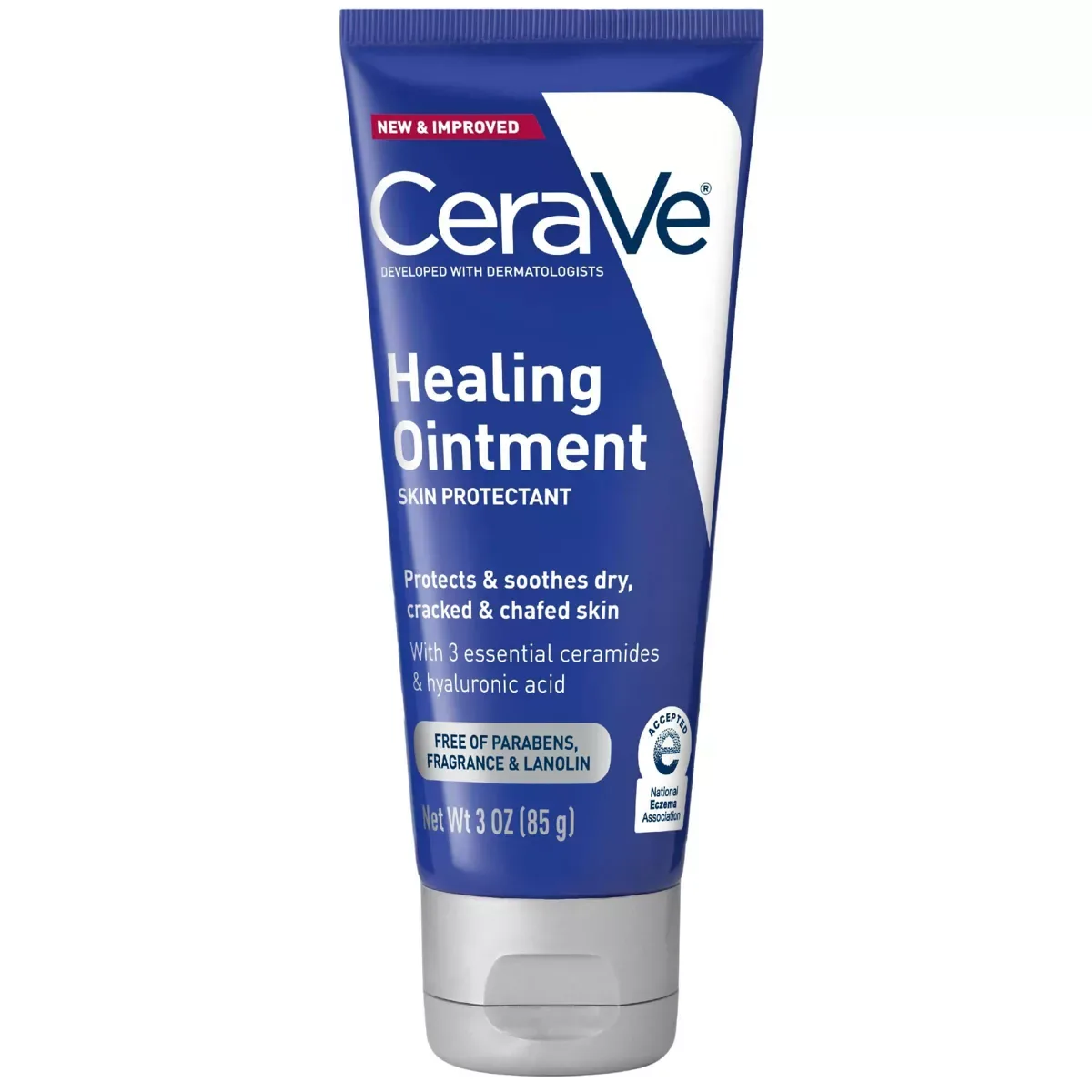 Barrier Rescue Hero
 Healing Ointment
CeraVe's Healing Ointment takes the simplest concept in skincare — seal the skin with petrolatum — and makes it genuinely intelligent by adding ceramides, hyaluronic acid, and panthenol beneath the occlusive layer. It is the gold standard drugstore occlusive for barrier rescue, slugging, and post-procedure care.
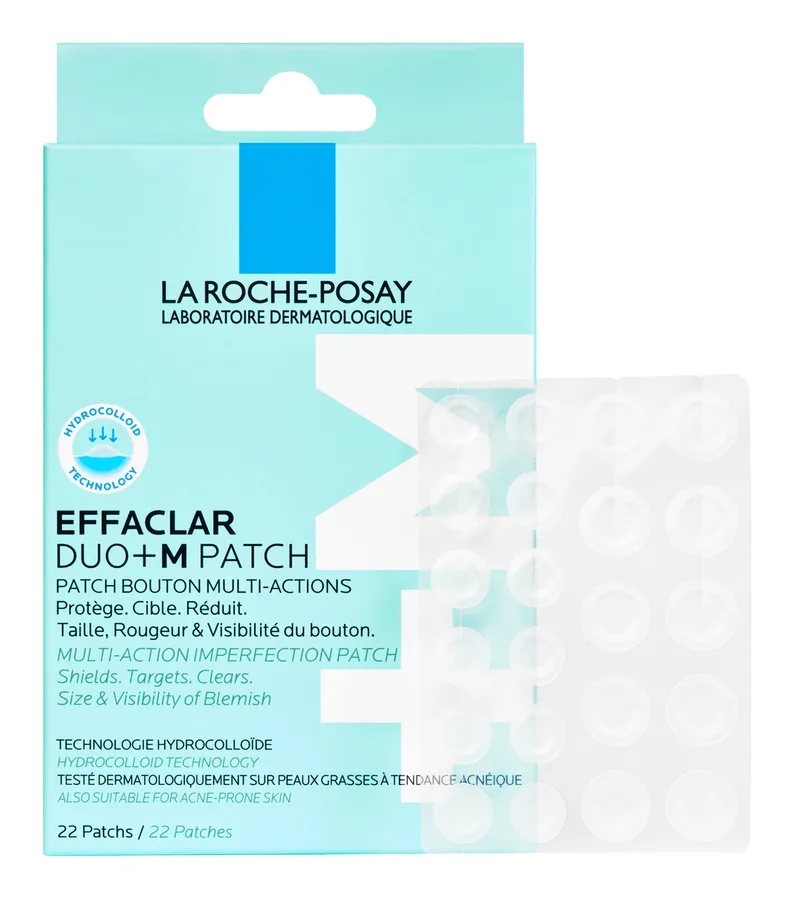 Derm Office Staple
 Effaclar Multi-Target Blemish Patches
One of the few hydrocolloid pimple patches that actually stays on overnight without curling off at 3am. At 420 microns thick with two size options in one pack and zero actives to irritate sensitive skin, this is the Effaclar line's quiet overachiever — and a legitimately good answer for anyone whose acne routine has been sabotaged by thinner patches that refuse to stay put.
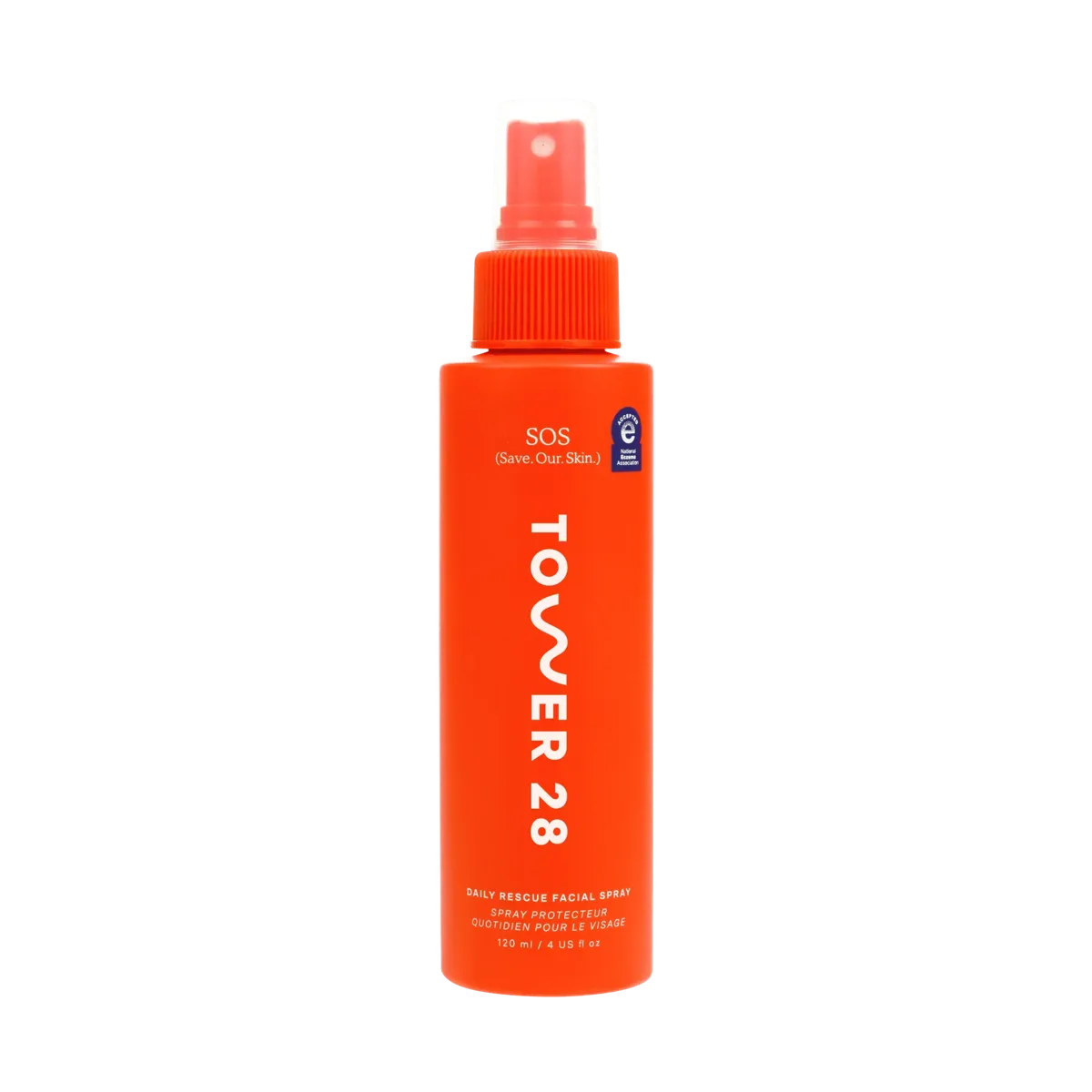 Reactive-Skin Cult Favorite
 SOS Save Our Skin Daily Rescue Facial Spray
The product that single-handedly brought hypochlorous acid into mainstream skincare. A fine-mist HOCl spray with genuine dermatology-organization validation, a near-perfect tolerability profile, and a cult following among people whose skin reacts to everything else. The price runs steeper than medical-grade HOCl, but the stabilization and design are worth the difference for daily use.
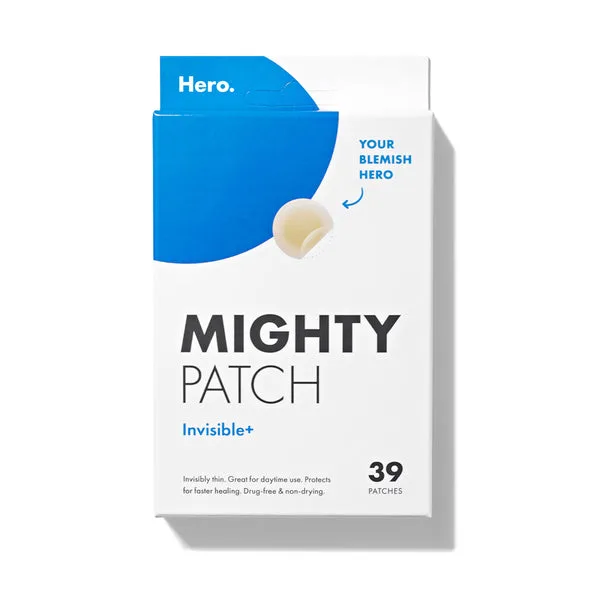
Mighty Patch Invisible+
The pimple patch that proved acne treatment could be invisible — Mighty Patch Invisible+ delivers the same fluid-absorbing hydrocolloid technology as the category-defining Original, but engineered thin enough to disappear under makeup. For daytime blemish management, nothing else comes this close to invisible.
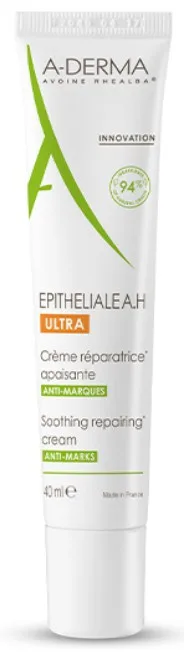 Post-Procedure MVP
 Epitheliale A.H Ultra Repairing Cream
One of the best-formulated French pharmacy repair creams on the market, full stop. Rhealba oat, three-weight HA, madecassoside, trace minerals, panthenol, and shea butter come together in a cream that handles post-procedure skin, eczema flares, friction damage, and compromised barriers with unusual competence for the price.
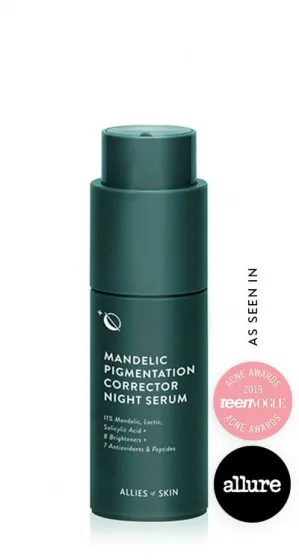 Pigmentation Specialist Pick
 Mandelic Pigmentation Corrector Night Serum
One of the most thoughtfully formulated pigmentation serums on the market. Mandelic acid leads, but the real story is the supporting cast — tranexamic acid, azelaic acid, niacinamide, and bakuchiol attacking hyperpigmentation through five different pathways. Specifically formulated to be safe on melanin-rich skin and it shows.
This review reflects our independent analysis of publicly available ingredient data, manufacturer claims, and verified user reviews. We are reader-supported — Amazon links may earn us a commission at no cost to you. We do not accept paid placements; rankings are based solely on the evidence.