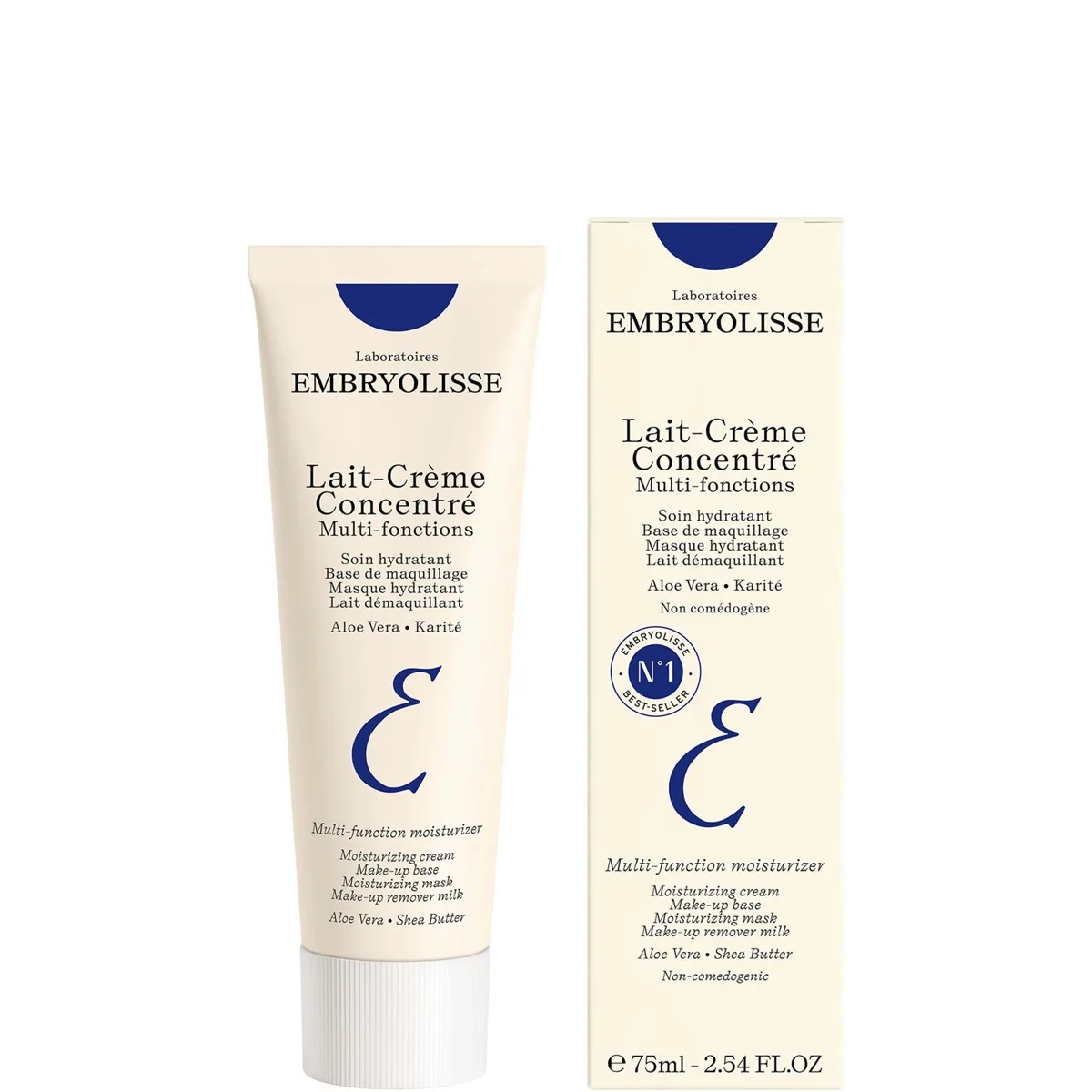
The quiet seventy-five-year-old French pharmacy cream that somehow still deserves its reputation. Lait-Crème Concentré is a barrier-rebuilding moisturizer that moonlights as one of the best makeup primers ever formulated, built around shea butter, beeswax, almond oil, aloe, and allantoin — simple, effective, and unchanged for decades. Parabens and fragrance are the main asterisks.
Lait-Crème Concentré
The quiet seventy-five-year-old French pharmacy cream that somehow still deserves its reputation. Lait-Crème Concentré is a barrier-rebuilding moisturizer that moonlights as one of the best makeup primers ever formulated, built around shea butter, beeswax, almond oil, aloe, and allantoin — simple, effective, and unchanged for decades. Parabens and fragrance are the main asterisks.
Score Breakdown
A time-tested barrier-supporting cream with excellent value, dinged slightly by parabens, fragrance, and a formula that hasn't evolved much since the 1950s.
Data Confidence: high
This product has been on the market for over 75 years with tens of thousands of reviews across global retailers and decades of backstage-makeup-artist testimonials. Scoring reflects deep real-world validation.
0/100
Overall Score
Ingredient Quality 0
Value for Money 0
Suitability Breadth 0
Irritation Risk (↑ = safer) 0
Assessment
Pros
- Seventy-five years of continuous use without reformulation proves the base formula works
- Rich shea butter and beeswax backbone genuinely repairs dry, compromised skin
- Doubles as an exceptional makeup primer with a glowy, natural foundation finish
- Multi-use versatility as hand cream, lip mask, post-shave balm, and body treatment
- Pregnancy-safe and gentle enough for most skin types except oily
- Excellent per-unit value, especially in the larger 175ml size
- Backed by decades of dermatological and professional makeup artist validation
- Simple INCI list without fillers or marketing-driven additions
Cons
- Contains parabens that many modern users prefer to avoid
- Fragrance rules it out for sensitized, rosacea-prone, or reactive skin
- Too rich for full-face use on oily skin types
- Classic powdery scent feels dated to some users
- Not fungal-acne safe due to almond and soybean oils
Full Review
There is a specific smell — soft, soapy, faintly powdery — that anyone who has spent time in a French pharmacy recognizes instantly. It's the smell of Lait-Crème Concentré, and it has remained unchanged since 1950, when a dermatologist named Dr. Tiriau formulated it for dry-skinned patients at his maternity ward in Neuilly-sur-Seine. He was not trying to build a global beauty brand. He was trying to solve a barrier problem for new mothers with chapped, stressed skin. The fact that his little white tube ended up in the kit of every makeup artist from New York to Seoul was an accident — a very productive one.
The formula itself is almost stubbornly simple, and its longevity is the single best argument for its quality. Water, stearic acid, glycerin, isopropyl palmitate, beeswax, aloe vera, shea butter, sweet almond oil, soybean oil, castor oil, allantoin. A handful of peptides and parabens round it out. It is a classically constructed emollient cream, not a modern multi-peptide delivery system, and it works because the core lipid phase was built correctly the first time. The shea butter and beeswax form the occlusive-emollient backbone that locks moisture in; almond and soybean oils soften the texture and deliver fatty acids to the upper skin layers; aloe vera adds a quiet water-phase soothe; allantoin calms and smooths. That's the whole engineering concept, and it has turned out to be very hard to improve.
On skin, it feels dense at first — the tube gives you something that looks genuinely thick — but it melts far thinner than expected once you press it in. Within a minute, skin looks softer, slightly dewy, and comfortable. It does not sit on top of the face. It does not feel like petroleum jelly. It feels, instead, like the Platonic ideal of a French moisturizer, which is to say: nourishing without drama. The scent is classic — a soapy, clean, faintly floral thing that older users find comforting and younger users either love or find dated, depending on their tolerance for pharmacy nostalgia. If fragrance is a dealbreaker, the Sensitive version exists for that reason.
The primer reputation is the part most people come looking for, and it genuinely holds up. Apply a pea-sized amount after serums, wait a minute, and foundation melts into it in a way that makes skin look like skin. This is not a blurring silicone primer or a mattifying silica primer. It's a hydrating emollient canvas that lets foundation photograph and wear naturally, with a dewy softness that no synthetic primer has quite replicated. This is why it lives in professional kits — not because anyone is marketing to makeup artists, but because working professionals keep picking it up and never finding a reason to switch.
As a moisturizer for dry or compromised-barrier skin, it performs exactly as a well-constructed emollient cream should. Dry patches calm within a day or two. The barrier-stripped feeling after a retinol night disappears. Skin feels plumper by morning. It is also reliable as a hand cream, post-shave balm, elbow salve, and emergency lip mask — it's the kind of tube that ends up being used for everything it shouldn't be used for, and then quietly doing the job anyway. The versatility is what justifies the shelf space more than any single claim.
Where the formula shows its age is in the preservative system. Methylparaben, ethylparaben, and propylparaben are still considered safe at cosmetic concentrations by the FDA and the EU, and there's no dermatological reason to avoid them, but a significant segment of modern skincare consumers has decided parabens are a pass regardless, and Embryolisse has chosen not to reformulate the original. Add the fragrance and you have a product that's simply not a fit for sensitized, reactive, or rosacea-prone skin. The brand knows this, which is why the Sensitive version exists. If you're shopping for the classic experience, the parabens and fragrance come with the formula and always will.
The other limitation is that it's genuinely too rich for most oily skin. Some oily-skin users love it as a targeted primer on drier zones, but applied full-face on someone who produces significant sebum, it tips into heavy quickly. It's also not fungal-acne safe — the sweet almond oil and soybean oil rule that out. For combination skin willing to be selective about placement, it works. For purely oily skin, the Hydra-Mat Emulsion from the same brand is the appropriate alternative.
At $32 for 75ml, the value is excellent. There's also a larger 175ml size for heavy users, which drops the per-unit price further. Compared to prestige French skincare creams running $80-120 for similar formulations, this is one of the most honestly priced derm-developed classics on the market. It earns its reputation, which is saying something for a product old enough to have grandchildren.
Formula
Ingredients
The hero actives that drive this product's performance.
| Ingredient | Function | Evidence |
|---|---|---|
| Shea Butter | Provides the rich occlusive-emollient backbone that gives this cream its signature protective feel, working alongside beeswax and sweet almond oil to build the barrier-supporting lipid layer the formula is famous for. | well-established |
| Sweet Almond Oil | Adds softening fatty acids and vitamin E that soak into the upper skin layers, complementing the heavier shea butter and beeswax above it so the cream feels nourishing rather than merely greasy. | well-established |
| Aloe Vera Leaf Juice | Sits near the top of the ingredient list and contributes the mild soothing water-phase that keeps this rich formula from feeling purely occlusive, balancing the heavy butters with calming hydration. | well-established |
| Beeswax | Forms the semi-occlusive film that gives Lait-Crème its makeup-priming reputation, locking the other emollients in place and creating the smooth canvas that makeup artists have relied on for decades. | well-established |
| Allantoin | Adds a gentle soothing and keratolytic benefit to the heavy emollient base, helping calm sensitized skin and smooth rough patches without adding irritation to an otherwise gentle formula. | well-established |
Full INCI List
Aqua (Water), Stearic Acid, Glycerin, Isopropyl Palmitate, Beeswax, Aloe Barbadensis Leaf Juice, Butyrospermum Parkii (Shea) Butter, Prunus Amygdalus Dulcis (Sweet Almond) Oil, Triethanolamine, Soybean Oil, Camellia Sinensis Leaf Extract, Ricinus Communis (Castor) Seed Oil, Magnesium Aluminum Silicate, Cetyl Alcohol, Allantoin, Silica, Sodium Methylparaben, Methylparaben, Ethylparaben, Propylparaben, Fragrance (Parfum), Acetyl Hexapeptide-8, Palmitoyl Pentapeptide-4
Product Flags
✗ Fragrance Free✓ Alcohol Free✗ Oil Free✓ Silicone Free✗ Paraben Free✓ Sulfate Free✓ Cruelty Free✗ Vegan✗ Fungal Acne Safe
Comedogenic Ingredients
isopropyl palmitatesoybean oil
Potential Irritants
fragranceparabens
Common Allergens
fragrancealmond oilsoybean oil
Compatibility
Skin Match
Best For
Works For
Not Ideal For
Addresses These Conditions
dryness dehydration compromised skin barrier winter skin
Use With Caution
Routine Step
moisturizer
Time of Day
AM & PM
Pregnancy Safe
Yes ✓
Layering Tips
Use as a rich day or night moisturizer on dry skin, as a makeup primer before foundation, or as a nourishing mask by applying a thicker layer and removing excess after 10 minutes.
Results Timeline
Hydration and softness are immediate. Visible improvement in dry patches and barrier comfort typically shows within 5-7 days. Longer-term barrier resilience builds over 4-6 weeks of consistent use.
Pairs Well With
hyaluronic-acid-serumretinolvitamin-c-serum
Sample AM Routine
- Gentle cleanser
- Hydrating toner
- Vitamin C serum
- Embryolisse Lait-Crème Concentré
- Sunscreen
Sample PM Routine
- Oil cleanser
- Cream cleanser
- Retinol serum
- Embryolisse Lait-Crème Concentré
Evidence
Science
The Science
The interesting thing about Lait-Crème Concentré from a formulation-science perspective is that it's a textbook example of a well-constructed emollient cream rather than a vehicle for a single hero active. The lipid phase is what does the work. Shea butter (Butyrospermum parkii) is one of the most thoroughly researched natural emollients in cosmetic literature, rich in oleic, stearic, and linoleic fatty acids that support barrier repair by mimicking components of the skin's own intercellular lipid matrix. Beeswax contributes a semi-occlusive film that reduces transepidermal water loss without producing the complete occlusion of petrolatum, which is why skin feels breathable rather than suffocated. Sweet almond oil adds additional linoleic and oleic acids with a smaller molecular profile that penetrates the upper stratum corneum more readily. Allantoin has well-documented soothing and keratolytic effects at topical concentrations. The aloe vera juice, while often dismissed as a label-friendly inclusion, does contribute polysaccharides that help hold water at the skin's surface. What's missing from the formula by modern standards is any meaningful active delivery system — no peptides in clinically relevant concentrations, no ceramides, no niacinamide, no vitamin C. The tiny amounts of acetyl hexapeptide-8 and palmitoyl pentapeptide-4 at the end of the INCI list are present in concentrations too low to drive anti-aging outcomes. That's not necessarily a flaw; it's a design choice. The product does what it was designed to do in 1950 — restore a compromised lipid barrier — and leaves active-driven concerns to other steps in the routine.
Dermatologist Perspective
Dermatologists frequently recommend Embryolisse Lait-Crème Concentré for patients with dry skin, eczema-adjacent conditions, and barrier dysfunction — particularly during pregnancy, when retinoid-free options are at a premium. The rich emollient base is widely cited as the kind of simple, supportive moisturizer that performs well in maternity and postpartum clinical settings, which aligns with the product's original development environment. Board-certified dermatologists note that the classic formula is not ideal for rosacea, active acne, or fragrance-sensitive skin, and will typically redirect those patients to the Sensitive version or alternative formulas. For everyone else, this is commonly recommended as a reliable, well-tolerated moisturizer backed by decades of clinical observation, even if the formulation itself is older than most current derm practice.
Guidance
Usage Guide
How to Use
Apply a pea-to-almond-sized amount to clean, slightly damp skin as your final moisturizing step in the AM or PM. Press and smooth rather than rubbing to let the rich emollient base absorb. As a primer, apply after serums, wait 60-90 seconds, then apply foundation. As a mask, apply a thicker layer, leave for 10 minutes, and tissue off excess. For dry body areas — elbows, knees, hands — use a dime-sized amount and massage in. Safe to use during pregnancy and nursing. Avoid applying heavy layers on oily or fungal-acne-prone zones.
Value Assessment
At $32 for the standard 75ml tube, this sits squarely in the upper-drugstore-to-lower-prestige range, and the value proposition is strong. A 175ml size is available for heavy users and offers significantly better per-unit pricing — worth choosing if you know you'll use it full-face daily or as a multi-use cream for hands and body. Compared to prestige emollient creams at $80-120 that use similar base ingredients in fancier packaging, Lait-Crème Concentré delivers the same core performance at a fraction of the cost. The seventy-five years of continuous market presence is its own kind of validation: a product that didn't earn its price would not have survived this long in the skeptical French pharmacy ecosystem.
Who Should Buy
Dry, normal, or slightly combination skin looking for a nourishing, barrier-supporting moisturizer with genuine French pharmacy heritage. Makeup wearers who want a natural, dewy canvas under foundation. Pregnant users in need of a simple, retinoid-free cream with decades of safety history.
Who Should Skip
Oily or acne-prone skin will find this too rich. Anyone with fragrance or paraben sensitivity should choose the Sensitive version. Fungal-acne sufferers should avoid it due to the almond and soybean oils. Those looking for active-driven anti-aging effects should layer it over a dedicated treatment.
Ready to try Embryolisse Lait-Crème Concentré?
Details
Details
Texture
Rich, thick white cream that melts into a softening film upon application
Scent
Classic soft powdery-soap scent — clean, nostalgic, distinctly French pharmacy
Packaging
White aluminum tube with the brand's instantly recognizable blue and white label
Finish
satinnon-greasydewy
What to Expect on First Use
Expect a dense cream that feels heavy in the tube but spreads thinner than expected on skin. First-time users are often surprised that a cream this rich absorbs without leaving a slick layer. Over the first week, dry skin typically calms noticeably.
How Long It Lasts
About 3-4 months with twice-daily face application, longer if used primarily as a primer
Period After Opening
12 months
Best Season
All Year
Background
The Why
Developed in 1950 by Dr. Tiriau in Neuilly-sur-Seine as a simple hydrating cream for the maternity ward he oversaw. It spread through French pharmacies by word of mouth, then became a backstage essential when makeup artists discovered it doubled as the best primer they'd ever used. It has since become the rare example of a medical-pharmacy formula that crossed into global beauty culture without being reformulated into irrelevance.
About Embryolisse Legacy Brand (20+ years)
Embryolisse was founded in 1950 by a Parisian dermatologist, and Lait-Crème Concentré is the brand's original formulation — a multi-purpose cream that has been a fixture in French pharmacies and backstage makeup kits for over seven decades.
Brand founded: 1950 · Product launched: 1950
Myth vs. Reality
Myths
Myth
Lait-Crème Concentré is only a makeup primer.
Reality
It's a full-fledged moisturizer first — the primer reputation came decades after its launch as a hospital skincare staple. Used as a moisturizer, it treats barrier dysfunction and dryness effectively.
Myth
It's too heavy to wear during the day.
Reality
It melts thinner than it looks and layers well under sunscreen and foundation. Makeup artists have been using it as the first step of daytime routines for decades.
FAQ
FAQ
Is Embryolisse Lait-Crème Concentré a moisturizer or primer?
It's primarily a rich moisturizer, and it doubles as one of the most beloved makeup primers in the industry because of its shea butter and beeswax base. The original formulation was developed for dry skin in a maternity hospital; the primer reputation came later when makeup artists adopted it.
Does it have parabens?
Yes — this product uses methylparaben, ethylparaben, and propylparaben as preservatives, which is a legacy of the 1950 formulation. Parabens remain approved as safe at these concentrations by the FDA and the EU, but if you prefer paraben-free skincare, this won't match your preference.
Can I use this on my face if I have oily skin?
It's generally too rich for all-over use on oily skin, though some oily-skin users apply a small amount as a targeted primer on drier zones. For combination skin, you can use it on dry areas and skip the T-zone.
Is this the same as the Lait-Crème Sensitive version?
No — the Sensitive version is fragrance-free, paraben-free, and reformulated for reactive skin. The original Concentré retains the classic formula. Choose Sensitive if fragrance or parabens are concerns.
How do I use it as a primer?
Apply a pea-sized amount after your serum step, let it absorb for 1-2 minutes, then apply foundation as normal. It gives foundation a glowy, skin-like finish that sits naturally instead of looking applied.
Is it safe during pregnancy?
Yes — the formula contains no retinoids, salicylic acid, or hydroquinone, and is frequently recommended for pregnant and nursing women because of its simple, nourishing profile.
Community
Community
Common Praise
"multi-use versatility"
"nourishing without greasiness"
"excellent makeup primer"
"softens dry skin fast"
Common Complaints
"contains parabens and fragrance"
"too rich for oily skin"
"classic formulation feels dated"
Notable Endorsements
French pharmacy iconProfessional makeup artist stapleBackstage beauty essential
Appears In
best moisturizer for dryness best moisturizer for compromised skin barrier best french pharmacy moisturizer best multi use cream best moisturizer for winter skin
Related Conditions
dryness dehydration compromised skin barrier winter skin
Related Ingredients
You Might Also Like
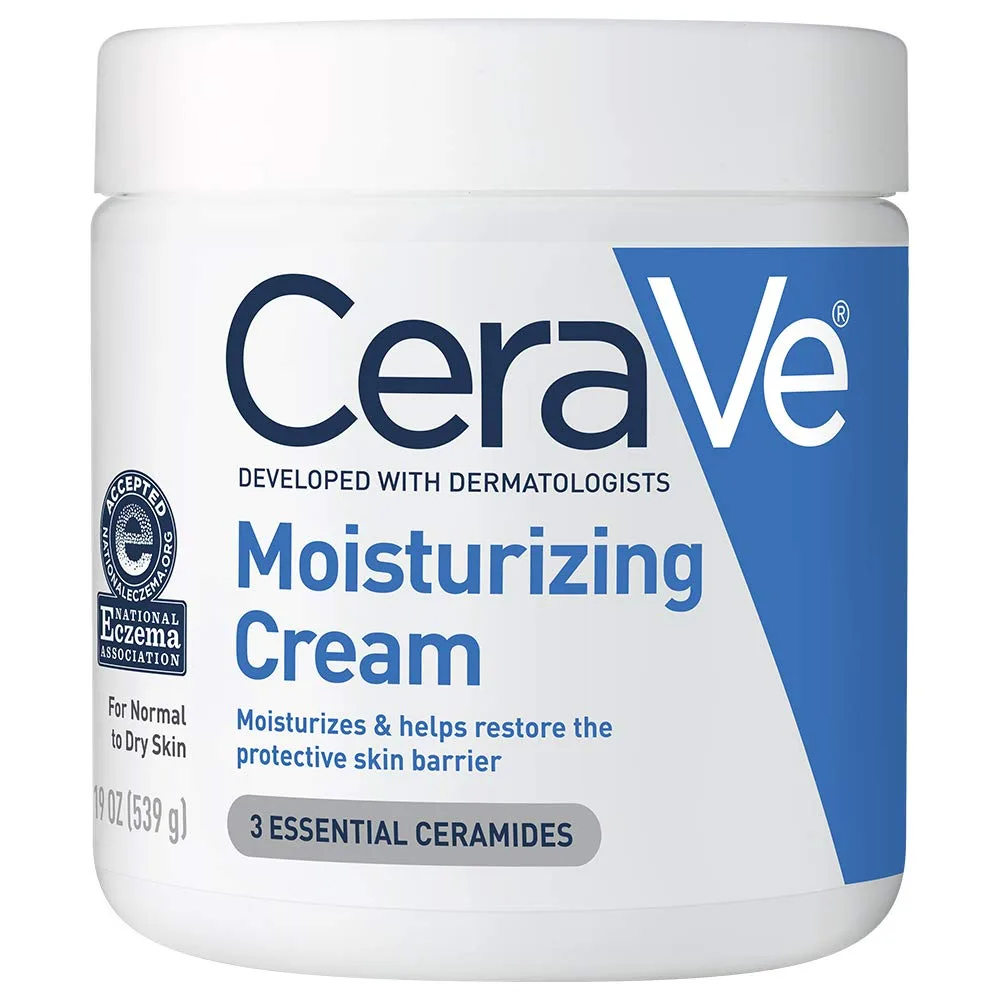 Budget Holy Grail
 Moisturizing Cream
The CeraVe Moisturizing Cream is the most important moisturizer in the drugstore — a ceramide-rich, dermatologist-developed formula that delivers barrier repair, multi-humectant hydration, and occlusive protection at a price so accessible it has no real excuse not to be in every household. Twenty-one years of consistent performance and universal dermatologist approval speak louder than any ingredient list.
 Barrier Repair Pioneer
 MLE Cream
Atopalm MLE Cream is one of the genuinely scientifically anchored barrier moisturizers in K-beauty — a fragrance-free, pseudo-ceramide cream built around a patented liquid-crystal lipid structure that mimics the skin's own intercellular matrix. For eczema, atopic skin, post-procedure recovery, or anyone with a stinging compromised barrier, it's one of the most reliably effective moisturizers in the entire category.
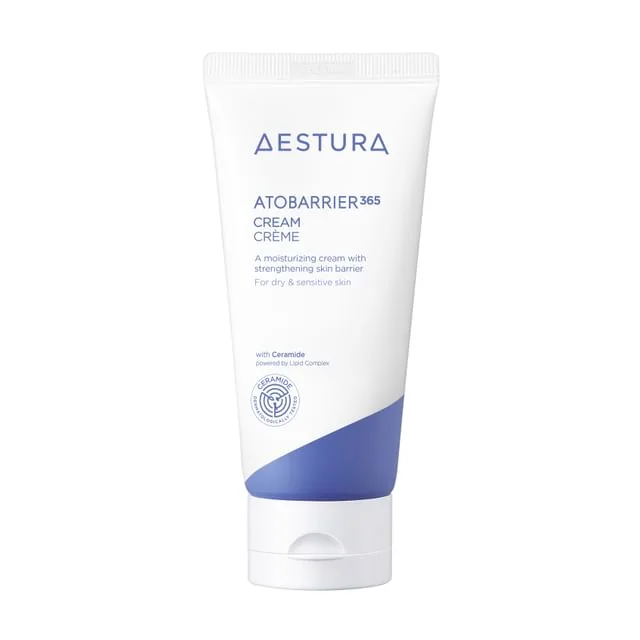 K-Beauty Barrier Repair Staple
 Atobarrier 365 Cream
A Korean pharmacy cream that earns its cult following the hard way — with a lamellar lipid structure that actually rebuilds the barrier, not just coats it. If your skin has been through a rough winter, a retinoid ramp-up, or a bad reaction, this is the jar that quietly puts it back together.
 Korean Derm Clinic Recovery Pick
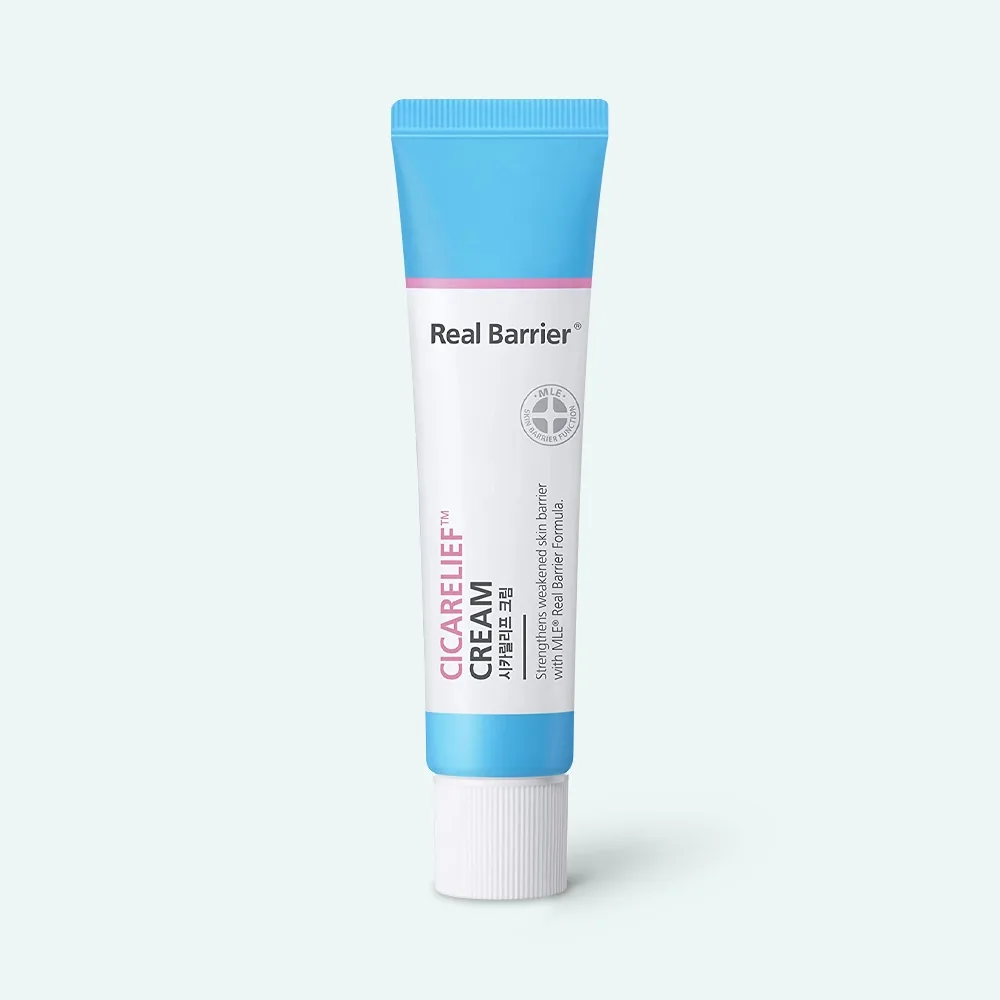
 Real Barrier Cicarelief Cream
One of the best consumer cica creams on the market, combining the full spectrum of centella actives with NeoPharm's MLE ceramide delivery and multiple complementary calming ingredients. Ideal for compromised, reactive, rosacea-prone, or recovering skin, and a staple in Korean dermatology clinic protocols. Minor limitations on packaging, but the formulation is genuinely excellent.
 Transparent 10% Panthenol Cream
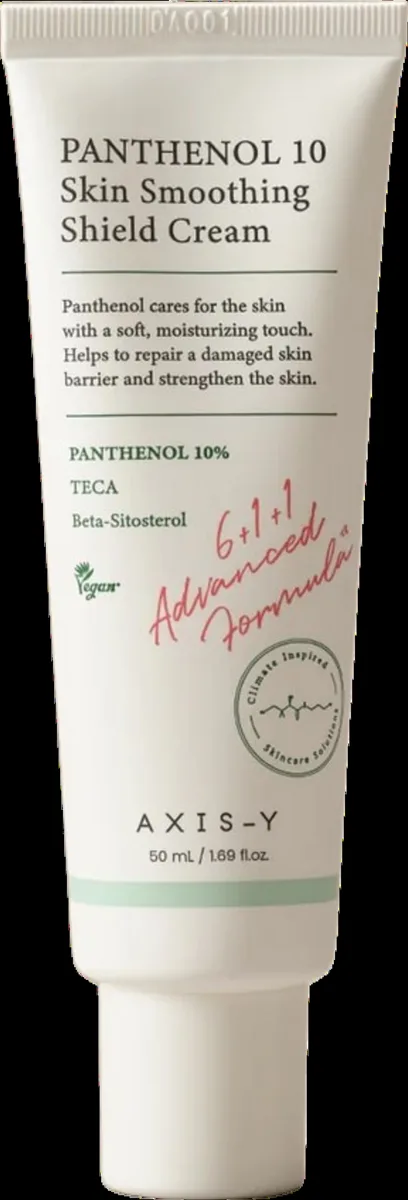
 Panthenol 10 Skin Smoothing Shield Cream
A disclosed 10% panthenol barrier cream built around a full physiological ceramide trio, a centella calming cast, and a modest shea butter occlusive. Fragrance-free, cross-season, and unusually transparent about its hero active — one of the brand's strongest moisturizer formulations.
 K-Beauty Icon
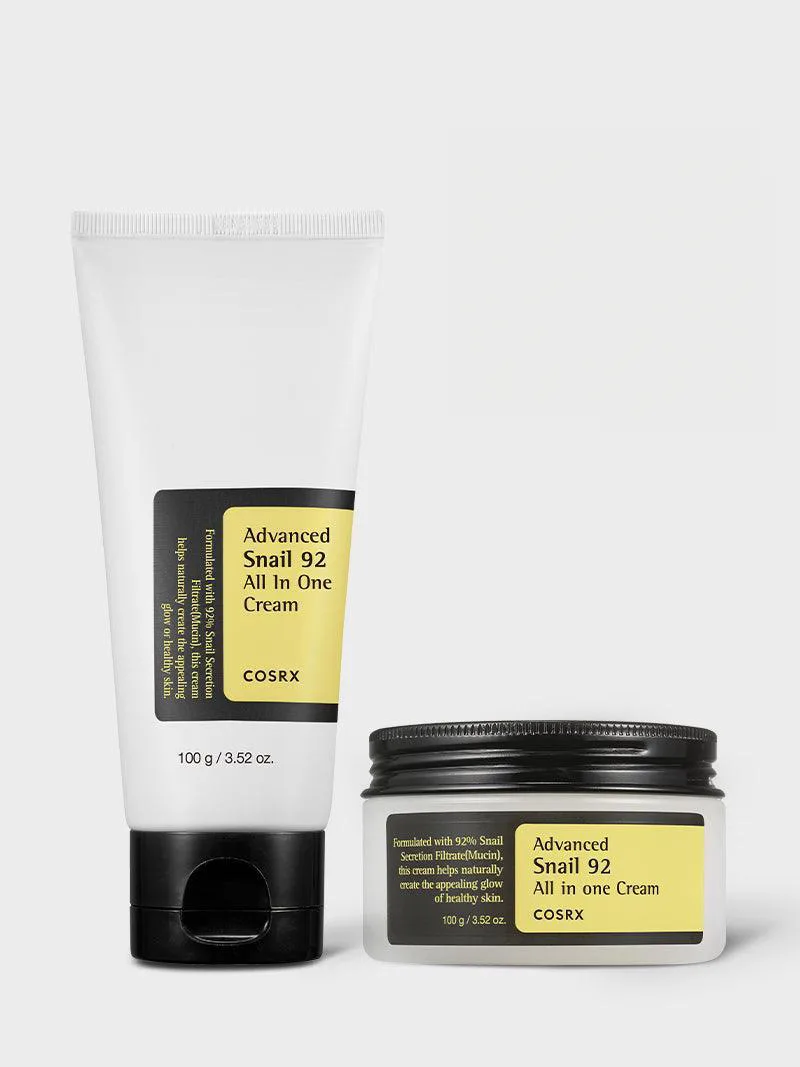
 Advanced Snail 92 All in One Cream
The cream that helped prove snail mucin to the world — and a decade later, it still deserves the reputation. At 92% snail secretion filtrate in a fragrance-free, gentle gel-cream, it delivers hydration, soothing, and gradual skin improvement across virtually every skin type. The texture takes getting used to, but 13 million sold units and 25,000+ reviews suggest most people manage.