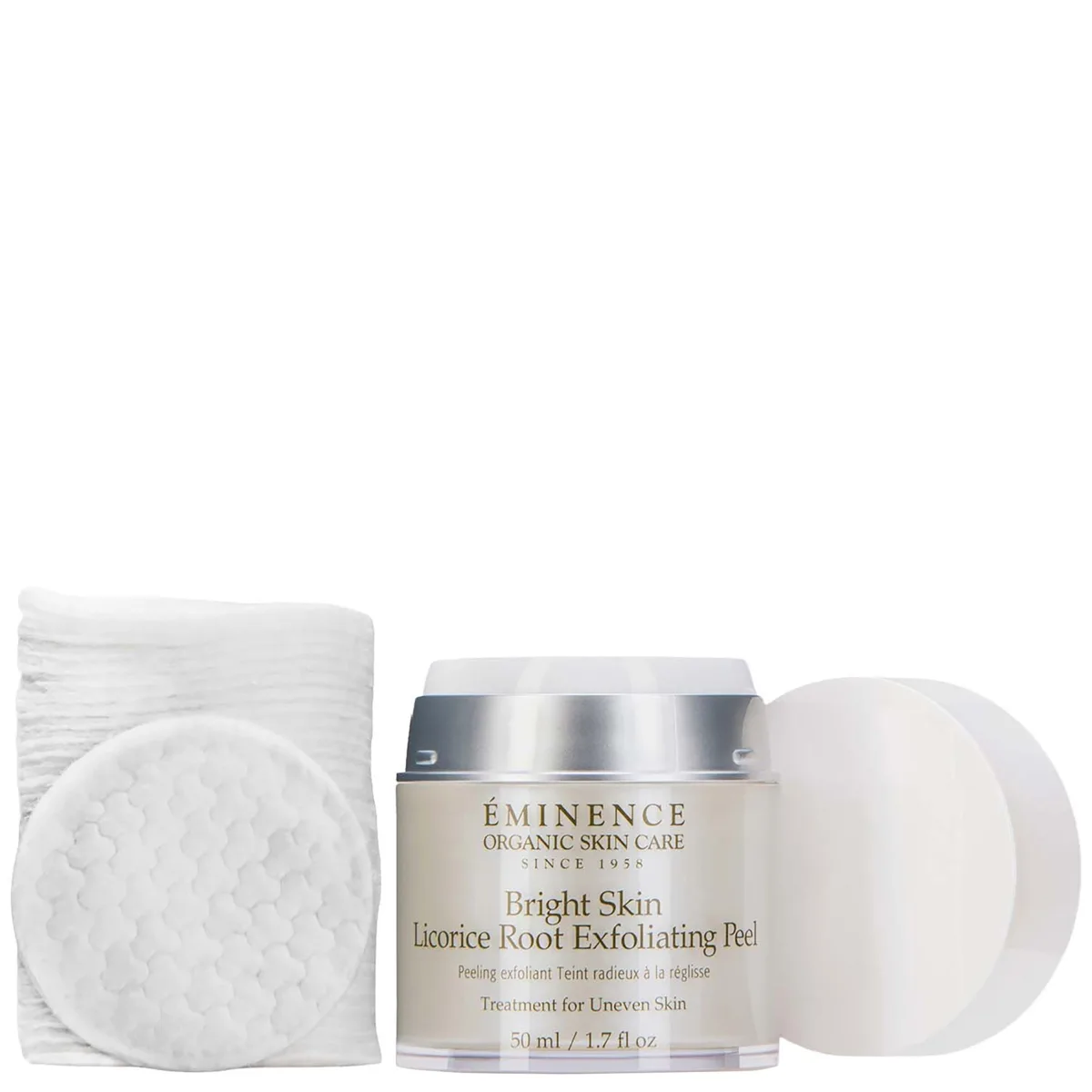
The smartest product in Eminence's catalog and a legitimately effective at-home brightening peel. The lactic acid plus licorice root extract combination does real work on surface hyperpigmentation and dullness, and the buffered formula keeps irritation manageable. Priced high, fragranced strongly, and not right for sensitive skin.
Bright Skin Licorice Root Exfoliating Peel
The smartest product in Eminence's catalog and a legitimately effective at-home brightening peel. The lactic acid plus licorice root extract combination does real work on surface hyperpigmentation and dullness, and the buffered formula keeps irritation manageable. Priced high, fragranced strongly, and not right for sensitive skin.
Score Breakdown
Where this product gains points and where it loses them — broken down across the four scoring pillars.
A well-formulated at-home lactic acid peel with genuine tyrosinase-inhibiting licorice root extract. The fragrance, strong botanical profile, and spa-channel pricing keep it from scoring higher.
Pros & Cons
- ✓Lactic acid and licorice root combination addresses both exfoliation and pigment formation
- ✓Licorice root extract at meaningful concentration, not just a label inclusion
- ✓Bisabolol and panthenol buffer the acid for better tolerability
- ✓Genuine visible results on surface hyperpigmentation over 4-8 weeks
- ✓Convenient pre-soaked pad format for consistent dosing
- ✓Pregnancy-safe, vegan, and cruelty-free formulation
- ✓One of the better-engineered at-home peels in the organic category
- ✗Strong licorice and added fragrance rule it out for sensitive skin
- ✗Priced at $1.38 per use, high compared to non-spa alternatives
- ✗Not strong enough to single-handedly resolve deep melasma
- ✗Can sting on first uses before skin acclimates
- ✗Conflicts with retinoids and other strong actives on same day
Full Review
Licorice root extract has a strange position in the skincare world. It's one of the better-studied botanical ingredients for hyperpigmentation — glabridin, its most active compound, is a genuine tyrosinase inhibitor with evidence for slowing melanin production at the cellular level. Dermatological literature has referenced it for decades as a gentler alternative to hydroquinone for surface-level discoloration. And yet, most brightening serums treat licorice root as a minor label-friendly inclusion at the end of the INCI list, where its concentration is too low to do meaningful work. Eminence's Bright Skin collection is one of the few product lines that takes licorice root seriously, and this exfoliating peel is the clearest expression of that strategy. It's the rare Eminence product where the brand's botanical positioning aligns with genuine ingredient efficacy, rather than outpacing it.
The formulation is built around two coordinated actives. Lactic acid, a well-studied alpha hydroxy acid, handles the exfoliation side — it loosens dulling surface cells and accelerates the turnover that keeps skin looking brighter. Licorice root extract handles the pigment side — it slows the tyrosinase enzyme that produces new melanin, which is what makes hyperpigmentation worse over time. Use an exfoliant without a tyrosinase inhibitor and you're removing the top layer while new dark spots keep forming underneath. Use a tyrosinase inhibitor without exfoliation and you're slowing new pigment but leaving the existing dullness in place. This peel does both simultaneously, which is why it works better than most at-home peel pads that lean entirely on glycolic acid.
The supporting cast is thoughtful. Bisabolol and panthenol are added to buffer the lactic acid, reducing the stinging and reactivity that acid peels can cause. Black mulberry extract and pomegranate extract add supplementary antioxidant and mild brightening support. Glycerin and aloe provide the hydrating water phase that keeps the pads from feeling harsh. The overall pH sits in the 3.5-4.0 range, which is low enough for the lactic acid to work but buffered enough that most users tolerate it. For an at-home peel, this is about as well-engineered as the category gets.
On skin, the experience is standard but reassuring. The first application produces a tingling sensation that lasts two to five minutes and subsides. Skin feels immediately smoother when you look at it the next morning — the mechanical loosening of dead cells by the acid creates that clean, refined feel that's the hallmark of a good exfoliant. With consistent use over 2-4 weeks, surface hyperpigmentation starts to fade visibly. Post-acne marks lighten. Sun damage softens. Dullness lifts. The improvements are cumulative and real, which is something you can't say about every $70 brightening product.
Where expectations need calibration is on deeper pigmentation. Melasma is a famously stubborn form of pigmentation that usually requires a combination approach — prescription tretinoin, hydroquinone, professional treatments — to fade significantly. This peel can support that regimen, but it will not single-handedly resolve melasma. If you're dealing with deep discoloration from pregnancy or hormonal factors, see a dermatologist and treat this product as a helpful supporting member of a larger plan rather than the whole plan. For surface sun damage and post-inflammatory marks from acne, however, the results are more accessible and predictable.
The fragrance is strong, and it's the licorice itself that dominates. Some users love it — the smell is distinctive, vaguely medicinal, and feels spa-like in a way that reinforces the product experience. Others find it overwhelming. The formula does contain added parfum as well, which makes this a fragrance-forward product that's not appropriate for rosacea, eczema, or fragrance-sensitive skin. Barrier-compromised skin should also avoid it entirely — layering lactic acid over an already-stressed barrier is a recipe for increased reactivity.
As a fit within a routine, this peel plays the role of a weekly-to-biweekly treatment step, not a daily product. Use it 2-3 times per week in the evening after cleansing, wait for the tingling to subside, and follow with a hydrating serum and moisturizer. Don't layer it with retinoids or vitamin C on the same day — the combined acidity and active load increases irritation without improving results. Always wear daily sunscreen while using it, because any acid exfoliant increases photosensitivity. These are standard rules for AHA-based peels, and they apply here as straightforwardly as anywhere else.
The price is where the spa-channel math becomes visible. At $69 for 50 pads, you're paying about $1.38 per use, which is genuinely high for an at-home peel category where more affordable options from The Inkey List, Paula's Choice, and CosRx exist in the $15-30 range. Those alternatives don't all contain licorice root in meaningful concentrations, which is part of what makes the Eminence version more differentiated, but the premium is real. For buyers who value the Bright Skin collection's coordinated approach and are willing to pay for the spa-channel positioning, it's defensible. For buyers who want the best value per active, cheaper lactic acid treatments exist, though they typically don't pair the acid with a legitimate tyrosinase inhibitor the way this one does.
The verdict is that this is the Eminence product I'd actually recommend to most people asking about the brand. Unlike some of the more aesthetically-driven items in the lineup, this one has a clear mechanism of action, an evidence-backed active combination, and real-world results that match its positioning. If you want to try Eminence and you have surface hyperpigmentation to address, this is the right starting point.
Formula
Key Ingredients
The hero actives that drive this product's performance.
| Ingredient | Function | Evidence |
|---|---|---|
| Lactic Acid | The primary exfoliating acid here, delivering gentle AHA resurfacing that works with the licorice root extract to address dullness and hyperpigmentation — lactic acid is the evidence-backed active doing most of the actual exfoliating work in the formula. | well-established |
| Licorice Root Extract | Contributes glabridin, a well-studied tyrosinase inhibitor that helps brighten hyperpigmentation alongside the lactic acid's exfoliation — together they form a coordinated approach to both removing dulling surface cells and slowing new pigment production. | well-established |
| Black Mulberry & Pomegranate Extract | These botanicals provide antioxidant and supplementary brightening support — mulberry has some evidence for mild tyrosinase inhibition, and pomegranate contributes ellagic acid, both reinforcing the licorice root's effect in this specific formulation. | promising |
| Bisabolol & Panthenol | Added to buffer the lactic acid exfoliation, these soothing actives help reduce the stinging and reactivity that acid peels can provoke, making this a more tolerable at-home peel option than many stronger competitors. | well-established |
Full INCI List · pH 3.5-4.0
Aqua (Water), Lactic Acid, Glycerin, Betaine, Sodium Hydroxide, Glycyrrhiza Glabra (Licorice) Root Extract, Gardenia Florida Fruit Extract, Citrus Aurantium Dulcis (Orange) Peel Extract, Morus Nigra (Black Mulberry) Fruit Extract, Punica Granatum (Pomegranate) Extract, Ascophyllum Nodosum Extract, Aloe Barbadensis Leaf Juice, Carthamus Tinctorius (Safflower) Seed Oil, Tocopherol, Panthenol, Bisabolol, Citric Acid, Ethylhexylglycerin, Phenethyl Alcohol, Parfum (Fragrance)
Product Flags
✗ Fragrance Free✓ Alcohol Free✗ Oil Free✓ Silicone Free✓ Paraben Free✓ Sulfate Free✓ Cruelty Free✓ Vegan✗ Fungal Acne Safe
Potential Irritants
lactic acidfragrance
Common Allergens
fragrance
Compatibility
Skin Match
Best For
Works For
Not Ideal For
Addresses These Conditions
hyperpigmentation dullness dark spots melasma sun damage texture
Use With Caution
Avoid With
eczema compromised skin barrier
Routine Step
treatment
Time of Day
PM
Pregnancy Safe
Yes ✓
Layering Tips
Use 2-3 times per week in the evening after cleansing. Follow with a hydrating serum and moisturizer. Always use daily sunscreen while incorporating this product.
Results Timeline
Immediate smoother and slightly brighter skin after first use. Visible improvements in tone evenness typically show after 2-4 weeks of consistent use. Hyperpigmentation fading over 8-12 weeks.
Pairs Well With
hyaluronic-acid-serumbarrier-moisturizerniacinamide-serum
Conflicts With
retinoidsvitamin-cother-exfoliants
Sample AM Routine
- Gentle cleanser
- Vitamin C serum
- Moisturizer
- Sunscreen
Sample PM Routine
- Cream cleanser
- Eminence Organic Skin Care Bright Skin Licorice Root Exfoliating Peel
- Hydrating serum
- Moisturizer
Evidence
Who Should Skip
- Strong licorice and added fragrance rule it out for sensitive skin
- Priced at $1.38 per use, high compared to non-spa alternatives
- Not strong enough to single-handedly resolve deep melasma
- Can sting on first uses before skin acclimates
Science & Expert Perspective
The Science
The efficacy case for this peel rests on two mechanisms that are relatively well supported in dermatological literature. Lactic acid is one of the most studied alpha hydroxy acids in topical cosmetic applications, with published research in journals including the Journal of Cosmetic Dermatology demonstrating effects on cell turnover, barrier function, and hyperpigmentation reduction when used at clinically relevant concentrations and pH ranges. Its larger molecular size compared to glycolic acid contributes to slower, gentler penetration, which is one reason it's often better tolerated on sensitive or dehydrated skin. Licorice root extract, specifically its glabridin component, has been studied for tyrosinase inhibition — the enzymatic step that converts tyrosine to melanin — with research in pigmentation disorder literature supporting its use as a gentler alternative to hydroquinone for surface hyperpigmentation. The combination of lactic acid exfoliation and glabridin-driven pigment inhibition is particularly well-suited to surface-level discoloration from sun damage and post-inflammatory marks, addressing both the visible accumulation and the underlying synthesis. Bisabolol, derived from chamomile, contributes anti-inflammatory support that helps mitigate the irritation often associated with acid exfoliation. Panthenol supports barrier recovery through pantothenic acid conversion. The black mulberry and pomegranate extracts add supplementary antioxidant benefit with some preliminary evidence for mild brightening activity, though at much lower evidence levels than lactic acid or licorice root themselves. What the formula doesn't need are additional strong actives — layering vitamin C or retinoids into this product would have increased irritation without adding meaningful efficacy. The restraint in formulation is itself a design strength.
Dermatologist Perspective
Dermatologists generally support at-home lactic acid peels as part of a hyperpigmentation treatment plan, particularly for patients who can't tolerate stronger glycolic acid formulations or who need a gentler approach for sensitive skin. Board-certified dermatologists note that the inclusion of licorice root extract adds genuine value over pure AHA products, as glabridin is one of the better-studied botanical tyrosinase inhibitors. This kind of product is commonly recommended for patients with post-inflammatory hyperpigmentation from acne, surface sun damage, and early melasma, though dermatologists will typically supplement with prescription-strength actives for more stubborn pigmentation. The fragrance and botanical profile are what dermatologists commonly flag for reactive-skin patients, who may need to choose a simpler lactic acid alternative.
Guidance
Usage Guide
How to Use
Use 2-3 times per week in the evening after cleansing. Wipe one pad gently across the face, avoiding the eye area and lips. Do not rinse. Wait for any tingling to subside — typically 2-5 minutes — then apply a hydrating serum and moisturizer. Always follow with broad-spectrum sunscreen the next morning. Start with once-weekly application if your skin is acid-naive, and build up gradually. Do not layer on the same day as retinoids, vitamin C, or other strong exfoliants.
Value Assessment
At $69 for 50 pads, this works out to about $1.38 per use, which is high in the at-home peel category. Comparable lactic acid products from The Ordinary, Paula's Choice, and CosRx exist in the $15-40 range, though most don't pair the acid with a meaningful licorice root concentration. The premium here is partly for the spa-channel positioning and partly for the coordinated brightening approach. For buyers focused on value per active, cheaper alternatives exist; for buyers who specifically want the licorice root plus lactic acid combination in a single product, the value is more defensible. No larger sizes are available to improve per-unit pricing.
Who Should Buy
Normal, combination, and oily skin dealing with surface hyperpigmentation, dullness, post-acne marks, or early sun damage. Users who want a coordinated exfoliation-plus-brightening approach in a single step. Fans of Eminence who want the most evidence-backed product in the brand's lineup.
Who Should Skip
Sensitive, rosacea-prone, eczema-prone, or barrier-compromised skin should avoid this due to the fragrance and lactic acid combination. Those with deep melasma should consult a dermatologist for prescription-strength options. Buyers focused on best value per active can find cheaper lactic acid alternatives.
Ready to try Eminence Organic Skin Care Bright Skin Licorice Root Exfoliating Peel?
Details
Details
Texture
Soaked peel pads with a wet, slightly slippery feel; textured side and smooth side
Scent
Strong licorice-forward botanical scent with citrus undertones
Packaging
Jar with 50 pre-soaked peel pads — clean beauty aesthetic
Finish
naturalslightly-dewy
What to Expect on First Use
Expect a noticeable tingling within seconds of application — this is the lactic acid working. The tingle typically lasts 2-5 minutes and should subside. Skin feels immediately smoother after removal, and brightness shows visibly after 3-4 uses over the first two weeks.
How Long It Lasts
About 2-3 months with use 2-3 times per week
Period After Opening
12 months
Best Season
All Year
Certifications
Certified Organic ingredients
Background
The Why
Launched in 2019 as part of Eminence's Bright Skin collection, which the brand developed as its dedicated approach to hyperpigmentation. The collection was designed to be a complete brightening routine, with this peel positioned as the treatment step that accelerates the results of the other products in the line.
About Eminence Organic Skin Care Established Brand (5–20 years)
Eminence Organic Skin Care was founded in Hungary in 1958 and has built a strong spa-channel reputation for botanical and organic formulations. The Bright Skin collection is one of the brand's most developed lines for hyperpigmentation.
Brand founded: 1958 · Product launched: 2019
Myth vs. Reality
Myths & Misconceptions
Myth
This peel will fade deep melasma quickly.
Reality
Surface hyperpigmentation responds to lactic acid and licorice root over 2-3 months, but deeper melasma typically requires a more aggressive combination including prescription tretinoin, hydroquinone, or professional treatments. This peel is a helpful supporting product, not a standalone solution for stubborn melasma.
FAQ
Frequently Asked Questions
How often should I use these peel pads?
Start with 1-2 times per week and build up to 2-3 times per week if your skin tolerates it well. More frequent use can compromise the barrier and increase irritation without adding benefit. Always follow with sunscreen the next morning.
Will these fade hyperpigmentation?
For surface-level hyperpigmentation from sun damage or post-inflammatory marks, yes — the lactic acid and licorice root combination typically shows visible improvement after 4-8 weeks. For deeper pigmentation like melasma, this is a helpful supporting product but not a complete solution.
Is this safe during pregnancy?
Lactic acid is generally considered pregnancy-safe, and licorice root extract at topical concentrations is also considered low-risk. Discuss with your provider if you have any concerns, especially during the first trimester.
Can I use this with retinol?
Not on the same day. Layering acid exfoliants with retinoids increases barrier stress and irritation risk. Use the peel pads on alternate evenings from your retinol, or on retinol-free nights altogether.
How is this different from a glycolic acid peel?
Lactic acid is a larger molecule than glycolic acid, which means slower penetration and generally less irritation. This makes lactic acid peels a gentler choice for sensitive or dehydrated skin. The addition of licorice root extract also gives this peel a brightening component that pure glycolic acid peels don't have.
Do I need to rinse it off?
No — the formula is designed to be left on after wiping. The buffered pH allows the actives to work without requiring neutralization. Apply your hydrating serum or moisturizer directly on top once the tingling subsides.
Community
Community Voices
Common Praise
"visibly brighter skin"
"smooth texture improvement"
"works on dark spots"
"convenient pad format"
Common Complaints
"expensive per pad"
"strong licorice scent"
"can sting on first use"
"50 pad count runs out fast with regular use"
Notable Endorsements
Spa professional favorite for hyperpigmentationClean beauty brightening staple
Appears In
best exfoliant for hyperpigmentation best at home peel pads best exfoliant for dullness best organic peel
Related Conditions
hyperpigmentation dark spots dullness melasma sun damage
Related Ingredients
You Might Also Like
 Sensitive Skin AHA Pick
 Mandelic Acid 5% Skin Prep Water
The mandelic acid prep water that quietly converted half of K-beauty Reddit away from glycolic — and for good reason. It delivers visible texture and PIH improvement at 5% without the sting or pigment risk that derails sensitive and darker skin, and it does so for around twenty bucks.
 Gentle Glow Specialist
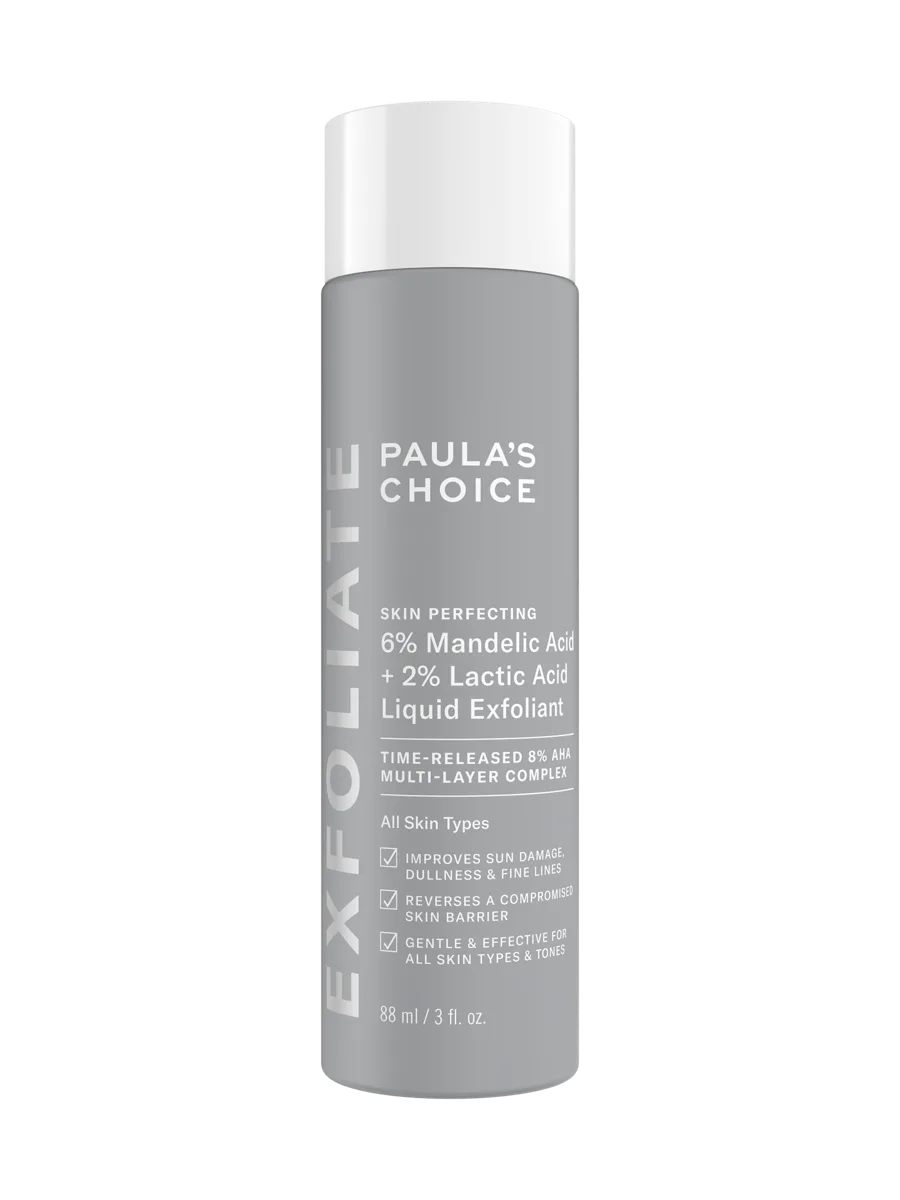
 Skin Perfecting 6% Mandelic Acid + 2% Lactic Acid Liquid Exfoliant
The exfoliant that finally treats sensitive and melanin-rich skin as the design priority rather than an afterthought. With a 4.8-star rating and 660+ reviews, this mandelic-lactic formula proves that gentleness and efficacy aren't mutually exclusive — it just requires smarter acid selection.
 The Original At-Home Peel
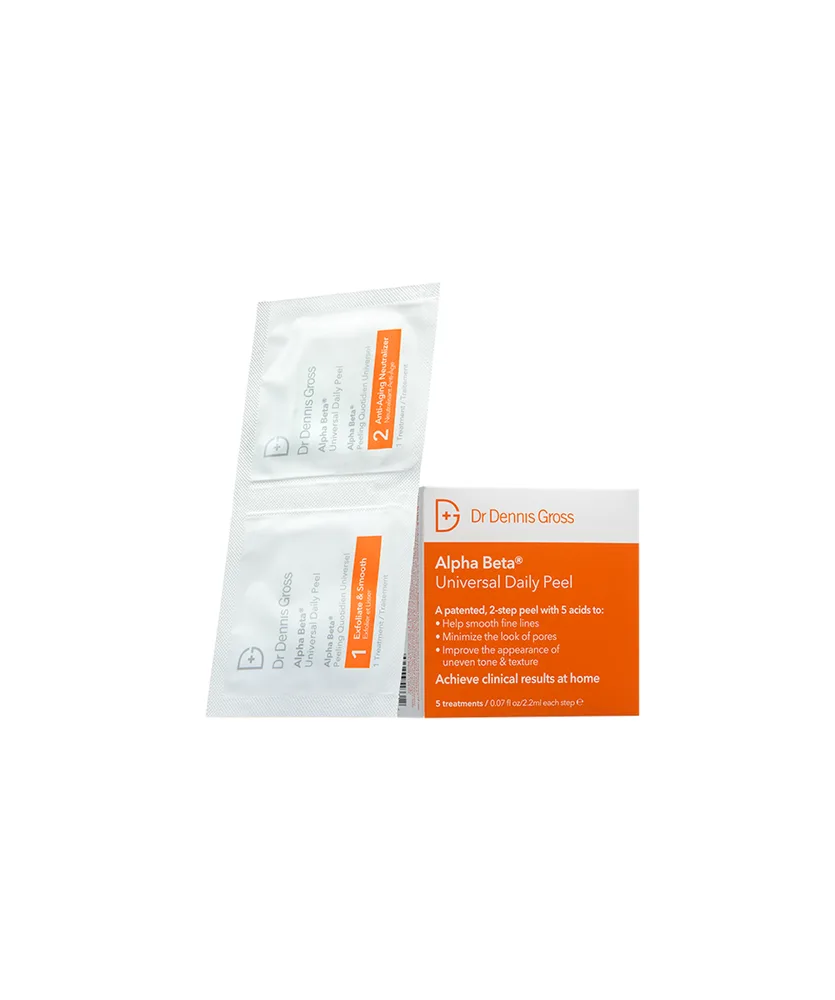
 Alpha Beta Universal Daily Peel
The product that invented the at-home daily peel category in 2002 and still sits at the top of it. The five-acid Step 1 and retinol-antioxidant Step 2 deliver genuine resurfacing and anti-aging in a single five-minute routine. Expensive, but the results and track record justify the reputation.
 Beginner Exfoliant Pick
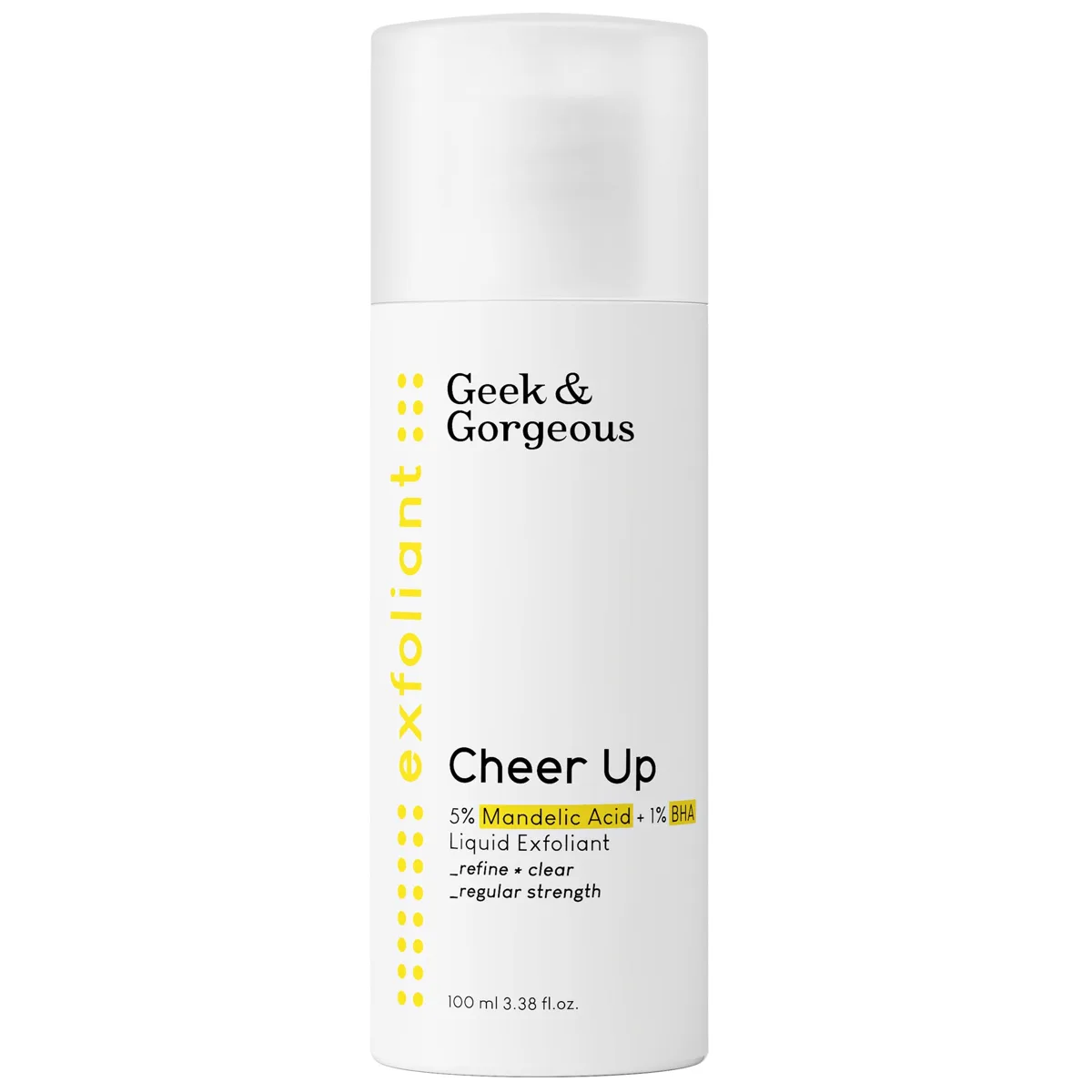
 Cheer Up 5% Mandelic + 1% Salicylic Exfoliant
A thoughtfully formulated beginner AHA/BHA exfoliant that uses mandelic acid — the gentlest mainstream AHA — in combination with low-strength salicylic, plus a sugar-humectant complex for comfort. At 100mL for around $12, the value is excellent, and the formulation choices reflect the kind of cosmetic-chemist thinking that separates this brand from typical indie exfoliants. Ideal for exfoliant newcomers and sensitive skin.
 At-Home Peel Benchmark
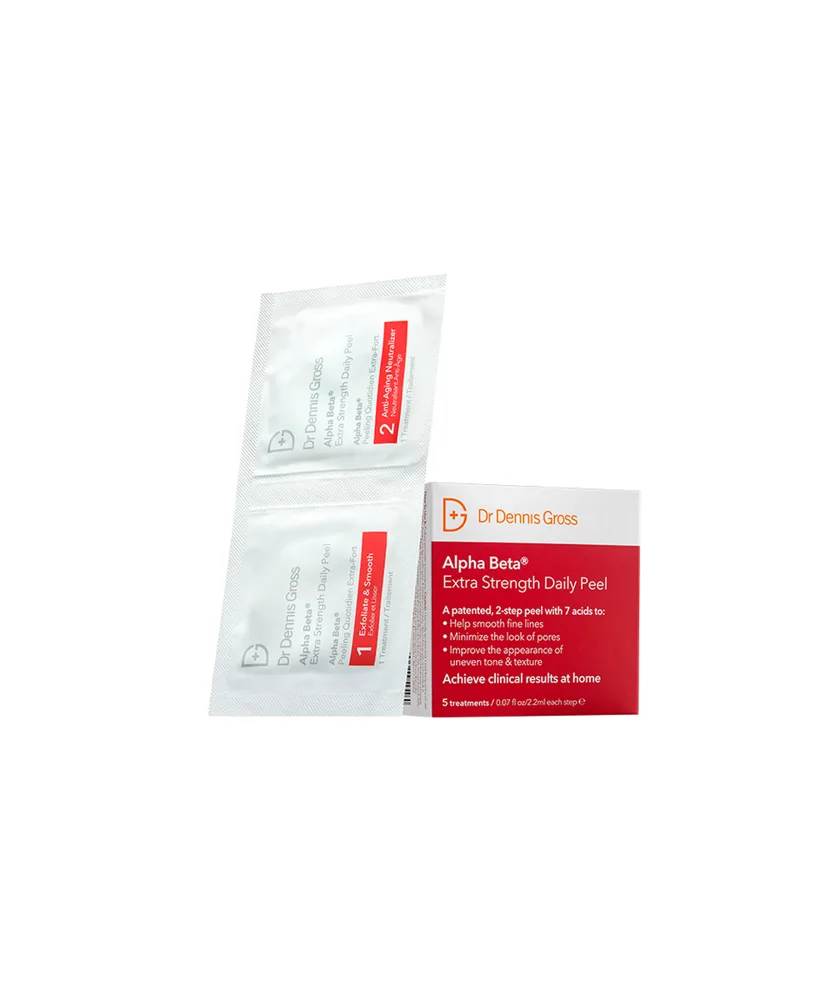
 Alpha Beta Extra Strength Daily Peel
The harder-hitting version of the at-home peel that started the category. Step 1 delivers a serious five-acid blend and Step 2 follows with retinol and antioxidants, making this a combined resurfacing and anti-aging treatment in a single five-minute routine. Expensive but genuinely effective for experienced exfoliant users.
 Pharma-Grade Budget BHA
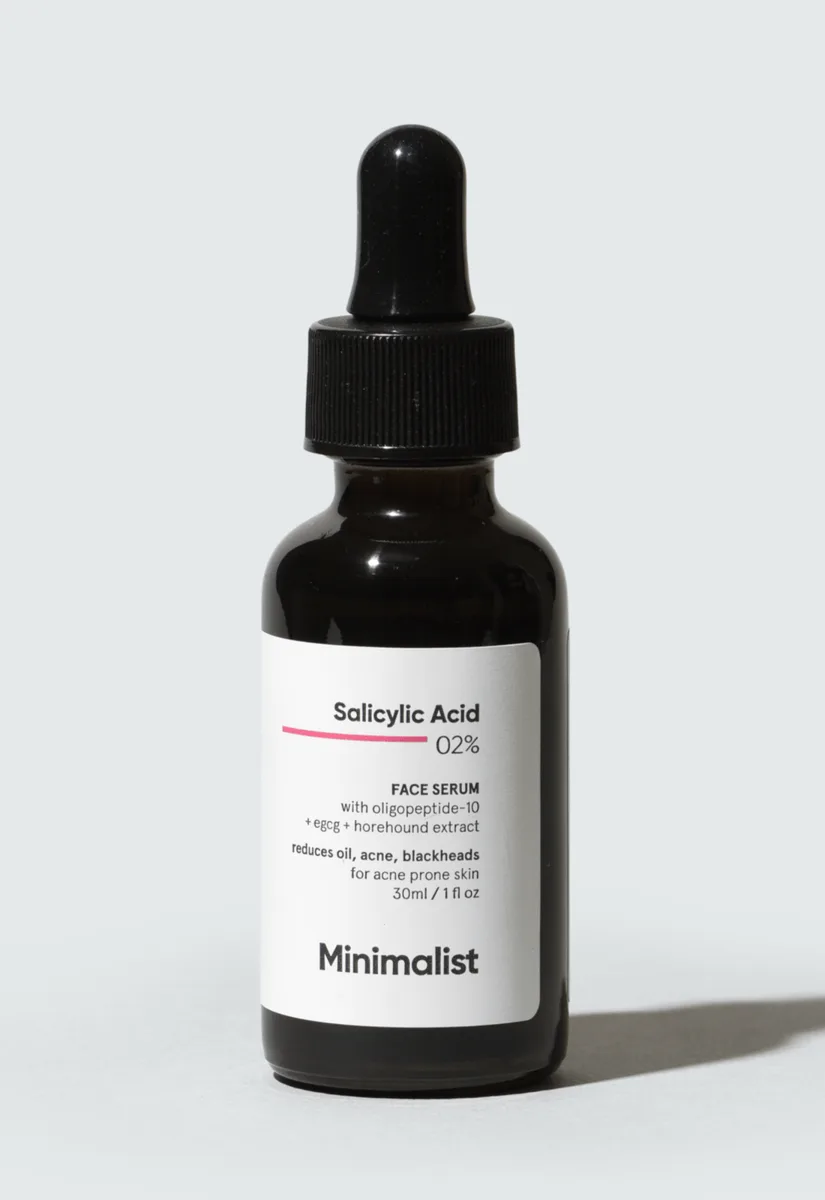
 2% Salicylic Acid Face Serum
A pharma-grade 2% BHA serum at pH 3.75, built around Merck's RonaCare salicylic acid and flanked by Marrubium Vulgare, EGCG glucoside, and Oligopeptide-10 — a supporting cast most budget salicylic serums do not bother with. At ₹599 for 30ml, it is one of the best acne serums on the Indian market and genuinely competitive with the prestige alternatives.
This review reflects our independent analysis of publicly available ingredient data, manufacturer claims, and verified user reviews. We are reader-supported — Amazon links may earn us a commission at no cost to you. We do not accept paid placements; rankings are based solely on the evidence.