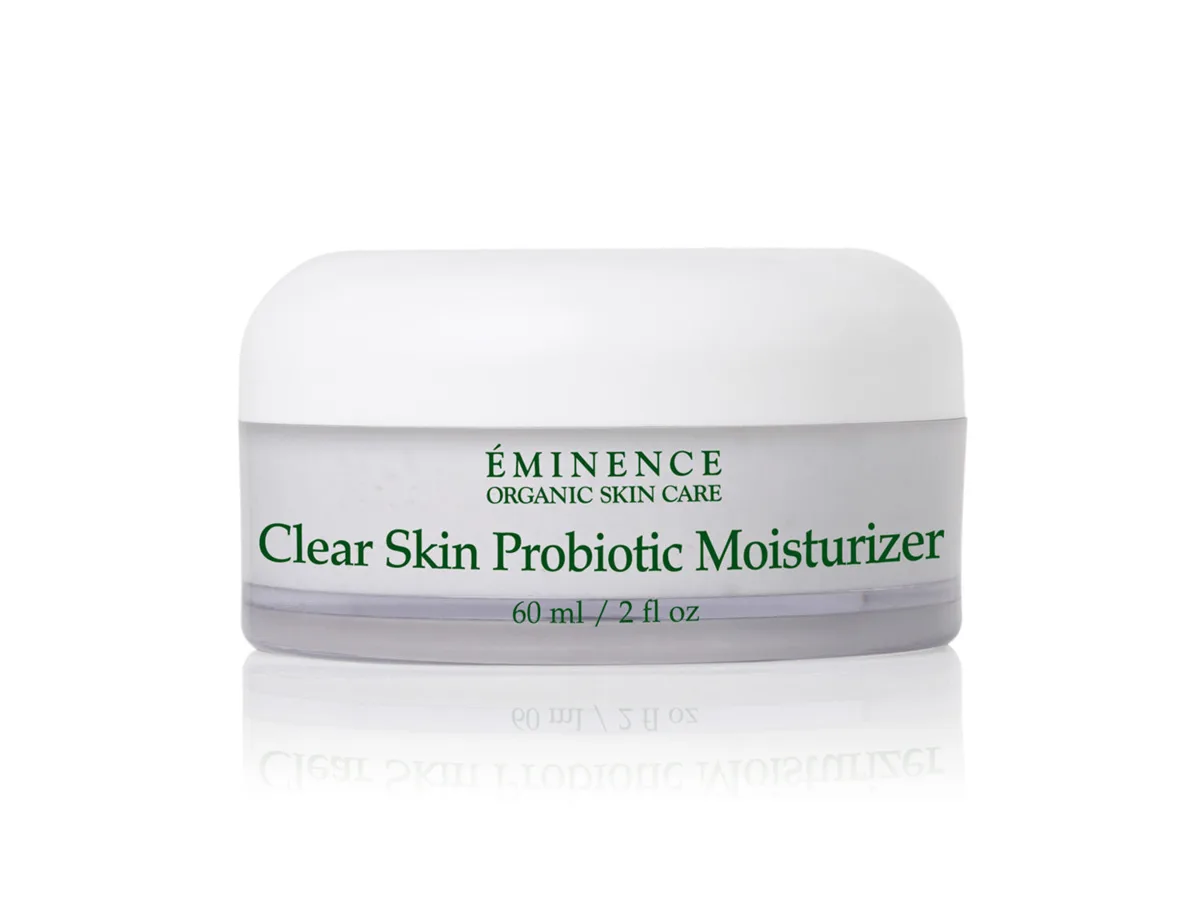
A pleasant-feeling botanical acne moisturizer whose 'probiotic' branding is mostly marketing and whose willow bark salicin concentration is too low to compete with real salicylic acid. The clay-assisted matte finish is genuinely nice, but the formula contains comedogenic-leaning oils and fragrant plant extracts that undercut its acne-friendly positioning.
Clear Skin Probiotic Moisturizer
A pleasant-feeling botanical acne moisturizer whose 'probiotic' branding is mostly marketing and whose willow bark salicin concentration is too low to compete with real salicylic acid. The clay-assisted matte finish is genuinely nice, but the formula contains comedogenic-leaning oils and fragrant plant extracts that undercut its acne-friendly positioning.
Score Breakdown
Where this product gains points and where it loses them — broken down across the four scoring pillars.
A botanical acne moisturizer whose 'probiotic' positioning and willow bark story don't translate into strong clinical acne efficacy, held back further by the inclusion of fragrant plant extracts that can sensitize the reactive skin it markets to.
Pros & Cons
- ✓Lighter, more mattifying finish than typical Eminence creams
- ✓Kaolin clay contributes genuine oil absorption
- ✓Cruelty-free, paraben-free, and organic-sourced
- ✓Pleasant herbal sensory experience for spa lovers
- ✓Works reasonably as a moisturizer for mild, occasional breakouts
- ✓Willow bark, horsetail, and beetroot extracts add antioxidant support
- ✗Probiotic branding is marketing rather than biological reality
- ✗Willow bark salicin is too weak for clinical acne benefit
- ✗Contains moderately comedogenic corn germ oil, shea, and beeswax
- ✗Lavender, peppermint, and grapefruit can sensitize reactive skin
- ✗Expensive compared with dermatologist-developed acne moisturizers
- ✗Yogurt, dairy, and bee-derived ingredients make it non-vegan
Full Review
The Eminence Clear Skin Probiotic Moisturizer is an interesting case study in how brand positioning and formulation can drift out of sync. The label promises two things: probiotic skincare and acne-friendly hydration. The ingredient list delivers neither of those in a particularly convincing way, but it also does enough real work to explain why it has a loyal following among aesthetician clients and spa-skincare shoppers. Untangling the mismatch is basically the whole review.
Start with the probiotic claim. Probiotic skincare is one of the more hyped categories of the last decade, and the scientific underpinning for leave-on topical probiotics has gotten progressively shakier the more closely researchers have looked. Live probiotic cultures don't survive the preservation, pH adjustment, and emulsification that finished skincare products undergo; they're inactivated before the jar is ever sealed. What modern probiotic skincare usually means, in practice, is postbiotic filtrates and ferments — things like Lactobacillus ferment lysate or Bifida ferment — which are metabolic byproducts rather than live cultures. This Eminence formula doesn't contain any of those. What it contains is yogurt, which contributes lactic acid, some trace proteins, and mild humectancy. The probiotic name is essentially a branding decision, not a biological description of what's happening on your skin.
Then there's the acne claim, which rests primarily on willow bark extract. Willow bark contains salicin, a precursor compound that can theoretically convert to salicylic acid in skin. The catch is that the yield is low — far below the 0.5-2% salicylic acid concentrations that pharmaceutical BHA products use, and nowhere near the dose that produces the clinically well-documented effects on comedones, clogged pores, and inflammatory acne. The formula also lists salicylic acid directly, but near the bottom of the INCI, which means it's present at preservative-level concentrations, not therapeutic ones. If you have real acne, this product will not replace a dedicated BHA serum, benzoyl peroxide wash, or prescription retinoid. It's a gentle assist at best.
So what is it actually doing? A few honest things. The kaolin clay gives the cream a genuinely lighter, more mattifying finish than most Eminence moisturizers, which is a real improvement for combination skin that wants hydration without the slickness of a heavy botanical cream. The horsetail, beetroot, and willow bark extracts contribute mild astringent and antioxidant support. The pantothenol and aloe provide some soothing and humectancy. For someone with mild, occasional breakouts — the type that responds to essentially any non-heavy moisturizer — this cream can slot in as the hydrating step of a routine without obvious downsides. For that user, at that intensity of acne, it's fine.
The problems start when the label gets taken literally. The formula contains corn germ oil, shea butter, beeswax, and cetearyl alcohol — a quartet that is moderately comedogenic for very acne-prone skin. Combined with lavender, peppermint, grapefruit peel, and other fragrant plant extracts that can sensitize reactive skin, this is an acne moisturizer that carries real risks for the very population it's marketed to. People with moderate acne, sensitive skin, or active breakouts should probably look elsewhere; the performance-to-risk ratio just doesn't line up.
Price-wise, at roughly $54 for 2 ounces, it's priced like a prestige spa product for what is, mechanically, a lightly-mattified botanical moisturizer. You're paying for the Eminence brand, the organic positioning, the glass jar, the aesthetician-trade credibility, and the spa sensory experience. You're not paying for clinical acne efficacy that exceeds drugstore alternatives. A simple niacinamide-and-ceramide moisturizer from a dermatologist-developed pharmacy brand will typically deliver more reliable acne-friendly results at a fraction of the cost.
The honest recommendation is narrow but legitimate. If you love Eminence, tolerate botanicals well, have combination skin with occasional breakouts rather than active acne, and value the spa aesthetic of your routine as part of the experience, this cream can be a pleasant addition. If you have real acne that needs real intervention, or sensitive skin that reacts to fragranced plant extracts, or a budget that demands ingredient density per dollar, this product is asking you to pay more than it can deliver. The gap between the branding and the biology is what keeps this from being a stronger recommendation.
Formula
Key Ingredients
The hero actives that drive this product's performance.
| Ingredient | Function | Evidence |
|---|---|---|
| Willow Bark Extract | Willow bark contains salicin, a precursor compound that can convert to salicylic acid in skin at low levels. In this moisturizer, it's the star 'natural BHA' claim, though the salicylic acid yield from willow bark is typically far below the 0.5-2% concentrations that give synthetic salicylic acid its clinical effects on acne. The formula also contains listed salicylic acid lower in the INCI as a preservative booster. | limited |
| Yogurt | The 'probiotic' in the name is yogurt, which is typically inactivated during formulation — meaning there are no live probiotic cultures in a preserved leave-on cream. What yogurt does contribute is lactic acid, trace amino acids, and a mild humectant effect. The actual microbiome-adjacent benefits some brands attribute to probiotic skincare generally come from postbiotics and fermented filtrates, not from yogurt in a finished moisturizer. | limited |
| Kaolin Clay | A mild absorbent clay that helps mattify the finish and soaks up some surface sebum. In this formula it's responsible for the slightly matte, less shiny finish compared with most rich botanical creams, and it's what positions this product as being acne-friendly despite having plant oils and beeswax in the base. | well-established |
| Tea Tree Oil | Tea tree oil appears in related Clear Skin line products and has some clinical evidence for acne at 5% concentrations. Note: the published ingredient list for this specific moisturizer does not explicitly list tea tree oil — check current packaging if this is a specific concern. | promising |
| Shea Butter and Corn Germ Oil | Provide the emollient cushion of the formula alongside beeswax and cetearyl alcohol. For acne-prone skin this is a mixed bag — shea and corn germ oil are moderately comedogenic-leaning and not ideal for very acne-prone users despite the product's 'clear skin' positioning. | well-established |
Full INCI List
Aloe Barbadensis (Aloe) Juice, Cucumis Sativus (Cucumber) Juice, Salix Alba (Willow) Bark Extract, Rosa Canina (Rosehip) Seed Extract, Citrus Paradisi (Grapefruit) Peel Extract, Symphytum Officinale (Comfrey) Leaf Extract, Lavandula Angustifolia (Lavender) Flower Extract, Equisetum Arvense (Horsetail) Leaf Extract, Mentha Piperita (Peppermint) Leaf Extract, Calendula Officinalis Flower Extract, Beta Vulgaris (Beetroot) Extract, Vegetable Glycerin, Cetearyl Alcohol, Zea Mays (Corn) Germ Oil, Butyrospermum Parkii (Shea Butter), Propanediol (From Corn), Bolus Alba (Kaolin Clay), Panthenol (Provitamin B5), Cera Alba (Beeswax), Vegetable Glycerin, Yogurt, Sempervivum Tectorum (Stone Crop) Juice, Glyceryl Stearate, Cucumis Sativus (Cucumber) Extract, Cellulose, Calendula Officinalis Flower Oil, Tocopheryl Acetate (Vitamin E), Benzyl Alcohol, Salicylic Acid, Sorbic Acid
Product Flags
✗ Fragrance Free✗ Alcohol Free✗ Oil Free✓ Silicone Free✓ Paraben Free✓ Sulfate Free✓ Cruelty Free✗ Vegan✗ Fungal Acne Safe
Comedogenic Ingredients
Corn Germ OilCetearyl AlcoholBeeswaxShea Butter
Potential Irritants
Lavender Flower ExtractPeppermint Leaf ExtractGrapefruit Peel ExtractBenzyl AlcoholCalendula Flower Oil
Common Allergens
Yogurt (dairy)Calendula (Asteraceae family)Beeswax
Compatibility
Skin Match
Best For
Works For
Not Ideal For
Addresses These Conditions
Use With Caution
rosacea sensitivity fungal acne
Avoid With
Routine Step
moisturizer
Time of Day
AM & PM
Pregnancy Safe
Unknown
Layering Tips
Apply as the moisturizer step after any BHA or benzoyl peroxide treatment. Avoid layering multiple salicylic acid products; the willow bark here plus a dedicated BHA serum may be too much for sensitive skin.
Results Timeline
Immediate: slightly matte, non-greasy finish. 1-2 weeks: some users report reduced surface oiliness and small bump activity. 4-8 weeks: modest acne improvement for mild cases — not comparable to a dedicated prescription or benzoyl peroxide routine.
Pairs Well With
niacinamidehyaluronic-acid
Conflicts With
strong-aha-products
Sample AM Routine
- Gentle cleanser
- Niacinamide serum
- Eminence Organic Skin Care Clear Skin Probiotic Moisturizer
- SPF
Sample PM Routine
- Gentle cleanser
- BHA serum
- Eminence Organic Skin Care Clear Skin Probiotic Moisturizer
Evidence
Science & Expert Perspective
The Science
The acne claims of this moisturizer rest primarily on willow bark extract as a source of salicin. Salicin is a glycoside that can be metabolized to salicylic acid in vivo, and some topical studies have shown mild anti-inflammatory effects from willow bark in cosmetic formulations. The clinical limitation is concentration — pharmaceutical salicylic acid, used at 0.5-2% in over-the-counter acne treatments, has a well-documented effect on comedonal acne through its lipophilic penetration of sebum-rich follicles and its keratolytic action. The salicin yield from cosmetic willow bark extracts is typically several orders of magnitude lower, and there are no published clinical trials showing that willow bark at these concentrations matches the efficacy of dedicated salicylic acid products for acne reduction. The probiotic story is even less clinically supported in a leave-on preserved cream. Topical probiotic skincare generally requires either live cultures in short-shelf-life formulations or postbiotic lysates and ferments (such as Lactobacillus ferment lysate or Bifida ferment filtrate) to deliver microbiome-related benefits with any scientific footing. Yogurt as an ingredient in a preserved emulsion contributes lactic acid and trace proteins but does not deliver functional live probiotics in any quantity the published literature would call therapeutic. What the formula can credibly do is provide mild oil absorption (kaolin), gentle antioxidant support (horsetail, beetroot, rosehip, grapefruit peel extracts), and basic emollient hydration (shea, corn germ oil, pantothenol). None of those mechanisms is a serious acne intervention by modern clinical standards, but collectively they make the product a reasonable moisturizer for skin that isn't actively breaking out.
Dermatologist Perspective
Dermatologists generally view botanical acne moisturizers like this one as supporting skincare rather than therapeutic interventions. Board-certified dermatologists consistently recommend dedicated salicylic acid, benzoyl peroxide, adapalene, or prescription retinoid routines as the first-line treatment for acne, with moisturizers serving to support the barrier and hydrate. This product can plausibly fill the moisturizer slot for patients with mild acne who tolerate botanicals well, but it is not appropriate as a primary acne treatment. The main dermatologic concerns are the comedogenic-leaning base ingredients for very acne-prone patients and the fragrance load for patients with sensitive or reactive skin. A dermatologist-developed niacinamide-and-ceramide moisturizer would typically be the more defensible recommendation for acne-prone skin in clinical practice.
Guidance
Usage Guide
How to Use
After cleansing and any treatment serums (BHA, niacinamide, or benzoyl peroxide), dispense a pea-sized amount onto fingertips and massage gently into face and neck. Use morning and night if tolerated. In the AM, follow with a broad-spectrum SPF. Patch test on the jawline for 2-3 weeks before full-face use — the essential oils and comedogenic-leaning base ingredients can provoke sensitive or acne-prone skin unpredictably. If using alongside a dedicated BHA or prescription retinoid, apply those first and let them absorb fully.
Value Assessment
At roughly $54 for 2 ounces, this cream sits in prestige pricing territory. The value case rests on the Eminence brand history, the organic sourcing, and the spa sensory experience. It does not rest on clinical acne efficacy — dermatologist-developed moisturizers and benzoyl-peroxide or salicylic-acid products from pharmacy brands typically outperform this formula on actual acne reduction at a fraction of the price. For shoppers committed to organic, botanical, aesthetician-trade skincare and who want a lighter-finish Eminence cream, the price is defensible. For shoppers optimizing for acne clearance per dollar, cheaper dermatologist-developed options are the better buy.
Who Should Buy
Shoppers with combination or normal skin and occasional, mild breakouts who want a spa-aesthetic botanical moisturizer with mild oil absorption and a lighter finish than typical Eminence creams. A good fit for Eminence loyalists who tolerate botanicals well and value the organic, aesthetician-trade positioning.
Who Should Skip
Anyone with moderate or active acne needing real intervention — this formula won't clear it and may contribute to breakouts through its comedogenic-leaning base. Also skip if you have sensitive, rosacea-prone, or reactive skin (the essential oils are risky), or if you're optimizing purely for clinical acne efficacy, which dermatologist-developed options deliver better and cheaper.
Ready to try Eminence Organic Skin Care Clear Skin Probiotic Moisturizer?
Details
Details
Texture
Light, slightly matte cream with a soft herbal slip
Scent
Herbal and botanical — lavender and peppermint dominate
Packaging
Glass jar with screw lid and outer cardboard box
Finish
satinnon-greasynatural
What to Expect on First Use
First use feels lighter and more mattifying than the typical rich Eminence cream. The peppermint gives a faint cooling sensation. Patch test if your skin is reactive — the lavender and peppermint can provoke sensitivity unexpectedly.
How Long It Lasts
2-3 months with twice-daily face use
Period After Opening
12 months
Best Season
All Year
Background
The Why
Eminence launched the Clear Skin line in the early 2010s to serve the spa-skincare customer who wanted an acne-friendly option without leaving the brand's organic philosophy. The probiotic marketing predated most dermatologist discussion of the skin microbiome by several years, though the science behind leave-on probiotic cosmetics has since been shown to be substantially weaker than the marketing suggested.
About Eminence Organic Skin Care Established Brand (5–20 years)
Eminence was founded in 1958 in Hungary and is widely distributed in licensed aesthetician offices. The Clear Skin probiotic line predates the dermatologist-led skin microbiome conversation by several years and sits at the intersection of botanical tradition and modern probiotic marketing.
Brand founded: 1958 · Product launched: 2010
Myth vs. Reality
Myths & Misconceptions
Myth
Yogurt in a moisturizer delivers live probiotics to your skin.
Reality
Yogurt in a preserved leave-on cosmetic is almost certainly inactivated — live probiotic cultures don't survive the manufacturing process or the preservative system. What yogurt actually contributes is lactic acid, protein fragments, and mild humectancy. The microbiome-supporting claims in probiotic skincare are better supported by postbiotic filtrates and ferments, which this formula does not feature.
Myth
Willow bark is a natural, gentler alternative to salicylic acid.
Reality
Willow bark contains salicin, which converts to salicylic acid in vivo, but the yield in topical cosmetics is far below the 0.5-2% concentrations of pharmaceutical salicylic acid proven to work on acne. For meaningful BHA effects on comedones and clogged pores, dedicated salicylic acid formulations remain much more effective.
FAQ
Frequently Asked Questions
Does this moisturizer really contain live probiotics?
No — the yogurt in the formula is part of a preserved cosmetic emulsion, which means any live cultures would have been inactivated during manufacturing. What yogurt actually contributes is lactic acid and trace protein fragments. If you want probiotic skincare with more scientific support, look for products with specific postbiotic filtrates like Bifida or Lactobacillus ferment lysates.
Is it strong enough to clear moderate acne?
For mild breakouts and occasional clogged pores, it can help. For moderate or persistent acne, it's almost certainly under-dosed — the willow bark salicin yield is far below the salicylic acid concentrations in dedicated BHA products, and there's no benzoyl peroxide or retinoid in the formula. A medicated acne routine will outperform this product for serious breakouts.
Will it break me out?
It might. The formula contains corn germ oil, shea butter, beeswax, and cetearyl alcohol, all of which are mildly comedogenic for very acne-prone skin. Patch test on a small section of the jawline for 2-3 weeks before committing.
Can I use it with a prescription retinoid?
You can, though not always ideally. Apply the retinoid first, let it absorb, then follow with this cream. The essential oils and willow bark combined with a retinoid can increase irritation risk for sensitive skin — if you notice redness or stinging, swap for a simpler moisturizer.
Is it really natural acne treatment?
The ingredient list is largely plant-derived and organic, which will appeal to clean beauty shoppers. The trade-off is that 'natural' doesn't translate to 'more effective' in acne treatment — dermatologist-developed formulas with synthetic actives are typically more reliable for actual breakout reduction.
How does it compare to dermatologist-recommended acne moisturizers?
Dermatologist-developed acne moisturizers typically combine non-comedogenic ceramide bases with niacinamide or low-concentration salicylic acid. They're usually less expensive and clinically better supported for acne-prone skin. This cream's value is primarily about the spa aesthetic and the organic positioning, not clinical acne efficacy.
Community
Community Voices
Common Praise
"Lightweight, less greasy than other Eminence creams"
"Pleasant herbal scent"
"Works for mild breakouts in non-reactive skin"
"Cruelty-free and spa-favorite positioning"
Common Complaints
"Not strong enough for moderate acne"
"Essential oils irritate sensitive users"
"Expensive for a 2 oz jar"
"Comedogenic ingredients contradict acne positioning"
Notable Endorsements
Widely carried in licensed aesthetician offices
Appears In
best natural acne moisturizer best probiotic moisturizer best organic moisturizer for acne best willow bark moisturizer
Related Conditions
Related Ingredients
You Might Also Like
 Budget Holy Grail
 Moisturizing Cream
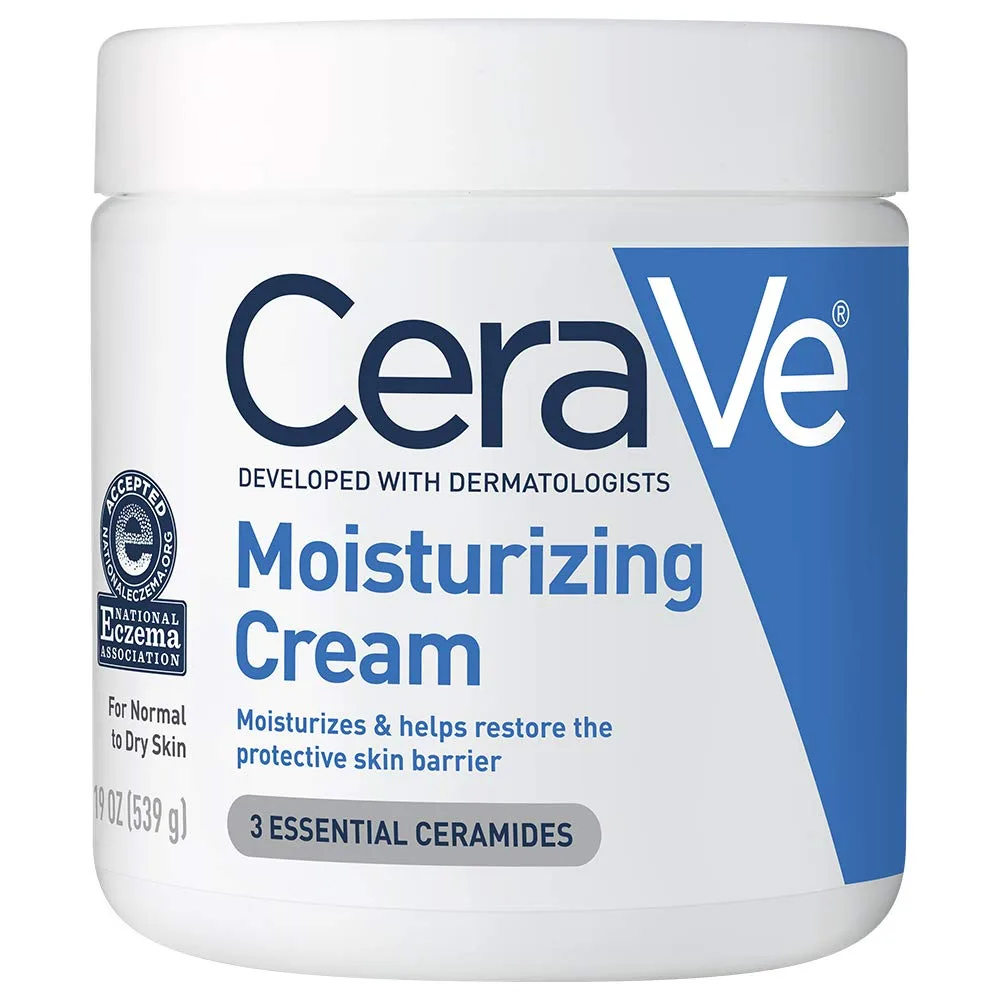
The CeraVe Moisturizing Cream is the most important moisturizer in the drugstore — a ceramide-rich, dermatologist-developed formula that delivers barrier repair, multi-humectant hydration, and occlusive protection at a price so accessible it has no real excuse not to be in every household. Twenty-one years of consistent performance and universal dermatologist approval speak louder than any ingredient list.
 Barrier Repair Pioneer
 MLE Cream
Atopalm MLE Cream is one of the genuinely scientifically anchored barrier moisturizers in K-beauty — a fragrance-free, pseudo-ceramide cream built around a patented liquid-crystal lipid structure that mimics the skin's own intercellular matrix. For eczema, atopic skin, post-procedure recovery, or anyone with a stinging compromised barrier, it's one of the most reliably effective moisturizers in the entire category.
 K-Beauty Barrier Repair Staple
 Atobarrier 365 Cream
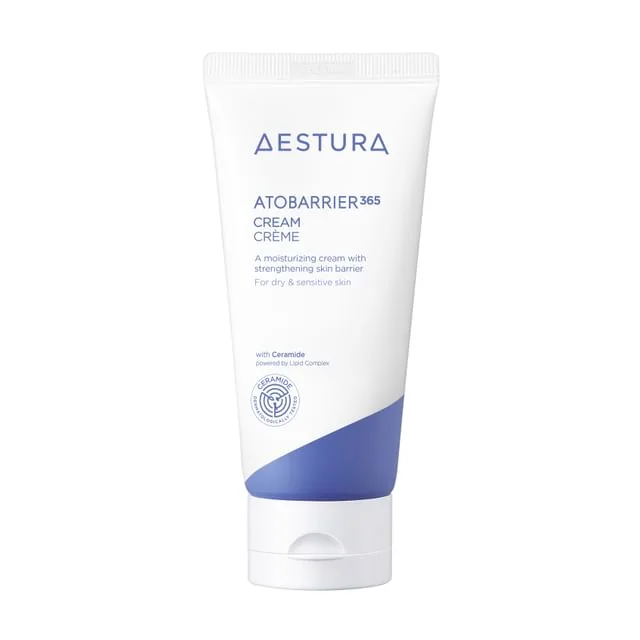
A Korean pharmacy cream that earns its cult following the hard way — with a lamellar lipid structure that actually rebuilds the barrier, not just coats it. If your skin has been through a rough winter, a retinoid ramp-up, or a bad reaction, this is the jar that quietly puts it back together.
 Korean Derm Clinic Recovery Pick
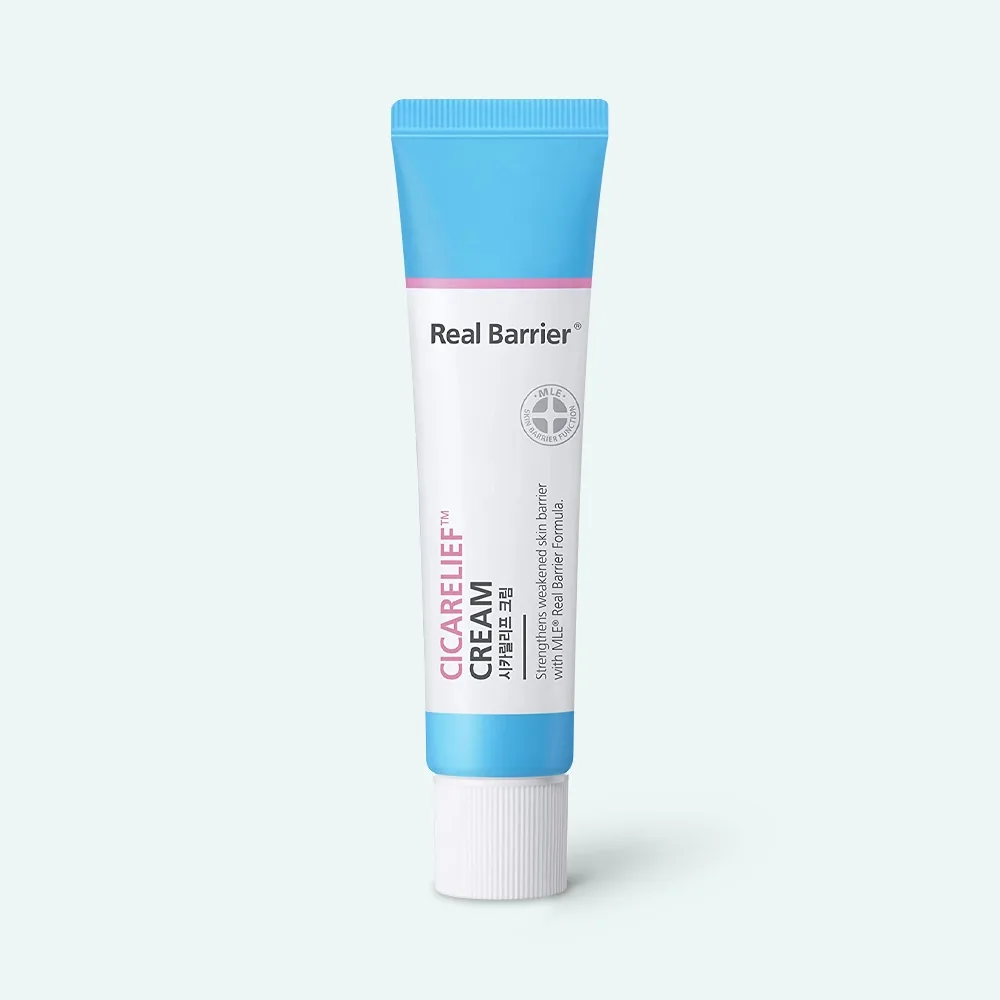
 Real Barrier Cicarelief Cream
One of the best consumer cica creams on the market, combining the full spectrum of centella actives with NeoPharm's MLE ceramide delivery and multiple complementary calming ingredients. Ideal for compromised, reactive, rosacea-prone, or recovering skin, and a staple in Korean dermatology clinic protocols. Minor limitations on packaging, but the formulation is genuinely excellent.
 Transparent 10% Panthenol Cream
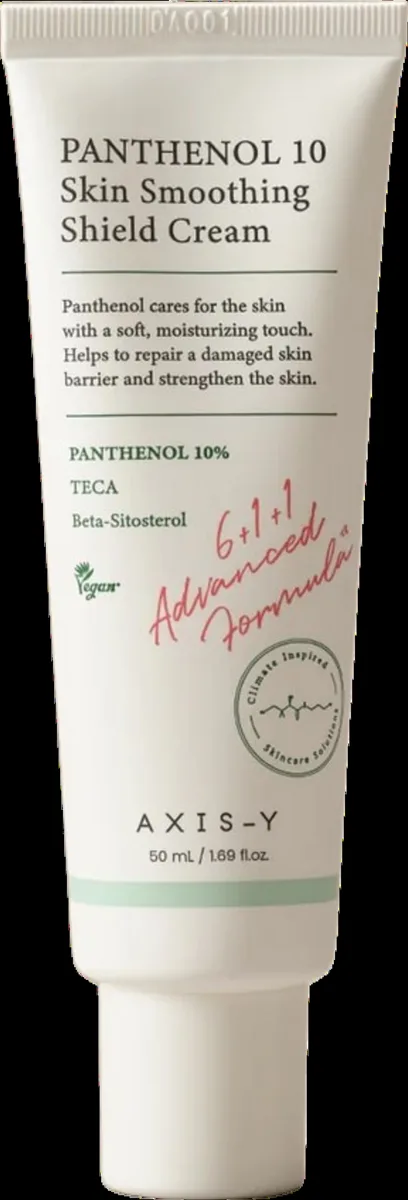
 Panthenol 10 Skin Smoothing Shield Cream
A disclosed 10% panthenol barrier cream built around a full physiological ceramide trio, a centella calming cast, and a modest shea butter occlusive. Fragrance-free, cross-season, and unusually transparent about its hero active — one of the brand's strongest moisturizer formulations.
 K-Beauty Icon
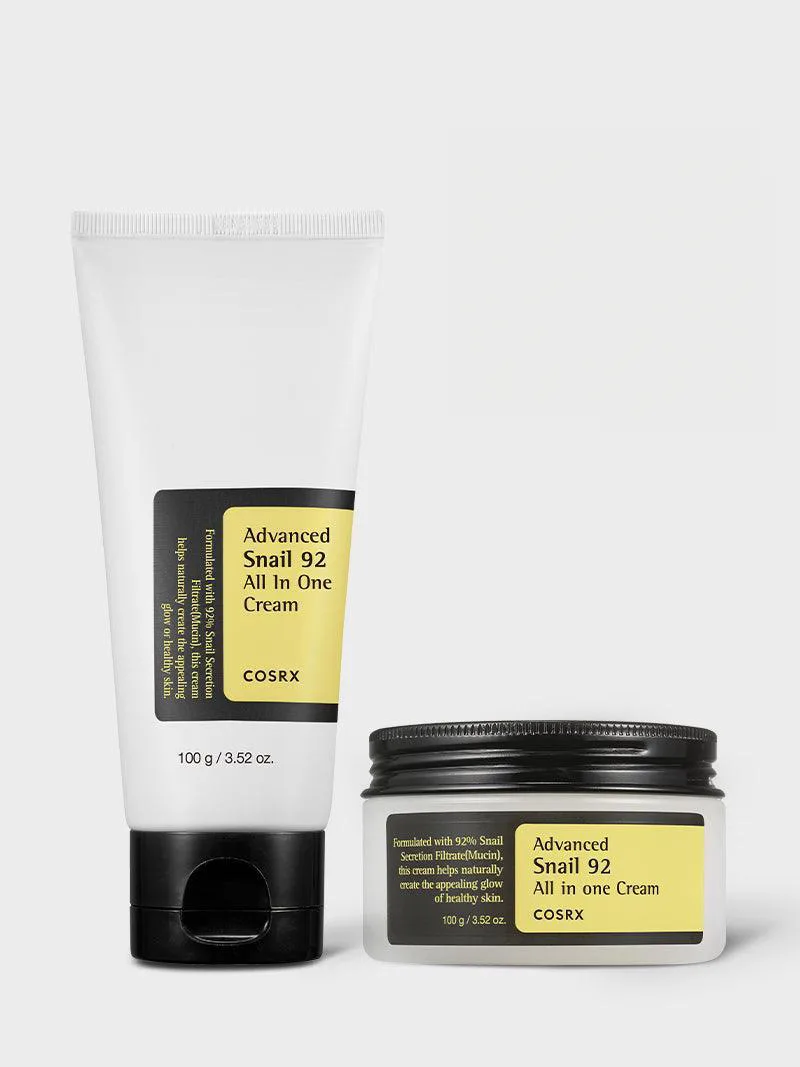
 Advanced Snail 92 All in One Cream
The cream that helped prove snail mucin to the world — and a decade later, it still deserves the reputation. At 92% snail secretion filtrate in a fragrance-free, gentle gel-cream, it delivers hydration, soothing, and gradual skin improvement across virtually every skin type. The texture takes getting used to, but 13 million sold units and 25,000+ reviews suggest most people manage.