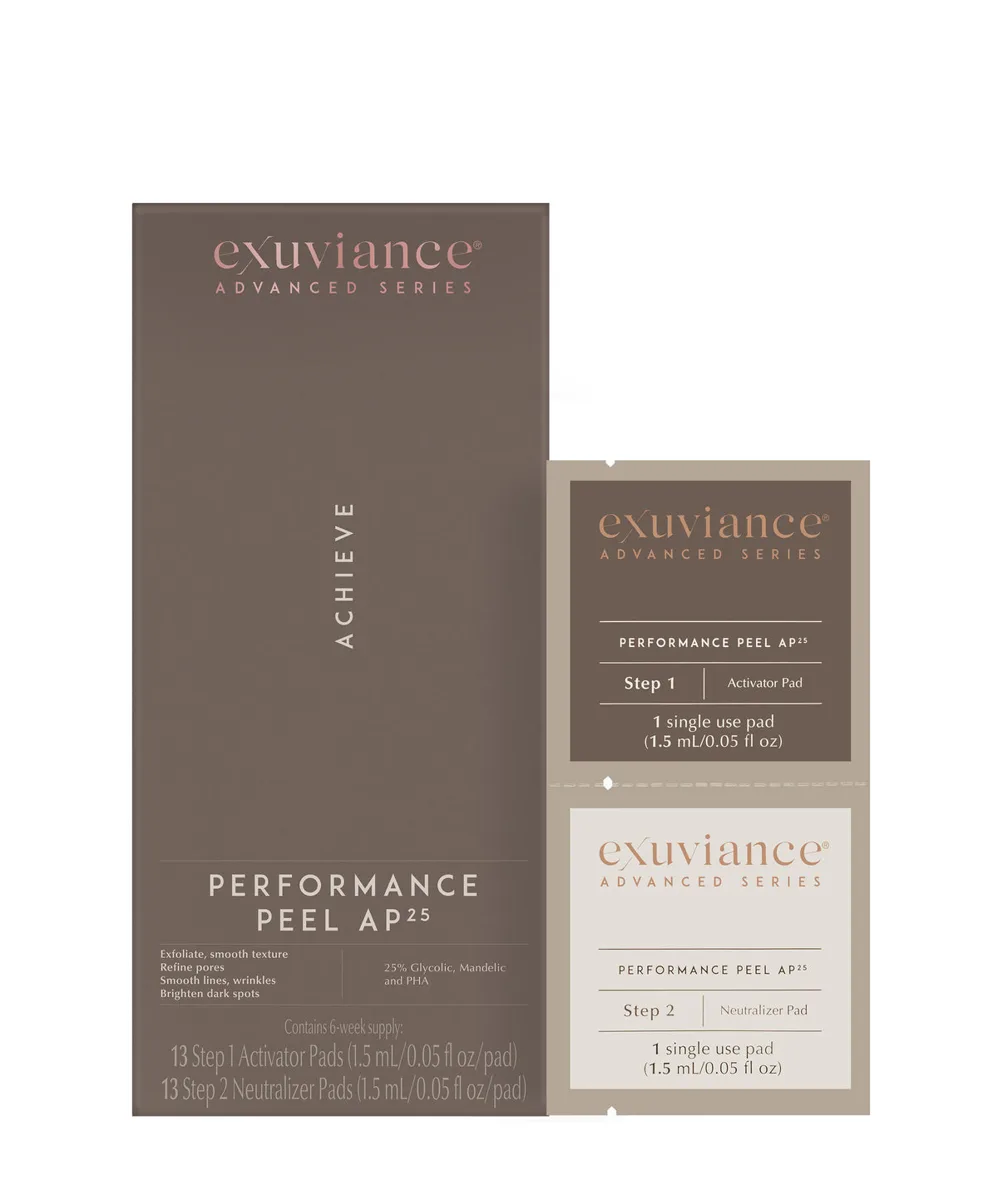
A pedigreed at-home peel that delivers genuine clinical-grade exfoliation thanks to its three-acid formula and built-in neutralizer system. The results — smoother texture, brighter tone, tighter pores — are real, but the per-treatment cost and irritation potential keep it firmly in the enthusiast lane rather than the everyday essentials drawer.
Performance Peel AP25
A pedigreed at-home peel that delivers genuine clinical-grade exfoliation thanks to its three-acid formula and built-in neutralizer system. The results — smoother texture, brighter tone, tighter pores — are real, but the per-treatment cost and irritation potential keep it firmly in the enthusiast lane rather than the everyday essentials drawer.
Score Breakdown
Where this product gains points and where it loses them — broken down across the four scoring pillars.
A clinically grounded three-acid peel from the pioneers of AHA dermatology, held back by a premium price per treatment and the inherent irritation risk of a 25% acid concentration that limits its audience.
Pros & Cons
- ✓Three-acid blend combines deep and surface exfoliation with humectant PHA protection
- ✓Built-in neutralizer pad eliminates guesswork and prevents over-exfoliation
- ✓Immediate visible brightening and smoothness after a single treatment session
- ✓Developed by the dermatologists who pioneered Alpha Hydroxy Acid research
- ✓Individually sealed packets maintain consistent acid potency across all treatments
- ✓Fragrance-free and alcohol-free formula minimizes unnecessary irritation triggers
- ✓Mandelic acid's oil-soluble properties help address pore congestion alongside resurfacing
- ✗At roughly $6.60 per treatment, ongoing use represents a significant annual investment
- ✗Contains methylparaben, which some consumers actively avoid despite safety data
- ✗25% acid concentration is too potent for sensitive, reactive, or barrier-compromised skin
- ✗Only 13 treatments per box means repurchasing every six to seven weeks
- ✗Not pregnancy-safe due to glycolic acid content at this concentration
Full Review
In 1974, dermatologists Dr. Eugene Van Scott and Dr. Ruey Yu published research that would permanently change how the skincare world thinks about exfoliation. Their work on alpha hydroxy acids — glycolic acid in particular — laid the scientific foundation for chemical peels as we know them today. The Performance Peel AP25 is, in a very real sense, the consumer-facing legacy of that research. When you tear open one of these foil packets, you are applying a formula descended directly from the lab work that made AHAs a dermatological standard.
The concept is simple but well-engineered: a two-step system consisting of an activator pad saturated with a 25% blend of glycolic acid, mandelic acid, and the polyhydroxy acid gluconolactone, followed by a neutralizer pad that stops the acid activity after your treatment window. This neutralizer step is the quiet star of the formula. Most at-home peels leave you guessing about when to rinse — too soon and you have wasted the treatment, too long and you are courting irritation. The neutralizer pad removes that variable entirely, giving you a controlled, reproducible peel every time.
The acid blend itself is thoughtfully composed. Glycolic acid does the heavy lifting with its small molecular weight, penetrating efficiently to accelerate cell turnover at depth. Mandelic acid, with its larger molecule, works more gradually and brings oil-soluble properties that help it reach into congested pores — a clever complement to glycolic's water-soluble deep dive. And gluconolactone adds a PHA dimension that most peels in this price range skip entirely. PHAs exfoliate while simultaneously acting as humectants and antioxidants, which helps buffer some of the dehydrating aftermath that straight AHA peels are notorious for.
On the skin, the activator pad produces an immediate tingling that progresses to a mild sting within the first minute or two. This is not a gentle lunchtime peel — it is a 25% acid concentration, and your skin knows it. The sensation is manageable for anyone who has used strong exfoliants before, but first-time chemical peel users should be prepared for a level of activity that feels distinctly clinical. After ten minutes, the neutralizer pad goes on, and the relief is almost immediate — the stinging subsides, replaced by a cool, slightly slick sensation as the sodium bicarbonate does its work.
The results after a single treatment are genuinely impressive. Skin feels noticeably smoother and looks brighter within hours. There is a lit-from-within quality that is hard to fake with topicals alone. With twice-weekly use over four to six weeks, the cumulative benefits become more significant: pores appear refined, fine lines look softened, and uneven pigmentation begins to even out. The brand's clinical data — 100% of users reporting improvement in fine lines after one month — aligns with what independent reviewers consistently describe.
Where this peel loses points is in the practical math. At $86 for thirteen treatments, each peel session runs roughly $6.60. That is reasonable compared to a professional facial, but for a product you are using twice a week indefinitely, the costs accumulate. The box lasts only six and a half weeks, meaning you are looking at roughly $700 a year for consistent use. For that investment, the results need to be meaningfully better than a well-formulated daily glycolic toner — and while they are more dramatic per session, the annual cost-benefit calculation gives some users pause.
The ingredient list is refreshingly short and functional, though the inclusion of methylparaben in the activator pad will raise eyebrows for paraben-averse consumers. From a safety standpoint, methylparaben at this level is well within established limits and serves as an effective preservative, but the perception issue is real and competing peels have moved away from parabens entirely.
Sensitivity is the other honest limitation. A 25% acid peel, even one buffered with mandelic acid and gluconolactone, is not appropriate for reactive skin types, rosacea-prone complexions, or anyone with a currently compromised barrier. The neutralizer provides a safety net against over-exposure, but it cannot change the fundamental potency of the formula. This is a product for skin that can tolerate real exfoliation and will reward it with visible improvement.
The packaging is practical and hygienic — individual foil packets keep each pad sealed until use, ensuring consistent acid potency from the first treatment to the thirteenth. The pads themselves are textured enough to provide slight physical exfoliation alongside the chemical action without being abrasive.
For anyone with resilient skin who wants to bring professional-grade resurfacing into their bathroom, the Performance Peel AP25 delivers on its promise. Its pedigree is unmatched — no other at-home peel can claim a direct lineage to the scientists who discovered AHA's dermatological applications. Whether that heritage justifies the ongoing cost depends on your skin goals and your budget, but the formula itself is beyond reproach.
Formula
Key Ingredients
The hero actives that drive this product's performance.
| Ingredient | Function | Evidence |
|---|---|---|
| Glycolic Acid (25% total AHA/PHA blend) | The primary exfoliating engine in this peel — glycolic acid's small molecular size allows it to penetrate deeper than the mandelic acid in the formula, targeting fine lines, rough texture, and uneven tone at the dermal-epidermal junction. Works in concert with the neutralizer step to deliver a controlled, time-limited exfoliation. | well-established |
| Mandelic Acid | A larger-molecule AHA that exfoliates more gradually than the glycolic acid in this formula, reducing the risk of irritation while contributing oil-soluble properties that help address pore congestion. Its gentler action complements the more aggressive glycolic acid to broaden skin type tolerability. | well-established |
| Gluconolactone | The polyhydroxy acid (PHA) in this blend provides gentle surface exfoliation alongside antioxidant and humectant properties, helping offset the drying potential of the two AHAs. Its larger molecular weight means it works primarily at the skin surface, adding a moisture-retention dimension that straight AHA peels lack. | well-established |
| Glycerin | Present in both the activator and neutralizer pads, glycerin acts as a humectant buffer that helps prevent excessive dehydration during the peel process. In the neutralizer step, it helps restore immediate comfort to freshly exfoliated skin. | well-established |
| Arginine | An amino acid that serves as a pH adjuster alongside ammonium hydroxide in the activator pad, helping calibrate the acid strength for at-home safety while also providing skin-conditioning benefits to freshly exfoliated tissue. | well-established |
Full INCI List
Activator Pad: Aqua/Water/Eau, Mandelic Acid, Glycolic Acid, Gluconolactone, Ammonium Hydroxide, Arginine, Butylene Glycol, Glycerin, Sodium Bisulfite, Chlorphenesin, Methylparaben. Neutralizer Pad: Aqua/Water/Eau, Glycerin, Propylene Glycol, Sodium Bicarbonate, Glycine, Benzalkonium Chloride.
Product Flags
✓ Fragrance Free✓ Alcohol Free✓ Oil Free✓ Silicone Free✗ Paraben Free✓ Sulfate Free✗ Cruelty Free✓ Vegan✗ Fungal Acne Safe
Potential Irritants
Glycolic AcidMandelic AcidMethylparaben
Common Allergens
MethylparabenBenzalkonium Chloride
Compatibility
Skin Match
Best For
Works For
Not Ideal For
Addresses These Conditions
aging dullness texture large pores hyperpigmentation sun damage
Use With Caution
dryness dehydration dark spots
Avoid With
rosacea eczema compromised skin barrier sensitivity
Routine Step
treatment
Time of Day
PM
Pregnancy Safe
No ✗
Layering Tips
Use on clean, dry skin with no other actives. Follow with a gentle, hydrating moisturizer after neutralizing. Do not layer with retinoids, vitamin C serums, or other exfoliants on peel nights.
Results Timeline
Immediate brightening and smoothness visible after first use. Pore refinement and texture improvements noticeable within 2-3 weeks of consistent twice-weekly use. Fine line reduction and more significant tone evening typically appear after 4-6 weeks of regular treatments.
Pairs Well With
hydrating moisturizer post-peeldaily broad-spectrum SPF 30+ceramide-based repair cream
Conflicts With
retinoidsother AHA/BHA exfoliantsbenzoyl peroxidevitamin C serums on same night
Sample AM Routine
- Gentle cleanser
- Vitamin C serum (non-peel days)
- Moisturizer
- SPF 30+ sunscreen
Sample PM Routine
- Gentle cleanser
- THIS PRODUCT (twice weekly)
- Hydrating moisturizer
Evidence
Who Should Skip
- At roughly $6.60 per treatment, ongoing use represents a significant annual investment
- Contains methylparaben, which some consumers actively avoid despite safety data
- 25% acid concentration is too potent for sensitive, reactive, or barrier-compromised skin
- Only 13 treatments per box means repurchasing every six to seven weeks
Science & Expert Perspective
The Science
The Performance Peel AP25's three-acid approach reflects decades of research by its creators into how different acid types complement each other. Glycolic acid, the smallest alpha hydroxy acid with a molecular weight of 76 Da, penetrates the stratum corneum more efficiently than larger AHAs, disrupting corneocyte cohesion and accelerating cell turnover. A foundational study by Van Scott and Yu published in the Journal of the American Academy of Dermatology in 1984 established that AHAs at concentrations above 20% produce significant epidermal remodeling, including increased epidermal thickness and improved collagen organization in the dermis.
Mandelic acid, with a molecular weight of 152 Da — roughly double that of glycolic — penetrates more slowly and uniformly, which multiple studies have associated with reduced irritation compared to glycolic acid at equivalent concentrations. A 2019 study in the Journal of Cosmetic Dermatology comparing mandelic acid peels to glycolic acid peels for melasma found comparable efficacy with significantly fewer adverse effects in the mandelic acid group.
Gluconolactone, the polyhydroxy acid in the blend, was extensively studied by NeoStrata's own research team. PHAs provide exfoliation through the same mechanism as AHAs — loosening corneocyte bonds — but their larger molecular size means they work primarily at the skin surface while simultaneously functioning as humectants and chelating antioxidants. Research published by Green et al. in Clinics in Dermatology (2009) demonstrated that gluconolactone provides comparable anti-aging benefits to glycolic acid with significantly less irritation, making it a strategic addition that broadens the peel's tolerability without diluting efficacy.
The neutralization step is not merely a comfort feature — it creates a defined treatment window that ensures reproducible results. Uncontrolled acid exposure time is the primary variable in at-home peel outcomes, and the sodium bicarbonate neutralizer eliminates this by rapidly raising skin pH to halt acid activity.
References
- Alpha hydroxy acids: therapeutic potentials — Canadian Journal of Dermatology (1989)
- Polyhydroxy acids (PHAs) and bionic acids: therapeutic potentials — Clinics in Dermatology (2009)
Dermatologist Perspective
Dermatologists have long recognized the Performance Peel AP25 as one of the more credible at-home peel options, largely because of its formulation pedigree. Board-certified dermatologists frequently note that the combination of glycolic and mandelic acids targets both surface texture and deeper pigmentation concerns simultaneously — a dual-depth approach that mirrors professional peel protocols. The built-in neutralizer is particularly valued in clinical recommendations because it reduces the most common at-home peel complication: over-exposure from leaving acids on too long. Dermatologists typically advise patients to introduce this peel gradually, starting with once-weekly use for the first two to three weeks before advancing to twice weekly, and to maintain rigorous daily SPF 30+ protection throughout the treatment course.
Guidance
Usage Guide
How to Use
Cleanse your face thoroughly and pat dry. Open one foil packet and apply the Step 1 Activator Pad evenly across the entire face, avoiding the eye area and lips. Leave on for up to 10 minutes — first-time users should start with 3-5 minutes and work up gradually. When time is up, apply the Step 2 Neutralizer Pad over the treated area, then rinse thoroughly with water. Follow immediately with a gentle, hydrating moisturizer. Use up to twice weekly, with at least two days between treatments. Apply broad-spectrum SPF 30+ sunscreen every morning during and after treatment.
Value Assessment
At $86 for a six-week supply, the Performance Peel AP25 sits at the higher end of at-home peels but below the cost of professional chemical peel treatments, which typically range from $150 to $300 per session. The per-treatment cost of approximately $6.60 is reasonable for a controlled, clinical-grade acid peel with a neutralizer step. A starter set is available at a lower price point for those wanting to trial before committing. The formula's pedigree — developed by the pioneers of AHA dermatology — adds genuine scientific credibility that many competitors at similar price points cannot match, though the ongoing cost adds up to roughly $700 annually with consistent twice-weekly use.
Who Should Buy
Experienced exfoliant users with normal, combination, or oily skin looking for professional-grade resurfacing at home. Ideal for anyone targeting fine lines, dullness, uneven texture, or enlarged pores who wants a controlled, time-limited peel with built-in safety measures.
Who Should Skip
Anyone with sensitive, reactive, or rosacea-prone skin, or those with a currently compromised moisture barrier. Also not suitable during pregnancy due to the high glycolic acid concentration, or for chemical peel first-timers who would be better served by a lower-concentration introductory product.
Ready to try Exuviance Performance Peel AP25?
Details
Details
Texture
Pre-saturated textured pads with a thin, watery acid solution on the activator side and a soothing, slightly slippery neutralizer
Scent
Virtually unscented — a faint clinical note from the acid solution that dissipates quickly
Packaging
Individual foil packets containing one activator pad and one neutralizer pad, housed in a cardboard box. Hygienic single-use format ensures consistent acid potency per treatment.
Finish
mattefast-absorbing
What to Expect on First Use
Expect a tingling-to-mild-stinging sensation within the first minute of applying the activator pad, which is normal and indicates the acids are working. The neutralizer step should immediately soothe the skin. First-time users may experience light redness for a few hours post-peel. Minor flaking is common during the first 1-2 weeks as the skin adjusts to the exfoliation cycle.
How Long It Lasts
6 weeks with twice-weekly use (13 treatments per box)
Period After Opening
12 months
Best Season
fall winter
Background
The Why
The Performance Peel AP25 was born from NeoStrata's foundational research on alpha hydroxy acids — Dr. Van Scott and Dr. Yu published the landmark studies that brought AHAs into mainstream dermatology in the 1970s. This peel translates their clinical peel protocols into an at-home format, bridging the gap between in-office procedures and daily exfoliants.
About Exuviance Legacy Brand (20+ years)
Exuviance is a consumer line from NeoStrata Company, founded in 1988 by dermatologists Dr. Eugene Van Scott and Dr. Ruey Yu — the researchers who pioneered the use of Alpha Hydroxy Acids in dermatology. The brand was acquired by Johnson & Johnson in 2016 and its formulations are rooted in decades of published AHA research.
Brand founded: 2003 · Product launched: 2011
Myth vs. Reality
Myths & Misconceptions
Myth
A 25% acid peel is too strong for at-home use.
Reality
The included neutralizer pad controls the peel duration and stops the acid activity after the treatment window, making it safer than open-ended acid applications. The mandelic acid and gluconolactone also temper irritation compared to a pure 25% glycolic peel.
Myth
You need to peel or flake visibly for the product to be working.
Reality
The exfoliation happens at a cellular level. Visible peeling is not required for the resurfacing benefits — many users see improved texture and brightness without any flaking at all.
FAQ
Frequently Asked Questions
How often should I use the Exuviance Performance Peel AP25?
The peel is designed for up to twice-weekly use. Start with once a week to assess your skin's tolerance, then increase to twice weekly if no excessive redness, flaking, or irritation occurs. Always allow at least two to three days between treatments.
Can I use retinol on the same night as this peel?
No — applying retinoids on peel nights would compound irritation and compromise your barrier. On the nights you use the Performance Peel AP25, skip retinol, vitamin C, and any other exfoliating actives. Reserve those for non-peel evenings.
Is the Exuviance Performance Peel AP25 safe for sensitive skin?
This peel contains a 25% acid blend that is generally too potent for sensitive or reactive skin types. The mandelic acid and gluconolactone do moderate the irritation compared to a pure glycolic peel, but those with rosacea, eczema, or a compromised barrier should avoid it.
What does the neutralizer pad do?
The Step 2 neutralizer pad contains sodium bicarbonate that raises the skin's pH and stops the acid activity, giving you a controlled treatment window. This built-in neutralizer is what differentiates this peel from most at-home acids that rely on rinsing alone.
Will this peel help with acne scars and hyperpigmentation?
The glycolic and mandelic acid combination promotes cell turnover that can gradually fade post-inflammatory hyperpigmentation and improve the appearance of shallow acne scars over 6-8 weeks of consistent use. Deeper scars may require professional treatments.
Do I need sunscreen after using this peel?
Absolutely. AHAs increase photosensitivity significantly, so daily broad-spectrum SPF 30 or higher is mandatory during and for at least one week after your last peel session. Skipping sunscreen will undo the brightening benefits and risk sun damage.
Community
Community Voices
Common Praise
"Visible smoothness and glow after first use"
"Easy two-step system requires only 10 minutes"
"Noticeable pore refinement with regular use"
"Less irritating than expected for a 25% peel"
"Professional-level results at home"
Common Complaints
"High price per treatment at roughly $6.60 per peel session"
"Contains methylparaben which some users prefer to avoid"
"Can cause redness and sensitivity if overused"
"Limited number of pads for the price"
Notable Endorsements
Developed by NeoStrata founders Dr. Van Scott and Dr. Yu, pioneers of AHA researchFrequently recommended by dermatologists for at-home resurfacing
Appears In
best exfoliant for aging best exfoliant for dullness best exfoliant for texture best exfoliant for large pores
Related Conditions
aging dullness texture large pores hyperpigmentation sun damage
Related Ingredients
You Might Also Like
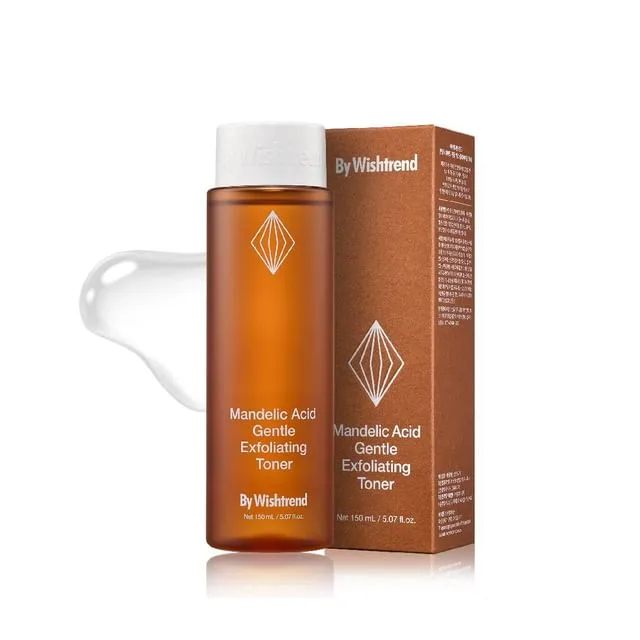 Sensitive Skin AHA Pick
 Mandelic Acid 5% Skin Prep Water
The mandelic acid prep water that quietly converted half of K-beauty Reddit away from glycolic — and for good reason. It delivers visible texture and PIH improvement at 5% without the sting or pigment risk that derails sensitive and darker skin, and it does so for around twenty bucks.
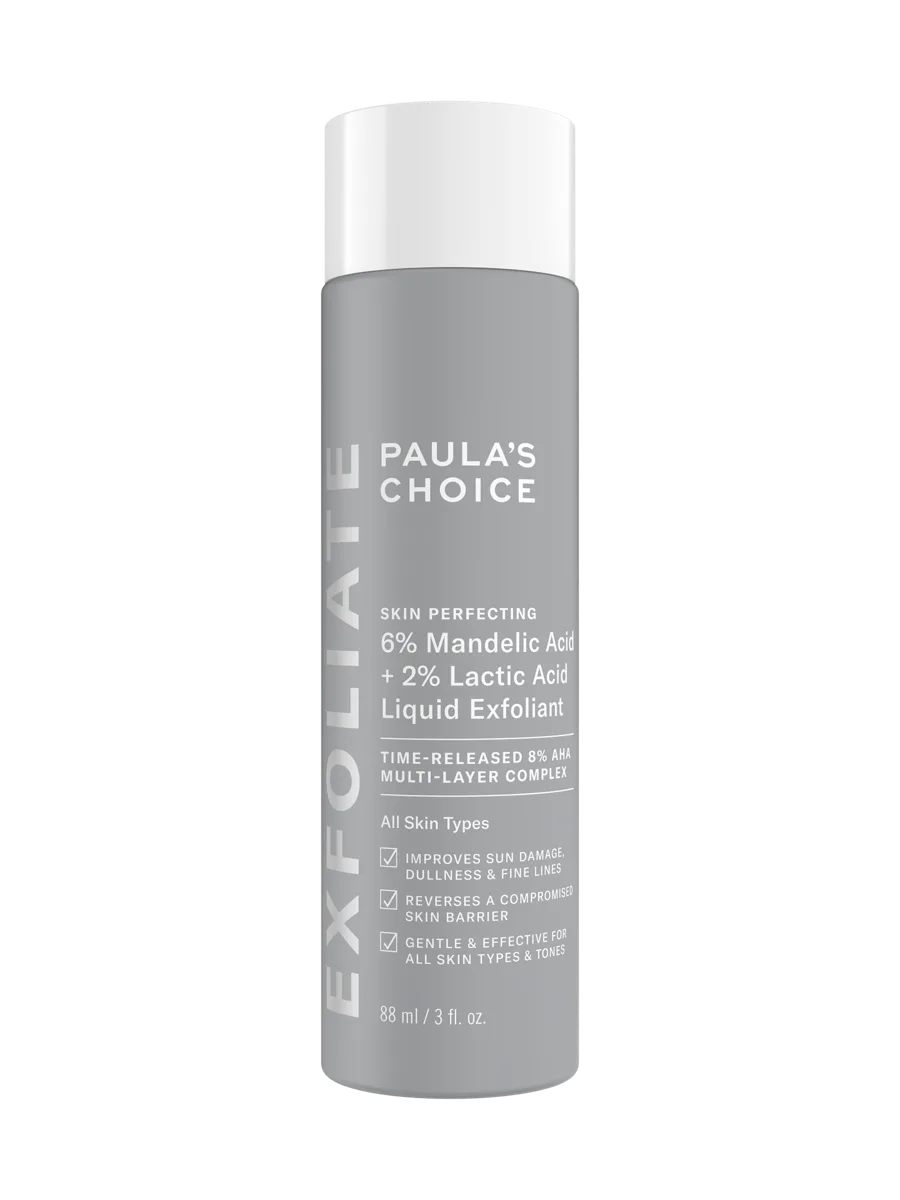 Gentle Glow Specialist
 Skin Perfecting 6% Mandelic Acid + 2% Lactic Acid Liquid Exfoliant
The exfoliant that finally treats sensitive and melanin-rich skin as the design priority rather than an afterthought. With a 4.8-star rating and 660+ reviews, this mandelic-lactic formula proves that gentleness and efficacy aren't mutually exclusive — it just requires smarter acid selection.
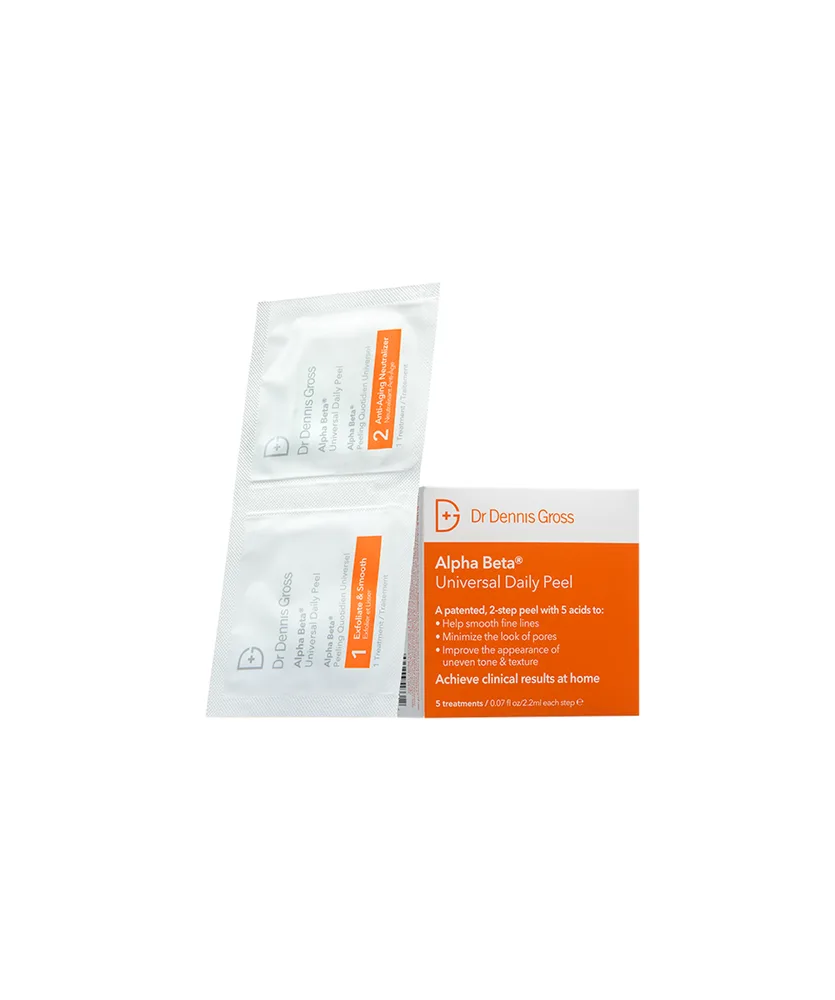 The Original At-Home Peel
 Alpha Beta Universal Daily Peel
The product that invented the at-home daily peel category in 2002 and still sits at the top of it. The five-acid Step 1 and retinol-antioxidant Step 2 deliver genuine resurfacing and anti-aging in a single five-minute routine. Expensive, but the results and track record justify the reputation.
 Beginner Exfoliant Pick
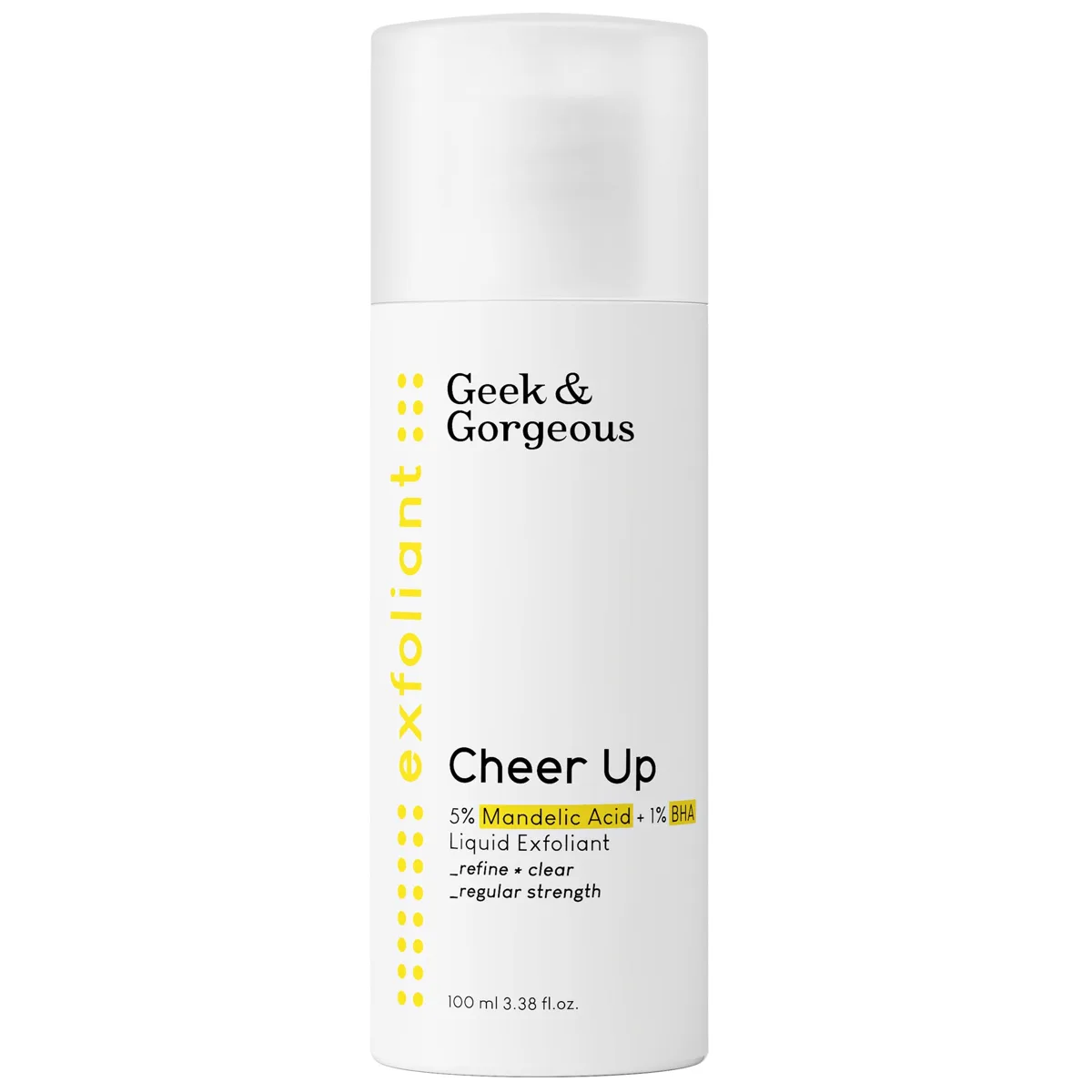
 Cheer Up 5% Mandelic + 1% Salicylic Exfoliant
A thoughtfully formulated beginner AHA/BHA exfoliant that uses mandelic acid — the gentlest mainstream AHA — in combination with low-strength salicylic, plus a sugar-humectant complex for comfort. At 100mL for around $12, the value is excellent, and the formulation choices reflect the kind of cosmetic-chemist thinking that separates this brand from typical indie exfoliants. Ideal for exfoliant newcomers and sensitive skin.
 At-Home Peel Benchmark
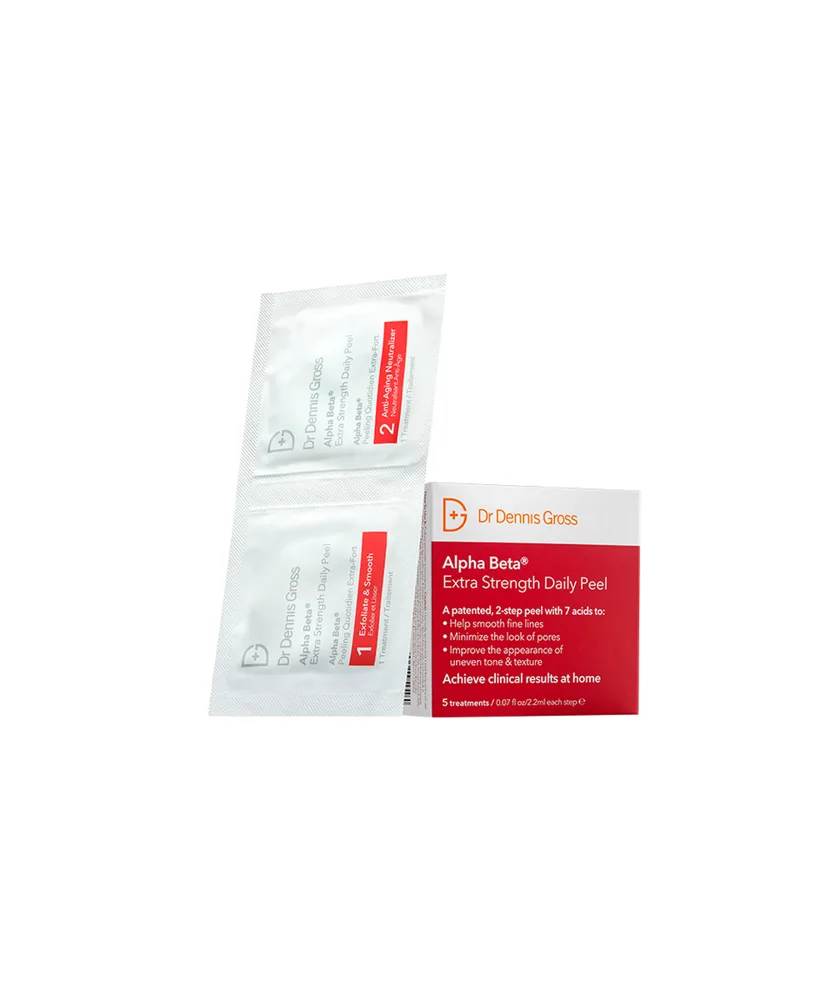
 Alpha Beta Extra Strength Daily Peel
The harder-hitting version of the at-home peel that started the category. Step 1 delivers a serious five-acid blend and Step 2 follows with retinol and antioxidants, making this a combined resurfacing and anti-aging treatment in a single five-minute routine. Expensive but genuinely effective for experienced exfoliant users.
 Pharma-Grade Budget BHA
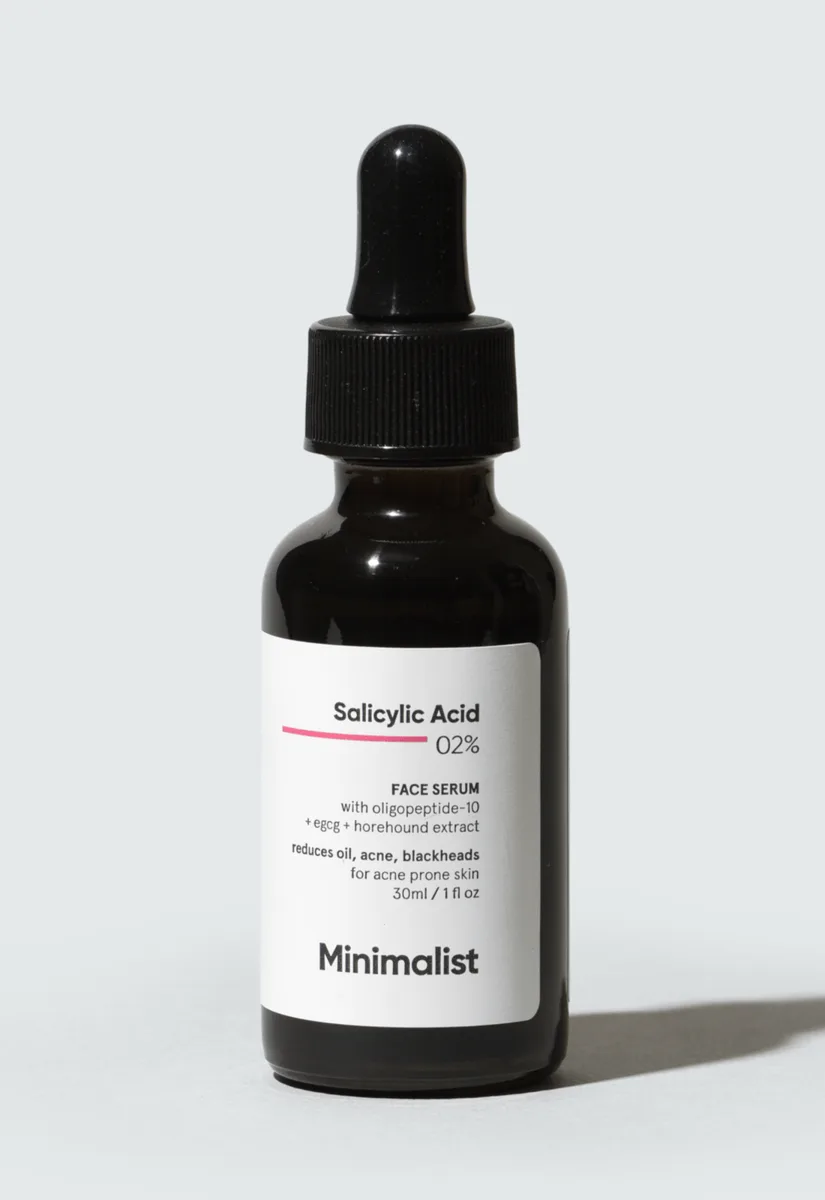
 2% Salicylic Acid Face Serum
A pharma-grade 2% BHA serum at pH 3.75, built around Merck's RonaCare salicylic acid and flanked by Marrubium Vulgare, EGCG glucoside, and Oligopeptide-10 — a supporting cast most budget salicylic serums do not bother with. At ₹599 for 30ml, it is one of the best acne serums on the Indian market and genuinely competitive with the prestige alternatives.
This review reflects our independent analysis of publicly available ingredient data, manufacturer claims, and verified user reviews. We are reader-supported — Amazon links may earn us a commission at no cost to you. We do not accept paid placements; rankings are based solely on the evidence.