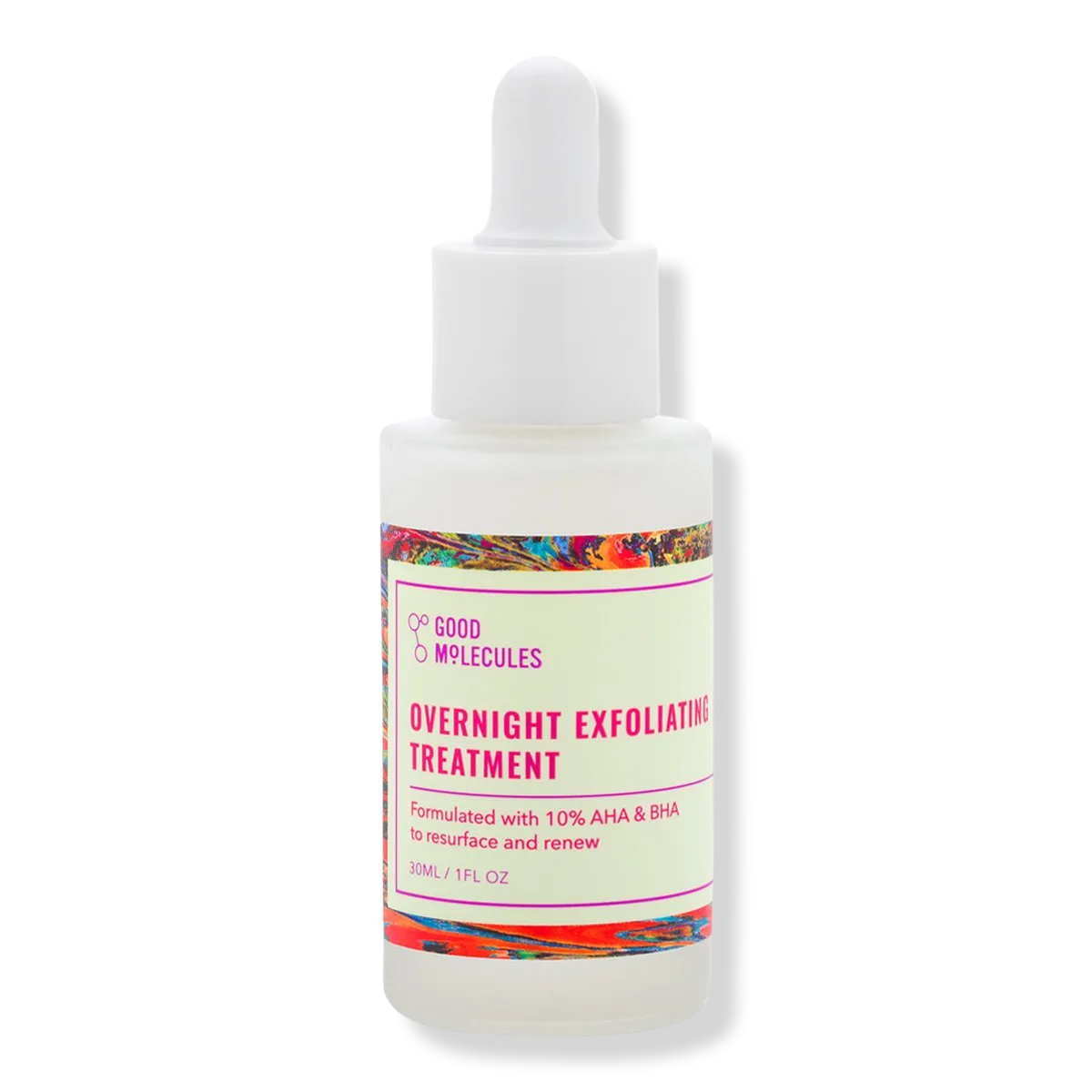
A triple-acid exfoliant at a price that borders on absurd. For $6, you get glycolic acid for surface resurfacing, lactic acid for hydrating exfoliation, and salicylic acid for pore clearing — a comprehensive approach that many brands charge ten times more for. It's effective, straightforward, and potentially irritating if you're not careful. Know your skin, and this is one of the best values in skincare.
Overnight Exfoliating Treatment
A triple-acid exfoliant at a price that borders on absurd. For $6, you get glycolic acid for surface resurfacing, lactic acid for hydrating exfoliation, and salicylic acid for pore clearing — a comprehensive approach that many brands charge ten times more for. It's effective, straightforward, and potentially irritating if you're not careful. Know your skin, and this is one of the best values in skincare.
Score Breakdown
Where this product gains points and where it loses them — broken down across the four scoring pillars.
An excellent AHA/BHA combination treatment at an unbeatable $6 price. The 10% acid blend is effective for resurfacing and pore-clearing. The lower irritation risk and suitability scores reflect the inherent nature of acid exfoliants — they're powerful but not suitable for everyone.
Pros & Cons
- ✓Unbeatable value at $6 for a 10% triple-acid overnight treatment
- ✓Multi-level exfoliation: glycolic for surface, lactic for gentle resurfacing, salicylic for pores
- ✓Overnight leave-on format maximizes acid contact time during skin's repair cycle
- ✓Includes hyaluronic acid and glycerin to counterbalance exfoliation-induced dryness
- ✓Fragrance-free, lightweight formula that doesn't feel heavy or sticky overnight
- ✓Noticeable smoothing and brightening visible after just one or two uses
- ✗Not suitable for sensitive, rosacea-prone, or barrier-compromised skin
- ✗Mandatory daily sunscreen use — AHAs increase photosensitivity significantly
- ✗Initial purging is common and can be discouraging for new users
- ✗Can cause redness, peeling, or irritation if used too frequently
- ✗Contains salicylic acid — not pregnancy-safe
Full Review
Six dollars. That's what separates you from a 10% AHA/BHA overnight treatment. To put that in perspective, it's less than most coffee shop orders and roughly one-tenth the price of the cult-favorite acid peels this product competes with.
Good Molecules has a talent for making price comparisons uncomfortable for other brands, and the Overnight Exfoliating Treatment might be their most provocative example. The formula is simple: glycolic acid leads the charge as the primary AHA, with lactic acid providing a gentler supporting exfoliation and salicylic acid handling the pore-clearing duties. Together they form a 10% acid blend that covers both the skin surface (AHAs) and the interior of pores (BHA).
Glycolic acid is the smallest AHA molecule, which gives it the best penetration through the stratum corneum. It works by dissolving the desmosome connections that hold dead keratinocytes together, allowing them to shed rather than accumulate. The overnight format is ideal for glycolic acid because the extended contact time — six to eight hours of uninterrupted activity — allows it to work progressively through the dead cell layer without the interruption of cleansing, layering products, or environmental exposure.
Lactic acid softens the approach. It's a larger molecule than glycolic acid, so it stays closer to the surface and is generally less penetrating. But it has a dual identity that glycolic acid lacks: it's also a natural humectant. While it exfoliates the outermost dead cells, it simultaneously draws moisture into the surrounding living cells. This is a genuinely smart formulation choice for an overnight treatment, where hours of acid exposure without counterbalancing hydration could leave skin feeling parched by morning.
Salicylic acid brings the pore-clearing component. As a beta hydroxy acid, it's oil-soluble, meaning it dissolves through the sebum lining each pore and breaks down the keratin-sebum plugs that form blackheads and congestion. The AHAs can't do this — they're water-soluble and limited to the skin surface. The BHA goes deeper, making this a truly multi-level exfoliation product rather than a surface-only resurfacer.
Sodium hyaluronate and glycerin are the hydration safety net, and they're important. Leave-on acid treatments have a well-earned reputation for overnight dryness and morning flaking. The inclusion of these humectants doesn't eliminate the need for follow-up moisturizer, but it reduces the dehydration impact of the acid blend during the hours when it's actively working on the skin.
Vitamin E (tocopherol) provides antioxidant coverage for freshly exfoliated skin, which is temporarily more vulnerable to oxidative damage. It's a small but thoughtful inclusion that shows the formula was designed for the specific context of overnight use, not just thrown together.
The application experience is straightforward. A few drops of the watery liquid spread easily across the face, absorbing within seconds. There's a mild tingling — sometimes a brief warmth — that lasts one to five minutes as the acids make contact with the skin. This is normal at 10% acid concentration. If it progresses to genuine stinging or burning, that's your skin telling you to rinse it off. The treatment leaves no visible residue and doesn't interfere with your pillow or subsequent moisturizer.
By morning, the difference is palpable even after the first use. Skin feels smoother under your fingertips, and there's a subtle brightness that wasn't there the night before. Over the first two weeks of regular use, pores start looking cleaner, the overall texture refines, and any dullness from accumulated dead skin begins to lift. Users with active breakouts may experience purging — a temporary increase in small blemishes as the accelerated cell turnover brings existing congestion to the surface faster. This resolves within two to four weeks and is distinct from irritation-based breakouts.
The limitations are honest and important. This is not a product for sensitive skin. It's not a product for barrier-compromised skin. It's not a product for daily use. And it absolutely, non-negotiably requires daily sunscreen the morning after. AHA exfoliation increases photosensitivity by removing the dead cell layer that provides modest natural UV protection. Using this product without SPF is worse than not exfoliating at all, because you're exposing freshly revealed, vulnerable skin to UV damage.
Good Molecules has been building their catalog since 2019, and products like this demonstrate why the brand has developed a passionate following among skincare-literate consumers. They're not trying to reinvent acid exfoliation — they're making it accessible. The formula won't surprise anyone who's used AHA/BHA treatments before, but the price will.
At $6 for 30ml, this product lasts three to five months with recommended twice-weekly use. That's roughly $1.50 per month for professional-grade exfoliation. A larger size is also available for those who've committed to the routine. The value proposition is nearly impossible to beat.
The product earns its place in the routine of anyone whose skin tolerates acids well and who understands the sunscreen requirement. It won't dethrone beloved acid treatments for those who've found their holy grail — brand loyalty runs deep in the exfoliant category. But for anyone building a skincare routine on a budget, or anyone curious about chemical exfoliation but unwilling to invest $40 to find out if their skin likes it, this is the lowest-risk entry point on the market.
Formula
Key Ingredients
The hero actives that drive this product's performance.
| Ingredient | Function | Evidence |
|---|---|---|
| Glycolic Acid | The primary AHA in this formula and the smallest alpha hydroxy acid molecule, glycolic acid penetrates the stratum corneum more effectively than larger AHAs. It dissolves the intercellular bonds holding dead skin cells to the surface, promoting cell turnover and revealing fresher, smoother skin underneath. In this overnight format, it works continuously during the skin's natural nighttime repair cycle for maximum resurfacing effect. | well-established |
| Lactic Acid | The second AHA in the blend, lactic acid is slightly larger and gentler than glycolic acid. It provides surface exfoliation while simultaneously acting as a humectant — it draws moisture into the skin even as it exfoliates, reducing the dryness and tightness that pure glycolic acid can cause. This makes the 10% acid blend more tolerable for overnight wear. | well-established |
| Salicylic Acid | The BHA component of the blend, salicylic acid is oil-soluble and penetrates into pore linings to dissolve the sebum-keratin plugs responsible for blackheads and breakouts. While the AHAs work on the skin surface, salicylic acid works inside the pores — creating a multi-level exfoliation strategy that addresses both texture and congestion. | well-established |
| Sodium Hyaluronate | A critical inclusion in an acid treatment — sodium hyaluronate provides counterbalancing hydration to offset the drying potential of the 10% acid blend. During overnight application, it draws moisture into the exfoliated skin, preventing the flaking and tightness that can occur with leave-on acid treatments. | well-established |
| Tocopherol (Vitamin E) | Provides antioxidant protection to freshly exfoliated skin, which is more vulnerable to oxidative damage. In this formula, vitamin E also contributes to barrier recovery by supporting the lipid matrix that chemical exfoliation temporarily disrupts. | well-established |
Full INCI List
Water/Aqua/Eau, Glycolic Acid, Sodium Citrate, Propanediol, Glycerin, 1,2-Hexanediol, Lactic Acid, Salicylic Acid, Tocopherol, Sorbitan Oleate, Sodium Hyaluronate, Ethylhexylglycerin, Hydroxyethylcellulose, Sodium Acrylate/Sodium Acryloyldimethyl Taurate Copolymer, Isohexadecane, Xanthan Gum, Butylene Glycol, Polysorbate 80
Product Flags
✓ Fragrance Free✓ Alcohol Free✗ Oil Free✓ Silicone Free✓ Paraben Free✓ Sulfate Free✓ Cruelty Free✓ Vegan✗ Fungal Acne Safe
Comedogenic Ingredients
Sorbitan Oleate
Potential Irritants
Glycolic AcidLactic AcidSalicylic Acid
Compatibility
Skin Match
Best For
Works For
Not Ideal For
Addresses These Conditions
texture dullness acne blackheads large pores dark spots
Use With Caution
Avoid With
Routine Step
treatment
Time of Day
PM
Pregnancy Safe
No ✗
Layering Tips
Apply a few drops to clean, dry skin at night. Let sit for several minutes before continuing with your routine. Do not layer with other exfoliating acids or retinol on the same night. Use up to 3 times per week — start with once weekly and increase as tolerance builds. Always use sunscreen the following morning.
Results Timeline
Smoother skin texture noticeable after first use. After 1-2 weeks of regular use (2-3x weekly), pores appear smaller and blackheads diminish. Dullness visibly improves within 2-3 weeks. Post-acne marks begin fading at 4-6 weeks. Full resurfacing benefits with consistent long-term use.
Pairs Well With
hyaluronic-acidniacinamidemoisturizer
Conflicts With
retinolglycolic-acidsalicylic-acidbenzoyl-peroxide
Sample AM Routine
- Gentle cleanser
- Serum
- Moisturizer
- Sunscreen (essential)
Sample PM Routine
- Oil cleanser
- Water-based cleanser
- THIS PRODUCT (2-3x weekly)
- Wait 5-10 minutes
- Moisturizer
Evidence
Who Should Skip
- Not suitable for sensitive, rosacea-prone, or barrier-compromised skin
- Mandatory daily sunscreen use — AHAs increase photosensitivity significantly
- Initial purging is common and can be discouraging for new users
- Can cause redness, peeling, or irritation if used too frequently
Science & Expert Perspective
The Science
Glycolic acid's efficacy as a chemical exfoliant is supported by decades of dermatological research. Its small molecular weight (76 Da) allows it to penetrate the stratum corneum more effectively than other AHAs. A comprehensive review published in the Journal of the American Academy of Dermatology confirmed that glycolic acid at concentrations of 5-10% promotes keratinocyte desquamation and stimulates collagen synthesis in the dermis, with visible improvements in texture, pigmentation, and fine lines.
Lactic acid, while chemically similar to glycolic acid, has unique humectant properties that distinguish it from other AHAs. Research published in the International Journal of Cosmetic Science demonstrated that lactic acid at 5% concentration provides both exfoliating and moisturizing benefits, increasing stratum corneum hydration while promoting cell turnover. The combination of glycolic and lactic acid in a single formula leverages this dual activity — glycolic for aggressive resurfacing, lactic for hydrated exfoliation.
Salicylic acid's oil-soluble nature is central to its efficacy in this formula. A 2009 review in Clinical, Cosmetic and Investigational Dermatology confirmed that salicylic acid's ability to penetrate the pilosebaceous unit (hair follicle and associated oil gland) allows it to dissolve the keratinous plugs that form comedones — a mechanism that water-soluble AHAs cannot replicate. The combination of AHA surface exfoliation with BHA pore-level activity represents a comprehensive exfoliation strategy that addresses both texture irregularities and congestion.
The overnight application strategy aligns with the skin's circadian biology. Research published in Cell Reports has shown that epidermal cell division peaks during nighttime hours, and topical treatments applied during this window can enhance cell turnover synergistically with the skin's natural repair cycle.
References
- Alpha-hydroxy acids: therapeutic potentials — Journal of the American Academy of Dermatology (1997)
- Salicylic acid as a peeling agent: a comprehensive review — Clinical, Cosmetic and Investigational Dermatology (2009)
Dermatologist Perspective
Board-certified dermatologists frequently recommend AHA/BHA combination products for patients with both surface texture issues and pore congestion. Dermatologists note that the 10% total acid concentration in this formula is moderate — strong enough to produce visible results but below the threshold that typically requires professional supervision. The overnight format is endorsed by dermatologists as an effective delivery method, provided patients adhere strictly to daily sunscreen use. Dermatologists advise starting with once-weekly application and increasing gradually, and they caution that this product is inappropriate for patients with active eczema, rosacea, or compromised skin barriers.
Guidance
Usage Guide
How to Use
Apply a few drops to clean, dry skin at night, up to 3 times per week. Let the treatment absorb for 5-10 minutes before applying moisturizer. Start with once weekly to assess tolerance, then increase frequency gradually. Do not use on the same night as retinol, other AHA/BHA products, or benzoyl peroxide. Always apply broad-spectrum SPF 30+ sunscreen the following morning. If redness or peeling occurs, reduce frequency or take a break until skin normalizes.
Value Assessment
At $6 for 30ml, this may be the single best value in the chemical exfoliant category. Comparable 10% AHA/BHA treatments from popular brands range from $30-50. With 2-3x weekly use, a bottle lasts 3-5 months, working out to roughly $1.50 per month. A larger size is available for even better long-term value. The formula includes all the essential supporting ingredients — humectants, antioxidants, buffering agents — that more expensive products include. The price difference reflects brand positioning, not ingredient quality.
Who Should Buy
Anyone with oily, combination, or normal skin dealing with rough texture, dullness, blackheads, or post-acne marks who wants an effective chemical exfoliant at a budget price. Perfect for skincare-savvy users who already understand acid exfoliation and want an affordable workhorse product. Excellent entry point for chemical exfoliation if you start low and slow.
Who Should Skip
Sensitive skin, rosacea-prone skin, and anyone with a currently compromised skin barrier. Pregnant or breastfeeding individuals (salicylic acid). Those unwilling to commit to daily sunscreen. Complete beginners to active skincare who haven't yet used gentler exfoliants like PHA or low-concentration lactic acid.
Ready to try Good Molecules Overnight Exfoliating Treatment?
Details
Details
Texture
Lightweight, water-like liquid with a barely-there gel consistency. Applies thin and absorbs quickly, leaving a smooth, non-sticky surface that's comfortable to sleep on.
Scent
No added fragrance. Very faint chemical scent from the acids that dissipates within seconds.
Packaging
Frosted glass dropper bottle with Good Molecules' clean white label. Also available in a larger size for better value. The dropper allows precise application of a few drops.
Finish
naturallightweight
What to Expect on First Use
On first application, there's a mild tingling or warming sensation from the acids that lasts 1-5 minutes — this is normal and indicates the acids are active. The liquid absorbs quickly and doesn't feel heavy on the skin. Skin may look slightly flushed immediately after application. By morning, skin feels noticeably smoother to the touch. Some users experience mild flaking in the first week as the turnover rate increases.
How Long It Lasts
3-5 months with 2-3x weekly use of a few drops
Period After Opening
12 months
Best Season
fall winter
Certifications
Cruelty-freeVegan
Background
The Why
Good Molecules launched this treatment to bring multi-acid exfoliation to the same budget-friendly tier as their other products. At a price point that typically buys a basic toner, they offered a leave-on acid treatment with three clinically proven exfoliants. The product found its audience among skincare enthusiasts who recognized the value of glycolic, lactic, and salicylic acid working in concert — and who were tired of paying $30-50 for similar acid blends from other brands.
About Good Molecules Emerging Brand (2–5 years)
Good Molecules was founded in 2019 as the in-house skincare brand of Beautylish. The brand focuses on affordable, transparent formulations and has expanded to Ulta Beauty and Target, building a loyal following for accessible, no-frills skincare.
Brand founded: 2019 · Product launched: 2021
Myth vs. Reality
Myths & Misconceptions
Myth
Chemical exfoliants thin your skin over time.
Reality
Properly used AHA/BHA treatments actually thicken the viable epidermis by stimulating cell turnover and collagen production. They thin the dead stratum corneum (which makes skin look dull and rough), but the living skin layers become healthier and more resilient. The key is not overusing — 2-3 times weekly with adequate sun protection.
Myth
You should feel a strong burn for the acid to be working.
Reality
A mild tingle or warmth is normal with a 10% acid blend, but burning, stinging, or pain means the product is irritating your skin. Efficacy depends on the acid concentration and pH, not on sensation intensity. If it burns, rinse it off — the acids are still effective at a comfortable tingle level.
FAQ
Frequently Asked Questions
How often should I use the Good Molecules Overnight Exfoliating Treatment?
Start with once per week and gradually increase to 2-3 times per week as your skin builds tolerance. The 10% acid blend is effective but can cause irritation if overused, especially for those new to chemical exfoliation. Never use it every night — give your skin recovery days between applications.
Can I use this with retinol?
Not on the same night. Both retinol and this acid treatment promote cell turnover, and combining them can cause excessive irritation, peeling, and barrier damage. Alternate nights — use this treatment 2-3 nights per week and retinol on the off nights. Always buffer with moisturizer if needed.
Is purging normal with this product?
Yes — initial purging (small breakouts in areas where you typically break out) can occur during the first 1-2 weeks as the acids accelerate cell turnover and bring existing congestion to the surface faster. This is different from irritation breakouts, which appear in unusual areas with redness and discomfort. Purging resolves within 2-4 weeks.
Do I need to wear sunscreen if I use this at night?
Yes — AHA exfoliation increases photosensitivity for up to a week after use. Glycolic and lactic acid remove the dead cell layer that provides some natural UV protection, leaving freshly revealed skin more vulnerable to sun damage. Daily broad-spectrum SPF 30+ is mandatory when using any AHA product, regardless of application time.
Is this safe for sensitive skin?
This product is generally not recommended for sensitive, reactive, or rosacea-prone skin. The 10% AHA/BHA blend is a moderately strong chemical exfoliant that can cause redness, stinging, and peeling on sensitive skin types. If you have sensitive skin but want to try chemical exfoliation, look for gentler PHA-based products or lower-concentration AHA toners.
Community
Community Voices
Common Praise
"Incredibly effective at smoothing texture and unclogging pores"
"At $6, by far the best value AHA/BHA treatment available"
"Noticeable improvement in skin brightness after just a few uses"
"Lightweight formula doesn't feel heavy or sticky overnight"
Common Complaints
"Can cause irritation, redness, or peeling if overused"
"Not suitable for sensitive skin or beginners to chemical exfoliation"
"Some initial purging may occur in the first 1-2 weeks"
"Needs to be paired with diligent sunscreen use the following day"
Notable Endorsements
Ulta Beauty bestseller in exfoliants
Appears In
best budget chemical exfoliant best aha bha treatment best exfoliant for acne best overnight exfoliating treatment
Related Conditions
texture dullness acne blackheads large pores dark spots
Related Ingredients
You Might Also Like
 Sensitive Skin AHA Pick
 Mandelic Acid 5% Skin Prep Water
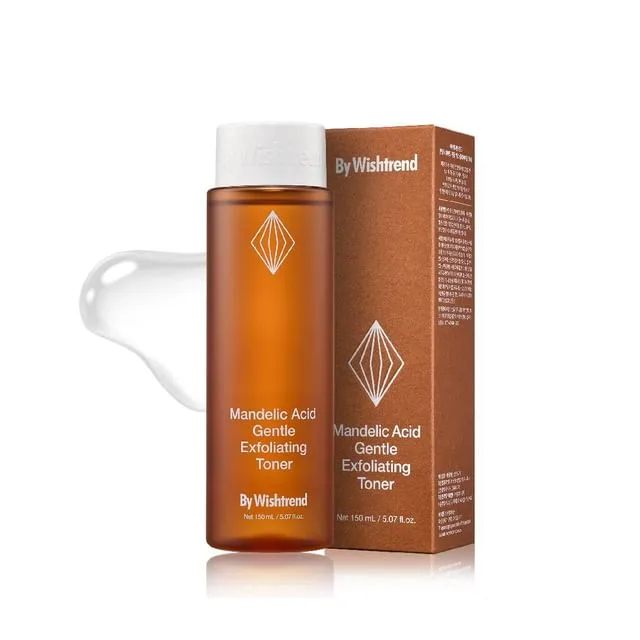
The mandelic acid prep water that quietly converted half of K-beauty Reddit away from glycolic — and for good reason. It delivers visible texture and PIH improvement at 5% without the sting or pigment risk that derails sensitive and darker skin, and it does so for around twenty bucks.
 Gentle Glow Specialist
 Skin Perfecting 6% Mandelic Acid + 2% Lactic Acid Liquid Exfoliant
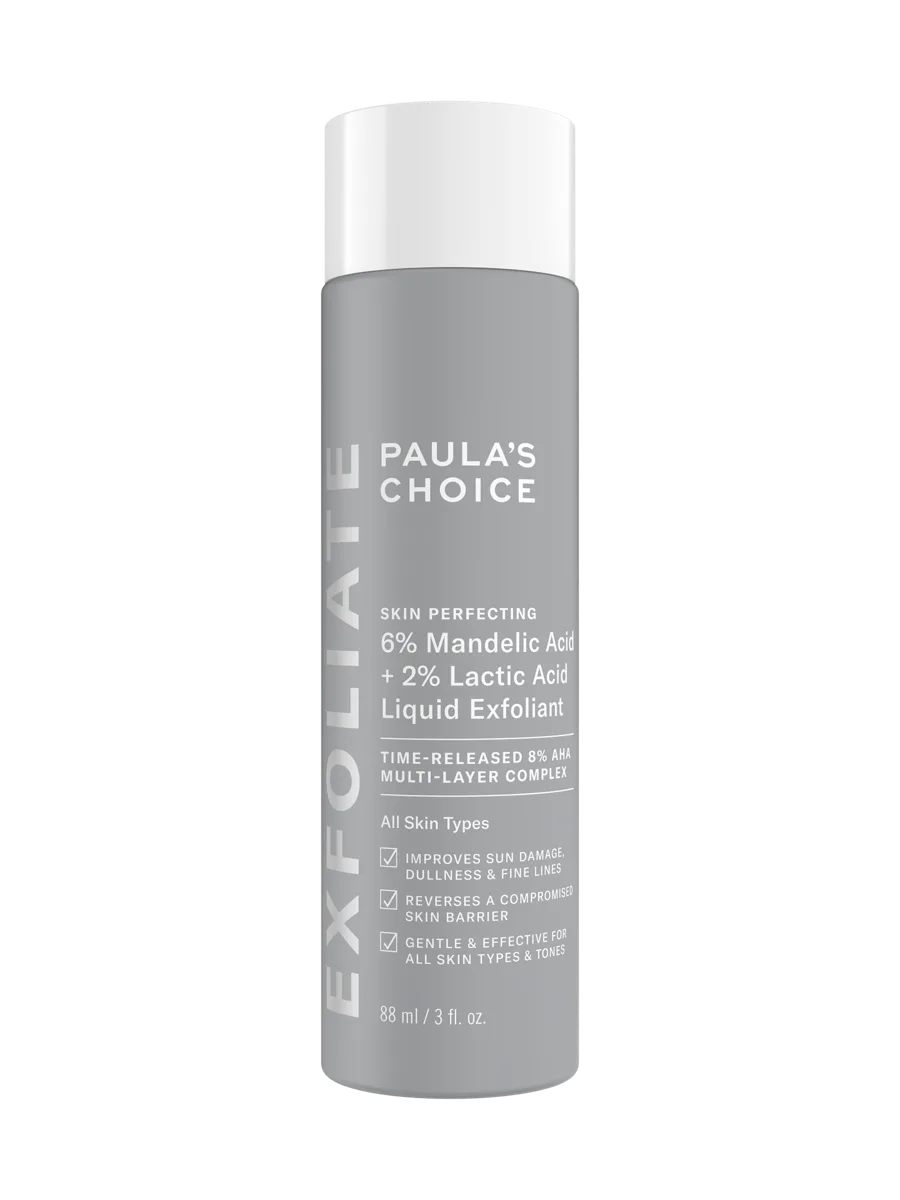
The exfoliant that finally treats sensitive and melanin-rich skin as the design priority rather than an afterthought. With a 4.8-star rating and 660+ reviews, this mandelic-lactic formula proves that gentleness and efficacy aren't mutually exclusive — it just requires smarter acid selection.
 The Original At-Home Peel
 Alpha Beta Universal Daily Peel
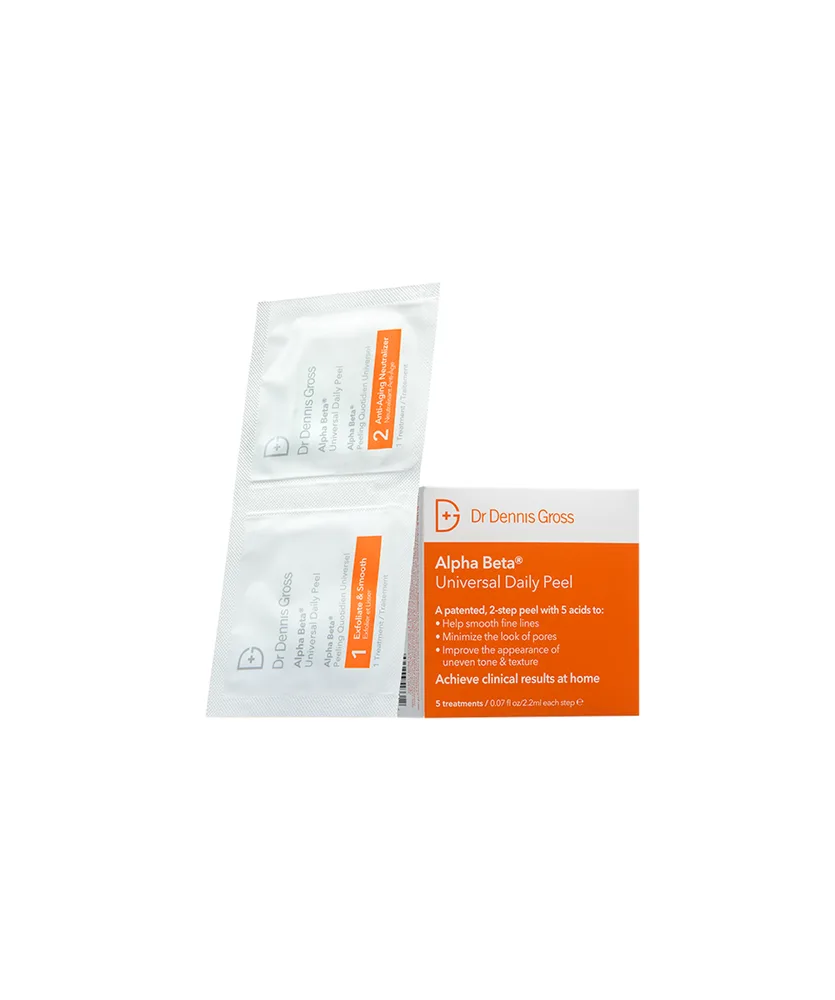
The product that invented the at-home daily peel category in 2002 and still sits at the top of it. The five-acid Step 1 and retinol-antioxidant Step 2 deliver genuine resurfacing and anti-aging in a single five-minute routine. Expensive, but the results and track record justify the reputation.
 Beginner Exfoliant Pick
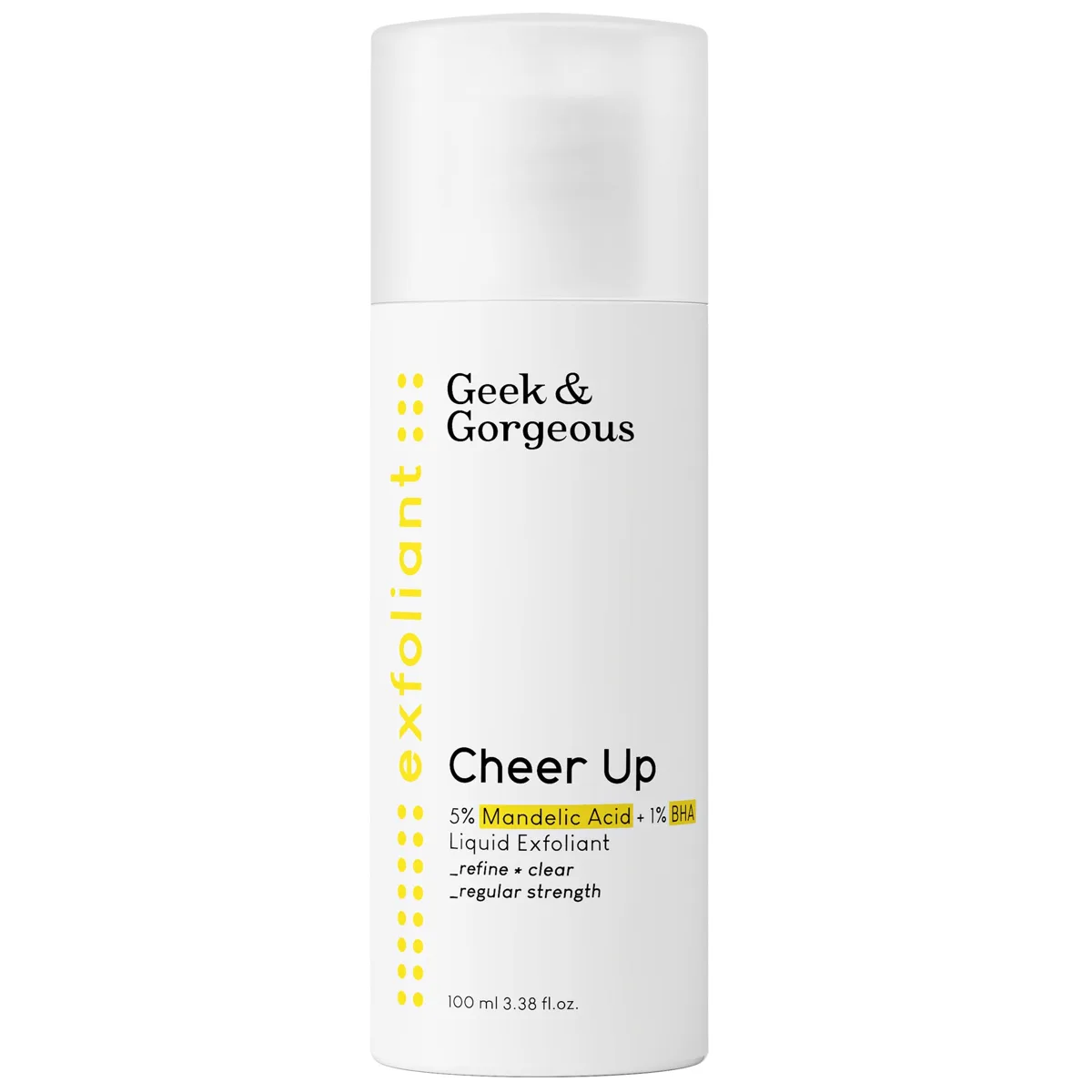
 Cheer Up 5% Mandelic + 1% Salicylic Exfoliant
A thoughtfully formulated beginner AHA/BHA exfoliant that uses mandelic acid — the gentlest mainstream AHA — in combination with low-strength salicylic, plus a sugar-humectant complex for comfort. At 100mL for around $12, the value is excellent, and the formulation choices reflect the kind of cosmetic-chemist thinking that separates this brand from typical indie exfoliants. Ideal for exfoliant newcomers and sensitive skin.
 At-Home Peel Benchmark
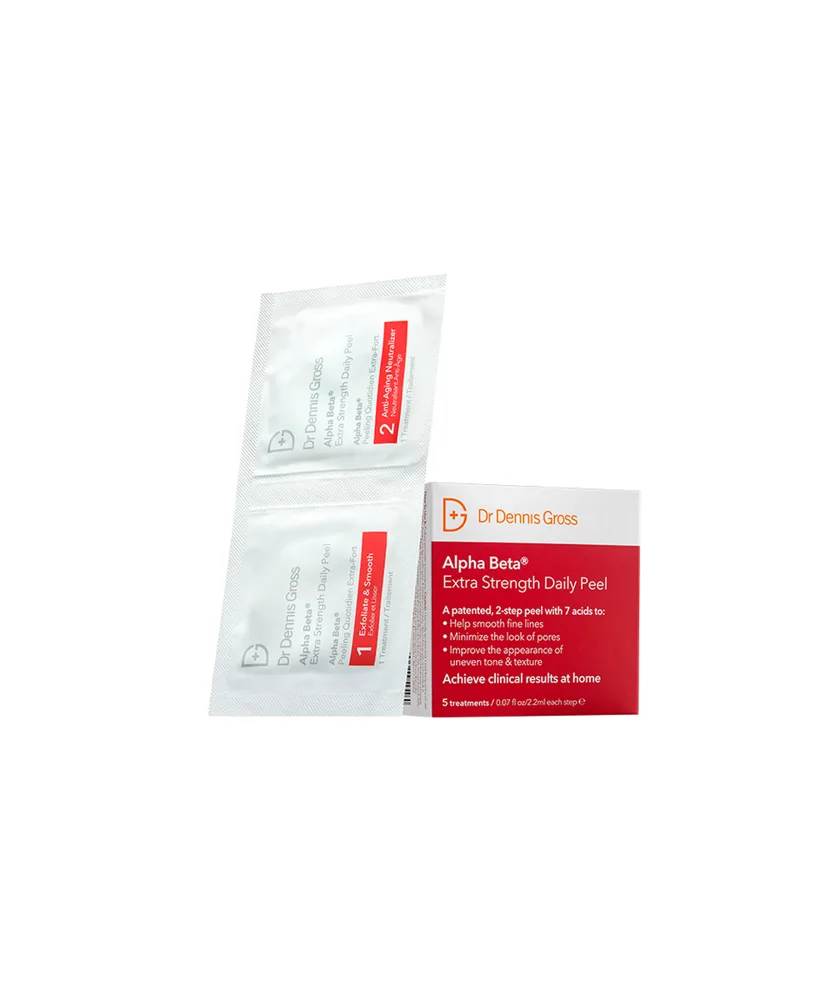
 Alpha Beta Extra Strength Daily Peel
The harder-hitting version of the at-home peel that started the category. Step 1 delivers a serious five-acid blend and Step 2 follows with retinol and antioxidants, making this a combined resurfacing and anti-aging treatment in a single five-minute routine. Expensive but genuinely effective for experienced exfoliant users.
 Pharma-Grade Budget BHA
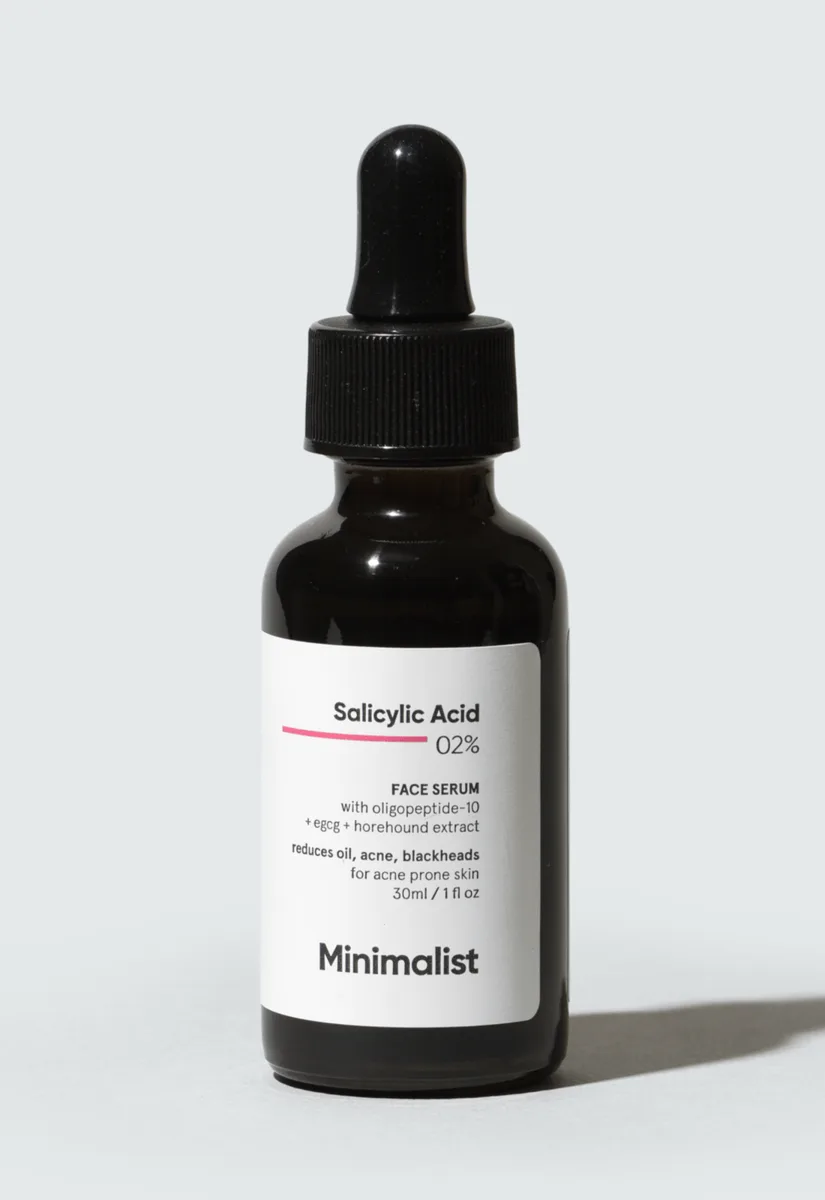
 2% Salicylic Acid Face Serum
A pharma-grade 2% BHA serum at pH 3.75, built around Merck's RonaCare salicylic acid and flanked by Marrubium Vulgare, EGCG glucoside, and Oligopeptide-10 — a supporting cast most budget salicylic serums do not bother with. At ₹599 for 30ml, it is one of the best acne serums on the Indian market and genuinely competitive with the prestige alternatives.
This review reflects our independent analysis of publicly available ingredient data, manufacturer claims, and verified user reviews. We are reader-supported — Amazon links may earn us a commission at no cost to you. We do not accept paid placements; rankings are based solely on the evidence.