The most cost-effective way to get pure, fresh L-ascorbic acid onto your skin. The DIY format isn't for everyone, but at eight dollars for months of supply, it's an absurdly good deal for anyone willing to learn the mixing ritual.
Vitamin C Booster Powder
The most cost-effective way to get pure, fresh L-ascorbic acid onto your skin. The DIY format isn't for everyone, but at eight dollars for months of supply, it's an absurdly good deal for anyone willing to learn the mixing ritual.
Score Breakdown
Where this product gains points and where it loses them — broken down across the four scoring pillars.
Exceptional ingredient quality and value — 100% pure L-ascorbic acid at $8 is hard to beat. However, the DIY mixing format limits accessibility and the potent acid narrows the audience to those with tolerant skin and the patience to learn proper dosing.
Pros & Cons
- ✓100% pure L-ascorbic acid with zero fillers or additives
- ✓Powder format eliminates the oxidation problem that ruins liquid vitamin C
- ✓Extraordinary value — $8 for 4-6 months of daily fresh vitamin C
- ✓User controls concentration to match their skin tolerance
- ✓Fungal acne safe and pregnancy safe with a single-ingredient formula
- ✓Dissolves cleanly in water-based serums for easy mixing
- ✗DIY mixing adds a step and requires dosing by feel
- ✗No measuring scoop included — easy to overdo it initially
- ✗Pure ascorbic acid can sting or irritate sensitive skin without buffering
- ✗Won't dissolve in oil-based products or thick creams
- ✗Not suitable for people who want a simple pump-and-apply vitamin C
Full Review
Here is a confession that every skincare enthusiast has made at least once: you spent forty, fifty, maybe seventy dollars on a vitamin C serum, used it for three weeks, and then watched it turn the color of iced tea in the back of your medicine cabinet. You kept using it anyway, telling yourself the brown tint was fine, probably still working. It wasn't. Oxidized L-ascorbic acid is about as useful as a screen door on a submarine.
Good Molecules looked at this universal skincare tragedy and proposed the most elegantly simple solution imaginable: stop putting vitamin C in liquid. Just sell the powder.
The Vitamin C Booster Powder is a small frosted glass jar containing 20 grams of pure L-ascorbic acid in crystalline powder form. That's the entire ingredient list. One ingredient. Ascorbic acid. There is literally nothing else in the jar — no fillers, no preservatives, no silicones, no fragrance, no water. It is the platonic ideal of a single-ingredient product.
The genius of this format is stability. L-ascorbic acid is notoriously unstable in aqueous solutions. The moment it contacts water and air, oxidation begins. Vitamin C serums start degrading from their manufacture date, and most are noticeably less potent within four to eight weeks of opening. By keeping the ascorbic acid in anhydrous powder form, Good Molecules effectively pauses the clock. The powder remains 100% potent until the exact moment you scoop it out and mix it with a water-based product on your palm. Every application is fresh. Every application is full strength.
Using it requires a small learning curve. You take the tiniest pinch — start with what would fit on the tip of a butter knife — and mix it into a few drops of a lightweight, water-based serum in the palm of your hand. Hyaluronic acid serums work beautifully as the mixing vehicle. Stir with your fingertip until the crystals dissolve, then apply to your face. The mixture will have a low pH, which is exactly what L-ascorbic acid needs to penetrate skin effectively. Research has consistently shown that vitamin C requires a pH below 3.5 for optimal absorption, and freshly dissolved ascorbic acid in a simple serum base easily hits that range.
The first time you use it, expect a tingling sensation. This is the acid doing its thing and is completely normal at appropriate doses. If you overdo it — and you probably will at least once — the tingling escalates to a sting that tells you in no uncertain terms to use less next time. This is the trade-off of the DIY format: there's no pre-calibrated concentration protecting you from yourself. Good Molecules doesn't include a measuring spoon, which feels like an oversight for a product where dosing matters. You learn by feel, which some people find empowering and others find annoying.
Once you've dialed in your dose, the results are everything you'd expect from well-formulated vitamin C, because that's precisely what this is. Within two to four weeks of daily morning use, skin looks perceptibly brighter. Dark spots from sun damage or post-inflammatory hyperpigmentation begin to fade. The overall tone evens out. By the eight to twelve week mark, the collagen-stimulating properties of L-ascorbic acid — well documented in dermatological literature — contribute to improved skin firmness and texture.
The powder dissolves cleanly in water-based serums but struggles with thicker creams and anything oil-based. This is basic chemistry: ascorbic acid is water-soluble. If your routine is heavily cream- or oil-based, you'll need to introduce a water-based serum as the mixing medium or apply the dissolved mixture first before your heavier products.
At eight dollars for 20 grams, the value proposition is almost comical. A tiny pinch per day means this jar lasts four to six months of daily use. Compare that to the $30-80 you'd spend on a vitamin C serum that starts oxidizing the moment you open it and needs replacing every six to eight weeks. Over the course of a year, the powder represents a fraction of the cost for arguably more consistent potency.
The limitations are real, though. This is not a grab-and-go product. It adds a step, requires attention, and isn't forgiving if you're in a rush. Sensitive skin types may find that even small amounts of pure L-ascorbic acid provoke irritation — there are no buffering agents or soothing ingredients to cushion the acid's impact. And the format means you're responsible for your own formulation stability: mixing the powder into products with certain active ingredients or at the wrong pH can theoretically cause issues, though in practice a quick mix-and-apply routine minimizes this risk.
For the detail-oriented skincare user who enjoys a touch of kitchen chemistry, this is one of the best purchases in all of affordable skincare. For those who want their vitamin C pre-mixed and ready to pump, it's a philosophical mismatch. Either way, the eight-dollar price tag makes it a remarkably low-risk experiment.
Formula
Key Ingredients
The hero actives that drive this product's performance.
| Ingredient | Function | Evidence |
|---|---|---|
| L-Ascorbic Acid (100%) (100%) | The sole ingredient — pure L-ascorbic acid in powder form, which is the most potent and well-studied form of vitamin C for topical use. In this anhydrous powder format, the ascorbic acid remains stable indefinitely until mixed with a water-based product at the time of application, solving the chronic oxidation problem that plagues pre-formulated vitamin C serums. The user controls the concentration by adjusting how much powder they add. | well-established |
Full INCI List
Ascorbic Acid
Product Flags
✓ Fragrance Free✓ Alcohol Free✓ Oil Free✓ Silicone Free✓ Paraben Free✓ Sulfate Free✓ Cruelty Free✓ Vegan✓ Fungal Acne Safe
Potential Irritants
L-ascorbic acid (can cause tingling or irritation at high concentrations, especially on sensitive skin)
Compatibility
Skin Match
Best For
Works For
Not Ideal For
Addresses These Conditions
hyperpigmentation dullness dark spots sun damage aging
Use With Caution
Routine Step
treatment
Time of Day
AM
Pregnancy Safe
Yes ✓
Layering Tips
Mix a small pinch of powder into your serum or moisturizer in the palm of your hand before applying. Start with a very small amount and increase gradually. Apply before heavier creams and always follow with sunscreen in the morning. Avoid mixing with niacinamide or retinol in the same application to prevent irritation.
Results Timeline
Immediate: slight brightening effect and possible tingling. 2-4 weeks: noticeable improvement in skin radiance and evening of tone. 8-12 weeks: measurable reduction in hyperpigmentation and improved collagen-related firmness with consistent daily use.
Pairs Well With
hyaluronic acid serumvitamin Eferulic acidsunscreen
Conflicts With
benzoyl peroxideretinol (in same application)AHA/BHA exfoliants (in same application)
Sample AM Routine
- Gentle cleanser
- Hydrating serum mixed with THIS PRODUCT
- Moisturizer
- Sunscreen SPF 30+
Sample PM Routine
- Cleansing oil or balm
- Gentle cleanser
- Retinol or treatment serum
- Moisturizer
Evidence
Who Should Skip
- DIY mixing adds a step and requires dosing by feel
- No measuring scoop included — easy to overdo it initially
- Pure ascorbic acid can sting or irritate sensitive skin without buffering
- Won't dissolve in oil-based products or thick creams
Science & Expert Perspective
The Science
L-ascorbic acid is the most extensively studied form of topical vitamin C. A landmark study by Pinnell et al. published in Dermatologic Surgery (2001) established that L-ascorbic acid penetrates skin most effectively at concentrations of 10-20% and at a pH below 3.5. This research demonstrated that vitamin C in this form stimulates collagen synthesis, provides photoprotection against UVA and UVB damage, and inhibits melanogenesis — the process responsible for dark spot formation.
The stability advantage of anhydrous vitamin C has been documented in cosmetic chemistry literature. A study in the International Journal of Pharmaceutics found that L-ascorbic acid in solid form maintains virtually 100% potency over 12 months when kept dry, while aqueous solutions at the same concentration degraded by 50-80% within 8 weeks under normal storage conditions. This degradation produces dehydroascorbic acid and eventually erythrulose, the brownish compound visible in oxidized vitamin C serums.
The synergy between L-ascorbic acid and vitamin E (tocopherol) has been well-established. Research by Lin et al. in the Journal of Investigative Dermatology (2005) showed that combining vitamins C and E provided four times the photoprotection of either alone. Users mixing this powder into a vitamin E-containing moisturizer would theoretically achieve some of this synergistic benefit, though the exact protection level depends on final concentrations and pH.
References
- Topical L-ascorbic acid: percutaneous absorption studies — Dermatologic Surgery (2001)
- Topical vitamin C and the skin: mechanisms of action and clinical applications — Journal of Investigative Dermatology (2005)
Dermatologist Perspective
Dermatologists widely recommend topical vitamin C as a cornerstone of photoprotection and anti-aging routines. Board-certified dermatologists note that the powder format addresses one of the most common patient complaints about vitamin C products — rapid oxidation and waste. From a clinical perspective, the ability to control concentration is both a strength and a concern: patients may achieve therapeutically effective concentrations, but they may also inadvertently apply irritating amounts. Dermatologists would typically recommend starting with the smallest possible dose and increasing gradually, particularly for patients with rosacea or eczema. The single-ingredient format is advantageous for patch testing and identifying reactions without confounding variables.
Guidance
Usage Guide
How to Use
Take the smallest pinch of powder (start with a grain-of-rice amount) and place it in the palm of your hand. Add 3-4 drops of a water-based serum — hyaluronic acid serums work best — and mix with your fingertip until dissolved. Apply immediately to clean, dry skin in the morning. Follow with moisturizer and sunscreen SPF 30 or higher. Increase the powder amount gradually over 2-3 weeks as your skin builds tolerance. Always keep the jar tightly sealed and dry.
Value Assessment
This is arguably the best value vitamin C product on the market. At $8 for 20 grams of pure L-ascorbic acid that lasts 4-6 months, it costs roughly $1.50-2.00 per month to use daily. Premium vitamin C serums with the same active ingredient — often at lower effective concentrations that may already be partially oxidized — typically cost $30-80 and last 6-8 weeks. The trade-off is convenience: you're paying for mixing time rather than formulation sophistication. For budget-conscious skincare enthusiasts, this is a no-brainer.
Who Should Buy
Budget-conscious skincare enthusiasts who want the proven benefits of L-ascorbic acid without paying premium serum prices. Ideal for anyone frustrated by vitamin C serums that oxidize before they finish the bottle, and for ingredient minimalists who appreciate a single-component product.
Who Should Skip
Anyone with very sensitive skin, active rosacea, or eczema should approach with extreme caution or skip entirely. Those who want a simple, pre-mixed morning serum won't enjoy the mixing ritual. If you're new to skincare and unfamiliar with acid-based products, a pre-formulated vitamin C at a lower concentration would be a gentler starting point.
Ready to try Good Molecules Vitamin C Booster Powder?
Details
Details
Texture
Fine, white crystalline powder with a slightly gritty texture that dissolves when mixed into water-based serums or lightweight moisturizers
Scent
Odorless — no fragrance or chemical smell
Packaging
Small frosted glass jar with a screw-top lid. Compact and keeps the powder dry, though no measuring spoon is included.
Finish
lightweightinvisible
What to Expect on First Use
On first use, start with the smallest amount possible — a tiny pinch mixed into your serum. You'll likely feel a mild tingling that subsides within a minute, which is normal for L-ascorbic acid. If you overdo it, expect significant stinging and potential redness. The learning curve is real: it takes a few applications to calibrate the right amount for your skin's tolerance.
How Long It Lasts
4-6 months with daily use of a small pinch per application
Period After Opening
12 months
Best Season
All Year
Certifications
cruelty-freevegan
Background
The Why
Vitamin C serums are among the most returned skincare products because they oxidize and turn brown before the bottle is finished. Good Molecules answered this with the simplest possible solution: skip the serum entirely and give people the pure ingredient in its most stable form. At eight dollars, it undercuts vitamin C serums that cost ten times as much.
About Good Molecules Established Brand (5–20 years)
Good Molecules launched in 2019 as a Beautylish in-house brand focused on affordable, transparent skincare. The brand publishes full ingredient concentrations on its labels, a rarity in the industry, and has built credibility through affordability and ingredient honesty rather than clinical trials.
Brand founded: 2019 · Product launched: 2021
Myth vs. Reality
Myths & Misconceptions
Myth
Vitamin C powder is less effective than a pre-formulated serum
Reality
L-ascorbic acid is L-ascorbic acid regardless of the delivery vehicle. The powder format actually ensures maximum freshness and potency at the moment of application. Pre-formulated serums may start degrading from the day they're bottled, especially if not stored correctly.
Myth
You can't use vitamin C with niacinamide
Reality
This is a persistent myth based on outdated research. Modern formulations of niacinamide and vitamin C can be used together without issue. However, mixing this powder directly with a niacinamide serum may cause flushing in some individuals due to the low pH interacting with niacinamide — applying them in separate steps avoids this entirely.
FAQ
Frequently Asked Questions
How much Good Molecules Vitamin C Booster Powder should I use?
Start with the smallest pinch possible — roughly the size of a grain of rice — mixed into your serum or moisturizer. You can gradually increase over several weeks as your skin builds tolerance. There's no scoop included, so err on the side of less until you know how your skin responds.
What should I mix the Vitamin C Booster Powder with?
It dissolves best in lightweight, water-based serums like hyaluronic acid. Thicker creams and oil-based products won't dissolve the powder well. Mix it in the palm of your hand just before applying — don't add it to the bottle, as water contact accelerates oxidation of the remaining powder.
Can I use this powder with retinol?
Yes, but not in the same application step. The low pH of L-ascorbic acid can irritate when layered with retinol. Use the vitamin C powder in the morning with sunscreen, and apply retinol in the evening for maximum benefit without irritation.
How long does the Vitamin C Booster Powder last before it expires?
Because it's anhydrous (no water), the powder is extremely shelf-stable and lasts 12 months or longer when kept dry. Unlike liquid vitamin C serums that oxidize within weeks of opening, this powder maintains its potency as long as moisture doesn't get into the jar.
Is Good Molecules Vitamin C Booster Powder pregnancy safe?
Yes. Topical L-ascorbic acid is considered safe during pregnancy and is not on any standard avoidance lists. This powder contains nothing else — just pure vitamin C with no retinoids or other pregnancy-flagged ingredients.
Community
Community Voices
Common Praise
"Incredible value for pure L-ascorbic acid"
"Solves the oxidation problem — powder stays fresh"
"Noticeable brightening within weeks"
"Versatile — mix into any product you already own"
"Tiny amount goes a very long way"
Common Complaints
"Requires trial and error to find the right dosing"
"Can cause tingling or irritation if you use too much"
"Powder doesn't dissolve easily in thicker creams"
"No measuring scoop included — guessing the amount"
"Low pH can destabilize some formulations when mixed"
Appears In
best vitamin c for budget best vitamin c powder best treatment for hyperpigmentation best affordable brightening treatment
Related Conditions
hyperpigmentation dullness dark spots sun damage aging
Related Ingredients
You Might Also Like
 Barrier Rescue Hero
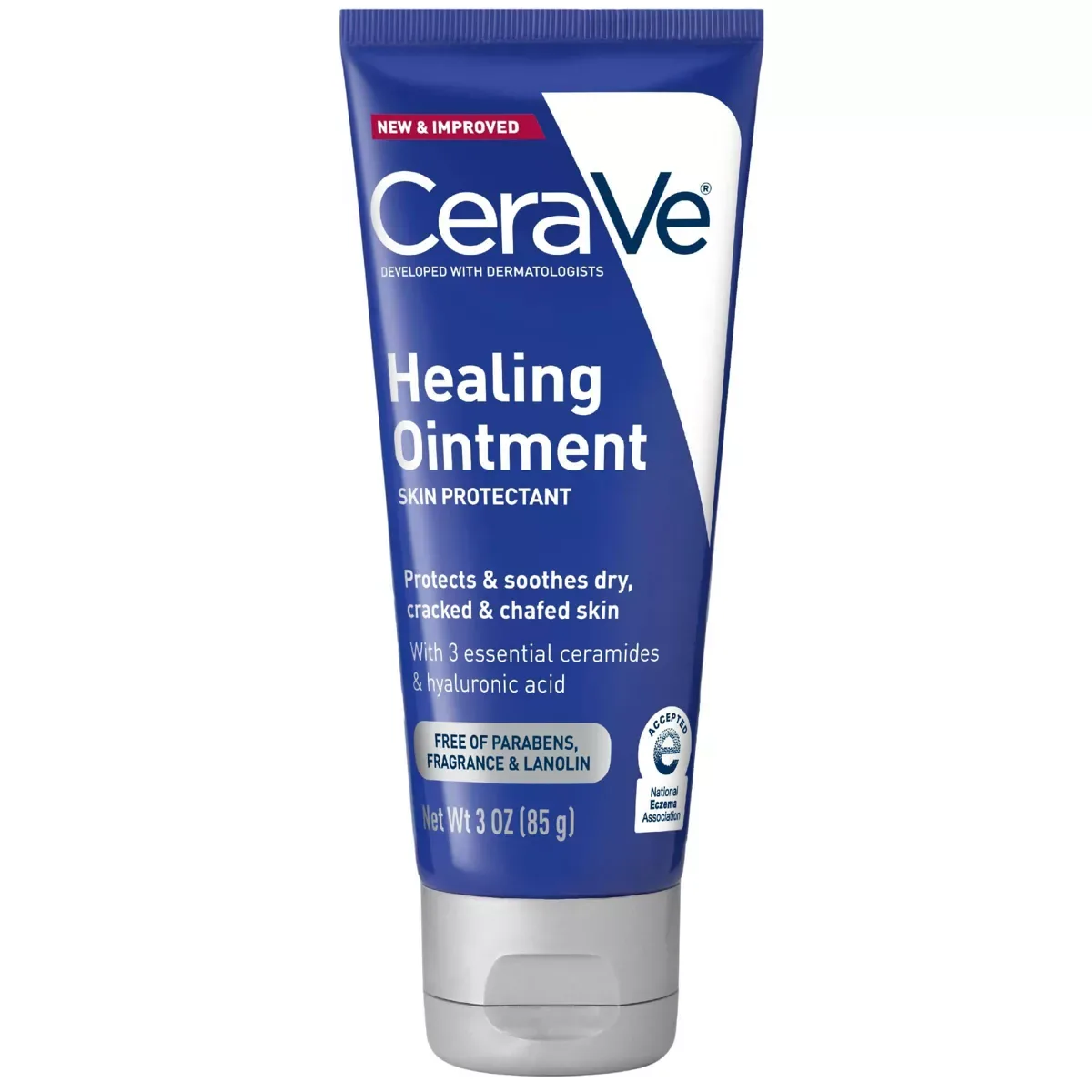
 Healing Ointment
CeraVe's Healing Ointment takes the simplest concept in skincare — seal the skin with petrolatum — and makes it genuinely intelligent by adding ceramides, hyaluronic acid, and panthenol beneath the occlusive layer. It is the gold standard drugstore occlusive for barrier rescue, slugging, and post-procedure care.
 Derm Office Staple
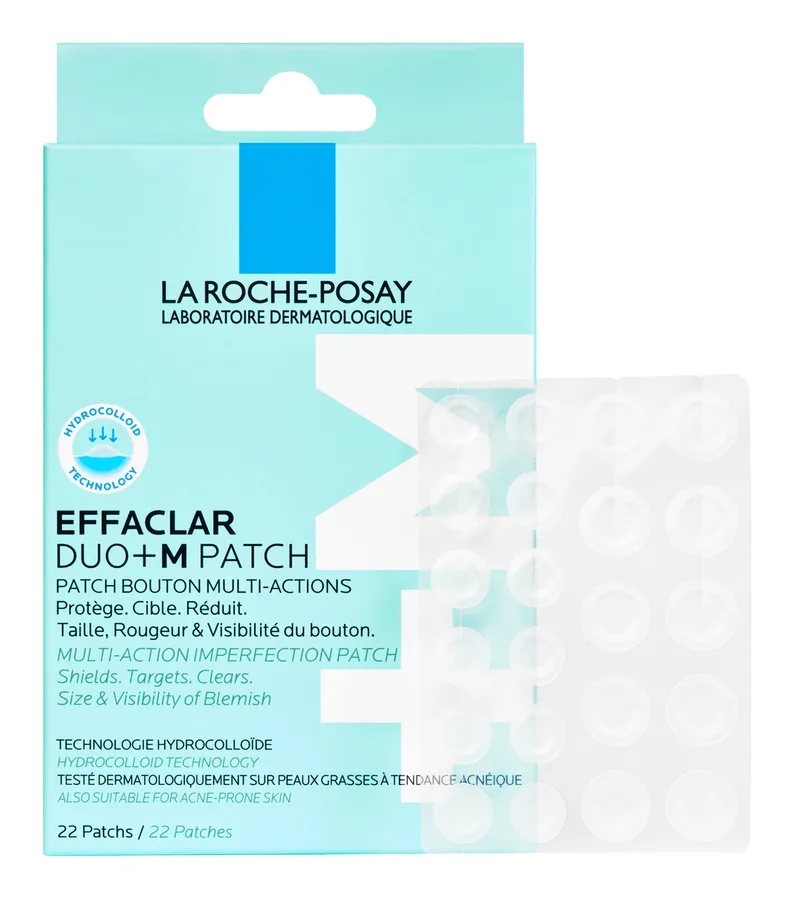
 Effaclar Multi-Target Blemish Patches
One of the few hydrocolloid pimple patches that actually stays on overnight without curling off at 3am. At 420 microns thick with two size options in one pack and zero actives to irritate sensitive skin, this is the Effaclar line's quiet overachiever — and a legitimately good answer for anyone whose acne routine has been sabotaged by thinner patches that refuse to stay put.
 Reactive-Skin Cult Favorite
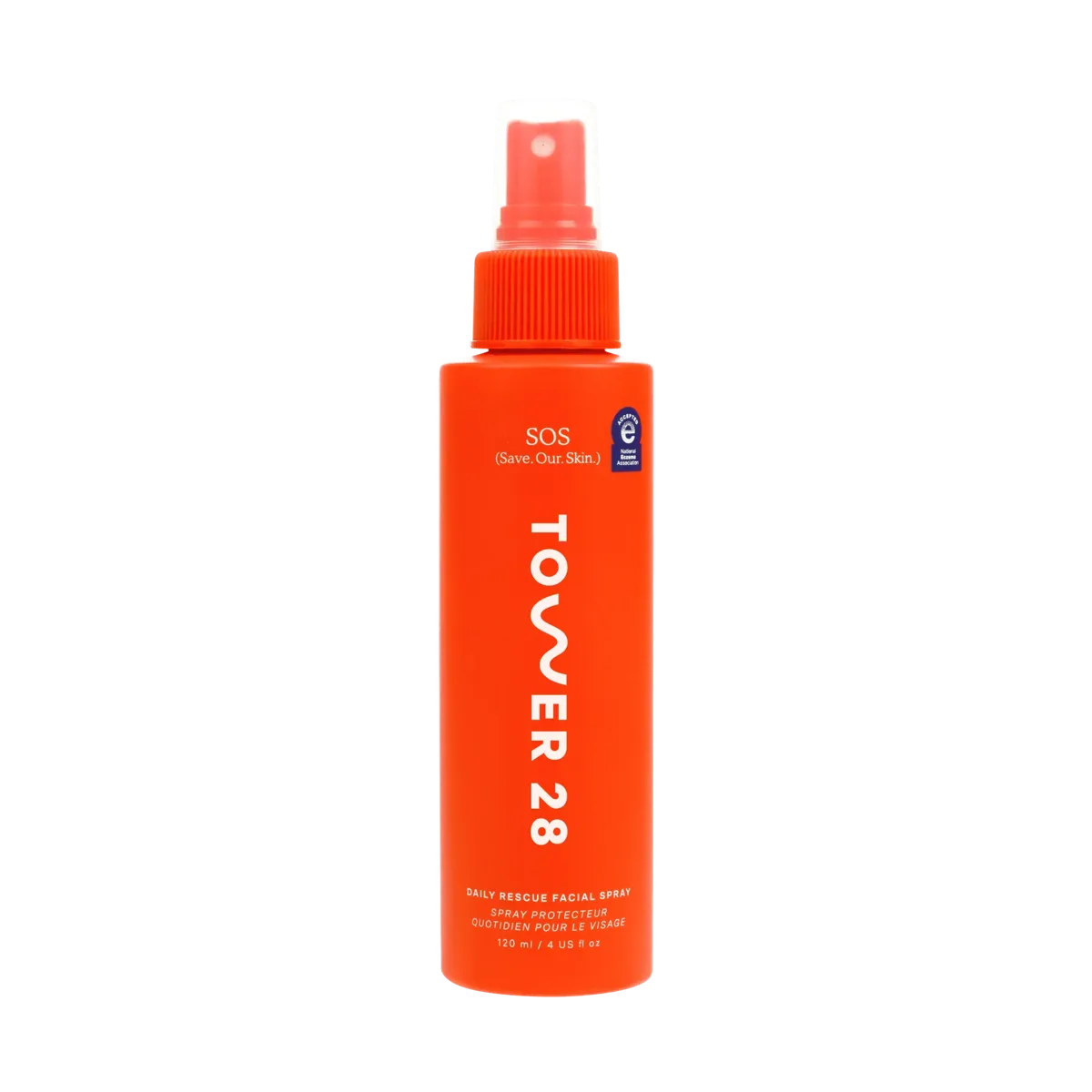
 SOS Save Our Skin Daily Rescue Facial Spray
The product that single-handedly brought hypochlorous acid into mainstream skincare. A fine-mist HOCl spray with genuine dermatology-organization validation, a near-perfect tolerability profile, and a cult following among people whose skin reacts to everything else. The price runs steeper than medical-grade HOCl, but the stabilization and design are worth the difference for daily use.
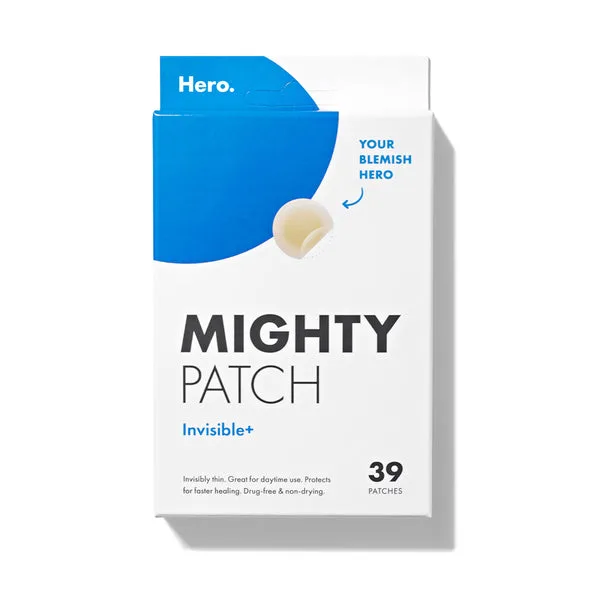
Mighty Patch Invisible+
The pimple patch that proved acne treatment could be invisible — Mighty Patch Invisible+ delivers the same fluid-absorbing hydrocolloid technology as the category-defining Original, but engineered thin enough to disappear under makeup. For daytime blemish management, nothing else comes this close to invisible.
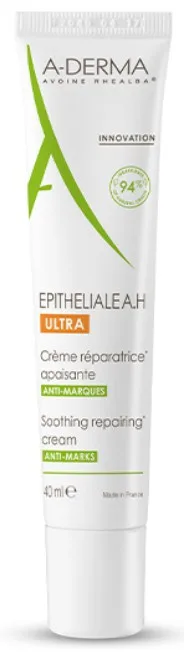 Post-Procedure MVP
 Epitheliale A.H Ultra Repairing Cream
One of the best-formulated French pharmacy repair creams on the market, full stop. Rhealba oat, three-weight HA, madecassoside, trace minerals, panthenol, and shea butter come together in a cream that handles post-procedure skin, eczema flares, friction damage, and compromised barriers with unusual competence for the price.
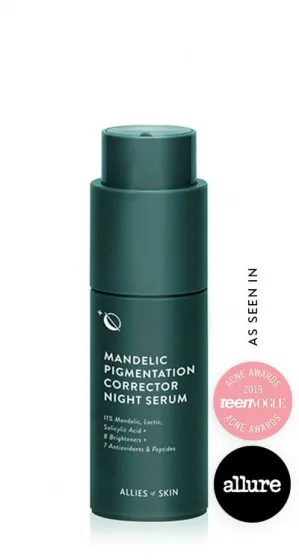 Pigmentation Specialist Pick
 Mandelic Pigmentation Corrector Night Serum
One of the most thoughtfully formulated pigmentation serums on the market. Mandelic acid leads, but the real story is the supporting cast — tranexamic acid, azelaic acid, niacinamide, and bakuchiol attacking hyperpigmentation through five different pathways. Specifically formulated to be safe on melanin-rich skin and it shows.
This review reflects our independent analysis of publicly available ingredient data, manufacturer claims, and verified user reviews. We are reader-supported — Amazon links may earn us a commission at no cost to you. We do not accept paid placements; rankings are based solely on the evidence.