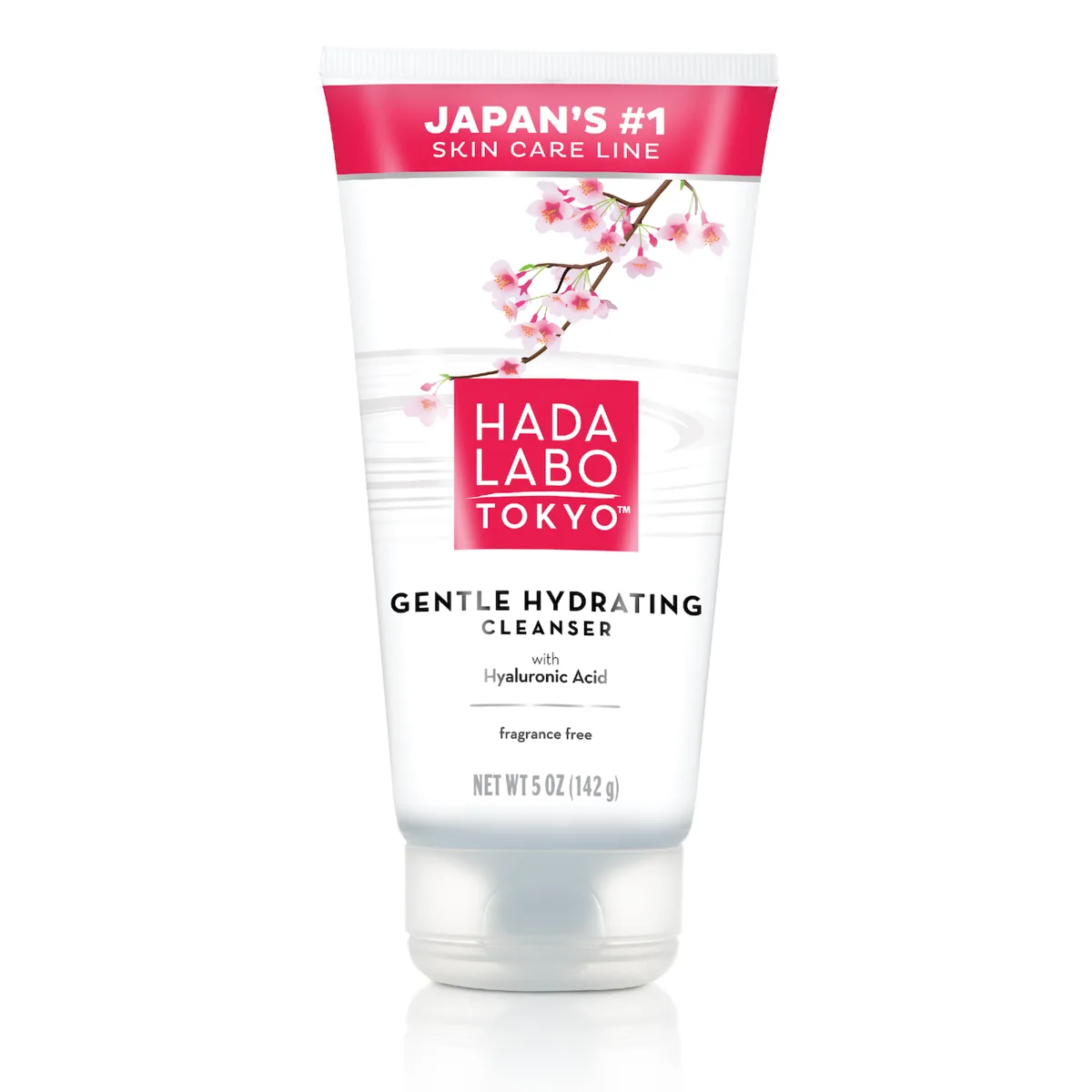
A genuinely clever amino acid cleanser that solves the fundamental problem of HA in a wash-off product by using cationic hyaluronic acid technology. The surfactant system is excellent and the post-wash feel is exceptional, but methylisothiazolinone in a product marketed for sensitive skin is a baffling choice that prevents a wholehearted recommendation.
Tokyo Gentle Hydrating Cleanser
A genuinely clever amino acid cleanser that solves the fundamental problem of HA in a wash-off product by using cationic hyaluronic acid technology. The surfactant system is excellent and the post-wash feel is exceptional, but methylisothiazolinone in a product marketed for sensitive skin is a baffling choice that prevents a wholehearted recommendation.
Score Breakdown
Where this product gains points and where it loses them — broken down across the four scoring pillars.
A well-designed amino acid cleanser with thoughtful dual-HA technology for a rinse-off product, but the presence of methylisothiazolinone — particularly problematic in a product marketed as gentle — significantly undercuts the formula's otherwise excellent gentleness profile.
Pros & Cons
- ✓Cationic hyaluronic acid actually persists on skin after rinsing — not just marketing
- ✓Amino acid surfactant system is genuinely gentle without sacrificing cleansing efficacy
- ✓Exceptional economy of use — a pea-sized amount covers the entire face
- ✓Fragrance-free and sulfate-free formula minimizes common irritation triggers
- ✓Post-wash skin feels conditioned and hydrated rather than tight or stripped
- ✓Five-ounce tube lasts 4-6 months making per-use cost extremely low
- ✓Rich creamy lather feels luxurious despite the drugstore price point
- ✗Contains methylisothiazolinone despite being marketed for sensitive skin
- ✗Tube material is stiff making it difficult to squeeze out product at the end
- ✗Not effective as a sole cleanser for heavy or waterproof makeup
- ✗US formulation uses different preservatives than the European version
- ✗Polyquaternium conditioning agents may cause buildup for some users over time
Full Review
The dirty secret of most hyaluronic acid cleansers is that the HA washes straight down the drain. It is a marketing ingredient in a rinse-off format — listed on the label for the same reason gyms put smoothie bars in the lobby. Hada Labo, to their credit, decided to actually solve this problem. The Tokyo Gentle Hydrating Cleanser uses hydroxypropyltrimonium hyaluronate, a positively charged hyaluronic acid derivative originally developed for hair conditioning applications in Japan. The chemistry is elegant: skin carries a slight negative charge, and this cationic HA sticks to it like a magnet during rinsing, depositing a hydrating film that persists after the water stops flowing. It is paired with sodium acetylated hyaluronate, another HA form engineered for enhanced skin adhesion. Together, they make this one of the few cleansers where the HA claim is not just decoration.
The cleansing system itself is built on amino acid surfactants — sodium cocoyl glycinate and its potassium counterpart, both derived from coconut oil and the amino acid glycine. These sit at the gentler end of the surfactant spectrum, cleaning effectively without the aggressive lipid stripping that sodium lauryl sulfate is infamous for. Glycerin holds the second position in the ingredient list, reinforcing the formula's commitment to leaving skin conditioned rather than squeaky. Cocamidopropyl betaine rounds out the surfactant trio as a foam booster that contributes to the rich, creamy lather.
The texture starts as a dense white paste in the tube — almost like a thick cream rather than a traditional face wash. You need remarkably little of it. A pea-sized amount, worked between wet palms, expands into a pillowy, stable foam that covers the entire face with ease. This economy of use is one of the product's underappreciated strengths: that 5-ounce tube will last most people four to six months of twice-daily washing, which dramatically improves the cost-per-use equation.
On the face, the foam feels soft and cushioned rather than thin and bubbly. It does not tingle, does not feel stripping, and rinses cleanly without leaving a residue. The post-wash skin feel is where this cleanser genuinely distinguishes itself. There is none of the tightness or dryness that sends most people scrambling for toner within seconds of patting dry. Skin feels soft, plump, and — dare I say — actually moisturized. For people transitioning from sulfate-based cleansers, the difference is startling enough that some wonder if the product is truly cleansing at all. It is. Amino acid surfactants are perfectly effective at dissolving sebum, sunscreen, and daily grime — they just do it without scorching the earth.
As a daily cleanser, this works best in two scenarios. As a standalone morning wash, it is nearly perfect — removing overnight oils and preparing skin for the routine ahead without disrupting the barrier you spent all night rebuilding. As the second step in an evening double-cleanse, it excels at removing the residual film left by oil cleansers while depositing its own layer of hydration. Where it falls short is as a sole evening cleanser for heavy makeup or waterproof sunscreen. The gentle surfactant system was not designed for that workload, and forcing it to do so means rubbing and re-applying, which defeats the purpose of gentleness.
The formula is fragrance-free, paraben-free, sulfate-free, and mineral oil-free, consistent with Hada Labo's stripped-down philosophy. However, the same frustrating preservative issue that plagues the Skin Plumping Gel Cream surfaces here: methylisothiazolinone. MI in a cleanser is arguably less concerning than in a leave-on product because contact time is brief, but it remains one of the most common causes of allergic contact dermatitis in cosmetic products. For a brand that builds its identity on simplicity and gentleness, and markets this specific product to sensitive skin types, the choice to include MI when gentler preservation systems exist is a persistent blind spot. The European formulation of this product reportedly uses different preservatives, which makes the US version's MI inclusion feel even more like an unnecessary compromise.
The tube packaging is practical and hygienic — no jar to dip fingers into, no pump to clog. The flip-top cap works fine, though the stiff tube material makes squeezing difficult toward the end, leaving a frustrating amount of product trapped inside. A softer tube material or a wider opening would solve this.
At roughly fifteen dollars for five ounces, and with the tiny amount needed per use, this cleanser offers exceptional value. The cost per wash works out to just a few cents, making it one of the most affordable amino acid cleansers available in the US market. Rohto Pharmaceutical's decades of formulation experience show in the surfactant balance and the cationic HA technology — this is not a generic face wash with HA sprinkled in for label appeal.
Formula
Key Ingredients
The hero actives that drive this product's performance.
| Ingredient | Function | Evidence |
|---|---|---|
| Sodium Cocoyl Glycinate & Potassium Cocoyl Glycinate | Amino acid-based surfactants derived from coconut oil and glycine that cleanse effectively while maintaining the skin's natural pH and moisture barrier. Listed as the first and fifth ingredients respectively, these form the primary cleansing system — far gentler than traditional sulfate surfactants, reducing the stripping effect that leaves skin tight after washing. | well-established |
| Glycerin | Acts as a humectant counterbalance to the cleansing surfactants, helping skin retain moisture during the wash process. In a cleanser, glycerin this high in the formula (second ingredient) ensures that the skin feels conditioned rather than stripped after rinsing, working alongside the amino acid surfactants to maintain hydration. | well-established |
| Dual Hyaluronic Acid System (Hydroxypropyltrimonium Hyaluronate, Sodium Acetylated Hyaluronate) | Two specialized forms of hyaluronic acid that cling to skin even during rinsing. Hydroxypropyltrimonium hyaluronate carries a positive charge that binds to the skin's negatively charged surface, while sodium acetylated hyaluronate has enhanced adhesion properties. Together they leave a hydrating film that persists after the cleanser is washed off — an unusually thoughtful approach for a rinse-off product. | well-established |
| Cocamidopropyl Betaine | An amphoteric surfactant that serves as a foam booster and co-cleanser, softening the cleansing action of the primary amino acid surfactants. Its amphoteric nature means it performs well across pH ranges, contributing to the creamy lather that makes a small amount of product cover the entire face effectively. | well-established |
Full INCI List
Sodium Cocoyl Glycinate, Glycerin, Cocamidopropyl Betaine, Butylene Glycol, Potassium Cocoyl Glycinate, Hydroxypropyl Starch Phosphate, Decyl Glucoside, PEG-400, Water, Sodium Lauroyl Aspartate, BHT, Citric Acid, Disodium EDTA, Glyceryl Stearate SE, Hydroxypropyl Methylcellulose, Hydroxypropyltrimonium Hyaluronate, Lauric Acid, Methylisothiazolinone, Mica, PEG-32, Phenoxyethanol, Polyquaternium-7, Polyquaternium-52, Sodium Acetylated Hyaluronate, Sodium Stearoyl Glutamate, Stearic Acid, Titanium Dioxide
Product Flags
✓ Fragrance Free✓ Alcohol Free✓ Oil Free✓ Silicone Free✓ Paraben Free✓ Sulfate Free✗ Cruelty Free✗ Vegan✗ Fungal Acne Safe
Potential Irritants
Methylisothiazolinone
Common Allergens
Methylisothiazolinone
Compatibility
Skin Match
Best For
Works For
Not Ideal For
Addresses These Conditions
dryness dehydration sensitivity compromised skin barrier
Routine Step
cleanser
Time of Day
AM & PM
Pregnancy Safe
Yes ✓
Layering Tips
Use as your second cleanser in a double-cleansing routine (after an oil cleanser or micellar water in the PM). In the AM, can be used as a standalone cleanser. Wet face first, lather a pea-sized amount between palms, then massage gently across the face for 30-60 seconds before rinsing.
Results Timeline
Immediate soft, conditioned feel after first wash. Within 1-2 weeks of replacing a harsher cleanser, skin barrier should stabilize with reduced tightness and dryness. Long-term use supports a healthier, more hydrated baseline.
Pairs Well With
Oil cleansers for double cleansingHyaluronic acid tonersHydrating serumsGentle moisturizers
Sample AM Routine
- Hada Labo Tokyo Gentle Hydrating Cleanser
- Hydrating toner
- Serum
- Moisturizer
- Sunscreen SPF 30+
Sample PM Routine
- Oil cleanser or micellar water
- Hada Labo Tokyo Gentle Hydrating Cleanser
- Hydrating toner
- Treatment serum
- Moisturizer
Evidence
Who Should Skip
- Contains methylisothiazolinone despite being marketed for sensitive skin
- Tube material is stiff making it difficult to squeeze out product at the end
- Not effective as a sole cleanser for heavy or waterproof makeup
- US formulation uses different preservatives than the European version
Science & Expert Perspective
The Science
The standout formulation choice here is hydroxypropyltrimonium hyaluronate, a quaternized (cationic) form of hyaluronic acid. Standard hyaluronic acid carries a negative charge at skin pH, meaning it is repelled by the skin's own negative surface charge during rinsing. Hydroxypropyltrimonium hyaluronate reverses this polarity — its positive quaternary ammonium group electrostatically adsorbs onto the skin's surface, creating a hydrating film that resists wash-off. This technology was adapted from hair care, where cationic polymers have been used for decades to condition hair during shampooing.
A study published in the International Journal of Cosmetic Science (2014) demonstrated that cationic hyaluronic acid derivatives showed significantly higher skin substantivity (persistence after rinsing) compared to standard sodium hyaluronate, with measurable increases in stratum corneum hydration lasting several hours post-cleansing.
The amino acid surfactant system — sodium cocoyl glycinate and potassium cocoyl glycinate — represents a deliberate choice for mildness. These surfactants have a higher critical micelle concentration than SLS, meaning they form cleansing micelles at the concentrations needed for effective cleaning without the excessive protein denaturation associated with sulfates. Research published in the Journal of the Society of Cosmetic Chemists has shown amino acid surfactants cause significantly less disruption to the skin's lipid bilayer compared to sulfate-based alternatives, preserving barrier integrity during cleansing.
References
- Efficacy Evaluation of a Topical Hyaluronic Acid Serum in Facial Photoaging — Cosmetics (MDPI) (2021)
Dermatologist Perspective
Dermatologists frequently emphasize that the cleanser step is where most people unknowingly damage their skin barrier. Board-certified dermatologists recommend amino acid-based cleansers like this one for patients with dry, sensitive, or barrier-compromised skin because they maintain the skin's physiological pH range while removing impurities. The dual hyaluronic acid system — particularly the cationic form — aligns with dermatological recommendations to support hydration at every routine step. Dermatologists would note, however, that methylisothiazolinone remains a documented allergen, and patients who have patch-tested positive for MI should avoid this product regardless of the short contact time.
Guidance
Usage Guide
How to Use
Wet your face thoroughly with lukewarm water. Squeeze a pea-sized amount into wet palms and lather between your hands until a rich foam forms. Gently massage the foam across the face in circular motions for 30-60 seconds, then rinse thoroughly with lukewarm water. For morning use, this is typically all you need. For evening use, consider double-cleansing first with an oil cleanser to remove sunscreen and makeup, then follow with this cleanser as the second step. Avoid using hot water, which can strip the skin's natural oils regardless of how gentle your cleanser is.
Value Assessment
At approximately $14.99 for 5 ounces, this is one of the best values in amino acid cleansers available in the US market. The concentrated formula means each wash costs just pennies, and a single tube can last four to six months with twice-daily use. Compared to European and Korean amino acid cleansers that often cost $20-30 for similar sizes, Hada Labo's pricing reflects Rohto Pharmaceutical's scale advantage. The cationic HA technology adds genuine formulation value that you would typically find in pricier Japanese imports. For what you pay, the level of surfactant engineering and skin-conditioning technology is genuinely impressive.
Who Should Buy
Anyone whose current face wash leaves their skin feeling tight, dry, or stripped. This is particularly excellent for dry, dehydrated, or barrier-compromised skin types who need effective cleansing without the damage. Also ideal for those building a J-beauty routine or transitioning away from sulfate-based cleansers for the first time.
Who Should Skip
Those with confirmed methylisothiazolinone sensitivity or contact dermatitis should avoid this product. People who wear heavy or waterproof makeup and want a single-step cleanse will find this insufficient — a separate makeup remover or oil cleanser is needed first. Very oily skin types who prefer that squeaky-clean feeling may find this too gentle.
Ready to try Hada Labo Tokyo Gentle Hydrating Cleanser?
Details
Details
Texture
Rich, white creamy paste that transforms into a soft, dense foam when lathered with water
Scent
Unscented — no detectable fragrance
Packaging
Squeezable tube (5 oz) with a flip-top cap. Practical and hygienic, though the tube becomes harder to squeeze toward the end.
Finish
lightweightnon-greasy
What to Expect on First Use
The first wash immediately impresses with how little product you need — a pea-sized amount creates enough lather for the entire face. Skin feels notably softer and more conditioned after rinsing compared to typical drugstore cleansers. No tightness, stinging, or dryness.
How Long It Lasts
4-6 months with twice-daily use due to the concentrated formula requiring very little product per wash
Period After Opening
12 months
Best Season
All Year
Background
The Why
This cleanser embodies Hada Labo's core philosophy taken to a logical extreme: if your brand is built on hyaluronic acid, then even the step that washes things away should leave HA behind. Developed by Rohto Pharmaceutical to complement the brand's lotions and gel creams, it uses cationic (positively charged) HA technology borrowed from Japanese hair care science — where conditioning agents that resist rinsing have been standard for decades.
About Hada Labo Established Brand (5–20 years)
Hada Labo was created in 2004 by Rohto Pharmaceutical Co., Ltd., a Japanese company founded in 1899. The brand is Japan's #1 selling skincare line, built around hyaluronic acid research. While Rohto has extensive pharmaceutical credentials, Hada Labo's product-specific clinical data is limited to in-house studies.
Brand founded: 2004 · Product launched: 2016
Myth vs. Reality
Myths & Misconceptions
Myth
Hyaluronic acid in a cleanser is pointless because it rinses off
Reality
This formula specifically uses hydroxypropyltrimonium hyaluronate, a cationic HA form that electrostatically binds to skin during rinsing. Studies show cationic HA persists on skin after wash-off, providing measurable post-cleanse hydration — it's not the same as adding standard HA to a face wash.
Myth
Gentle cleansers can't effectively remove sunscreen and makeup
Reality
Amino acid surfactants are effective at dissolving daily sunscreen and light makeup. For heavy or waterproof makeup, pair this with an oil cleanser first in a double-cleansing routine — the amino acid cleanser then removes residual oil and impurities without stripping.
FAQ
Frequently Asked Questions
Is Hada Labo Gentle Hydrating Cleanser good for sensitive skin?
The amino acid surfactant base (sodium cocoyl glycinate) is one of the gentlest cleansing systems available, making it suitable for most sensitive skin types. However, the formula contains methylisothiazolinone, a preservative that can trigger reactions in those with contact sensitivities. Patch-test first if you have highly reactive skin.
Can Hada Labo Gentle Hydrating Cleanser remove makeup?
It effectively removes light to moderate makeup, daily sunscreen, and surface impurities. For heavy or waterproof makeup, use it as the second step in a double-cleansing routine — start with an oil cleanser to dissolve makeup, then follow with this cleanser to remove residual oil.
How much product do I need per wash?
A pea-sized amount is sufficient for the entire face. The concentrated amino acid formula lathers richly with minimal product, which is why the 5 oz tube can last 4-6 months with twice-daily use.
Does the hyaluronic acid in this cleanser actually do anything?
Yes — unlike standard HA that rinses off completely, this cleanser uses hydroxypropyltrimonium hyaluronate, a positively charged HA form that electrostatically binds to skin during rinsing. This means a hydrating film persists on your skin after you wash, providing measurable post-cleanse moisture.
Is Hada Labo Gentle Hydrating Cleanser sulfate-free?
Yes, it's completely sulfate-free. The primary surfactants are amino acid-based (sodium cocoyl glycinate and potassium cocoyl glycinate), which are significantly gentler than sodium lauryl sulfate or sodium laureth sulfate found in traditional cleansers.
Community
Community Voices
Common Praise
"Extremely gentle — doesn't leave skin feeling tight or dry"
"A little product goes a long way due to rich lather"
"Skin feels soft and hydrated after rinsing"
"Fragrance-free and minimal ingredient approach"
"Excellent as a second cleanser in double-cleansing routine"
Common Complaints
"Contains methylisothiazolinone which can cause reactions"
"Tube can be difficult to squeeze product from as it empties"
"Some users find it doesn't remove heavy makeup effectively alone"
"White creamy formula can be confusing — it's not a foaming cleanser"
Notable Endorsements
Popular in J-beauty and K-beauty communitiesRecommended in Asian skincare double-cleansing routines
Appears In
best cleanser for dry skin best cleanser for sensitivity best j beauty cleanser best sulfate free cleanser best hydrating cleanser
Related Conditions
dryness dehydration sensitivity compromised skin barrier
Related Ingredients
You Might Also Like
 Quinoa-Led Gentle Daily Cleanser
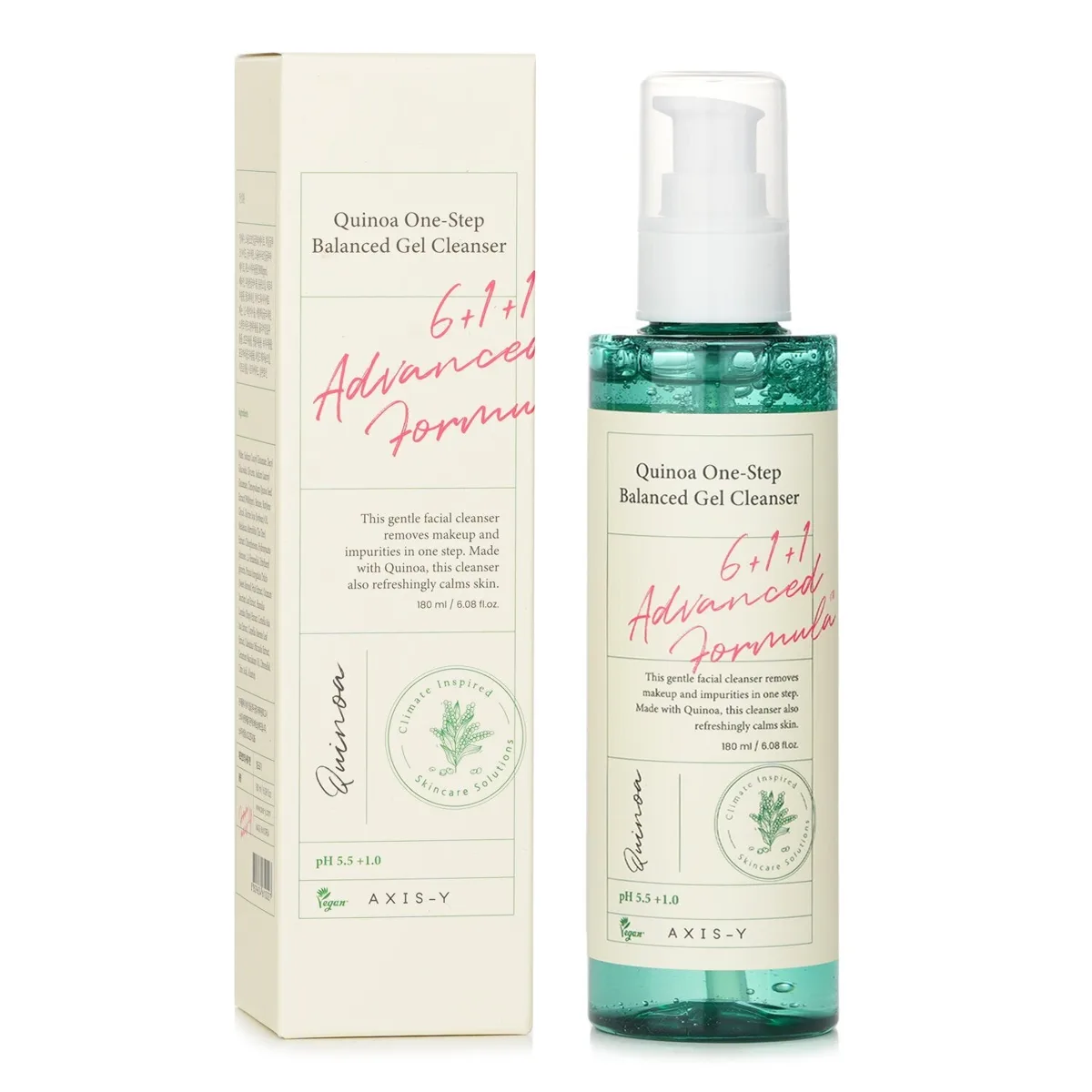
 Quinoa One Step Balanced Gel Cleanser
A fragrance-free, sulfate-free gel cleanser built around quinoa seed extract and a gentle amphoteric-plus-nonionic surfactant pair. Non-stripping, broadly suitable, and priced reasonably — one of the safest recommendations in the daily gentle cleanser category.
 J-Beauty Holy Grail
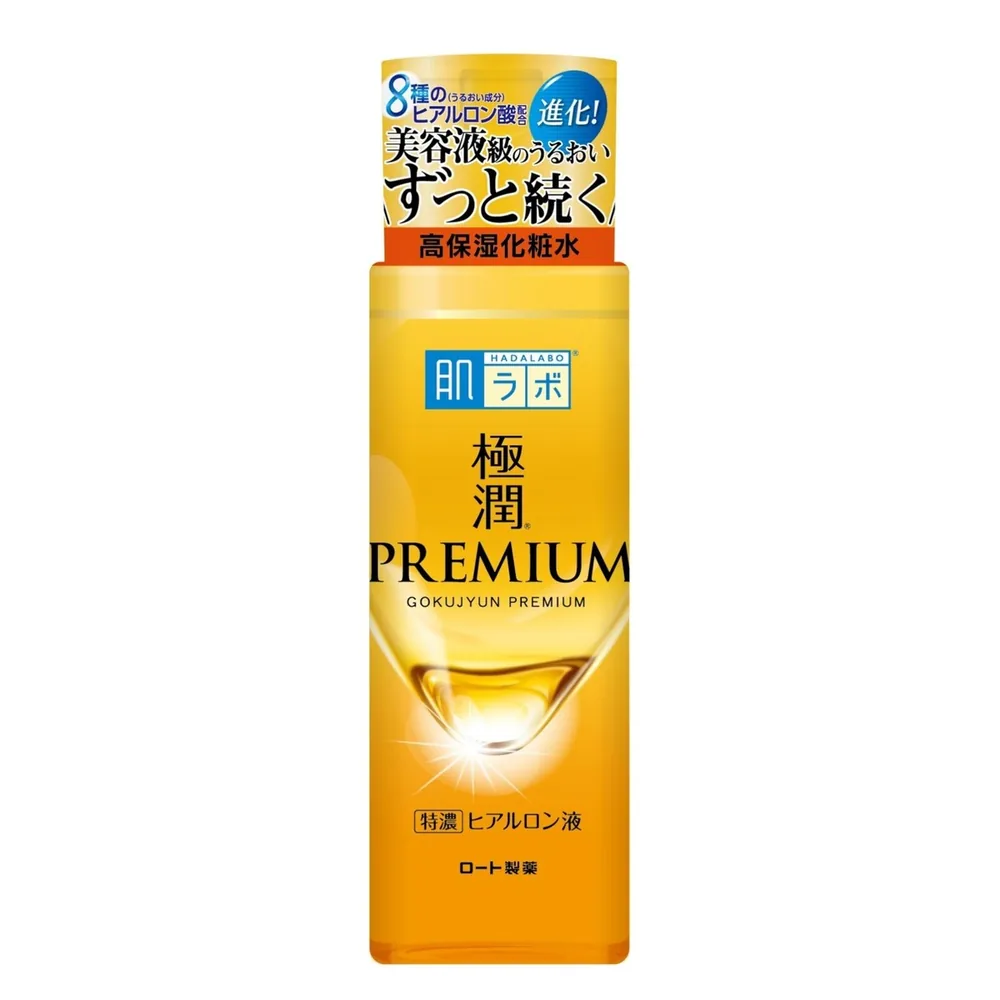
 Gokujyun Premium Lotion
The single most impressive hyaluronic acid delivery system available in consumer skincare — seven distinct HA forms plus sacran and lipidure, in a fragrance-free formula that costs less than most drugstore serums. Japan's best-selling lotion earned that title honestly.
 Sensitive Skin MVP
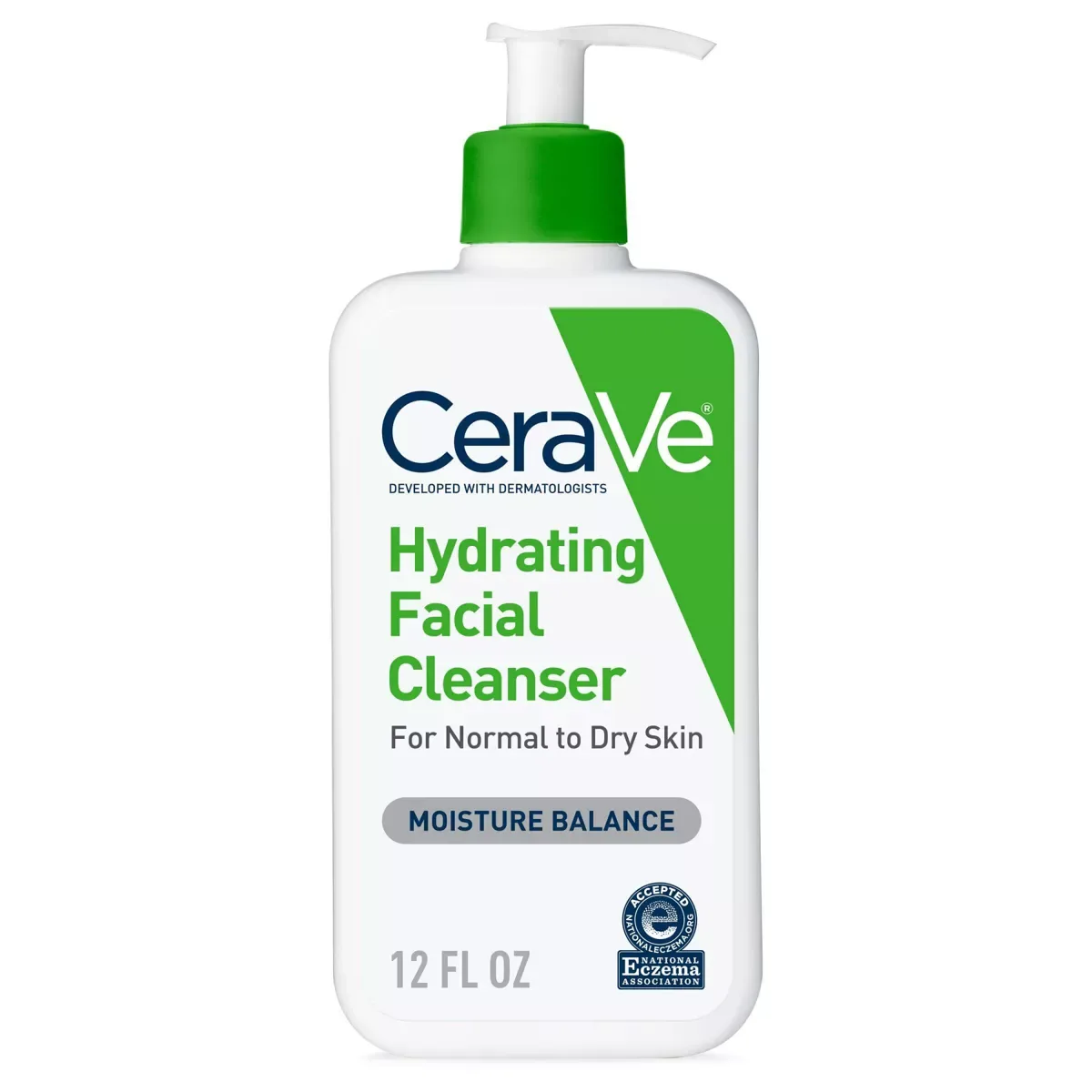
 Hydrating Facial Cleanser
The CeraVe Hydrating Facial Cleanser is the cleanser that taught a generation of dry-skin sufferers that washing your face does not have to mean punishing it. A lotion-textured, non-foaming formula that genuinely hydrates while it cleans, it remains the benchmark drugstore cleanser for anyone whose skin drinks moisture faster than most products can provide it.
 Derm Office Staple
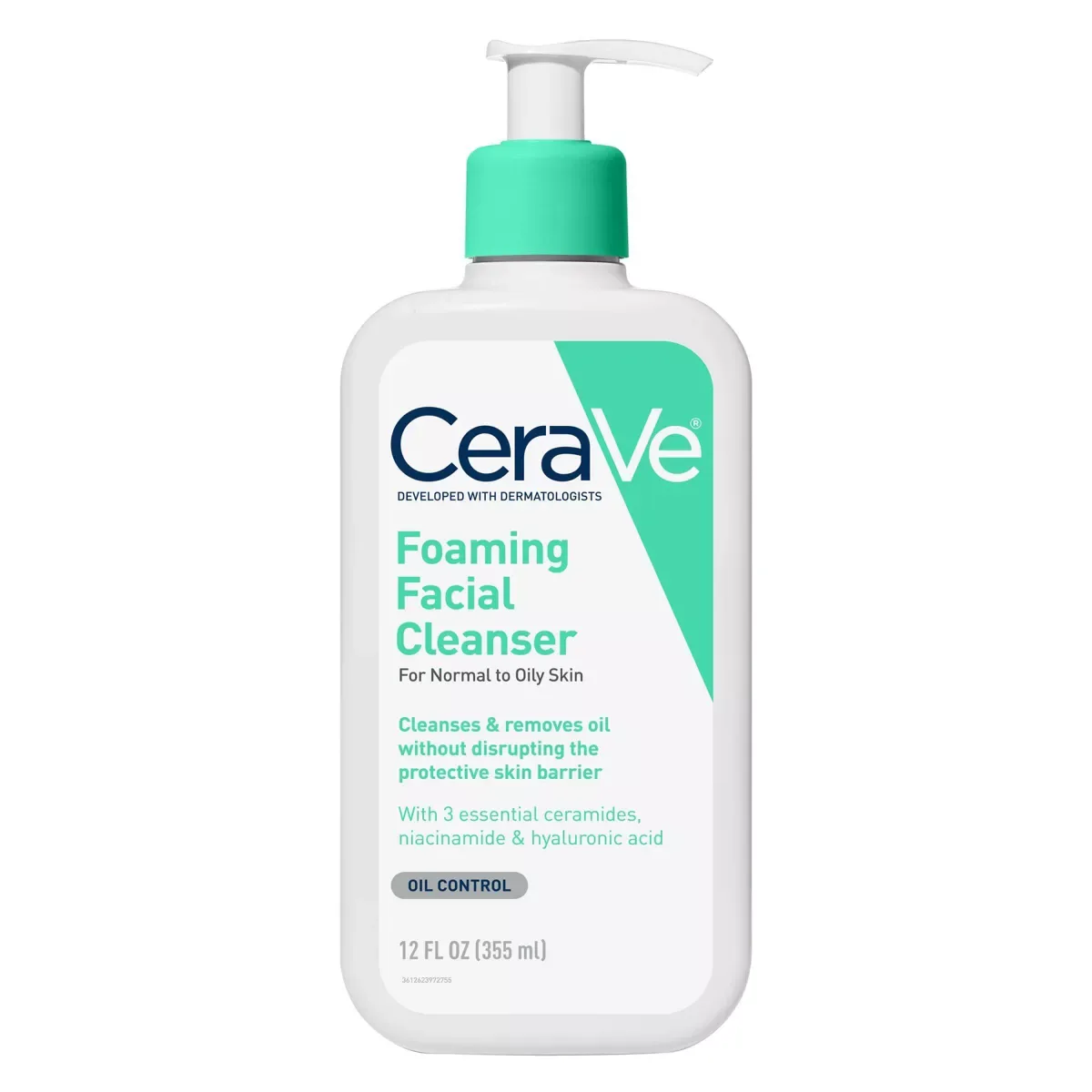
 Foaming Facial Cleanser
The CeraVe Foaming Facial Cleanser is the rare drugstore cleanser that dermatologists actually use themselves — a genuinely gentle foaming wash that removes excess oil without triggering the rebound sebum production that plagues most lathering cleansers. At under sixteen dollars for a bottle that lasts months, it makes skipping it almost irrational.
 Cult-Status Makeup Eraser
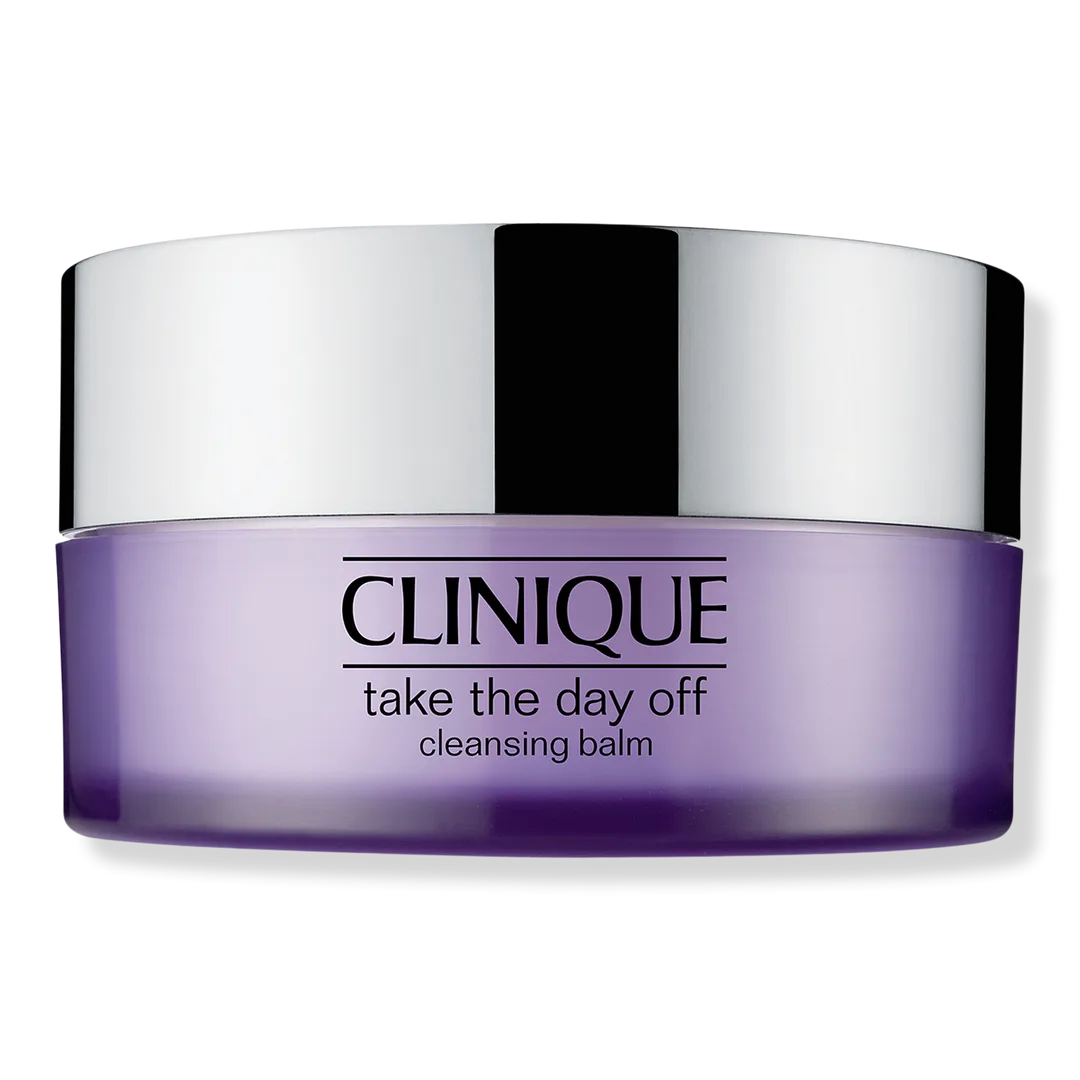
 Take the Day Off Cleansing Balm
The cleansing balm that earned its cult status through radical restraint — nine ingredients, zero fragrance, and the ability to dissolve anything from waterproof mascara to SPF 50 without disturbing even the most reactive skin. Not the most glamorous product in any routine, but possibly the most universally reliable.
 Japanese Drugstore Classic
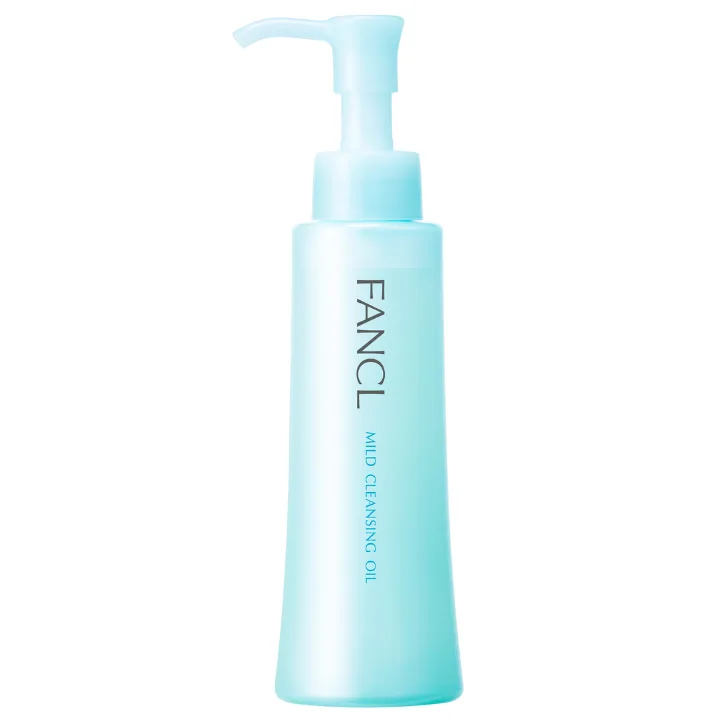
 Mild Cleansing Oil
A two-decade-old Japanese drugstore staple that still outperforms most modern cleansing oils on the single metric that matters: does it remove sunscreen cleanly without leaving a film. The fragrance-free, ester-based formula is gentle enough for reactive skin and thoughtfully augmented with vitamin C and plant oils. Quietly one of the best first-cleanse options on the market.
This review reflects our independent analysis of publicly available ingredient data, manufacturer claims, and verified user reviews. We are reader-supported — Amazon links may earn us a commission at no cost to you. We do not accept paid placements; rankings are based solely on the evidence.