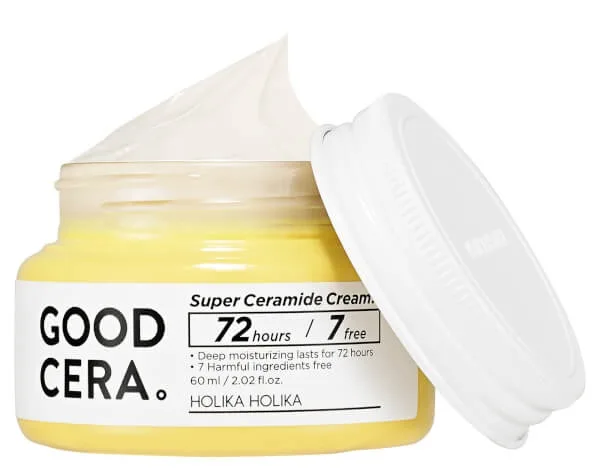
Holika Holika's Good Cera Super Ceramide Cream is a genuinely thoughtful triple-ceramide barrier-repair moisturizer at a mid-range K-beauty price, with a formulation philosophy that borrows from the clinical playbook — three ceramide types plus phytosterols and a pseudo-ceramide booster. It's a strong pick for dry, compromised, or sensitive skin, and the only meaningful drawback is that coconut oil and shea butter rule it out for fungal-acne avoiders.
Good Cera Super Ceramide Cream
Holika Holika's Good Cera Super Ceramide Cream is a genuinely thoughtful triple-ceramide barrier-repair moisturizer at a mid-range K-beauty price, with a formulation philosophy that borrows from the clinical playbook — three ceramide types plus phytosterols and a pseudo-ceramide booster. It's a strong pick for dry, compromised, or sensitive skin, and the only meaningful drawback is that coconut oil and shea butter rule it out for fungal-acne avoiders.
Score Breakdown
Where this product gains points and where it loses them — broken down across the four scoring pillars.
A genuinely well-built triple-ceramide cream with complementary phytosterols, shea butter, and pseudo-ceramides. Loses points on the coconut oil content and not being fungal-acne safe.
Pros & Cons
- ✓Three ceramide types (NP, AP, EOP) plus pseudo-ceramide booster for complete barrier repair
- ✓Phytosterols and fatty acid components mirror the healthy barrier lipid ratio
- ✓Fragrance-free, which matters for dry and sensitive target users
- ✓Rich but not greasy — K-beauty texture work is genuinely pleasant
- ✓Reasonable $24 price for a formulation that rivals clinical Western brands
- ✓Long track record since 2016 with consistently positive user feedback
- ✗Coconut oil and shea butter content isn't fungal-acne safe
- ✗Jar packaging isn't ideal though less of an issue for a lipid-based formula
- ✗Too rich for oily skin types — emulsion version is better for them
- ✗Not cruelty-free in the strictest sense — brand sells in mainland China
- ✗Minor aleuritic acid is derived from shellac, so not strictly vegan
Full Review
The skin barrier is made of specific things in specific ratios. The stratum corneum's lipid matrix — the mortar that holds the corneocyte bricks together — is roughly 50% ceramides, 25% cholesterol, and 15% free fatty acids, with a small remainder of other lipids. When that ratio gets disrupted, by over-exfoliation or retinoid use or just aging, the barrier leaks water and lets irritants in, and the skin looks dry and flaky and reactive in ways a simple humectant can't fix. For the last two decades, the most clinically serious barrier-repair moisturizers have been the ones that rebuild that lipid matrix with ratios close to the healthy physiological mix — CeraVe's original cream, Skinceuticals Triple Lipid, Epiceram. Holika Holika's Good Cera Super Ceramide Cream is a K-beauty entry into that same approach, and it earns serious consideration on the merits of its formula rather than on brand recognition.
Open the INCI list and the ceramide story unfolds in detail. You get three ceramide types — NP, AP, and EOP — which cover different structural positions in the barrier lipid matrix. Ceramide NP is the most common ceramide type in human skin and forms the backbone of most barrier-repair products. Ceramide AP contributes to the overall lipid structure. Ceramide EOP is one of the long-chain ceramides involved in the lamellar phase of the stratum corneum lipid layer — it's more expensive and rarer in formulations, and its inclusion here signals a brand willing to pay for completeness rather than cutting corners. Hydroxypropyl bispalmitamide MEA sits further down the INCI as a pseudo-ceramide — a synthetic ceramide analog that integrates into the same lipid matrix and boosts the overall barrier-repair effect. Together, those four lipid actives constitute a genuinely thoughtful ceramide layer.
Around the ceramides, the formula adds the other two pillars of the barrier lipid model. Soybean sterols and glycosphingolipids provide the phytosterol fraction that mimics cholesterol's structural role. Shea butter, meadowfoam seed estolide, caprylic/capric triglyceride, and aleuritic acid contribute the free fatty acid fraction, paired with the traditional K-beauty emollient richness. Glycerin and sodium hyaluronate handle the humectant side. Dimethicone and its crosspolymer build the smooth, velvety after-feel. Yeast extract, glycoproteins, and aloe contribute minor soothing and antioxidant roles. The formula is fragrance-free, which matters because the target audience — dry, compromised, eczema-prone, sensitive skin — is precisely the one that shouldn't be exposed to unnecessary fragrance.
Texture is where this cream earns its K-beauty credentials. It's cushioned but not heavy, spreading smoothly across skin and absorbing into a velvety semi-matte finish that doesn't leave the greasy after-feel of older heavy creams. On dry or winter-compromised skin, the first application feels immediately cushioning; over a few days of use, flaky patches soften and the baseline feeling of tightness resolves. This isn't a miracle cream — it's a well-built ceramide moisturizer that does its job at a reasonable price, and the results accumulate the way ceramide repair always does: visibly better over a week or two, genuinely restored after a month.
Honest limitations. The coconut oil content — sitting low on the INCI but present — plus the shea butter and fatty alcohols make this not fungal-acne safe. If you're strict about Malassezia avoidance, skip it. The jar packaging isn't ideal for ingredient preservation, though for a formulation that's primarily lipids rather than unstable actives, it's less of a concern than it would be for a vitamin C or retinol product. For acne-prone oily skin, the cream is richer than necessary — the Good Cera Super Ceramide Emulsion in the same line is a better pick for that skin type.
Value is where the cream really distinguishes itself. At roughly $24 for 60ml on most retailers (YesStyle, Amazon, Olive Young Global), it costs about $0.40 per milliliter — mid-range for K-beauty and meaningfully cheaper than equivalent Western clinical ceramide creams. Skinceuticals Triple Lipid runs about five times as much per milliliter. CeraVe Moisturizing Cream is cheaper on a pure dollar basis but comes in a larger tub with a less luxurious texture. Holika Holika splits the difference, offering near-CeraVe formulation logic with K-beauty texture work at a price that's accessible without being cheap.
The honest framing is that this cream is one of the most underrated products in the K-beauty barrier-repair category. It's not as famous as some of its rivals, and it doesn't have a viral marketing story behind it, but the ingredient list tells you everything you need to know. For dry, sensitive, or compromised-barrier skin that wants a clinically-literate ceramide formula at a mid-range price, it's one of the cleanest picks on the market. The only real reason to skip it is fungal-acne strictness, and even then the same line has an emulsion version worth considering.
Formula
Key Ingredients
The hero actives that drive this product's performance.
| Ingredient | Function | Evidence |
|---|---|---|
| Ceramide NP, AP, EOP (Triple Ceramide Complex) | Three ceramide types — NP, AP, and EOP — that mirror the natural composition of the stratum corneum's lipid barrier. Together they provide more complete barrier repair than single-ceramide formulas, addressing the different barrier lipid deficiencies found in dry, compromised, or mature skin. | well-established |
| Hydroxypropyl Bispalmitamide MEA (Ceramide Booster) | A pseudo-ceramide that acts as a ceramide mimetic and penetration enhancer. In this formula it supports the triple ceramide action by integrating into the same barrier lipid matrix, giving the cream a more comprehensive barrier-repair profile than the three ceramides alone. | well-established |
| Shea Butter | Sits in position 22 on the INCI — supportive rather than primary, but meaningful. Shea's fatty acid profile (stearic, oleic, linoleic) complements the ceramides by providing the free fatty acid fraction that sits alongside ceramides in the healthy barrier. | well-established |
| Soybean Sterols & Glycosphingolipids | Plant sterols and glycosphingolipids that mimic the cholesterol fraction of the stratum corneum's barrier lipid mix. Ceramides, cholesterol, and free fatty acids work best at roughly a 1:1:1 molar ratio, and this formula has clearly been engineered with that physiological barrier composition in mind. | well-established |
| Sodium Hyaluronate | The humectant component in what is primarily a lipid-rich barrier cream. It pulls water into the surface layers where the ceramide matrix then helps hold it, producing the layered hydration this cream is known for. | well-established |
| Aleuritic Acid | A trihydroxy fatty acid derived from shellac that functions as a skin-conditioning emollient. In this formula it contributes to the smooth, balmy texture and adds another lipid component to the barrier-repair profile. | emerging |
Full INCI List
Water, Butylene Glycol, Glycerin, Cyclopentasiloxane, Butylene Glycol Dicaprylate/Dicaprate, Ethylhexyl Isononanoate, Hydrogenated Polyisobutene, Glyceryl Stearate, 1,2-Hexanediol, Cetearyl Alcohol, Stearic Acid, Polysorbate 60, Polyglyceryl-3 Methylglucose Distearate, Pentaerythrityl Tetraethylhexanoate, Stearyl Behenate, Dimethicone, Dimethicone/Vinyl Dimethicone Crosspolymer, Cetearyl Glucoside, Phytosteryl/Isostearyl/Cetyl/Stearyl/Behenyl Dimer Dilinoleate, Ceramide NP, Hydrogenated Polydecene, Butyrospermum Parkii (Shea) Butter, Ceteareth-20, Glyceryl Citrate/Lactate/Linoleate/Oleate, Hydroxypropyl Bispalmitamide MEA, Glycosphingolipids, Ceramide AP, Meadowfoam Estolide, Glycine Soja (Soybean) Sterols, Caprylic/Capric Triglyceride, Ceramide EOP, Glyceryl Polymethacrylate, Aleuritic Acid, Yeast Extract, Glycoproteins, Betaine, Sodium Hyaluronate, Polyquaternium-51, Cocos Nucifera Oil (Coconut Oil), Aloe Barbadensis Leaf Extract, Hydroxyethyl Acrylate/Sodium Acryloyldimethyl Taurate
Product Flags
✓ Fragrance Free✓ Alcohol Free✗ Oil Free✗ Silicone Free✓ Paraben Free✓ Sulfate Free✗ Cruelty Free✗ Vegan✗ Fungal Acne Safe
Comedogenic Ingredients
Cetearyl AlcoholCoconut OilShea Butter
Compatibility
Skin Match
Best For
Works For
Not Ideal For
Addresses These Conditions
dryness compromised skin barrier sensitivity eczema winter skin
Use With Caution
Routine Step
moisturizer
Time of Day
AM & PM
Pregnancy Safe
Yes ✓
Layering Tips
Apply as the moisturizer step after serums, morning and night. Works well layered over the Good Cera Super Ceramide Emulsion for dry or compromised skin. Apply sunscreen afterward in the morning.
Results Timeline
Immediate soft, cushioned feel. Within 1-2 weeks, visible improvement in surface dryness and flaking. Full barrier repair benefits over 4-8 weeks of consistent use.
Pairs Well With
hyaluronic-acid-serumniacinamide-serumcentella-serum
Sample AM Routine
- Gentle Cleanser
- Hydrating Toner
- Serum
- Holika Holika Good Cera Super Ceramide Cream
- Sunscreen
Sample PM Routine
- Oil Cleanser
- Water Cleanser
- Toner
- Serum
- Holika Holika Good Cera Super Ceramide Cream
Evidence
Who Should Skip
- Coconut oil and shea butter content isn't fungal-acne safe
- Jar packaging isn't ideal though less of an issue for a lipid-based formula
- Too rich for oily skin types — emulsion version is better for them
- Not cruelty-free in the strictest sense — brand sells in mainland China
Science & Expert Perspective
The Science
The clinical case for ceramide-based barrier repair rests on decades of dermatological research showing that the stratum corneum lipid matrix is composed primarily of ceramides, cholesterol, and free fatty acids in roughly physiological ratios, and that restoring that matrix after disruption accelerates barrier recovery. Published work from Peter Elias and others established that optimal barrier recovery occurs when topical formulations supply all three lipid classes at ratios near the healthy physiological mix, rather than supplying ceramides alone.
The ceramides in this cream — NP, AP, and EOP — represent three of the major ceramide classes identified in the human stratum corneum. Ceramide NP (formerly ceramide 3) is the most abundant ceramide in human skin and forms the backbone of most modern barrier repair products. Ceramide AP contributes to the overall structural matrix, and ceramide EOP is one of the long-chain ceramides that plays a specific role in the organization of the lamellar phase lipid layer. Using multiple ceramide types is more expensive than using a single one, and it's the kind of formulation decision that signals genuine barrier-repair intent rather than marketing language.
Hydroxypropyl bispalmitamide MEA is a pseudo-ceramide that has been studied as a ceramide mimetic and shown to integrate into the stratum corneum lipid matrix in a manner similar to native ceramides. Its inclusion provides additional barrier-repair capacity at a lower raw material cost than pure ceramide molecules.
Phytosterols from soybean, used here as the cholesterol analog, have emerging evidence supporting their role as barrier-supportive lipids. They're not pharmacologically equivalent to cholesterol but can serve a similar structural role in cosmetic formulations. Shea butter, meadowfoam estolide, and capric/caprylic triglyceride contribute the free fatty acid fraction, completing the barrier lipid story that's been a cornerstone of dermatological moisturizer design since the 1990s.
Dermatologist Perspective
Dermatologists commonly recommend ceramide-rich moisturizers as the foundation of any dry, sensitive, or eczema-prone skin routine, and board-certified dermatologists frequently note that multi-ceramide formulations with cholesterol and fatty acid components produce better barrier recovery than single-lipid approaches. For patients who want clinical-grade barrier repair but prefer K-beauty textures over Western pharmacy aesthetics, dermatologists often point to products like this one as credible alternatives to the big Western dermatologic brands. The typical caveat dermatologists raise is that product choice should match skin type: rich creams like this one work well on dry skin and compromised barriers, while oily skin types usually prefer the corresponding emulsion or lotion versions of the same ingredient philosophy.
Guidance
Usage Guide
How to Use
Apply morning and night as the moisturizer step, after cleansing, toning, and any serums. Use a pea-to-dime-sized amount for the face and neck, pressing and spreading gently into damp skin to lock in hydration. For very dry or compromised skin, layer it over the Good Cera Super Ceramide Emulsion from the same line for a two-step barrier approach. In the morning, always follow with sunscreen. Use a clean spatula or clean fingertips when scooping from the jar to maintain product integrity.
Value Assessment
At roughly $24 for 60ml, this cream costs about $0.40 per milliliter — mid-range K-beauty pricing that offers genuinely good value given the formulation complexity. Factoring in twice-daily full-face use, a jar lasts two to three months, or about $8-12 per month. For comparison, Skinceuticals Triple Lipid is roughly five times more expensive per milliliter, and CeraVe Moisturizing Cream is cheaper but in a larger, less luxurious tub. If you value K-beauty texture and formulation philosophy, this cream is one of the more cost-effective ways to get clinical-grade ceramide repair without paying luxury brand markup.
Who Should Buy
People with dry, sensitive, or compromised-barrier skin who want a clinically-literate ceramide cream at a K-beauty price. It's a strong pick for winter skincare, eczema-prone users, those recovering from over-exfoliation or retinoid irritation, and anyone who prefers K-beauty textures over the heavier Western clinical creams.
Who Should Skip
Skip it if you're strict about fungal-acne avoidance — the coconut oil content rules it out. Oily skin types will find it too rich; choose the Good Cera Emulsion instead. Strict vegans may want to avoid the aleuritic acid, which is derived from shellac.
Ready to try Holika Holika Good Cera Super Ceramide Cream?
Details
Details
Texture
Rich, cushioned cream that's thicker than a gel-cream but lighter than an ointment. Spreads smoothly and absorbs into a velvety finish.
Scent
Fragrance-free with a mild neutral formula smell.
Packaging
White plastic jar with a gold-accented lid — typical mid-range K-beauty packaging. Not ideal for actives preservation but acceptable for a ceramide formula.
Finish
velvetycushionednatural
What to Expect on First Use
First use feels immediately cushioning and soft. No stinging, no tingling, no adjustment period. Within a few days, flaky dry patches visibly improve.
How Long It Lasts
Approximately 2-3 months with twice-daily full-face application.
Period After Opening
12 months
Best Season
fall winter
Background
The Why
Holika Holika launched the Good Cera line in 2016 as its answer to the growing K-beauty demand for ceramide-focused barrier-repair products. The brand is a sub-brand of Korean cosmetics giant Enprani and has the scale and cost structure to deliver clinically-literate ceramide formulations at accessible prices. The Good Cera Super Ceramide Cream has remained the line's hero product for nearly a decade.
About Holika Holika Established Brand (5–20 years)
Holika Holika is a mainstream K-beauty brand launched in 2010 as a sub-brand of Korean cosmetics giant Enprani. The Good Cera line has been a consistent ceramide-focused seller for nearly a decade, with wide availability on Olive Young, Amazon, and specialist K-beauty retailers.
Brand founded: 2010 · Product launched: 2016
Myth vs. Reality
Myths & Misconceptions
Myth
All ceramide creams are basically the same.
Reality
Ceramide chemistry matters. Products with a single ceramide type, or ceramides present at token levels, aren't comparable to formulas with multiple ceramide types plus complementary barrier lipids like cholesterol and fatty acids.
Myth
Ceramide creams only work for dry skin.
Reality
Any compromised barrier — from over-exfoliation, harsh cleansers, retinoid use, or environmental stress — benefits from ceramide replenishment, regardless of baseline skin type. Oily skin with a damaged barrier still needs the same lipids.
FAQ
Frequently Asked Questions
How many ceramides does this cream actually contain?
Three ceramide types: Ceramide NP, AP, and EOP. It also includes hydroxypropyl bispalmitamide MEA, a pseudo-ceramide that acts as a ceramide mimetic. That four-lipid approach is more complete than most single-ceramide K-beauty creams.
Is this cream good for eczema-prone skin?
The ceramide-and-cholesterol barrier-repair approach is well-suited to eczema-prone skin, and many users report improvements in dry eczema patches. That said, for active eczema flares, a dedicated ceramide cream with pharmaceutical-grade barrier actives (like CeraVe Eczema or Aveeno Eczema) is a safer starting point.
Can I use it on oily skin?
Technically yes, but the cream is rich enough that most oily users prefer the lighter Good Cera Super Ceramide Emulsion in the same line. If your oily skin has a compromised barrier, this cream can work as a winter option.
Is it fungal-acne safe?
No. Coconut oil, shea butter, and triglycerides in the formula are not ideal for strict Malassezia avoidance protocols. Choose a different ceramide cream if you're fungal-acne sensitive.
How does it compare to CeraVe Moisturizing Cream?
CeraVe uses a MultiVesicular Emulsion delivery system with three specific ceramides at dermatologist-developed concentrations and has extensive clinical backing. Holika Holika delivers a similar ingredient philosophy at a similar price, with a more cushioned K-beauty texture. Both are solid picks; CeraVe has the stronger clinical track record, Holika Holika has the more luxurious feel.
Is it safe during pregnancy?
Yes — the formula is free of retinoids, salicylic acid, and other actives that require pregnancy caution. It's a simple barrier-repair cream that's generally considered pregnancy-compatible.
Will it clog my pores?
The coconut oil and fatty alcohol content means it can be comedogenic for acne-prone skin. If you break out from richer moisturizers, pair the serum or emulsion version instead.
Community
Community Voices
Common Praise
"Deeply hydrating without feeling heavy"
"Visible improvement in flaky dry patches"
"Fragrance-free"
"Good value at mid-range K-beauty price"
Common Complaints
"Coconut oil content isn't ideal for acne-prone skin"
"Jar packaging"
"Can feel too rich for oily users"
Notable Endorsements
Stocked on Olive Young, YesStyle, AmazonFrequent K-beauty editorial pick for dry skin
Appears In
best ceramide cream best kbeauty moisturizer dry skin best barrier repair cream best ceramide moisturizer sensitive skin best winter face cream
Related Conditions
dryness compromised skin barrier sensitivity eczema
Related Ingredients
You Might Also Like
 Budget Holy Grail
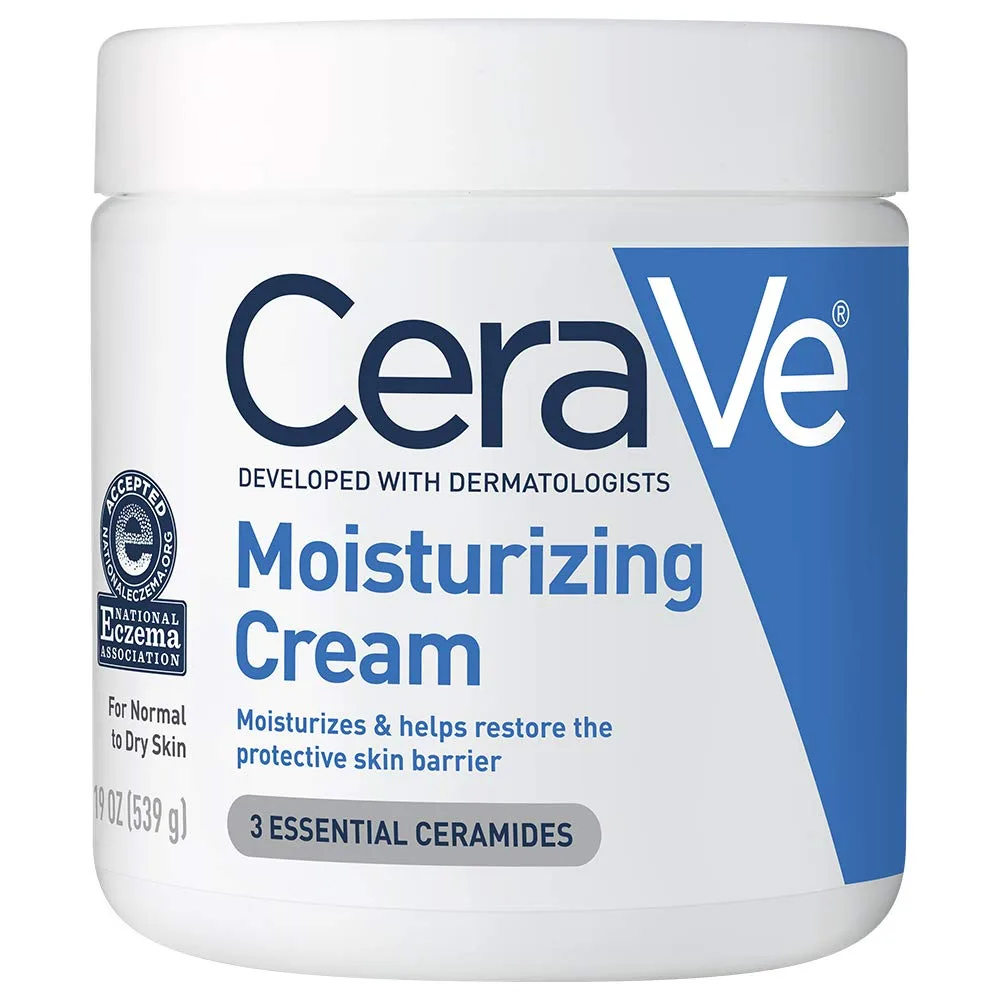
 Moisturizing Cream
The CeraVe Moisturizing Cream is the most important moisturizer in the drugstore — a ceramide-rich, dermatologist-developed formula that delivers barrier repair, multi-humectant hydration, and occlusive protection at a price so accessible it has no real excuse not to be in every household. Twenty-one years of consistent performance and universal dermatologist approval speak louder than any ingredient list.
 Barrier Repair Pioneer
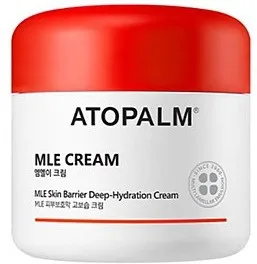
 MLE Cream
Atopalm MLE Cream is one of the genuinely scientifically anchored barrier moisturizers in K-beauty — a fragrance-free, pseudo-ceramide cream built around a patented liquid-crystal lipid structure that mimics the skin's own intercellular matrix. For eczema, atopic skin, post-procedure recovery, or anyone with a stinging compromised barrier, it's one of the most reliably effective moisturizers in the entire category.
 K-Beauty Barrier Repair Staple
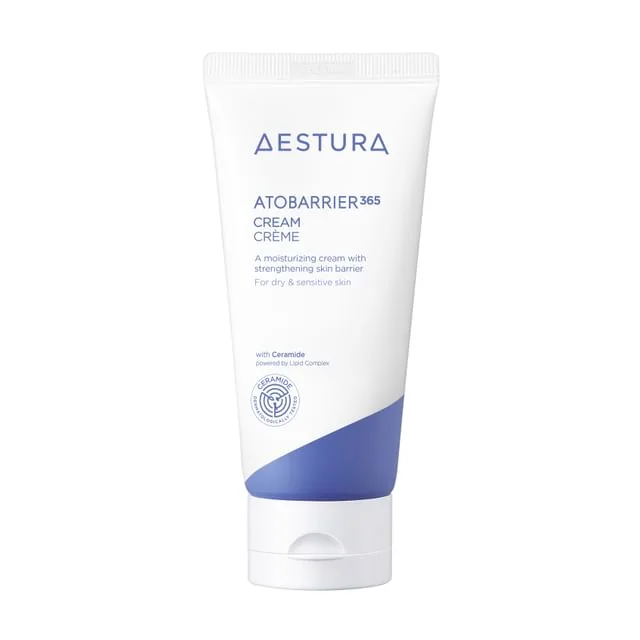
 Atobarrier 365 Cream
A Korean pharmacy cream that earns its cult following the hard way — with a lamellar lipid structure that actually rebuilds the barrier, not just coats it. If your skin has been through a rough winter, a retinoid ramp-up, or a bad reaction, this is the jar that quietly puts it back together.
 Korean Derm Clinic Recovery Pick
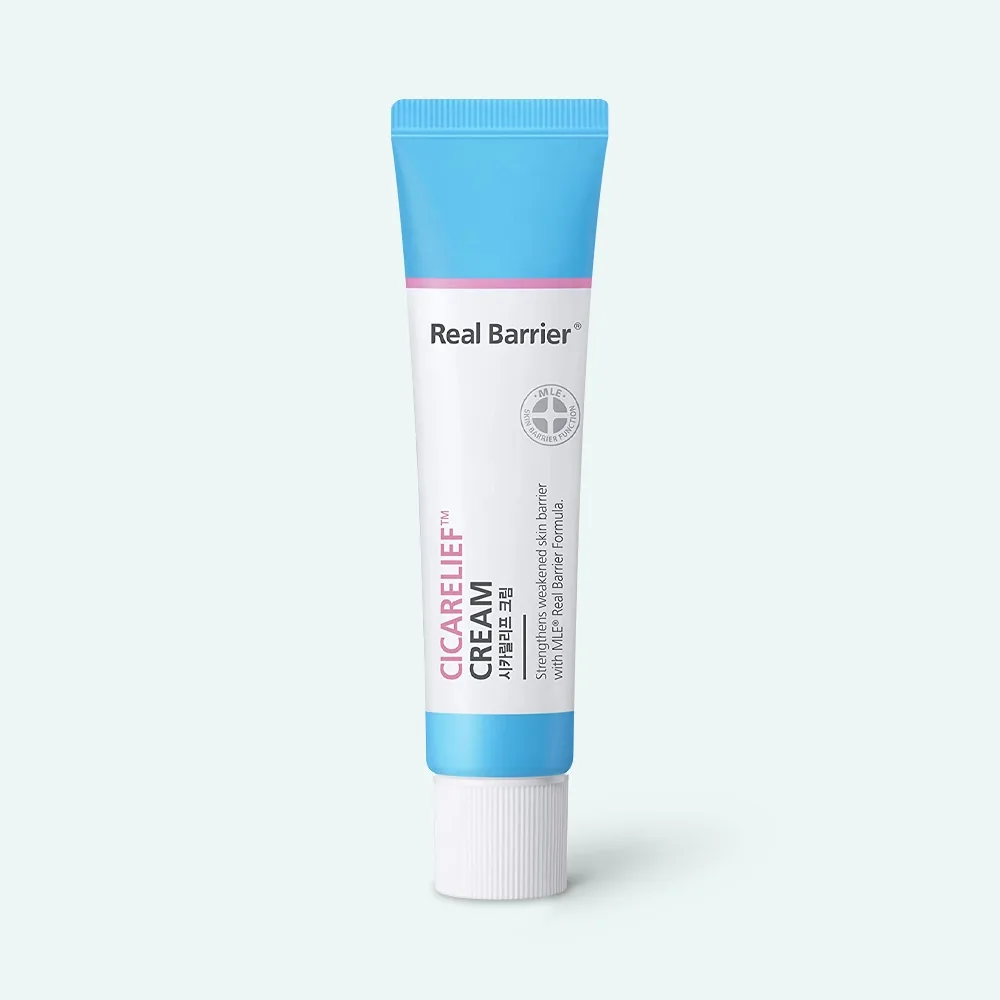
 Real Barrier Cicarelief Cream
One of the best consumer cica creams on the market, combining the full spectrum of centella actives with NeoPharm's MLE ceramide delivery and multiple complementary calming ingredients. Ideal for compromised, reactive, rosacea-prone, or recovering skin, and a staple in Korean dermatology clinic protocols. Minor limitations on packaging, but the formulation is genuinely excellent.
 Transparent 10% Panthenol Cream
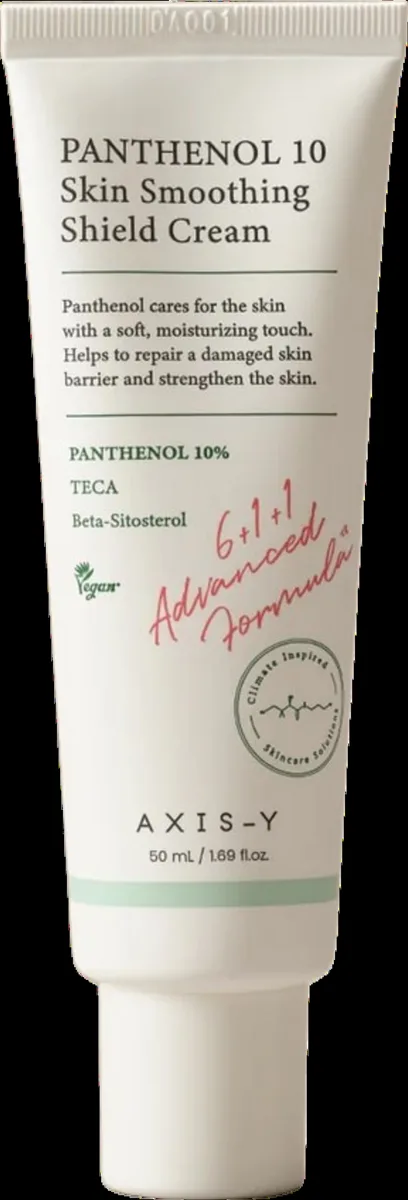
 Panthenol 10 Skin Smoothing Shield Cream
A disclosed 10% panthenol barrier cream built around a full physiological ceramide trio, a centella calming cast, and a modest shea butter occlusive. Fragrance-free, cross-season, and unusually transparent about its hero active — one of the brand's strongest moisturizer formulations.
 K-Beauty Icon
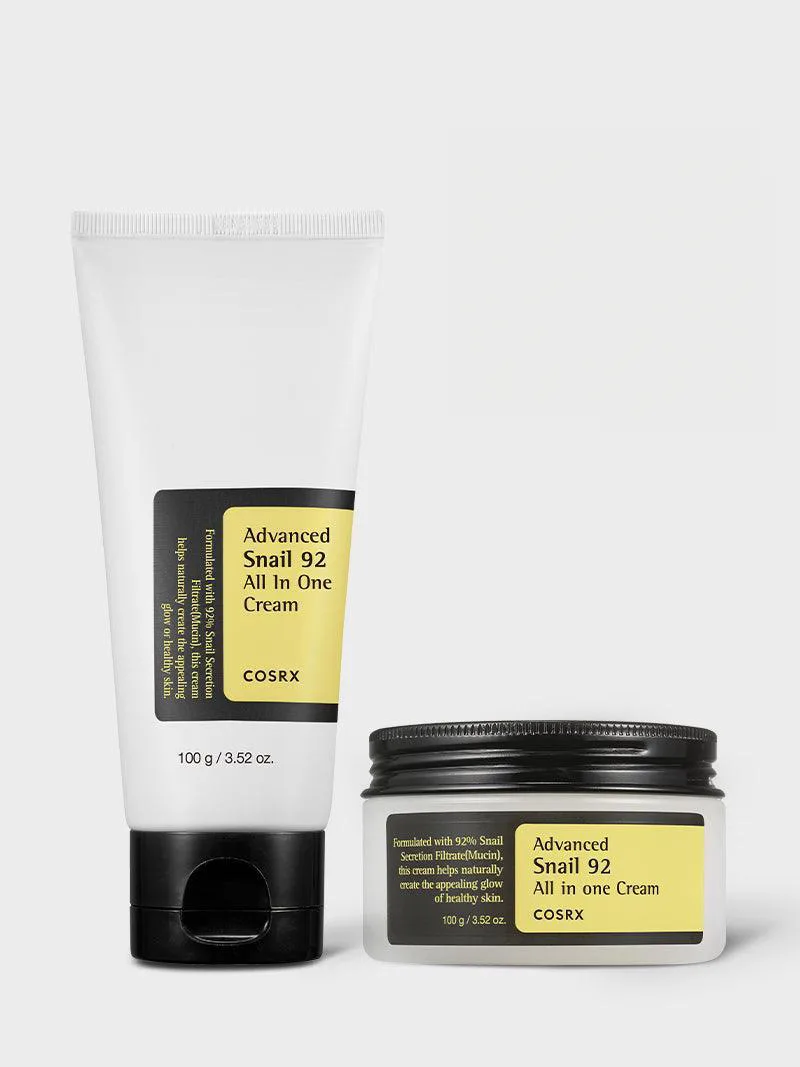
 Advanced Snail 92 All in One Cream
The cream that helped prove snail mucin to the world — and a decade later, it still deserves the reputation. At 92% snail secretion filtrate in a fragrance-free, gentle gel-cream, it delivers hydration, soothing, and gradual skin improvement across virtually every skin type. The texture takes getting used to, but 13 million sold units and 25,000+ reviews suggest most people manage.
This review reflects our independent analysis of publicly available ingredient data, manufacturer claims, and verified user reviews. We are reader-supported — Amazon links may earn us a commission at no cost to you. We do not accept paid placements; rankings are based solely on the evidence.