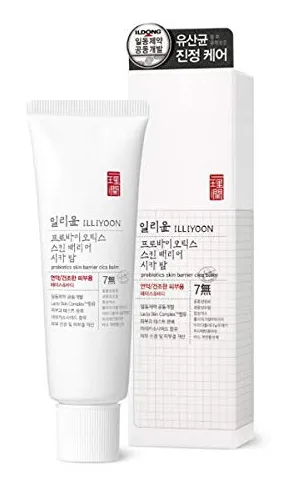
A fragrance-free cica balm that actually delivers the full TECA centella complex, ceramide NP, cholesterol, and a three-strain postbiotic ferment blend — most products in this category pick one of those things and call it a formula. Under twenty dollars, which makes it one of the more credible sensitive-skin picks in the Korean drugstore aisle.
Probiotics Skin Barrier Cica Balm
A fragrance-free cica balm that actually delivers the full TECA centella complex, ceramide NP, cholesterol, and a three-strain postbiotic ferment blend — most products in this category pick one of those things and call it a formula. Under twenty dollars, which makes it one of the more credible sensitive-skin picks in the Korean drugstore aisle.
Score Breakdown
Fragrance-free balm with a full TECA complex, ceramide, cholesterol, and postbiotics — strong barrier-support formulation at a fair price.
Data Confidence: medium
This product launched in 2022 and has moderate review counts across Korean and international retailers. Scoring reflects ingredient analysis plus several years of real-world user feedback.
0/100
Overall Score
Ingredient Quality 0
Value for Money 0
Suitability Breadth 0
Irritation Risk (↑ = safer) 0
Assessment
Pros
- Full TECA centella complex — all four actives plus whole extract
- Postbiotic ferment blend adds microbiome-support credibility
- Ceramide NP plus cholesterol forms a real barrier-lipid pair
- Genuinely fragrance-free, rare for a Korean drugstore barrier product
- Niacinamide and panthenol at functional concentrations
- Suitable for post-procedure and retinoid-buffer use
- Visible reduction in flaking and redness within 1-2 weeks
Cons
- Too rich for oily skin as an all-over moisturizer
- Not fungal-acne safe due to shea butter and fatty esters
- 50ml tub is small for daily full-face use
- Tub packaging introduces hygiene concerns for sensitive skin
- Harder to find outside Korean and Asian beauty retailers
Full Review
The word 'cica' has been doing heavy lifting in Korean skincare marketing for the last decade. It comes from Centella Asiatica, a plant with genuinely good research behind it for wound healing, inflammation, and barrier support — but the shorthand has become so overused that you can find 'cica' on products that contain a trace of centella extract buried at the bottom of the INCI. The interesting thing about Illiyoon's Probiotics Skin Barrier Cica Balm is that it takes the cica label seriously. The formula contains all four isolated centella actives — madecassoside, asiaticoside, asiatic acid, and madecassic acid — which together form what researchers call TECA, the purified centella complex used in the medical versions of these products. It also includes whole centella asiatica extract. That's five separate centella entries on one INCI, which is how you can tell the product was designed by people who know what the research actually says.
The rest of the formula is equally deliberate. Niacinamide sits in the mid-list for barrier support. Panthenol adds humectant and soothing action. Then the ferment complex — Lactobacillus, Bifida, and Lactococcus — which sounds like a marketing flourish until you realize these are the postbiotic lysates that have been accumulating clinical research around skin microbiome support and barrier function over the last several years. Below that, ceramide NP, hydrogenated lecithin, cholesterol, squalane, and both molecular weights of hyaluronic acid form a barrier-lipid support layer. Shea butter and fatty esters provide the cushion that makes this a balm rather than a cream. Crucially, there is no added fragrance. This is one of the very few well-formulated Korean drugstore barrier products that is genuinely scent-free, which matters enormously for the sensitive-skin audience it's targeting.
The texture lands somewhere between a rich cream and a true balm — more spreadable than an ointment, denser than a lotion. It warms into the skin during application and leaves a satiny, slightly cushioned finish that isn't tacky but is clearly still there. On dry or compromised skin, this is the point: the balm creates a layer that holds the actives close to the skin while also providing an occlusive seal. First-time users occasionally worry about the initial heaviness, but it settles within a few minutes and never feels greasy. On flaking, tight, or post-procedure skin, the relief is noticeable within the first few applications. Over a week or two, redness calms, rough patches smooth out, and the kind of chronic reactivity that accompanies over-exfoliation or winter barrier damage starts to back off.
The limitations are the ones you'd expect from this category. The balm is too rich for oily skin as a full-face moisturizer — if you have oily-combination skin, use it as a targeted treatment on dry areas rather than an all-over layer. It contains shea butter and fatty esters, which means it isn't fungal-acne safe and probably isn't the right choice for malassezia-prone users. The 50ml tub is on the smaller side for someone using it as a daily primary moisturizer, which makes the per-use cost higher than Illiyoon's larger-format products. And because it's a newer product in the Illiyoon catalog, it's harder to find outside of Korean and Asian beauty retailers than the brand's longstanding Ceramide Ato line.
What earns this balm its place is the combination of what's in it and what's left out. You're getting a full TECA centella complex, a functional postbiotic blend, a ceramide-cholesterol lipid pair, niacinamide, panthenol, and squalane — in a fragrance-free tub, under twenty dollars, from an Amorepacific-backed brand with a decade of barrier-care formulation experience. That's a serious ingredient stack for a serious problem. If you're dealing with sensitive skin that flares after exfoliation, compromised barrier from retinol ramp-ups, post-procedure recovery, or cold-weather barrier damage, and you want something that reads more like a clinical product than a marketing exercise, this is a genuinely strong option. It isn't going to replace a prescription ointment for severe conditions, and it isn't trying to. It's trying to be the best fragrance-free barrier balm in its price tier, and it largely succeeds.
Formula
Ingredients
The hero actives that drive this product's performance.
| Ingredient | Function | Evidence |
|---|---|---|
| Centella Complex (TECA) | The balm includes all four isolated centella actives — madecassoside, asiaticoside, asiatic acid, and madecassic acid — plus whole centella extract. This is a full TECA complex rather than a token inclusion, which is why the balm lives up to its 'cica' naming rather than just borrowing the buzzword. | well-established |
| Postbiotic Ferment Complex | Three different ferment lysates — Lactobacillus, Bifida, and Lactococcus — which aren't live probiotics but postbiotic metabolites that have been shown to support barrier function and skin microbiome balance. In this formula, they pair with the centella and ceramide to reinforce the barrier rather than just soothe surface redness. | promising |
| Ceramide NP | Works alongside cholesterol and fatty esters further up the list to deliver a mini barrier-lipid complex. In a balm format, the ceramide is supported by the shea butter occlusive layer, which helps it stay on compromised skin long enough to do its work. | well-established |
| Niacinamide | Positioned in the active zone of the INCI at what is likely 2-4%, contributing barrier-support and anti-inflammatory effects that complement the centella and postbiotics. Not positioned as a brightening active here — this is a barrier-support role. | well-established |
| Shea Butter | Provides the occlusive cushion that makes this a balm rather than a cream and helps trap the ceramide and postbiotics against the skin. Particularly useful on flaking or rough patches that need the extra seal. | well-established |
Full INCI List · pH 5.5
Water, Glycerin, Caprylic/Capric Triglyceride, Butylene Glycol, 1,2-Hexanediol, Cetearyl Alcohol, Pentaerythrityl Tetraethylhexanoate, Shea Butter, Glyceryl Stearate, Cetearyl Olivate, Sorbitan Olivate, Niacinamide, Panthenol, Madecassoside, Asiaticoside, Asiatic Acid, Madecassic Acid, Centella Asiatica Extract, Lactobacillus Ferment Lysate, Bifida Ferment Lysate, Lactococcus Ferment Lysate, Ceramide NP, Hydrogenated Lecithin, Cholesterol, Squalane, Sodium Hyaluronate, Hydrolyzed Hyaluronic Acid, Allantoin, Tocopherol, Carbomer, Tromethamine, Disodium EDTA, Ethylhexylglycerin
Product Flags
✓ Fragrance Free✓ Alcohol Free✗ Oil Free✓ Silicone Free✓ Paraben Free✓ Sulfate Free✗ Cruelty Free✗ Vegan✗ Fungal Acne Safe
Comedogenic Ingredients
Shea Butter
Compatibility
Skin Match
Best For
Works For
Not Ideal For
Addresses These Conditions
compromised skin barrier dryness sensitivity eczema post procedure
Use With Caution
Routine Step
moisturizer
Time of Day
AM & PM
Pregnancy Safe
Yes ✓
Layering Tips
Use as the last step on compromised or flaking skin. Can be applied as a targeted overnight balm on dry patches or as a full moisturizer on very dry skin types.
Results Timeline
Immediate soothing and softening. Barrier comfort noticeably improves within 2-4 days. Visible reduction in flaking, roughness, and redness by 1-2 weeks.
Pairs Well With
hydrating tonersceramide serumsgentle cleansers
Conflicts With
strong retinoids (use on alternate nights)
Sample AM Routine
- Gentle cleanser
- Hydrating toner
- Serum
- Illiyoon Probiotics Skin Barrier Cica Balm
- Sunscreen
Sample PM Routine
- Gentle cleanser
- Hydrating toner
- Treatment (optional)
- Illiyoon Probiotics Skin Barrier Cica Balm
Evidence
Science
The Science
The barrier-support story here rests on three ingredient categories with different levels of evidence. The TECA centella complex is the most well-established — madecassoside and asiaticoside in particular have published research supporting anti-inflammatory effects, collagen modulation, and wound healing at topical cosmetic concentrations. The inclusion of all four isolated actives rather than just whole extract is meaningful because the active profile of centella varies significantly depending on extraction method, and TECA represents the purified, standardized version used in medical applications. Ceramide NP supports stratum corneum lipid ratios, with clinical evidence for improved transepidermal water loss and barrier function when combined with cholesterol — as it is here. The postbiotic ferment lysates are the newest category and have promising but still-developing research. Published studies on Lactobacillus and Bifida ferment lysates have shown effects on skin microbiome balance, improvement in barrier markers, and reduction in sensitivity reactions in human trials, though the field is still maturing. The formulation is interesting because it layers these three evidence tiers together rather than relying on any single one, which creates redundancy in the barrier-support strategy and makes the product more forgiving across different types of compromised skin.
Dermatologist Perspective
Dermatologists commonly recommend fragrance-free, centella-rich barrier balms like this one for patients recovering from procedures, managing mild eczema, or buffering irritation during retinoid initiation. The TECA complex in particular is familiar from medical-grade centella products and is generally viewed as the evidence-backed standard for this ingredient category. Board-certified dermatologists often note that postbiotic ingredients, while newer, show encouraging early evidence and are a reasonable addition to a sensitive-skin formulation — they are not, however, a replacement for proven barrier components. The fragrance-free status is the most commonly cited reason to recommend this kind of balm over scented alternatives in the same drugstore tier.
Guidance
Usage Guide
How to Use
Apply as the last step in your routine, morning and evening. For sensitive or compromised skin, use as your full moisturizer — a pea-sized amount warmed between fingers and pressed into the skin. For oily or combination skin, use only on dry patches or targeted red zones. Can be layered over serums and treatments, or used as a buffer after retinol or tretinoin application. For post-procedure skin, follow your provider's guidance — this is appropriate as a maintenance layer once the skin is no longer weeping or actively healing.
Value Assessment
At around eighteen dollars for 50ml, the value calculation depends on how you use the product. As a full-face daily moisturizer, the per-ounce cost runs higher than Illiyoon's larger-format products, and you'll finish a tub in six to ten weeks. As a targeted barrier balm used on problem areas or as part of a recovery routine, a tub lasts several months and the value becomes strong. Compared to premium cica balms charging thirty to fifty dollars for similar ingredient stacks, this is a clear price win. The fragrance-free, TECA-forward formulation and postbiotic blend justify the price for users who specifically need sensitive-skin support.
Who Should Buy
People with sensitive, dry, or reactive skin who need a fragrance-free barrier balm with real clinical-grade ingredients at a drugstore price. Ideal for post-procedure recovery, retinoid-buffer use, cold-weather barrier damage, and anyone managing mild eczema or chronic reactivity.
Who Should Skip
Oily or acne-prone users who need a lightweight moisturizer should look elsewhere. Anyone with strict fungal-acne safety requirements should also pass. For severe eczema or atopic flares, a prescription ointment remains the better choice.
Ready to try Illiyoon Probiotics Skin Barrier Cica Balm?
Details
Details
Texture
Semi-rich cream-balm hybrid that spreads smoothly and warms into skin
Scent
Truly fragrance-free — no masking scent
Packaging
50ml tub — hygienic concern mitigated by including a small spatula option
Finish
satinnon-greasyvelvety
What to Expect on First Use
Feels cushiony on application and absorbs into a soft, slightly satiny finish. No tingling or stinging — this is designed for already-irritated skin.
How Long It Lasts
About 6-10 weeks when used as a full-face nighttime moisturizer; 3-4 months for targeted application only
Period After Opening
12 months
Best Season
fall winter
Background
The Why
Illiyoon's Probiotics line was launched as a newer extension of the brand's barrier-care DNA, incorporating postbiotic science that had been gaining traction in Korean dermatological research around 2020-2022. The Cica Balm format was designed specifically for users whose skin was too reactive for the brand's standard Ceramide Ato line, or who needed a targeted balm for post-procedure, post-tretinoin, or cold-weather barrier repair.
About Illiyoon Established Brand (5–20 years)
Illiyoon launched in 2011 as Amorepacific's sensitive-skin drugstore brand, with a decade-plus track record in ceramide-based barrier care. The Probiotics line is a newer extension incorporating postbiotic-style ingredients alongside the brand's classic ceramide foundation.
Brand founded: 2011 · Product launched: 2022
Myth vs. Reality
Myths
Myth
Probiotic skincare is just marketing — you can't put live bacteria in a cream.
Reality
This product doesn't use live probiotics. It uses postbiotics — ferment lysates that contain the beneficial metabolites of fermentation — which remain active in a cosmetic formulation and have published research supporting barrier and microbiome effects.
FAQ
FAQ
Is Illiyoon Probiotics Skin Barrier Cica Balm fragrance-free?
Yes, this product is genuinely fragrance-free — there is no added fragrance or masking scent in the INCI. That's one of its main advantages over Illiyoon's other lines for sensitive-skin users.
How is this different from Illiyoon's Ceramide Ato Concentrate Cream?
The Ceramide Ato Cream is built primarily around ceramides and is aimed at atopic-prone dry skin. The Probiotics Cica Balm adds a full TECA centella complex and postbiotic ferments, making it more targeted for redness, inflammation, and barrier recovery after irritation.
Can I use this balm on active eczema or post-procedure skin?
It's well-suited to post-procedure recovery and mild to moderate eczema thanks to the fragrance-free, TECA-forward formulation. For severe or broken eczema, a prescription ointment is still the better choice — use this as a maintenance layer once the skin is no longer weeping.
Is this balm good for oily or acne-prone skin?
Probably not as an all-over moisturizer. The shea butter and fatty esters make it too rich for oily skin, and it's not formulated to be fungal-acne safe. Use it as a targeted balm on dry patches instead if you have oily or acne-prone skin.
Do the probiotics in this product need to be refrigerated?
No — this product uses postbiotic ferment lysates, not live probiotics, so refrigeration isn't necessary. Store it at room temperature away from direct sunlight, like any other cream.
Can I use this with retinol or tretinoin?
Yes, it's an excellent buffer layer for retinoid users. Apply retinol or tretinoin first, let it absorb, then follow with this balm to reduce dryness and irritation without interfering with the active.
Community
Community
Common Praise
"Fragrance-free and gentle"
"Genuinely calms redness and flaking"
"Rich but not greasy"
"Good value for a barrier balm"
Common Complaints
"Too rich for oily skin"
"Small tub size for daily full-face use"
"Limited global availability"
Notable Endorsements
Popular among Korean sensitive-skin communitiesFrequently recommended for post-procedure recovery
Appears In
best fragrance free cica balm best korean barrier repair moisturizer best postbiotic skincare best cica balm for sensitive skin best barrier balm for retinol users
Related Conditions
compromised skin barrier sensitivity eczema post procedure
Related Ingredients
centella asiatica probiotics ceramides niacinamide shea butter
You Might Also Like
 Budget Holy Grail
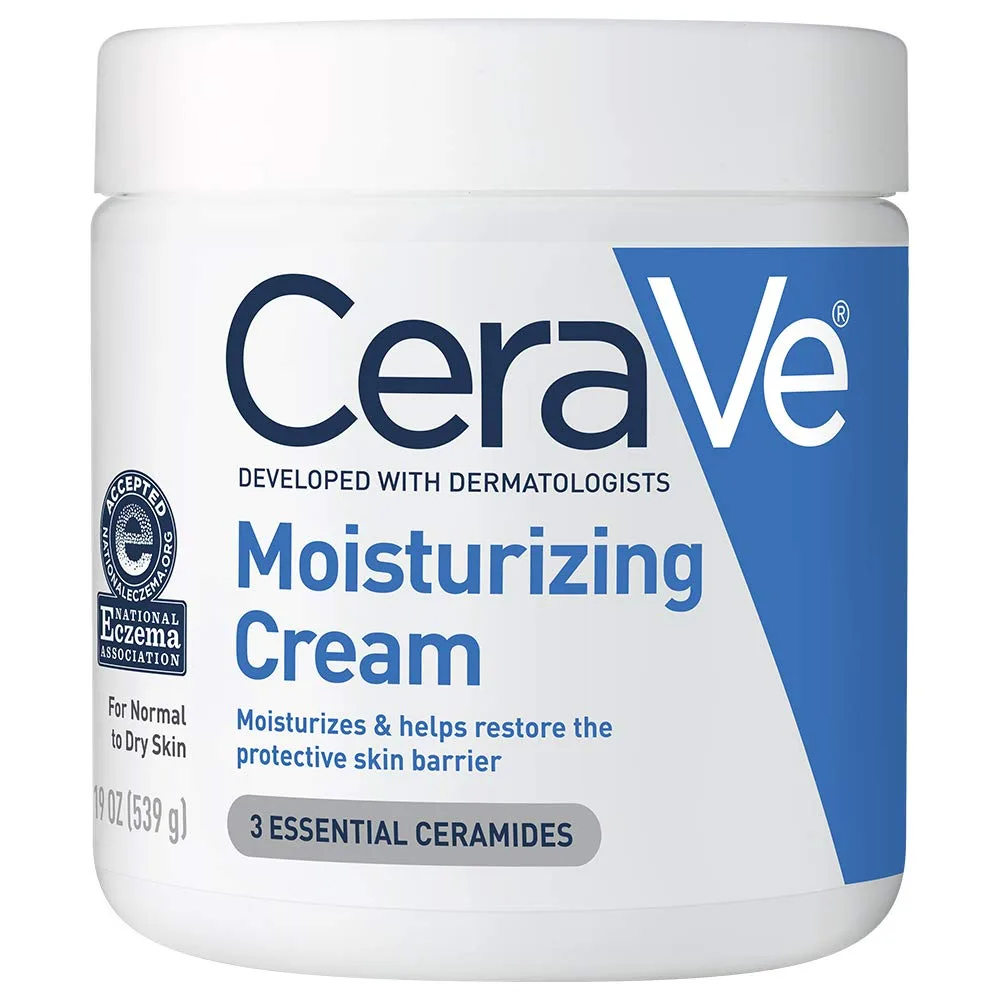
 Moisturizing Cream
The CeraVe Moisturizing Cream is the most important moisturizer in the drugstore — a ceramide-rich, dermatologist-developed formula that delivers barrier repair, multi-humectant hydration, and occlusive protection at a price so accessible it has no real excuse not to be in every household. Twenty-one years of consistent performance and universal dermatologist approval speak louder than any ingredient list.
 Barrier Repair Pioneer
 MLE Cream
Atopalm MLE Cream is one of the genuinely scientifically anchored barrier moisturizers in K-beauty — a fragrance-free, pseudo-ceramide cream built around a patented liquid-crystal lipid structure that mimics the skin's own intercellular matrix. For eczema, atopic skin, post-procedure recovery, or anyone with a stinging compromised barrier, it's one of the most reliably effective moisturizers in the entire category.
 K-Beauty Barrier Repair Staple
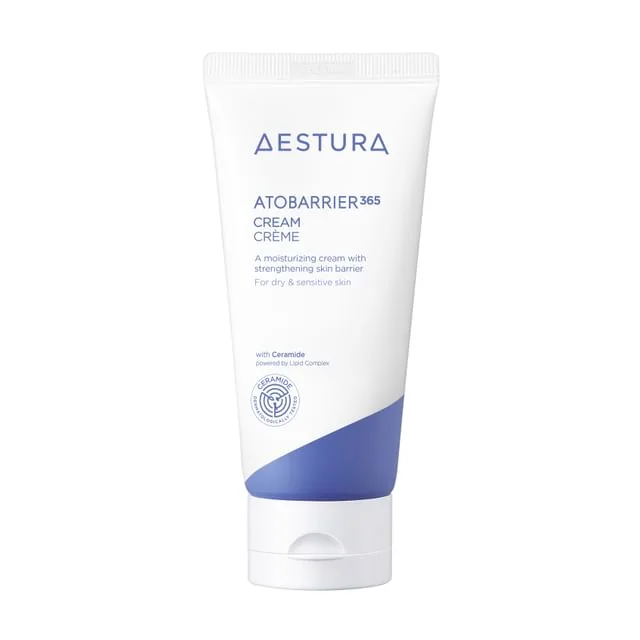
 Atobarrier 365 Cream
A Korean pharmacy cream that earns its cult following the hard way — with a lamellar lipid structure that actually rebuilds the barrier, not just coats it. If your skin has been through a rough winter, a retinoid ramp-up, or a bad reaction, this is the jar that quietly puts it back together.
 Korean Derm Clinic Recovery Pick
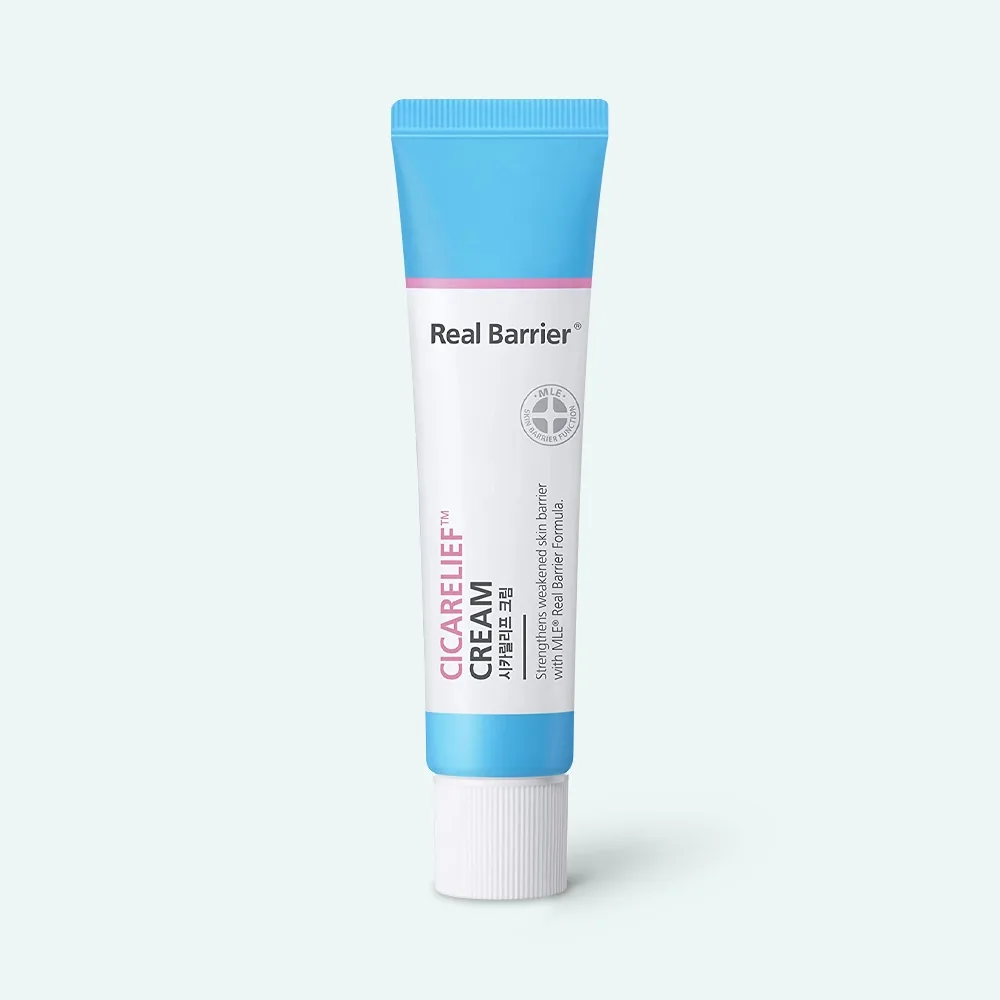
 Real Barrier Cicarelief Cream
One of the best consumer cica creams on the market, combining the full spectrum of centella actives with NeoPharm's MLE ceramide delivery and multiple complementary calming ingredients. Ideal for compromised, reactive, rosacea-prone, or recovering skin, and a staple in Korean dermatology clinic protocols. Minor limitations on packaging, but the formulation is genuinely excellent.
 Transparent 10% Panthenol Cream
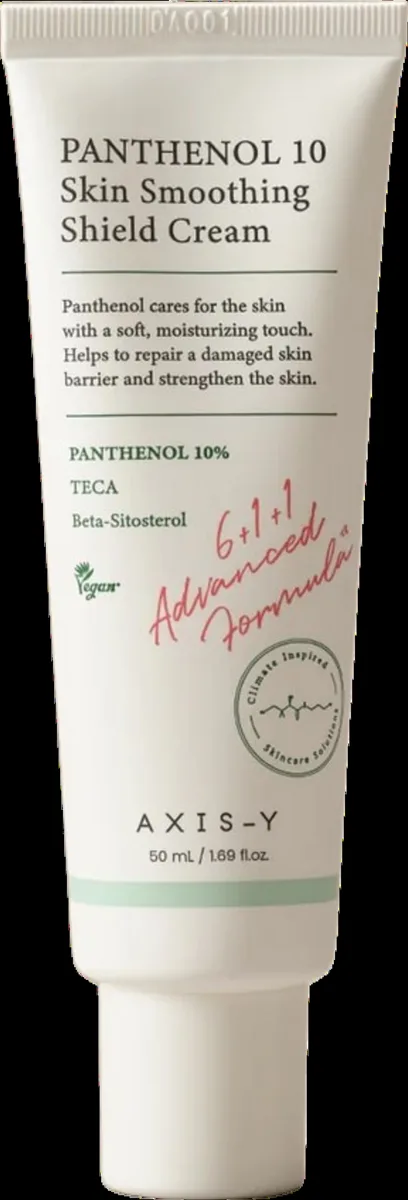
 Panthenol 10 Skin Smoothing Shield Cream
A disclosed 10% panthenol barrier cream built around a full physiological ceramide trio, a centella calming cast, and a modest shea butter occlusive. Fragrance-free, cross-season, and unusually transparent about its hero active — one of the brand's strongest moisturizer formulations.
 K-Beauty Icon
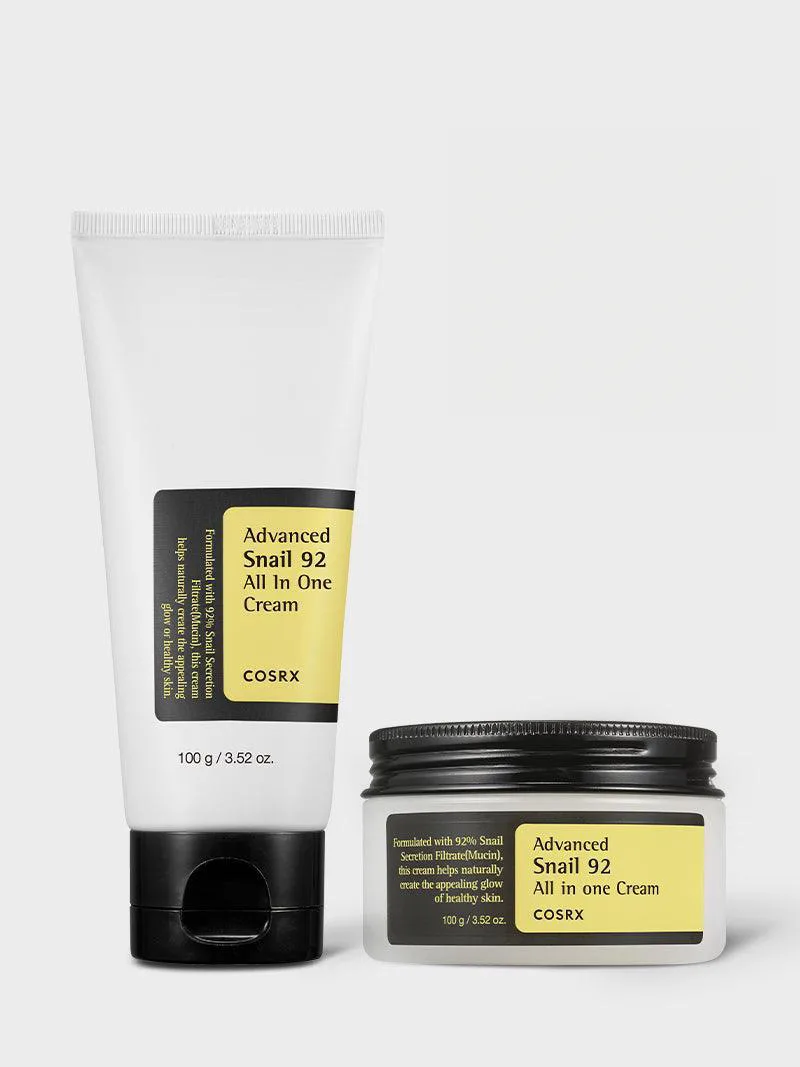
 Advanced Snail 92 All in One Cream
The cream that helped prove snail mucin to the world — and a decade later, it still deserves the reputation. At 92% snail secretion filtrate in a fragrance-free, gentle gel-cream, it delivers hydration, soothing, and gradual skin improvement across virtually every skin type. The texture takes getting used to, but 13 million sold units and 25,000+ reviews suggest most people manage.