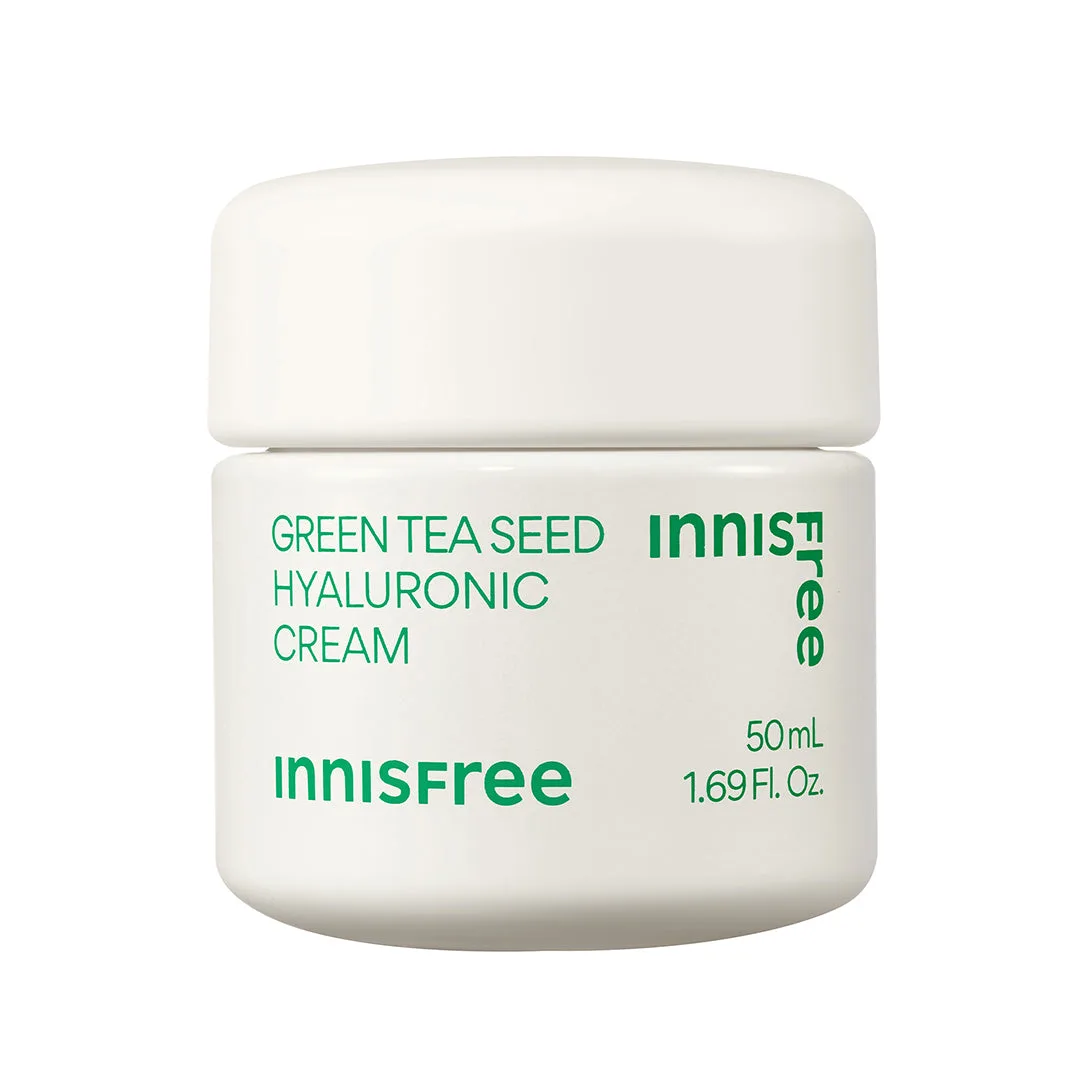
A genuinely sophisticated barrier-repair cream disguised as a simple green tea moisturizer. The five-type HA complex, ceramide-cholesterol-phytosphingosine triad, and postbiotic system address skin hydration from multiple angles, and the fragrance-free US formula makes it accessible to sensitive skin. Lightweight enough for daily use, substantive enough to actually repair.
Green Tea Seed Hyaluronic Cream
A genuinely sophisticated barrier-repair cream disguised as a simple green tea moisturizer. The five-type HA complex, ceramide-cholesterol-phytosphingosine triad, and postbiotic system address skin hydration from multiple angles, and the fragrance-free US formula makes it accessible to sensitive skin. Lightweight enough for daily use, substantive enough to actually repair.
Score Breakdown
Where this product gains points and where it loses them — broken down across the four scoring pillars.
An impressively formulated cream with a multi-layered approach to barrier repair — ceramides, cholesterol, phytosphingosine, five types of HA, squalane, and postbiotics. The fragrance-free US formula scores well on irritation risk, and the ingredient complexity justifies the K-beauty price point.
Pros & Cons
- ✓Ceramide-cholesterol-phytosphingosine triad mirrors proven barrier repair lipid science
- ✓Five types of hyaluronic acid provide multi-depth hydration in a single cream
- ✓Fragrance-free US formulation makes it genuinely suitable for sensitive and reactive skin
- ✓Lactobacillus ferment lysate adds microbiome support not found in most barrier creams
- ✓Light, airy texture absorbs quickly without the heavy feel typical of barrier repair products
- ✓Three size options with the 80 mL offering strong per-unit value at $0.50/mL
- ✓16-year lineage of iterative reformulation demonstrates genuine product evolution
- ✗Jar packaging exposes actives to air and bacteria with each use
- ✗Brand claims 'silicone-free' but INCI list clearly contains three silicone derivatives
- ✗May not provide sufficient occlusion for severely dry skin in harsh winter conditions
- ✗Newer 2024 reformulation has limited long-term user feedback compared to predecessor
- ✗Contains Camellia sinensis seed oil — not suitable for fungal acne-prone skin
Full Review
When a product reaches its fifth reformulation, it either means the brand keeps chasing trends without conviction, or it means they have been genuinely iterating toward something better. The Innisfree Green Tea Seed Hyaluronic Cream, launched in 2024, makes a convincing case for the latter. The original Green Tea Seed Cream debuted in 2008 as a straightforward moisturizer riding the Korean green tea wave. Sixteen years and five generations later, the formula has evolved into something the original would barely recognize — a multi-layered barrier repair system that happens to still smell like nothing and come in a green jar.
The ingredient architecture here is more thoughtful than most K-beauty moisturizers at this price point. At its core is a ceramide-cholesterol-phytosphingosine trio that mirrors the established science of skin barrier lipids. Ceramide NP fills the intercellular gaps in the stratum corneum. Cholesterol provides structural stability. Phytosphingosine, a sphingoid base, stimulates the skin's own ceramide production. This is the same lipid repair philosophy that drives CeraVe and La Roche-Posay barrier creams, transplanted into a K-beauty texture. That Innisfree wraps this in their Green Tea Barrier Complex — adding squalane and green tea seed oil to the ceramide — is the differentiating detail. The squalane provides compatible emolliency without heaviness, and the green tea seed oil contributes linoleic acid, an essential fatty acid that many compromised barriers are deficient in.
Layered on top of the lipid repair is a five-type hyaluronic acid system: standard HA, sodium hyaluronate, hydrolyzed HA, sodium hyaluronate crosspolymer, and sodium acetylated hyaluronate. The marketing pitch — five types for five depths — is an oversimplification, but the underlying principle is sound. Different molecular weights of HA serve different functions: large molecules sit on the surface and create a moisture-retaining film, while smaller hydrolyzed fragments can penetrate more readily. The crosspolymer version is particularly interesting — its larger molecular network resists being washed away, providing longer-lasting surface hydration. Whether five types is meaningfully better than three or two depends on concentrations Innisfree does not disclose, but the approach is directionally smart.
The third layer of this barrier strategy is microbiome support through lactobacillus ferment lysate. This postbiotic ingredient — the metabolic byproducts of bacterial fermentation — helps maintain a healthy skin microbiome that supports barrier function from the outside in. A 2023 study in Scientific Reports demonstrated that ferment lysate application decreased transepidermal water loss over 30 days, providing clinical backing for this increasingly popular K-beauty ingredient. Paired with madecassoside, a purified Centella asiatica active with well-documented anti-inflammatory properties, the formula addresses the inflammation that typically accompanies barrier damage.
The texture strikes the balance K-beauty does best: substantial enough to feel like real moisture, light enough to disappear within sixty seconds. This is not the heavy, protective cream texture that Western barrier repair products often default to. It is airy, almost whipped, with a cushiony quality that comes from the silicone base. Yes, there are silicones — stearyl dimethicone, methyl trimethicone, polymethylsilsesquioxane — and yes, Innisfree's own US site claims the product is silicone-free, which is factually incorrect based on the INCI list. This is a marketing discrepancy worth noting for consumers who specifically avoid silicones, though the silicones themselves are non-comedogenic and contribute meaningfully to the cream's elegant finish.
The current US formulation is fragrance-free, which represents a significant improvement over earlier Korean-market versions that included citrus peel oil, spearmint oil, and citronella oil. This is not a small detail. Removing fragrance from a barrier-repair product — one explicitly designed for compromised, sensitive skin — aligns the formula's claims with its reality. It also makes this cream a viable option for rosacea-prone and eczema-adjacent skin types who often cannot tolerate the essential oils that pervade K-beauty.
Panthenol and allantoin round out the formula with additional soothing and hydrating support — workhorses that are easy to overlook but contribute to the overall comfort of this cream on irritated skin. Tocopherol provides antioxidant protection. The Camellia sinensis leaf extract, Innisfree's proprietary Beauty Green Tea from Jeju Island, delivers EGCG — arguably the most studied botanical antioxidant for skin, with evidence for photoprotection and anti-inflammatory activity published across dozens of peer-reviewed journals.
The jar packaging is the one clear weakness. For a cream that targets barrier-compromised skin, a pump or tube would better protect the actives (particularly the vitamin E and ferment lysate) from oxidative degradation with each opening. The included spatula helps, but jars remain the least ideal format for products positioned around sensitive skin care.
At thirty dollars for fifty milliliters, this sits at the accessible end of the K-beauty-at-Sephora spectrum. The eighty-milliliter size at forty dollars offers notably better per-unit value. For a formula that includes ceramides, five types of HA, cholesterol, phytosphingosine, squalane, madecassoside, a postbiotic, and green tea extract — all without fragrance — the pricing is competitive with Western barrier creams that offer significantly less ingredient complexity.
The Innisfree Green Tea Seed Hyaluronic Cream is what happens when a K-beauty brand stops chasing novelty and starts building on accumulated knowledge. It is not flashy. It does not promise glass skin or a ten-step glow. It promises to repair your moisture barrier, hydrate at multiple depths, and do it all without irritating you — and the ingredient list backs every word of it.
Formula
Key Ingredients
The hero actives that drive this product's performance.
| Ingredient | Function | Evidence |
|---|---|---|
| 5 Types of Hyaluronic Acid | This cream deploys five molecular weights of hyaluronic acid — standard HA, sodium hyaluronate, hydrolyzed HA, sodium hyaluronate crosspolymer, and sodium acetylated hyaluronate — to hydrate at different skin depths. The crosspolymer form creates a surface film that slows moisture evaporation, while the hydrolyzed micro-HA penetrates deeper. Together they support the ceramide-cholesterol barrier complex from the hydration side. | well-established |
| Green Tea Barrier Complex (Camellia Sinensis Seed Oil + Squalane + Ceramide NP) | Innisfree's proprietary barrier complex mimics the skin's natural lipid structure by combining ceramide NP with plant-derived squalane and green tea seed oil. The ceramide fills intercellular spaces in the stratum corneum, squalane provides compatible emolliency, and the green tea seed oil contributes linoleic acid — creating a three-pronged approach to barrier reconstruction that works alongside the cholesterol and phytosphingosine also in this formula. | well-established |
| Camellia Sinensis Leaf Extract (Green Tea) | Innisfree's proprietary Beauty Green Tea — developed from a study of 2,401 Korean green tea varieties — delivers EGCG and 16 amino acids sourced from Jeju Island volcanic soil. In this cream, the leaf extract provides the antioxidant defense layer that protects the freshly repaired barrier from oxidative damage, complementing the lipid-focused repair work of the ceramide complex. | well-established |
| Lactobacillus Ferment Lysate | A postbiotic ingredient that supports the skin microbiome and strengthens barrier function. In this multi-layered formula, the ferment lysate works at the microbiome level while the ceramides and HA work at the structural and hydration levels — addressing barrier health from three different biological angles. | promising |
| Madecassoside | A purified active from Centella asiatica that provides targeted anti-inflammatory and wound-healing support. In this barrier-repair cream, madecassoside calms the inflammation that often accompanies a compromised moisture barrier, allowing the ceramide and HA actives to work on a less reactive skin surface. | well-established |
| Cholesterol + Phytosphingosine | These two lipids complete the barrier repair triad alongside ceramide NP. Cholesterol is a structural component of the skin's lipid matrix, and phytosphingosine is a ceramide precursor that stimulates additional ceramide production in situ. Their inclusion signals a formula designed around the established 3:1:1 ceramide-cholesterol-fatty acid ratio critical for optimal barrier function. | well-established |
Full INCI List
Water / Aqua / Eau, Propanediol, Glycerin, Stearyl Dimethicone, Methyl Trimethicone, Pentaerythrityl Tetraethylhexanoate, Butylene Glycol Dicaprylate/Dicaprate, Glyceryl Polymethacrylate, 1,2-Hexanediol, Polymethylsilsesquioxane, Squalane, Hydroxyethyl Acrylate/Sodium Acryloyldimethyl Taurate Copolymer, Polyglyceryl-3 Methylglucose Distearate, Carbomer, Hydrogenated Lecithin, Cholesterol, Glyceryl Stearate, Tromethamine, Sodium Stearoyl Glutamate, Lactobacillus Ferment Lysate, Hyaluronic Acid, Panthenol, Allantoin, Sodium Metaphosphate, Camellia Sinensis Seed Oil, Cetearyl Alcohol, Xanthan Gum, Glyceryl Caprylate, Butylene Glycol, Ethylhexylglycerin, Sorbitan Isostearate, Sodium Hyaluronate, Camellia Sinensis Leaf Extract, Madecassoside, Lactic Acid, Dextrin, Theobroma Cacao (Cocoa) Extract, Hydrolyzed Hyaluronic Acid, Sodium Hyaluronate Crosspolymer, Camellia Sinensis Seed Extract, Ceramide NP, Tocopherol, Phytosphingosine, Sodium Acetylated Hyaluronate
Product Flags
✓ Fragrance Free✓ Alcohol Free✗ Oil Free✗ Silicone Free✓ Paraben Free✓ Sulfate Free✓ Cruelty Free✓ Vegan✗ Fungal Acne Safe
Comedogenic Ingredients
Cetearyl Alcohol
Compatibility
Skin Match
Best For
Works For
Not Ideal For
Addresses These Conditions
dryness dehydration compromised skin barrier dullness
Avoid With
Routine Step
moisturizer
Time of Day
AM & PM
Pregnancy Safe
Yes ✓
Layering Tips
Apply as the final moisturizing step after serums and treatments. The cream's silicone base creates a light occlusive seal, so apply water-based products underneath. In the AM, follow with sunscreen. Pairs especially well with the Innisfree Green Tea Seed Hyaluronic Serum for a stacked hydration approach.
Results Timeline
Immediate plumping and moisture boost from first application. Barrier strength improvement measurable after 1 use per brand clinical testing. Visible improvement in skin texture and hydration after 1-2 weeks. Full barrier repair benefits develop over 4-6 weeks of consistent use.
Pairs Well With
hydrating tonerhyaluronic acid serumniacinamide serumlightweight sunscreen
Sample AM Routine
- Gentle cleanser
- Hydrating toner
- Vitamin C serum
- Innisfree Green Tea Seed Hyaluronic Cream
- Sunscreen
Sample PM Routine
- Double cleanse
- Hydrating toner
- Treatment serum
- Innisfree Green Tea Seed Hyaluronic Cream
Evidence
Science & Expert Perspective
The Science
The Innisfree Green Tea Seed Hyaluronic Cream's barrier repair approach is grounded in well-established dermatological science. The ceramide-cholesterol-phytosphingosine combination reflects the work of Imokawa et al., whose foundational research in the Journal of Investigative Dermatology established that stratum corneum lipids — primarily ceramides, cholesterol, and free fatty acids in an approximate 3:1:1 ratio — are critical for maintaining barrier integrity and preventing transepidermal water loss.
The multi-weight hyaluronic acid system draws on research showing that different HA molecular weights serve distinct functions in the skin. Pavicic et al. (2011) published in the Journal of Drugs in Dermatology demonstrated that topical HA of varying molecular weights improved skin hydration, elasticity, and roughness, with low-molecular-weight HA showing deeper penetration and bio-stimulatory effects. The sodium hyaluronate crosspolymer form creates a viscoelastic surface network that resists wash-off, potentially extending the duration of surface hydration.
The lactobacillus ferment lysate represents the emerging postbiotic approach to skin care. A 2023 randomized study published in Scientific Reports demonstrated that topical application of a ferment lysate formulation decreased transepidermal water loss and improved skin hydration markers over 30 days, supporting its role in barrier reinforcement through microbiome modulation.
The green tea component (Camellia sinensis) brings extensive antioxidant evidence. Katiyar et al. (2001) demonstrated in Archives of Dermatology that green tea polyphenols, particularly EGCG, provided photoprotective effects by inhibiting UV-induced oxidative stress and inflammatory pathways. Innisfree's proprietary Beauty Green Tea, developed from screening 2,401 Korean green tea varieties, claims 1.67 times more theanine content than standard green tea, though this specific claim has not been independently verified in published literature.
Madecassoside, a triterpene glycoside from Centella asiatica, has well-documented wound healing and anti-inflammatory properties. Research published in Phytomedicine has shown madecassoside promotes collagen synthesis and inhibits inflammatory cytokine production, making it a logical inclusion in a barrier-repair formula targeting compromised, potentially inflamed skin.
References
- Efficacy of cream-based novel formulations of hyaluronic acid of different molecular weights in anti-wrinkle treatment — Journal of Drugs in Dermatology (2011)
- Skin photoprotection by green tea: antioxidant and immunomodulatory effects — Archives of Dermatology (2001)
- Topical application of Lactobacillus ferment lysate decreases TEWL and improves skin hydration — Scientific Reports (2023)
Dermatologist Perspective
Dermatologists would recognize the ceramide-cholesterol-phytosphingosine combination as reflecting established barrier repair science. The multi-weight hyaluronic acid approach aligns with current thinking about layered hydration, and the inclusion of madecassoside adds evidence-based anti-inflammatory support. Board-certified dermatologists would particularly appreciate the fragrance-free US formulation, which removes the most common sensitizer from a product targeting compromised barriers. The lactobacillus ferment lysate represents a newer ingredient category with growing but still developing clinical evidence. Overall, this formula reads like a well-constructed barrier repair cream that dermatologists could reasonably recommend for patients with dry, dehydrated, or barrier-compromised skin.
Guidance
Usage Guide
How to Use
Apply a nickel-sized amount to cleansed, toned skin as the last step before sunscreen in the morning and as the final step in your evening routine. Use the included spatula rather than fingers to maintain jar hygiene. Pat gently into the face and neck — the cream melts on contact and does not require vigorous rubbing. For extra barrier support, layer over the matching Green Tea Seed Hyaluronic Serum. In dry winter conditions, consider sealing with a thin layer of an occlusive balm over particularly dry areas.
Value Assessment
At $30 for 50 mL, this cream sits at a competitive price point for the ingredient complexity it delivers. The ceramide-cholesterol-phytosphingosine triad, five types of HA, squalane, postbiotic, and madecassoside represent a formula that would cost considerably more from a Western clinical brand. The 80 mL size at $40 offers the best value at $0.50/mL — roughly 33% more product for only 33% more money. For a fragrance-free, vegan, cruelty-free barrier cream sold at Sephora, this represents K-beauty's value proposition at its best: sophisticated formulation at accessible pricing.
Who Should Buy
Anyone with a weakened moisture barrier, chronic dehydration, or skin that feels tight and reactive after cleansing. Particularly well-suited for sensitive skin types who want barrier repair without fragrance, and K-beauty enthusiasts ready to upgrade from basic hydrating creams to a more sophisticated barrier-repair formula.
Who Should Skip
Those with fungal acne should avoid this due to several Malassezia-feeding ingredients. Very oily skin types may find the silicone base and cream format heavier than needed — a gel or gel-cream would be more appropriate. Anyone who strictly avoids silicones should be aware that the formula contains three silicone derivatives despite the brand's marketing claims.
Ready to try Innisfree Green Tea Seed Hyaluronic Cream?
Details
Details
Texture
Light, airy cream with a gel-cream hybrid consistency that feels cushiony on application and absorbs into a comfortable, non-sticky finish
Scent
Unscented — the current US formulation contains no added fragrance or essential oils
Packaging
Green-tinted glass jar with screw-top lid and included spatula. Available in 30 mL, 50 mL, and 80 mL sizes. Recyclable per Innisfree's sustainability commitment.
Finish
dewylightweightnon-greasy
What to Expect on First Use
First application feels light and hydrating with immediate plumping visible. The cream melts on contact and absorbs within a minute. No stinging, tingling, or adjustment period. Skin looks noticeably more luminous within 24 hours of first use.
How Long It Lasts
2-3 months with twice-daily facial application (50 mL size)
Period After Opening
12 months
Best Season
All Year
Certifications
PETA Beauty Without BunniesVeganInnisfree Clean StandardGluten-Free
Background
The Why
Innisfree's Green Tea Seed Cream has been reformulated five times since the line's 2008 debut, with each generation incorporating advances in K-beauty science. The 2024 hyaluronic version represents the most significant evolution yet, adding a five-type HA complex, a dedicated barrier complex, and postbiotic technology while removing fragrance from the US formulation — a 16-year journey from simple green tea moisturizer to sophisticated barrier-repair cream.
About Innisfree Established Brand (5–20 years)
Innisfree launched in 2000 as Amorepacific's nature-focused K-beauty brand, built around Jeju Island botanicals. The Green Tea Seed line has been the brand's flagship since 2008, with this hyaluronic cream representing the fifth generation of iterative reformulation — a 16-year evolution from the original Green Tea Seed Cream.
Brand founded: 2000 · Product launched: 2024
Myth vs. Reality
Myths & Misconceptions
Myth
Five types of hyaluronic acid are five times more effective than one.
Reality
Multiple HA molecular weights address different skin depths — large molecules hydrate the surface, small ones penetrate deeper — but the benefit is about coverage, not multiplication. The five types work across more layers of the skin, but the total hydration depends on overall HA concentration, which Innisfree does not disclose.
Myth
This cream contains silicones, so it must clog pores.
Reality
The silicones in this formula (stearyl dimethicone, methyl trimethicone, polymethylsilsesquioxane) are non-comedogenic and create a breathable occlusive film rather than blocking pores. Silicones are among the best-studied non-clogging ingredients in cosmetic science. Innisfree lists this product as safe for acne-prone skin.
FAQ
Frequently Asked Questions
Is the Innisfree Green Tea Seed Hyaluronic Cream fragrance-free?
The current US formulation sold at Sephora and innisfree.com is fragrance-free — no added parfum or essential oils. Earlier Korean-market versions contained citrus and herbal essential oils. If purchasing from Asian retailers, verify you are getting the updated formulation.
How does this cream compare to the original Innisfree Green Tea Seed Cream?
The 2024 hyaluronic version is a significant upgrade. It adds five types of hyaluronic acid, a dedicated barrier complex (ceramide NP + squalane + green tea seed oil), cholesterol, phytosphingosine, and lactobacillus ferment lysate — none of which were in early versions. The formula also dropped fragrance for the US market. It is essentially a new product built on the same green tea foundation.
Can I use this cream if I have acne-prone skin?
Innisfree lists this product as suitable for acne-prone skin, and the non-comedogenic silicone base should not clog pores. The ceramide and hyaluronic acid ingredients support barrier repair, which can actually help acne-prone skin maintain its defenses. However, it is not fungal acne safe due to several ingredients that may feed Malassezia yeast.
Is the Innisfree Green Tea Hyaluronic Cream enough for dry skin?
For moderate dryness, this cream provides adequate hydration thanks to its five-type HA system and ceramide barrier complex. For severely dry skin, especially in winter, layering a hydrating serum underneath (like the matching Green Tea Seed Hyaluronic Serum) will provide the extra moisture this lightweight formula may not deliver alone.
What size should I buy?
The 30 mL ($18) is ideal for trialing the product. The 50 mL ($30) is the standard size lasting 2-3 months. The 80 mL ($40) offers the best per-mL value at $0.50/mL versus $0.60/mL for the standard size — worth it if you know you like the formula.
Community
Community Voices
Common Praise
"Light, airy texture provides deep hydration without heaviness"
"Leaves skin visibly glowing and bouncy the morning after application"
"Fragrance-free formula suits sensitive skin well"
"Multiple size options including a value 80 mL jumbo"
"Works beautifully under makeup as a hydrating base"
"Noticeable improvement in barrier strength within the first week"
Common Complaints
"May not provide enough moisture for very dry skin in winter"
"Contains silicones which some consumers prefer to avoid"
"Jar packaging is less hygienic than pump alternatives"
"Newer reformulation has limited long-term user data compared to predecessor"
Notable Endorsements
Sephora retailerPETA Beauty Without Bunnies certifiedInnisfree Clean Standard
Appears In
best moisturizer for dryness best moisturizer for compromised skin barrier best moisturizer for dehydration best k beauty moisturizer
Related Conditions
dryness dehydration compromised skin barrier dullness sensitivity
Related Ingredients
hyaluronic acid ceramides green tea squalane centella asiatica cholesterol panthenol
You Might Also Like
 Budget Holy Grail
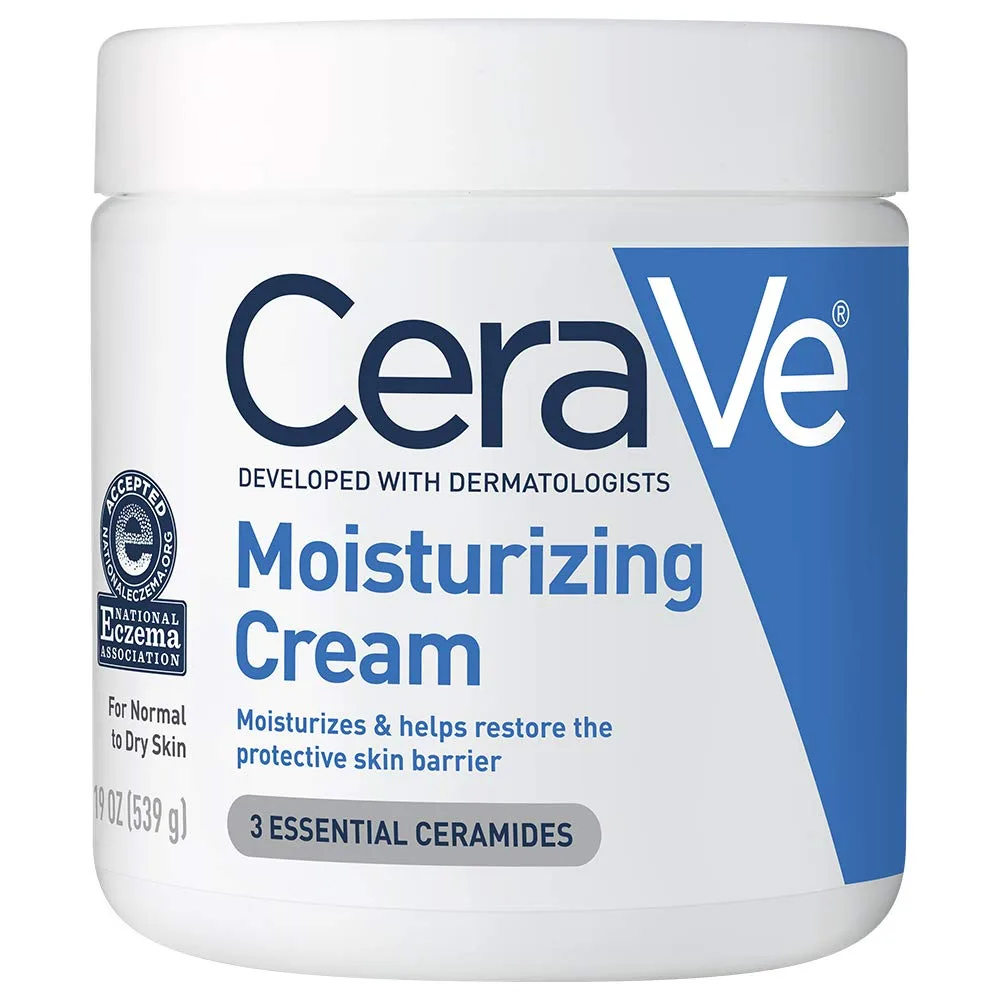
 Moisturizing Cream
The CeraVe Moisturizing Cream is the most important moisturizer in the drugstore — a ceramide-rich, dermatologist-developed formula that delivers barrier repair, multi-humectant hydration, and occlusive protection at a price so accessible it has no real excuse not to be in every household. Twenty-one years of consistent performance and universal dermatologist approval speak louder than any ingredient list.
 Barrier Repair Pioneer
 MLE Cream
Atopalm MLE Cream is one of the genuinely scientifically anchored barrier moisturizers in K-beauty — a fragrance-free, pseudo-ceramide cream built around a patented liquid-crystal lipid structure that mimics the skin's own intercellular matrix. For eczema, atopic skin, post-procedure recovery, or anyone with a stinging compromised barrier, it's one of the most reliably effective moisturizers in the entire category.
 K-Beauty Barrier Repair Staple
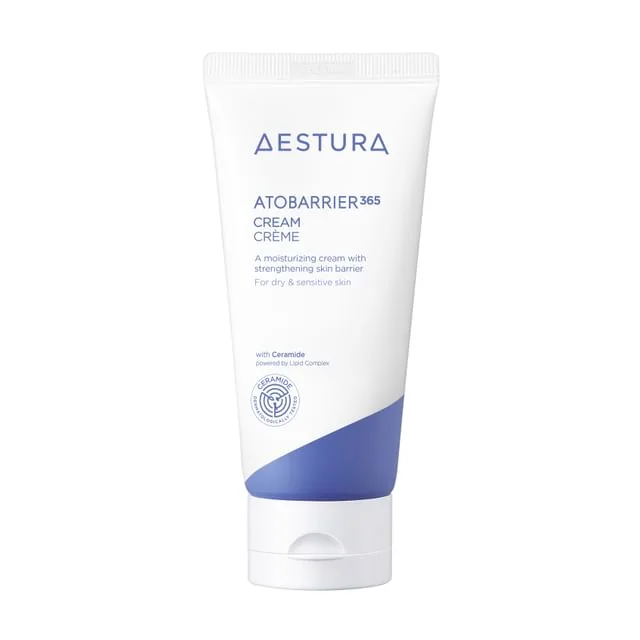
 Atobarrier 365 Cream
A Korean pharmacy cream that earns its cult following the hard way — with a lamellar lipid structure that actually rebuilds the barrier, not just coats it. If your skin has been through a rough winter, a retinoid ramp-up, or a bad reaction, this is the jar that quietly puts it back together.
 Korean Derm Clinic Recovery Pick
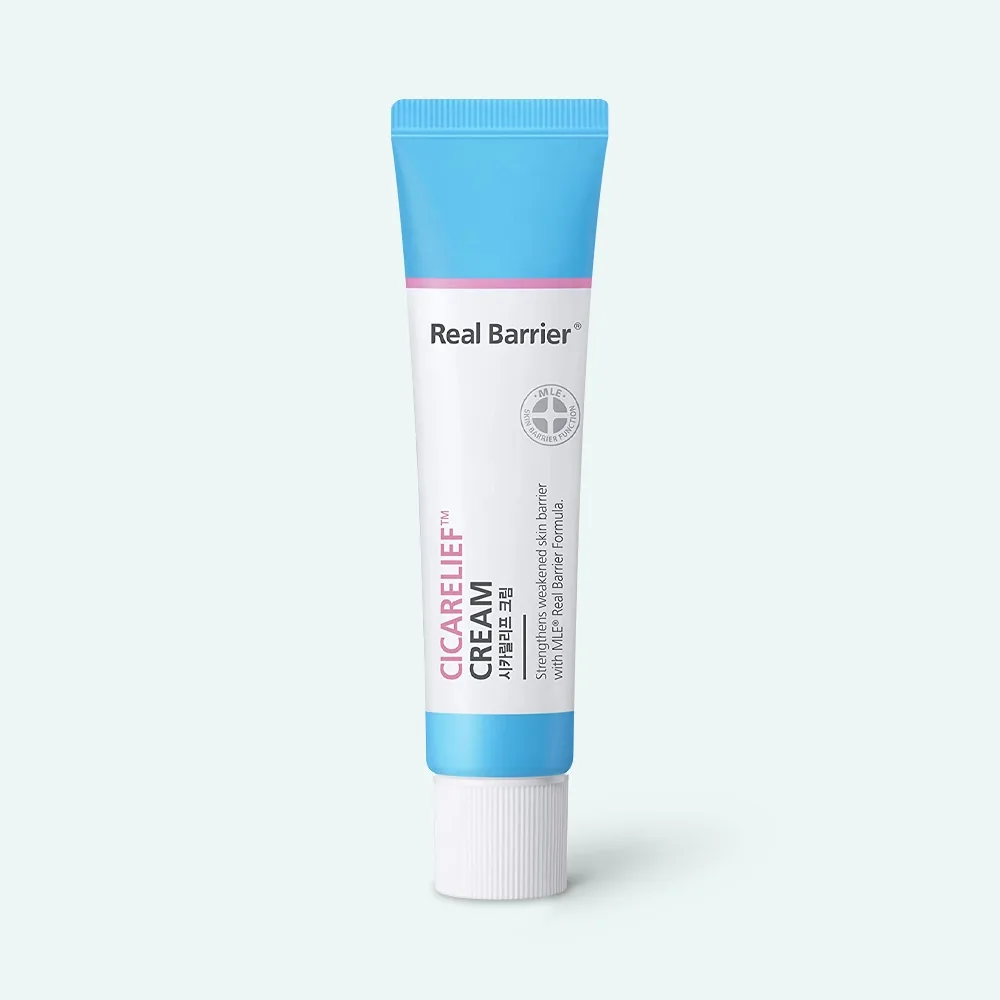
 Real Barrier Cicarelief Cream
One of the best consumer cica creams on the market, combining the full spectrum of centella actives with NeoPharm's MLE ceramide delivery and multiple complementary calming ingredients. Ideal for compromised, reactive, rosacea-prone, or recovering skin, and a staple in Korean dermatology clinic protocols. Minor limitations on packaging, but the formulation is genuinely excellent.
 Transparent 10% Panthenol Cream
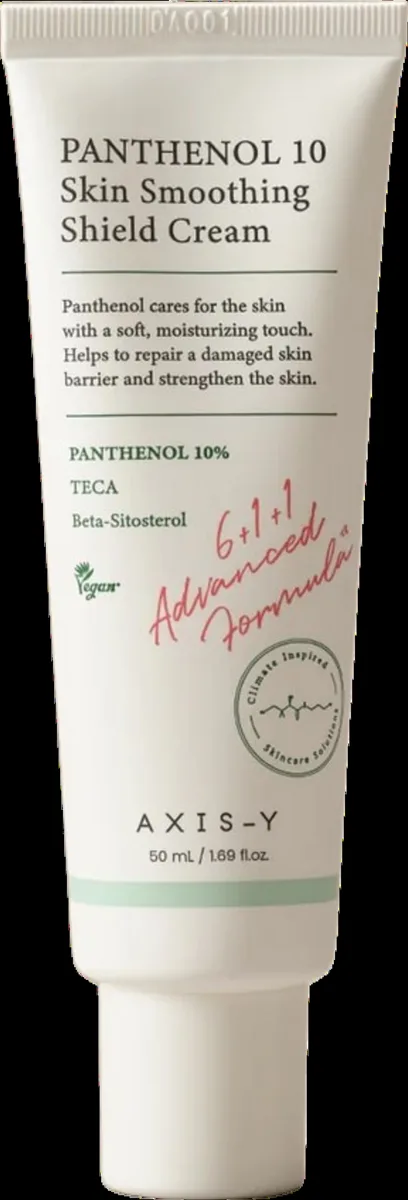
 Panthenol 10 Skin Smoothing Shield Cream
A disclosed 10% panthenol barrier cream built around a full physiological ceramide trio, a centella calming cast, and a modest shea butter occlusive. Fragrance-free, cross-season, and unusually transparent about its hero active — one of the brand's strongest moisturizer formulations.
 K-Beauty Icon
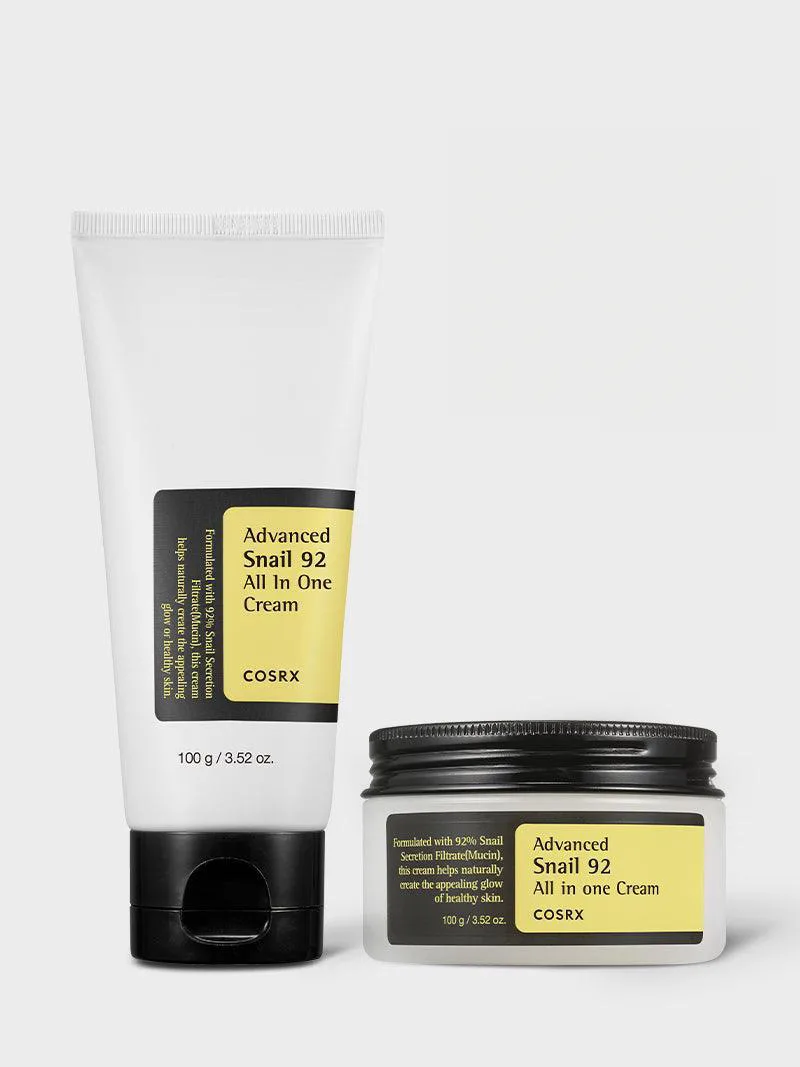
 Advanced Snail 92 All in One Cream
The cream that helped prove snail mucin to the world — and a decade later, it still deserves the reputation. At 92% snail secretion filtrate in a fragrance-free, gentle gel-cream, it delivers hydration, soothing, and gradual skin improvement across virtually every skin type. The texture takes getting used to, but 13 million sold units and 25,000+ reviews suggest most people manage.