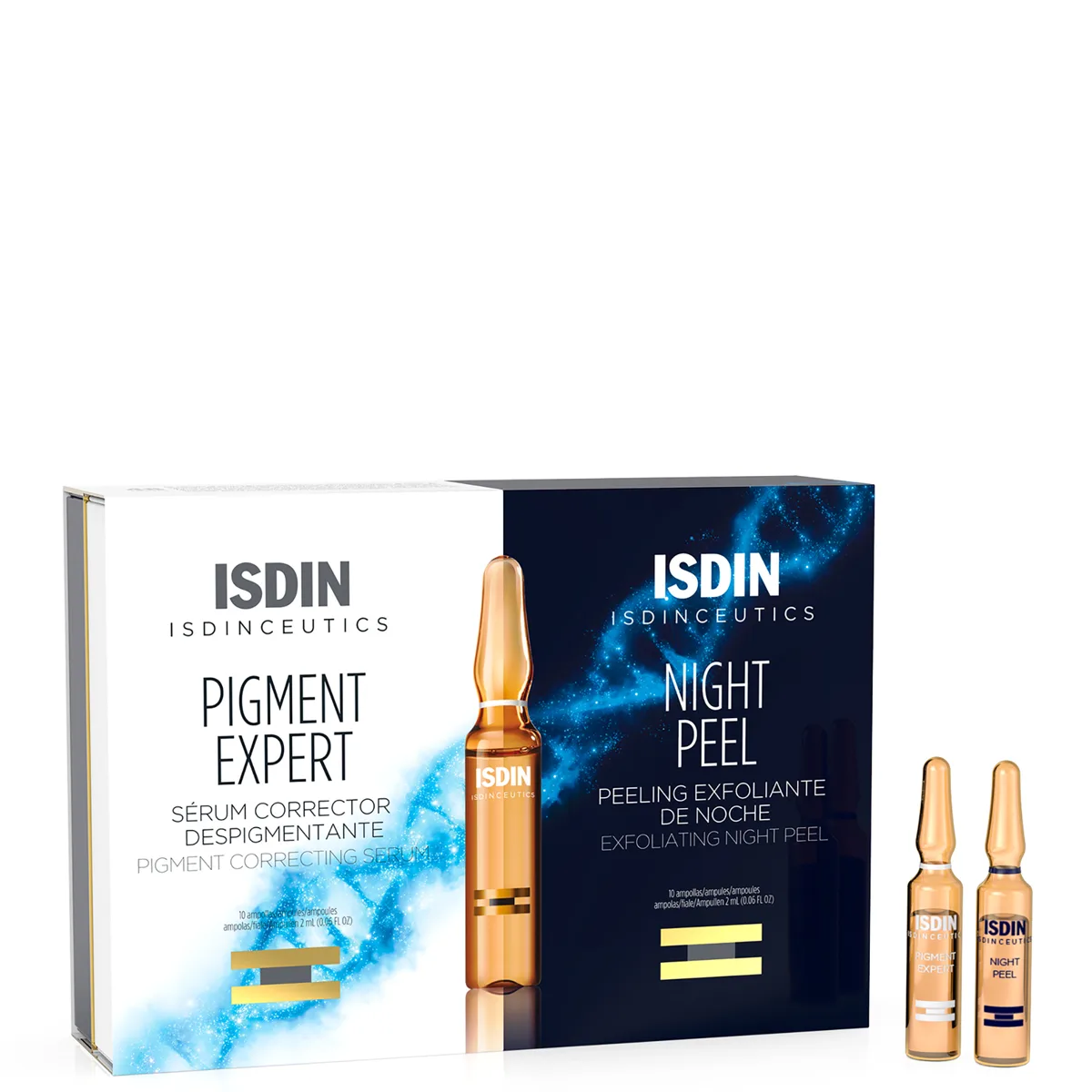
A thoughtfully formulated at-home AHA peel that gets the balance right between effective exfoliation and gentle hydration. The ampoule format ensures freshness and prevents overuse, making it one of the most fool-proof chemical exfoliants available — though the premium price means you're paying for European pharmaceutical elegance.
Isdinceutics Night Peel
A thoughtfully formulated at-home AHA peel that gets the balance right between effective exfoliation and gentle hydration. The ampoule format ensures freshness and prevents overuse, making it one of the most fool-proof chemical exfoliants available — though the premium price means you're paying for European pharmaceutical elegance.
Score Breakdown
A cleverly formulated overnight AHA peel that balances effective triple-acid exfoliation with generous hydrating ingredients. The single-dose ampoule format ensures freshness and prevents overuse. The fragrance-free formula is a plus, though the premium pricing and denatured alcohol give pause.
Data Confidence: high
This score is based on several years of market availability across European and US markets, well-established evidence for glycolic acid exfoliation, positive dermatologist endorsements, and consistent user feedback across multiple retail platforms.
0/100
Overall Score
Ingredient Quality 0
Value for Money 0
Suitability Breadth 0
Irritation Risk (↑ = safer) 0
Assessment
Pros
- Triple-acid formula provides graduated multi-depth exfoliation that's effective but gentle
- Sealed ampoules preserve acid freshness and potency for every single dose
- Built-in 72-hour hydration from saccharide isomerate prevents post-peel dryness
- Fragrance-free formula with no unnecessary sensitizers or irritants
- Precise single-dose format prevents the common mistake of over-applying acids
- Visible brightening and smoothing results from the very first morning after use
- Suitable for regular nightly use without the recovery days harsher peels require
Cons
- Glass ampoules can be fiddly to open, especially with damp hands
- Premium pricing at $112 for 30 ampoules versus cheaper bottled glycolic products
- Contains denatured alcohol as a solvent and penetration enhancer
- Requires strict daily SPF commitment throughout the entire treatment course
- Not suitable for those with active rosacea or severely compromised skin barriers
Full Review
In European pharmacies, glass ampoules are not exotic. They're normal. Your grandmother used them. They sit on shelves next to aspirin and thermal water sprays, single-dose vessels of carefully preserved actives that you snap open, apply, and discard. In the American skincare market, ampoules are still slightly novel — a format that reads as luxurious or clinical or unnecessarily fussy, depending on who you ask. ISDIN's Night Peel arrives from the former tradition and makes a convincing case that the format isn't a gimmick. It's the point.
The concept is disarmingly simple. One sealed glass ampoule per night. Twist off the tip, apply the liquid to clean skin, go to sleep. The formula inside — a triple-acid combination of glycolic, malic, and tartaric acids buffered with hydrating saccharide isomerate, glycerin, and urea — does its work while you do nothing. In the morning, you look in the mirror and the person looking back has noticeably smoother, brighter, more awake-looking skin. This isn't placebo-effect-maybe-I-see-something brightness. It's visible. Even after the first use.
Glycolic acid anchors the formula. With the smallest molecular weight of any alpha-hydroxy acid, it penetrates the stratum corneum more efficiently than its AHA siblings, dissolving the protein bonds (desmosomes) between dead surface cells and promoting their orderly departure. Malic and tartaric acids provide supporting exfoliation at varying depths — malic acid is slightly larger and gentler, tartaric acid even more so. The graduated approach means the formula isn't assaulting the skin at a single depth but encouraging renewal across multiple layers simultaneously.
What makes Night Peel genuinely clever is what surrounds the acids. Saccharide isomerate — branded as Hydraboost — is a sugar-based humectant that bonds to the skin's own moisture-binding molecules and provides sustained hydration for up to 72 hours. This isn't decorative hydration. In an acid product, it's functional: it prevents the barrier disruption, tightness, and flaking that make many people abandon AHA treatments within a week. Glycerin adds immediate humectant support. Urea softens keratin while drawing water in. The result is an exfoliating treatment that leaves skin smoother, brighter, and — counterintuitively — more hydrated than before you applied it.
The ampoule format deserves its own paragraph because it solves two real problems. First, stability: glycolic acid is sensitive to pH changes and degrades when repeatedly exposed to air. A sealed ampoule preserves the acid at peak potency and optimal pH every single time. Your thirtieth dose is as effective as your first. Second, dosing: over-application is the most common mistake with acid products. An ampoule contains exactly what you need — not a generous squeeze, not a heavy-handed pour, but a precise, measured dose that's virtually impossible to overdo.
The experience is deliberately undramatic. A brief tingle on application — mild, more tingly than stinging — that fades within two minutes. No burning sensation. No redness in the mirror the next morning. No visible peeling or flaking unless your skin is particularly dry to begin with. The formula is designed for nightly use over a 30-night course, and for that to work, it can't be aggressive enough to require recovery days.
Results accumulate over the course. Week one delivers brighter, smoother skin that friends might comment on without knowing what changed. Week two shows improvement in uneven texture and minor dark spots. By week four, fine lines look softer, pores appear less prominent, and skin has a radiance that isn't just surface-level glow but the result of genuinely renewed skin cells. For hyperpigmentation and sun spots, the full 30-night course delivers the most meaningful fading.
The honest caveats. Denatured alcohol is the fifth ingredient after the acids, serving as a solvent and penetration enhancer. It evaporates on application and probably isn't an issue for most skin types in this context, but the alcohol-averse will note its presence. The glass ampoules, while clever in concept, can be fiddly in practice — twisting off the tip requires a firm grip, and doing it with wet hands after cleansing is an exercise in patience. Some users split one ampoule across two nights, which stretches the 30-pack to 60 nights and effectively halves the cost.
At $112 for the 30-pack, the per-treatment cost is roughly $3.73 per night. For a professional-grade peel you'd pay $100-300 per session at a dermatologist's office, that's excellent value. For a glycolic acid product you could buy in a bottle for $15-30, it's notably more expensive. The value depends entirely on what you're comparing it to — and whether the ampoule format, dosing precision, and hydrating buffer system are worth the premium over a standard bottled AHA.
For people who've tried glycolic acid products and quit because of dryness, irritation, or inconsistent results, Night Peel's approach — gentler acids, built-in hydration, idiot-proof dosing — may be what makes AHA exfoliation actually sustainable long-term. And sustainable use, not occasional aggressive use, is what delivers the best results with chemical exfoliants.
Formula
Ingredients
The hero actives that drive this product's performance.
| Ingredient | Function | Evidence |
|---|---|---|
| Glycolic Acid | The primary exfoliating active in this AHA peel, glycolic acid has the smallest molecular size among alpha-hydroxy acids, allowing deeper penetration into the stratum corneum. In this formula it works alongside malic and tartaric acids to dissolve the bonds between dead surface cells, promoting gentle overnight exfoliation and cellular renewal. | well-established |
| Malic Acid | A secondary AHA that supports the glycolic acid's exfoliating action through a gentler mechanism. In this multi-acid formula, malic acid provides additional keratolytic activity while also functioning as an antioxidant, helping to protect newly revealed skin cells from oxidative stress. | well-established |
| Tartaric Acid | The third AHA in this triple-acid system. Tartaric acid contributes to the overall exfoliation while also serving as a pH adjuster that helps maintain the formula's acidic pH — critical for AHA efficacy. Its larger molecular size compared to glycolic acid means it works more superficially, creating a graduated exfoliation across skin layers. | well-established |
| Saccharide Isomerate (Hydraboost) | ISDIN's hydrating counterbalance to the exfoliating acids. This sugar-based humectant provides up to 72 hours of hydration by binding to the skin's natural moisture factors. In this peel, it prevents the dryness and tightness that typically accompanies acid exfoliation, allowing the formula to resurface without compromising the moisture barrier. | promising |
| Urea | At lower concentrations, urea acts as a humectant that draws water into the skin. In this exfoliating formula, it complements the AHA system by softening the keratin in dead skin cells, making them easier for the acids to dissolve while simultaneously boosting hydration. | well-established |
Full INCI List
Aqua (Water), Saccharide Isomerate, Glycerin, Sodium Lactate, Glycolic Acid, Alcohol Denat., Phenoxyethanol, Sodium Citrate, Sucrose, Urea, Sodium Hydroxide, Ethylhexylglycerin, Disodium EDTA, Malic Acid, Tartaric Acid, Biosaccharide Gum-1, Citric Acid
Product Flags
✓ Fragrance Free✗ Alcohol Free✓ Oil Free✓ Silicone Free✓ Paraben Free✓ Sulfate Free✗ Cruelty Free✓ Vegan✓ Fungal Acne Safe
Potential Irritants
Glycolic AcidAlcohol Denat.
Compatibility
Skin Match
Best For
Works For
Not Ideal For
Addresses These Conditions
dullness texture hyperpigmentation dark spots aging large pores
Use With Caution
Avoid With
Routine Step
treatment
Time of Day
PM
Pregnancy Safe
Unknown
Layering Tips
Apply one ampoule to clean, dry skin at night as the last active step before moisturizer. Do not combine with retinol or other strong exfoliants on the same evening. Always use SPF 50 the following morning — AHAs increase UV sensitivity for up to 7 days after use.
Results Timeline
Smoother, brighter skin visible the morning after first use. Within 2 weeks of regular use, noticeable improvement in texture and radiance. Dark spot fading and fine line reduction become more apparent at 4-8 weeks. The ampoule format is designed for course-based treatment — a 30-night course for visible skin renewal.
Pairs Well With
Hyaluronic acid serumGentle moisturizerSPF 50 sunscreen (next morning)
Conflicts With
Retinol (same evening)Other AHA/BHA exfoliants (same evening)Benzoyl peroxide (same evening)
Sample AM Routine
- Gentle cleanser
- Vitamin C serum (optional)
- Moisturizer
- SPF 50 sunscreen (essential)
Sample PM Routine
- Double cleanse
- ISDIN Night Peel ampoule
- Moisturizer or night cream
Evidence
Science
The Science
Glycolic acid's efficacy as a keratolytic agent is among the best-documented in dermatology. A foundational study by Bernstein et al. published in Dermatologic Surgery (2001) demonstrated that regular application of glycolic acid at concentrations between 8-15% significantly increased epidermal thickness, improved texture, and reduced fine wrinkling. The mechanism involves disruption of ionic bonding between corneocytes in the stratum corneum, promoting their orderly exfoliation and stimulating the production of glycosaminoglycans in the dermis.
The multi-acid approach in Night Peel mirrors professional peel protocols that combine AHAs of different molecular weights for graduated penetration. A study published in the Journal of Cosmetic Dermatology (2009) by Kornhauser et al. reviewed the evidence for alpha-hydroxy acids and found that while glycolic acid provides the deepest AHA penetration due to its 76-dalton molecular weight, combining it with larger AHAs (malic acid at 134 daltons, tartaric acid at 150 daltons) can provide more uniform exfoliation across epidermal layers while reducing the irritation potential of glycolic acid alone.
The hydrating counterbalance — saccharide isomerate — represents an evidence-based approach to acid-induced transepidermal water loss. Research published in the International Journal of Cosmetic Science (2007) demonstrated that saccharide isomerate provides sustained moisturization by forming hydrogen bonds with keratin in the stratum corneum, creating a moisture reservoir that persists for up to 72 hours. In the context of an AHA peel, this serves the critical function of maintaining barrier hydration during the exfoliation process — preventing the dryness cycle that causes many users to discontinue acid treatments.
References
- Glycolic acid treatment increases type I collagen mRNA and hyaluronic acid content of human skin — Dermatologic Surgery (2001)
- Applications of hydroxy acids: classification, mechanisms, and photoactivity — Journal of Cosmetic Dermatology (2009)
- Saccharide isomerate as a deep moisturizing agent — International Journal of Cosmetic Science (2007)
Dermatologist Perspective
Dermatologists widely recommend glycolic acid as a first-line topical exfoliant for patients with dull skin, uneven texture, and mild hyperpigmentation. Board-certified dermatologists note that the Night Peel's ampoule format addresses two common reasons patients abandon at-home acid treatment: over-application leading to irritation, and product degradation leading to inconsistent results. The inclusion of hydrating agents alongside the acids reflects current dermatological thinking that exfoliation should support — not compromise — the skin barrier. Dermatologists typically advise using Night Peel as a 30-night course, with mandatory daily SPF 50 throughout and for a week after completion, as glycolic acid significantly increases UV sensitivity.
Guidance
Usage Guide
How to Use
Cleanse and dry your face thoroughly. Twist off the ampoule tip (use the provided applicator or a tissue for grip). Apply the entire contents to the face and neck, avoiding the eye area. Allow to absorb — do not rinse off. Follow with your regular night moisturizer. Seal any remaining product with the cap and store upright for use the next night. Use one ampoule per night for a full 30-night course. Apply SPF 50 every morning during the course. If new to AHAs, start every other night for the first week.
Value Assessment
At $112 for 30 ampoules, the per-night cost is approximately $3.73. Compared to in-office glycolic peels ($100-300 per session), this represents significant savings for a course of gentle daily exfoliation. Compared to bottled glycolic acid products, it's more expensive — but the ampoule format provides genuinely superior freshness, precise dosing, and the hydrating buffer system that prevents the dryness issues plaguing many AHA products. A 10-ampoule starter pack is also available for those who want to trial the product before committing to the full course. For users who split each ampoule across two nights, the effective per-treatment cost drops to under $2.
Who Should Buy
Anyone dealing with dull, uneven, or rough-textured skin who wants a gentle but effective nightly exfoliation routine. People who've tried bottled glycolic acid products and found them too irritating or drying. Those who appreciate pharmaceutical-grade precision and the assurance that every dose is fresh and potent.
Who Should Skip
People with active rosacea, severely compromised skin barriers, or acute eczema flares. Anyone unwilling to commit to strict daily sunscreen during and after the treatment course. Those looking for the most affordable glycolic acid option — bottled alternatives exist at a fraction of the cost.
Ready to try ISDIN Isdinceutics Night Peel?
Details
Details
Texture
Very lightweight, almost water-like liquid that comes out of the ampoule tip easily. Applies like a thin fluid and absorbs quickly, leaving a barely perceptible film that doesn't feel sticky or heavy.
Scent
No added fragrance. Very faint acidic scent from the glycolic acid that is barely noticeable and dissipates immediately.
Packaging
Individual sealed glass ampoules with a twist-off tip and resealable cap. Each ampoule contains exactly one dose (2mL), preventing overuse and ensuring the acids are fresh and at peak potency with every application. The glass-ampoule format is common in European pharmaceutical skincare.
Finish
lightweightfast-absorbinginvisible
What to Expect on First Use
Snap off the ampoule tip, apply the liquid to clean skin, and expect a mild tingling sensation that subsides within a minute or two. No burning, no dramatic peel feeling. The next morning, skin looks noticeably smoother and more radiant — enough that many users are surprised by the visible difference after just one use.
How Long It Lasts
30 nights with the 30-ampoule pack (one ampoule per night); 10 nights with the smaller pack
Period After Opening
24 months
Best Season
fall winter
Background
The Why
ISDIN developed Night Peel for the European pharmacy market, where single-dose ampoule treatments are a well-established skincare format. The concept — a gentle overnight peel that patients could self-administer at home with pharmaceutical precision — bridges the gap between professional in-office peels and daily exfoliating products. The ampoule format was deliberately chosen to prevent the common mistake of over-applying acid products.
About ISDIN Legacy Brand (20+ years)
ISDIN was founded in Barcelona in 1975 and is Spain's leading dermatological brand. The Isdinceutics Night Peel represents their clinical-grade treatment approach, using single-dose ampoules — a format common in European pharmaceutical skincare but less familiar in the US market.
Brand founded: 1975 · Product launched: 2018
Myth vs. Reality
Myths
Myth
At-home chemical peels need to cause visible peeling to be effective.
Reality
Effective exfoliation happens at the cellular level without necessarily causing visible flaking. This peel dissolves the bonds between dead surface cells, promoting invisible turnover. Skin that's actively peeling is often a sign of over-exfoliation, not optimal treatment.
Myth
AHA products in ampoules are just a gimmick to charge more for less product.
Reality
Glycolic acid and other AHAs are pH-sensitive and can degrade when repeatedly exposed to air. The sealed ampoule format genuinely preserves acid potency and pH stability. It also prevents the common mistake of over-applying — each dose is exactly what's needed, no more.
FAQ
FAQ
How often should I use ISDIN Night Peel ampoules?
ISDIN recommends using one ampoule every night for a full 30-night course. However, if you're new to chemical exfoliants, start with every other night for the first week to assess your skin's tolerance, then increase to nightly use. The gentle triple-acid formula is designed for regular nightly use.
Can I use ISDIN Night Peel with retinol?
Avoid using retinol on the same night as Night Peel — combining AHAs and retinol can over-stress the skin barrier. Instead, alternate nights (retinol one night, Night Peel the next) or use retinol during your off-weeks between Night Peel courses.
Do I need sunscreen while using ISDIN Night Peel?
Absolutely — this is non-negotiable. AHAs like glycolic acid increase your skin's UV sensitivity for up to a week after each use. Apply SPF 50 broad-spectrum sunscreen every morning during your Night Peel course and for at least a week after finishing. Without sunscreen, you risk worsening the hyperpigmentation you're trying to treat.
Is ISDIN Night Peel suitable for sensitive skin?
ISDIN states the product is tested on all skin types including sensitive, and the hydrating ingredients (saccharide isomerate, glycerin, urea) buffer the acid activity. However, if you have rosacea, a compromised skin barrier, or very reactive skin, start with every-other-night use and monitor for excessive redness or irritation.
Can I reuse an opened ISDIN Night Peel ampoule the next night?
Yes — each ampoule has a resealable cap, and ISDIN's instructions indicate an opened ampoule can be used the following night. However, the formula is most potent when freshly opened, and some users find one ampoule provides enough product for two applications to the face, making this a cost-effective approach.
Community
Community
Common Praise
"Noticeable smoother brighter skin from the first morning after use"
"Gentle enough for regular use without excessive irritation"
"Single-dose ampoules prevent product waste and overuse"
"Fragrance-free formula with no harsh sensory experience"
"Hydrating formula doesn't leave skin dry or tight unlike other peels"
Common Complaints
"Premium price for what amounts to a glycolic acid treatment"
"Glass ampoules can be fiddly to open especially with wet hands"
"Contains denatured alcohol which some prefer to avoid"
"Requires strict daily sunscreen commitment during entire course"
"10-ampoule pack runs out quickly if used nightly"
Notable Endorsements
Featured in The Daily Beast as a quarantine skincare saviorSold through dermatologist offices and medical spasRecommended by multiple skincare professionals
Appears In
best exfoliant for dull skin best glycolic acid peel best at home chemical peel best exfoliant for dark spots
Related Conditions
dullness texture hyperpigmentation dark spots aging
Related Ingredients
You Might Also Like
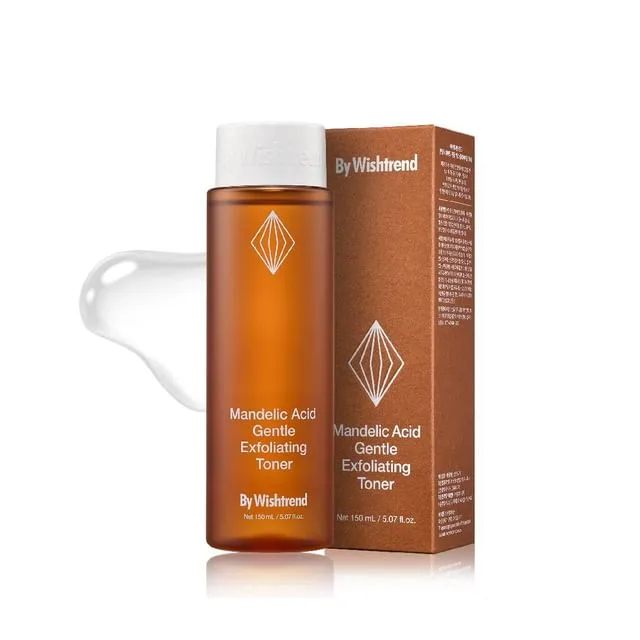 Sensitive Skin AHA Pick
 Mandelic Acid 5% Skin Prep Water
The mandelic acid prep water that quietly converted half of K-beauty Reddit away from glycolic — and for good reason. It delivers visible texture and PIH improvement at 5% without the sting or pigment risk that derails sensitive and darker skin, and it does so for around twenty bucks.
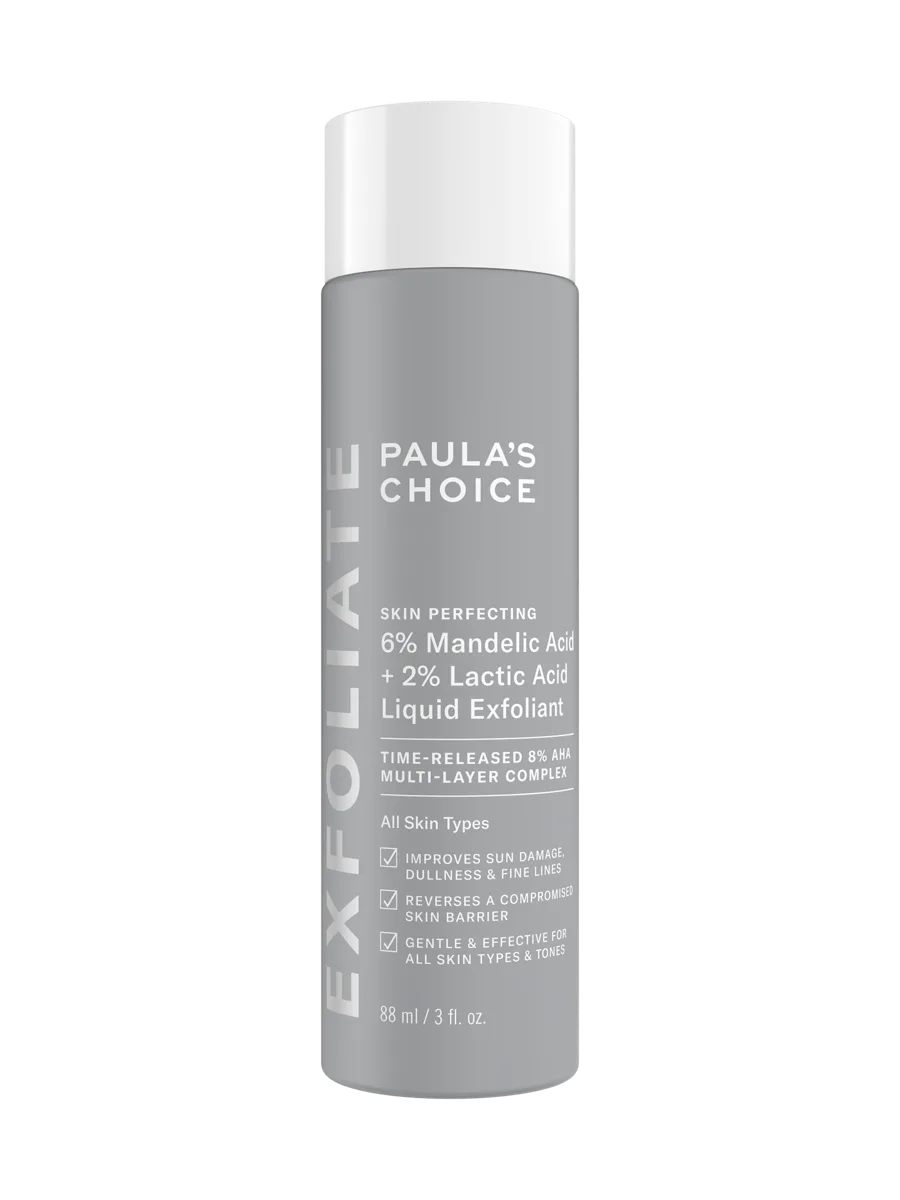 Gentle Glow Specialist
 Skin Perfecting 6% Mandelic Acid + 2% Lactic Acid Liquid Exfoliant
The exfoliant that finally treats sensitive and melanin-rich skin as the design priority rather than an afterthought. With a 4.8-star rating and 660+ reviews, this mandelic-lactic formula proves that gentleness and efficacy aren't mutually exclusive — it just requires smarter acid selection.
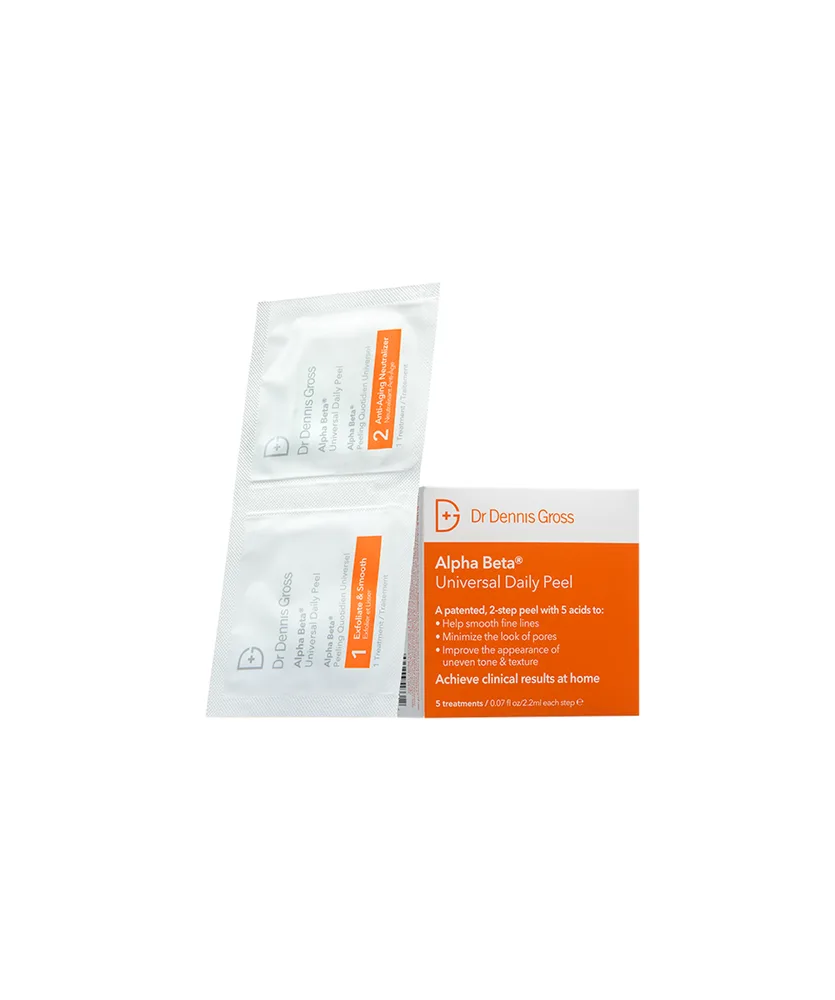 The Original At-Home Peel
 Alpha Beta Universal Daily Peel
The product that invented the at-home daily peel category in 2002 and still sits at the top of it. The five-acid Step 1 and retinol-antioxidant Step 2 deliver genuine resurfacing and anti-aging in a single five-minute routine. Expensive, but the results and track record justify the reputation.
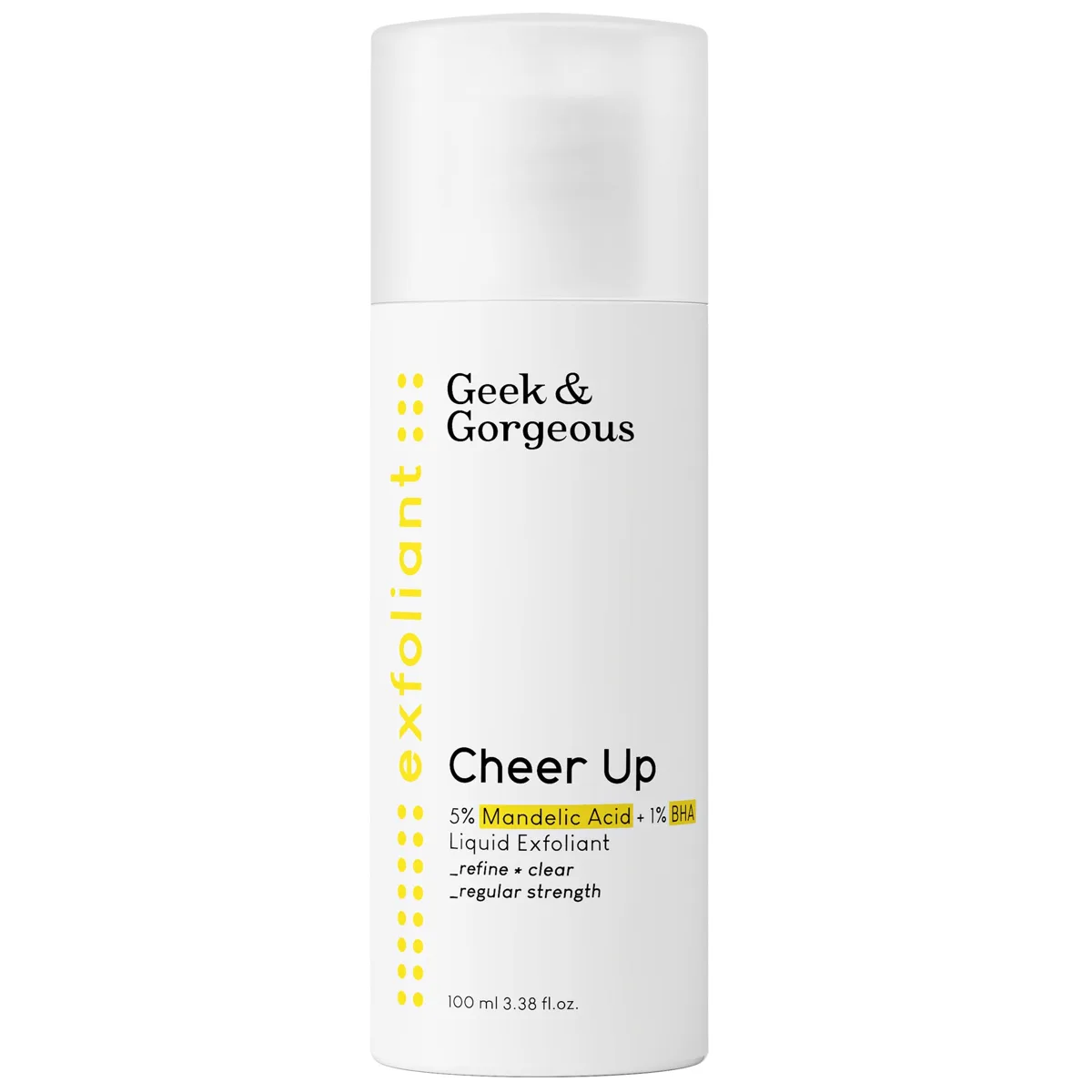 Beginner Exfoliant Pick
 Cheer Up 5% Mandelic + 1% Salicylic Exfoliant
A thoughtfully formulated beginner AHA/BHA exfoliant that uses mandelic acid — the gentlest mainstream AHA — in combination with low-strength salicylic, plus a sugar-humectant complex for comfort. At 100mL for around $12, the value is excellent, and the formulation choices reflect the kind of cosmetic-chemist thinking that separates this brand from typical indie exfoliants. Ideal for exfoliant newcomers and sensitive skin.
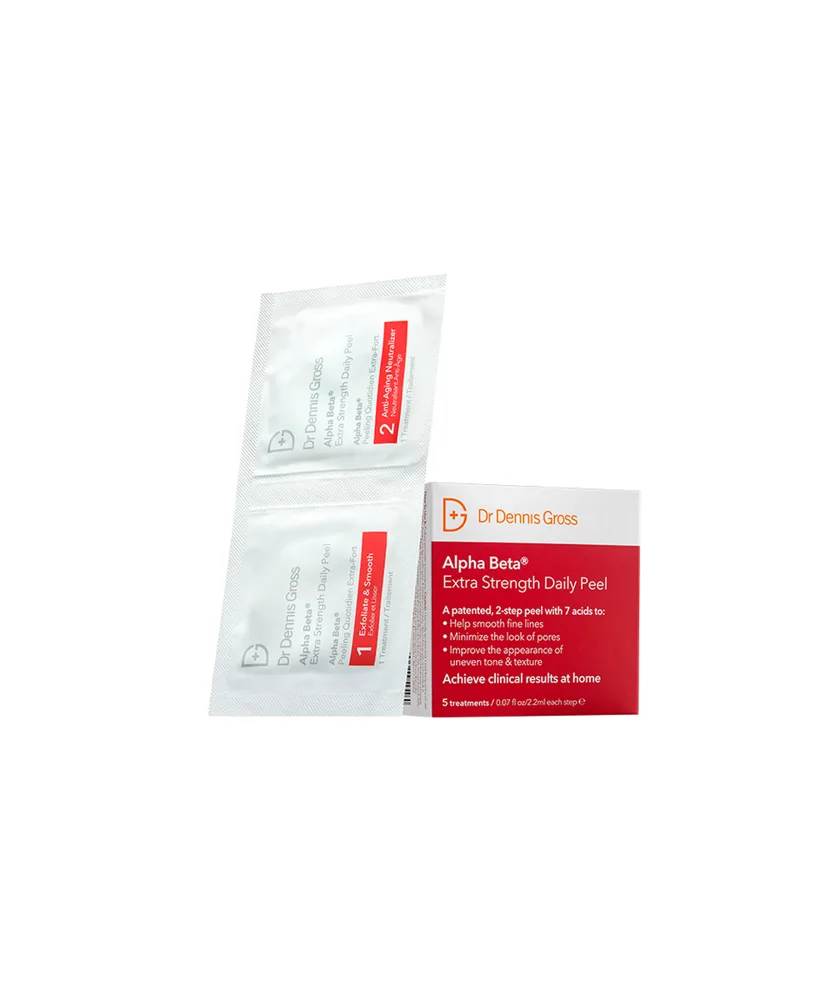 At-Home Peel Benchmark
 Alpha Beta Extra Strength Daily Peel
The harder-hitting version of the at-home peel that started the category. Step 1 delivers a serious five-acid blend and Step 2 follows with retinol and antioxidants, making this a combined resurfacing and anti-aging treatment in a single five-minute routine. Expensive but genuinely effective for experienced exfoliant users.
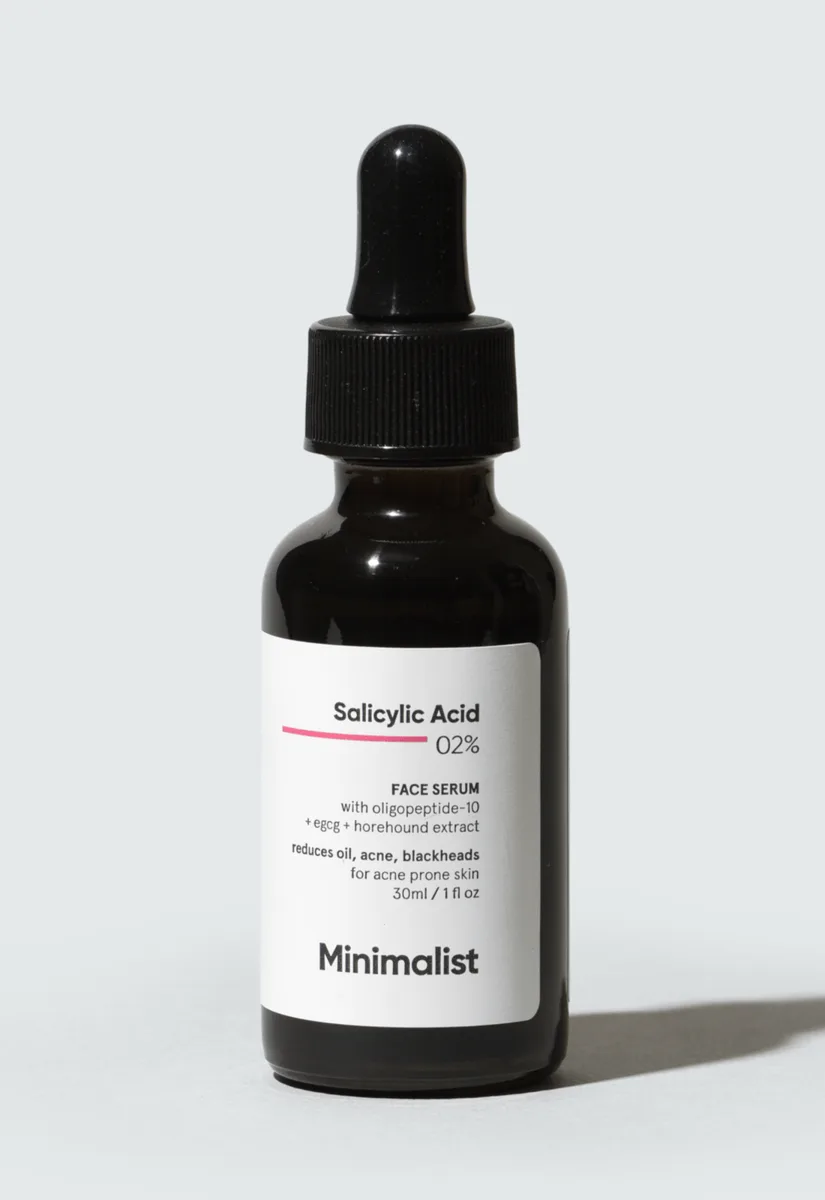 Pharma-Grade Budget BHA
 2% Salicylic Acid Face Serum
A pharma-grade 2% BHA serum at pH 3.75, built around Merck's RonaCare salicylic acid and flanked by Marrubium Vulgare, EGCG glucoside, and Oligopeptide-10 — a supporting cast most budget salicylic serums do not bother with. At ₹599 for 30ml, it is one of the best acne serums on the Indian market and genuinely competitive with the prestige alternatives.