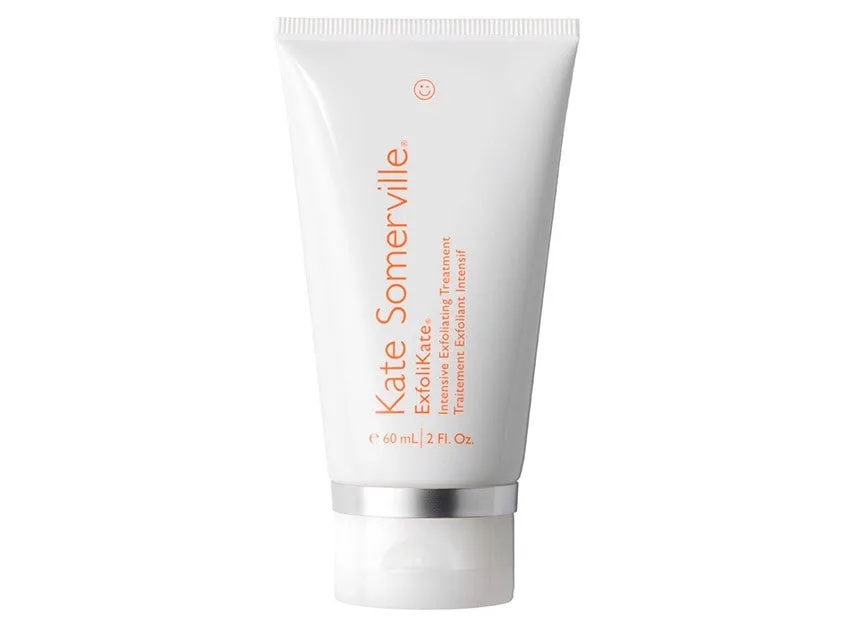
The cult-classic exfoliant that earned its reputation honestly — few products deliver this dramatic a transformation in two minutes flat. Powerful enough that it demands respect and careful use, with an essential oil blend that limits who can safely enjoy the experience.
ExfoliKate Intensive Exfoliating Treatment
The cult-classic exfoliant that earned its reputation honestly — few products deliver this dramatic a transformation in two minutes flat. Powerful enough that it demands respect and careful use, with an essential oil blend that limits who can safely enjoy the experience.
Score Breakdown
Where this product gains points and where it loses them — broken down across the four scoring pillars.
A powerfully effective multi-pathway exfoliant with impressive immediate and cumulative results, but the aggressive acid concentrations, essential oil load, and denatured alcohol significantly limit its suitability for sensitive skin and increase irritation risk.
Pros & Cons
- ✓Dramatically smoother, more radiant skin visible immediately after a single 2-minute treatment
- ✓Quad-pathway exfoliation combines AHAs, BHA, physical silica, and fruit enzymes uniquely
- ✓Clinically proven pore refinement and texture improvement with twice-weekly use
- ✓Allure Best of Beauty Award winner with 15+ years of sustained cult-classic status
- ✓Salicylic acid provides pore-clearing benefits that pure AHA exfoliants cannot match
- ✓Available in a $19 mini size for low-commitment trial before investing in full size
- ✗Premium $85 price for 2 oz, though longevity with twice-weekly use softens the cost
- ✗Heavy essential oil blend introduces multiple allergens with no exfoliating benefit
- ✗Too intense for sensitive, rosacea-prone, or barrier-compromised skin types
- ✗Contains denatured alcohol which can contribute to dryness and irritation
- ✗Strong cinnamon-forward scent is polarizing and can cause reactions in some users
Full Review
There are products that generate hype and products that sustain it. The ExfoliKate Intensive Exfoliating Treatment has been doing both for over fifteen years, which in the accelerating churn of the beauty industry is roughly equivalent to geological time. When Kate Somerville formulated this as the first take-home product from her Melrose Place clinic, the original intent was straightforward: give clients something to use between professional facials that would maintain the results. What she actually created was a product that many users consider more effective than the facials themselves.
The formula's genius — and it is genuinely clever formulation work — lies in its quad-pathway exfoliation. Most exfoliants choose a lane: chemical acids, physical scrub particles, or enzymes. ExfoliKate runs all four simultaneously, and the combined effect is what produces the immediately visible transformation that has sustained its cult status.
Lactic acid sits at the second position on the ingredient list, signaling a substantial concentration that provides aggressive but relatively hydrating chemical exfoliation. AHA purists sometimes dismiss lactic acid as glycolic acid's gentler cousin, but at higher concentrations it is a formidable exfoliant in its own right — dissolving the desmosomes that glue dead corneocytes together while simultaneously drawing moisture into the newly revealed skin. Salicylic acid appears further down the list, contributing oil-soluble pore penetration that lactic acid alone cannot provide. Together, they form a dual-acid engine that addresses both surface texture and deep pore congestion.
The physical component comes from silica — fine, spherical particles that provide a mechanical buffing action as you massage the paste across your skin. Physical exfoliation gets a bad reputation in skincare circles, often deservedly so when the particles in question are jagged walnut shell fragments that create micro-tears. Silica is different. The particles are rounded and uniform, providing a polishing action that helps sweep away the cells the acids have already loosened without damaging the healthy skin beneath. It is the difference between sandpaper and a chamois cloth.
The third pathway is enzymatic. Bromelain from pineapple and papain from papaya are proteolytic enzymes that digest keratin — the protein that dead skin cells are made of. They operate through a completely different mechanism than the acids, breaking down the actual structure of dead cells rather than just loosening their connections. And the fourth pathway, a pumpkin ferment extract, adds pre-digested natural enzymes and lactic acid from the fermentation process itself.
In practice, the treatment is a sensory event. You squeeze out a thick, distinctively green paste that smells like a spice market near a lavender field — the cinnamon, bergamot, and lavender essential oils are unmistakable and polarizing. You apply it to clean skin, and within seconds, the lactic acid announces itself with a spreading warmth that ranges from gentle tingle to firm announcement depending on your skin's current state. The two-minute wait time feels longer than it is. When you rinse it off, the transformation is startling. Your face feels like it has been professionally resurfaced. Not raw — just impossibly smooth, with a clarity and glow that has converted countless skeptics into repeat buyers.
The cumulative effects with twice-weekly use are equally impressive. Pores visibly tighten as the salicylic acid keeps them clear of the dead-cell buildup that stretches them open. Skin tone becomes more even as accelerated turnover fades minor hyperpigmentation. Fine lines — particularly the dehydration-related kind around the eyes and mouth — soften as smoother, better-hydrated skin replaces the rough, dull surface layer. It is one of the few products where clinical claims of ninety-four percent improvement in texture actually track with real-world user experience.
The significant drawbacks are equally honest. This is not a gentle product. The high lactic acid concentration, combined with salicylic acid, alcohol denat, and a cocktail of essential oils including cinnamon leaf oil, means this treatment has one of the longer potential irritant lists in prestige skincare. The essential oil blend — bergamot, lavender, cinnamon, patchouli, geranium, rosewood, orange peel — reads more like a perfumer's palette than a skincare necessity. Every one of these contributes known allergens (linalool, limonene, eugenol, cinnamal) that serve no exfoliating purpose.
For sensitive skin, rosacea-prone skin, or anyone with a compromised barrier, this product is simply not an option. The cinnamon oil alone can trigger contact dermatitis in sensitized individuals, and combining it with high-concentration acids on freshly exfoliated skin is a recipe for a reaction. Even robust skin types occasionally report the tingling crossing into actual discomfort.
The price is the other conversation. At eighty-five dollars for two ounces, this is a significant investment in an exfoliant. The math softens slightly when you consider that twice-weekly use extends a tube to three or four months, and the 0.5 oz mini at nineteen dollars provides a genuine trial. But the core question remains: for a product whose primary differentiator is the intensity of its exfoliation, are there less expensive ways to achieve similar results with separate acid and enzyme products? Probably. Are any of them as satisfying, as immediately transformative, or as cleanly integrated into a single two-minute step? That is where ExfoliKate earns its price tag.
Formula
Key Ingredients
The hero actives that drive this product's performance.
| Ingredient | Function | Evidence |
|---|---|---|
| Lactic Acid | Listed as the second ingredient, indicating a high concentration that provides aggressive chemical exfoliation — dissolving the intercellular cement between dead skin cells while simultaneously drawing moisture into the freshly revealed layers beneath. This positioning makes it the primary active driver of the treatment's instant-smoothing results. | well-established |
| Salicylic Acid | The oil-soluble BHA penetrates into pores where the lactic acid cannot reach, dissolving sebum plugs and clearing congestion from inside the follicle — making this a dual-acid formula that addresses both surface texture and pore-level buildup. | well-established |
| Silica | Provides the physical exfoliation component as fine, rounded particles that mechanically buff away loosened dead cells in tandem with the chemical acids — a dual-action approach that delivers the immediately visible smoothness this treatment is famous for. | well-established |
| Bromelain & Papain (Fruit Enzymes) | Pineapple-derived bromelain and papaya-derived papain provide a third exfoliation pathway by enzymatically digesting keratin proteins on the skin's surface, complementing the chemical (AHA/BHA) and physical (silica) exfoliation for comprehensive dead-cell removal. | promising |
| Lactobacillus/Pumpkin Ferment Extract | Fermented pumpkin extract that delivers pre-digested natural enzymes and fruit acids in a bioavailable form, adding enzymatic and mild chemical exfoliation while the fermentation process generates additional lactic acid that supplements the formula's primary AHA. | emerging |
Full INCI List
Aqua/Water/Eau, Lactic Acid, Silica, Glycine Soja (Soybean) Oil, Pectin, Cetearyl Alcohol, Carica Papaya (Papaya) Fruit, Ceteareth-20, Cetyl Alcohol, Phenoxyethanol, Dehydroxanthan Gum, Glyceryl Stearate, PEG-100 Stearate, Salicylic Acid, Lactobacillus/Pumpkin Ferment Extract, Alcohol Denat, Sorbic Acid, Cinnamal, Mel/Honey/Miel, Citrus Aurantium Bergamia (Bergamot) Fruit Oil, Eugenol, Potassium Sorbate, Limonene, Linalool, Lavandula Angustifolia (Lavender) Oil, Beta-Carotene, Aloe Barbadensis Leaf Juice Powder, Bromelain, Papain, Retinyl Palmitate, Tocopheryl Acetate, Cinnamomum Cassia Leaf Oil, Acetic Acid, Pogostemon Cablin Oil, Pelargonium Graveolens Flower Oil, Aniba Rosaeodora (Rosewood) Wood Extract, Citrus Aurantium Dulcis (Orange) Peel Oil, CI 75810 (Chlorophyllin-Copper Complex)
Product Flags
✗ Fragrance Free✗ Alcohol Free✗ Oil Free✓ Silicone Free✓ Paraben Free✓ Sulfate Free✓ Cruelty Free✗ Vegan✗ Fungal Acne Safe
Comedogenic Ingredients
Soybean Oil
Potential Irritants
Lactic Acid (high concentration)Salicylic AcidAlcohol DenatBergamot Fruit OilLavender OilCinnamon Leaf OilEugenolCinnamal
Common Allergens
Bergamot Fruit OilLavender OilLinaloolLimoneneEugenolCinnamal
Compatibility
Skin Match
Best For
Works For
Not Ideal For
Addresses These Conditions
dullness texture large pores aging blackheads acne
Use With Caution
Avoid With
eczema compromised skin barrier
Routine Step
treatment
Time of Day
PM
Pregnancy Safe
No ✗
Layering Tips
Use 1-2 times per week as a treatment step on clean, dry skin. Apply, leave for 2 minutes, then rinse. Do not use on the same night as retinoids or other strong exfoliants. Follow with a hydrating serum and moisturizer to replenish the skin.
Results Timeline
Dramatically smoother skin immediately after the first 2-minute treatment. Pore appearance improves noticeably within 2-3 uses. Cumulative texture refinement, reduced fine lines, and enhanced radiance develop over 4-8 weeks of twice-weekly use.
Pairs Well With
Hydrating serumsCeramide moisturizersSPF the morning after
Conflicts With
Retinoids on the same nightOther AHA/BHA treatmentsBenzoyl peroxide
Sample AM Routine
- Gentle cleanser
- Vitamin C serum
- Moisturizer
- Sunscreen SPF 30+
Sample PM Routine
- Gentle cleanser
- THIS PRODUCT (2x per week)
- Hydrating serum
- Barrier-repair moisturizer
Evidence
Who Should Skip
- Premium $85 price for 2 oz, though longevity with twice-weekly use softens the cost
- Heavy essential oil blend introduces multiple allergens with no exfoliating benefit
- Too intense for sensitive, rosacea-prone, or barrier-compromised skin types
- Contains denatured alcohol which can contribute to dryness and irritation
Science & Expert Perspective
The Science
The ExfoliKate Intensive Treatment's four-pathway exfoliation approach is rooted in complementary dermatological mechanisms. Lactic acid, an alpha-hydroxy acid with a molecular weight of 90 Da, exfoliates by disrupting calcium-dependent desmosomes — the protein bridges connecting adjacent corneocytes. At the concentrations suggested by its second-position listing, lactic acid provides rapid keratolysis while simultaneously functioning as a humectant, drawing water into the stratum corneum. A landmark 1996 study by Smith in the Journal of the American Academy of Dermatology established that AHAs at concentrations above 5% with pH below 3.5 produce clinically significant exfoliation.
Salicylic acid contributes a mechanistically distinct exfoliation pathway as a lipophilic beta-hydroxy acid. Published research in the Journal of Cosmetic Dermatology has demonstrated that salicylic acid's oil-solubility allows it to penetrate the sebaceous follicle, dissolving the lipid-rich plugs that dilate pores and promote comedone formation. The combination of a water-soluble AHA (lactic acid) and a lipid-soluble BHA (salicylic acid) addresses both the skin surface and the pore interior — a dual-compartment approach that neither acid achieves alone.
The enzymatic component leverages bromelain (from Ananas comosus) and papain (from Carica papaya) — cysteine proteases that cleave peptide bonds in keratin through a mechanism entirely independent of pH-dependent acid exfoliation. A 2014 study published in Clinical, Cosmetic and Investigational Dermatology demonstrated that topical enzyme application produced measurable improvements in skin surface smoothness. The Lactobacillus/Pumpkin Ferment Extract adds metabolic byproducts of probiotic fermentation — additional lactic acid and partially hydrolyzed enzymes — that supplement both the chemical and enzymatic pathways.
The physical silica component provides mechanical debridement of the chemically loosened corneocyte layer. Unlike irregular physical exfoliant particles that can cause micro-epidermal abrasions, amorphous silica particles are spherical and uniform, distributing pressure evenly across the skin surface during application.
References
- Cosmetic and clinical applications of alpha hydroxy acids — Journal of the American Academy of Dermatology (1996)
Dermatologist Perspective
Board-certified dermatologists recognize the ExfoliKate Intensive Treatment as one of the more effective over-the-counter exfoliating products available, noting that its multi-mechanism approach aligns with professional-grade exfoliation protocols. Dermatologists who recommend it typically advise limiting use to 1-2 times weekly and always following with sunscreen the next morning, as the AHA-BHA combination significantly increases photosensitivity. However, dermatologists consistently flag the extensive essential oil content as an unnecessary irritation risk, particularly for patients with atopic tendencies. The product is generally not recommended by dermatologists for patients with rosacea, active eczema, or those using prescription retinoids.
Guidance
Usage Guide
How to Use
Apply a thin, even layer to clean, dry face and neck, avoiding the eye area. Leave on for exactly 2 minutes — set a timer. You will feel a warming or tingling sensation; this is normal. If it becomes painful, rinse immediately. After 2 minutes, massage gently in circular motions for 15-30 seconds to activate the physical exfoliation, then rinse thoroughly with lukewarm water. Follow with a hydrating serum and moisturizer. Use 1-2 times per week, never on consecutive days. Always wear SPF 30+ the following morning.
Value Assessment
At $85 for 2 fl oz, the upfront cost is steep. However, with the recommended twice-weekly use, a single tube lasts 3-4 months — roughly $21-28 per month for results-driven exfoliation. The $19 mini (0.5 oz) provides a genuine trial of 4-6 uses. A 5 oz jumbo at $175 ($35/oz vs $42.50/oz for the standard) offers better per-unit value for committed fans. When evaluated against the cost of professional chemical peels ($100-300 per session), twice-weekly at-home use delivering comparable surface-level results makes the economics more favorable. The formulation delivers on its promises — the question is whether you value convenience and immediate visible results enough to pay a premium over assembling separate acid products.
Who Should Buy
Skincare enthusiasts with normal, combination, or oily skin who want the most dramatic single-step exfoliation available over the counter. Ideal for anyone dealing with persistent texture, dull skin, visible pores, or fine lines who has the skin resilience to handle an intensive treatment.
Who Should Skip
Anyone with sensitive, rosacea-prone, eczema-prone, or barrier-compromised skin. Pregnant or nursing individuals should avoid the salicylic acid. People who react to essential oils — particularly cinnamon, bergamot, or lavender — need to steer clear. If you already use prescription retinoids, adding this may overwhelm your skin.
Ready to try Kate Somerville ExfoliKate Intensive Exfoliating Treatment?
Details
Details
Texture
A thick, gritty green paste with visible silica particles suspended in a cream base. Dense and substantial — you can feel the physical exfoliant granules as you apply, though they are fine and rounded rather than jagged.
Scent
A warm, complex herbal-spicy fragrance dominated by cinnamon, bergamot, and lavender essential oils. Distinctive and recognizable — most users either love it or find it overpowering.
Packaging
Squeeze tube with a flip-top cap. Available in 0.5 oz, 2 oz, and 5 oz sizes. The tube format allows precise dispensing and maintains product integrity better than a jar.
Finish
glowysatindewy
What to Expect on First Use
The first use is intense. The green paste applies thickly, and within seconds a warm tingling — sometimes progressing to a mild burning — signals the acids going to work. During the 2-minute wait, the sensation peaks and then stabilizes. Upon rinsing, the transformation is immediately visible: skin is noticeably smoother, brighter, and more refined. Many users describe this first-use experience as a revelation.
How Long It Lasts
3-4 months with twice-weekly use on face only
Period After Opening
12 months
Best Season
All Year
Certifications
Cruelty-free
Background
The Why
ExfoliKate was the product that built Kate Somerville's brand. Developed from the intensive exfoliation protocols she performed in her Melrose Place clinic, it was the first product she created for at-home use — and it remains her best-selling product over fifteen years later. The distinctive green color and warm cinnamon scent have become iconic in the skincare world, and beauty editors regularly cite it as one of the most effective single-use exfoliating treatments ever created.
About Kate Somerville Established Brand (5–20 years)
Kate Somerville was founded in 2004 by aesthetician Kate Somerville, who operates a renowned skin clinic on Melrose Place in Los Angeles. ExfoliKate was the brand's breakthrough product, and it remains its best-selling item with over 15 years on the market and an Allure Best of Beauty Award.
Brand founded: 2004 · Product launched: 2009
Myth vs. Reality
Myths & Misconceptions
Myth
If it burns, it's working — the more intense the tingling, the better the results.
Reality
A mild warming sensation is normal with the lactic acid concentration in this product, but actual burning or pain indicates your skin's tolerance has been exceeded. Rinse immediately if the sensation becomes uncomfortable. More tingle does not equal more exfoliation — it means more irritation.
Myth
Physical exfoliants are always bad for your skin and cause micro-tears.
Reality
The concern about micro-tears applies to harsh, irregular particles like ground nut shells. The silica in this formula is finely milled and rounded, providing gentle physical buffing without the abrasive damage associated with jagged scrub particles. The combination of chemical and physical exfoliation is endorsed by many dermatologists.
FAQ
Frequently Asked Questions
How often should I use ExfoliKate Intensive Exfoliating Treatment?
Kate Somerville recommends using this treatment 2 times per week. Start with once a week if you have not used intensive exfoliants before, then increase to twice weekly as your skin builds tolerance. Do not use more than 2-3 times per week, and never on consecutive days, as over-exfoliation can damage your skin barrier.
Is ExfoliKate Intensive safe during pregnancy?
This product contains salicylic acid, which is generally advised against during pregnancy. Consult your OB-GYN or dermatologist before using any products with salicylic acid while pregnant or nursing.
Why does ExfoliKate tingle or burn when applied?
The tingling sensation is caused by the high concentration of lactic acid (listed as the second ingredient) combined with salicylic acid. A mild warmth is normal and expected during the 2-minute application. If you experience actual pain or burning, rinse immediately — your skin may not tolerate this level of acid concentration.
What is the difference between ExfoliKate Intensive and the Daily Cleanser?
The Intensive Treatment is a concentrated, leave-on exfoliant used 1-2 times per week with significantly higher acid concentrations and physical silica particles for dramatic results. The Daily Cleanser is a gentler, rinse-off formula designed for everyday use. They are complementary products — use the Daily Cleanser for maintenance between Intensive Treatment sessions.
Can I use ExfoliKate Intensive with retinol?
Do not use them on the same night. The combination of high-concentration AHAs, BHA, and retinol can cause significant irritation and barrier damage. Use ExfoliKate on separate nights from your retinol treatment, and always follow with a hydrating moisturizer.
Is the $85 price worth it for ExfoliKate Intensive?
With twice-weekly use, the 2 oz tube lasts approximately 3-4 months, bringing the cost to about $20-28 per month. The results — dramatically smoother skin, refined pores, enhanced radiance — are visible from the first use and justify the investment for many users. A 0.5 oz mini at $19 lets you trial the product before committing.
Community
Community Voices
Common Praise
"Dramatically smoother skin after a single 2-minute treatment"
"Visible pore refinement that improves with each use"
"Glowing, radiant complexion immediately after rinsing"
"The best exfoliating treatment many users have ever tried"
Common Complaints
"Very expensive at $85 for 2 oz"
"Intense tingling or burning sensation during the 2-minute wait"
"Too harsh for sensitive or easily irritated skin"
"Essential oils and cinnamon can cause reactions in some users"
Notable Endorsements
Allure 2025 Best of Beauty Award WinnerConsistently featured in Sephora best-seller listsWidely recommended by beauty editors and influencers
Appears In
best exfoliant for texture best exfoliant for large pores best exfoliant for dullness best exfoliant for aging
Related Conditions
dullness texture large pores aging blackheads acne
Related Ingredients
You Might Also Like
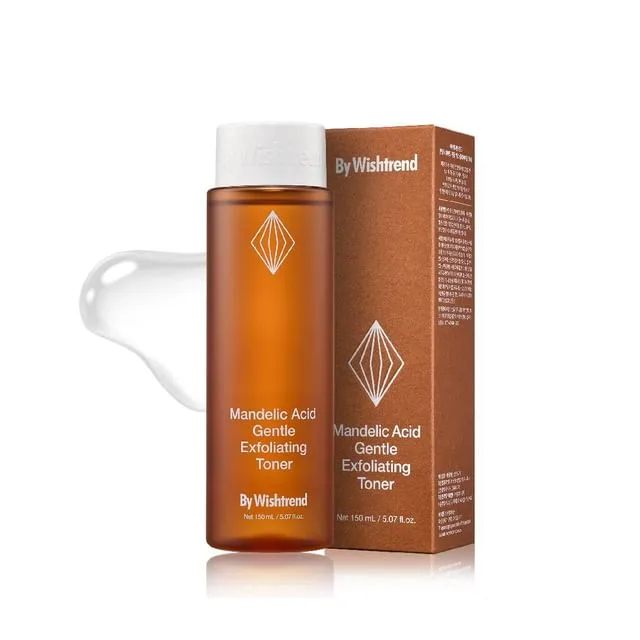 Sensitive Skin AHA Pick
 Mandelic Acid 5% Skin Prep Water
The mandelic acid prep water that quietly converted half of K-beauty Reddit away from glycolic — and for good reason. It delivers visible texture and PIH improvement at 5% without the sting or pigment risk that derails sensitive and darker skin, and it does so for around twenty bucks.
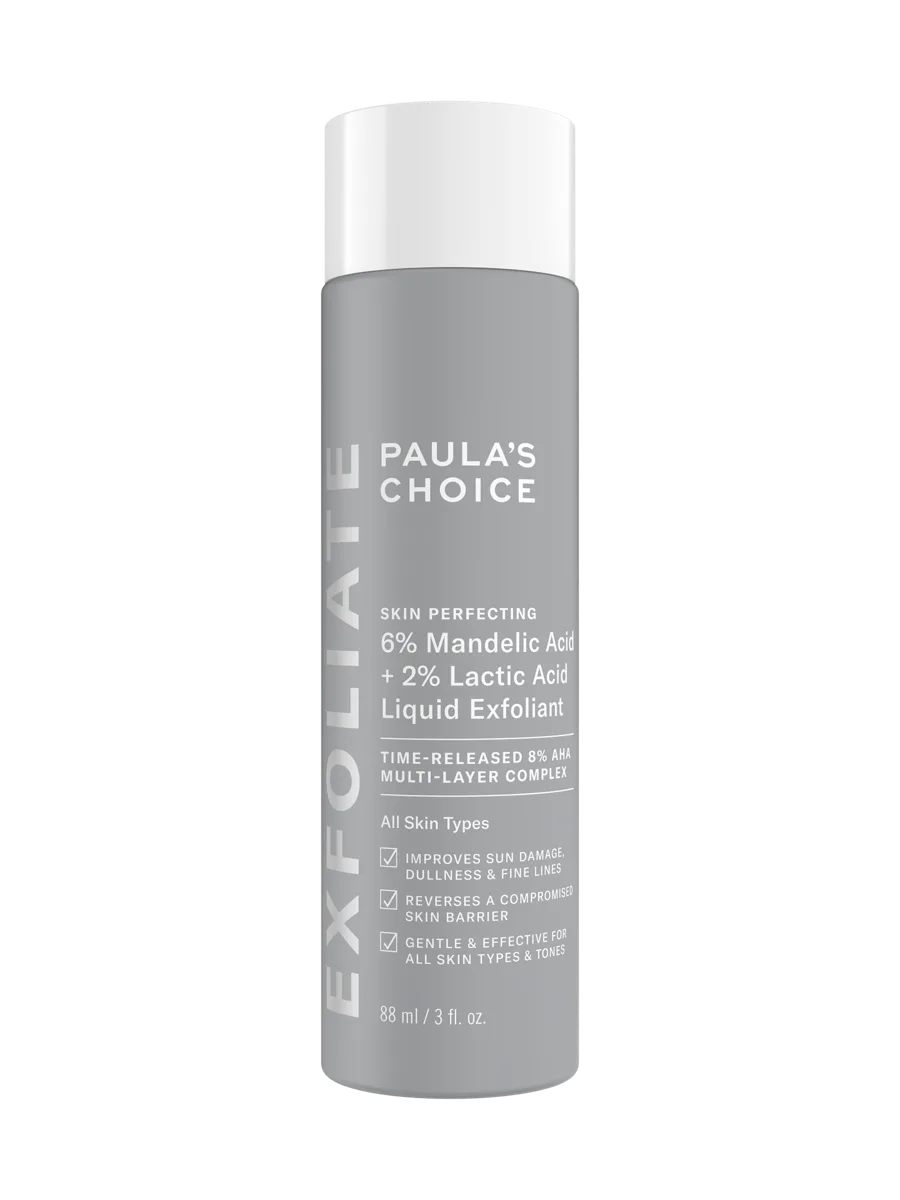 Gentle Glow Specialist
 Skin Perfecting 6% Mandelic Acid + 2% Lactic Acid Liquid Exfoliant
The exfoliant that finally treats sensitive and melanin-rich skin as the design priority rather than an afterthought. With a 4.8-star rating and 660+ reviews, this mandelic-lactic formula proves that gentleness and efficacy aren't mutually exclusive — it just requires smarter acid selection.
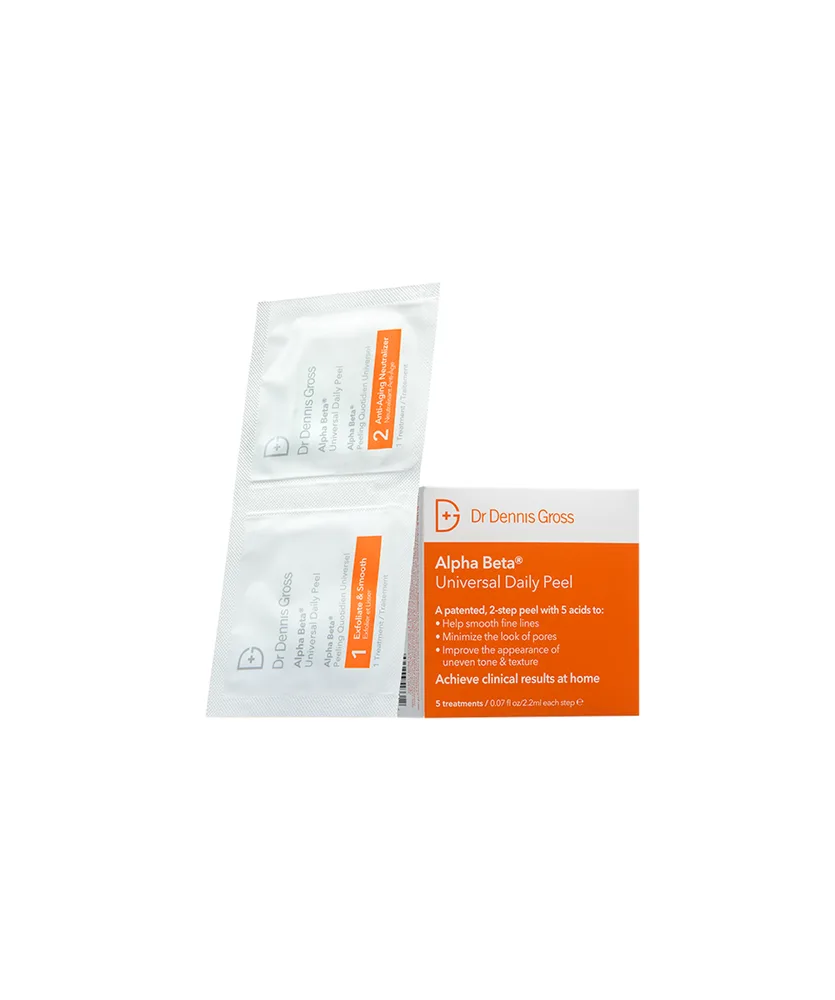 The Original At-Home Peel
 Alpha Beta Universal Daily Peel
The product that invented the at-home daily peel category in 2002 and still sits at the top of it. The five-acid Step 1 and retinol-antioxidant Step 2 deliver genuine resurfacing and anti-aging in a single five-minute routine. Expensive, but the results and track record justify the reputation.
 Beginner Exfoliant Pick
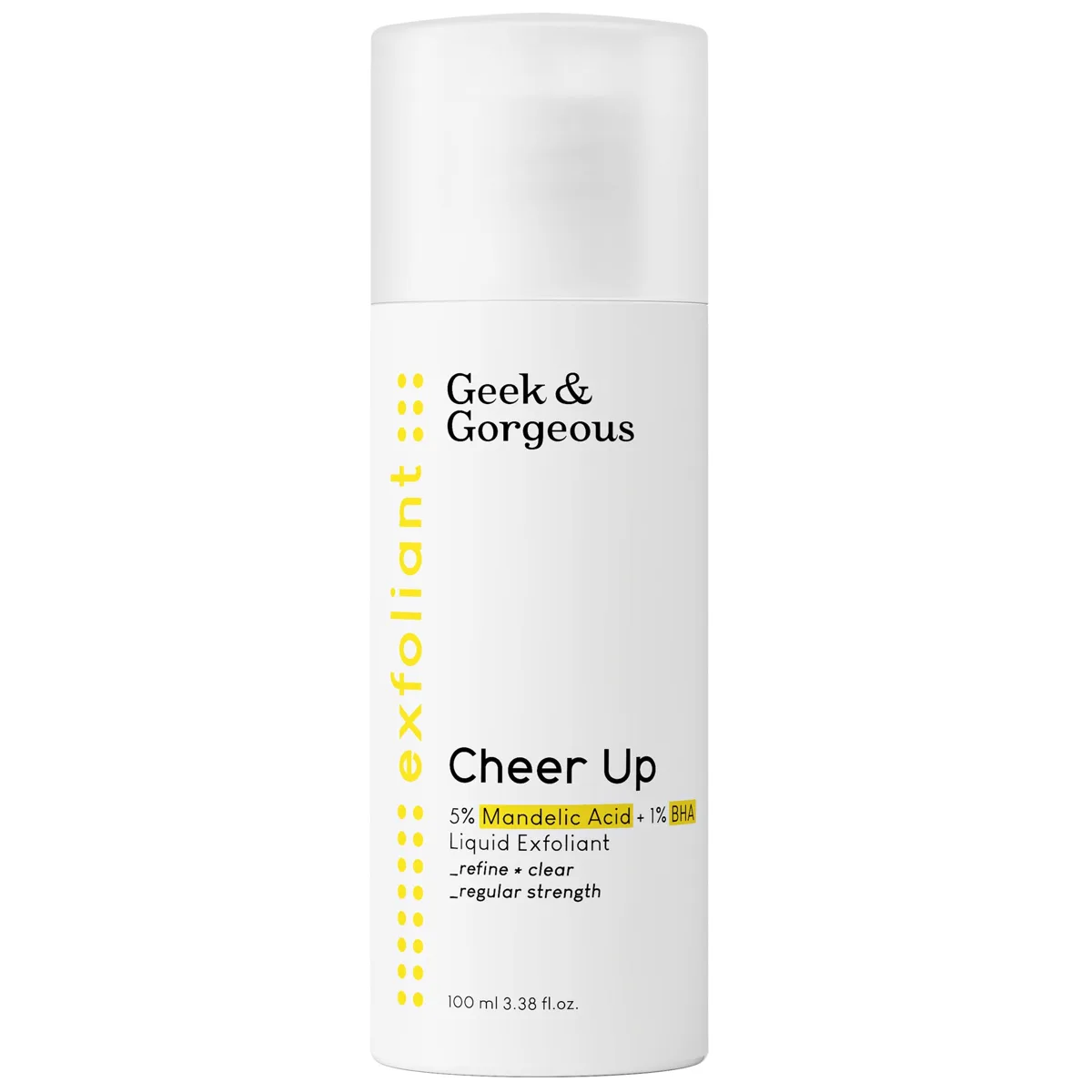
 Cheer Up 5% Mandelic + 1% Salicylic Exfoliant
A thoughtfully formulated beginner AHA/BHA exfoliant that uses mandelic acid — the gentlest mainstream AHA — in combination with low-strength salicylic, plus a sugar-humectant complex for comfort. At 100mL for around $12, the value is excellent, and the formulation choices reflect the kind of cosmetic-chemist thinking that separates this brand from typical indie exfoliants. Ideal for exfoliant newcomers and sensitive skin.
 At-Home Peel Benchmark
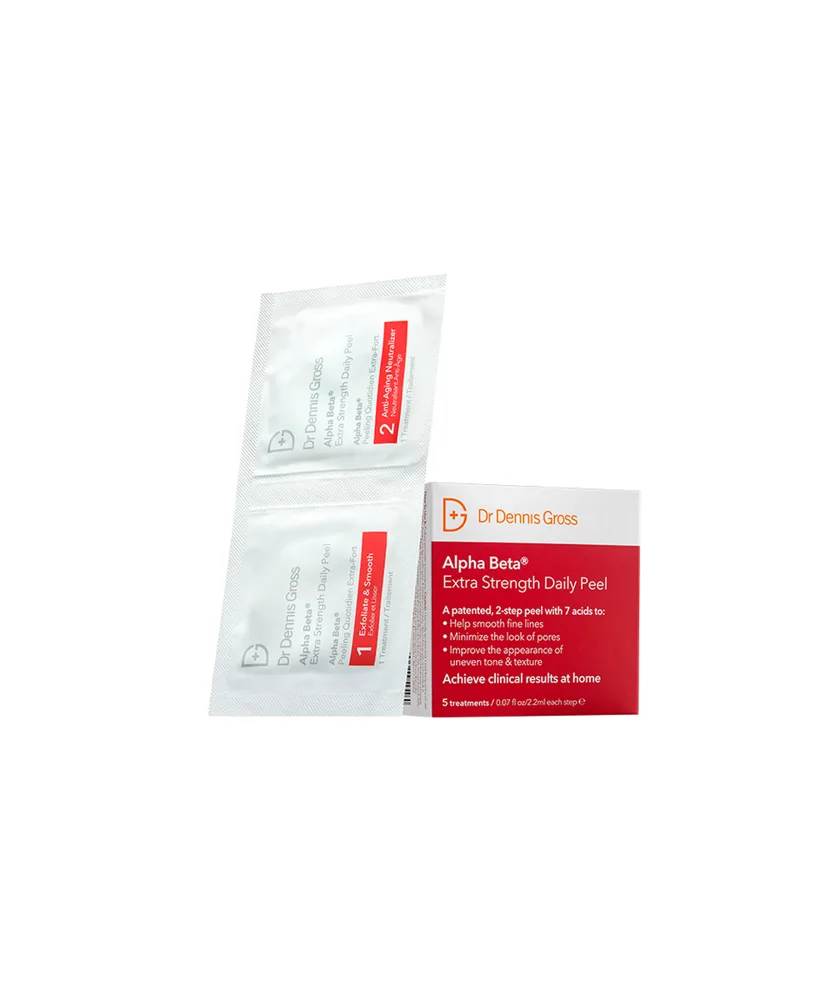
 Alpha Beta Extra Strength Daily Peel
The harder-hitting version of the at-home peel that started the category. Step 1 delivers a serious five-acid blend and Step 2 follows with retinol and antioxidants, making this a combined resurfacing and anti-aging treatment in a single five-minute routine. Expensive but genuinely effective for experienced exfoliant users.
 Pharma-Grade Budget BHA
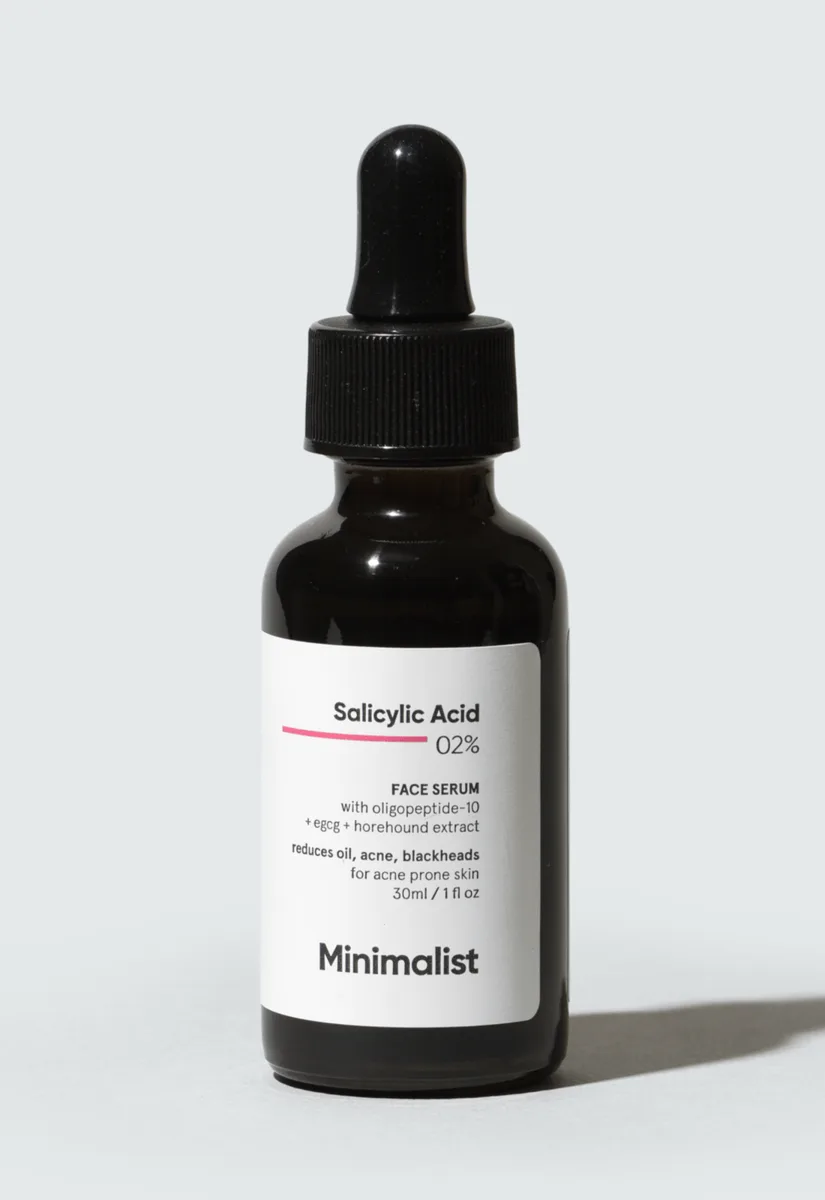
 2% Salicylic Acid Face Serum
A pharma-grade 2% BHA serum at pH 3.75, built around Merck's RonaCare salicylic acid and flanked by Marrubium Vulgare, EGCG glucoside, and Oligopeptide-10 — a supporting cast most budget salicylic serums do not bother with. At ₹599 for 30ml, it is one of the best acne serums on the Indian market and genuinely competitive with the prestige alternatives.
This review reflects our independent analysis of publicly available ingredient data, manufacturer claims, and verified user reviews. We are reader-supported — Amazon links may earn us a commission at no cost to you. We do not accept paid placements; rankings are based solely on the evidence.