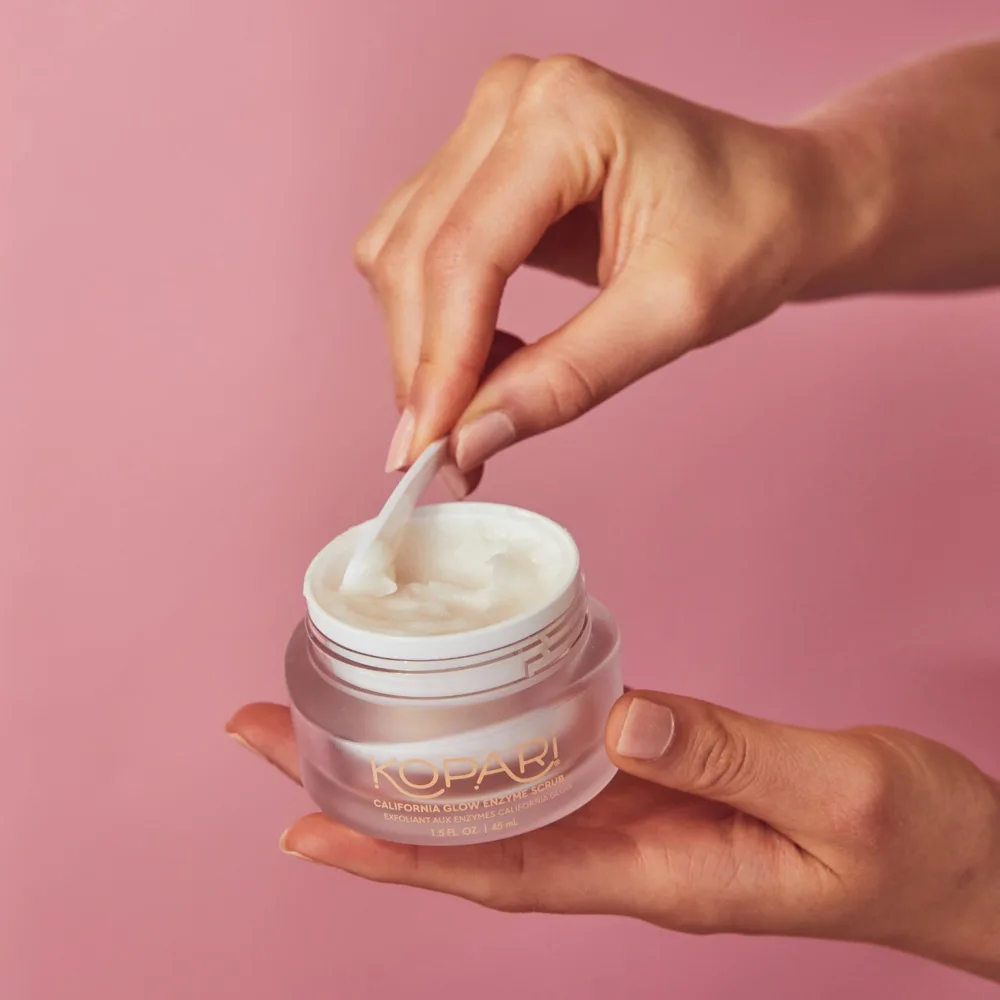
A pleasant-to-use dual-action scrub that delivers instant glow through enzyme and physical exfoliation in a coconut-rich base, but the high per-ounce price, small size, and presence of polyethylene microplastics undercut its clean beauty credentials.
California Glow Enzyme Face Scrub
A pleasant-to-use dual-action scrub that delivers instant glow through enzyme and physical exfoliation in a coconut-rich base, but the high per-ounce price, small size, and presence of polyethylene microplastics undercut its clean beauty credentials.
Score Breakdown
Where this product gains points and where it loses them — broken down across the four scoring pillars.
A pleasant dual-action scrub combining enzymatic and physical exfoliation, but the high price for a small size, presence of polyethylene microplastics, and citrus peel extracts as potential irritants bring down the overall score. The formulation is effective but not exceptional for the category.
Pros & Cons
- ✓Dual-action enzyme and physical exfoliation provides thorough yet gentle dead-skin removal
- ✓Coconut-oil-rich base prevents post-scrub dryness and leaves skin dewy
- ✓Bromelain and papain enzymes work on different protein bonds for broader coverage
- ✓Fine particle size avoids the micro-tear risk associated with rougher scrubs
- ✓Immediate visible glow and smoother texture after first use
- ✓Vegan, cruelty-free, and free from parabens, sulfates, and silicones
- ✗Contains polyethylene microplastics despite clean beauty brand positioning
- ✗Extremely small 1.5 oz size makes the $30 price feel steep for a scrub
- ✗Citrus peel extracts (orange and lemon) are potential photosensitizers and irritants
- ✗Too gentle for users seeking deep mechanical or chemical exfoliation
- ✗Natural fruit fragrance, while pleasant, means this isn't suitable for fragrance-free routines
Full Review
There is a certain cognitive dissonance in opening a product from a brand that maintains a 'no-no list' of over 200 ingredients and finding polyethylene — a microplastic — listed sixth on the INCI. Kopari's California Glow Enzyme Face Scrub wants to be two things at once: a clean beauty darling and an effective exfoliating scrub. It mostly succeeds at the second part, and that tension is worth examining.
The scrub's real innovation is its dual exfoliation approach. Bromelain from pineapple and papain from papaya are both proteolytic enzymes — they dissolve the keratin proteins that glue dead skin cells to your face. Where they differ is in the specific peptide bonds they target, which means using both creates a broader exfoliation sweep than either alone. These enzymes work at the surface level, dissolving the dull outer layer without the deeper penetration of glycolic or salicylic acid. It's exfoliation with a lighter touch, which explains why users with sensitive-leaning skin report tolerating it surprisingly well.
Layered on top of the enzymatic action are physical exfoliant particles — polylactic acid (PLA), a biodegradable polymer derived from plant sugars, plus the aforementioned polyethylene, which is decidedly not biodegradable. The particle size is fine enough that the scrub doesn't feel abrasive, more like a soft polish than a sandblast. Corn starch rounds out the physical component, adding a gentle, dissolvable buffing element that softens as you massage.
The base formula is pure Kopari DNA: coconut fruit extract provides a rich, balm-like vehicle that melts on contact with warm skin. This transforms the scrub experience from the typical gritty paste-and-rinse affair into something that feels closer to a cleansing balm with benefits. Your skin doesn't feel stripped afterward — the emollient base leaves a light, dewy layer that makes the post-scrub glow look genuine rather than the raw-and-shiny look that harsher scrubs produce.
Panthenol adds post-exfoliation soothing, and a parade of fruit extracts — melon, apple, cucumber, orange, and lemon — contribute antioxidants and a gorgeous tropical scent. That scent is a highlight, genuinely. If you've ever walked past a smoothie bar and wanted your skincare to smell like that, this delivers. The flip side is that the citrus extracts, particularly orange peel and lemon peel, contain limonene and other compounds that are known photosensitizers and potential irritants. For truly sensitive skin, these natural fragrances are more concerning than the synthetic kind, because people tend to assume 'natural' means 'gentle.'
In practice, the scrub performs exactly as advertised for its target audience. You massage it on dry skin, feel the fine particles working alongside the melting balm, rinse, and reveal skin that looks noticeably smoother and more luminous. The glow lasts the rest of the evening and into the next morning. Pores look temporarily refined. Texture feels more even. It's a satisfying sensorial experience that makes exfoliation feel like self-care rather than maintenance.
But then you look at the tube, realize you've used about a quarter of the product in three uses, and do some uncomfortable math. At $30 for 1.5 ounces, this is priced like a luxury product but sized like a sample. Twice-weekly use gives you roughly six to eight weeks before you're reordering. That's about $3.75-5.00 per use for what amounts to a scrub — a category where effective options exist at a fraction of the cost.
The polyethylene issue is worth addressing directly. Kopari positions itself as a clean beauty brand, and by most measures it earns that label — no parabens, no sulfates, no silicones, Leaping Bunny certified. But polyethylene is a plastic polymer that enters waterways and doesn't biodegrade. Its presence in a product marketed alongside polylactic acid (an explicitly biodegradable exfoliant) feels like an oversight at best, or a formulation compromise at worst. The PLA alone could handle the physical exfoliation; the polyethylene feels unnecessary.
All of this said, the scrub does what it promises. It exfoliates gently, it smells wonderful, it leaves skin genuinely glowing, and it doesn't over-strip. For someone who wants an enzyme-forward scrub in a nourishing base and isn't troubled by the price or the polyethylene, it's a pleasant addition to a routine. But for $30 an ounce, and from a clean beauty brand, the bar is higher than 'pleasant.'
Formula
Key Ingredients
The hero actives that drive this product's performance.
| Ingredient | Function | Evidence |
|---|---|---|
| Bromelain (Pineapple Enzyme) | A proteolytic enzyme derived from pineapple that dissolves dead skin cells by breaking down the keratin proteins binding them to the surface. Works in tandem with papain in this formula to provide dual-enzyme chemical exfoliation that complements the physical scrub particles. | promising |
| Papain (Papaya Enzyme) | A second proteolytic enzyme that acts on different peptide bonds than bromelain, expanding the range of dead cell removal. Together with bromelain, this dual-enzyme approach provides more thorough exfoliation than either enzyme alone, while remaining gentler than traditional acid exfoliants. | promising |
| Cocos Nucifera (Coconut) Fruit Extract | Kopari's signature ingredient provides emollient fatty acids that cushion the physical exfoliation and prevent the scrub from stripping the skin. In this balm-like base, coconut extract delivers moisture while the enzymes and physical particles do the exfoliating work. | well-established |
| Panthenol | Included as a post-exfoliation soother and moisture-locker, panthenol helps calm any micro-irritation caused by the physical and enzymatic exfoliation while supporting barrier recovery in freshly buffed skin. | well-established |
| Polylactic Acid | A biodegradable physical exfoliant derived from plant sugars that provides gentle mechanical buffing. These fine particles dissolve over time, offering a more environmentally conscious alternative to traditional scrub beads. | limited |
Full INCI List
Cetyl Ethylhexanoate, Polyglyceryl-3 Caprate, Caprylic/Capric Triglyceride, Stearyl Palmitate, Polylactic Acid, Polyethylene, Propanediol, Water (Aqua), Bromelain, Papain, Cucumis Melo (Melon) Fruit Extract, Cocos Nucifera Fruit Extract, Pyrus Malus (Apple) Fruit, Cucumis Sativus (Cucumber) Fruit Extract, Citrus Aurantium Dulcis (Orange) Peel Extract, Rosa Damascena Flower Extract, Panthenol, 1,2-Hexanediol, Caprylyl Glycol, Zea Mays Starch, Xanthan Gum, Sorbitan Sesquioleate, Sorbitan Oleate, Decylglucoside Crosspolymer, Citric Acid, Citrus Limon (Lemon) Peel Extract, Potassium Sorbate, Sodium Benzoate
Product Flags
✗ Fragrance Free✓ Alcohol Free✗ Oil Free✓ Silicone Free✓ Paraben Free✓ Sulfate Free✓ Cruelty Free✓ Vegan✗ Fungal Acne Safe
Potential Irritants
Citrus Aurantium Dulcis (Orange) Peel ExtractCitrus Limon (Lemon) Peel Extract
Common Allergens
Rosa Damascena Flower Extract
Compatibility
Skin Match
Best For
Works For
Not Ideal For
Addresses These Conditions
dullness texture large pores dark spots
Use With Caution
Avoid With
eczema compromised skin barrier
Routine Step
treatment
Time of Day
PM
Pregnancy Safe
Yes ✓
Layering Tips
Use 1-2 times per week after cleansing on dry skin. Massage gently in circular motions for 30-60 seconds, then rinse thoroughly. Follow with a hydrating toner and moisturizer. Avoid using on the same day as strong chemical exfoliants or retinoids.
Results Timeline
Immediate smoothness and glow after first use. With twice-weekly use, noticeable improvement in skin texture and brightness within 2-3 weeks. Pore appearance and overall radiance improve over 4-6 weeks.
Pairs Well With
hydrating tonersceramide moisturizersvitamin C serums the following morning
Conflicts With
strong AHA/BHA exfoliants on the same dayretinoids on the same evening
Sample AM Routine
- Gentle cleanser
- Vitamin C serum
- Moisturizer
- Sunscreen
Sample PM Routine
- Oil cleanser
- Water-based cleanser
- THIS PRODUCT (1-2x/week)
- Hydrating toner
- Moisturizer
Evidence
Who Should Skip
- Contains polyethylene microplastics despite clean beauty brand positioning
- Extremely small 1.5 oz size makes the $30 price feel steep for a scrub
- Citrus peel extracts (orange and lemon) are potential photosensitizers and irritants
- Too gentle for users seeking deep mechanical or chemical exfoliation
Science & Expert Perspective
The Science
The Kopari California Glow Enzyme Face Scrub relies on two proteolytic enzymes as its primary chemical exfoliating agents. Bromelain, extracted from pineapple stems, is a cysteine protease that cleaves peptide bonds in dead keratinocytes. Research published in Biotechnology Research International (2012) documented bromelain's anti-inflammatory, anti-edematous, and fibrinolytic activities, with topical applications showing wound-healing and skin-debridement properties. In the context of this scrub, bromelain's protein-dissolving action targets the outermost corneocytes without affecting viable cells below.
Papain, derived from papaya latex, is a second cysteine protease with complementary specificity. A study in the Journal of the Society of Cosmetic Chemists (1969) established papain's efficacy as a topical keratolytic agent, demonstrating its ability to selectively digest dead tissue while leaving healthy skin intact. The combination of bromelain and papain targets a broader range of peptide bonds than either enzyme alone, which theoretically provides more complete surface exfoliation.
The physical exfoliation component uses polylactic acid (PLA), a biodegradable polyester derived from fermented plant starch. PLA particles provide mechanical buffing that complements the enzymatic action. However, the formula also includes polyethylene, a non-biodegradable synthetic polymer used for its uniform particle size and smooth texture.
Panthenol (pro-vitamin B5) in the formula serves as a post-exfoliation soother. Studies have demonstrated that panthenol improves stratum corneum hydration, reduces transepidermal water loss, and accelerates epidermal wound healing — properties that help mitigate the barrier disruption caused by exfoliation.
References
- Properties and Therapeutic Application of Bromelain: A Review — Biotechnology Research International (2012)
Dermatologist Perspective
Dermatologists generally view enzyme-based exfoliants as a gentler alternative to chemical peels for patients who need surface exfoliation without deeper acid penetration. Board-certified dermatologists note that bromelain and papain work selectively on dead tissue, making them suitable for patients who cannot tolerate glycolic or salicylic acid treatments. However, dermatologists would flag the citrus peel extracts in this formula as potential photosensitizers and recommend strict sunscreen use the day after application. The dual physical-plus-enzymatic approach is considered effective for mild texture concerns and dullness, though dermatologists typically recommend pure chemical exfoliants for more significant skin concerns like acne scarring or hyperpigmentation.
Guidance
Usage Guide
How to Use
Apply a quarter-sized amount to dry, clean skin. Massage gently in small circular motions for 30-60 seconds, allowing the enzymes time to activate while the physical particles buff the surface. Rinse thoroughly with warm water and pat dry. Follow with a hydrating toner and moisturizer. Use 1-2 times per week, preferably in the evening. Always apply sunscreen the following morning, as exfoliation increases sun sensitivity.
Value Assessment
At $30 for just 1.5 fl oz, this is one of the more expensive scrubs on a per-ounce basis. With twice-weekly use, the tube lasts approximately 6-8 weeks, putting the cost per use around $3.75-5.00. No larger size is currently available, which limits the value proposition further. While the dual enzyme formulation and coconut-rich base feel luxurious, the price is difficult to justify when effective enzyme exfoliants from established brands come in larger sizes at lower price points. The clean beauty positioning carries a premium, but the presence of polyethylene undermines part of that value narrative.
Who Should Buy
Anyone with normal to combination skin looking for a sensorial, multi-action exfoliator that delivers immediate glow without harsh scrubbing. Ideal for those who enjoy clean beauty products with a tropical aesthetic and don't mind paying a premium for a pleasant-to-use scrub.
Who Should Skip
Those with sensitive skin, rosacea, or active eczema should avoid due to the citrus extracts and physical exfoliation. Anyone on a budget will find better value in larger-format enzyme or acid exfoliants. If microplastic-free formulations are important to you, the polyethylene content is a dealbreaker.
Ready to try Kopari California Glow Enzyme Face Scrub?
Details
Details
Texture
A rich, balm-like cream with fine granular particles suspended throughout. Melts into the skin on contact with a slightly oily feel, similar to a cleansing balm with scrub beads.
Scent
Tropical fruit fragrance from the natural pineapple, papaya, and citrus extracts — sweet and fresh, reminiscent of a fruit smoothie.
Packaging
Small squeeze tube with a flip-top cap. Travel-friendly but the 1.5 oz size feels miniature for the price point.
Finish
glowydewynatural
What to Expect on First Use
Skin feels immediately polished and radiant after the first use. No harsh scraping or redness — the enzyme-plus-physical combination feels more like a luxe facial treatment than a traditional scrub. The oily base leaves a slight glow.
How Long It Lasts
6-8 weeks with twice-weekly use on face only.
Period After Opening
12 months
Best Season
All Year
Certifications
Leaping Bunny Cruelty-Free
Background
The Why
Kopari built its brand identity around coconut oil, and this scrub extends that ethos into the exfoliation category. The California Glow line was designed to evoke a post-surf, sun-kissed radiance without UV exposure, using tropical fruit enzymes as the active exfoliating agents alongside the brand's signature coconut base.
About Kopari Established Brand (5–20 years)
Kopari Beauty was founded in 2015 in San Diego, California, built around coconut-derived formulations. The brand is cruelty-free and vegan, maintains a 'no-no list' of over 200 avoided ingredients, and has grown from a DTC startup into a widely distributed clean beauty brand available at Sephora and Ulta. Its formulations are straightforward and ingredient-conscious, though the brand lacks the clinical research backing of dermatologist-developed lines.
Brand founded: 2015 · Product launched: 2021
Myth vs. Reality
Myths & Misconceptions
Myth
Physical scrubs are always bad for your skin and cause micro-tears.
Reality
The micro-tear concern applies to rough, irregularly shaped particles like crushed walnut shells. This scrub uses fine, rounded polylactic acid beads and soft corn starch particles that buff gently without causing micro-damage when used with light pressure.
Myth
Enzyme exfoliants work the same as acid exfoliants.
Reality
Enzyme exfoliants like bromelain and papain break down proteins specifically, working on the dead cell layer without penetrating deeper. Acid exfoliants (AHAs/BHAs) work differently by disrupting intercellular bonds at varying depths. Enzymes are generally gentler and more surface-level.
FAQ
Frequently Asked Questions
How often should I use Kopari California Glow Enzyme Scrub?
Use 1-2 times per week for best results. This scrub combines physical and enzymatic exfoliation, so more frequent use could over-exfoliate and compromise your skin barrier. Start with once weekly and increase to twice if your skin tolerates it well.
Is Kopari California Glow Scrub good for sensitive skin?
While the enzymatic exfoliation is relatively gentle, this scrub contains citrus peel extracts (orange and lemon) that can irritate sensitive skin. The physical exfoliant particles add another layer of stimulation. If you have sensitive or reactive skin, patch test first and use sparingly.
Does Kopari California Glow Scrub contain microplastics?
The formula does contain polyethylene, which is classified as a microplastic. It also contains polylactic acid, which is a biodegradable alternative. If avoiding microplastics is a priority, this is worth noting despite the brand's clean beauty positioning.
Can I use Kopari Enzyme Scrub with retinol?
Avoid using this scrub on the same evening as retinol, as combining physical and enzymatic exfoliation with retinol can cause excessive irritation. Use them on alternate evenings, or apply this scrub earlier in the week and retinol on other nights.
What skin type is the Kopari California Glow Scrub best for?
This scrub works best for normal to combination skin that needs brightening and texture refinement. Oily skin types may enjoy the polished finish, while dry skin benefits from the coconut-oil-rich base. Avoid if you have actively inflamed or compromised skin.
Community
Community Voices
Common Praise
"Leaves skin immediately smooth and glowing"
"Gentle enough for sensitive-leaning skin despite being a scrub"
"Smells amazing with a tropical fruit scent"
"Balm-like texture melts into skin nicely"
Common Complaints
"Very small size for the price — runs out quickly"
"Too gentle for those wanting deep exfoliation"
"Contains polyethylene microplastics despite clean beauty positioning"
"Citrus extracts may irritate truly sensitive skin"
Appears In
best enzyme scrub for dull skin best exfoliant for normal skin best clean beauty face scrub best face scrub for glow
Related Conditions
dullness texture large pores dark spots
Related Ingredients
You Might Also Like
 Sensitive Skin AHA Pick
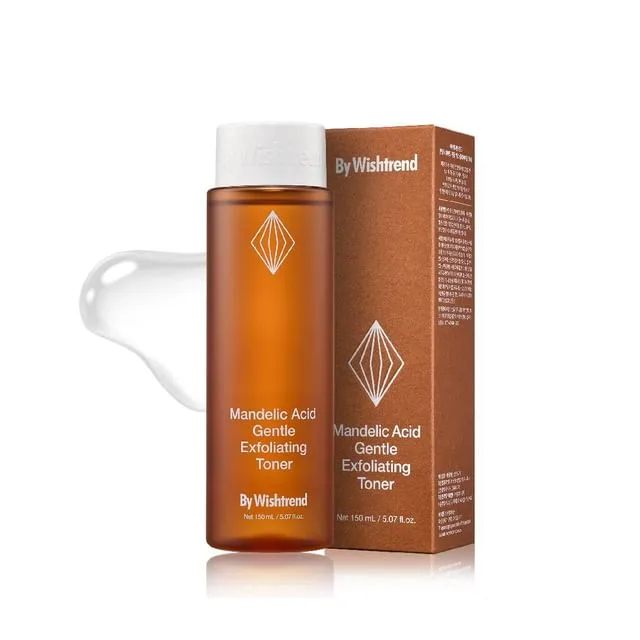
 Mandelic Acid 5% Skin Prep Water
The mandelic acid prep water that quietly converted half of K-beauty Reddit away from glycolic — and for good reason. It delivers visible texture and PIH improvement at 5% without the sting or pigment risk that derails sensitive and darker skin, and it does so for around twenty bucks.
 Gentle Glow Specialist
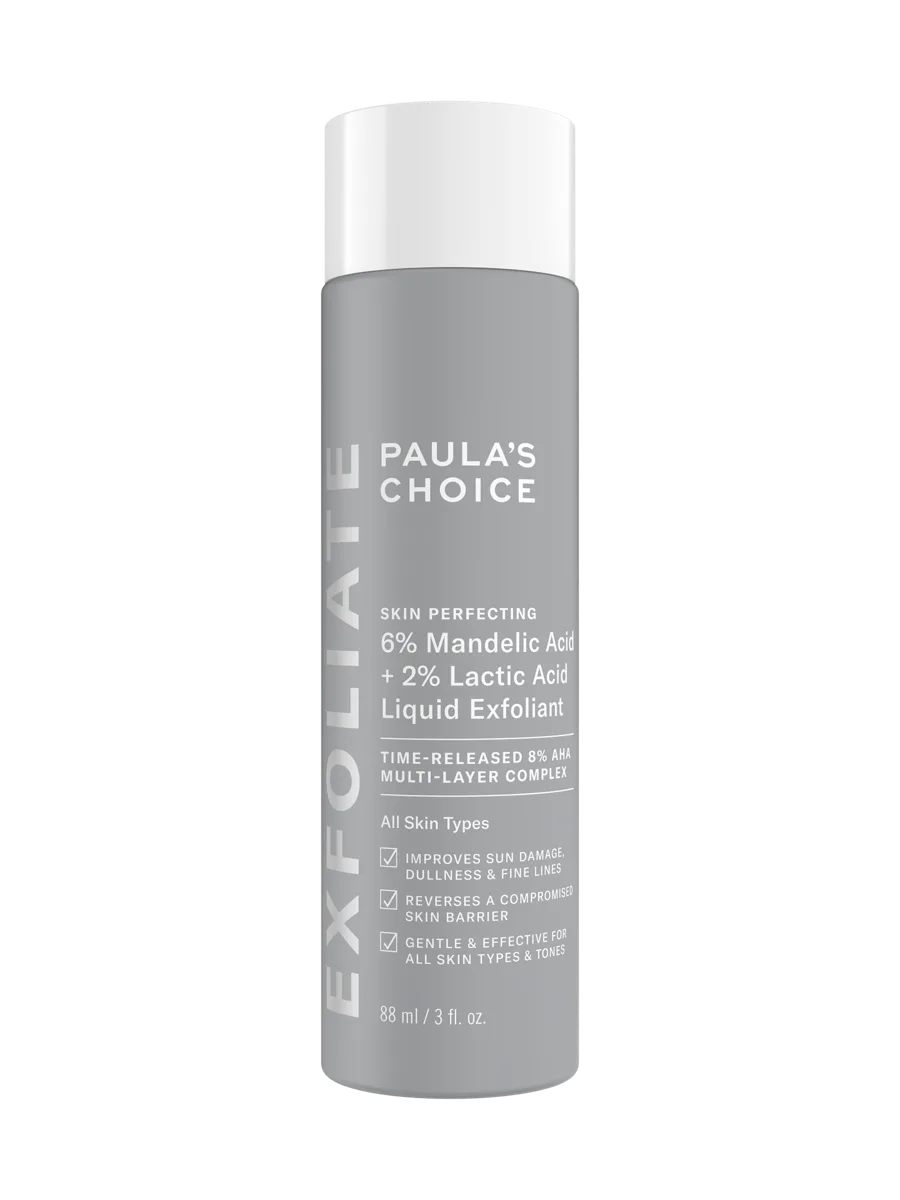
 Skin Perfecting 6% Mandelic Acid + 2% Lactic Acid Liquid Exfoliant
The exfoliant that finally treats sensitive and melanin-rich skin as the design priority rather than an afterthought. With a 4.8-star rating and 660+ reviews, this mandelic-lactic formula proves that gentleness and efficacy aren't mutually exclusive — it just requires smarter acid selection.
 The Original At-Home Peel
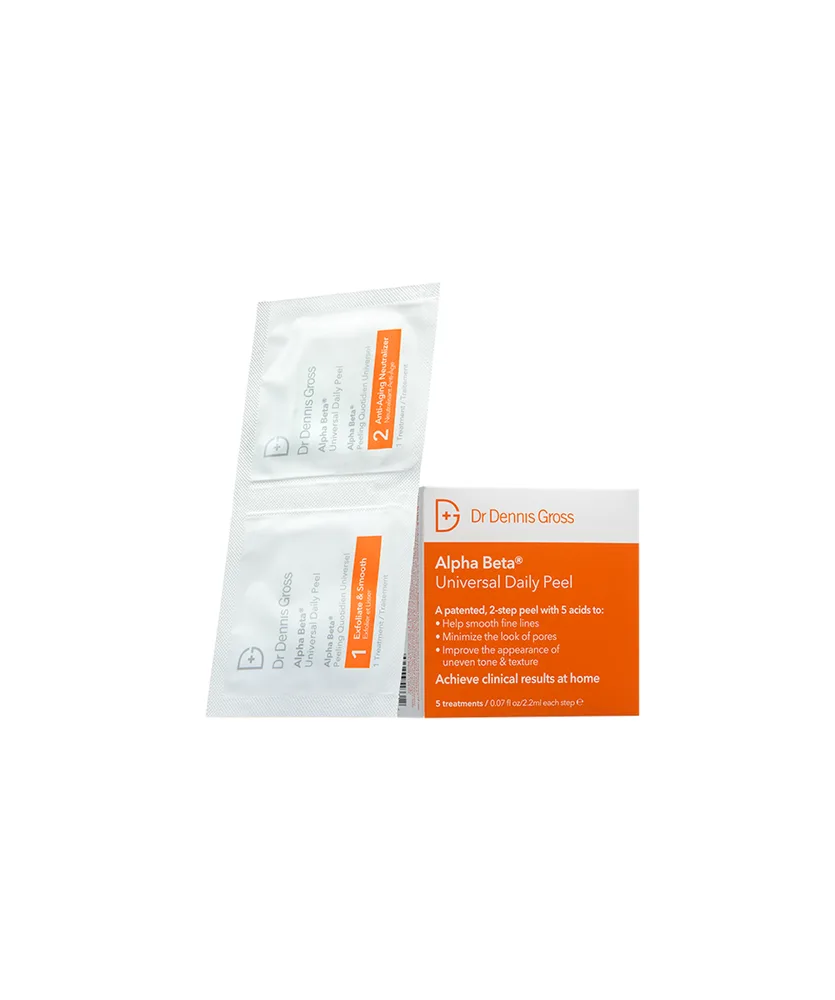
 Alpha Beta Universal Daily Peel
The product that invented the at-home daily peel category in 2002 and still sits at the top of it. The five-acid Step 1 and retinol-antioxidant Step 2 deliver genuine resurfacing and anti-aging in a single five-minute routine. Expensive, but the results and track record justify the reputation.
 Beginner Exfoliant Pick
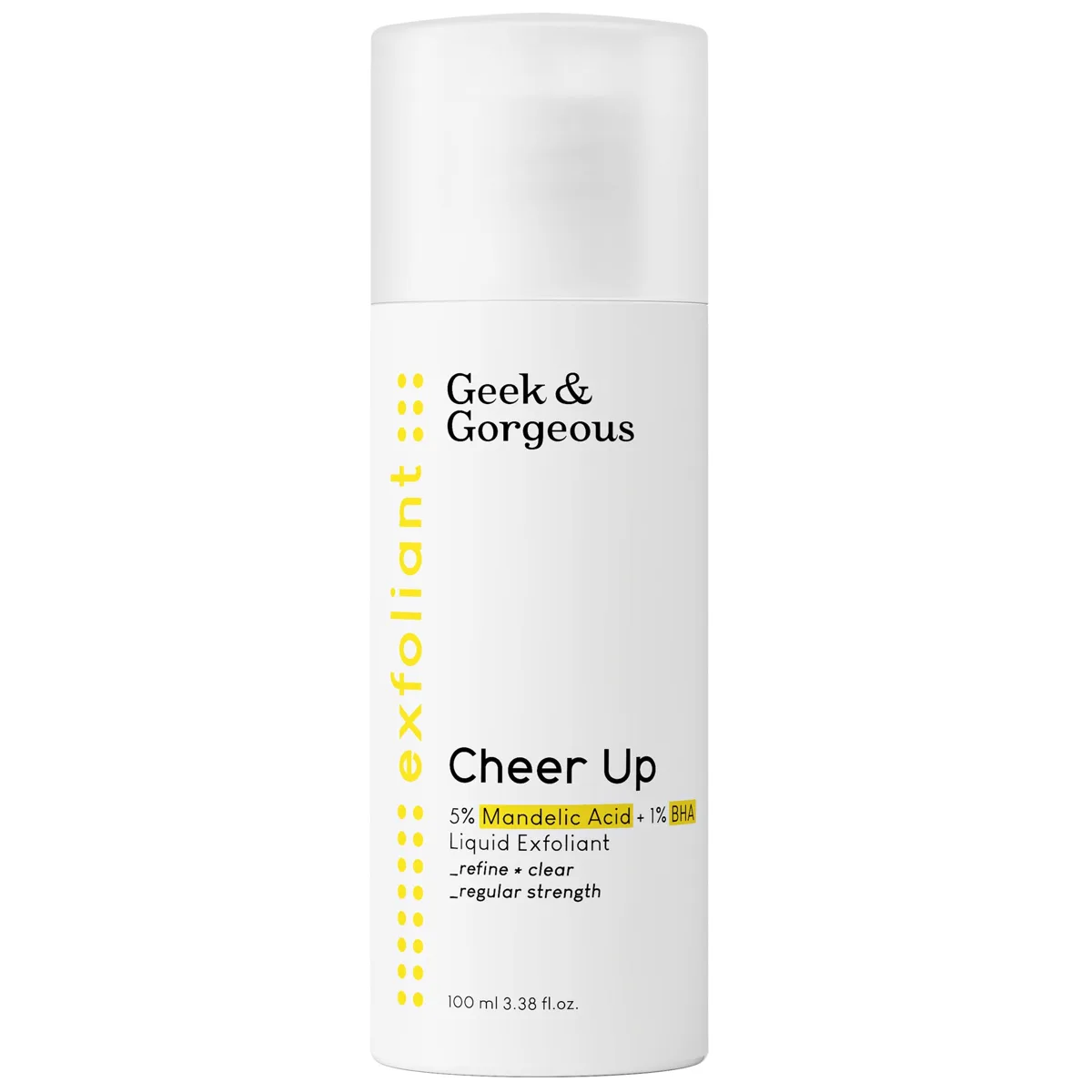
 Cheer Up 5% Mandelic + 1% Salicylic Exfoliant
A thoughtfully formulated beginner AHA/BHA exfoliant that uses mandelic acid — the gentlest mainstream AHA — in combination with low-strength salicylic, plus a sugar-humectant complex for comfort. At 100mL for around $12, the value is excellent, and the formulation choices reflect the kind of cosmetic-chemist thinking that separates this brand from typical indie exfoliants. Ideal for exfoliant newcomers and sensitive skin.
 At-Home Peel Benchmark
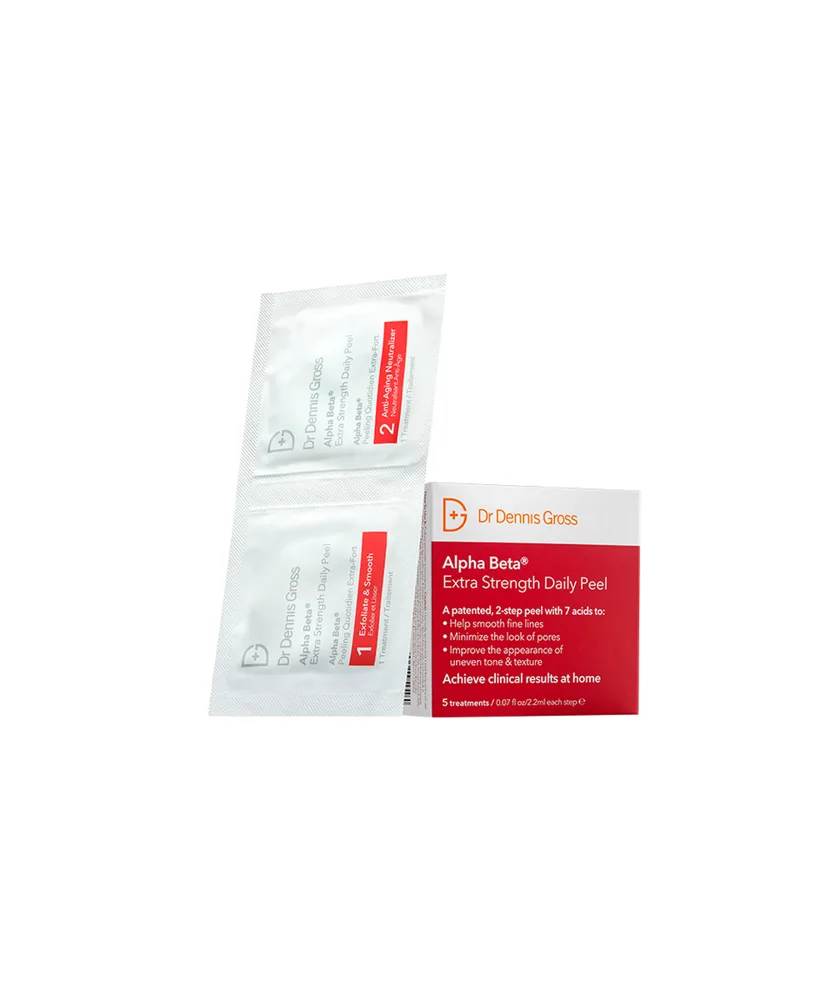
 Alpha Beta Extra Strength Daily Peel
The harder-hitting version of the at-home peel that started the category. Step 1 delivers a serious five-acid blend and Step 2 follows with retinol and antioxidants, making this a combined resurfacing and anti-aging treatment in a single five-minute routine. Expensive but genuinely effective for experienced exfoliant users.
 Pharma-Grade Budget BHA
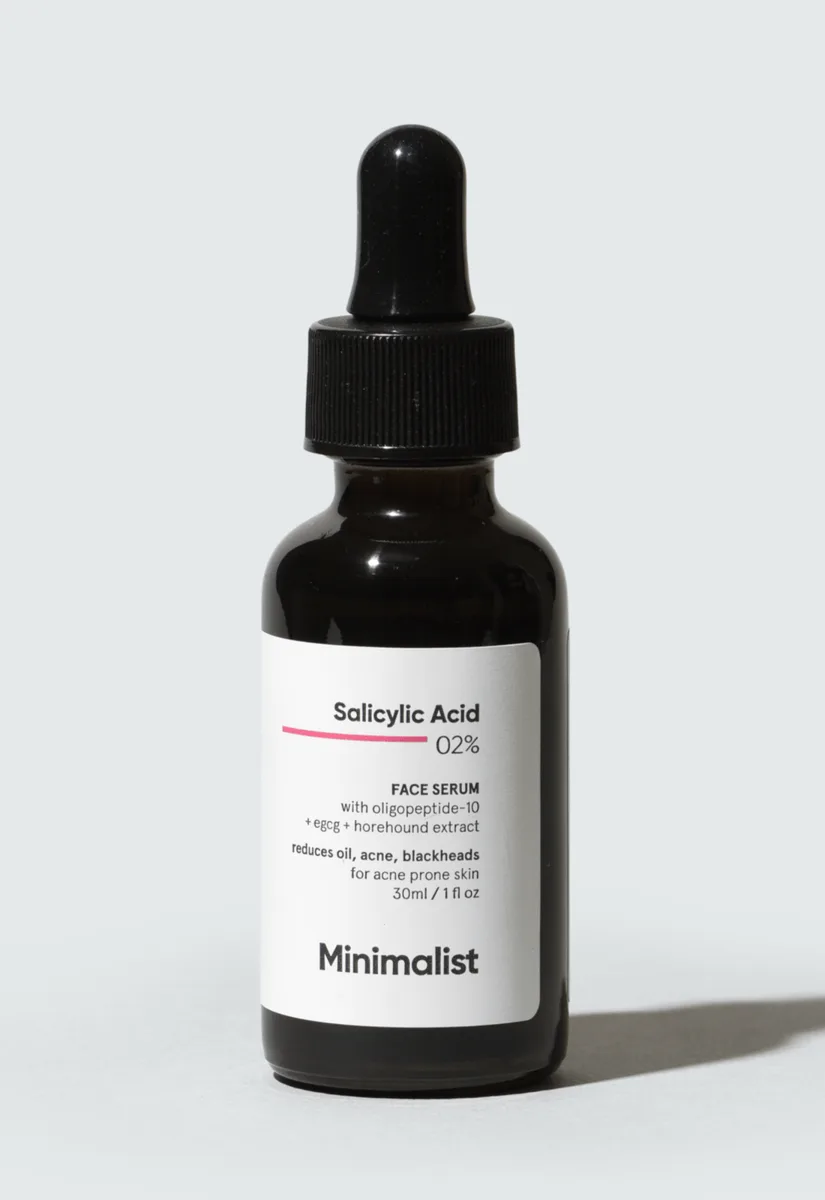
 2% Salicylic Acid Face Serum
A pharma-grade 2% BHA serum at pH 3.75, built around Merck's RonaCare salicylic acid and flanked by Marrubium Vulgare, EGCG glucoside, and Oligopeptide-10 — a supporting cast most budget salicylic serums do not bother with. At ₹599 for 30ml, it is one of the best acne serums on the Indian market and genuinely competitive with the prestige alternatives.
This review reflects our independent analysis of publicly available ingredient data, manufacturer claims, and verified user reviews. We are reader-supported — Amazon links may earn us a commission at no cost to you. We do not accept paid placements; rankings are based solely on the evidence.