One of the most thoughtfully formulated barrier repair serums on the market. The tamanu oil, niacinamide, and ceramide combination addresses barrier damage from multiple angles, and the seven years of consistently glowing reviews confirm that the formula delivers on its promise. A genuine rescue product for over-exfoliated, over-retinol'd, or otherwise stressed skin.
Great Barrier Relief
One of the most thoughtfully formulated barrier repair serums on the market. The tamanu oil, niacinamide, and ceramide combination addresses barrier damage from multiple angles, and the seven years of consistently glowing reviews confirm that the formula delivers on its promise. A genuine rescue product for over-exfoliated, over-retinol'd, or otherwise stressed skin.
Score Breakdown
Where this product gains points and where it loses them — broken down across the four scoring pillars.
An exceptionally well-formulated barrier repair serum with a thoughtful combination of skin-identical lipids, bioactive oils, and soothing agents. The niacinamide, ceramide, squalane, and urea create a multi-layered approach to barrier restoration that is both scientifically sound and practically effective.
Pros & Cons
- ✓Multi-pathway barrier repair addressing ceramides, fatty acids, and NMF simultaneously
- ✓Tamanu oil provides documented anti-inflammatory and wound-healing properties
- ✓Niacinamide supports internal ceramide production while external ceramide NP supplements it
- ✓Fragrance-free formula with minimal irritant risk for compromised skin
- ✓Fast-acting — noticeable soothing and calming from first application
- ✓Lightweight oil-serum texture absorbs quickly without greasy residue
- ✓Dermatologist endorsed and independently rated 100/100 for effectiveness
- ✓Affordable pricing relative to formulation quality
- ✗Green color from tamanu oil looks unusual before absorption
- ✗Oil-based texture may feel too heavy for very oily skin types
- ✗Not fungal acne safe due to polysorbate 60 and fatty acid esters
- ✗Earthy tamanu oil scent is noticeable though not unpleasant
- ✗Glass dropper bottle is less travel-friendly than a tube format
Full Review
The story of Great Barrier Relief starts with a damaged face. Liah Yoo, a former L'Oréal marketer who had built a substantial YouTube following by reviewing skincare products, committed the classic enthusiast sin: she used too many actives at once and destroyed her skin barrier. The tight, stinging, perpetually flushed skin that followed was the catalyst for Krave Beauty and for this specific product — a formula designed by someone who had personally experienced the problem it was meant to solve.
That origin story matters because it shaped the formulation philosophy. Great Barrier Relief is not a serum that tries to do everything. It is not brightening plus anti-aging plus hydrating plus barrier repair. It is barrier repair, full stop, with every ingredient chosen to serve that single purpose. The restraint is unusual in a market that rewards multi-tasking claims, and it is precisely what makes this product effective.
The formula centers on tamanu oil, listed third after water and propanediol, which signals a meaningful concentration. Tamanu oil is not a trendy ingredient — it is an unglamorous, dark green oil with a herbaceous smell that has been used in Polynesian traditional medicine for centuries. What caught the attention of the skincare world is its documented anti-inflammatory and wound-healing properties: studies have shown calophyllolide, a compound unique to tamanu oil, has anti-inflammatory activity comparable to some pharmaceutical agents. It also contains calophyllic acid and inophyllic acid, which have demonstrated antibacterial properties — relevant for barrier-compromised skin that is more vulnerable to microbial issues.
The niacinamide sits fifth on the INCI list, suggesting a concentration likely in the two to four percent range — enough to meaningfully support ceramide synthesis in the skin. This is a clever strategic choice: rather than just applying ceramide NP topically (which appears later in the formula), the niacinamide helps your skin produce its own ceramides from within. The external ceramide supplements what the niacinamide encourages your skin to build.
The supporting cast is where the formulation intelligence really shows. Squalane provides lightweight, skin-identical emollience. Urea, a natural moisturizing factor component, enhances hydration at the cellular level. Safflower and rosehip oils deliver linoleic acid, an essential fatty acid that barrier-compromised skin is often deficient in. Soybean sterols mimic cholesterol, the third key component of the skin's lipid matrix alongside ceramides and fatty acids. Oat kernel flour provides soothing anti-inflammatory properties. Trehalose and saccharide isomerate offer additional water-binding capabilities.
What emerges is a formula that addresses barrier repair through nearly every available mechanism: direct lipid supplementation, enhanced ceramide production, NMF replenishment, anti-inflammatory intervention, and fatty acid correction. Each ingredient has a specific role, and together they reconstruct the three pillars of the skin barrier — ceramides, cholesterol, and fatty acids — from multiple directions.
The texture is distinctive. A light oil-serum hybrid with an unmistakable green tint from the tamanu oil, it applies more like a facial oil than a traditional serum but absorbs far faster than you would expect. Within two minutes, the green disappears entirely into the skin, leaving a comfortable satin finish that is neither matte nor dewy. It layers well under moisturizer for those who want additional occlusion, or it can stand alone as the last skincare step for people with normal or combination skin.
The scent deserves mention because it surprises people. There is no added fragrance, but tamanu oil has its own earthy, herbaceous aroma — somewhere between green tea and wet soil. It is subtle, dissipates quickly, and most users grow to associate it with the immediate soothing sensation the product provides. If you are accustomed to fragrance-free products smelling like nothing, this will be different.
Results come quickly, which is part of why this product has earned such a devoted following. On irritated or over-exfoliated skin, the first application provides an immediate calming sensation — that tight, stinging feeling softens noticeably within minutes. Within two to three days of consistent use, visible redness typically diminishes. By the two-week mark, skin generally feels noticeably more resilient and less reactive. This fast response time makes it particularly valuable as a rescue product: the thing you reach for when you have overdone it with your retinoid, used an exfoliant on already-sensitized skin, or experienced barrier damage from environmental exposure.
The product has earned endorsements from multiple dermatologists, which is notable for an indie brand without clinical origins. Dr. Scott Walter has publicly recommended it, and the independent ingredient analysis platform What's In My Jar gave it a rare perfect effectiveness score of 100 out of 100 — a rating it reserves for formulations where the active ingredients are present at studied concentrations and the overall formula design is scientifically sound.
At twenty-eight dollars for forty-five milliliters, the pricing is honest. A larger size is available for those who want better per-unit value. For a product with this ingredient quality and this level of formulation sophistication from an established indie brand with nearly a decade of market presence, the price reflects genuine value rather than brand tax.
There are legitimate limitations. The oil content makes it less suitable for very oily skin types, and those with fungal acne should check the ingredient list carefully — the polysorbate 60 and some of the fatty acid esters are not Malassezia-safe. The green color, while harmless, can look disconcerting on first use, particularly on lighter skin tones before it absorbs.
But these are minor caveats for a product that does its specific job as well as anything on the market. Great Barrier Relief is what happens when a product is designed by someone who genuinely needed it, formulated with scientific precision, and refined over years of feedback. It is not trying to replace your entire routine — it is trying to rescue your skin when everything else has gone wrong. And at that specific task, it remains one of the best options available.
Formula
Key Ingredients
The hero actives that drive this product's performance.
| Ingredient | Function | Evidence |
|---|---|---|
| Calophyllum Inophyllum (Tamanu) Seed Oil | The signature ingredient of this formula, listed third — tamanu oil brings documented anti-inflammatory, antibacterial, and wound-healing properties. In this barrier-repair context, it works as both an emollient and a bioactive, helping to calm irritated skin while the ceramides and other lipids rebuild the damaged barrier structure. | promising |
| Niacinamide | Listed fifth at a likely meaningful concentration, niacinamide supports ceramide synthesis in the skin — making it a barrier-repair active rather than just an add-on. It simultaneously addresses post-inflammatory hyperpigmentation that often accompanies barrier damage, evening tone while the oil blend repairs structure. | well-established |
| Ceramide NP | A skin-identical lipid that directly replenishes the compromised barrier's lipid matrix. While present in smaller quantities (near the end of the INCI list), ceramide NP works synergistically with the cholesterol-like soybean sterols and the fatty acids from tamanu and safflower oils to approximate the skin's natural lipid ratio. | well-established |
| Squalane | A lightweight, skin-identical emollient that reinforces the barrier without feeling heavy or occlusive. In this formula, squalane bridges the gap between the heavier oils (tamanu, safflower) and the aqueous base, ensuring the serum spreads evenly and absorbs well while delivering barrier-compatible lipids. | well-established |
| Urea | A natural moisturizing factor (NMF) component that serves dual purposes in this formula: at low concentrations it acts as a humectant drawing water into the stratum corneum, and it enhances the penetration of other barrier-repairing ingredients like ceramide NP into the skin's lipid layers. | well-established |
| Rosa Canina (Rosehip) Fruit Oil | Rich in linoleic acid and natural retinoids (tretinoin at trace levels), rosehip oil complements the tamanu oil by providing essential fatty acids that the compromised barrier is deficient in. The linoleic acid content is particularly relevant for acne-prone skin types whose barrier damage often correlates with linoleic acid deficiency. | promising |
Full INCI List
Aqua, Propanediol, Calophyllum Inophyllum (Tamanu) Seed Oil, Dipropylene Glycol, Niacinamide, Carthamus Tinctorius (Safflower) Seed Oil, Cetearyl Olivate, Polysorbate 60, Glyceryl Oleate, Octyldodecanol, Rosa Canina (Rosehip) Fruit Oil, Sorbitan Oleate, Sorbitan Olivate, Coco-Caprylate/Caprate, Hydroxyethyl Acrylate/Sodium Acryloyldimethyl Taurate Copolymer, Glycerin, Tocopheryl Acetate (Vitamin E), Butylene Glycol, Caprylyl Glycol, Hydroxyacetophenone, Pentylene Glycol, Squalane, Urea, Xanthan Gum, 1,2-Hexanediol, Hydrogenated Olive Oil Unsaponifiables, Sorbitan Isostearate, Disodium EDTA, Avena Sativa (Oat) Kernel Flour, Magnesium Chloride, Sodium Hyaluronate, Disodium Phosphate, Glycine Soja (Soybean) Sterols, Sodium Phosphate, Lactic Acid, Saccharide Isomerate, Glyceryl Caprylate, Caprylic/Capric Triglyceride, Glycosyl Trehalose, Acetyl Glutamine, Oleic Acid, Sodium PCA, Serine, Ceramide NP, Glycine
Product Flags
✓ Fragrance Free✓ Alcohol Free✗ Oil Free✓ Silicone Free✓ Paraben Free✓ Sulfate Free✓ Cruelty Free✓ Vegan✗ Fungal Acne Safe
Compatibility
Skin Match
Best For
Works For
Not Ideal For
Addresses These Conditions
compromised skin barrier sensitivity dryness post procedure hyperpigmentation
Use With Caution
Routine Step
serum
Time of Day
AM & PM
Pregnancy Safe
Yes ✓
Layering Tips
Apply after toner or essence and before moisturizer. Can be used as a standalone moisturizer for those who prefer a lighter routine. Layer under heavier creams during cold or dry weather for enhanced barrier protection.
Results Timeline
Immediate soothing and reduction in tightness upon first application. Visible calming of redness and irritation within 2-3 days. Noticeable barrier improvement and reduced sensitivity within 2-4 weeks of consistent use.
Pairs Well With
gentle cleanserhydrating tonerceramide moisturizersunscreen
Sample AM Routine
- Gentle cleanser
- Hydrating toner
- Krave Beauty Great Barrier Relief
- Moisturizer (optional)
- Sunscreen
Sample PM Routine
- Oil cleanser
- Gentle cleanser
- Krave Beauty Great Barrier Relief
- Moisturizer
Evidence
Science & Expert Perspective
The Science
The barrier repair strategy in Great Barrier Relief reflects current dermatological understanding of the skin barrier's lipid matrix. The stratum corneum's barrier function depends on a precise ratio of ceramides (approximately 50%), cholesterol (25%), and free fatty acids (25%). When this ratio is disrupted — through over-exfoliation, harsh cleansers, or environmental damage — transepidermal water loss increases and the skin becomes vulnerable to irritants and pathogens.
Tamanu oil (Calophyllum inophyllum) has been the subject of multiple studies documenting its wound-healing and anti-inflammatory properties. A 2002 study published in Planta Medica identified calophyllolide as a key anti-inflammatory compound in tamanu oil, and a 2015 review in the Journal of Ethnopharmacology documented its traditional use in wound healing across Pacific Island cultures, noting that modern research has confirmed antimicrobial and anti-inflammatory mechanisms.
Niacinamide's role in barrier repair is well-established. A pivotal 2000 study by Tanno et al. published in the British Journal of Dermatology demonstrated that niacinamide increases the biosynthesis of ceramides, cholesterol, and fatty acids in the stratum corneum — effectively stimulating the skin to rebuild its own barrier from within rather than relying solely on topical supplementation.
The inclusion of urea, sodium PCA, serine, and glycine reflects the natural moisturizing factor (NMF) composition of healthy skin. Research published in the International Journal of Cosmetic Science has shown that topical application of NMF components improves skin hydration and barrier function, particularly in skin with impaired barrier integrity.
Ceramide NP, while present at lower concentrations in this formula, is one of the most abundant ceramide subtypes in human skin and has been extensively studied for its role in barrier repair. The soybean sterols (Glycine Soja Sterols) serve as a cholesterol analogue, completing the three-component lipid matrix that defines a healthy barrier.
References
- Calophyllum inophyllum: beneficial phytochemicals, their uses and identification — Journal of Ethnopharmacology (2015)
- Niacinamide increases biosynthesis of ceramides as well as other stratum corneum lipids — British Journal of Dermatology (2000)
Dermatologist Perspective
Dermatologists increasingly recognize barrier repair as a foundational step in any skincare regimen, not just a remedial measure for damaged skin. Board-certified dermatologists note that Great Barrier Relief's multi-pronged approach — combining direct lipid supplementation with ceramide synthesis stimulation — aligns with current understanding of optimal barrier repair strategies. The formula is frequently recommended by dermatologists as a recovery product for patients experiencing irritation from prescription retinoids or post-procedure sensitivity. The fragrance-free, silicone-free formula and the absence of common sensitizers make it suitable for dermatologist recommendation even for reactive skin types.
Guidance
Usage Guide
How to Use
Apply 3-4 drops to clean, dry skin after toner or essence but before moisturizer. Pat gently into the skin — avoid rubbing, which can further irritate compromised barriers. Can be used morning and evening. For rescue use on severely irritated skin, apply a thicker layer as the final step in a simplified routine (cleanser + this product only). When using with retinol, apply Great Barrier Relief after the retinol has absorbed to buffer irritation. Allow 1-2 minutes for the green tint to absorb before applying subsequent products.
Value Assessment
At $28 for 45 mL, Great Barrier Relief delivers excellent value for a barrier repair serum of this formulation quality. The combination of tamanu oil, niacinamide, ceramide NP, squalane, urea, and a complete NMF complex would typically command a higher price from brands with clinical positioning. A jumbo size is available for those who use it as a daily staple, offering better per-milliliter value. For a brand that has been on the market since 2017 with consistently high ratings, the pricing reflects earned credibility rather than hype-driven markup.
Who Should Buy
Anyone dealing with a compromised skin barrier from over-exfoliation, retinoid irritation, harsh weather, or post-procedure sensitivity. It is also excellent as a preventive measure for active-heavy routines — the skincare equivalent of a seatbelt for your barrier. Ideal for the ingredient-conscious consumer who values transparent, purposeful formulations.
Who Should Skip
Those with very oily skin may find the oil-serum texture too heavy for daily use, particularly in humid climates. Anyone with diagnosed fungal acne (Malassezia folliculitis) should avoid this product due to the polysorbate 60 and certain fatty acid esters that can feed Malassezia yeast.
Ready to try Krave Beauty Great Barrier Relief?
Details
Details
Texture
Lightweight oil-serum hybrid with a distinctive green tint from the tamanu oil. Applies as a thin, slightly oily liquid that absorbs within minutes to a comfortable, non-greasy finish. The consistency falls between a traditional serum and a facial oil.
Scent
Subtle earthy, herbaceous scent from the tamanu and rosehip oils. No added fragrance — what you smell is the natural scent of the plant oils, which most users find mild and inoffensive.
Packaging
Frosted glass bottle with a dropper dispenser. The dark-tinted glass helps protect the photosensitive plant oils from UV degradation. The dropper allows precise application control.
Finish
satindewynon-greasy
What to Expect on First Use
On first application, the green-tinted serum may look unusual but absorbs to invisibility within a couple of minutes. Immediate sensation of soothing comfort, especially on irritated or tight-feeling skin. No tingling, stinging, or adjustment period — this is designed to calm, not challenge.
How Long It Lasts
2-3 months with twice-daily application of 3-4 drops
Period After Opening
12 months
Best Season
All Year
Certifications
VeganCruelty-Free
Background
The Why
Great Barrier Relief was born from Krave Beauty founder Liah Yoo's personal struggle with a damaged skin barrier from overusing actives. The product name is a play on Australia's Great Barrier Reef, and the formula was designed as a 'skin SOS' for anyone who has over-exfoliated, over-retinol'd, or otherwise stripped their skin's protective layer. It became a cult favorite in the K-beauty-adjacent community and helped mainstream the concept of barrier repair as a skincare goal.
About Krave Beauty Established Brand (5–20 years)
Krave Beauty was founded in 2017 by Liah Yoo, a former L'Oréal marketer turned beauty YouTuber who built the brand around ingredient transparency and skin barrier education. While it lacks clinical dermatology origins, the brand has earned credibility through formulation quality and has been endorsed by multiple dermatologists including Dr. Scott Walter.
Brand founded: 2017 · Product launched: 2019
Myth vs. Reality
Myths & Misconceptions
Myth
You only need barrier repair products if your skin barrier is visibly damaged.
Reality
Even skin that appears healthy can have subclinical barrier compromise from daily environmental stressors, cleansing, and active ingredient use. This serum works preventatively as well as reparatively, helping maintain barrier integrity before visible damage occurs.
Myth
Oil-based serums will clog pores and cause breakouts.
Reality
This formula uses tamanu oil, which has antibacterial properties, alongside linoleic acid-rich safflower and rosehip oils that are generally well-tolerated by acne-prone skin. The lightweight emulsion format delivers the oils without occluding pores, though those with fungal acne should check compatibility.
FAQ
Frequently Asked Questions
What does Krave Beauty Great Barrier Relief do?
Great Barrier Relief is a barrier-restoring serum that combines tamanu oil, niacinamide, ceramide NP, squalane, and urea to repair and strengthen a compromised skin barrier. It soothes irritation, reduces redness, and helps skin recover from overuse of actives like retinol and acids.
Can I use Great Barrier Relief with retinol?
Yes — this is one of the most popular uses. Apply Great Barrier Relief after retinol to buffer potential irritation, or use it on alternate nights as a barrier-recovery step. The ceramides, squalane, and urea help counteract retinol-induced dryness and sensitivity.
Why is Great Barrier Relief green?
The green color comes from cold-pressed tamanu oil (Calophyllum Inophyllum), which is naturally dark green. The color fades to invisibility as the serum absorbs into the skin within a minute or two. It will not leave a green tint on your face.
Is Krave Beauty Great Barrier Relief fungal acne safe?
No — the formula contains polysorbate 60 and several other ingredients that may feed Malassezia yeast. Those with fungal acne (Malassezia folliculitis) should check the full ingredient list against a fungal acne-safe database before using.
Can Great Barrier Relief replace moisturizer?
For some skin types, yes. The oil-serum hybrid format provides enough lipid replenishment and hydration for normal to combination skin, especially in warmer months. Those with dry skin will likely want to layer a moisturizer on top for additional occlusion.
Is Great Barrier Relief pregnancy safe?
Yes — the formula contains no retinoids, salicylic acid, or other ingredients typically avoided during pregnancy. The tamanu oil, niacinamide, ceramides, and plant oils are all generally considered safe for use during pregnancy and breastfeeding.
How long does it take to see results from Great Barrier Relief?
Most users report immediate soothing and comfort on first application. Visible reduction in redness and irritation typically occurs within 2-3 days. Full barrier repair and improved resilience usually develop over 2-4 weeks of consistent twice-daily use.
Community
Community Voices
Common Praise
"Rapidly calms irritated and over-exfoliated skin"
"Noticeable barrier strengthening within weeks of use"
"Lightweight oil-serum hybrid that absorbs well"
"Effective rescue product after retinol or acid overuse"
"Fragrance-free and minimal irritant risk"
Common Complaints
"Green color from tamanu oil can look unusual on application"
"Oil-based texture may feel heavy for very oily skin types"
"Contains polysorbate 60 which is not fungal acne safe"
"Tamanu oil scent is earthy and herbaceous — not unpleasant but noticeable"
Notable Endorsements
Dermatologist Dr. Scott Walter approvedMultiple skincare YouTuber recommendations
Appears In
best barrier repair serum best serum for sensitive skin best serum for damaged skin best soothing serum best indie skincare serum
Related Conditions
compromised skin barrier sensitivity dryness post procedure hyperpigmentation
Related Ingredients
You Might Also Like
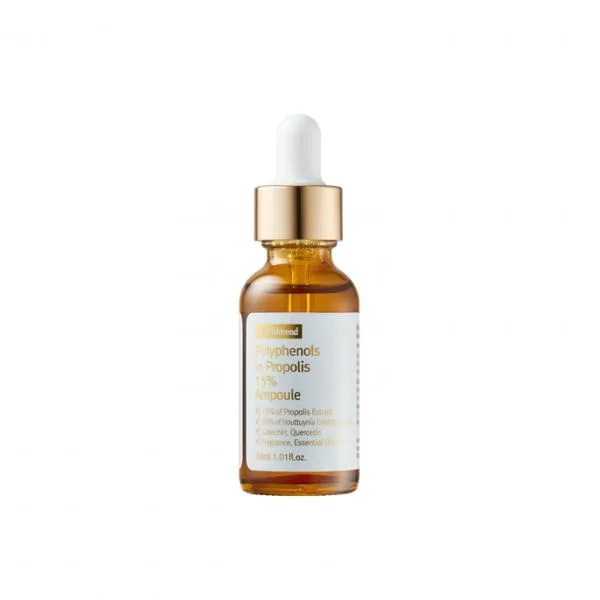 Sensitive Skin Soother
 Polyphenols In Propolis 15% Ampoule
A 15% propolis ampoule that earns its name with a real polyphenol stack — French Auvergne propolis layered over a houttuynia cordata base, with tulsi and pomegranate piling on. It's slightly sticky and not cheap by volume, but for sensitive, breakout-prone skin chasing calm, this is one of the most reliable K-beauty soothers in production.
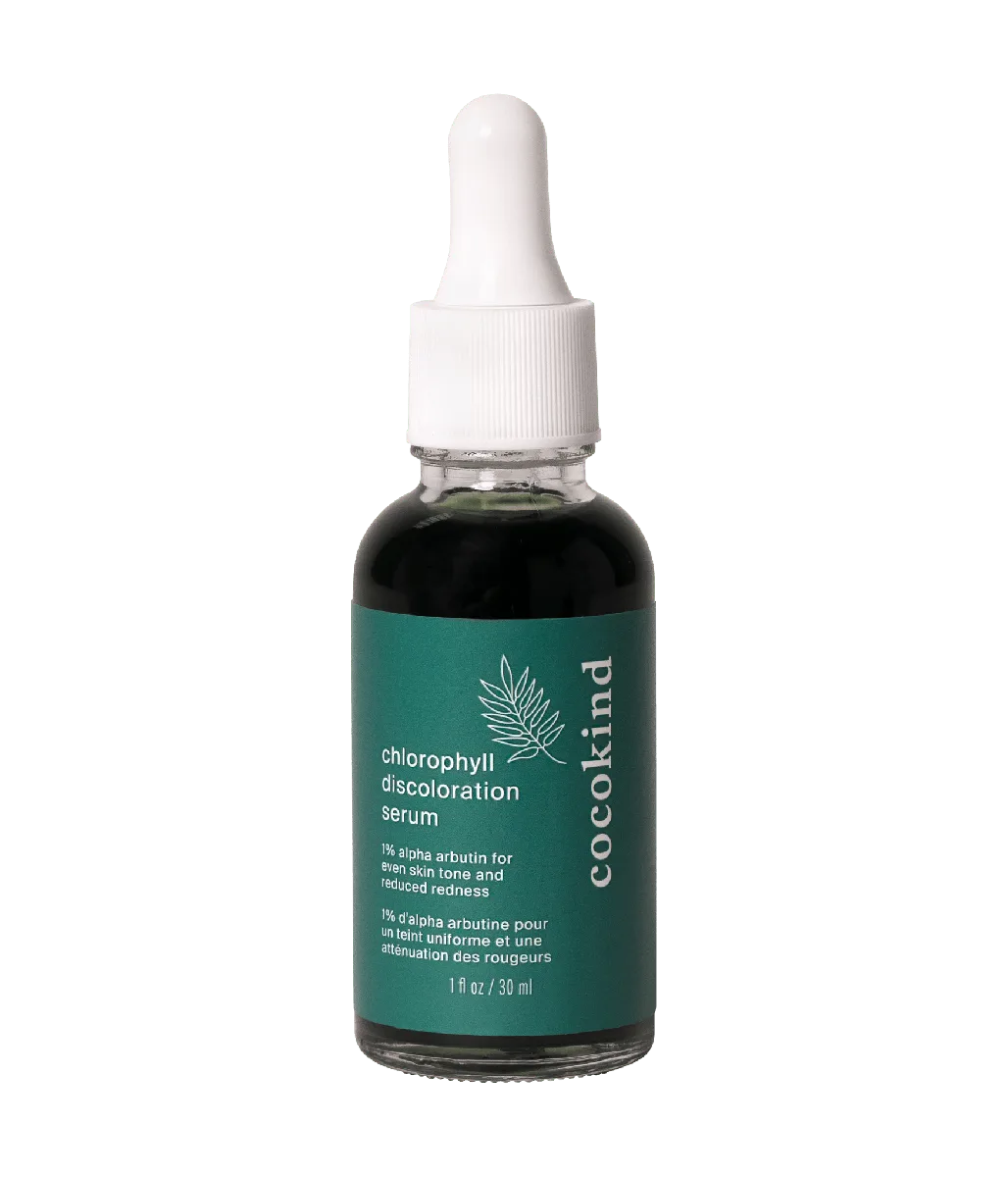 Budget Brightening Hero
 Chlorophyll Discoloration Serum
A quietly brilliant brightening serum that proves you do not need luxury prices or harsh actives to fade dark spots effectively. The alpha-arbutin and licorice root combination delivers genuine multi-pathway melanin inhibition, the sensitive-skin-friendly formula is impeccable, and $20 makes it accessible to virtually everyone. The chlorophyllin is more marketing differentiator than scientific powerhouse, but it does not hurt anything either.
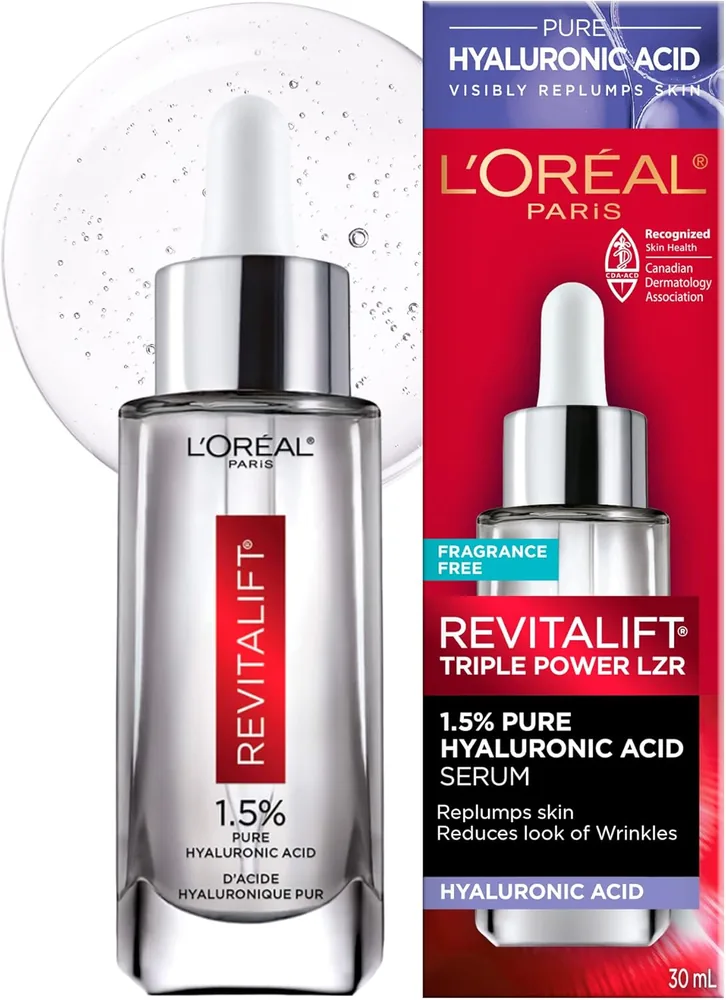 The People's HA Serum
 Revitalift Derm Intensives 1.5% Pure Hyaluronic Acid Serum
A masterclass in minimalist formulation — thirteen ingredients, no filler, four functional actives, and over thirty thousand glowing reviews. L'Oréal's multi-weight HA system delivers genuine hydration at every level of the skin, and the fragrance-free, alcohol-free formula is clean enough for virtually anyone. The drugstore serum that embarrasses its prestige competitors.
 Budget Hydration Holy Grail
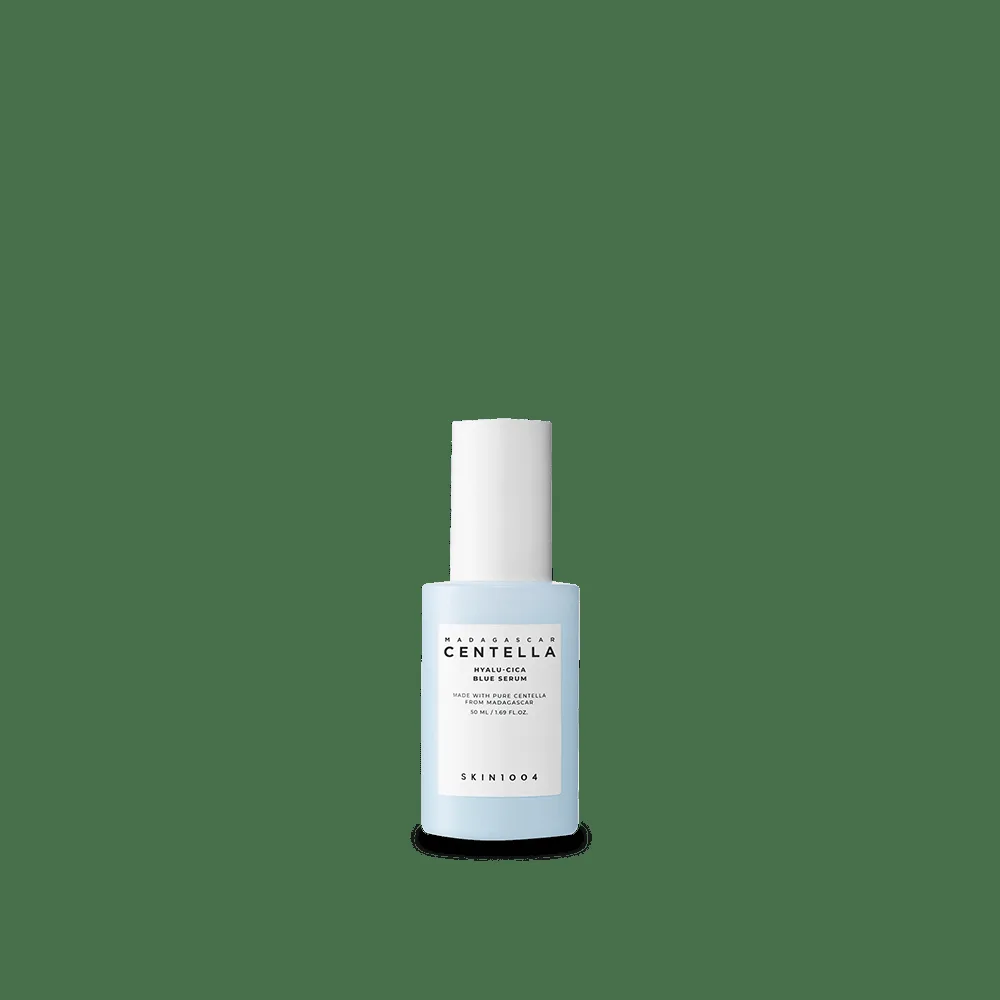
 Hyalu-Cica Blue Serum
A quietly excellent budget serum that stacks Centella asiatica leaf water, five types of hyaluronic acid, niacinamide, ceramide NP, and adenosine into a fragrance-free under-$20 bottle. It is genuinely one of the best hydration-plus-soothing serums at any price, and the fact that it costs less than a salad in Manhattan is the point.
 Sensitive Skin First-Line Defense
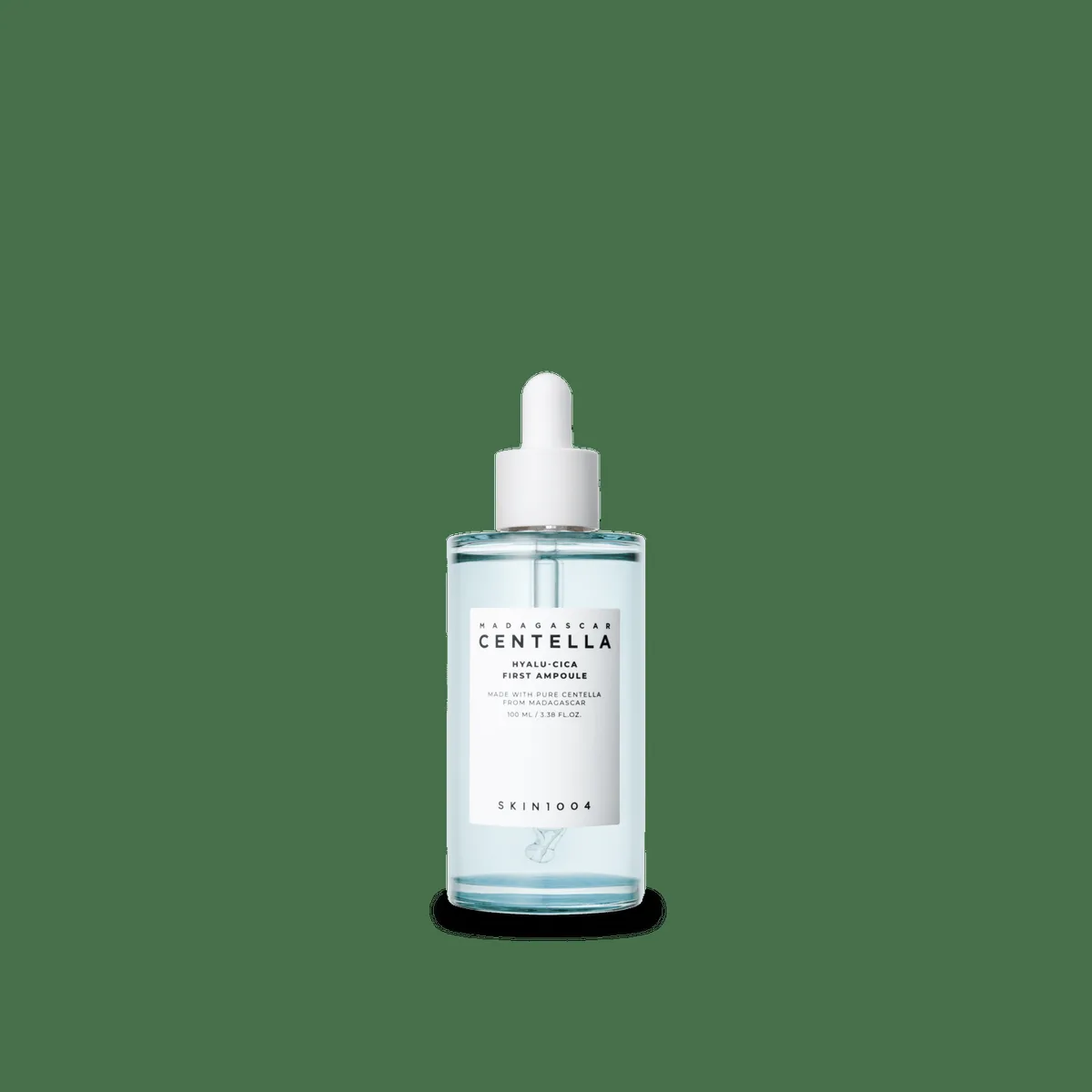
 Hyalu-Cica First Ampoule
A 92% Centella asiatica extract ampoule paired with niacinamide and a multi-weight HA complex, fragrance-free and purpose-built for sensitive, compromised, and reactive skin. At $25 for 100ml, it is one of the most justifiable skincare purchases a budget-conscious buyer can make, and it earns a place in almost any routine that needs a soothing anchor.
 Sensitive Skin MVP
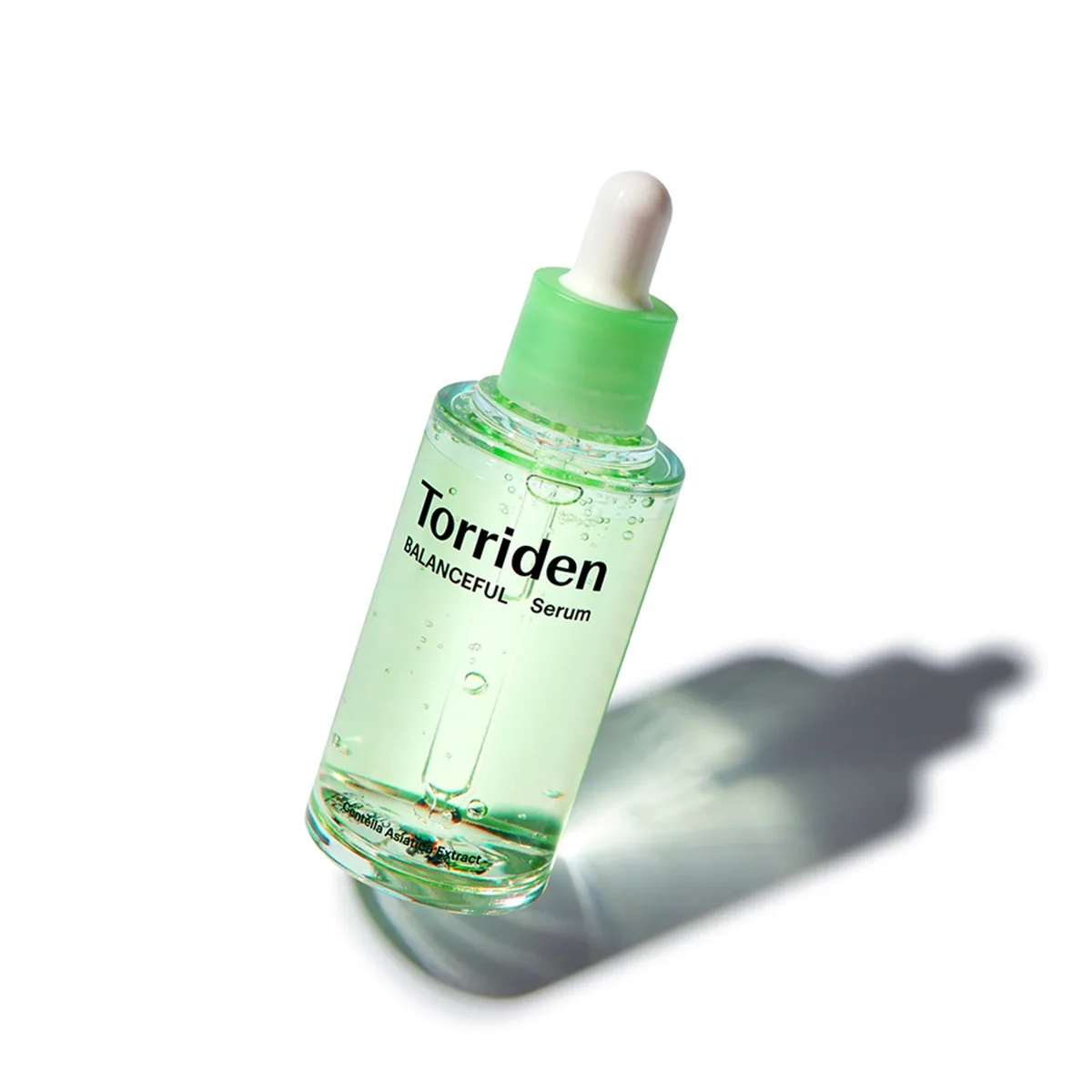
 Balanceful Cica Serum
Torriden's Balanceful Cica Serum is one of the most recommendable calming serums in K-beauty — a genuinely fragrance-free, multi-weight hyaluronic acid and 5D cica complex treatment that quietly reduces redness, supports the barrier, and buffers other actives without drama. At under $25 it's a near-automatic pick for sensitive, rosacea-prone, and barrier-compromised skin.