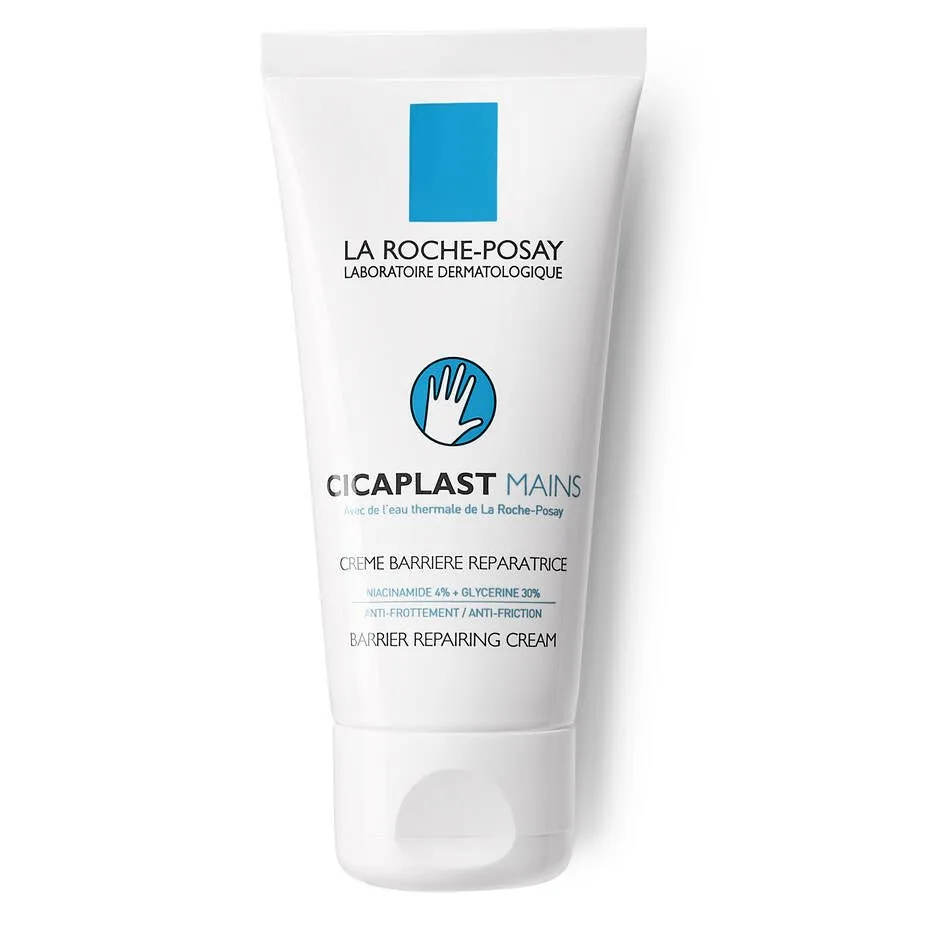
A hand cream that takes hand repair as seriously as La Roche-Posay takes facial skincare. The 30% glycerin and 4% niacinamide deliver genuine barrier restoration, not just temporary softness, while the non-greasy finish means you'll actually use it often enough for it to work. Compact tube depletes fast for heavy users.
Cicaplast Mains Barrier Repairing Hand Cream
A hand cream that takes hand repair as seriously as La Roche-Posay takes facial skincare. The 30% glycerin and 4% niacinamide deliver genuine barrier restoration, not just temporary softness, while the non-greasy finish means you'll actually use it often enough for it to work. Compact tube depletes fast for heavy users.
Score Breakdown
Where this product gains points and where it loses them — broken down across the four scoring pillars.
A thoughtfully formulated barrier-repair hand cream with serious glycerin and niacinamide concentrations, held back slightly by its hand-specific category and moderate value proposition for the size.
Pros & Cons
- ✓30% glycerin provides clinical-level hydration far beyond typical hand creams
- ✓4% niacinamide structurally repairs the barrier by stimulating ceramide production
- ✓Non-greasy finish allows immediate phone use, typing, and daily activities
- ✓Completely fragrance-free — safe for eczema-prone and sensitized hand skin
- ✓Absorbs in 30-60 seconds despite rich, therapeutic concentration of actives
- ✓Compact tube is genuinely portable for on-the-go reapplication
- ✗1.69 oz tube depletes quickly with recommended frequent application
- ✗No larger economy size available for heavy users
- ✗Requires reapplication after thorough hand washing
- ✗Moderate price adds up with frequent repurchasing
- ✗Contains dimethicone, which some consumers prefer to avoid
Full Review
There is a hierarchy of neglect in skincare, and hands sit firmly near the bottom. We'll spend twenty minutes on a ten-step facial routine and then wash our hands with whatever soap is near the sink, dry them on whatever towel is available, and wonder why they look like they belong to someone twenty years older. La Roche-Posay's Cicaplast Mains doesn't just acknowledge this neglect — it's formulated to undo the damage of it with concentrations of actives you'd more typically associate with a clinical treatment than a tube you toss in your bag.
The headline number is 30% glycerin. That's not a typo and it's not marketing math. Thirty percent is the kind of concentration that transforms glycerin from a background humectant into the primary active in the formula. At this level, glycerin creates what researchers call a moisture reservoir in the stratum corneum — it doesn't just sit on the surface attracting water from the air, it penetrates into the upper layers of skin and fundamentally changes the hydration state of the tissue. For hands that have been stripped by soap, sanitizer, dish detergent, and the general indignities of daily life, this is the difference between cosmetic temporary relief and actual repair.
Layered over the glycerin foundation is 4% niacinamide. Where glycerin brings water to the problem, niacinamide addresses the structural cause — a compromised lipid barrier that can't hold moisture on its own. Niacinamide stimulates the production of ceramides, the lipids that form the mortar between skin cells. For chronically dry hands, this means the cream isn't just adding moisture that will evaporate after the next hand wash; it's helping the skin rebuild its ability to retain moisture independently. Over days and weeks, this structural repair means you need the cream less, not more.
Shea butter and dimethicone round out the formulation with complementary roles. Shea butter provides an emollient layer of fatty acids compatible with the skin's natural lipid composition. Dimethicone creates a breathable protective film that extends the cream's effects through light exposure to water — meaning one application can survive a quick hand rinse, even if a full soap-and-water wash will require reapplication.
The texture achieves something that sounds contradictory on paper: it's rich enough to deliver 30% glycerin and shea butter, but non-greasy enough to allow immediate phone use, typing, and handling of paper or fabric. This matters enormously for a hand cream because the number one predictor of hand cream efficacy is frequency of use, and the number one barrier to frequent use is the ten-minute wait while your hands feel like they're coated in butter. The Cicaplast Mains absorbs in 30-60 seconds to a smooth, dry-touch finish that doesn't transfer to surfaces. You can apply it between meetings, between patients if you're in healthcare, between dish loads — whenever your hands need it.
The fragrance-free, minimal-ingredient formulation aligns with the Cicaplast line's clinical identity. There are fifteen ingredients. No fragrance, no essential oils, no botanical extracts that might cause contact sensitization on already-compromised hand skin. For people with hand eczema or contact dermatitis, this simplicity is as important as the active ingredients — you can't repair a barrier while simultaneously introducing new irritants.
At $14.99 for 1.69 ounces, the price is moderate in absolute terms but potentially problematic in practice. If you're applying it after every hand wash — which is how it works best — a healthcare worker or parent of young children could go through a tube in three to four weeks. That's roughly $15 per month, which adds up. The absence of a larger economy size forces frequent repurchasing and limits the cost efficiency that a bigger tube would provide.
The small tube does have practical advantages for portability — it fits in a scrub pocket, a desk drawer, a car console, or a purse without taking up meaningful space. Having it available is the point. Hand cream that lives in your bathroom cabinet doesn't help your hands at 2 PM at your desk.
Where this hand cream falls short is in durability. Despite the dimethicone protective layer, a thorough soap-and-water wash removes most of the product, requiring full reapplication. For people who wash their hands ten or more times a day, this means constant reapplication — which is the ideal protocol for repair but demands commitment to carrying the tube everywhere.
La Roche-Posay took the Cicaplast barrier-repair philosophy — serious concentrations of proven ingredients in a minimal, irritant-free vehicle — and applied it to the most abused skin on the body. The result is a hand cream that treats hand repair as a clinical problem rather than a cosmetic afterthought, and the 4.6-star rating from users who've tried everything else suggests it was worth the effort.
Formula
Key Ingredients
The hero actives that drive this product's performance.
| Ingredient | Function | Evidence |
|---|---|---|
| Glycerin (30%) | At an unusually high 30% concentration, glycerin is the primary active in this hand cream — far beyond the 5-10% typical in most moisturizers. At this level, it creates a powerful humectant reservoir that draws and holds moisture in the stratum corneum, addressing the severe dehydration that hand washing, sanitizers, and environmental exposure cause to hand skin. | well-established |
| Niacinamide (4%) | At 4%, niacinamide strengthens the skin barrier by stimulating ceramide synthesis — critical for hands that are constantly under assault from water, soap, and chemicals. Unlike glycerin's humectant action, niacinamide works at a structural level, helping the barrier hold itself together rather than relying on external moisture supplementation. | well-established |
| Butyrospermum Parkii Butter (Shea Butter) | Provides a rich occlusive layer that seals in the glycerin and niacinamide's work. Shea butter's fatty acid profile — particularly stearic and oleic acids — is naturally compatible with hand skin's lipid composition, reinforcing the barrier while keeping the cream from feeling greasy as it absorbs. | well-established |
| Dimethicone | Creates a breathable protective film over the hands that guards against irritant contact during daily activities. In a hand cream, dimethicone serves a practical function beyond cosmetic feel — it helps the protective barrier persist through light hand contact without requiring immediate reapplication. | well-established |
Full INCI List
Aqua/Water, Glycerin, Butylene Glycol, Cetearyl Alcohol, Niacinamide, Glyceryl Stearate, Butyrospermum Parkii Butter/Shea Butter, Dimethicone, PEG/PPG-18/18 Dimethicone, Glyceryl Stearate SE, Sodium Polyacrylate, Caprylyl Glycol, Citric Acid, Tocopherol, Phenoxyethanol
Product Flags
✓ Fragrance Free✓ Alcohol Free✗ Oil Free✗ Silicone Free✓ Paraben Free✓ Sulfate Free✗ Cruelty Free✗ Vegan✗ Fungal Acne Safe
Compatibility
Skin Match
Best For
Works For
Not Ideal For
Addresses These Conditions
dryness compromised skin barrier eczema sensitivity
Routine Step
moisturizer
Time of Day
AM & PM
Pregnancy Safe
Yes ✓
Layering Tips
Apply after every hand wash for best results. For intensive overnight repair, apply a generous layer before bed and wear cotton gloves to maximize absorption. Can be used on cuticles and nail beds for added hydration.
Results Timeline
Immediate softening and comfort upon application. Cracked, rough skin shows visible improvement within 3-5 days of consistent use after every hand wash. Severely damaged hands may take 1-2 weeks of intensive use to fully recover.
Pairs Well With
Gentle hand soapCotton gloves for overnight treatmentCuticle oil
Sample AM Routine
- Gentle hand wash
- La Roche-Posay Cicaplast Mains Barrier Repairing Hand Cream
- SPF if hands will be exposed
Sample PM Routine
- Hand wash
- THIS PRODUCT (generous layer)
- Cotton gloves (optional for intensive repair)
Evidence
Who Should Skip
- 1.69 oz tube depletes quickly with recommended frequent application
- No larger economy size available for heavy users
- Requires reapplication after thorough hand washing
- Moderate price adds up with frequent repurchasing
Science & Expert Perspective
The Science
Glycerin at 30% concentration represents a well-studied approach to skin barrier repair. Research published in the British Journal of Dermatology demonstrated that glycerin at high concentrations (15-30%) significantly improves stratum corneum hydration, reduces transepidermal water loss (TEWL), and accelerates barrier recovery after disruption — effects that are dose-dependent and measurably superior at higher concentrations. A study in Acta Dermato-Venereologica specifically examined glycerin's effect on hand skin and found that regular application of glycerin-rich formulations improved skin barrier function in healthcare workers experiencing occupational hand dermatitis.
Niacinamide at 4% contributes to barrier repair through a distinct mechanism. Research published in the Journal of Clinical and Aesthetic Dermatology confirmed that topical niacinamide stimulates ceramide and free fatty acid synthesis in the stratum corneum. Ceramides comprise approximately 50% of the intercellular lipids that form the skin barrier; when their production is reduced — as occurs with repeated hand washing and exposure to surfactants — the barrier weakens and TEWL increases. By boosting ceramide production, niacinamide addresses the root cause of chronic hand dryness rather than providing temporary symptomatic relief.
Dimethicone serves as an evidence-based occlusive agent. Dermatological research has demonstrated that dimethicone forms a breathable protective film that reduces TEWL by approximately 20-30% without fully occluding the skin. In a hand cream context, this protective function extends the duration of the moisturizing effect between applications and provides a physical barrier against environmental irritants.
References
- Glycerin and skin barrier repair — British Journal of Dermatology (2008)
- Niacinamide increases biosynthesis of ceramides and other stratum corneum lipids — Journal of Clinical and Aesthetic Dermatology (2010)
Dermatologist Perspective
Dermatologists frequently recommend the Cicaplast Mains for patients with occupational hand dermatitis — particularly healthcare workers, food service professionals, and others whose jobs require frequent hand washing or chemical exposure. Board-certified dermatologists note that the 30% glycerin concentration places this product in a therapeutic category rather than a purely cosmetic one, and the non-greasy formula addresses the practical compliance issue of hand cream in professional settings. For patients with hand eczema, dermatologists appreciate the fragrance-free, minimal-ingredient formulation that reduces the risk of allergic contact dermatitis on already-compromised skin.
Guidance
Usage Guide
How to Use
Apply a pea-sized amount to the back of each hand after every wash, spreading over fingers, knuckles, and cuticles. Rub in for 15-20 seconds until absorbed. For intensive overnight repair, apply a generous layer before bed and wear cotton gloves to maximize penetration. Reapply throughout the day as needed — the non-greasy formula allows immediate return to activities. For prevention in harsh conditions, apply before exposure to cold, wind, or chemicals.
Value Assessment
At $14.99 for 1.69 ounces, the Cicaplast Mains is priced above basic hand creams but justified by its therapeutic concentrations — 30% glycerin and 4% niacinamide are significantly higher than typical formulations. For occasional users, a tube lasts 2-3 months, making it reasonable at roughly $5-7 per month. For frequent users who apply after every hand wash, consumption is higher — a tube may last only 3-4 weeks, bringing the monthly cost to approximately $15. The lack of a larger economy size is the biggest value limitation. La Roche-Posay's clinical heritage and the genuine therapeutic formulation support the pricing over cosmetic alternatives.
Who Should Buy
Anyone with chronically dry, cracked, or rough hands from frequent washing, sanitizer use, or environmental exposure. Essential for healthcare workers, food handlers, and parents of young children. Ideal for winter hand protection and eczema-prone hand skin. Anyone who's frustrated with greasy hand creams that prevent them from using their hands.
Who Should Skip
Those looking for a cheaper hand cream for casual use — basic glycerin-based lotions exist at lower price points. Anyone who prefers silicone-free formulations. Those who need a large-volume hand cream for whole-family use — the small tube and premium price don't scale well for high-volume household use.
Ready to try La Roche-Posay Cicaplast Mains Barrier Repairing Hand Cream?
Details
Details
Texture
A rich but surprisingly fast-absorbing cream that melts into the skin within 30-60 seconds. Despite the 30% glycerin content, it doesn't leave hands sticky or tacky — the dimethicone creates a smooth, dry-touch finish that allows immediate use of phone, keyboard, or other daily activities.
Scent
Completely fragrance-free. No detectable scent beyond a very faint, neutral cream base note.
Packaging
White squeeze tube with a flip-top cap. The 1.69 oz size is compact and portable but depletes quickly with frequent use. Standard La Roche-Posay clinical packaging.
Finish
non-greasysatin
What to Expect on First Use
Immediate comfort upon application — cracked or irritated hand skin feels soothed and protected. The cream absorbs faster than expected for its richness, leaving hands soft with a subtle protective film. No stinging or irritation, even on freshly cracked skin.
How Long It Lasts
3-6 weeks with frequent daily use (after every hand wash); 2-3 months with occasional use
Period After Opening
12 months
Best Season
fall winter
Background
The Why
The Cicaplast Mains was developed as the hand-specific extension of La Roche-Posay's Cicaplast barrier-repair range. Hands endure more daily abuse than any other body part — constant washing, sanitizer exposure, environmental stress — yet most hand creams are cosmetic afterthoughts. This formula applies the same clinical repair philosophy to hand skin that Cicaplast Baume brought to facial and body skin.
About La Roche-Posay Legacy Brand (20+ years)
La Roche-Posay was founded in 1975 near the thermal springs in central France and has been a dermatologist-recommended brand for nearly five decades. Its Cicaplast line is specifically developed for barrier repair and is widely used in clinical and post-procedure settings.
Brand founded: 1975 · Product launched: 2013
Myth vs. Reality
Myths & Misconceptions
Myth
Hand cream can't really repair skin — it just provides temporary softness.
Reality
The 4% niacinamide in this formula stimulates ceramide synthesis in the skin barrier, providing structural repair beyond temporary moisture. Regular use genuinely strengthens the hand skin's ability to retain moisture on its own, reducing the frequency of application needed over time.
Myth
You need to use a thick, greasy cream for severely dry hands.
Reality
The 30% glycerin in this formula delivers intense hydration through humectant action rather than heavy occlusion. The result is deep moisture with a non-greasy finish that allows you to use your hands immediately — which means you'll actually use it frequently enough for it to work.
FAQ
Frequently Asked Questions
How often should I apply this hand cream?
For best results, apply after every hand wash — the glycerin and niacinamide work most effectively when they can replenish what soap strips away. For maintenance, twice daily (morning and evening) is sufficient. For severely cracked hands, apply generously before bed with cotton gloves for an intensive overnight treatment.
Will this leave my hands greasy?
No. Despite containing 30% glycerin and shea butter, the dimethicone in the formula creates a dry-touch finish that absorbs within 30-60 seconds. You can use your phone, type on a keyboard, or handle documents immediately after application without leaving residue.
Is this good for eczema on hands?
Yes — the fragrance-free, gentle formula with 30% glycerin and 4% niacinamide is well-suited for eczema-prone hand skin. Niacinamide helps strengthen the compromised barrier that underlies hand eczema. However, for active eczema flares with open cracks or weeping, consult a dermatologist for prescription treatment alongside this cream.
Can healthcare workers use this between patients?
Yes — the fast-absorbing, non-greasy formula was designed with frequent hand-washers in mind. It absorbs quickly enough to apply between patient interactions and doesn't interfere with glove donning. The fragrance-free formulation is appropriate for clinical settings.
How is this different from the Cicaplast Baume B5+?
The Cicaplast Mains is specifically formulated for hand skin with 30% glycerin (vs. 5% panthenol in the Baume) and a non-greasy, fast-absorbing texture designed for hands that need to be functional immediately after application. The Baume is richer and more occlusive, designed for facial and body skin repair. Both share the Cicaplast barrier-repair philosophy but are optimized for different body sites.
Community
Community Voices
Common Praise
"Absorbs quickly without leaving greasy residue"
"Heals cracked, dry hands within days"
"Long-lasting moisture that survives a hand wash or two"
"Fragrance-free and gentle for sensitive skin"
"Small tube is convenient for desk or bag"
Common Complaints
"Expensive for the 1.69 oz size"
"Needs reapplication after thorough hand washing"
"Small tube doesn't last long with frequent use"
"Contains dimethicone which some prefer to avoid"
"No larger economy size available"
Notable Endorsements
Dermatologist-recommended for occupational hand dermatitisWidely used in healthcare settings for hand-washing damage
Appears In
best hand cream for dry skin best hand cream for eczema best body care for compromised skin barrier best hand cream for healthcare workers
Related Conditions
dryness eczema compromised skin barrier sensitivity
Related Ingredients
You Might Also Like
 Derm Office Staple
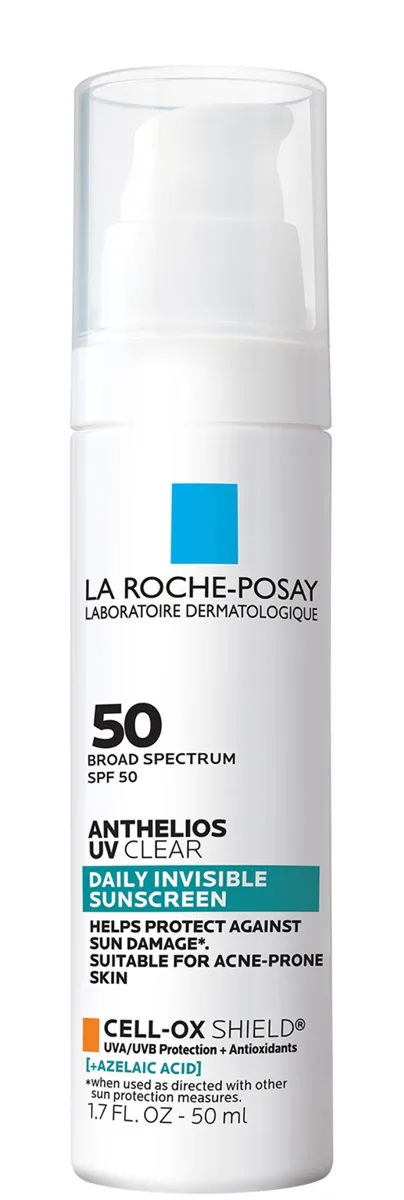
 Anthelios UV Clear Sunscreen SPF 50
One of the only US chemical sunscreens that genuinely earns its 'for sensitive and breakout-prone skin' positioning. A photostable Anthelios filter system paired with a legitimate azelaic acid dose in a lightweight serum-fluid that disappears on every skin tone. Excellent for rosacea, acne, and post-inflammatory hyperpigmentation — and probably the single best daily sunscreen in the La Roche-Posay US lineup for those conditions.
 Derm Office Staple
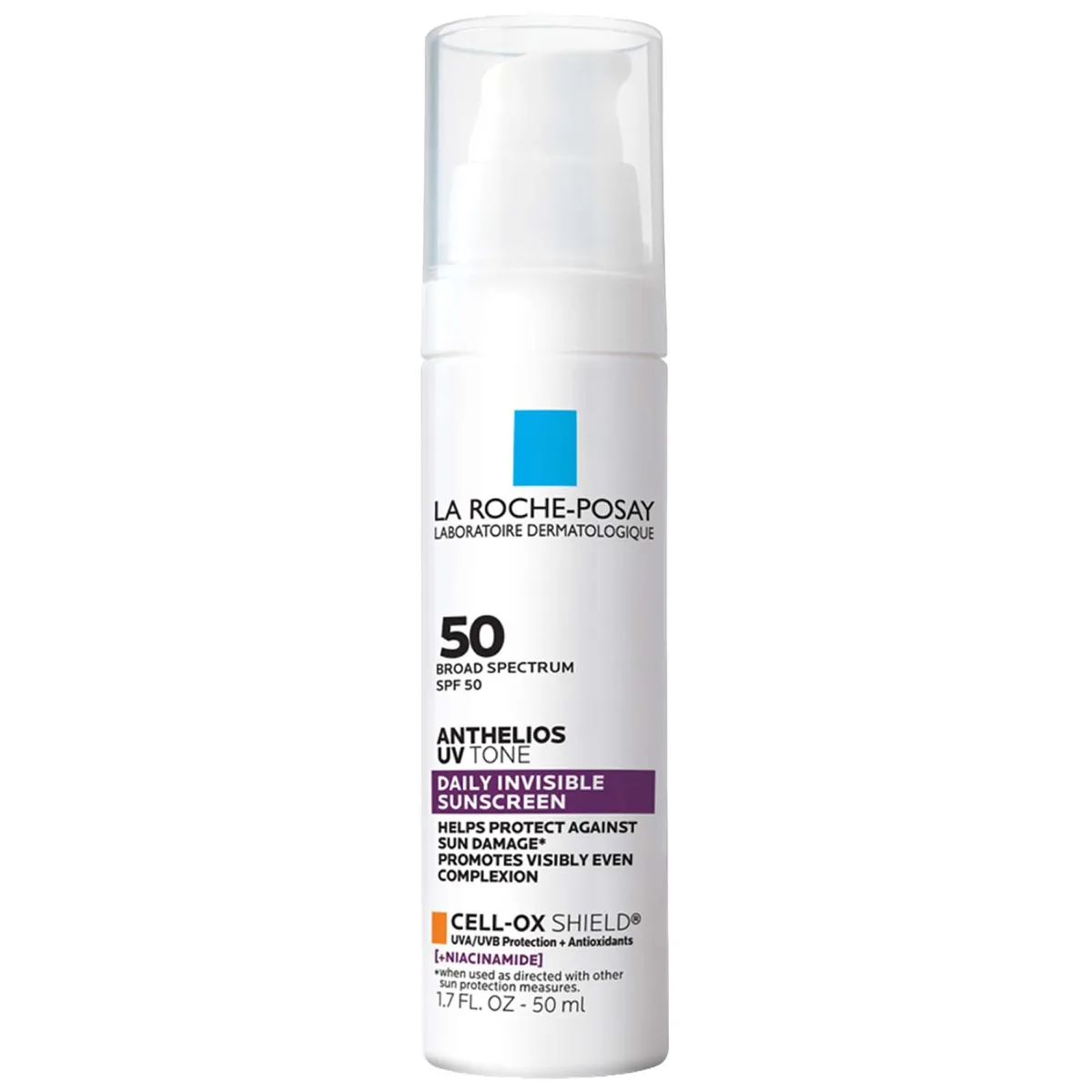
 Anthelios UV Tone Daily Invisible Sunscreen SPF 50
La Roche-Posay's most thoughtful answer yet for hyperpigmentation-prone skin that needs daily SPF. A photostable avobenzone system reinforced with Oxynex ST, paired with a meaningful dose of niacinamide, in a serum-fluid base that goes on invisible on every skin tone. Expensive for 1.7 oz but legitimately well-built — and a rare chemical sunscreen that earns its 'for dark spots' marketing.
 Eczema Gold Standard
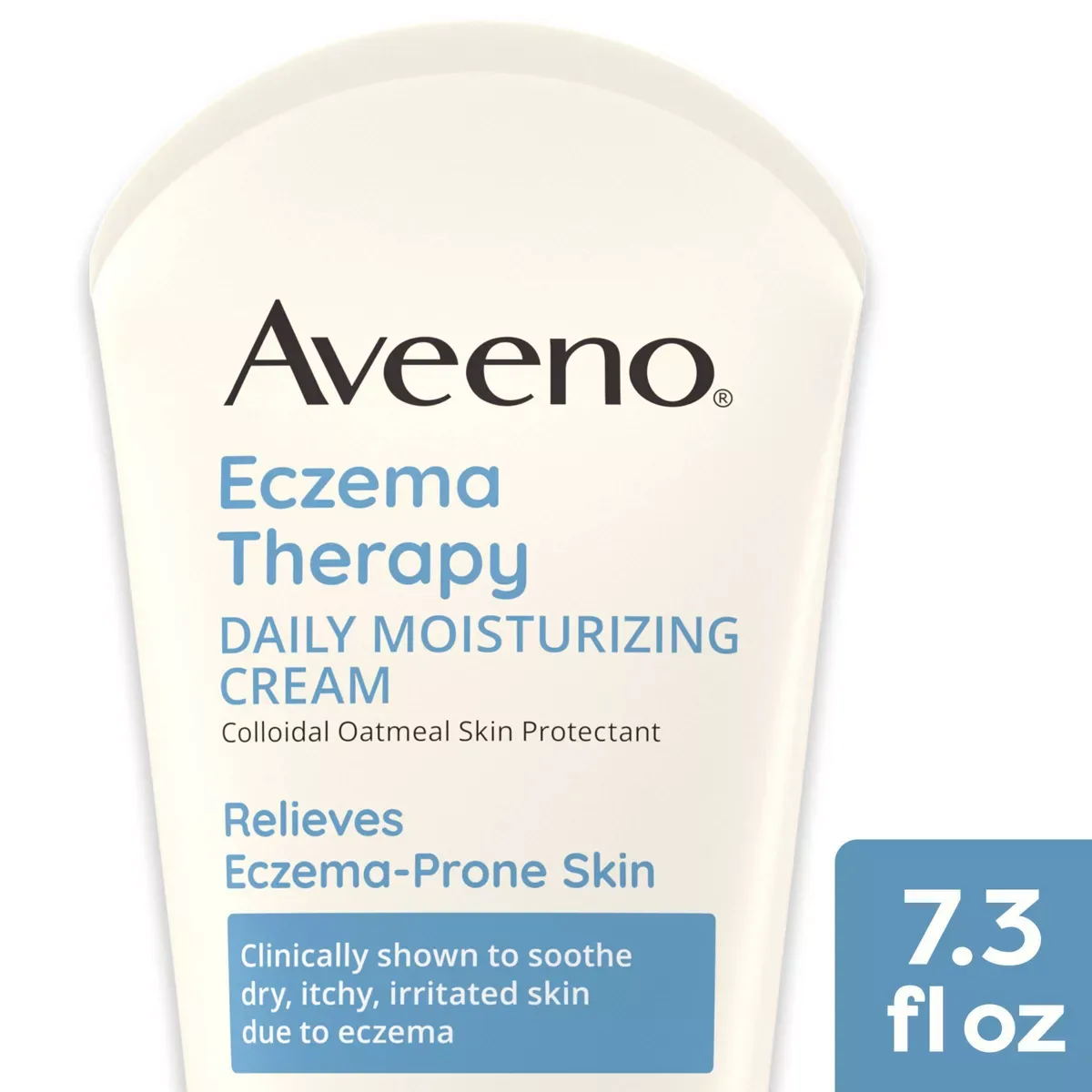
 Eczema Therapy Moisturizing Cream
The strongest formulation in Aveeno's lineup for eczema-prone skin, combining FDA-regulated colloidal oatmeal with ceramide NP and panthenol for a multi-mechanism approach to barrier repair. Steroid-free, fragrance-free, and HSA/FSA eligible — this is the drugstore eczema cream dermatologists actually recommend by name.
 Derm Office Staple
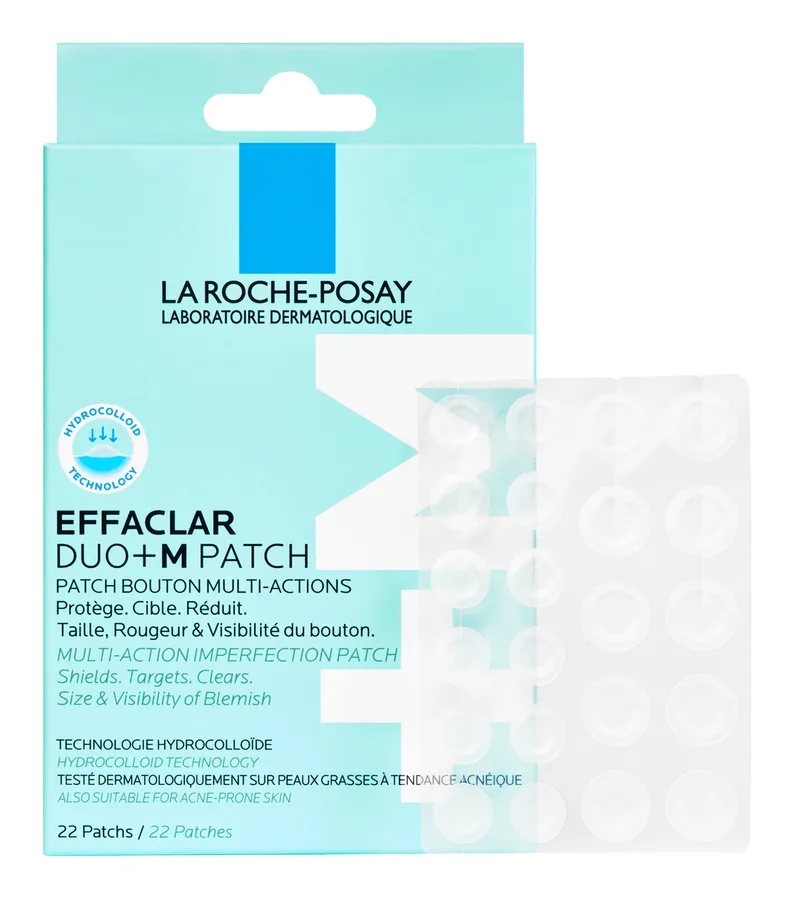
 Effaclar Multi-Target Blemish Patches
One of the few hydrocolloid pimple patches that actually stays on overnight without curling off at 3am. At 420 microns thick with two size options in one pack and zero actives to irritate sensitive skin, this is the Effaclar line's quiet overachiever — and a legitimately good answer for anyone whose acne routine has been sabotaged by thinner patches that refuse to stay put.
 Sensitive Skin MVP
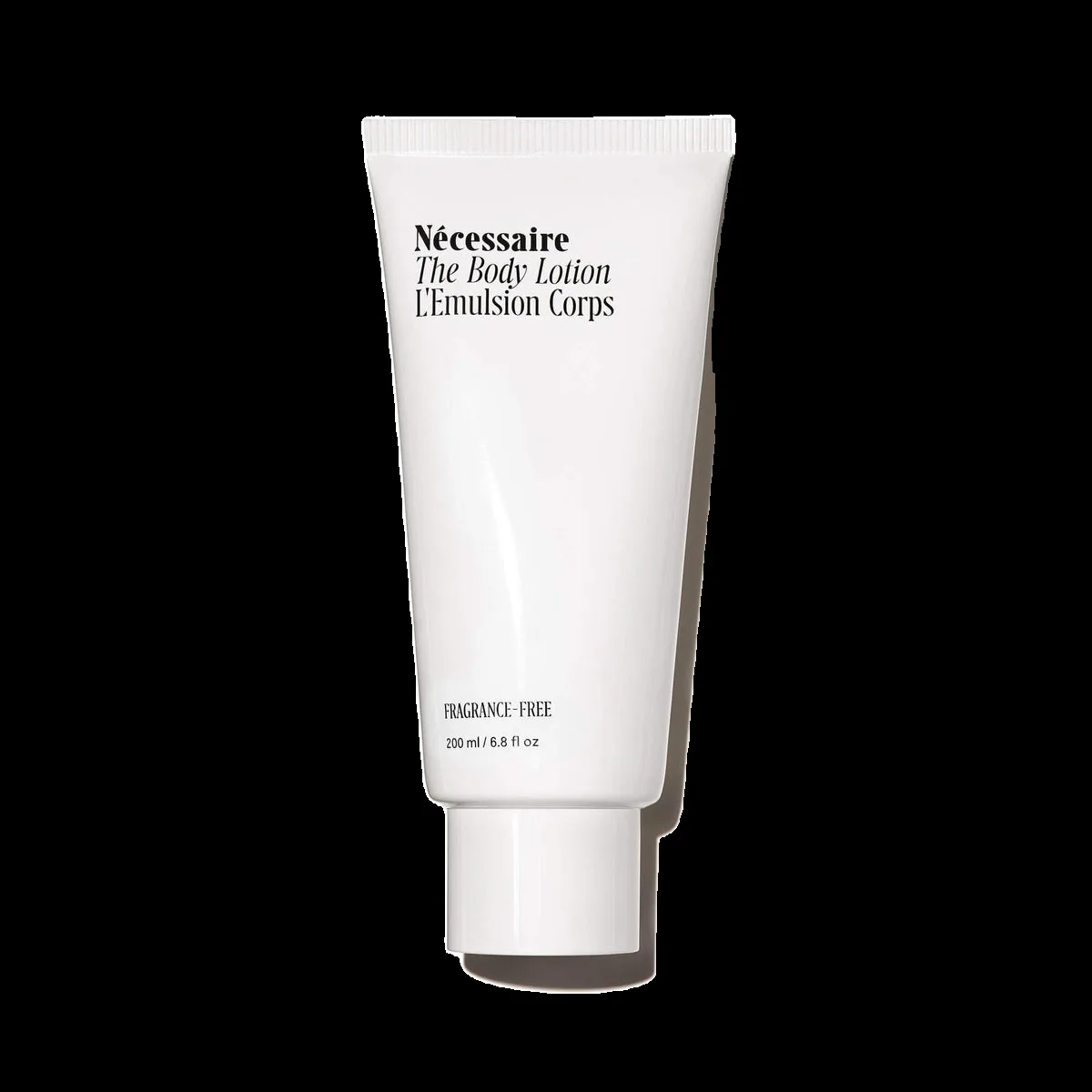
 The Body Lotion Fragrance-Free
The scented version's equal on active ingredients with none of the fragrance risk — and that makes this the better pick for sensitive skin, eczema-prone users, and anyone pregnant who wants to play it safe. At $25 it's still a premium price, but the formula genuinely earns it.
 Sensitive Skin MVP
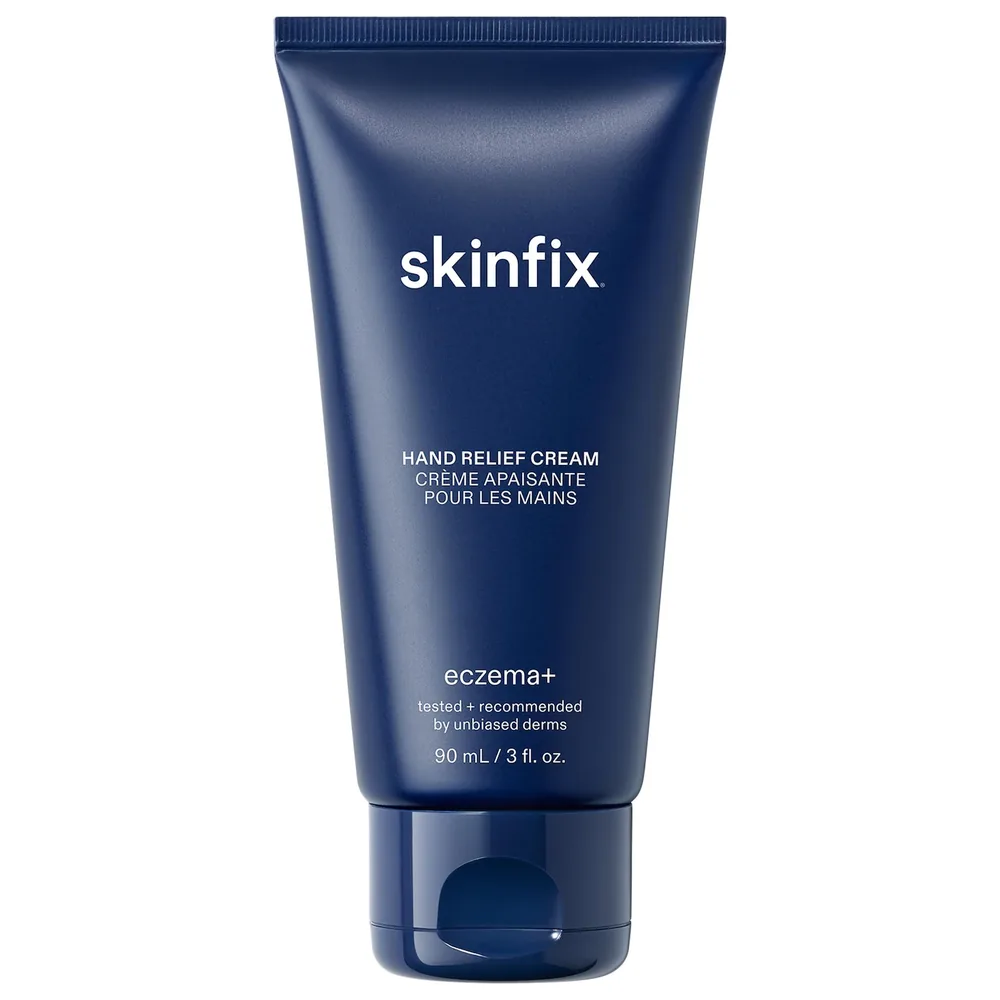
 Eczema+ Hand Repair Cream
A serious, NEA-seal-certified hand cream that treats the underlying mechanism of hand eczema rather than just coating it. Colloidal oatmeal, ceramide-cholesterol lipid repair, and panthenol combine in a texture that actually absorbs fast enough to use at the sink. At eighteen dollars it's genuinely well-priced for what it does.
This review reflects our independent analysis of publicly available ingredient data, manufacturer claims, and verified user reviews. We are reader-supported — Amazon links may earn us a commission at no cost to you. We do not accept paid placements; rankings are based solely on the evidence.