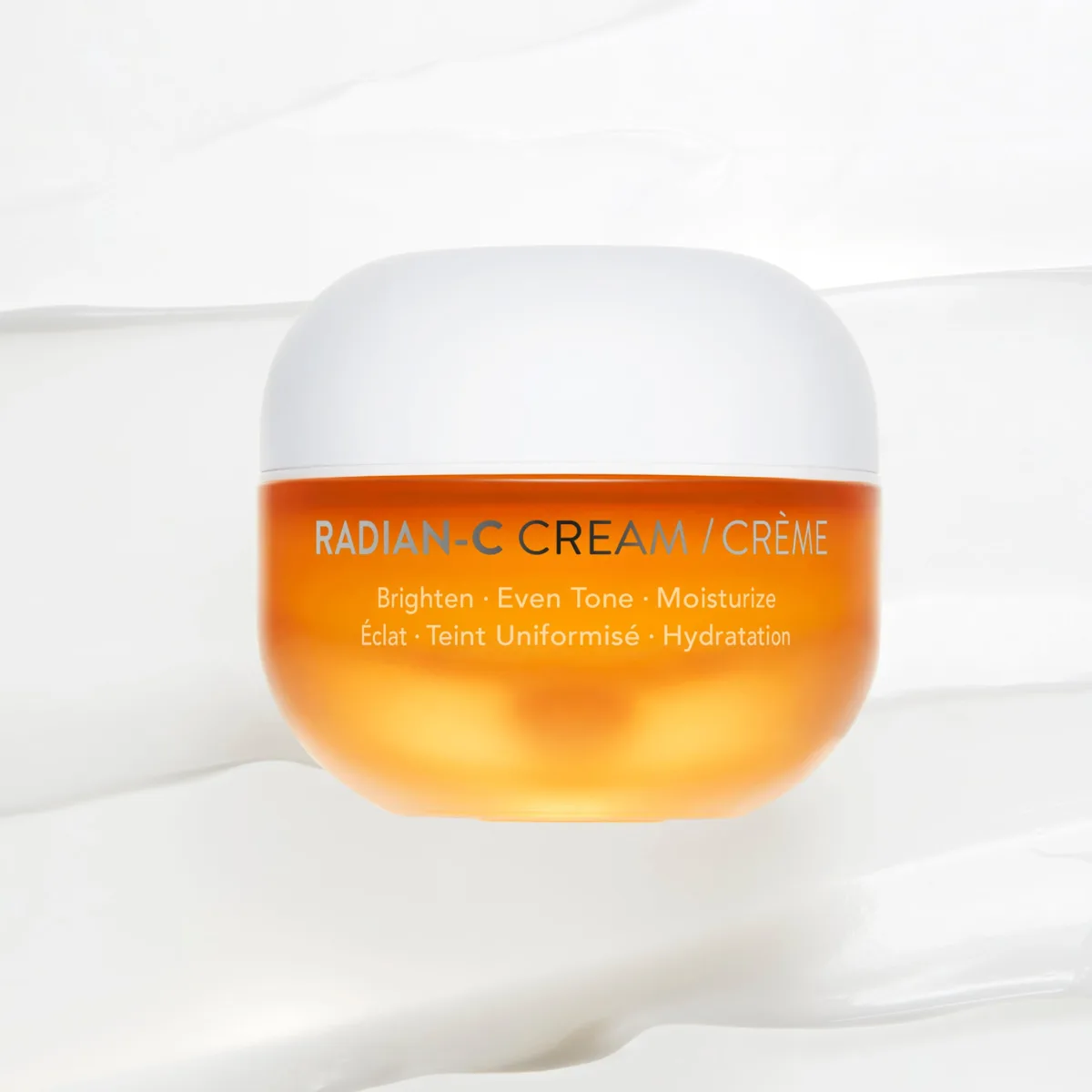
A credibly formulated vitamin C cream that delivers what it promises — genuine brightening power at a disclosed 8.5% concentration of a stable, effective derivative. The madecassoside inclusion is a thoughtful anti-inflammatory touch, and the cream texture makes daily compliance effortless. Fragrance allergens are the main drawback in an otherwise well-designed brightening moisturizer.
Radian-C Cream
A credibly formulated vitamin C cream that delivers what it promises — genuine brightening power at a disclosed 8.5% concentration of a stable, effective derivative. The madecassoside inclusion is a thoughtful anti-inflammatory touch, and the cream texture makes daily compliance effortless. Fragrance allergens are the main drawback in an otherwise well-designed brightening moisturizer.
Score Breakdown
Where this product gains points and where it loses them — broken down across the four scoring pillars.
A well-formulated vitamin C cream with a transparently disclosed 8.5% concentration of a stable, effective derivative. The madecassoside and vitamin E additions show thoughtful formulation. Multiple fragrance allergens and the high vitamin C concentration limit suitability for sensitive skin.
Pros & Cons
- ✓Transparently disclosed 8.5% ethyl ascorbic acid is a clinically meaningful brightening concentration
- ✓Stable vitamin C derivative resists the oxidation and pH sensitivity that plagues L-ascorbic acid
- ✓Madecassoside provides built-in anti-inflammatory support that most vitamin C creams lack
- ✓Comfortable cream texture absorbs easily and works well under sunscreen and makeup
- ✓Visible brightening and dark spot improvement within four to six weeks of consistent use
- ✓Vitamin C and E synergy provides comprehensive antioxidant protection beyond brightening alone
- ✗Four fragrance allergens undermine the hypoallergenic claim and limit sensitive-skin suitability
- ✗Jar packaging is not ideal for vitamin C even with the improved stability of the derivative
- ✗Thirty-five dollars for thirty milliliters runs out in six to eight weeks with twice-daily use
- ✗Cetearyl alcohol may trigger breakouts in some acne-prone individuals
- ✗Mild tingling on initial use can be concerning for vitamin C newcomers even though it's normal
Full Review
In the vitamin C universe, there's a credibility gap. Countless creams and serums claim 'vitamin C' on the front label without disclosing which derivative they use, at what concentration, or whether it's present in any amount that could actually do something. Laneige's Radian-C Cream walks straight through that gap with unusual honesty: 3-O-ethyl ascorbic acid, 8.5%, listed as the second ingredient. No ambiguity, no marketing euphemisms, no 'vitamin C complex' hand-waving. Just a number and a molecule.
That transparency matters because it lets us evaluate the product on its actual merits. 3-O-Ethyl ascorbic acid at 8.5% is a clinically meaningful dose of a well-studied vitamin C derivative. Research has demonstrated its ability to inhibit tyrosinase (the enzyme behind dark spots and uneven tone), provide antioxidant protection against UV-generated free radicals, and stimulate collagen synthesis. It's not L-ascorbic acid — the gold standard with the deepest clinical evidence — but it offers significant practical advantages that make it arguably better suited for a cream format: stability across a wide pH range, resistance to the oxidation that turns L-AA products brown, and better tolerability for skin that finds pure ascorbic acid irritating.
The supporting cast is lean but purposeful. Madecassoside, a purified active from Centella Asiatica, provides anti-inflammatory calming that counterbalances the high vitamin C concentration. This is a thoughtful inclusion — many vitamin C products cause transient redness or tingling, and having a built-in soothing agent reduces the chance that the brightening you're after comes at the cost of irritation you didn't want. Tocopherol (vitamin E) creates the classic C+E antioxidant synergy, where each vitamin regenerates the other's oxidized form, extending the overall antioxidant protection.
The cream base is comfortably rich without being heavy. Glycerin at position three provides substantial humectant moisture. Caprylic/capric triglyceride and cetearyl olivate contribute emollient conditioning and a clean, non-greasy feel. The methyl trimethicone and PMMA add a subtle soft-focus effect that makes skin look smooth and even immediately upon application — a nice cosmetic bonus while waiting for the vitamin C to deliver its cumulative brightening.
In daily use, the Radian-C Cream is uncomplicated and pleasant. It spreads easily, absorbs within a minute, and sits well under sunscreen or makeup. The first few applications may produce a mild tingling — perfectly normal with 8.5% vitamin C and typically subsides within a week as skin acclimates. Within the first two weeks, skin takes on a subtle but genuine luminosity. By week four, the brightening is undeniable — existing dark spots look lighter, overall tone is more even, and skin has a clarity that wasn't there before.
The results timeline for hyperpigmentation follows the predictable biology of melanin turnover. Tyrosinase inhibition by the vitamin C reduces new melanin production, but existing melanin-laden keratinocytes need to shed through natural cell turnover (roughly 28-day cycle). This means dark spots don't vanish overnight but fade progressively over six to eight weeks of consistent use. For anyone who's given up on a vitamin C product at week two thinking it wasn't working — patience is the active ingredient you're missing.
Now for the honest caveats. The formula contains four fragrance allergens — limonene, linalool, citral, and geraniol — plus added fragrance. For a product claiming hypoallergenic status, this is contradictory. Regulatory definitions of 'hypoallergenic' vary by country, but including multiple EU-regulated fragrance allergens while claiming the label requires consumers to read the fine print. Sensitive skin types should patch test carefully despite the reassuring marketing language.
The jar packaging is a defensible choice given that ethyl ascorbic acid is far more oxidation-stable than L-ascorbic acid, but an airless pump would still be preferred. Each time you open the jar and introduce air and fingers, you're creating conditions that even a stable derivative would rather avoid over months of daily use.
At thirty-five dollars for thirty milliliters, the Radian-C Cream lasts approximately six to eight weeks with twice-daily use. This is reasonable for a vitamin C product at this concentration, though the per-ounce price is higher than some competitors. A larger fifty-milliliter size is available for better per-unit value.
The Radian-C Cream succeeds by doing something simple really well: delivering a meaningful concentration of a proven vitamin C derivative in a comfortable daily cream. It doesn't try to be a multi-active powerhouse. It doesn't chase trends. It picks one active, uses enough of it to work, and surrounds it with a sensible supporting cast. In a category crowded with vague claims and undisclosed concentrations, Laneige's straightforward approach is quietly radical.
Formula
Key Ingredients
The hero actives that drive this product's performance.
| Ingredient | Function | Evidence |
|---|---|---|
| 3-O-Ethyl Ascorbic Acid (8.5%) (8.5%) | A stable vitamin C derivative listed second in the formula at a disclosed 8.5% concentration — a meaningful brightening dose. Unlike L-ascorbic acid, ethyl ascorbic acid is stable across a wider pH range and less likely to oxidize in the jar, making it well-suited for a cream format. It inhibits tyrosinase to reduce melanin production and provides antioxidant protection. | well-established |
| Madecassoside | A purified active from Centella Asiatica that provides anti-inflammatory and skin-soothing properties alongside the vitamin C. In this formula, madecassoside acts as a calming counterbalance to the high-concentration vitamin C, reducing potential irritation while supporting the skin's repair processes. | well-established |
| Tocopherol (Vitamin E) | Complements the vitamin C by providing lipid-phase antioxidant protection. The combination of vitamins C and E creates a more comprehensive antioxidant defense than either alone, with vitamin E regenerating oxidized vitamin C and vice versa — a synergy documented in dermatological literature. | well-established |
| Glycerin | Listed third, glycerin provides the humectant backbone that keeps this cream moisturizing despite the high vitamin C concentration. Prevents the dryness that some vitamin C products cause by drawing moisture into the stratum corneum. | well-established |
Full INCI List
Water/Aqua/Eau, 3-O-Ethyl Ascorbic Acid, Glycerin, Cetearyl Alcohol, Caprylic/Capric Triglyceride, Propanediol, Methyl Trimethicone, Hydrogenated Poly(C6-14 Olefin), Pentaerythrityl Tetraethylhexanoate, Cetearyl Olivate, Potassium Cetyl Phosphate, 1,2-Hexanediol, Sorbitan Olivate, Hydroxyethyl Acrylate/Sodium Acryloyldimethyl Taurate Copolymer, Limonene, Polymethyl Methacrylate, Ammonium Acryloyldimethyltaurate/Beheneth-25 Methacrylate Crosspolymer, Citric Acid, Fragrance/Parfum, Thymol Trimethoxycinnamate, Disodium EDTA, Ethylhexylglycerin, Sorbitan Isostearate, Sodium Citrate, Linalool, Tocopherol, Madecassoside, Citral, Geraniol
Product Flags
✗ Fragrance Free✓ Alcohol Free✗ Oil Free✗ Silicone Free✓ Paraben Free✓ Sulfate Free✓ Cruelty Free✗ Vegan✗ Fungal Acne Safe
Comedogenic Ingredients
Cetearyl Alcohol
Potential Irritants
Fragrance/ParfumLimoneneLinaloolCitralGeraniol
Common Allergens
LimoneneLinaloolCitralGeraniol
Compatibility
Skin Match
Best For
Works For
Not Ideal For
Addresses These Conditions
dullness dark spots hyperpigmentation sun damage aging
Use With Caution
Routine Step
moisturizer
Time of Day
AM & PM
Pregnancy Safe
Yes ✓
Layering Tips
Apply as the last step of your serum routine, before sunscreen in the morning. In the evening, can be used after retinol has been absorbed. Pat gently rather than rubbing to minimize potential irritation from the vitamin C concentration. Always follow with SPF 30+ in the morning.
Results Timeline
Subtle radiance improvement within the first 3-5 days from the vitamin C's antioxidant effect. Visible brightening and more even skin tone within 2-4 weeks. Dark spots and hyperpigmentation show noticeable fading at 6-8 weeks of consistent daily use. Full brightening benefits are cumulative over 2-3 months.
Pairs Well With
Sunscreen SPF 30+Niacinamide serumsHyaluronic acid serumsRetinol (at night, applied before this cream)
Conflicts With
Benzoyl peroxide (may reduce vitamin C efficacy)Strong AHA/BHA exfoliants on the same application
Sample AM Routine
- Gentle cleanser
- Hydrating toner
- Vitamin C or antioxidant serum (optional)
- Laneige Radian-C Cream
- Sunscreen SPF 30+
Sample PM Routine
- Double cleanse
- Toner
- Retinol or treatment serum
- Laneige Radian-C Cream
Evidence
Science & Expert Perspective
The Science
3-O-Ethyl ascorbic acid (also known as ethyl ascorbic acid) is a water-soluble, lipophilic vitamin C derivative with a molecular structure that protects the active hydroxyl group from oxidation while maintaining biological activity. Research published in the Journal of Investigative Dermatology has demonstrated that ethyl ascorbic acid inhibits tyrosinase activity — the rate-limiting enzyme in melanin biosynthesis — with efficacy comparable to hydroquinone at equivalent concentrations, but with a superior safety profile.
At 8.5%, the concentration in this cream aligns with clinical study protocols showing effective brightening. A study in the International Journal of Cosmetic Science found that 2% ethyl ascorbic acid significantly reduced melanin content in human melanocyte cultures, suggesting that the 8.5% concentration here substantially exceeds the minimum effective dose.
The ethyl ascorbic acid derivative offers three pharmacological advantages over L-ascorbic acid in a cream format: (1) pH stability — it maintains activity across pH 4-6, eliminating the need for the acidic formulations (pH < 3.5) required by L-AA; (2) oxidative stability — the ethyl group protects against the rapid degradation that makes L-AA notoriously unstable in aqueous formulations; (3) dual solubility — it is both water-soluble and moderately lipophilic, facilitating penetration through the stratum corneum's lipid bilayer.
Madecassoside, a triterpene saponin from Centella Asiatica, has demonstrated anti-inflammatory properties through inhibition of NF-κB signaling and reduction of pro-inflammatory cytokines. A study published in the Journal of Ethnopharmacology (2012) confirmed madecassoside's ability to promote wound healing and reduce inflammation in skin models. In this formula, it serves as a functional anti-irritant that complements the vitamin C's potential to cause transient inflammation.
The vitamin C and E combination exploits a well-documented antioxidant recycling mechanism. When vitamin C neutralizes a free radical, it becomes oxidized (dehydroascorbic acid). Tocopherol can reduce the oxidized vitamin C back to its active form, effectively extending its antioxidant capacity. This synergy was demonstrated in the landmark Pinnell et al. study (2005) and applies to ethyl ascorbic acid derivatives as well as L-AA.
References
- Ferulic acid stabilizes a solution of vitamins C and E and doubles its photoprotection of skin — Journal of Investigative Dermatology (2005)
Dermatologist Perspective
Board-certified dermatologists appreciate the Radian-C Cream's transparent concentration disclosure, noting that 8.5% ethyl ascorbic acid represents a well-validated dose for topical brightening and antioxidant protection. Dermatologists frequently recommend vitamin C products with disclosed concentrations, as undisclosed amounts may be too low to be effective. The madecassoside inclusion aligns with dermatologist-recommended anti-inflammatory strategies for vitamin C products. However, dermatologists note the inconsistency between the hypoallergenic claim and the presence of four EU-regulated fragrance allergens. For patients with melasma or post-inflammatory hyperpigmentation, dermatologists would recommend this as part of a brightening regimen alongside daily broad-spectrum sunscreen, and potentially in combination with retinoids for enhanced results.
Guidance
Usage Guide
How to Use
Apply as the final moisturizing step in your routine, after serums and treatments have been absorbed. Use morning and evening. In the morning, follow with broad-spectrum sunscreen SPF 30+ — vitamin C enhances sun protection and sunscreen protects the brightening work from being undone by UV-triggered melanin production. Pat gently into face and neck rather than rubbing. If you experience tingling during the first week, this is normal at 8.5% vitamin C and typically subsides. If irritation persists beyond a week, reduce to once daily.
Value Assessment
At $35 for 30mL (6-8 weeks of twice-daily use), the Radian-C Cream is competitively priced for a vitamin C cream with a disclosed 8.5% concentration. Comparable products from Western prestige brands with similar vitamin C concentrations typically price at $40-80. A 50mL size is also available for better per-unit value. The per-use cost of approximately $0.60-0.80 is reasonable for a daily brightening treatment. Budget-conscious shoppers should note that ethyl ascorbic acid serums from brands like The Ordinary offer similar concentrations at lower prices, though without the moisturizing cream format and madecassoside support.
Who Should Buy
Anyone dealing with dullness, dark spots, uneven skin tone, or hyperpigmentation who wants a vitamin C product at a proven concentration in a comfortable cream format. Ideal for those who find pure L-ascorbic acid serums too irritating or unstable, and for consumers who value transparent ingredient concentrations.
Who Should Skip
Fragrance-sensitive or rosacea-prone skin should avoid despite the hypoallergenic claim — four fragrance allergens are present. Anyone with active eczema or severely compromised skin barrier should start with a lower vitamin C concentration. Those who prefer airless, pump-dispensed packaging for their vitamin C products may be uncomfortable with the jar format.
Ready to try Laneige Radian-C Cream?
Details
Details
Texture
Rich but lightweight cream with a slight citrus tint from the vitamin C. Spreads easily and absorbs without leaving a greasy film. The methyl trimethicone and PMMA give a subtle soft-focus finish on the skin.
Scent
Citrus-floral fragrance that's noticeable on application. The scent comes from both the fragrance component and the naturally citrus-toned vitamin C derivative.
Packaging
Opaque white jar with a screw-top lid. While the opaque material protects from light, the jar format exposes product to air with each use — not ideal for vitamin C, though ethyl ascorbic acid is more oxidation-resistant than L-ascorbic acid.
Finish
satinnon-greasylightweight
What to Expect on First Use
On first application, the cream has a pleasant, slightly cooling feel with a noticeable citrus scent. A mild tingling is normal for the first few uses — this comes from the 8.5% vitamin C concentration and typically subsides as skin acclimates. By the next morning, skin appears subtly brighter and more even. No purging expected from vitamin C — any irritation should be mild and transient.
How Long It Lasts
6-8 weeks with twice-daily application to face and neck
Period After Opening
12 months
Best Season
All Year
Certifications
Dermatologist-testedHypoallergenic
Background
The Why
The Radian-C line represents Laneige's entry into the brightening category — a competitive space in K-beauty. Rather than using L-ascorbic acid (which requires low pH and is unstable in cream form), Laneige chose 3-O-ethyl ascorbic acid at a disclosed 8.5%, demonstrating that a stable vitamin C derivative at the right concentration can deliver results in a user-friendly cream format.
About Laneige Established Brand (5–20 years)
Laneige was launched in 1994 under Amorepacific. The Radian-C Cream is marketed as dermatologist-tested and hypoallergenic, featuring a disclosed 8.5% vitamin C concentration — unusual transparency for K-beauty. The product has been on the market since 2021 with solid global reception.
Brand founded: 1994 · Product launched: 2021
Myth vs. Reality
Myths & Misconceptions
Myth
Vitamin C derivatives like ethyl ascorbic acid don't work as well as pure L-ascorbic acid.
Reality
While L-ascorbic acid has the most clinical data, 3-O-ethyl ascorbic acid has demonstrated comparable brightening and antioxidant effects in studies, with the significant advantages of pH stability (doesn't require acidic formulation), oxidation resistance (won't turn brown in the jar), and better tolerability. At 8.5%, it's at a concentration shown to be effective in clinical research.
Myth
You can't use vitamin C in the morning because it makes skin more sensitive to the sun.
Reality
The opposite is true — vitamin C is a photoprotective antioxidant that enhances sunscreen performance by neutralizing free radicals generated by UV exposure. Using vitamin C in the morning under sunscreen provides better photoprotection than sunscreen alone.
FAQ
Frequently Asked Questions
What percentage of vitamin C is in the Laneige Radian-C Cream?
The cream contains 8.5% 3-O-ethyl ascorbic acid, a stable vitamin C derivative. This is a clinically meaningful concentration — disclosed transparently on the product and INCI list, which is unusual for K-beauty vitamin C products. It's high enough to deliver brightening results but gentler than equivalent L-ascorbic acid concentrations.
Can I use the Laneige Radian-C Cream with retinol?
Yes — apply retinol first at night, let it absorb, then layer the Radian-C Cream on top. The vitamin C and retinol work through different mechanisms (antioxidant protection and cell turnover respectively) and are complementary when used together. The cream's moisturizing base also helps buffer potential retinol irritation.
Is the Laneige Radian-C Cream good for dark spots?
Yes — the 8.5% ethyl ascorbic acid inhibits tyrosinase, the enzyme responsible for melanin production in dark spots. Consistent daily use for 6-8 weeks typically produces visible lightening of hyperpigmentation. For best results, always pair with daily sunscreen SPF 30+, as UV exposure triggers new melanin production.
Will the vitamin C in the Laneige Radian-C Cream oxidize and turn orange?
3-O-ethyl ascorbic acid is significantly more stable against oxidation than pure L-ascorbic acid. It's resistant to the air exposure, heat, and pH changes that cause L-AA to degrade and turn brown. The cream should maintain its color and potency throughout its shelf life with normal use, though the jar packaging isn't ideal.
Is the Laneige Radian-C Cream suitable for sensitive skin?
Despite being marketed as hypoallergenic and dermatologist-tested, this cream contains multiple fragrance allergens (limonene, linalool, citral, geraniol) and 8.5% vitamin C, which can cause tingling in sensitive individuals. Patch test for at least 3 days before full-face use. Those with rosacea or highly reactive skin should consider a fragrance-free vitamin C alternative.
Community
Community Voices
Common Praise
"Visible brightening effect within weeks of consistent use"
"Creamy texture that doesn't feel greasy or heavy"
"Dark spots appear lighter with continued use"
"Good moisturizing properties alongside the vitamin C"
"Stable formula that doesn't oxidize quickly in the jar"
Common Complaints
"Multiple fragrance allergens concern sensitive-skin users"
"Thirty-five dollars for thirty milliliters runs out quickly"
"Some users experience mild tingling from the 8.5% vitamin C"
"Jar packaging exposes the vitamin C to air despite its stability"
"Cetearyl alcohol may cause breakouts for acne-prone individuals"
Notable Endorsements
Dermatologist-testedHypoallergenic claim
Appears In
best moisturizer for dullness best vitamin c moisturizer best moisturizer for dark spots best k beauty brightening cream best moisturizer for hyperpigmentation
Related Conditions
dullness dark spots hyperpigmentation sun damage aging
Related Ingredients
You Might Also Like
 Budget Holy Grail
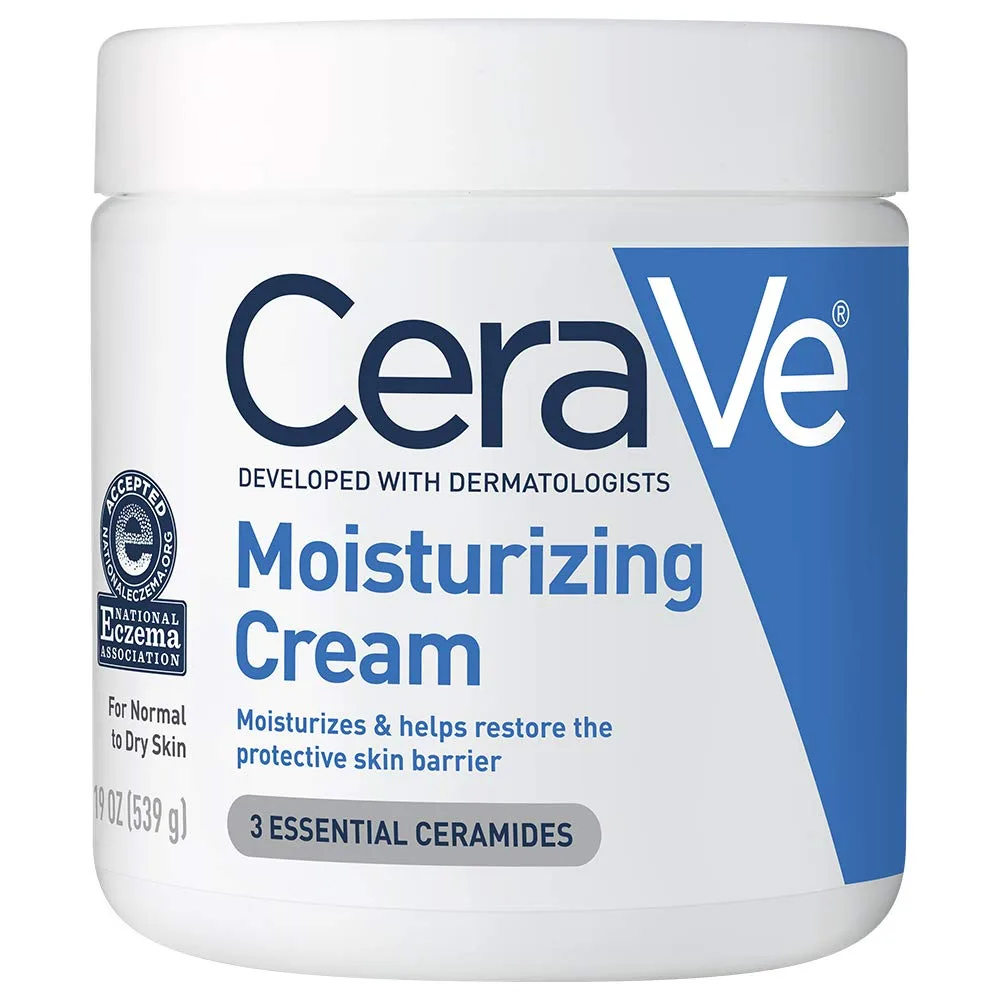
 Moisturizing Cream
The CeraVe Moisturizing Cream is the most important moisturizer in the drugstore — a ceramide-rich, dermatologist-developed formula that delivers barrier repair, multi-humectant hydration, and occlusive protection at a price so accessible it has no real excuse not to be in every household. Twenty-one years of consistent performance and universal dermatologist approval speak louder than any ingredient list.
 Barrier Repair Pioneer
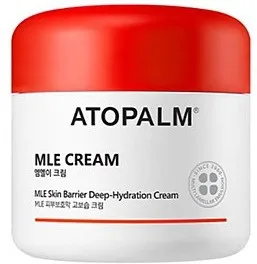
 MLE Cream
Atopalm MLE Cream is one of the genuinely scientifically anchored barrier moisturizers in K-beauty — a fragrance-free, pseudo-ceramide cream built around a patented liquid-crystal lipid structure that mimics the skin's own intercellular matrix. For eczema, atopic skin, post-procedure recovery, or anyone with a stinging compromised barrier, it's one of the most reliably effective moisturizers in the entire category.
 K-Beauty Barrier Repair Staple
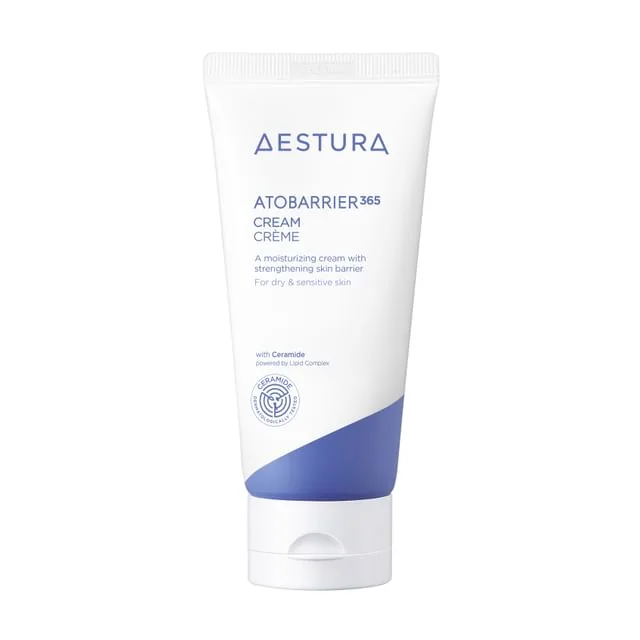
 Atobarrier 365 Cream
A Korean pharmacy cream that earns its cult following the hard way — with a lamellar lipid structure that actually rebuilds the barrier, not just coats it. If your skin has been through a rough winter, a retinoid ramp-up, or a bad reaction, this is the jar that quietly puts it back together.
 Korean Derm Clinic Recovery Pick
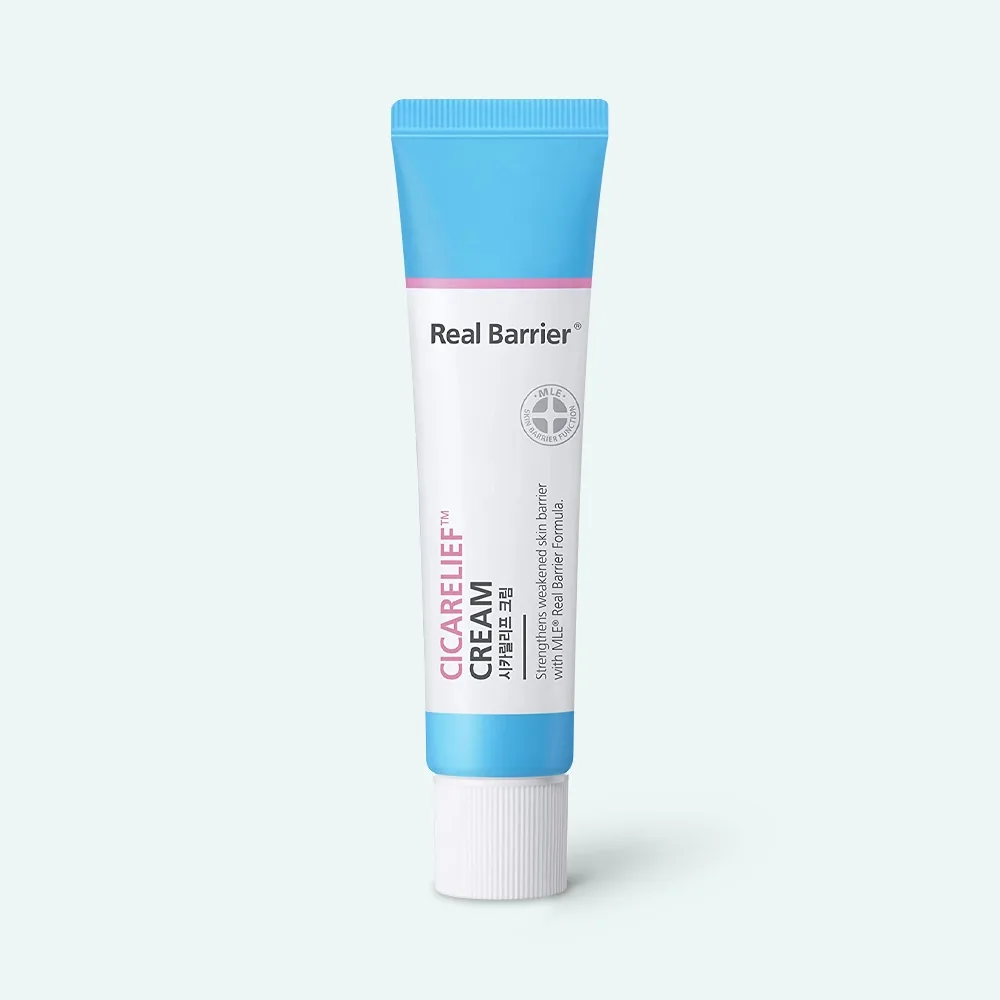
 Real Barrier Cicarelief Cream
One of the best consumer cica creams on the market, combining the full spectrum of centella actives with NeoPharm's MLE ceramide delivery and multiple complementary calming ingredients. Ideal for compromised, reactive, rosacea-prone, or recovering skin, and a staple in Korean dermatology clinic protocols. Minor limitations on packaging, but the formulation is genuinely excellent.
 Transparent 10% Panthenol Cream
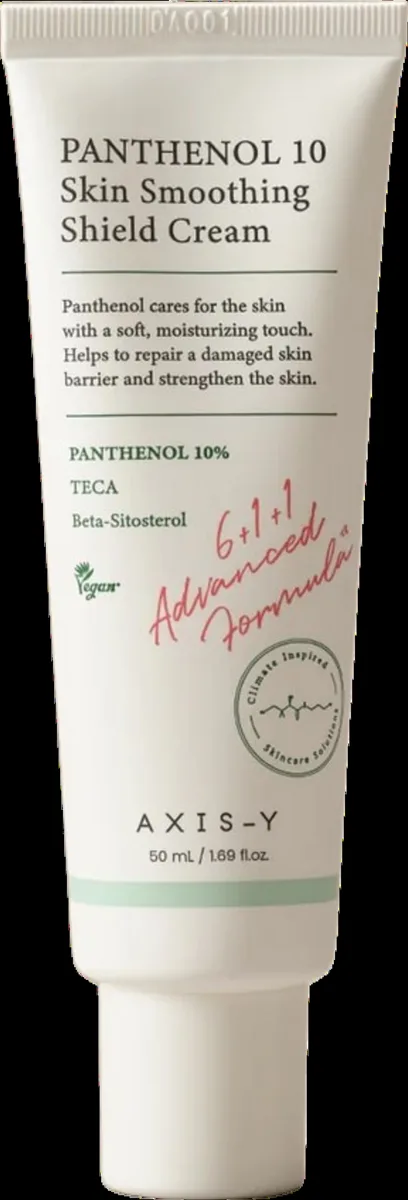
 Panthenol 10 Skin Smoothing Shield Cream
A disclosed 10% panthenol barrier cream built around a full physiological ceramide trio, a centella calming cast, and a modest shea butter occlusive. Fragrance-free, cross-season, and unusually transparent about its hero active — one of the brand's strongest moisturizer formulations.
 K-Beauty Icon
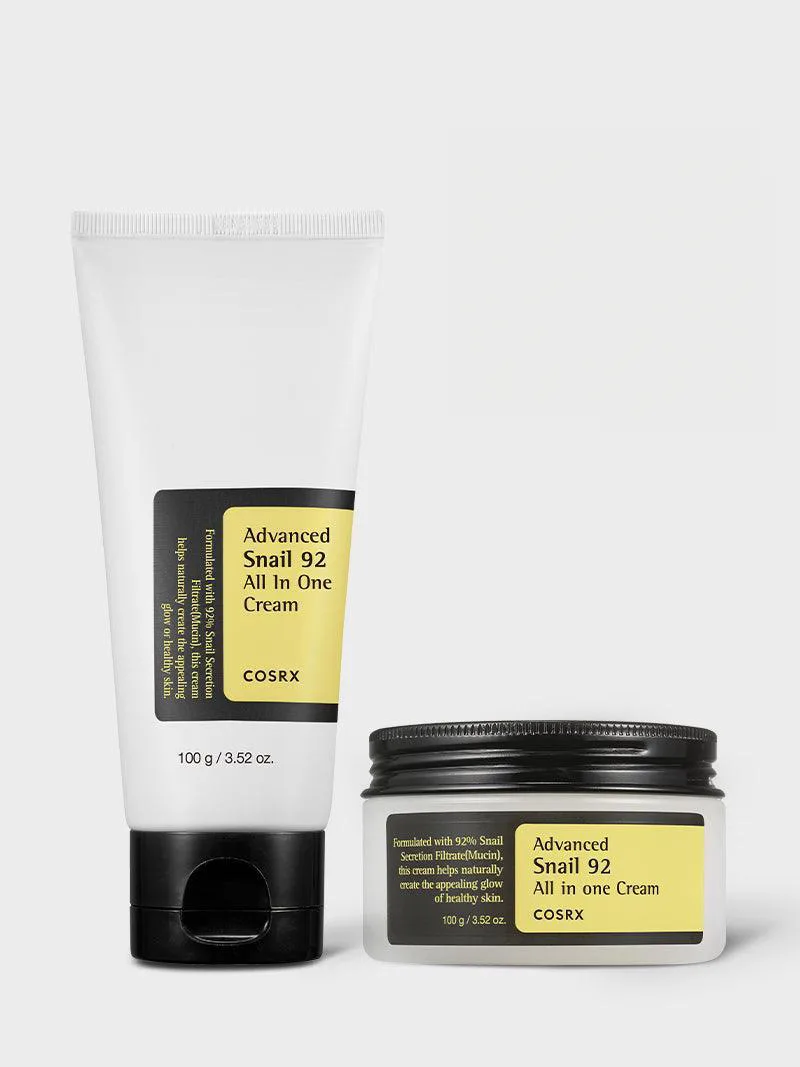
 Advanced Snail 92 All in One Cream
The cream that helped prove snail mucin to the world — and a decade later, it still deserves the reputation. At 92% snail secretion filtrate in a fragrance-free, gentle gel-cream, it delivers hydration, soothing, and gradual skin improvement across virtually every skin type. The texture takes getting used to, but 13 million sold units and 25,000+ reviews suggest most people manage.