
Twelve ingredients, 10% glycolic acid, and zero nonsense — L'Oréal's glycolic acid serum is the most minimalist, effective AHA treatment on the drugstore shelf. The soothing aloe and hydrating hyaluronic acid make nightly exfoliation practical, not punishing, and the price-to-potency ratio is outstanding.
Revitalift Derm Intensives 10% Pure Glycolic Acid Serum
Twelve ingredients, 10% glycolic acid, and zero nonsense — L'Oréal's glycolic acid serum is the most minimalist, effective AHA treatment on the drugstore shelf. The soothing aloe and hydrating hyaluronic acid make nightly exfoliation practical, not punishing, and the price-to-potency ratio is outstanding.
Score Breakdown
Where this product gains points and where it loses them — broken down across the four scoring pillars.
A remarkably clean 12-ingredient glycolic acid formula at the maximum OTC concentration, with thoughtful soothing and hydrating support. The fragrance-free, silicone-free profile is excellent for an exfoliant. Inherent irritation potential from 10% glycolic acid limits the audience, but this is unavoidable at effective concentrations.
Pros & Cons
- ✓Maximum OTC concentration of 10% glycolic acid at optimized pH for genuine exfoliating efficacy
- ✓Exceptionally clean 12-ingredient formula with no fragrance, silicone, or unnecessary fillers
- ✓Aloe vera, hyaluronic acid, and glycerin provide essential soothing and hydration support
- ✓Ascorbyl glucoside adds synergistic brightening that enhances the glycolic acid's dark spot reduction
- ✓Feather-light watery texture absorbs instantly with zero residue
- ✓Outstanding value at approximately $33 for clinical-grade glycolic acid in a clean vehicle
- ✓Fungal-acne-safe ingredient profile is rare in the exfoliant category
- ✗Alcohol Denat. adds drying potential to an already exfoliating formula
- ✗Inherent irritation risk from 10% glycolic acid requires careful introduction over two weeks
- ✗Mandatory daily SPF 30+ requirement adds an extra step and cost to the routine
- ✗Not suitable for very sensitive, rosacea-prone, or eczema-affected skin
- ✗No built-in sun protection — absolutely cannot be used without sunscreen the following day
Full Review
There is a reason glycolic acid has been the workhorse of dermatology offices for decades while trendier acids come and go. It is the smallest alpha-hydroxy acid molecule, which means it penetrates the stratum corneum more effectively than lactic, mandelic, or any other AHA. It dissolves the intercellular glue holding dead cells to the skin surface, accelerates the emergence of fresh cells beneath, and — with consistent use — stimulates collagen synthesis in the deeper dermis. When dermatologists reach for a chemical exfoliant, glycolic acid is usually their first choice. L'Oréal has distilled that clinical preference into twelve ingredients and a thirty-dollar bottle.
The formula is striking in its restraint. Water. Glycolic acid at 10%. Glycerin. Alcohol Denat. Sodium hydroxide to optimize pH. Aloe vera for soothing. Hyaluronic acid for hydration. Hydroxyethylcellulose as a thickener. Ascorbyl glucoside for brightening. Citric acid for pH stability. Two preservatives. That is the entire formula — there is nothing to critique because there is nothing unnecessary. Every ingredient serves a purpose, and no ingredient is present for marketing appeal.
The 10% concentration represents the maximum typically found in over-the-counter products, and for good reason. At this level, glycolic acid provides genuinely effective exfoliation — not the gentle suggestion of turnover you get from a 2-3% glycolic moisturizer, but real dissolution of the bonds holding dead cells in place. The pH, optimized with sodium hydroxide, ensures the acid is in its free (un-neutralized) form where it can actually penetrate and work. A glycolic acid product at the wrong pH is essentially an expensive moisturizer.
The soothing and hydrating support system is what makes daily use practical. Aloe vera provides immediate anti-inflammatory comfort to skin that has just been chemically exfoliated. Glycerin and sodium hyaluronate replenish moisture that the exfoliation process can strip. Ascorbyl glucoside adds antioxidant protection and brightening — a particularly smart inclusion, since freshly exfoliated skin absorbs vitamin C derivatives more effectively. These are not luxury additions; they are the ingredients that make the difference between a glycolic acid serum you can use nightly and one that leaves your face red and peeling.
The texture reflects the minimal formula. This is essentially glycolic acid in slightly thickened water — it applies like nothing, absorbs in seconds, and leaves zero residue. There is no silicone smoothness, no oil-based slip, no cream-like richness. It is the lightest exfoliant you will ever use, which makes layering straightforward. Apply it, wait a minute for the tingling to subside, and put your moisturizer on top.
The tingling deserves honest framing. At 10% and an effective pH, glycolic acid will sting a little. This is not irritation — it is the acid doing its job. The sensation typically lasts one to two minutes on acclimated skin, and aloe vera helps it resolve. For new users, starting with two to three applications per week and building to nightly use over two weeks is essential. Jumping straight to daily use at 10% is a recipe for irritation, redness, and the kind of bad experience that makes people swear off AHAs entirely.
The alcohol denat. is the only ingredient that warrants pause. It appears fourth in the list, indicating a meaningful concentration. In a formula already containing 10% glycolic acid — itself a potent irritant and drying agent — additional alcohol adds to the cumulative stress on the skin barrier. The glycerin and hyaluronic acid compensate, but very dry skin types may need to be more aggressive with their post-serum moisturizer.
Results follow the classic glycolic acid timeline. Within the first week, skin texture feels noticeably smoother and looks more radiant — the immediate benefit of removing accumulated dead cells. By two to four weeks, dark spots begin fading as the pigmented surface cells are shed and replaced by newer, less pigmented ones. At six to eight weeks, the cumulative effect on fine lines, pore appearance, and overall skin tone becomes significant. These are not marketing projections; they are consistent with decades of glycolic acid research.
The mandatory sunscreen caveat applies here with particular force. Glycolic acid removes the stratum corneum that provides mild UV protection, leaving freshly revealed skin more vulnerable to sun damage. Using this product without daily SPF 30+ will worsen hyperpigmentation rather than improve it. This is not optional guidance — it is a requirement for safe use.
At thirty-three dollars for a formula that delivers clinical-grade glycolic acid in the cleanest possible vehicle, the value is exceptional. Prestige glycolic acid serums at two to four times this price rarely offer a cleaner ingredient list or a more effective pH. L'Oréal took the ingredient that dermatologists trust most for skin resurfacing and delivered it without compromise at a drugstore price. Twelve ingredients. Maximum OTC concentration. Optimal pH. Everything you need and nothing you do not.
Formula
Key Ingredients
The hero actives that drive this product's performance.
| Ingredient | Function | Evidence |
|---|---|---|
| Glycolic Acid (10%) | The smallest alpha-hydroxy acid molecule, glycolic acid at 10% provides potent chemical exfoliation by dissolving the bonds between dead surface cells. At the formula's acidic pH, it penetrates effectively to accelerate cell turnover, improve texture, reduce dark spots, and stimulate collagen production over time. This is the maximum concentration typically found in over-the-counter products. | well-established |
| Glycerin | Listed third in this formula, glycerin serves as the primary humectant to counterbalance the drying and irritating potential of 10% glycolic acid. Its moisture-drawing properties help maintain skin hydration during the exfoliation process, reducing the flaking and tightness commonly associated with AHA use. | well-established |
| Aloe Barbadensis Leaf Juice | Provides soothing and anti-inflammatory benefits to skin undergoing active exfoliation. In this formula, it works alongside glycerin to calm the irritation potential of 10% glycolic acid, making the treatment more tolerable for a wider range of skin types. | well-established |
| Sodium Hyaluronate | Adds a hydration layer that plumps newly revealed skin cells after glycolic acid removes the dead surface layer. Freshly exfoliated skin absorbs hyaluronic acid more effectively, making this a synergistic pairing that maximizes both exfoliation and hydration results. | well-established |
| Ascorbyl Glucoside (Vitamin C derivative) | A stable vitamin C derivative that provides antioxidant protection and brightening support. Combined with glycolic acid's exfoliating action, it targets hyperpigmentation from two directions — removing pigmented surface cells while inhibiting further melanin production in the fresh cells beneath. | well-established |
Full INCI List · pH 3.5
Aqua/Water/Eau, Glycolic Acid, Glycerin, Alcohol Denat., Sodium Hydroxide, Aloe Barbadensis Leaf Juice, Sodium Hyaluronate, Hydroxyethylcellulose, Ascorbyl Glucoside, Citric Acid, Potassium Sorbate, Sodium Benzoate
Product Flags
✓ Fragrance Free✗ Alcohol Free✓ Oil Free✓ Silicone Free✓ Paraben Free✓ Sulfate Free✗ Cruelty Free✗ Vegan✓ Fungal Acne Safe
Potential Irritants
Glycolic Acid (10%)Alcohol Denat.Citric Acid
Compatibility
Skin Match
Best For
Works For
Not Ideal For
Addresses These Conditions
hyperpigmentation dark spots texture dullness aging large pores acne
Use With Caution
sensitivity rosacea compromised skin barrier
Avoid With
Routine Step
treatment
Time of Day
PM
Pregnancy Safe
Unknown
Layering Tips
Apply 4-5 drops to clean, dry skin at night. Avoid the eye area and lips. Do not combine with retinol, other AHAs/BHAs, or vitamin C in the same routine to avoid over-exfoliation. Follow with a hydrating moisturizer. Always use SPF 30+ the following morning — glycolic acid increases photosensitivity for up to a week after use.
Results Timeline
Smoother texture and increased radiance visible within the first week. Noticeable improvement in dark spots and hyperpigmentation within 2-4 weeks. Significant refinement of pores, fine lines, and overall skin tone evenness after 6-8 weeks of consistent nightly use.
Pairs Well With
Hydrating moisturizer with ceramides or hyaluronic acidBroad-spectrum SPF 30+ sunscreen every morningNiacinamide serum on alternate nights
Conflicts With
Retinol on the same nightOther AHA/BHA exfoliantsBenzoyl peroxidePhysical scrubs
Sample AM Routine
- Gentle cleanser
- Hydrating serum
- Moisturizer
- Sunscreen SPF 30+
Sample PM Routine
- Gentle cleanser
- L'Oréal Paris Revitalift Derm Intensives 10% Pure Glycolic Acid Serum
- Hydrating moisturizer
Evidence
Who Should Skip
- Alcohol Denat. adds drying potential to an already exfoliating formula
- Inherent irritation risk from 10% glycolic acid requires careful introduction over two weeks
- Mandatory daily SPF 30+ requirement adds an extra step and cost to the routine
- Not suitable for very sensitive, rosacea-prone, or eczema-affected skin
Science & Expert Perspective
The Science
Glycolic acid is the most extensively studied alpha-hydroxy acid in dermatological literature. A landmark review published in the Journal of the American Academy of Dermatology (1996) established that glycolic acid at concentrations of 5-10% in daily-use formulations significantly improves skin texture, reduces fine lines, and promotes more even pigmentation through accelerated desquamation and stimulation of glycosaminoglycan and collagen production in the dermis.
The relationship between pH and glycolic acid efficacy is well-documented. Research published in Dermatologic Surgery (1997) demonstrated that glycolic acid's exfoliating activity is directly related to the concentration of free (un-neutralized) acid, which increases at lower pH. The inclusion of sodium hydroxide in this formula allows precise pH adjustment to the 3.0-4.0 range where glycolic acid is most effective while remaining tolerable for daily use.
The combination of glycolic acid with ascorbyl glucoside leverages complementary mechanisms for hyperpigmentation treatment. A study in the Journal of Cosmetic Dermatology (2009) showed that AHA exfoliation enhances the penetration and efficacy of co-applied vitamin C derivatives by removing the stratum corneum barrier, creating a synergistic brightening effect that exceeds what either ingredient achieves alone.
Aloe barbadensis leaf juice has documented anti-inflammatory properties relevant to exfoliant formulations. Research in the International Journal of Dermatology (2008) confirmed that aloe vera reduces erythema and inflammation following skin barrier disruption, supporting its inclusion as a soothing agent in products containing irritating actives.
References
- Alpha-hydroxy acids in the cosmetic treatment of skin aging — Journal of the American Academy of Dermatology (1996)
- Glycolic acid peels: pH and free acid concentration relationship to efficacy — Dermatologic Surgery (1997)
Dermatologist Perspective
Dermatologists consistently rank glycolic acid among the most effective topical exfoliants available, and 10% represents the upper end of safe at-home concentrations. Board-certified dermatologists appreciate the clean, minimal formulation and fragrance-free profile, noting that many patients experience irritation from the fragrance in competing AHA products rather than the acid itself. Dermatologists recommend this as a first-line exfoliant for patients with texture concerns, mild hyperpigmentation, and early signs of aging, with the caveat that gradual introduction and strict sun protection are non-negotiable. For patients with rosacea or very sensitive skin, dermatologists typically suggest starting with a lower-concentration glycolic product or a gentler PHA alternative.
Guidance
Usage Guide
How to Use
Apply 4-5 drops to clean, dry skin at night — never in the morning, as glycolic acid increases photosensitivity. Avoid the eye area, lips, and any broken or irritated skin. New users: start with 2-3 times per week for the first two weeks, then increase to every other night, then nightly as tolerated. Follow immediately with a hydrating moisturizer. The next morning, apply broad-spectrum SPF 30+ without exception. Do not use on the same night as retinol, other AHAs/BHAs, or benzoyl peroxide.
Value Assessment
At $33 for 30 mL, this delivers the gold-standard AHA at the maximum OTC concentration in one of the cleanest formulations available at any price point. Prestige glycolic acid serums from brands like Drunk Elephant, SkinCeuticals, and Sunday Riley charge $60-$100 for comparable or lower concentrations, often with added fragrance and botanical fillers that increase irritation without improving efficacy. L'Oréal's formula is arguably cleaner and more focused than most of its premium competitors. The 1.7 oz size also available offers even better per-unit value.
Who Should Buy
Anyone targeting uneven skin texture, dark spots, dullness, or mild hyperpigmentation with a no-nonsense approach. Ideal for normal, combination, and oily skin types seeking maximum-strength at-home glycolic acid without the fragrance and filler of most competitors. Particularly well-suited for ingredient-minimalists who appreciate a short, transparent ingredient list.
Who Should Skip
Sensitive, rosacea-prone, or eczema-affected skin should look to gentler exfoliants like PHAs or mandelic acid. Anyone who cannot commit to daily sunscreen use should not use this product — glycolic acid without SPF will worsen hyperpigmentation. Those already using prescription retinoids may find that adding 10% glycolic acid creates excessive irritation. Pregnant individuals should consult their healthcare provider before use.
Ready to try L'Oréal Paris Revitalift Derm Intensives 10% Pure Glycolic Acid Serum?
Details
Details
Texture
Lightweight, watery gel serum that absorbs almost instantly. No viscosity, no film — it feels like applying water that happens to exfoliate. One of the lightest textures in the exfoliant category.
Scent
Fragrance-free with no noticeable scent. A very faint clinical note from the glycolic acid itself, but nothing that lingers.
Packaging
Glass bottle with dropper applicator for controlled dispensing. Clean, professional design consistent with the Revitalift Derm Intensives line.
Finish
lightweightinvisiblefast-absorbing
What to Expect on First Use
On first application, expect a mild tingling or warming sensation — this is the glycolic acid at work and is normal. The sensation typically lasts one to two minutes and subsides as the serum absorbs. New users should start with two to three times per week and build to nightly use over two weeks. No visible peeling unless skin is over-exfoliated.
How Long It Lasts
2-3 months with nightly use (4-5 drops per application)
Period After Opening
12 months
Best Season
fall winter
Certifications
Dermatologist validatedAllergy testedNon-comedogenic
Background
The Why
L'Oréal's glycolic acid serum was designed to bring the dermatologist's office to the drugstore shelf. While glycolic acid peels have been a clinical staple for decades, at-home formulations often underdose the active or bury it in thick creams that reduce skin contact. L'Oréal formulated this as a clean, watery serum at the maximum OTC concentration, pH-optimized with sodium hydroxide for effective exfoliation, and supported by three hydrating and soothing ingredients to make nightly AHA use practical for non-clinical consumers.
About L'Oréal Paris Legacy Brand (20+ years)
L'Oréal Paris was founded in 1909 by chemist Eugène Schueller and is the consumer products division of the world's largest beauty company. L'Oréal has published extensive research on glycolic acid formulation, pH optimization, and skin resurfacing efficacy.
Brand founded: 1909 · Product launched: 2019
Myth vs. Reality
Myths & Misconceptions
Myth
Glycolic acid thins the skin and makes it more fragile over time.
Reality
Glycolic acid removes dead cells from the stratum corneum (the outermost layer) while actually stimulating collagen production in the deeper dermis. Over months of use, the net effect is thicker, stronger dermis beneath a thinner, smoother surface layer. The increased photosensitivity during use is temporary and managed with sunscreen, not a sign of lasting damage.
Myth
You should see visible peeling with an effective glycolic acid product.
Reality
Visible peeling typically indicates over-exfoliation or too-rapid introduction. At 10% in a leave-on serum, glycolic acid works by accelerating the natural desquamation process at the cellular level — shedding individual dead cells rather than large visible flakes. The improvement in texture and brightness happens without dramatic peeling when used correctly.
FAQ
Frequently Asked Questions
Can I use L'Oréal Glycolic Acid Serum every night?
Eventually, yes — but start slowly. Use two to three times per week for the first two weeks to allow your skin to acclimate. Gradually increase to every other night, then nightly if tolerated. If you experience persistent redness or excessive dryness, reduce frequency. Always follow with moisturizer and use SPF 30+ the next morning.
Can I use glycolic acid with retinol?
Not in the same routine. Both are potent actives that can cause irritation, and combining them increases the risk of over-exfoliation. Alternate nights — glycolic acid one evening, retinol the next — or use glycolic acid in the evening and retinol products on different nights of the week.
Is L'Oréal 10% Glycolic Acid Serum safe during pregnancy?
The safety of glycolic acid during pregnancy is debated. While topical glycolic acid has minimal systemic absorption, many dermatologists recommend avoiding high-concentration AHAs during pregnancy as a precaution. Consult your healthcare provider before use.
Why do I need to wear sunscreen with glycolic acid?
Glycolic acid removes the outer layer of dead skin cells that provides some UV protection. Freshly exfoliated skin is more vulnerable to sun damage, which can worsen the hyperpigmentation you are trying to treat. SPF 30+ is mandatory every morning when using any AHA product, even on cloudy days.
How does L'Oréal's glycolic acid serum compare to professional peels?
Professional glycolic peels use concentrations of 20-70% at very low pH for dramatic single-session results. This 10% daily-use formula provides gentler, cumulative exfoliation that builds over weeks to achieve similar long-term results with less downtime and irritation risk. Think of it as a slow, steady resurfacing rather than a dramatic peel.
What is the pH of L'Oréal Glycolic Acid Serum?
While the exact pH is not publicly disclosed, the formula includes sodium hydroxide specifically to optimize pH for glycolic acid efficacy. AHA serums typically require a pH of 3.0-4.0 to effectively exfoliate, and the inclusion of a pH buffer indicates L'Oréal has targeted this range.
Community
Community Voices
Common Praise
"Absorbs instantly with no sticky or greasy residue"
"Visible brightening and smoother texture within the first two weeks"
"Gentle enough for sensitive skin when introduced gradually"
"Clean, minimal ingredient list appreciated by ingredient-conscious consumers"
"Effectively reduces hyperpigmentation and evens out skin tone"
Common Complaints
"Must be disciplined about daily SPF use as glycolic acid increases sun sensitivity"
"Initial tingling and mild irritation during the first week of use"
"Contains Alcohol Denat. which may add drying effects for already dry skin"
"Requires consistent nightly use for several weeks to see full results"
Notable Endorsements
Dermatologist validatedAllergy tested
Appears In
best exfoliant for hyperpigmentation best exfoliant for texture best drugstore glycolic acid serum best exfoliant for dullness best exfoliant for dark spots
Related Conditions
hyperpigmentation dark spots texture dullness aging acne
Related Ingredients
You Might Also Like
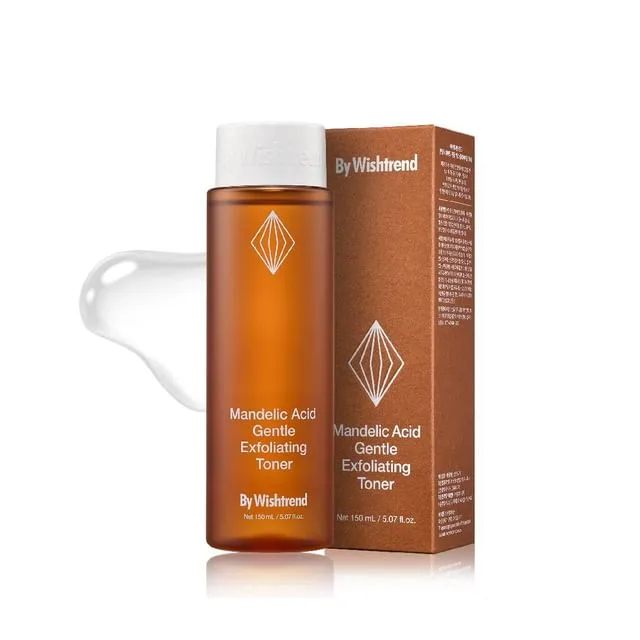 Sensitive Skin AHA Pick
 Mandelic Acid 5% Skin Prep Water
The mandelic acid prep water that quietly converted half of K-beauty Reddit away from glycolic — and for good reason. It delivers visible texture and PIH improvement at 5% without the sting or pigment risk that derails sensitive and darker skin, and it does so for around twenty bucks.
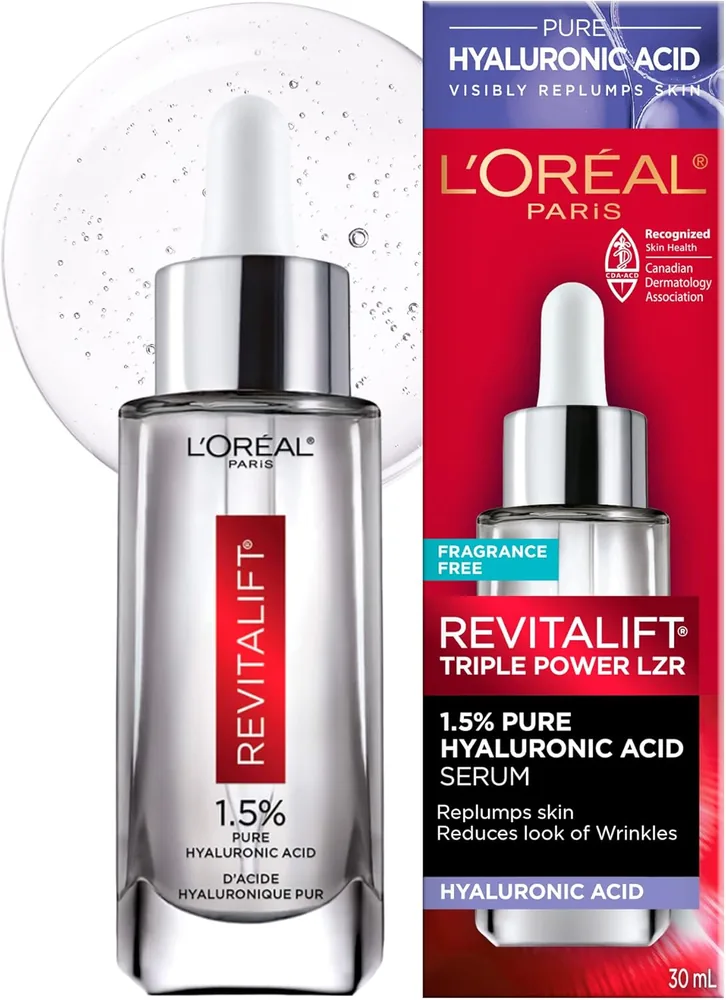 The People's HA Serum
 Revitalift Derm Intensives 1.5% Pure Hyaluronic Acid Serum
A masterclass in minimalist formulation — thirteen ingredients, no filler, four functional actives, and over thirty thousand glowing reviews. L'Oréal's multi-weight HA system delivers genuine hydration at every level of the skin, and the fragrance-free, alcohol-free formula is clean enough for virtually anyone. The drugstore serum that embarrasses its prestige competitors.
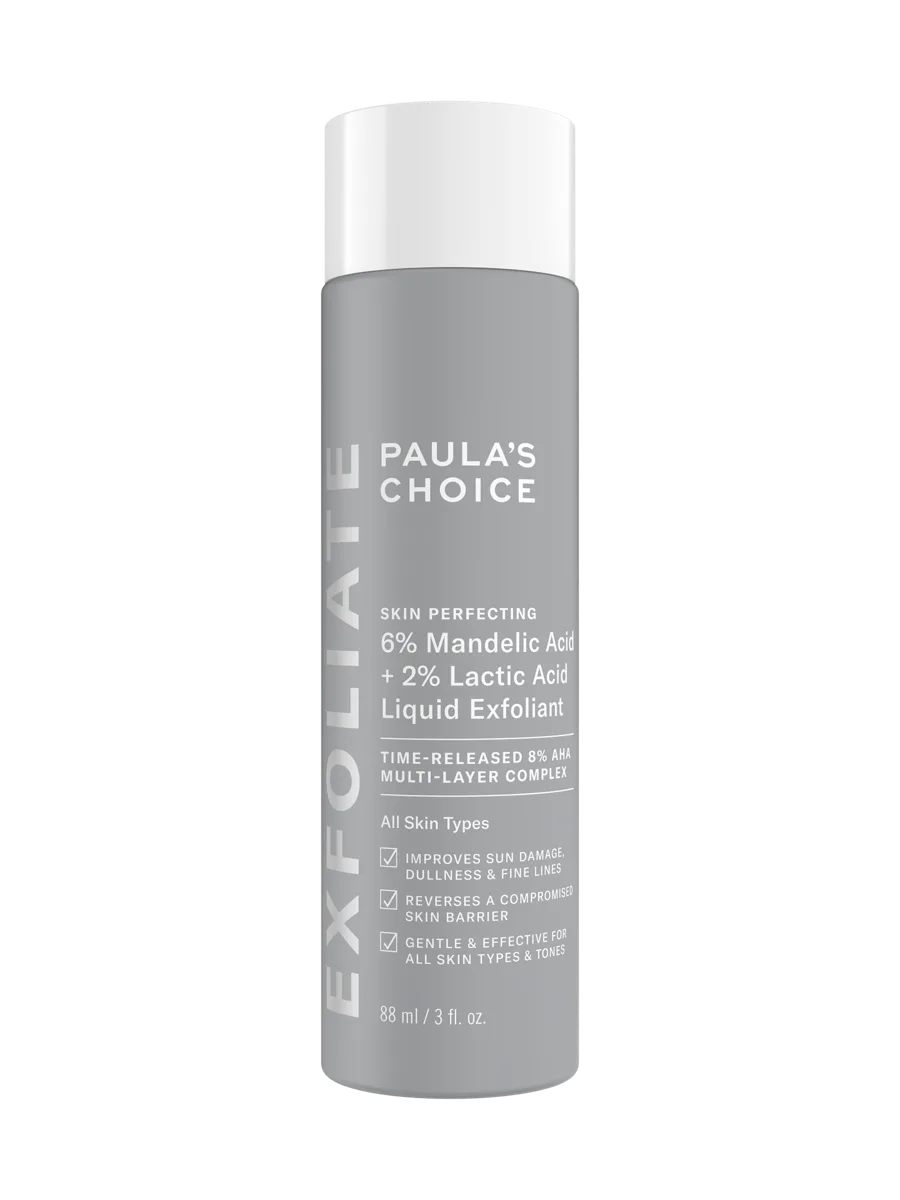 Gentle Glow Specialist
 Skin Perfecting 6% Mandelic Acid + 2% Lactic Acid Liquid Exfoliant
The exfoliant that finally treats sensitive and melanin-rich skin as the design priority rather than an afterthought. With a 4.8-star rating and 660+ reviews, this mandelic-lactic formula proves that gentleness and efficacy aren't mutually exclusive — it just requires smarter acid selection.
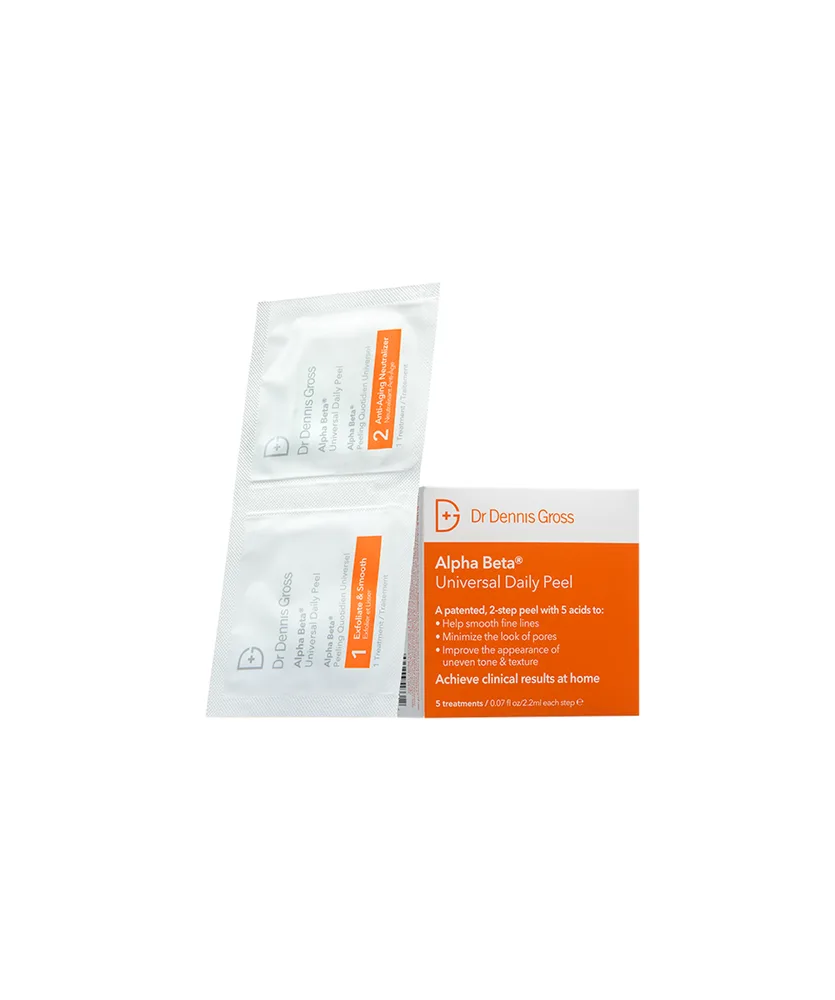 The Original At-Home Peel
 Alpha Beta Universal Daily Peel
The product that invented the at-home daily peel category in 2002 and still sits at the top of it. The five-acid Step 1 and retinol-antioxidant Step 2 deliver genuine resurfacing and anti-aging in a single five-minute routine. Expensive, but the results and track record justify the reputation.
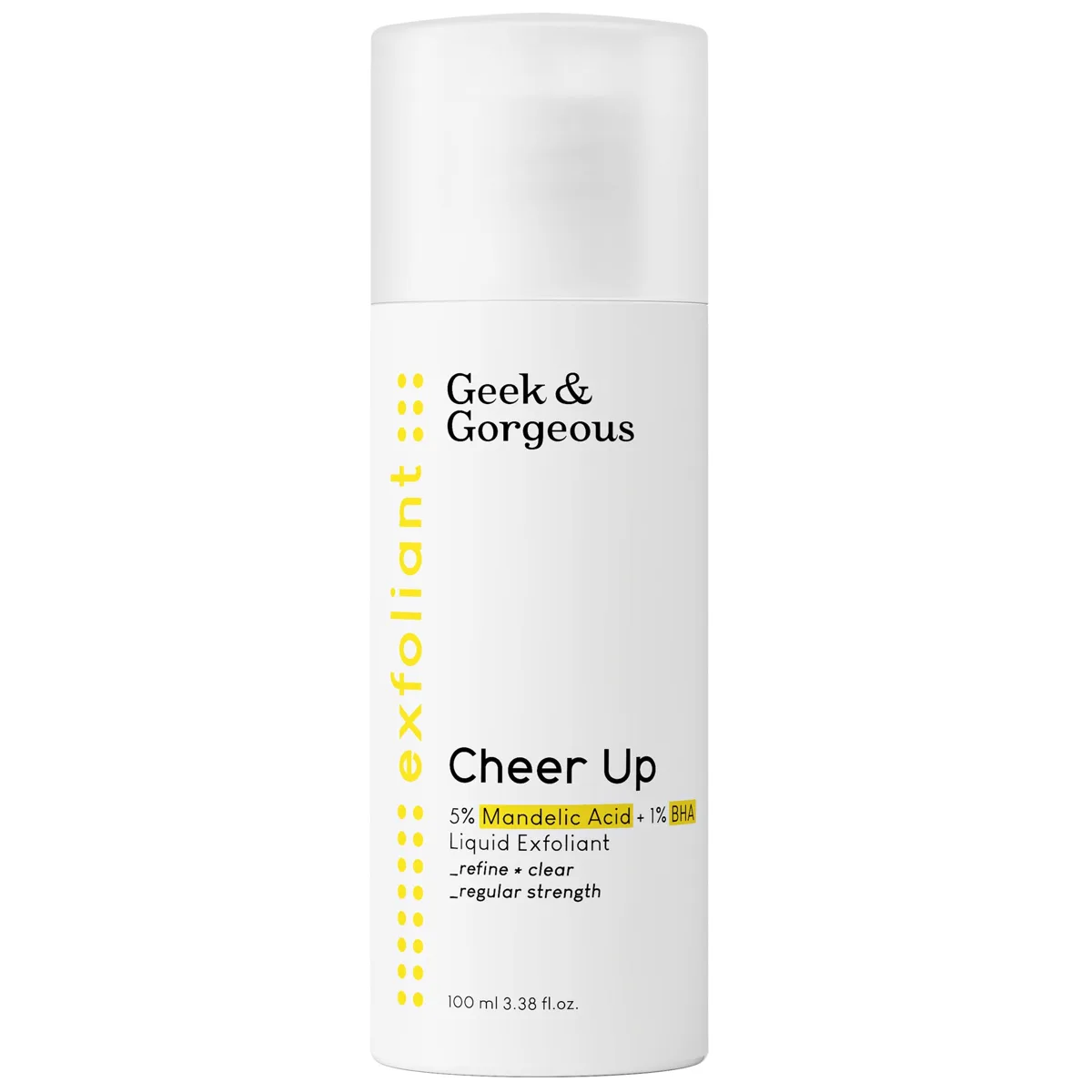 Beginner Exfoliant Pick
 Cheer Up 5% Mandelic + 1% Salicylic Exfoliant
A thoughtfully formulated beginner AHA/BHA exfoliant that uses mandelic acid — the gentlest mainstream AHA — in combination with low-strength salicylic, plus a sugar-humectant complex for comfort. At 100mL for around $12, the value is excellent, and the formulation choices reflect the kind of cosmetic-chemist thinking that separates this brand from typical indie exfoliants. Ideal for exfoliant newcomers and sensitive skin.
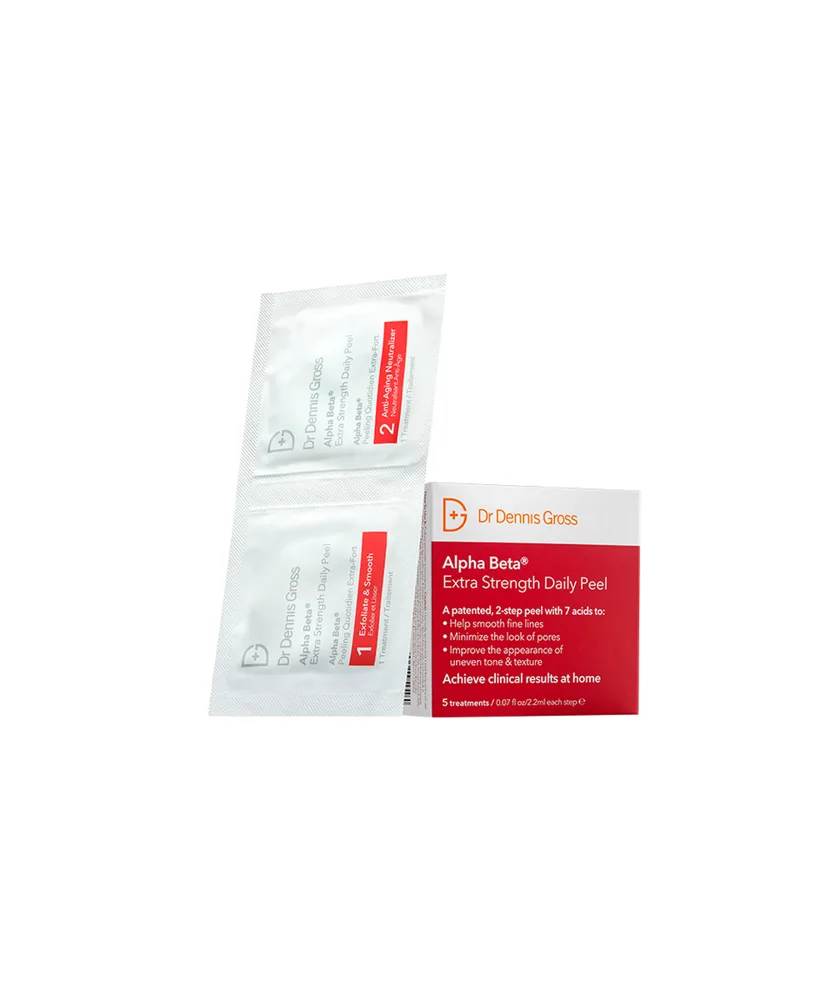 At-Home Peel Benchmark
 Alpha Beta Extra Strength Daily Peel
The harder-hitting version of the at-home peel that started the category. Step 1 delivers a serious five-acid blend and Step 2 follows with retinol and antioxidants, making this a combined resurfacing and anti-aging treatment in a single five-minute routine. Expensive but genuinely effective for experienced exfoliant users.
This review reflects our independent analysis of publicly available ingredient data, manufacturer claims, and verified user reviews. We are reader-supported — Amazon links may earn us a commission at no cost to you. We do not accept paid placements; rankings are based solely on the evidence.