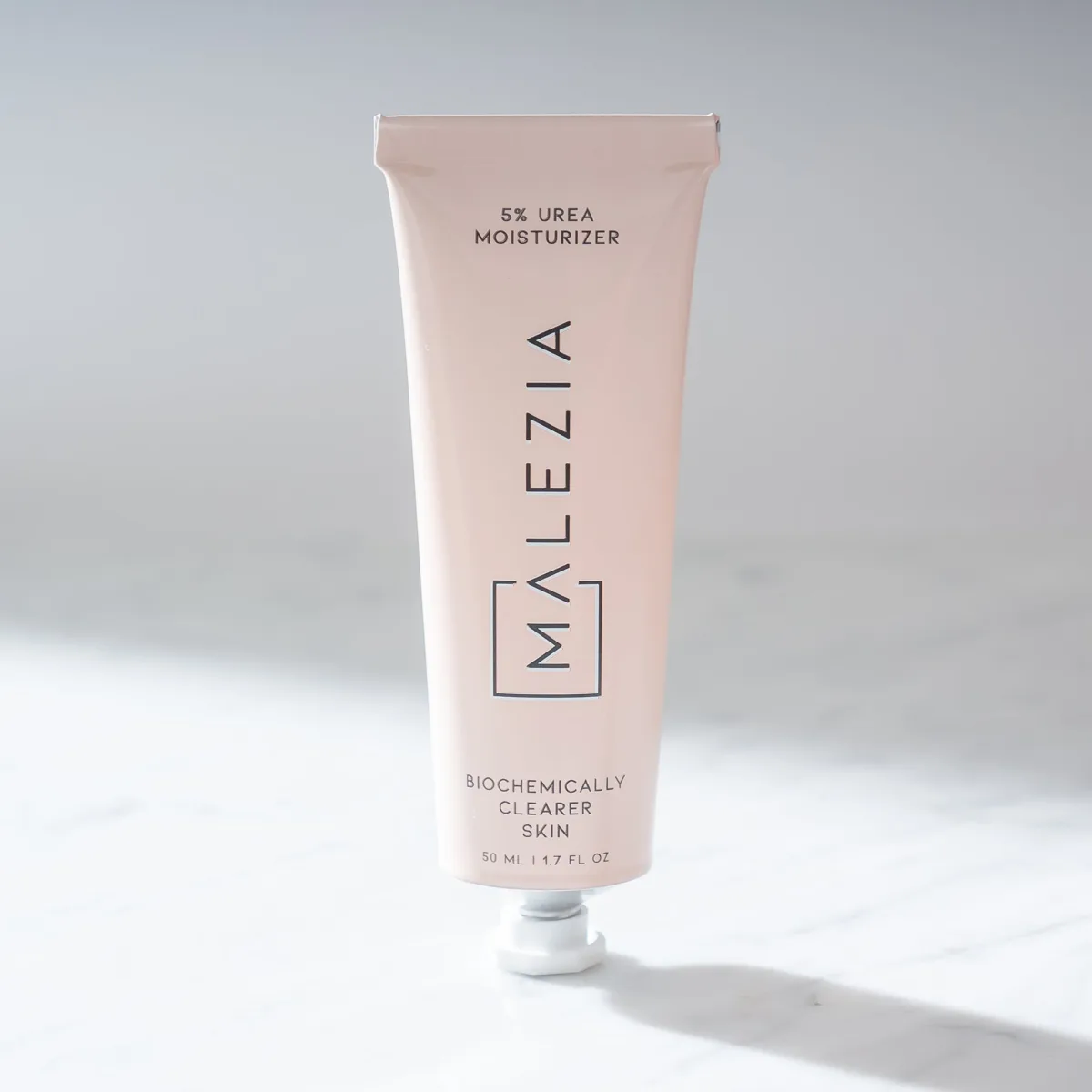
The flagship product of the only commercial brand that takes fungal acne seriously, and for the intended user it's the moisturizer that finally works. A simple, intelligent formula built around 5% urea, dimethicone, and niacinamide — no fatty acids, no ceramides, no plant oils, no flare triggers. At $17 for 150ml, it's reasonable too.
5% Urea Moisturizer
The flagship product of the only commercial brand that takes fungal acne seriously, and for the intended user it's the moisturizer that finally works. A simple, intelligent formula built around 5% urea, dimethicone, and niacinamide — no fatty acids, no ceramides, no plant oils, no flare triggers. At $17 for 150ml, it's reasonable too.
Score Breakdown
Where this product gains points and where it loses them — broken down across the four scoring pillars.
The cornerstone moisturizer of the fungal-acne community and for good reason. A genuinely intelligent, well-composed formula at a reasonable price. The narrow niche keeps breadth scores in check but doesn't diminish how well this works for its intended users.
Pros & Cons
- ✓Genuinely fungal-acne safe formulation
- ✓5% urea provides meaningful hydration without exfoliation
- ✓Lightweight silicone-smooth finish works under makeup
- ✓Fragrance-free, alcohol-free, oil-free
- ✓Reasonable $17 price point for the specialized niche
- ✓Pregnancy safe
- ✓Can be used on face and body for fungal folliculitis
- ✗Limited availability outside direct site
- ✗Small brand with occasional stock issues
- ✗Won't replace higher-concentration urea for keratosis pilaris
- ✗Basic utilitarian packaging
- ✗150ml is small for full-body use
Full Review
For a long stretch of the 2010s, the fungal acne community on Reddit had a strange ritual. Members with Malassezia folliculitis — the fungal yeast overgrowth that looks like acne and gets worse with most acne treatments — would spend hours in the DIY section of the subreddit, mixing their own moisturizers in plastic squeeze bottles. Glycerin, water, a pinch of urea, maybe some niacinamide powder if they were ambitious. It wasn't that they wanted to play chemist. It was that no commercial moisturizer on the market met the fungal-acne-safe criteria they needed, and they had no other option. Every mainstream moisturizer contained fatty acid esters, ceramides, or plant oils that triggered their flares. CeraVe was unusable. La Roche-Posay was unusable. The Ordinary's natural moisturizing factor cream had polysorbate that was unsafe. The community built detailed spreadsheets of ingredients to avoid and then had nowhere to actually buy a product that followed the rules. Malezia 5% Urea Moisturizer is what happened when someone with the condition got tired of that situation and formulated a solution. Daniel Sargsyan launched Malezia in 2019 and this moisturizer was one of the first products in the line. The formula is defined as much by what isn't in it as by what is. No fatty acids, no fatty acid esters, no plant oils, no triglycerides, no polysorbates, no fatty alcohols below C24. The actives that drive commercial moisturizers are mostly absent because they're unsafe for fungal acne. What's left is a stripped-down, purpose-built formula that does exactly what it needs to do. Urea at 5% is the primary humectant. At this concentration, urea acts as a hydrator rather than an exfoliant — the keratolytic effect kicks in above 10%, so this formula is purely a moisturizer despite the ingredient sounding clinical. Urea is a component of natural moisturizing factor, the built-in hydration system of the stratum corneum, and supplementing it topically has decades of published research supporting hydration benefits. Glycerin and propanediol add additional humectant support. Dimethicone is the sole occlusive — one of the few film-forming ingredients that doesn't feed Malassezia — and it's what gives this moisturizer its velvety, silicone-smooth drydown and its reputation for working under makeup. Niacinamide, panthenol, and allantoin handle the soothing and barrier-support work that ceramides would normally cover, and sodium PCA contributes to NMF replenishment. The pH is buffered to around 5.5 to match skin's natural pH. The ingredient list is short enough to fit on a single page, and every component is there for a reason. In daily use, the moisturizer is almost deceptively simple. It applies like a light lotion, sinks in within a minute, and leaves a velvety finish that feels significantly lighter than you'd expect from a fully hydrating formula. There's no fragrance, no active stinging, no sensation of anything happening — just clean, comfortable hydration. Users with fungal acne consistently report that they can finally wear a moisturizer all day without triggering a flare, which sounds like a low bar until you realize how many products they've tried before getting to this one. Over four to eight weeks of use in a complete fungal-acne-safe routine, the small itchy bumps on the forehead, chest, and back gradually clear. The product doesn't treat fungal acne directly — you typically need ketoconazole or a salicylic acid cleanser for that — but it finally gives users a moisturizer that doesn't undo the progress from their treatment. The value proposition is strong. At $17 for 150ml, it's priced comparably to mainstream drugstore moisturizers and significantly cheaper than prestige alternatives that still wouldn't be fungal-acne safe. The limitations are the ones every small indie brand has: availability is mostly through the direct site, stock can run out during popular months, and the packaging is utilitarian rather than aesthetic. None of that matters for the target customer, who is typically someone who has spent months or years looking for exactly this product and is just relieved to find it.
Formula
Key Ingredients
The hero actives that drive this product's performance.
| Ingredient | Function | Evidence |
|---|---|---|
| Urea (5%) | The primary humectant and mild keratolytic in this moisturizer, chosen at the 5% concentration where it functions purely as a hydrator rather than an exfoliant. Urea attracts water into the stratum corneum and supports natural moisturizing factor replenishment — crucial for fungal-acne users who can't rely on the fatty-acid-based humectants in most commercial moisturizers. | well-established |
| Dimethicone | A silicone occlusive that forms a breathable film to reduce transepidermal water loss without adding any Malassezia-feeding lipids. It's the one occlusive option available to fungal-acne-safe formulators, which is why it shows up in every Malezia moisturizer. | well-established |
| Niacinamide | A supporting active chosen to calm the inflammation of fungal folliculitis and support ceramide biosynthesis without introducing any direct barrier lipids that would feed Malassezia. Works alongside panthenol and allantoin as the formula's soothing complex. | well-established |
| Panthenol + Allantoin | A soothing duo that handles irritation and mild wound healing in a formula that deliberately excludes the ceramides and fatty esters most moisturizers rely on. In this context, they're doing the heavy lifting for tolerability. | well-established |
Full INCI List · pH 5.5
Water, Urea, Propanediol, Glycerin, Dimethicone, Propylene Glycol, Panthenol, Allantoin, Niacinamide, Xanthan Gum, Carbomer, Tromethamine, Sodium PCA, Phenoxyethanol, Ethylhexylglycerin
Product Flags
✓ Fragrance Free✓ Alcohol Free✓ Oil Free✗ Silicone Free✓ Paraben Free✓ Sulfate Free✓ Cruelty Free✓ Vegan✓ Fungal Acne Safe
Compatibility
Skin Match
Best For
Works For
Not Ideal For
Addresses These Conditions
fungal acne dehydration dryness keratosis pilaris
Routine Step
moisturizer
Time of Day
AM & PM
Pregnancy Safe
Yes ✓
Layering Tips
Apply to cleansed or serum-layered skin morning and night. In the morning, follow with sunscreen. Layer over any fungal-acne-safe serums for best hydration.
Results Timeline
Immediate hydration and softening. Visible improvement in fungal-acne bumps over 4-8 weeks when combined with a complete fungal-acne-safe routine.
Pairs Well With
bha-cleanserniacinamide-serumazelaic-acid
Sample AM Routine
- BHA cleanser
- Niacinamide serum
- Malezia 5% Urea Moisturizer
- Fungal-acne-safe sunscreen
Sample PM Routine
- Oil cleanse
- BHA cleanser
- Azelaic acid
- Malezia 5% Urea Moisturizer
Evidence
Who Should Skip
- Limited availability outside direct site
- Small brand with occasional stock issues
- Won't replace higher-concentration urea for keratosis pilaris
- Basic utilitarian packaging
Science & Expert Perspective
The Science
Urea is one of the most well-studied humectants in dermatology. Published research going back decades — including foundational studies in the British Journal of Dermatology and more recent reviews in the International Journal of Cosmetic Science — has established that topical urea improves stratum corneum hydration, supports natural moisturizing factor replenishment, and enhances barrier function. Concentrations from 2% to 10% function primarily as humectants, while higher concentrations (10%, 20%, 40%) add keratolytic and occlusive-disrupting effects used in treating conditions like keratosis pilaris and severe xerosis. At 5%, this formula sits in the pure hydration range — meaningful enough to deliver measurable benefits but below the threshold where urea starts to exfoliate or potentially irritate. Dimethicone is the occlusive of choice here for a specific reason. Published Malassezia metabolism research has established that the yeast feeds on medium-chain fatty acids and their esters, which rules out nearly every plant-oil and fatty-acid-based occlusive. Silicones like dimethicone are inert to Malassezia metabolism and provide breathable, non-comedogenic film-forming properties without contributing any feedable carbon sources. Studies on silicone occlusives have demonstrated meaningful reductions in transepidermal water loss comparable to traditional oils, which is why dimethicone can carry the occlusive role in this formula despite the absence of more conventional barrier lipids. Niacinamide contributes independent evidence for barrier improvement — multiple published studies, including work in the British Journal of Dermatology and in JAMA Dermatology, have shown that topical niacinamide at 2-5% stimulates ceramide biosynthesis within the skin itself, essentially triggering the skin to produce the ceramides that this formula deliberately omits from its ingredient list. That's the elegant piece of this formulation: it doesn't deliver ceramides, but it prompts the skin to make more of its own.
Dermatologist Perspective
Dermatologists increasingly recognize Malassezia folliculitis as a distinct condition frequently misdiagnosed as acne vulgaris, and patients with treatment-resistant papular eruptions on the forehead, chest, or back are often referred for fungal-acne evaluation. For those patients, dermatologists commonly note that conventional moisturizers can worsen the condition because most contain fatty acid esters that serve as nutrient sources for the yeast. Moisturizers formulated specifically to avoid these triggers — like this one — are increasingly discussed positively in clinical contexts. Board-certified dermatologists also note that urea has a long history of safe and effective use in topical moisturizers, and a 5% urea formulation is well within the range considered safe for daily use across skin types and age groups.
Guidance
Usage Guide
How to Use
Apply a dime-sized amount to cleansed face and neck morning and night. In the morning, follow with a fungal-acne-safe sunscreen. It layers well over any fungal-acne-safe serums and under makeup. For use on body areas affected by fungal folliculitis (chest, back, shoulders), spread a generous layer over cleansed skin after showering. Shake the bottle gently before each use to ensure consistency. Store at room temperature away from direct sunlight.
Value Assessment
At $17 for 150ml, this moisturizer is a genuine value for fungal-acne-prone users. No comparably formulated commercial product exists at any price, which gives Malezia effective monopoly pricing in the niche — and yet they've kept the cost reasonable. Mainstream alternatives like CeraVe or Cetaphil are cheaper but unusable for users with Malassezia, so the apparent price premium doesn't actually exist. For the intended customer, this is one of the best value products in skincare. Non-fungal-acne users can get comparable hydration from drugstore moisturizers at lower cost, so the value proposition is niche-specific.
Who Should Buy
Anyone with confirmed or suspected fungal acne (Malassezia folliculitis), especially those who have flared on mainstream moisturizers or who need a reliable daily hydrator as part of a complete fungal-acne-safe routine. Also a good option for anyone who prefers lightweight, silicone-smooth moisturizers with minimal ingredient complexity.
Who Should Skip
Users with very dry or extremely compromised skin who need heavy occlusive support may find this formula too lightweight — a richer fungal-acne-safe alternative or layered approach may work better. Users without fungal acne can get comparable hydration from mainstream drugstore moisturizers at lower cost and don't necessarily need this specialty formula.
Ready to try Malezia 5% Urea Moisturizer?
Details
Details
Texture
A light, silicone-smooth lotion that spreads easily and dries to a velvety, nearly invisible finish.
Scent
Genuinely scentless — no added fragrance and only a faint neutral base smell.
Packaging
A simple white plastic bottle with a pump — utilitarian and functional rather than aesthetic.
Finish
lightweightfast-absorbingvelvetyinvisible
What to Expect on First Use
Immediate hydration on first application without any tackiness or greasy drydown. The silicone base gives a velvety, slightly blurring finish that users often report feels 'lighter than expected' for a moisturizer. No sting, no fragrance, no sensation of actives — just clean hydration.
How Long It Lasts
Approximately 2-3 months with twice-daily face application.
Period After Opening
12 months
Best Season
All Year
Background
The Why
When Daniel Sargsyan launched Malezia in 2019 after his personal fungal acne journey, the 5% Urea Moisturizer was one of the first products in the line. It was designed as the daily hydrator that fungal acne sufferers had been trying to DIY for years with homemade glycerin mixtures because no commercial moisturizer met the fungal-acne-safe criteria. The formula has been the brand's bestseller since launch and remains the default moisturizer recommendation across the fungal acne subreddits.
About Malezia Emerging Brand (2–5 years)
Malezia was founded in 2019 by Daniel Sargsyan to create skincare products that avoid ingredients feeding Malassezia yeast. The 5% Urea Moisturizer is the brand's flagship product and the cornerstone of most fungal-acne-safe routines recommended in the community.
Brand founded: 2019 · Product launched: 2020
Myth vs. Reality
Myths & Misconceptions
Myth
5% urea exfoliates the skin.
Reality
At 5%, urea acts as a humectant and mild barrier-supporter, not a keratolytic exfoliant. The keratolytic effect only kicks in at 10% and above. This formula is a pure moisturizer, not an acid.
Myth
Fungal-acne-safe moisturizers don't really work because they're missing ceramides and oils.
Reality
Urea, glycerin, niacinamide, panthenol, and dimethicone together provide genuine barrier support without feeding Malassezia. Users report barrier improvement on this formula that matches or exceeds ceramide-based moisturizers — when the alternative is a flare.
FAQ
Frequently Asked Questions
Is 5% urea enough to hydrate dry skin?
Yes, for most users. Urea at 5% is a powerful humectant that pulls water into the stratum corneum and works alongside glycerin, dimethicone, and sodium PCA in this formula to provide genuine hydration. Extremely dry users may layer it with a fungal-acne-safe occlusive at night for extra support.
Will this help my keratosis pilaris?
It may help somewhat, but KP is typically treated with higher-concentration urea (10% or 20%) for its keratolytic effect. This 5% formula is primarily a hydrator and won't dissolve the keratin plugs that cause KP bumps as effectively as a dedicated KP treatment.
Can I use this on my body too?
Yes, especially for fungal folliculitis on the chest, back, or shoulders. The lightweight silicone base spreads easily over larger body areas and won't feel heavy. The 150ml bottle is small for full-body use, so factor that into your math.
Is Malezia really fungal-acne safe?
Yes. The entire Malezia brand is formulated specifically to avoid Malassezia-feeding ingredients — no fatty acids, no fatty esters, no plant oils, no polysorbates. This moisturizer is one of the cleanest fungal-acne-safe options available commercially.
Can I use it during pregnancy?
Yes. 5% urea is safe during pregnancy, and the formula contains no retinoids, BHAs, or other flagged ingredients. It's a good pregnancy-safe moisturizer option.
How does it compare to CeraVe Moisturizing Cream?
CeraVe relies on ceramides and fatty esters that are unsafe for fungal acne. For users without fungal acne, CeraVe is a more sophisticated barrier-repair option. For users with fungal acne, Malezia is the better choice because it won't trigger flares.
Community
Community Voices
Common Praise
"Actually clears fungal acne"
"Lightweight and non-greasy"
"Works under makeup"
"Fragrance-free and gentle"
"Good value"
Common Complaints
"Limited availability outside direct site"
"Runs out occasionally"
"Basic packaging"
Notable Endorsements
The default fungal-acne community recommendationFrequently cited in dermatology-focused YouTube channels
Appears In
best fungal acne safe moisturizer best urea moisturizer best lightweight moisturizer best moisturizer for malassezia
Related Conditions
fungal acne dehydration dryness keratosis pilaris
Related Ingredients
You Might Also Like
 Budget Holy Grail
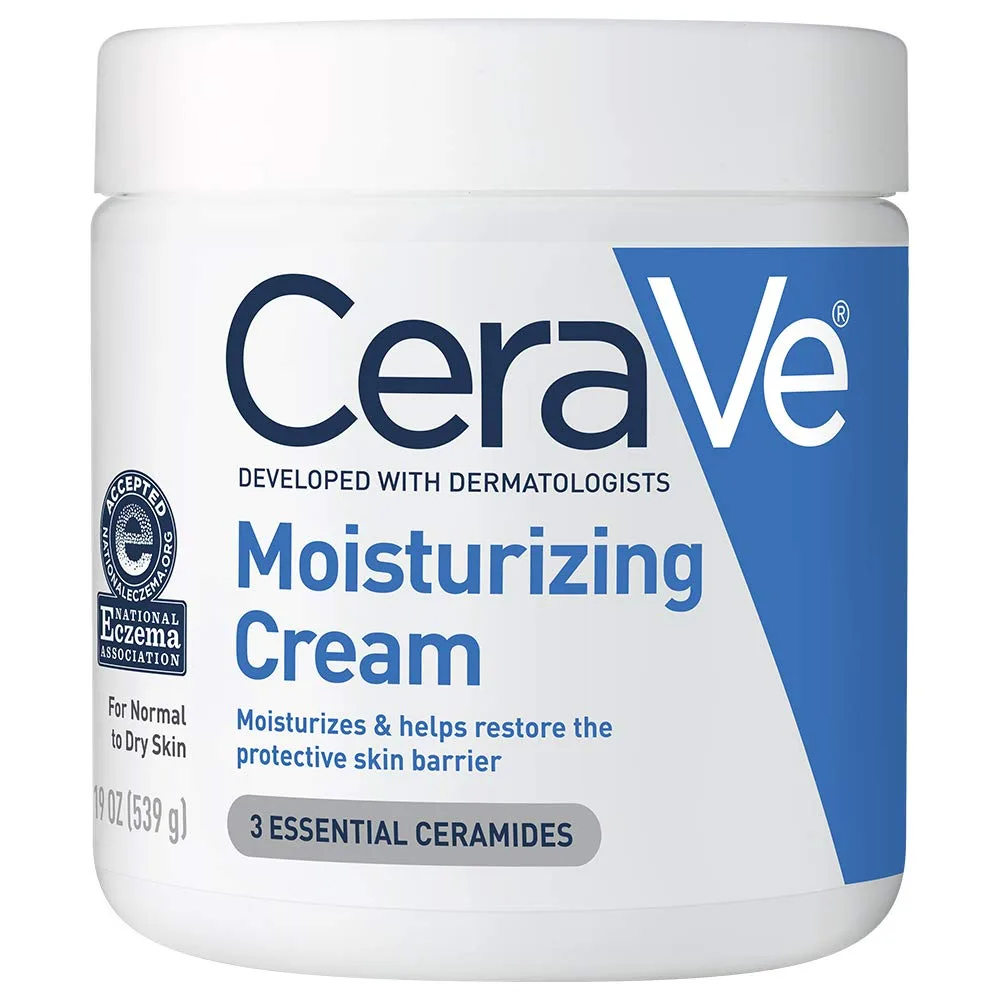
 Moisturizing Cream
The CeraVe Moisturizing Cream is the most important moisturizer in the drugstore — a ceramide-rich, dermatologist-developed formula that delivers barrier repair, multi-humectant hydration, and occlusive protection at a price so accessible it has no real excuse not to be in every household. Twenty-one years of consistent performance and universal dermatologist approval speak louder than any ingredient list.
 Barrier Repair Pioneer
 MLE Cream
Atopalm MLE Cream is one of the genuinely scientifically anchored barrier moisturizers in K-beauty — a fragrance-free, pseudo-ceramide cream built around a patented liquid-crystal lipid structure that mimics the skin's own intercellular matrix. For eczema, atopic skin, post-procedure recovery, or anyone with a stinging compromised barrier, it's one of the most reliably effective moisturizers in the entire category.
 K-Beauty Barrier Repair Staple
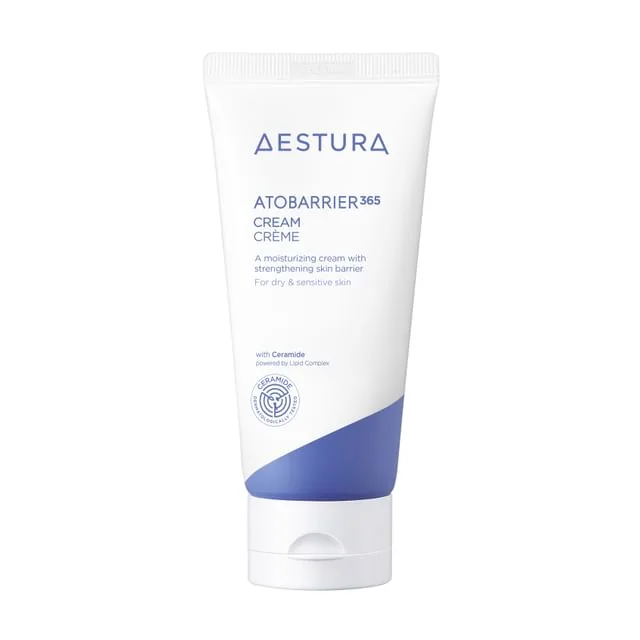
 Atobarrier 365 Cream
A Korean pharmacy cream that earns its cult following the hard way — with a lamellar lipid structure that actually rebuilds the barrier, not just coats it. If your skin has been through a rough winter, a retinoid ramp-up, or a bad reaction, this is the jar that quietly puts it back together.
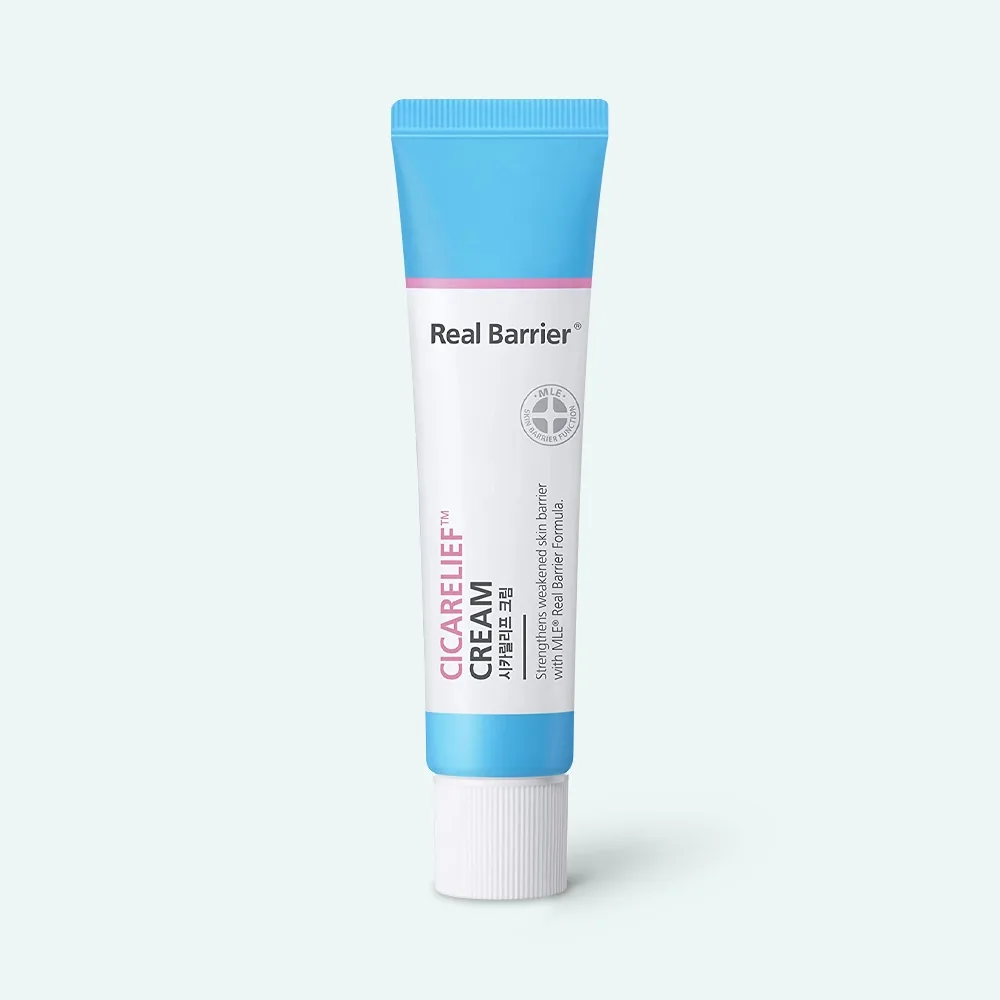 Korean Derm Clinic Recovery Pick
 Real Barrier Cicarelief Cream
One of the best consumer cica creams on the market, combining the full spectrum of centella actives with NeoPharm's MLE ceramide delivery and multiple complementary calming ingredients. Ideal for compromised, reactive, rosacea-prone, or recovering skin, and a staple in Korean dermatology clinic protocols. Minor limitations on packaging, but the formulation is genuinely excellent.
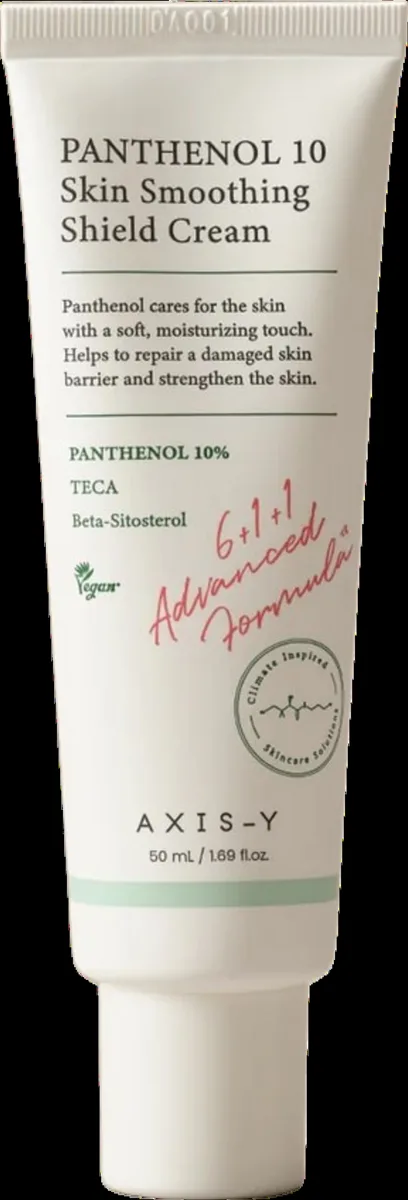 Transparent 10% Panthenol Cream
 Panthenol 10 Skin Smoothing Shield Cream
A disclosed 10% panthenol barrier cream built around a full physiological ceramide trio, a centella calming cast, and a modest shea butter occlusive. Fragrance-free, cross-season, and unusually transparent about its hero active — one of the brand's strongest moisturizer formulations.
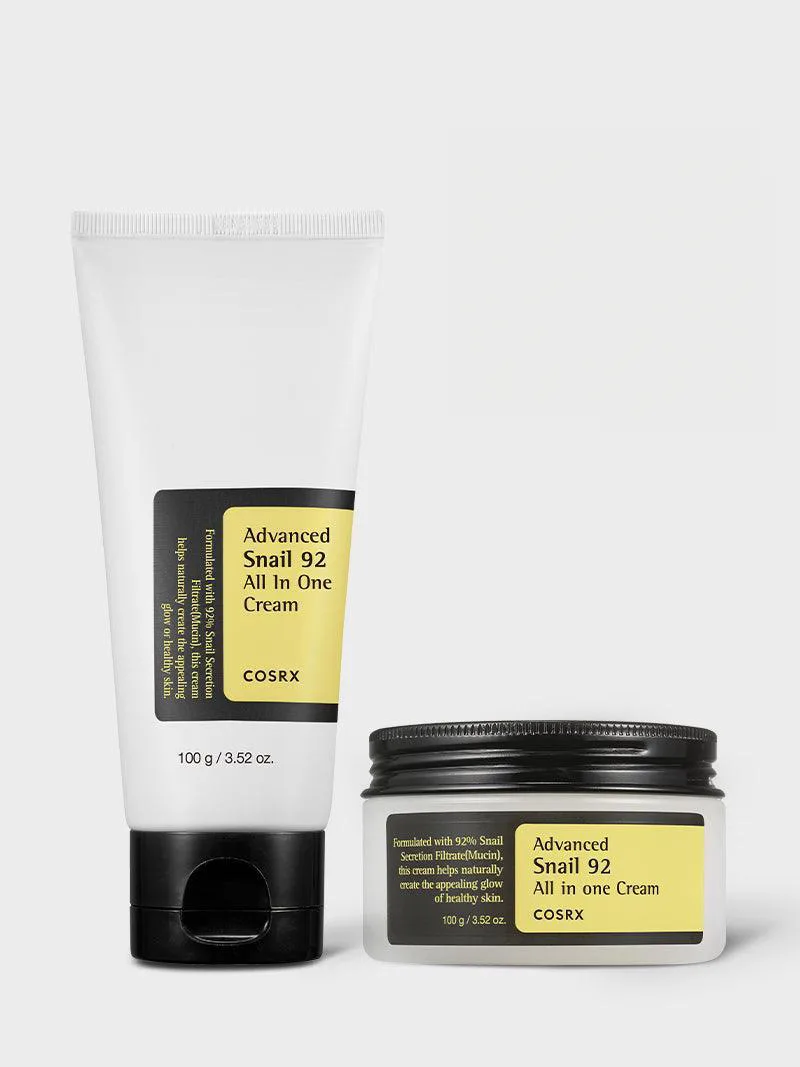 K-Beauty Icon
 Advanced Snail 92 All in One Cream
The cream that helped prove snail mucin to the world — and a decade later, it still deserves the reputation. At 92% snail secretion filtrate in a fragrance-free, gentle gel-cream, it delivers hydration, soothing, and gradual skin improvement across virtually every skin type. The texture takes getting used to, but 13 million sold units and 25,000+ reviews suggest most people manage.
This review reflects our independent analysis of publicly available ingredient data, manufacturer claims, and verified user reviews. We are reader-supported — Amazon links may earn us a commission at no cost to you. We do not accept paid placements; rankings are based solely on the evidence.