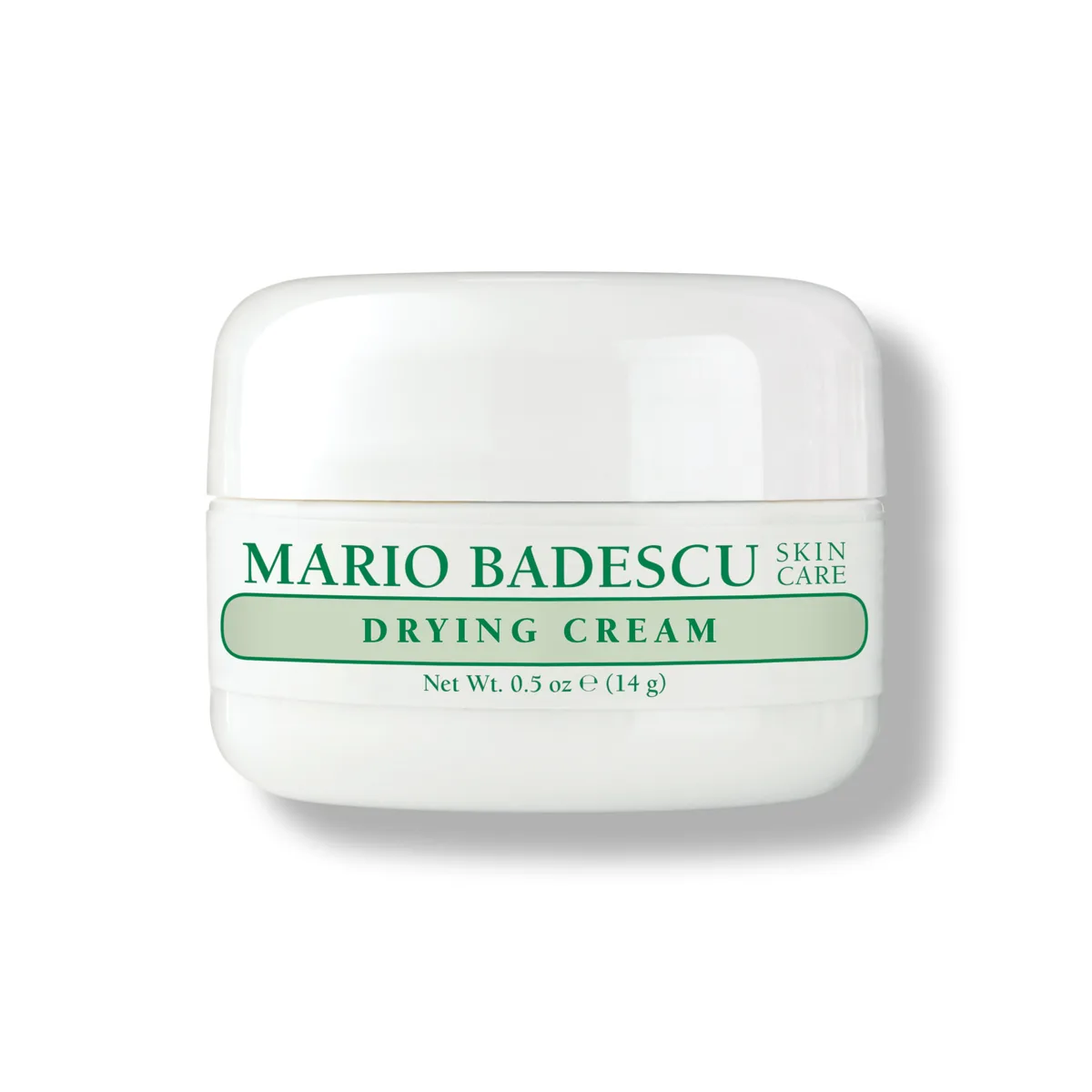
A throwback sulfur-and-ichthammol spot cream that genuinely works on surface blemishes overnight, rooted in European apothecary traditions most modern brands have abandoned. Limited by fragrance allergens, parabens, and an opaque finish that confines it strictly to nighttime use.
Drying Cream
A throwback sulfur-and-ichthammol spot cream that genuinely works on surface blemishes overnight, rooted in European apothecary traditions most modern brands have abandoned. Limited by fragrance allergens, parabens, and an opaque finish that confines it strictly to nighttime use.
Score Breakdown
Where this product gains points and where it loses them — broken down across the four scoring pillars.
A traditional sulfur-zinc-ichthammol formula that effectively treats surface blemishes overnight but is limited by fragrance allergens, parabens, a small jar size, and narrow suitability for only oily and combination skin types.
Pros & Cons
- ✓Sulfur-ichthammol-zinc combination effectively flattens surface blemishes within one to two nights
- ✓Alcohol-free cream formula is less stripping than the brand's Drying Lotion
- ✓Spreadable format works better than dab treatments for clusters of small bumps
- ✓Affordable at fourteen dollars with two to four months of use per jar
- ✓Opaque mineral layer absorbs oil and covers redness overnight as it treats
- ✓Traditional apothecary ingredients backed by over a century of dermatological use
- ✓Contains supporting B vitamins and allantoin to aid post-blemish recovery
- ✗Contains fragrance allergens (Parfum, Limonene, Linalool) that may irritate breakout-prone skin
- ✗Strong medicinal sulfur smell that the added fragrance does not fully mask
- ✗Opaque white finish restricts use entirely to nighttime — cannot be worn during the day
- ✗Ineffective on deep cystic or nodular acne that lacks a visible surface component
- ✗Contains methylparaben and propylparaben, flagged for endocrine disruption concerns
- ✗Small 0.5 oz jar at fourteen dollars works out to a premium per-ounce cost
Full Review
Ichthammol is not an ingredient you see on many labels anymore. Derived from shale oil and used in European pharmacy since the 1880s, it was once a staple of dermatological compounding — a drawing agent prescribed for boils, carbuncles, and inflamed skin conditions. Most brands have left it behind in favor of more marketable actives. Mario Badescu kept it.
The Drying Cream sits in a small white jar that gives very little away about what is inside. Unscrew the lid and you are met with a thick, opaque white paste and the unmistakable smell of sulfur tempered by a faint floral fragrance — the brand's attempt to civilize what is fundamentally a medicinal product. The fragrance does not fully succeed. If you have used sulfur-based skincare before, you know this smell. If you have not, prepare yourself.
Application is straightforward but demands commitment to nighttime use. You dab a small amount onto surface blemishes — whiteheads, small pustules, clusters of bumps — and the cream sits as a visible white layer on the skin. This is not a product that disappears. It marks its territory and gets to work. The zinc oxide and titanium dioxide give it that characteristic opacity, functioning both as treatment actives and as a physical barrier that absorbs oil and covers redness while you sleep.
The treatment mechanism is layered in a way that reflects the brand's apothecary heritage. Sulfur handles the heavy lifting as a keratolytic, loosening the compacted cells clogging the pore while providing antimicrobial action against the bacteria driving the inflammation. Zinc oxide absorbs excess sebum and adds its own anti-inflammatory contribution. And ichthammol — the formula's signature — works as a drawing agent, softening the skin over the blemish to help it resolve faster. It is an old approach, but old does not mean ineffective.
Niacinamide, panthenol, and allantoin round out the active roster, functioning less as headliners and more as damage control. They soothe, repair, and temper the drying effects of the sulfur and zinc, keeping treated skin from becoming excessively parched or flaky overnight. The presence of hydrolyzed yeast protein, amino acids, and burdock root extract suggests a formulator who was thinking about the skin's recovery after the blemish resolves, not just the blemish itself.
Results come relatively quickly. Most users report visible flattening and reduced redness within one to two nights. Surface pimples that have come to a head respond best — the sulfur accelerates their resolution and the zinc oxide absorbs the oily aftermath. For clusters of small bumps, the spreadable cream format is genuinely more practical than dabbing individual spots with a cotton swab dipped in the brand's Drying Lotion.
The limitations are honest ones. This formula contains fragrance, limonene, and linalool — three potential allergens that have no business in a product designed for already-irritated skin. The inclusion of methylparaben and propylparaben adds another point of concern for those who prefer to avoid preservatives with endocrine disruption flags. The beeswax base means it is not vegan. And the small 0.5-ounce jar, while it lasts months due to spot application, does not feel generous at fourteen dollars.
Deep cystic acne is outside this product's reach. If your breakouts are painful, pressurized bumps buried under the skin with no visible head, the Drying Cream will sit on the surface without addressing the root inflammation. The brand's Buffering Lotion was designed for that specific problem.
There is also the matter of the white cast. This is emphatically a nighttime product. The opaque finish that makes it effective as an overnight treatment layer makes it impossible to wear under makeup or in daylight without looking like you fell asleep in calamine lotion. Plan accordingly.
What redeems the Drying Cream — what earns it continued shelf space in an era of more sophisticated formulations — is that it works for its specific purpose with ingredients that most brands have forgotten exist. The sulfur-ichthammol-zinc combination is not glamorous, it does not photograph well, and it smells like a chemistry lab visited a flower shop. But it flattens surface blemishes overnight with a reliability that keeps a loyal audience coming back to that small white jar.
Formula
Key Ingredients
The hero actives that drive this product's performance.
| Ingredient | Function | Evidence |
|---|---|---|
| Sulfur | Acts as the primary keratolytic and antimicrobial in this formula, working alongside zinc oxide to reduce surface bacterial activity and facilitate gentle desquamation at the blemish site. The cream vehicle slows its release compared to the brand's alcohol-based Drying Lotion, allowing sustained overnight contact without the same stripping effect. | traditional-use |
| Zinc Oxide | Provides oil absorption and mild anti-inflammatory action at the blemish while giving the cream its opaque white appearance. Functions simultaneously as a treatment active and a physical masking layer that covers redness at treated spots overnight. | promising |
| Ichthammol | A shale-oil derivative used in European dermatology for over 150 years as a drawing agent. Softens the skin overlying a blemish to accelerate maturation and delivers mild antimicrobial activity. This is the formula's most historically distinctive ingredient, rarely found in modern acne products. | traditional-use |
| Niacinamide | Serves as the anti-inflammatory corrective in this sulfur-zinc formula, tempering the redness and irritation that the primary actives can produce. Appears later in the INCI list, suggesting it functions here primarily to reduce visible erythema rather than as a standalone acne active. | well-established |
| Allantoin | Provides keratolytic and soothing support at the treated blemish site, reducing post-breakout recovery time. Acts as the counterweight to sulfur's drying action, keeping treated skin healing without excessive peeling. | well-established |
Full INCI List
Aqua (Water), Zinc Oxide, Cetyl Alcohol, Cera Alba (Beeswax), Polysorbate 80, Glycerin, Ethylhexyl Palmitate, Titanium Dioxide, Propylene Glycol, Sulfur, Oleth-10, Paraffinum Liquidum (Mineral Oil), Ichthammol, Hydrolyzed Yeast Protein, Triticum Vulgare (Wheat) Starch, Arctium Lappa Root Extract, Cysteine, Niacinamide, Panthenol, Nasturtium Officinale Flower/Leaf Extract, Aloe Barbadensis Leaf Juice, Citrus Limon (Lemon) Fruit Extract, Tocopherol, Allantoin, Biotin, Arginine, Leucine, Lysine, Tyrosine, Valine, Glutamic Acid, Cellulose Gum, Polysorbate 20, Maltodextrin, Zinc Chloride, Glyceryl Acrylate/Acrylic Acid Copolymer, Pyridoxine HCl, Parfum (Fragrance), Sodium Chloride, Methylparaben, Propylparaben, Limonene, Linalool
Product Flags
✗ Fragrance Free✓ Alcohol Free✗ Oil Free✓ Silicone Free✗ Paraben Free✓ Sulfate Free✓ Cruelty Free✗ Vegan✗ Fungal Acne Safe
Comedogenic Ingredients
Ethylhexyl PalmitateCetyl Alcohol
Potential Irritants
SulfurParfum (Fragrance)LimoneneLinaloolCitrus Limon (Lemon) Fruit Extract
Common Allergens
Parfum (Fragrance)MethylparabenPropylparabenLimoneneLinalool
Compatibility
Skin Match
Best For
Works For
Not Ideal For
Addresses These Conditions
Use With Caution
Avoid With
rosacea eczema compromised skin barrier
Routine Step
treatment
Time of Day
PM
Pregnancy Safe
Unknown
Layering Tips
Apply as the final step in your nighttime routine, directly onto surface blemishes. Do not layer under makeup — the opaque white cream is designed for overnight use only. Apply moisturizer to untreated areas first.
Results Timeline
Visible flattening and reduced redness of surface blemishes within 24-48 hours. Most surface pimples show significant improvement within 2-3 days of nightly application. Not effective for deep cystic acne.
Pairs Well With
Gentle non-comedogenic cleanserLightweight hydrating moisturizer on untreated areasGentle toner
Conflicts With
Retinoids on the same spotsStrong AHA/BHA exfoliants on the same areasOther sulfur-based treatments
Sample AM Routine
- Gentle cleanser
- Hydrating toner
- Lightweight moisturizer
- Sunscreen SPF 30+
Sample PM Routine
- Gentle cleanser
- Toner
- Moisturizer on untreated areas
- THIS PRODUCT on active surface blemishes
Evidence
Who Should Skip
- Contains fragrance allergens (Parfum, Limonene, Linalool) that may irritate breakout-prone skin
- Strong medicinal sulfur smell that the added fragrance does not fully mask
- Opaque white finish restricts use entirely to nighttime — cannot be worn during the day
- Ineffective on deep cystic or nodular acne that lacks a visible surface component
Science & Expert Perspective
The Science
The Drying Cream's active system draws on three ingredients with varying levels of clinical support. Sulfur has been used topically for acne since at least the Roman era, though modern evidence is thinner than its history might suggest. A 2020 Cochrane abridged review published in the Journal of Evidence-Based Medicine examined 49 randomized controlled trials involving 3,880 participants and found low-to-very-low-quality evidence for topical sulfur in acne, with effects described as uncertain. Despite this, sulfur's keratolytic mechanism — it breaks disulfide bonds in keratin, loosening the compacted cells that block pores — is well understood biochemically, and its century-plus pharmacopeial use provides substantial empirical support even in the absence of modern RCTs.
Ichthammol (ammonium bituminosulfonate) occupies a similar evidence gap. A 2010 review by Boyd in the International Journal of Dermatology described ichthammol as a useful topical medicament with good tolerability, documenting over a century of use for inflammatory skin conditions including furuncles, psoriasis, and eczema. No controlled trials specific to acne exist, but its anti-inflammatory, antibacterial, and drawing properties are documented in dermatological pharmacology texts.
Niacinamide provides the formula's most evidence-rich support. A 2017 review by Walocko and colleagues in Dermatology and Therapy found that six of eight clinical studies on topical niacinamide demonstrated significant acne improvement versus baseline or comparable efficacy to standard care. Niacinamide's anti-inflammatory mechanism — suppression of IL-8, TNF-alpha, and leukocyte migration — directly complements the sulfur and zinc's antimicrobial activity.
References
- Evidence-based topical treatments for acne: an abridged version of a Cochrane systematic review — Journal of Evidence-Based Medicine (2020)
- Ichthammol revisited — International Journal of Dermatology (2010)
- The role of nicotinamide in acne treatment — Dermatology and Therapy (2017)
Dermatologist Perspective
Dermatologists familiar with traditional compounding recognize sulfur and ichthammol as time-tested topical agents, though neither features prominently in modern evidence-based acne guidelines, which favor retinoids, benzoyl peroxide, and antibiotics. Board-certified dermatologists note that sulfur's keratolytic properties make it a reasonable option for mild surface acne in patients who cannot tolerate first-line treatments. The cream format with its slow-release vehicle is considered preferable to alcohol-based sulfur formulations for minimizing barrier disruption. However, dermatologists would flag the fragrance allergens as unnecessary irritation risk in a product applied to already-inflamed skin, and the absence of controlled trial data for this specific formulation limits clinical endorsement.
Guidance
Usage Guide
How to Use
Cleanse your face and complete your nighttime routine (toner, serum, moisturizer) on untreated areas. As the final step, dab a small amount of Drying Cream directly onto surface blemishes — whiteheads, small pustules, or clusters of bumps. Do not rub in; let it sit as a visible layer. Leave on overnight and rinse off in the morning. Use nightly on active breakouts until resolved. Avoid applying to broken skin or open wounds. Do not use around the eye area.
Value Assessment
At fourteen dollars for 0.5 ounces, the per-ounce cost is higher than many drugstore spot treatments. However, the spot-application format means a single jar lasts two to four months for most users, bringing the effective cost down significantly. For a product rooted in nearly sixty years of brand history and manufactured domestically, the pricing is reasonable if not exceptional. The lack of an additional size option means there is no bulk-purchase savings available. The brand's heritage and the formula's unique ichthammol inclusion add genuine formulation value that mass-market competitors do not offer.
Who Should Buy
This is for you if you deal with surface-level breakouts — whiteheads, small pustules, clusters of bumps — and want an overnight treatment that takes a traditional approach. If you have tried benzoyl peroxide or salicylic acid without success, the sulfur-ichthammol combination offers a genuinely different mechanism.
Who Should Skip
Skip this if you have dry or sensitive skin, fragrance allergies, or concerns about parabens. Also skip if your acne is primarily deep cystic bumps — this formula works on the surface and will not reach inflammation buried under the skin. Those who need a daytime-wearable treatment should look elsewhere.
Ready to try Mario Badescu Drying Cream?
Details
Details
Texture
Thick, opaque white cream with a chalky mineral feel from the zinc oxide and titanium dioxide. Not silky or lightweight — it sits as a visible paste on the skin and absorbs slowly.
Scent
Distinctly medicinal with a sulfur-forward note and a faint floral fragrance overlay. The smell is frequently cited as a significant drawback by reviewers.
Packaging
Small white screw-top jar containing 0.5 oz of product. Simple and functional but no applicator for precision targeting.
Finish
matte
What to Expect on First Use
The thick cream applies visibly white and does not blend invisibly. Expect a slight sulfur smell that fades as the product dries. The cream sits as an opaque layer overnight — this is by design. No stinging or tingling typical of the first application. Rinse off in the morning.
How Long It Lasts
2-4 months with nightly spot application on occasional breakouts
Period After Opening
12 months
Best Season
All Year
Certifications
Cruelty-Free
Background
The Why
The Drying Cream is the quieter half of Mario Badescu's acne treatment duo, designed to complement the cult-favorite Drying Lotion. While the Drying Lotion targets individual whiteheads with a bi-phase calamine-sulfur dip, the Drying Cream was formulated for broader surface breakout areas where a spreadable format makes more sense. Its ichthammol inclusion reflects founder Mario Badescu's Romanian roots and his affinity for European apothecary traditions.
About Mario Badescu Legacy Brand (20+ years)
Mario Badescu was founded in 1967 in New York City, building its reputation through its professional skincare salon and accessible product line. The brand manufactures all products domestically and has nearly six decades of market presence, though it is esthetician-led rather than dermatologist-developed.
Brand founded: 1967
Myth vs. Reality
Myths & Misconceptions
Myth
The Drying Cream and Drying Lotion are interchangeable — just different formats of the same product.
Reality
They have different formulations and different strengths. The Drying Lotion uses calamine and sulfur in a bi-phase alcohol-water solution for individual whiteheads. The Drying Cream uses sulfur, zinc oxide, and ichthammol in a cream base for clusters of surface blemishes. They serve different purposes and work best used complementarily.
Myth
You can use this cream under makeup during the day.
Reality
The thick, opaque white cream does not blend invisibly and is designed exclusively for overnight use. It will not sit well under makeup and is visible on the skin until washed off.
FAQ
Frequently Asked Questions
What is the difference between Mario Badescu Drying Cream and Drying Lotion?
The Drying Lotion is a bi-phase liquid applied with a cotton swab to individual whiteheads using calamine and sulfur. The Drying Cream is a thick, spreadable cream formulated with sulfur, zinc oxide, and ichthammol for clusters of surface blemishes. They are complementary products designed for different breakout patterns.
Can I use Mario Badescu Drying Cream during the day?
No — this cream dries to an opaque white finish that is visible on the skin. It is designed for overnight use only. Apply it as the last step in your PM routine and rinse it off in the morning.
Does the Mario Badescu Drying Cream work on cystic acne?
This formula is designed for surface blemishes and small bumps, not deep cystic lesions. For under-the-surface cystic acne, the brand's Buffering Lotion (now called Deep Blemish Solution) uses a different active system specifically targeting deep inflammation.
Is the Drying Cream fragrance-free?
No. The formula contains Parfum (Fragrance), Limonene, and Linalool — all potential fragrance allergens. Those with fragrance sensitivity should patch test or choose an alternative spot treatment.
How long does a jar of Drying Cream last?
The 0.5 oz jar typically lasts two to four months with nightly spot application on occasional breakouts. A small amount goes a long way since it is applied only to active blemishes, not the full face.
Community
Community Voices
Common Praise
"Visibly shrinks and flattens surface blemishes overnight"
"Effective on hormonal and surface acne spots"
"Affordable spot treatment at fourteen dollars"
"Alcohol-free formula is less stripping than the brand's Drying Lotion"
"Opaque cream provides visual coverage of redness overnight"
Common Complaints
"Strong medicinal sulfur smell that lingers"
"Leaves a visible white cast unsuitable for daytime wear"
"Small 0.5 oz jar feels expensive per ounce"
"Ineffective on deep cystic or nodular acne"
"Contains fragrance allergens and parabens"
Notable Endorsements
2023 Cosmopolitan Best Acne Creams — Best Cult-Favorite Acne Cream
Appears In
best treatment for acne best sulfur spot treatment best overnight acne treatment best spot treatment for oily skin
Related Conditions
Related Ingredients
You Might Also Like
 Barrier Rescue Hero
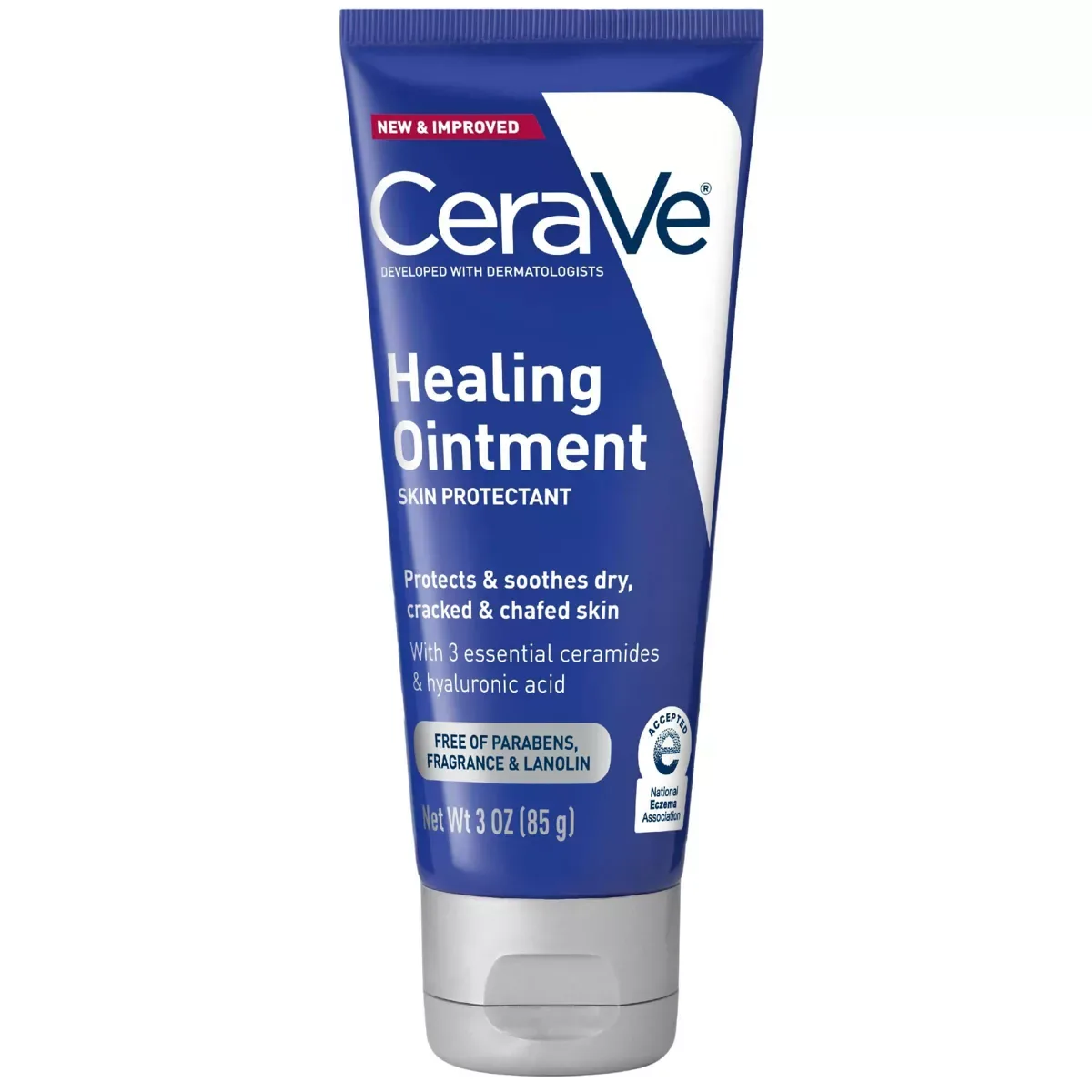
 Healing Ointment
CeraVe's Healing Ointment takes the simplest concept in skincare — seal the skin with petrolatum — and makes it genuinely intelligent by adding ceramides, hyaluronic acid, and panthenol beneath the occlusive layer. It is the gold standard drugstore occlusive for barrier rescue, slugging, and post-procedure care.
 Derm Office Staple
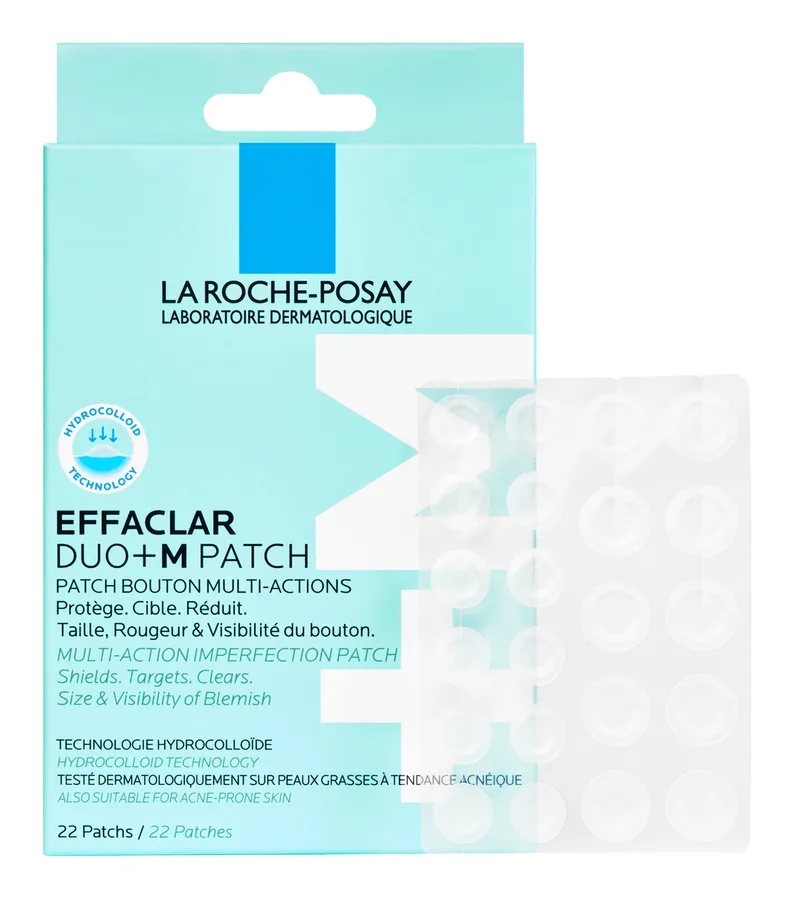
 Effaclar Multi-Target Blemish Patches
One of the few hydrocolloid pimple patches that actually stays on overnight without curling off at 3am. At 420 microns thick with two size options in one pack and zero actives to irritate sensitive skin, this is the Effaclar line's quiet overachiever — and a legitimately good answer for anyone whose acne routine has been sabotaged by thinner patches that refuse to stay put.
 Reactive-Skin Cult Favorite
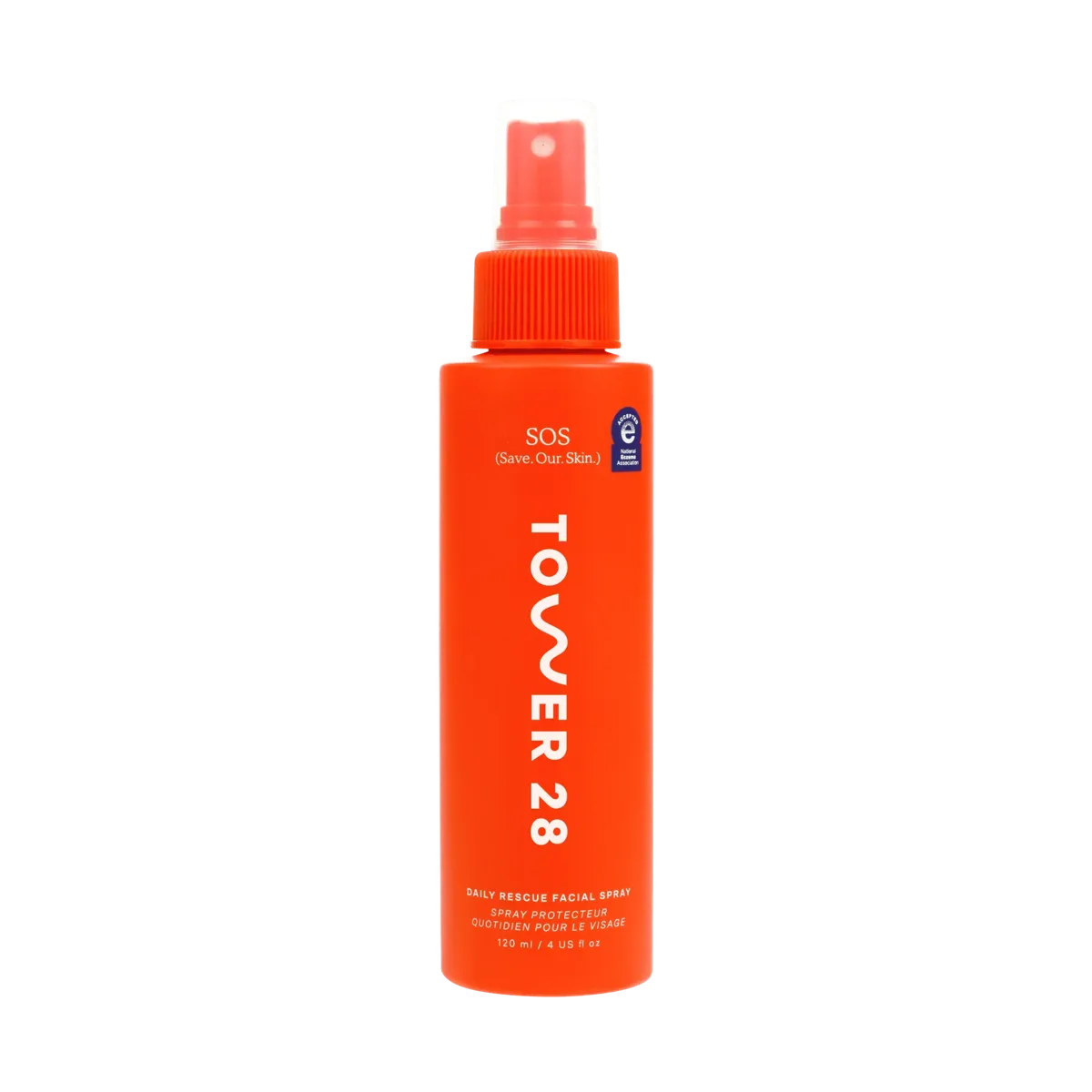
 SOS Save Our Skin Daily Rescue Facial Spray
The product that single-handedly brought hypochlorous acid into mainstream skincare. A fine-mist HOCl spray with genuine dermatology-organization validation, a near-perfect tolerability profile, and a cult following among people whose skin reacts to everything else. The price runs steeper than medical-grade HOCl, but the stabilization and design are worth the difference for daily use.
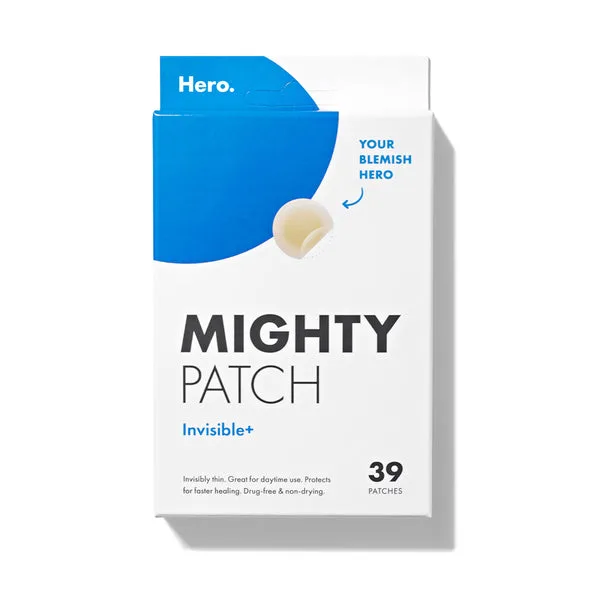
Mighty Patch Invisible+
The pimple patch that proved acne treatment could be invisible — Mighty Patch Invisible+ delivers the same fluid-absorbing hydrocolloid technology as the category-defining Original, but engineered thin enough to disappear under makeup. For daytime blemish management, nothing else comes this close to invisible.
 Post-Procedure MVP
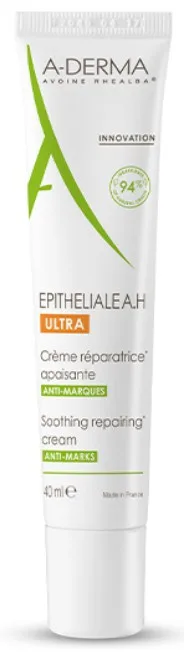
 Epitheliale A.H Ultra Repairing Cream
One of the best-formulated French pharmacy repair creams on the market, full stop. Rhealba oat, three-weight HA, madecassoside, trace minerals, panthenol, and shea butter come together in a cream that handles post-procedure skin, eczema flares, friction damage, and compromised barriers with unusual competence for the price.
 Pigmentation Specialist Pick
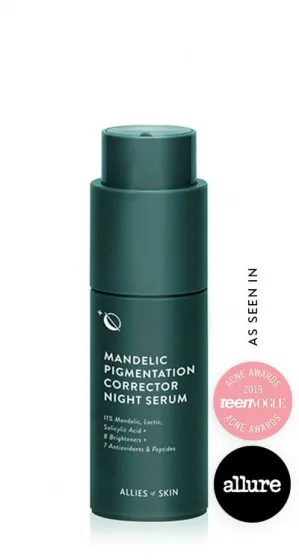
 Mandelic Pigmentation Corrector Night Serum
One of the most thoughtfully formulated pigmentation serums on the market. Mandelic acid leads, but the real story is the supporting cast — tranexamic acid, azelaic acid, niacinamide, and bakuchiol attacking hyperpigmentation through five different pathways. Specifically formulated to be safe on melanin-rich skin and it shows.
This review reflects our independent analysis of publicly available ingredient data, manufacturer claims, and verified user reviews. We are reader-supported — Amazon links may earn us a commission at no cost to you. We do not accept paid placements; rankings are based solely on the evidence.