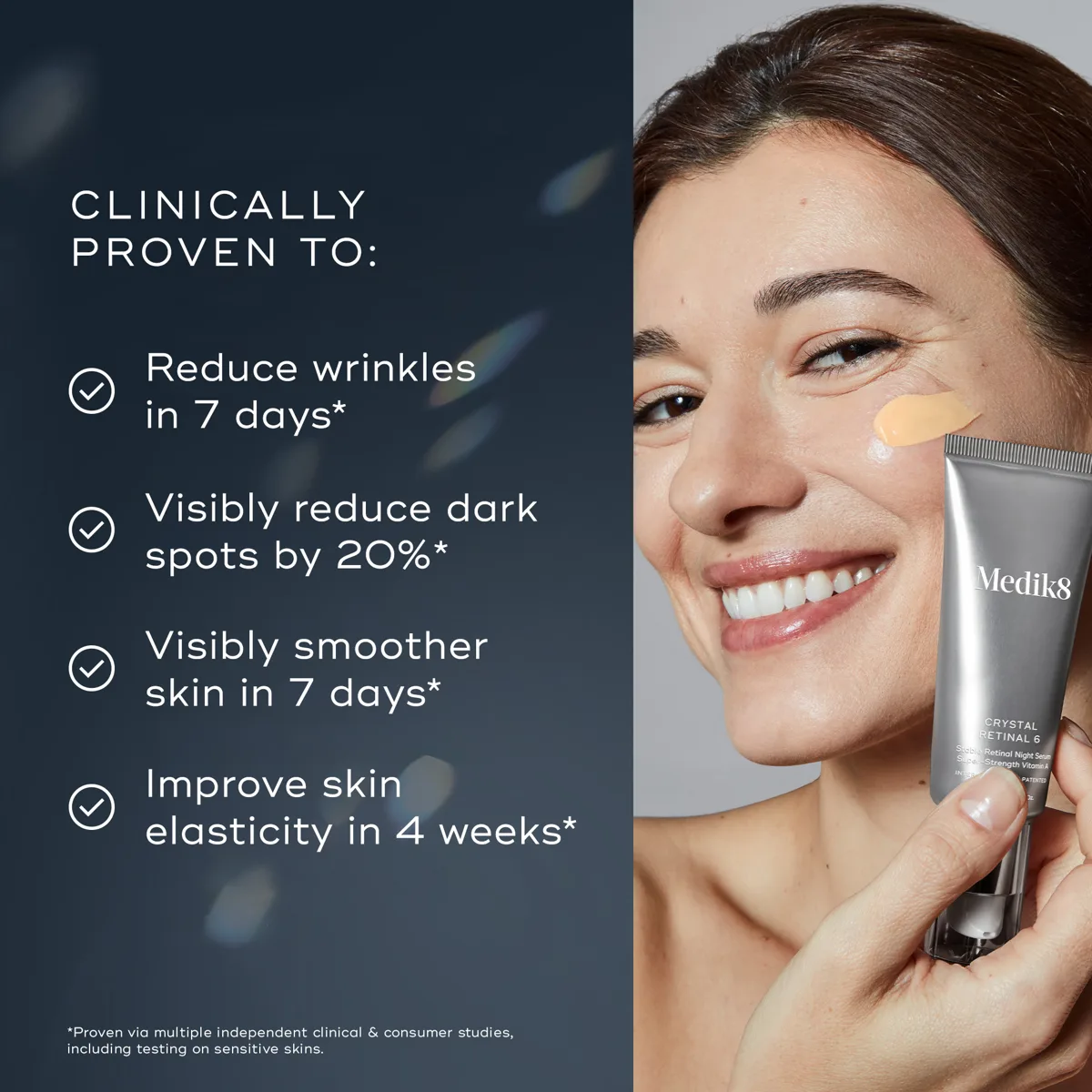
The retinal serum that cracked the stability problem no one else could solve. At 0.1% retinaldehyde with patented cyclodextrin encapsulation, this delivers genuine retinoid results — smoother texture, faded spots, visible line reduction — with an elegance and tolerance that most retinol products at twice the concentration can't match.
Crystal Retinal 10
The retinal serum that cracked the stability problem no one else could solve. At 0.1% retinaldehyde with patented cyclodextrin encapsulation, this delivers genuine retinoid results — smoother texture, faded spots, visible line reduction — with an elegance and tolerance that most retinol products at twice the concentration can't match.
Score Breakdown
An exceptional retinaldehyde serum with a patented stability system that few competitors can match. The 0.1% concentration hits the sweet spot between meaningful results and manageable irritation, though the premium price reflects the technology investment.
Data Confidence: high
Crystal Retinal has been on the market since 2018, holds a global patent for retinaldehyde stabilization, and has accumulated thousands of reviews across major retailers. It is the world's best-selling retinal serum with extensive professional endorsement.
0/100
Overall Score
Ingredient Quality 0
Value for Money 0
Suitability Breadth 0
Irritation Risk (↑ = safer) 0
Assessment
Pros
- Patented cyclodextrin encapsulation solves retinaldehyde's historic stability problem
- 0.1% retinaldehyde delivers results faster than equivalent retinol concentrations
- Time-release mechanism reduces irritation while maintaining full-night efficacy
- Elegant cream texture with squalane and hyaluronic acid for built-in barrier support
- Fragrance-free, vegan, cruelty-free, and B Corp certified
- Airless pump protects formula from light and air degradation
- Part of a progressive strength ladder allowing controlled dose escalation
Cons
- Premium price of $109 for 30ml is a significant investment
- Not suitable for retinoid beginners — requires built tolerance from lower strengths
- Contraindicated during pregnancy and breastfeeding
- Adjustment period with mild peeling and sensitivity during first 1-2 weeks
- Requires committed daily SPF use the following morning
Full Review
The vitamin A hierarchy has always been frustratingly simple in theory and maddeningly complex in practice. At the top sits retinoic acid — prescription tretinoin — the gold standard that dermatologists have prescribed for decades. Below it, retinaldehyde: one enzymatic step away from retinoic acid, faster-acting than retinol, with published evidence showing anti-aging efficacy comparable to tretinoin in some parameters. Below that, retinol: the over-the-counter workhorse that everyone knows, two conversion steps from the finish line. The hierarchy was established in dermatological literature by the 1990s, but retinaldehyde had a fatal commercial flaw: it degrades almost immediately when exposed to light or oxygen. You could put it in a formula. You just couldn't keep it there.
Elliot and Daniel Isaacs spent years in their lab outside London solving this problem, and the solution was cyclodextrin — a ring-shaped sugar molecule that encapsulates the retinaldehyde like a molecular cage, protecting it from degradation in the tube and releasing it gradually upon contact with the skin. The technology earned a global patent in 2018, and Crystal Retinal became the first commercially viable, stable retinaldehyde serum. It remains the world's best-selling retinal product.
Crystal Retinal 10 sits at the upper-middle of Medik8's progressive strength ladder, delivering 0.1% retinaldehyde — a concentration designed for users who have already built tolerance through the lower strengths (1, 3, or 6). This isn't a beginner product. It's the level where retinaldehyde starts delivering results that compete with prescription retinoids on texture, pigmentation, and fine line reduction.
The cyclodextrin encapsulation does more than preserve stability. It creates a time-release mechanism that distributes the retinaldehyde's activity throughout the night rather than delivering a single peak dose on application. This is significant for irritation management — the initial burst of retinoid activity is what causes most of the redness and peeling associated with stronger formulas. By flattening that peak, Crystal Retinal allows higher concentrations to be tolerable than would otherwise be possible.
The supporting formula is intelligently constructed. Squalane provides skin-identical emollience, reinforcing the barrier during the accelerated cell turnover that retinoids induce. Sodium hyaluronate draws moisture into the epidermis, counteracting the dehydration that retinoid therapy can cause. Tocopheryl acetate (vitamin E) provides antioxidant backup, and both ethyl ascorbic acid and tetrahexyldecyl ascorbate appear further down the list as additional vitamin C-derived antioxidants. Cloudberry seed oil — rich in essential fatty acids — adds a Nordic botanical flourish that provides linoleic acid supplementation to barrier-stressed skin.
The texture is a cream rather than a serum, which is the right call for a potent retinoid. Cream formats provide an inherent buffer between the active and the skin, and the slightly tinted formula (from the retinaldehyde itself plus a touch of added colorant) spreads evenly without the streaking or pilling that some retinoid products suffer from. The subtle vanilla undertone from vanilla fruit extract provides a pleasant sensory experience without listed synthetic fragrance.
The adjustment period at this strength is real but manageable. During the first one to two weeks, expect mild flaking — typically around the nose, chin, and jawline — as cell turnover accelerates. Some tightness and increased sensitivity to other products is normal. By week three, most users have adapted, and the payoff begins: smoother texture, brighter tone, the kind of skin quality that makes people ask what you changed in your routine without being able to pinpoint exactly what's different.
By the eight-to-twelve week mark, the cumulative effects become undeniable. Fine lines soften, hyperpigmentation fades, pore appearance diminishes, and overall skin quality reaches a level that simpler retinol products typically can't achieve. This is where retinaldehyde's proximity to retinoic acid in the vitamin A cascade makes a tangible difference.
The $109 price tag is the primary barrier to entry. For a 30ml tube that lasts two to three months, this works out to roughly $1.20-1.80 per night — not insignificant, but contextualized against the patented technology, clinical-grade formulation, and results that approach prescription retinoid territory, it's a defensible premium. The airless pump packaging justifies some of that cost too — it protects the retinaldehyde from the light and air exposure that would degrade it in a jar or dropper bottle.
For anyone who has maxed out what retinol can do for their skin, Crystal Retinal 10 represents the logical next step before prescription territory. It delivers faster, more visible results through a mechanism that retinol fundamentally cannot match, wrapped in a formula that respects your skin barrier enough to make the journey tolerable.
Formula
Ingredients
The hero actives that drive this product's performance.
| Ingredient | Function | Evidence |
|---|---|---|
| Retinaldehyde (0.1%) (0.1%) | A direct precursor to retinoic acid that requires only one enzymatic conversion step in the skin — compared to retinol's two steps — delivering faster anti-aging results. At 0.1%, this is an advanced-level concentration designed for users who have built tolerance through lower strengths. | well-established |
| Cyclodextrin | The core of Medik8's patented stability system — this ring-shaped sugar molecule encapsulates the retinaldehyde, protecting it from degradation in the tube and releasing it gradually upon skin contact for both stability and reduced irritation. | well-established |
| Sodium Hyaluronate | Provides hydration that buffers the drying effect of retinaldehyde, helping maintain skin moisture balance during the cell-turnover acceleration that retinoids induce. | well-established |
| Squalane | A skin-identical emollient that reinforces the moisture barrier during retinoid therapy, reducing the flaking and tightness that higher-strength retinaldehyde can provoke. | well-established |
| Vitamin E (Tocopheryl Acetate) | Provides antioxidant protection that complements the retinaldehyde's cell-renewal effects, while its emollient properties help soothe retinoid-sensitized skin. | well-established |
Full INCI List
Aqua (Water), Caprylic/Capric Triglyceride, Glycerin, Isododecane, Cyclodextrin, Cetearyl Alcohol, Cetearyl Olivate, Sodium Acrylate/Sodium Acryloyldimethyl Taurate Copolymer, Sorbitan Olivate, Tocopheryl Acetate, Squalane, Sodium Hyaluronate, Retinal, Ethyl Ascorbic Acid, Daucus Carota Sativa (Carrot) Seed Oil, Hydroxyethyl Acrylate/Sodium Acryloyldimethyl Taurate Copolymer, Ethylhexylglycerin, Pentylene Glycol, Vanilla Planifolia (Vanilla) Fruit Extract, Hydroxypropyl Methylcellulose, Rubus Chamaemorus (Cloudberry) Seed Oil, Sodium Polyaspartate, Tetrahexyldecyl Ascorbate, Dipteryx Odorata (Tonka) Bean Extract, BHT, Polyhydroxystearic Acid, Disodium EDTA, Titanium Dioxide, Phenoxyethanol, Alumina, Lonicera Caprifolium (Honeysuckle) Flower Extract, Isostearic Acid, Lecithin, Lonicera Japonica (Honeysuckle) Flower Extract, Polyglyceryl-3 Polyricinoleate, Stearic Acid, Coumarin, CI 14700 (Red 4)
Product Flags
✓ Fragrance Free✓ Alcohol Free✗ Oil Free✓ Silicone Free✓ Paraben Free✓ Sulfate Free✓ Cruelty Free✓ Vegan✗ Fungal Acne Safe
Potential Irritants
retinal
Common Allergens
coumarin
Compatibility
Skin Match
Best For
Works For
Not Ideal For
Addresses These Conditions
aging hyperpigmentation texture dullness dark spots large pores
Use With Caution
Routine Step
treatment
Time of Day
PM
Pregnancy Safe
No ✗
Layering Tips
Apply a pea-sized amount to clean, dry skin in the evening. Wait 20 minutes after cleansing if skin is sensitive. Apply before moisturizer. Do not layer with other active exfoliants (AHAs, BHAs) on the same night. Always use SPF the following morning.
Results Timeline
Mild adjustment period (slight flaking or redness) during the first 1-2 weeks for most users. Visible improvement in skin texture and radiance by week 3-4. Meaningful reduction in fine lines, dark spots, and pore appearance over 8-12 weeks.
Pairs Well With
ceramide moisturizerhyaluronic acid serumSPF (next morning)vitamin C (AM only)
Conflicts With
benzoyl peroxideAHA exfoliantsBHA exfoliantsother retinoids
Sample AM Routine
- Gentle cleanser
- Vitamin C serum
- Moisturizer
- SPF 30+
Sample PM Routine
- Gentle cleanser
- Medik8 Crystal Retinal 10
- Ceramide moisturizer
Evidence
Science
The Science
Retinaldehyde occupies a unique position in the vitamin A cascade. A landmark study by Saurat et al. published in the British Journal of Dermatology (1999) demonstrated that topical retinaldehyde produced epidermal thickening and reduced UV-induced skin damage comparable to retinoic acid, while producing significantly less irritation. The study established retinaldehyde as the most potent non-prescription retinoid available.
The mechanism involves a single enzymatic conversion: retinaldehyde is oxidized to retinoic acid by retinal dehydrogenase enzymes in the skin. This contrasts with retinol, which must first be oxidized to retinaldehyde (by alcohol dehydrogenase), and then to retinoic acid — requiring two conversion steps. Research published in the Journal of Investigative Dermatology (Duell et al., 1997) confirmed that retinaldehyde is approximately 11 times more bioavailable than retinol when applied topically.
Medik8's cyclodextrin encapsulation technology addresses retinaldehyde's Achilles' heel: photolability. Cyclodextrins are cyclic oligosaccharides that form inclusion complexes with hydrophobic molecules, shielding them from environmental degradation. Research published in the International Journal of Pharmaceutics (Loftsson & Duchêne, 2007) demonstrated that cyclodextrin complexation significantly improves the stability and bioavailability of labile active ingredients in topical formulations.
The gradual release profile of cyclodextrin-encapsulated retinaldehyde has practical implications for tolerability. By distributing the retinoid delivery over hours rather than delivering a bolus dose, the formulation reduces peak retinoid concentrations at the skin surface — the primary driver of irritation — while maintaining cumulative overnight efficacy.
References
- Topical retinaldehyde on human skin: biologic effects and tolerance — Journal of Investigative Dermatology (1994)
- Unoccluded retinol penetrates human skin in vivo more effectively than unoccluded retinyl palmitate or retinoic acid — Journal of Investigative Dermatology (1997)
Dermatologist Perspective
Dermatologists view retinaldehyde as the most effective over-the-counter retinoid, positioned between retinol and prescription tretinoin in the vitamin A hierarchy. Board-certified dermatologists like Dr. Anjali Mahto specifically recommend Crystal Retinal for its stability advantage — noting that unstabilized retinaldehyde degrades too quickly to deliver consistent results. The progressive strength system (1 through 24) aligns with dermatological best practice of starting at lower concentrations and titrating up. At 0.1%, Crystal Retinal 10 approaches the efficacy territory where dermatologists would consider it a meaningful alternative to low-concentration prescription retinoids for appropriate patients.
Guidance
Usage Guide
How to Use
Apply a pea-sized amount to clean, dry skin every evening. If new to this strength, start every other night for the first 2 weeks, then transition to nightly use. Apply before moisturizer. Avoid layering with AHAs, BHAs, or other retinoids on the same night. If irritation occurs, buffer by applying moisturizer first, then Crystal Retinal on top. Always apply SPF 30+ the following morning — retinoids increase photosensitivity.
Value Assessment
At $109 for 30ml, Crystal Retinal 10 is premium-priced but justified by the patented encapsulation technology that no competitor can replicate. The tube lasts 2-3 months with nightly use, bringing the per-night cost to roughly $1.20-1.80. Compared to prescription tretinoin (often $50-150+ for a tube plus dermatologist visits), Crystal Retinal offers an over-the-counter alternative that approaches prescription efficacy without the prescription barrier. The airless pump packaging and B Corp manufacturing add to the cost but also to the product integrity.
Who Should Buy
Experienced retinoid users who have built tolerance through retinol or lower Crystal Retinal strengths and want to escalate to a more potent form. Ideal for those targeting fine lines, uneven texture, hyperpigmentation, and early signs of aging who want near-prescription results without a prescription.
Who Should Skip
Retinoid beginners who haven't built tolerance — start with Crystal Retinal 1 or 3 instead. Anyone pregnant or breastfeeding. Those with active rosacea flares, severely compromised barriers, or eczema in acute phase. Also not ideal for budget-conscious users who can achieve adequate results with retinol products at lower price points.
Ready to try Medik8 Crystal Retinal 10?
Details
Details
Texture
Rich, elegant cream with a slightly tinted appearance (from the retinaldehyde and added colorant) that absorbs smoothly into the skin
Scent
Subtle vanilla undertone from the vanilla fruit extract — no added fragrance
Packaging
Opaque tube with airless pump mechanism that protects the retinaldehyde from light and air exposure, preserving potency throughout the product's life
Finish
satinvelvetynon-greasy
What to Expect on First Use
The cream applies smoothly with a slight warmth — not irritation, just the sensation of the retinaldehyde activating. During the first 1-2 weeks, expect mild flaking and tightness as cell turnover accelerates. By week 3, skin adjusts and the 'retinal glow' becomes visible.
How Long It Lasts
2-3 months with nightly use
Period After Opening
6 months
Best Season
All Year
Certifications
B Corp certifiedCruelty-freeVegan
Background
The Why
The Isaacs brothers developed Crystal Retinal in their lab outside London after years of frustration with retinaldehyde's instability. Retinaldehyde had been studied since the 1990s and was known to be more effective than retinol, but its extreme sensitivity to light and oxygen made it nearly impossible to formulate commercially. Medik8's cyclodextrin encapsulation breakthrough earned a global patent in 2018, creating a product category that previously couldn't exist at scale.
About Medik8 Established Brand (5–20 years)
Medik8 was founded in 2009 by UK scientist Elliot Isaacs, with his brother Daniel joining as Chief Product Officer in 2011. The brand holds a global patent for stabilizing retinaldehyde, operates from its own ISO-certified Innovation Centre outside London, and is B Corp certified.
Brand founded: 2009 · Product launched: 2018
Myth vs. Reality
Myths
Myth
Retinal and retinol are the same thing
Reality
Retinal (retinaldehyde) is one conversion step closer to retinoic acid than retinol, which means it works approximately 11 times faster. Retinol must be converted first to retinaldehyde, then to retinoic acid. Retinaldehyde skips that first step, delivering results more quickly at lower concentrations.
Myth
Higher strength retinal is always better
Reality
Medik8 designed the Crystal Retinal range as a progressive ladder specifically because jumping to the highest strength causes unnecessary irritation. The 10 (0.1%) is designed for users who've already adapted to the 6 strength. Going straight to 10 or 20 without building tolerance risks barrier damage that counteracts the anti-aging benefits.
FAQ
FAQ
What percentage of retinaldehyde is in Medik8 Crystal Retinal 10?
Crystal Retinal 10 contains 0.1% retinaldehyde, stabilized using Medik8's patented cyclodextrin encapsulation technology. This is an advanced-level concentration — one step above the standard Crystal Retinal 6 (0.06%) and designed for users who have already built retinoid tolerance.
How is retinal different from retinol?
Retinal (retinaldehyde) is one conversion step closer to the active form of vitamin A (retinoic acid) than retinol. While retinol must be converted first to retinaldehyde and then to retinoic acid, retinal skips that first conversion. Research suggests this makes it approximately 11 times faster-acting than retinol, delivering comparable anti-aging results at lower concentrations.
Can I start with Crystal Retinal 10 or should I begin lower?
Medik8 recommends starting with Crystal Retinal 1 or 3 if you're new to retinoids, then graduating up after your skin adjusts (usually 4-8 weeks per strength). Starting at 10 without tolerance risks excessive peeling, redness, and barrier damage. If you've been using retinol products consistently for 6+ months, you may be able to start at 6 and move to 10 after adjustment.
Can I use Crystal Retinal 10 with vitamin C?
Yes, but use them at different times of day. Apply vitamin C (like Medik8's C-Tetra) in the morning for antioxidant protection, and Crystal Retinal at night for cell renewal. This is Medik8's CSA Philosophy: vitamin C in the AM, Sunscreen during the day, vitamin A in the PM.
Is Medik8 Crystal Retinal safe during pregnancy?
No — all retinoid products, including retinaldehyde, are not recommended during pregnancy or breastfeeding. Retinaldehyde converts to retinoic acid in the skin, and systemic retinoid exposure is associated with birth defects. Discontinue use before trying to conceive and consult your OB-GYN.
Community
Community
Common Praise
"Visible skin texture improvement within weeks"
"Significantly gentler than expected for retinal strength"
"Elegant cream texture that feels luxurious"
"Noticeable reduction in fine lines and dark spots"
Common Complaints
"Expensive at $109 for 30ml"
"Initial adjustment period with mild peeling"
"Should not be used during pregnancy"
"Requires sunscreen commitment the following morning"
Notable Endorsements
World's No.1 retinal serumDr. Anjali Mahto recommendationMarie Claire beauty pickCult Beauty bestseller
Appears In
best retinal serum best retinaldehyde serum best retinoid for anti aging best night serum for wrinkles
Related Conditions
aging hyperpigmentation texture dark spots dullness large pores
Related Ingredients
You Might Also Like
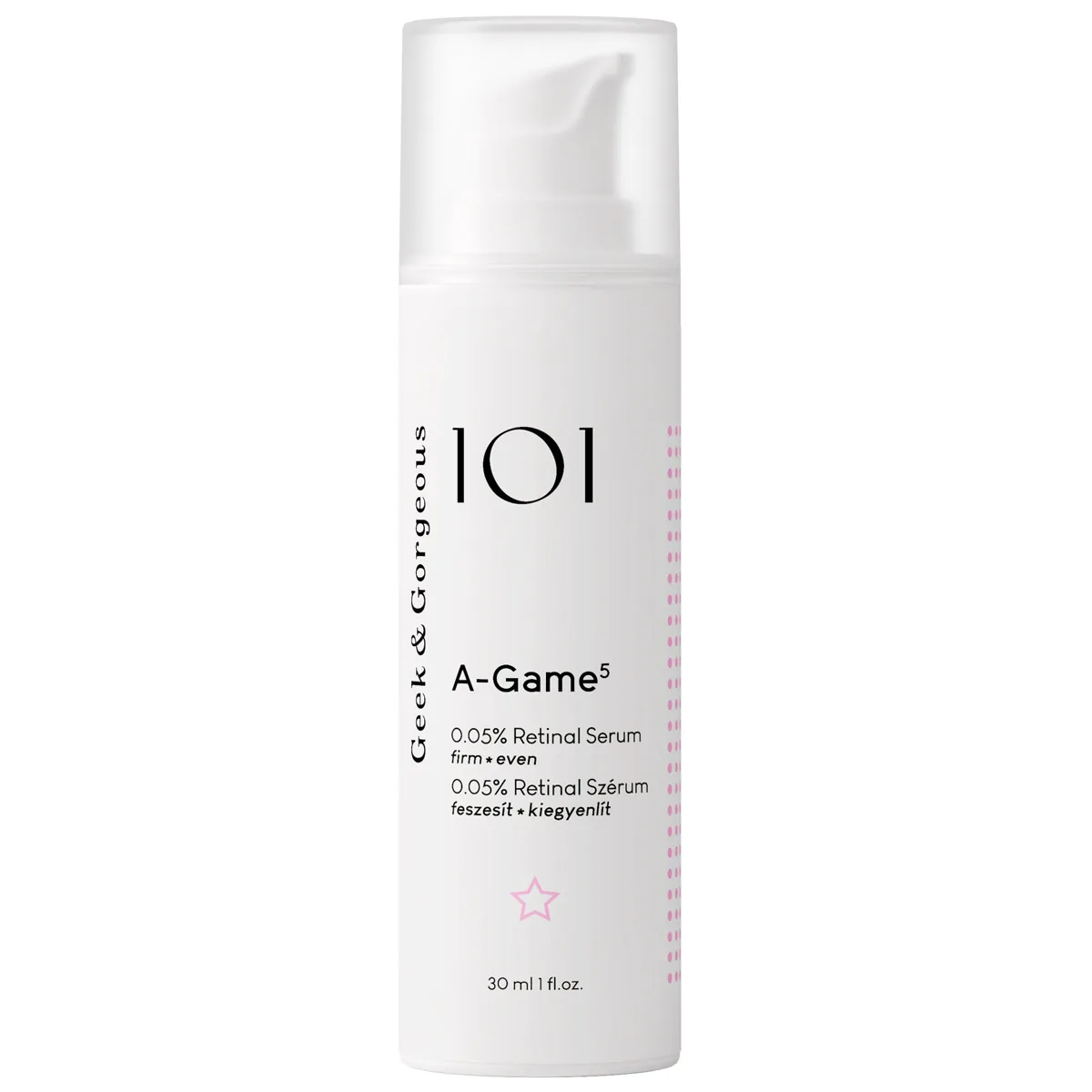 Beginner-Friendly Retinoid
 A-Game 5 Retinal Serum
The ideal beginner's retinaldehyde serum — a properly dosed 0.05% retinal in a buffered, fragrance-free formula at a price that makes long-term retinoid use actually sustainable. Same thoughtful supporting ingredients as the higher-strength A-Game 10 at half the potency, which is exactly the point. If you've never used a real retinoid, this is one of the best entry points on the market.
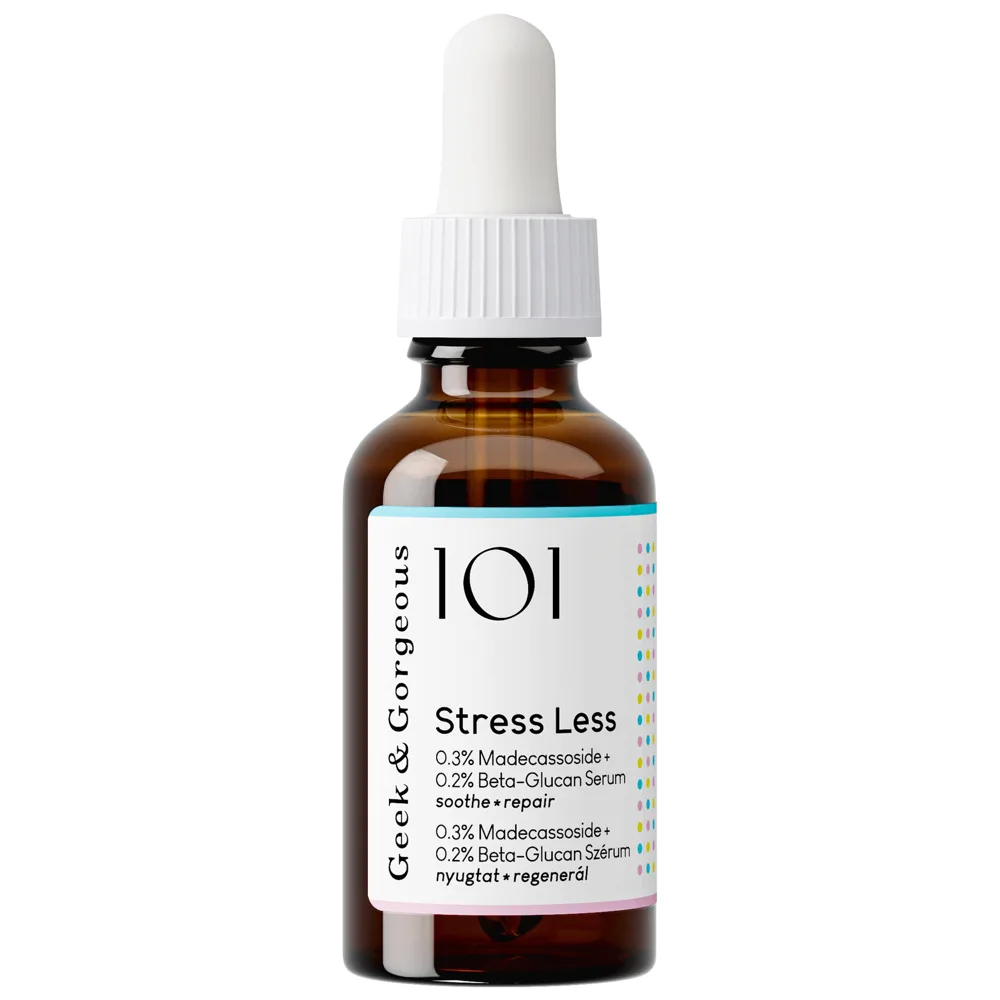 Derm-Grade Retinal at Drugstore Price
 Stress Less 0.3% Retinal Serum
A genuinely derm-grade 0.3% retinaldehyde serum at a price that shouldn't be possible. The ceramide and bisabolol buffering keeps it tolerable for experienced retinoid users, and the results — on texture, tone, and fine lines — rival premium retinals costing four times as much.
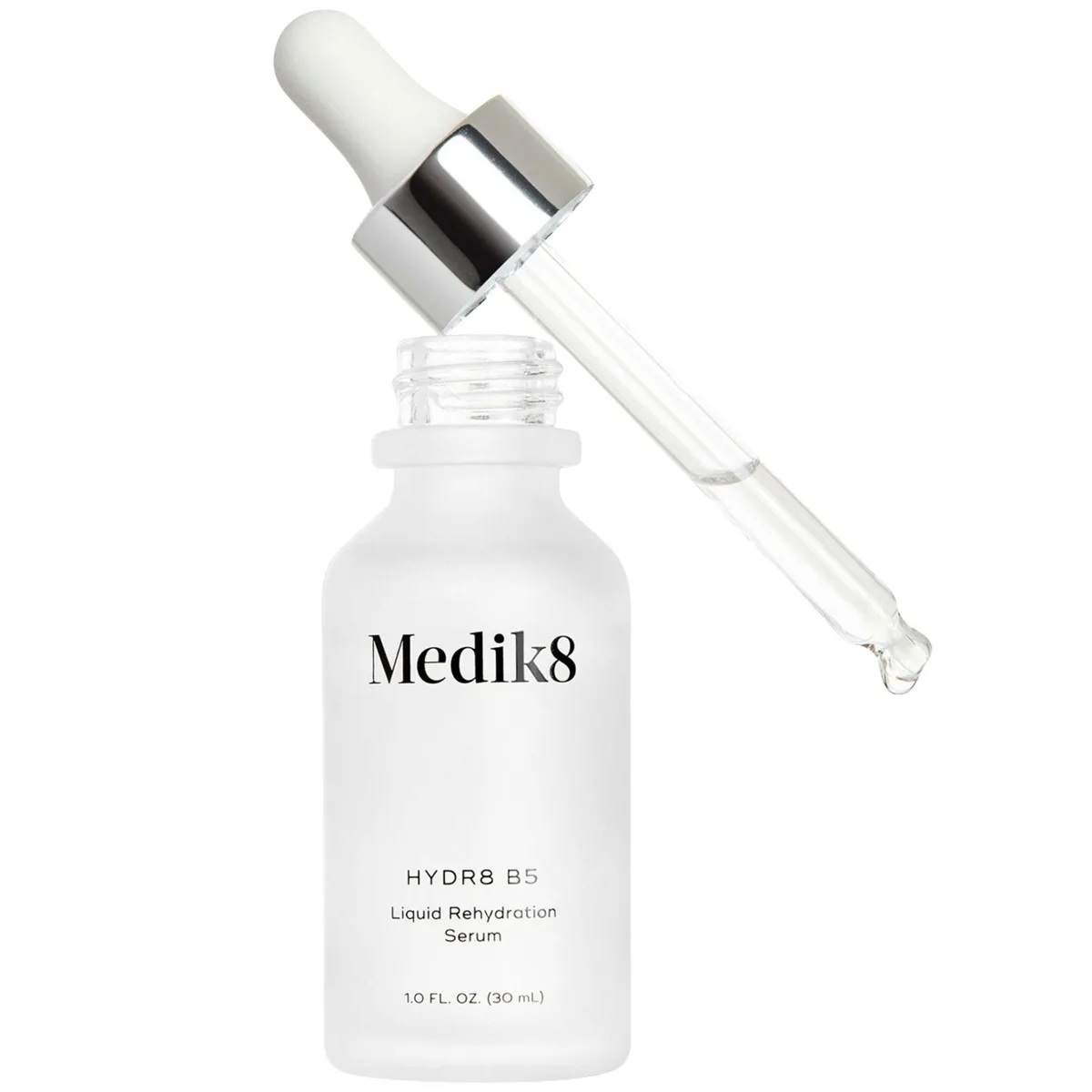 Minimalist Hydration Hero
 Hydr8 B5 Hyaluronic Acid Serum
Medik8 Hydr8 B5 is a masterclass in less-is-more skincare — seven ingredients, zero filler, and genuinely effective hydration. It won't wow you with exotic botanicals or Instagram-worthy textures, but it will quietly, reliably plump and soothe your skin every single day without ever causing a problem. The perfect foundation layer for active treatments.
 Budget Retinal Holy Grail
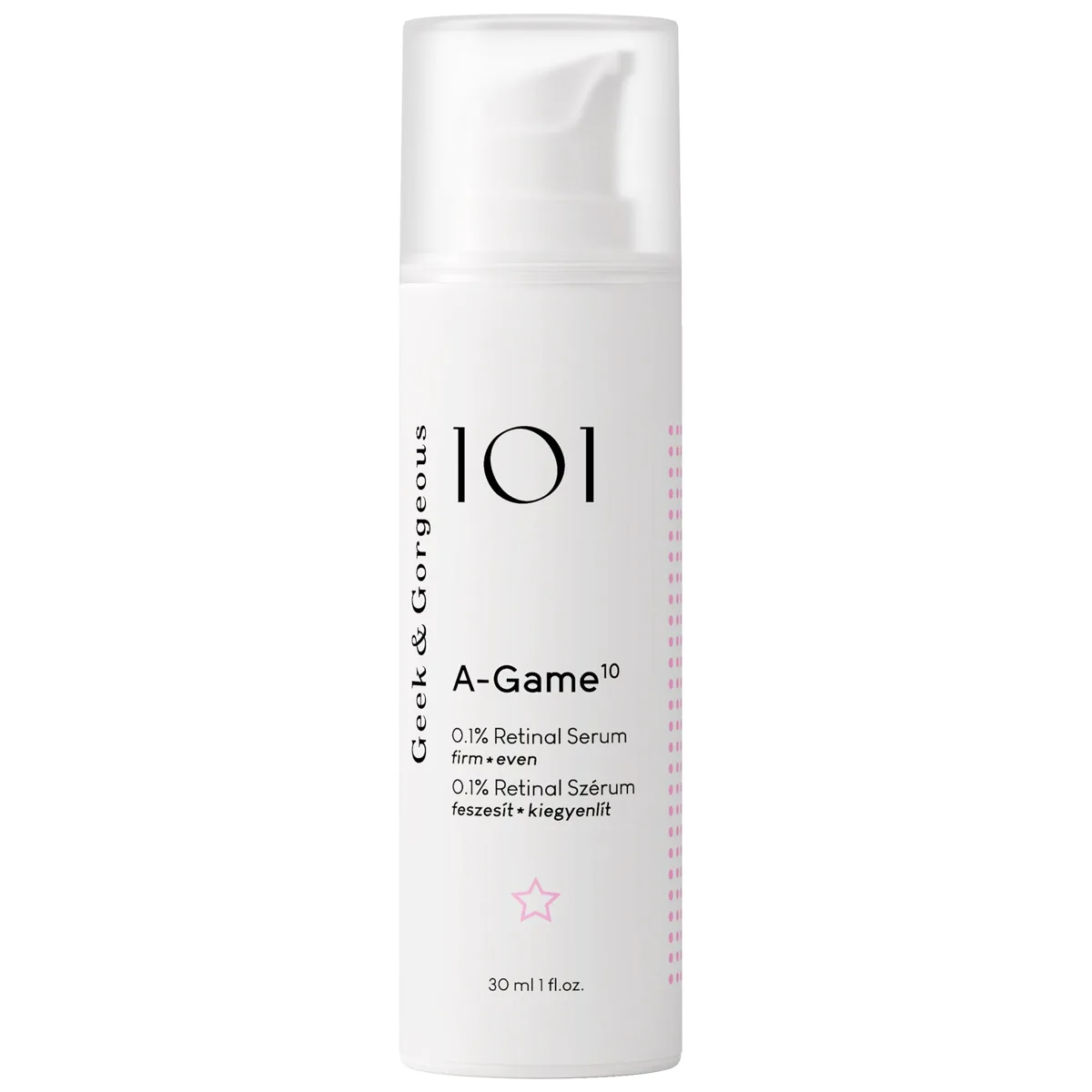
 A-Game 10 Retinal Serum
One of the most disruptive products in the retinoid category — a 0.1% retinaldehyde serum at around $16 when equivalent concentrations from derm brands cost $60-120. The formulation is thoughtful, the airless packaging is right, and the price point has no real competitor. Not for retinoid beginners: start with the 5 version and step up to this after a few months.
 Peptide Powerhouse
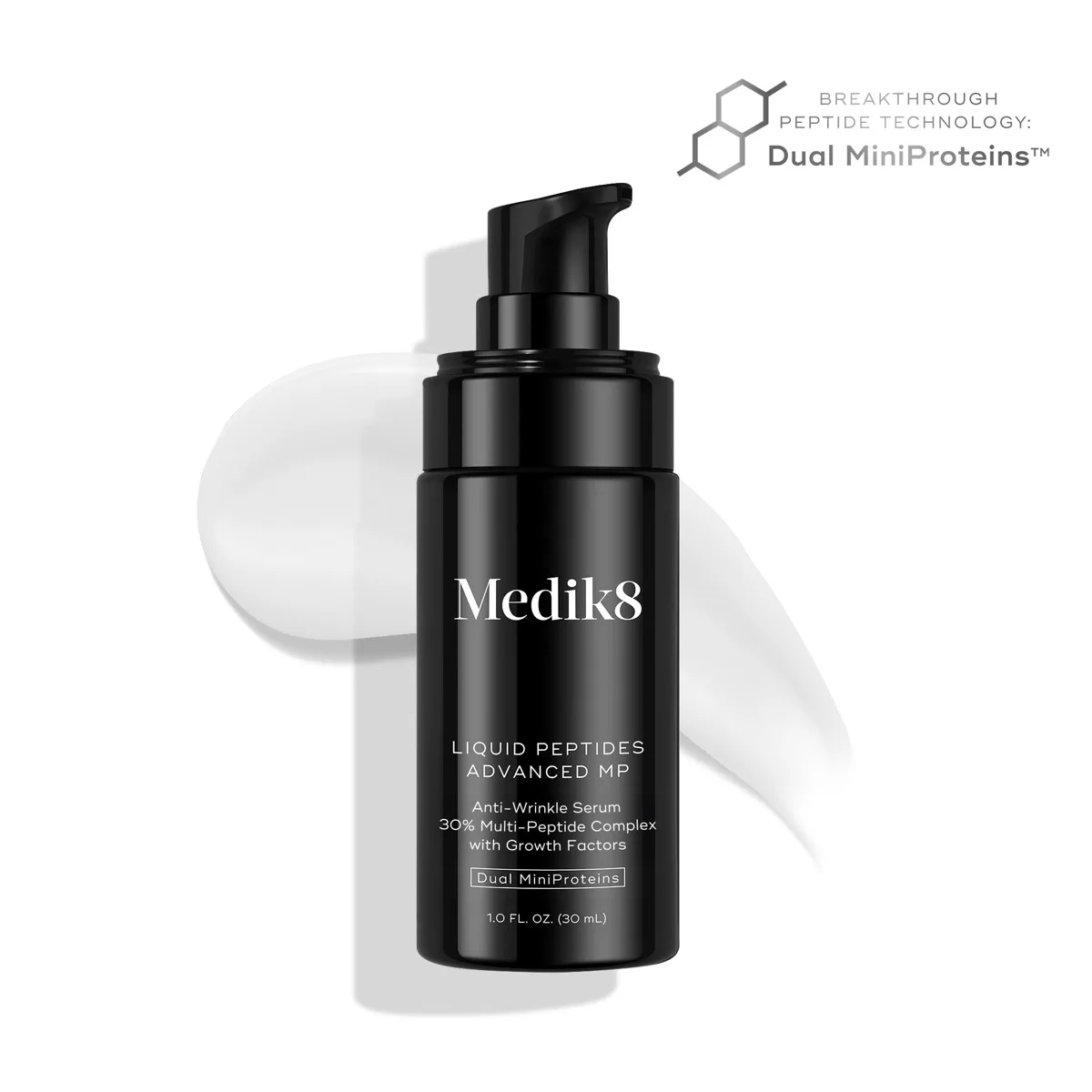
 Liquid Peptides Advanced MP Serum
Medik8 Liquid Peptides Advanced MP packs eleven different peptides at a 30% total concentration into a single lightweight serum — an ambitious multi-target approach to anti-aging that works through collagen stimulation, expression line relaxation, and glycation protection simultaneously. It's pricey, but the formulation science is genuinely impressive.
 Gold Standard OTC Retinoid
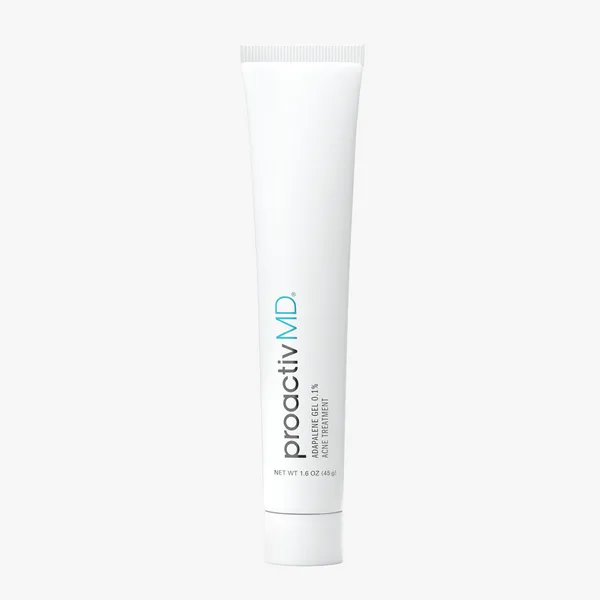
 Adapalene Gel 0.1%
This is adapalene 0.1% — the same FDA-approved retinoid dermatologists have prescribed for over two decades, now available without a prescription in a no-nonsense gel. It's one of the most evidence-backed acne treatments you can buy, and Proactiv's version offers solid value in the larger size with an updated paraben-free formula.