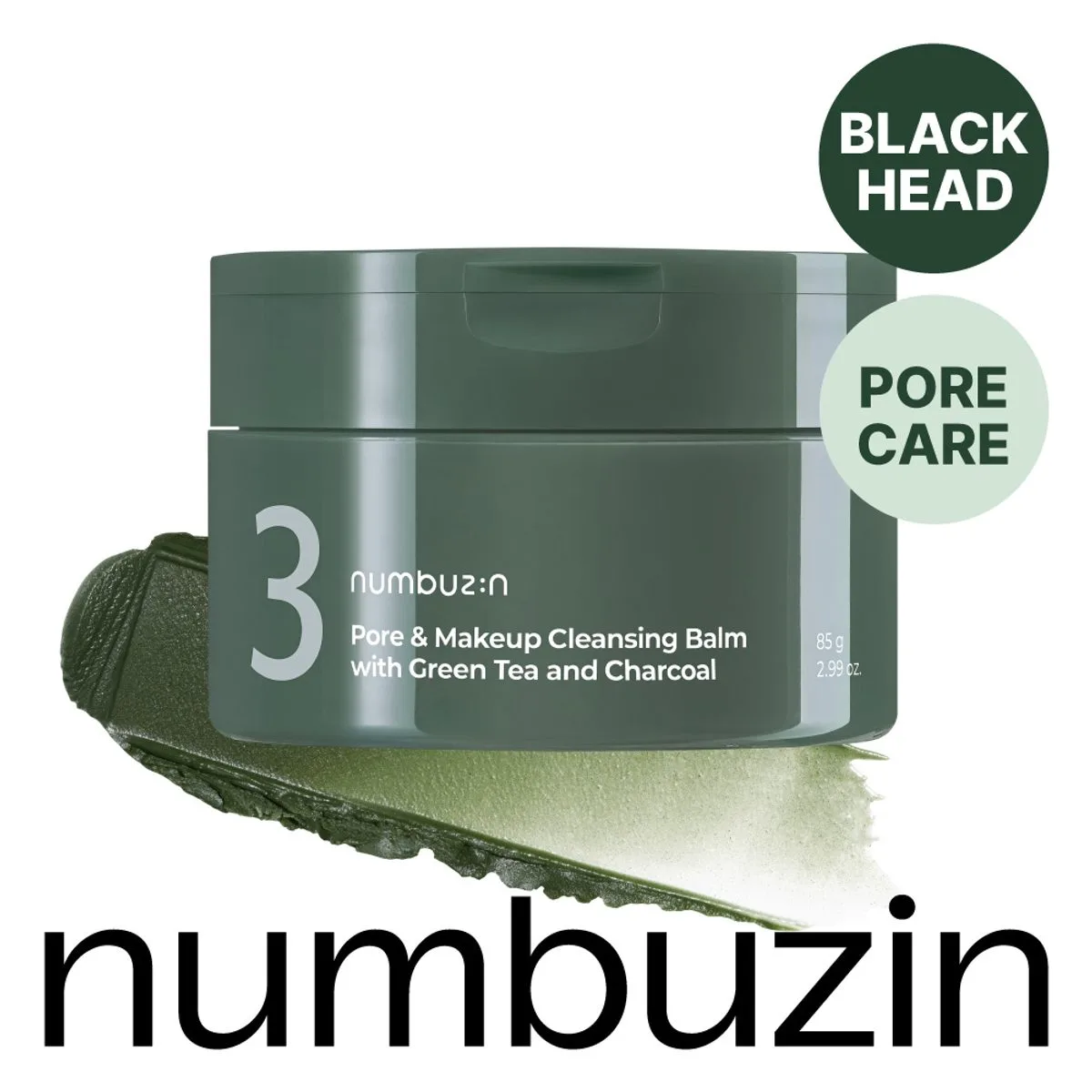
A hybrid cleansing balm that doubles as a pore treatment, combining green tea and charcoal particles with a triple clay blend to turn your nightly cleanse into a mini-mask moment. Clever concept, effective execution for oily and congested skin. The essential oils limit its audience, and the jar design has quirks, but for 2-3 times weekly deep cleansing, it earns its spot in a pore-focused routine.
No. 3 Pore & Makeup Cleansing Balm
A hybrid cleansing balm that doubles as a pore treatment, combining green tea and charcoal particles with a triple clay blend to turn your nightly cleanse into a mini-mask moment. Clever concept, effective execution for oily and congested skin. The essential oils limit its audience, and the jar design has quirks, but for 2-3 times weekly deep cleansing, it earns its spot in a pore-focused routine.
Score Breakdown
Where this product gains points and where it loses them — broken down across the four scoring pillars.
A cleverly formulated cleansing balm that doubles as a pore treatment with green tea, charcoal, and clay. The essential oils (tea tree, rosemary) limit suitability for sensitive skin and contradict some fragrance-free marketing. Effective for its target audience of oily, congestion-prone skin.
Pros & Cons
- ✓Dual-function formula combines makeup removal with pore treatment in a single step
- ✓Green tea and charcoal particles provide gentle physical exfoliation without micro-tear risk
- ✓Triple clay blend absorbs excess oil during cleansing without leaving skin stripped or tight
- ✓Built-in spatula lid maintains hygiene without needing a separate applicator tool
- ✓Lasts 3-4 months at recommended 2-3x weekly use offering strong long-term value
- ✓Effective visible reduction in sebaceous filaments with consistent weekly use
- ✗Contains tea tree and rosemary essential oils unsuitable for sensitive or fragrance-reactive skin
- ✗Jar lid design with pop-open cap is slightly awkward in practice
- ✗Not appropriate for daily use despite being positioned as a cleanser
- ✗Contains beeswax despite some vegan claims on certain retailer listings
- ✗Requires more thorough rinsing than standard cleansing balms due to particle content
Full Review
The double cleanse has been a cornerstone of Korean skincare for years, but even its most devoted practitioners will admit that step one — the oil cleanser or cleansing balm — rarely does anything beyond removing makeup and sunscreen. It's the workhorse step, not the exciting one. Numbuzin's No. 3 Pore & Makeup Cleansing Balm looked at that dynamic and decided the first cleanser had been coasting.
The formula is built around a concept that's genuinely practical: incorporate pore-treating ingredients directly into a cleansing balm so that the 60-90 seconds you spend massaging your face aren't just dissolving makeup — they're actively pulling sebum from pores, exfoliating congested areas, and absorbing excess oil. Green tea leaf powder at a disclosed 10,000 ppm and charcoal powder at 8,000 ppm provide mild physical exfoliation and adsorption. Three different clays — kaolin, montmorillonite, and illite — deliver the oil-absorbing effects of a clay mask during what would otherwise be a straightforward cleansing step.
The balm itself is an arresting forest green, and the color comes from actual ingredients rather than dyes. Chromium oxide greens is listed for color, but the visible particles of green tea and charcoal give the balm its speckled, earthy appearance. Scooping it from the jar with the built-in spatula, it feels solid and waxy — beeswax provides the structure — but it transforms almost instantly on warm skin into a silky, spreadable oil. The transition is satisfying, and the fine particles create a barely-perceptible gritty texture that softens as you massage.
The massage step is where this product distinguishes itself from standard cleansing balms. As you work the melted balm across your face, you can feel the green tea and charcoal particles gently buffing the surface while the oils dissolve makeup and sunscreen. Spend extra time on the nose, chin, and inner cheeks — the blackhead-prone zones — and you'll notice the balm picking up a perceptible grittiness from dislodged sebum plugs. It's not dramatic, but after a few uses, you start to see fewer visible sebaceous filaments in those areas.
The emulsification step works well. Adding water transforms the oil into a milky fluid that rinses reasonably clean, though the clay and charcoal particles mean you'll want a slightly more thorough rinse than with a standard cleansing oil. Following with a gentle second cleanser is non-negotiable here — the particle-heavy formula benefits from a proper wash-off step to ensure nothing lingers in pores.
Now, the fragrance situation. Some retailers and marketing materials describe this as fragrance-free, but tea tree leaf oil and rosemary leaf oil are both present and both clearly scented. The herbal, medicinal aroma of tea tree is unmistakable during the massage, though it dissipates within a minute or two of rinsing. If you enjoy the clean, slightly antiseptic scent of tea tree, this will feel spa-like. If you have fragrance sensitivities or simply dislike the smell of tea tree, this is a deal-breaker regardless of how well the formula performs.
The tea tree and rosemary oils aren't just for scent, though. Tea tree oil has well-documented antimicrobial properties and has been studied for its effects on acne-causing bacteria. In a rinse-off product with brief contact time, the antimicrobial benefit is modest but real — especially for skin prone to bacterial-driven breakouts around the chin and jawline. Rosemary oil contributes antioxidant properties. Both are sensible additions for an oily-skin-targeted cleanser, but both categorically disqualify this from being suitable for sensitive or reactive skin.
The jar packaging is functional but imperfect. The pop-open cap with integrated spatula is a nice hygiene touch — no fingers in the product — but users report that the dual-lid system feels slightly clunky. Opening the pop-up cap while the outer lid is on doesn't work smoothly, leading most people to just remove the outer lid entirely and use the spatula cap alone. It's a minor ergonomic issue, but in a product you use several times a week, design friction adds up.
One important caveat: this is not an everyday cleanser. The charcoal, clays, and essential oils make it too active for daily use, even for oily skin types. Two to three times per week is the sweet spot — enough to maintain pore cleanliness without over-stripping or irritating the skin. On off-nights, a gentler cleansing oil or balm keeps the double-cleanse habit going without the treatment intensity.
The texture on removal is where the balm earns bonus points. Despite the clays and charcoal — ingredients typically associated with drying, tightening clay masks — your skin doesn't feel stripped or parched after rinsing. The caprylic/capric triglyceride and other emollient oils in the base ensure the cleansing action is thorough without being harsh. Skin feels clean, smooth, and slightly refreshed rather than tight or dry.
At around $22 for 85 grams, and with the recommended 2-3 times weekly use, this balm can last three to four months — a genuinely good value for what it delivers. The concept of combining cleansing and treatment into a single step saves both time and money compared to maintaining separate cleansing balms and weekly clay masks.
This is a product that rewards patience and consistency. You won't see dramatic overnight results, but after a few weeks of regular use, the cumulative effect on pore cleanliness and blackhead reduction is real. The green tea provides antioxidant support, the charcoal and clays manage oil, and the oil base ensures everything rinses away without barrier damage. It's not glamorous skincare — there's no elegant dropper bottle or Instagram-worthy aesthetic moment. Just a jar of green stuff that quietly makes your pores cleaner twice a week.
Formula
Key Ingredients
The hero actives that drive this product's performance.
| Ingredient | Function | Evidence |
|---|---|---|
| Green Tea Leaf Powder (Camellia Sinensis) (10,000 ppm (1%)) | Physical green tea particles at a disclosed 1% concentration provide gentle physical exfoliation during massage while delivering catechin antioxidants directly to pore openings. Unlike dissolved green tea extract, the powder form creates a mild scrubbing action that helps dislodge sebum plugs and blackheads as you work the balm into skin. | well-established |
| Charcoal Powder (8,000 ppm (0.8%)) | Activated charcoal's highly porous structure adsorbs excess oil and impurities from within pores during the massage step. In this balm, the charcoal works alongside the triple clay blend to pull sebum and debris to the surface, creating a mini-mask treatment effect that goes beyond standard makeup removal. | limited |
| Triple Clay Complex (Kaolin, Montmorillonite, Illite) | Three different clays with complementary oil-absorbing profiles. Kaolin is the gentlest, absorbing excess sebum without stripping. Montmorillonite and illite add deeper detoxifying action, drawing impurities from within pores. Together, they transform this from a simple makeup remover into a pore-treatment cleanser suitable for oily and congested skin. | well-established |
| Tea Tree Leaf Oil | Provides natural antimicrobial and anti-inflammatory properties relevant for acne-prone skin. In this cleansing balm, tea tree oil contributes both its sebum-regulating benefits and its distinctive herbal scent, which doubles as the product's natural fragrance. The brief contact time during cleansing minimizes any potential irritation from the essential oil. | well-established |
Full INCI List
Caprylic/Capric Triglyceride, Ethylhexyl Palmitate, Sorbeth-30 Tetraoleate, Triethylhexanoin, Synthetic Wax, Polysorbate 85, Silica Dimethyl Silylate, Camellia Sinensis Leaf Powder, Melaleuca Alternifolia (Tea Tree) Leaf Oil, Rosmarinus Officinalis (Rosemary) Leaf Oil, Camellia Sinensis Seed Oil, Camellia Sinensis Leaf Water, Charcoal Powder, Beeswax, Dipropylene Glycol, Chromium Oxide Greens, Pentaerythrityl Tetra-di-t-butyl Hydroxyhydrocinnamate, Illite, Montmorillonite, Kaolin, 1,2-Hexanediol
Product Flags
✗ Fragrance Free✓ Alcohol Free✗ Oil Free✓ Silicone Free✓ Paraben Free✓ Sulfate Free✓ Cruelty Free✗ Vegan✗ Fungal Acne Safe
Comedogenic Ingredients
Ethylhexyl Palmitate
Potential Irritants
Melaleuca Alternifolia (Tea Tree) Leaf OilRosmarinus Officinalis (Rosemary) Leaf Oil
Common Allergens
Tea Tree OilRosemary Oil
Compatibility
Skin Match
Best For
Works For
Not Ideal For
Addresses These Conditions
blackheads oiliness large pores
Use With Caution
Routine Step
cleanser
Time of Day
PM
Pregnancy Safe
Yes ✓
Layering Tips
Scoop a small amount with the included spatula and massage onto dry skin for 1-2 minutes, focusing on pore-congested areas. Add water to emulsify, then rinse. Follow with a gentle water-based cleanser. Recommended 2-3 times per week rather than daily to avoid over-cleansing.
Results Timeline
Immediate: makeup and sunscreen thoroughly removed, skin feels deeply clean. Short-term (1-2 weeks): visible reduction in sebaceous filaments and blackheads with 2-3x weekly use. Long-term (4-8 weeks): pores appear cleaner and less congested, fewer blackhead recurrences.
Pairs Well With
Gentle foam cleanser as second stepHydrating toner after double cleanseNiacinamide serum for continued pore care
Sample AM Routine
- Gentle cleanser
- Toner
- Serum
- Moisturizer
- Sunscreen
Sample PM Routine
- THIS PRODUCT (1st cleanser, 2-3x/week)
- Gentle foam cleanser (2nd cleanser)
- Toner
- Treatment
- Moisturizer
Evidence
Who Should Skip
- Contains tea tree and rosemary essential oils unsuitable for sensitive or fragrance-reactive skin
- Jar lid design with pop-open cap is slightly awkward in practice
- Not appropriate for daily use despite being positioned as a cleanser
- Contains beeswax despite some vegan claims on certain retailer listings
Science & Expert Perspective
The Science
The pore-cleansing approach in this balm operates through three mechanisms: oil dissolution, physical adsorption, and gentle mechanical exfoliation.
The oil base (caprylic/capric triglyceride and ethylhexyl palmitate) dissolves sebum through the like-dissolves-like principle — lipophilic oils break down the lipophilic sebum plugs that form blackheads and sebaceous filaments. This is the same mechanism behind all oil-based first cleansers, but the additional treatment ingredients extend the formula's utility beyond simple dissolution.
Charcoal powder's efficacy in skincare is often overstated in marketing, but the underlying science of adsorption is sound. Activated charcoal has an extremely high surface-area-to-mass ratio — up to 3,000 square meters per gram — which allows it to bind oil and organic molecules on contact. A 2017 review in the Indian Dermatology Online Journal noted that while charcoal's dermatological applications are supported by its physical properties, clinical evidence specifically for acne or pore reduction remains limited. In a rinse-off product, the contact time limits efficacy, but the adsorption effect during the 60-90 second massage period does provide meaningful surface oil removal.
The triple clay system (kaolin, montmorillonite, and illite) each brings slightly different properties. Kaolin is the mildest, primarily absorbing surface oils. Montmorillonite is a swelling clay that can absorb both oil and water, providing deeper cleansing. Illite is iron-rich and traditionally used in French clay treatments for oil-absorbing properties. While clinical studies on cosmetic clay use are limited, a 2010 study published in the International Journal of Pharmaceutics demonstrated that montmorillonite-based formulations showed significant sebum absorption capacity.
Green tea leaf powder provides both physical exfoliation and chemical benefit. The catechins in green tea — particularly EGCG (epigallocatechin gallate) — have demonstrated anti-sebum, anti-inflammatory, and antibacterial properties in dermatological research. A 2012 study published in the Journal of Investigative Dermatology found that topical EGCG reduced sebum production and improved acne in a clinical trial. In a rinse-off balm, the brief contact time limits catechin absorption, but the physical exfoliation from the powder particles provides an independent cleansing benefit.
Tea tree oil (Melaleuca alternifolia) is one of the better-studied natural antimicrobials in dermatology. A 2006 systematic review in Clinical Microbiology Reviews confirmed broad-spectrum antimicrobial activity against bacteria, fungi, and viruses. For acne specifically, a 2007 study in the Indian Journal of Dermatology, Venereology and Leprology compared 5% tea tree oil gel to 5% benzoyl peroxide and found comparable efficacy with fewer side effects. The concentration in this balm is undisclosed but likely lower than 5%.
References
- Activated charcoal as a potential agent in dermatological practice — Indian Dermatology Online Journal (2017)
- Epigallocatechin-3-Gallate Improves Acne in Humans by Modulating Intracellular Molecular Targets and Inhibiting P. acnes — Journal of Investigative Dermatology (2012)
Dermatologist Perspective
Board-certified dermatologists would appreciate the multi-mechanism approach to pore cleansing in this formula — combining oil dissolution with clay adsorption and gentle physical exfoliation addresses several aspects of pore congestion simultaneously. Dermatologists frequently recommend oil-based cleansers for thorough sunscreen and makeup removal, and the additional pore-treating ingredients extend the functional value of the cleansing step. However, dermatologists would flag the tea tree and rosemary essential oils as potential irritants for patients with contact dermatitis or rosacea, and would likely recommend limiting use to 2-3 times weekly rather than daily. The physical exfoliant particles, while gentle, may be contraindicated for patients with active inflammatory acne or compromised barriers.
Guidance
Usage Guide
How to Use
Using the built-in spatula, scoop a cherry-sized amount and apply to dry skin. Massage gently in circular motions for 60-90 seconds, spending extra time on pore-congested areas like the nose, chin, and inner cheeks. Add a small amount of lukewarm water and continue massaging to emulsify. Rinse thoroughly, then follow with a water-based second cleanser. Use 2-3 times per week in the evening. On other nights, use a gentler oil cleanser or cleansing oil.
Value Assessment
At approximately $22 for 85 grams, this balm is competitively priced within the K-beauty cleansing balm category. The recommended 2-3x weekly usage extends the product's lifespan to 3-4 months, bringing the effective monthly cost down to roughly $6-7. When you factor in that this replaces both a standard cleansing balm and a separate weekly clay mask treatment, the value proposition becomes quite strong. For an emerging brand, the pricing reflects the practical ingredient list without luxury inflation.
Who Should Buy
Oily and combination skin types who struggle with blackheads, visible sebaceous filaments, and pore congestion. Ideal for anyone who wants to combine their first cleansing step with a pore treatment, or who finds weekly clay masking tedious and wants a more integrated approach.
Who Should Skip
Anyone with sensitive, reactive, or rosacea-prone skin should avoid this due to the tea tree and rosemary essential oils. If you have a known sensitivity to essential oils or prefer truly fragrance-free products, look elsewhere. Also not ideal for very dry skin types who don't need the oil-absorbing effects of charcoal and clay in their cleanser.
Ready to try Numbuzin No. 3 Pore & Makeup Cleansing Balm?
Details
Details
Texture
Solid, forest-green balm with visible green tea and charcoal particles. Melts into a silky oil on contact with warm skin, spreading easily across the face. The fine particles provide a barely-there gritty texture during massage that softens as the balm dissolves.
Scent
Distinct tea tree and herbal scent from the essential oils. Not overpowering but clearly noticeable during the 1-2 minute massage step. Dissipates quickly after rinsing.
Packaging
Opaque jar with a one-touch pop-open cap and integrated spatula in the lid for hygienic scooping. The design prioritizes clean application but the dual-lid system can feel slightly awkward in practice. The green-tinted balm is visible through the translucent jar.
Finish
non-greasylightweightfast-absorbing
What to Expect on First Use
On first use, the balm feels solid but melts almost instantly when massaged between fingers. The green tea and charcoal particles create a subtle scrubbing sensation that intensifies as you work the balm into skin. After 1-2 minutes of massage, add water to see the balm emulsify into a milky liquid. Rinse and follow with a second cleanser. Skin feels deeply clean without tightness.
How Long It Lasts
3-4 months with 2-3x weekly use
Period After Opening
12 months
Best Season
spring summer
Background
The Why
Part of Numbuzin's No. 3 line dedicated to pore care. While the brand's No. 3 Super Glowing Essence Toner captured most of the TikTok attention, this cleansing balm quietly built a dedicated following among K-beauty enthusiasts tired of separate cleansing and masking steps. The green color comes from actual green tea and charcoal particles rather than artificial coloring.
About Numbuzin Emerging Brand (2–5 years)
Numbuzin launched in 2019 as a K-beauty brand under parent company Benow, gaining rapid popularity through Olive Young and social media. While its formulations use well-studied ingredients, the brand has a limited independent clinical track record and relies primarily on consumer validation and viral buzz.
Brand founded: 2019 · Product launched: 2023
Myth vs. Reality
Myths & Misconceptions
Myth
Charcoal in skincare magnetically pulls toxins and impurities from deep within pores.
Reality
Charcoal works through adsorption — its porous surface attracts and binds oil and debris on contact — not through any magnetic or deep-extraction mechanism. In a cleansing balm, the charcoal only interacts with the surface layers of the skin and the openings of pores during the brief massage period. It's effective for surface-level sebum removal but doesn't reach deep into the follicle.
Myth
Cleansing balms clog pores and cause breakouts.
Reality
When properly emulsified and rinsed (ideally followed by a second water-based cleanser), cleansing balms remove more pore-clogging material than they deposit. This formula specifically includes clays and charcoal designed to pull excess oil from pores. The key is thorough rinsing and double cleansing — leaving any cleansing balm on the skin can lead to congestion.
FAQ
Frequently Asked Questions
Can I use the Numbuzin No. 3 Cleansing Balm every day?
While it's gentle enough for frequent use, the combination of charcoal, clays, and tea tree oil makes this more of a treatment cleanser. Most users and the brand itself recommend 2-3 times per week for pore-focused deep cleansing, alternating with a gentler oil cleanser or cleansing oil on other nights to avoid over-stripping the skin.
Is the Numbuzin cleansing balm fragrance-free?
No — despite some retailer listings describing it as fragrance-free, the formula contains tea tree leaf oil and rosemary leaf oil, which have noticeable herbal scents. These are essential oils, not synthetic fragrance, but they can still irritate fragrance-sensitive or allergy-prone skin. The scent dissipates after rinsing.
Does this cleansing balm actually remove blackheads?
The combination of oil-based cleansing (which dissolves sebum), green tea and charcoal particles (which provide gentle physical exfoliation), and triple clay (which absorbs excess oil) creates a multi-mechanism approach to loosening and removing sebaceous filaments and surface-level blackheads. With consistent 2-3x weekly use, most users notice visibly cleaner pores within 2 weeks.
Is this cleansing balm vegan?
No — the formula contains beeswax, which is an animal-derived ingredient. Some retailer listings may incorrectly label it as vegan, but the INCI list confirms the presence of beeswax. If vegan formulations are important to you, check the complete ingredient list rather than relying on front-of-package claims.
Do I still need a second cleanser after using this balm?
Yes — despite the balm's more thorough cleansing action compared to standard oil cleansers, a water-based second cleanser is still recommended to ensure complete removal of emulsified residue, especially the clay and charcoal particles. A gentle foam or gel cleanser will complete the double-cleanse process.
Community
Community Voices
Common Praise
"Dissolves heavy makeup and waterproof sunscreen without irritation"
"Noticeably reduces sebaceous filaments on nose with regular use"
"Green tea and charcoal particles provide satisfying gentle exfoliation"
"Rinses clean without leaving oily residue on skin"
"Built-in spatula in lid keeps application hygienic"
Common Complaints
"Tea tree scent is noticeable and may bother fragrance-sensitive users"
"Jar lid design with pop-open cap is awkward to use practically"
"Can be over-drying if used daily instead of recommended 2-3 times per week"
"Essential oils make this unsuitable for truly sensitive or reactive skin"
Appears In
best cleansing balm for blackheads best k beauty cleanser best cleanser for oiliness best pore cleansing balm
Related Conditions
blackheads oiliness large pores
Related Ingredients
You Might Also Like
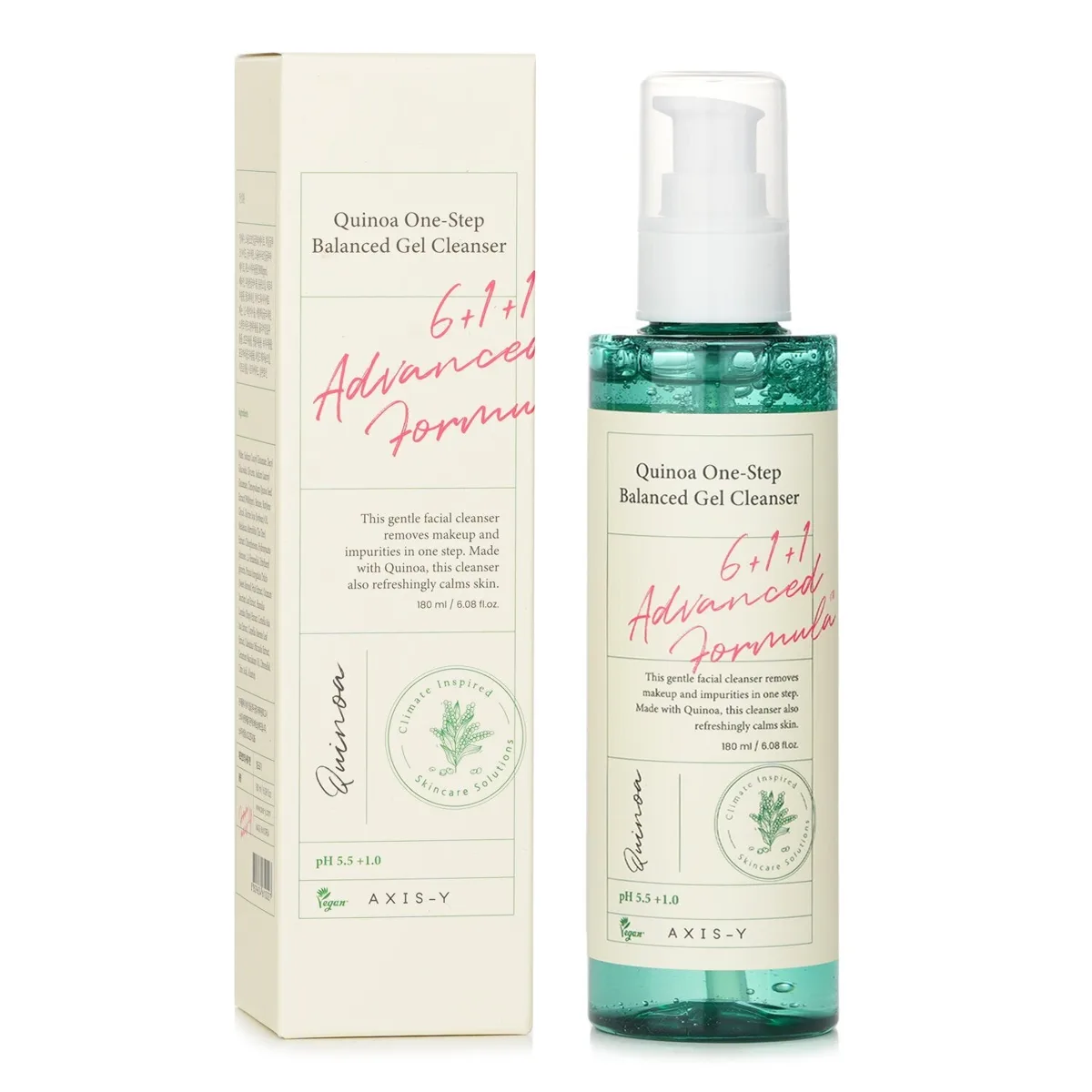 Quinoa-Led Gentle Daily Cleanser
 Quinoa One Step Balanced Gel Cleanser
A fragrance-free, sulfate-free gel cleanser built around quinoa seed extract and a gentle amphoteric-plus-nonionic surfactant pair. Non-stripping, broadly suitable, and priced reasonably — one of the safest recommendations in the daily gentle cleanser category.
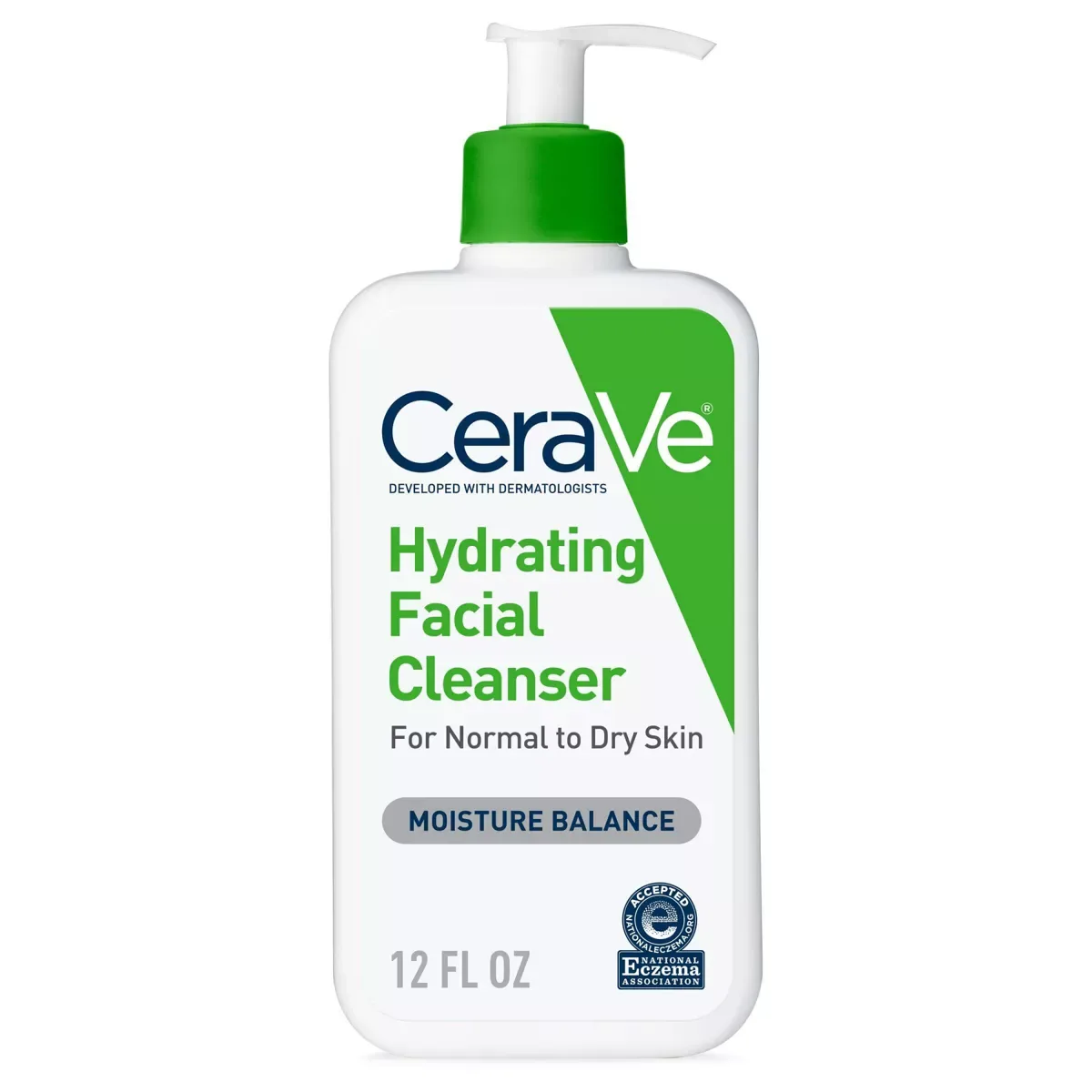 Sensitive Skin MVP
 Hydrating Facial Cleanser
The CeraVe Hydrating Facial Cleanser is the cleanser that taught a generation of dry-skin sufferers that washing your face does not have to mean punishing it. A lotion-textured, non-foaming formula that genuinely hydrates while it cleans, it remains the benchmark drugstore cleanser for anyone whose skin drinks moisture faster than most products can provide it.
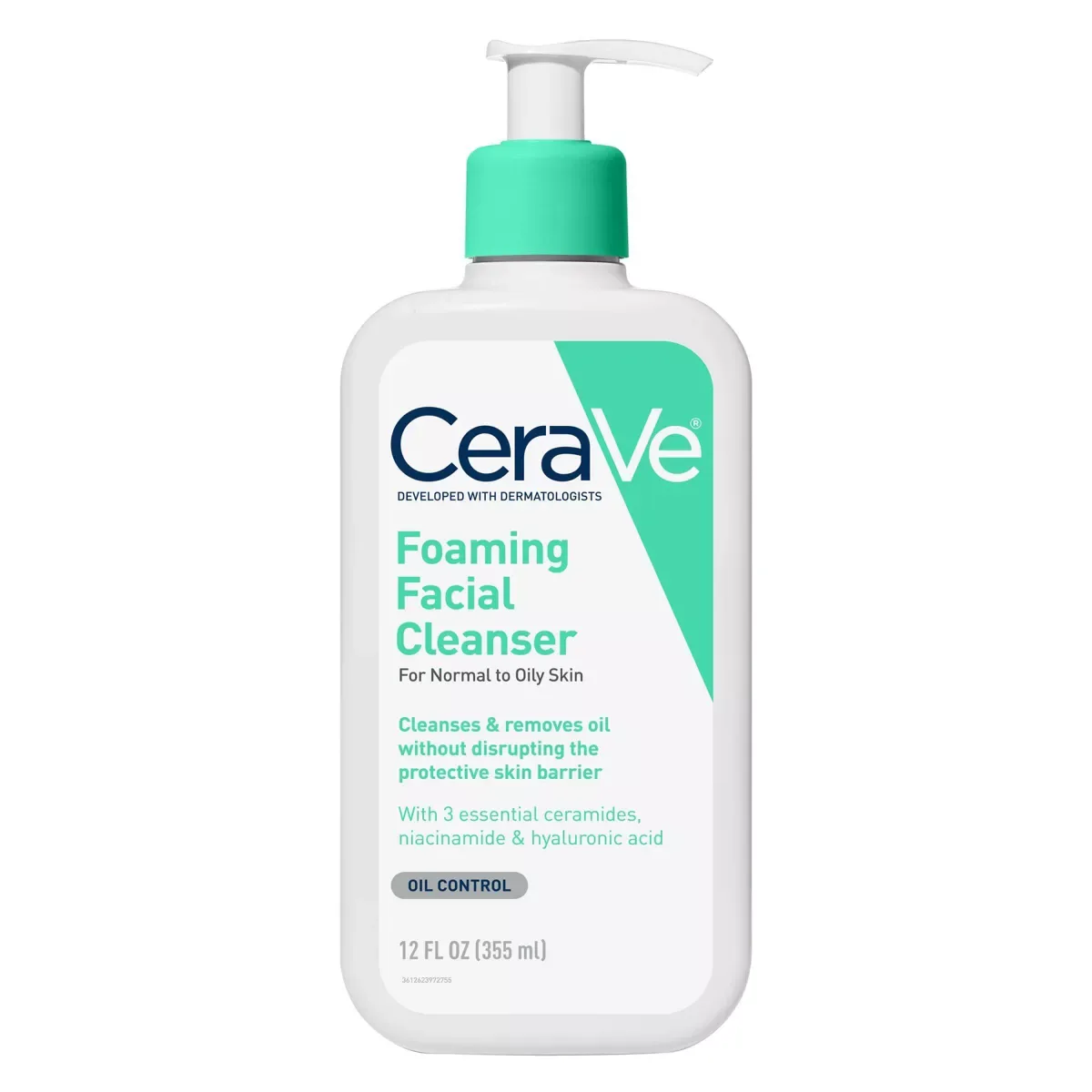 Derm Office Staple
 Foaming Facial Cleanser
The CeraVe Foaming Facial Cleanser is the rare drugstore cleanser that dermatologists actually use themselves — a genuinely gentle foaming wash that removes excess oil without triggering the rebound sebum production that plagues most lathering cleansers. At under sixteen dollars for a bottle that lasts months, it makes skipping it almost irrational.
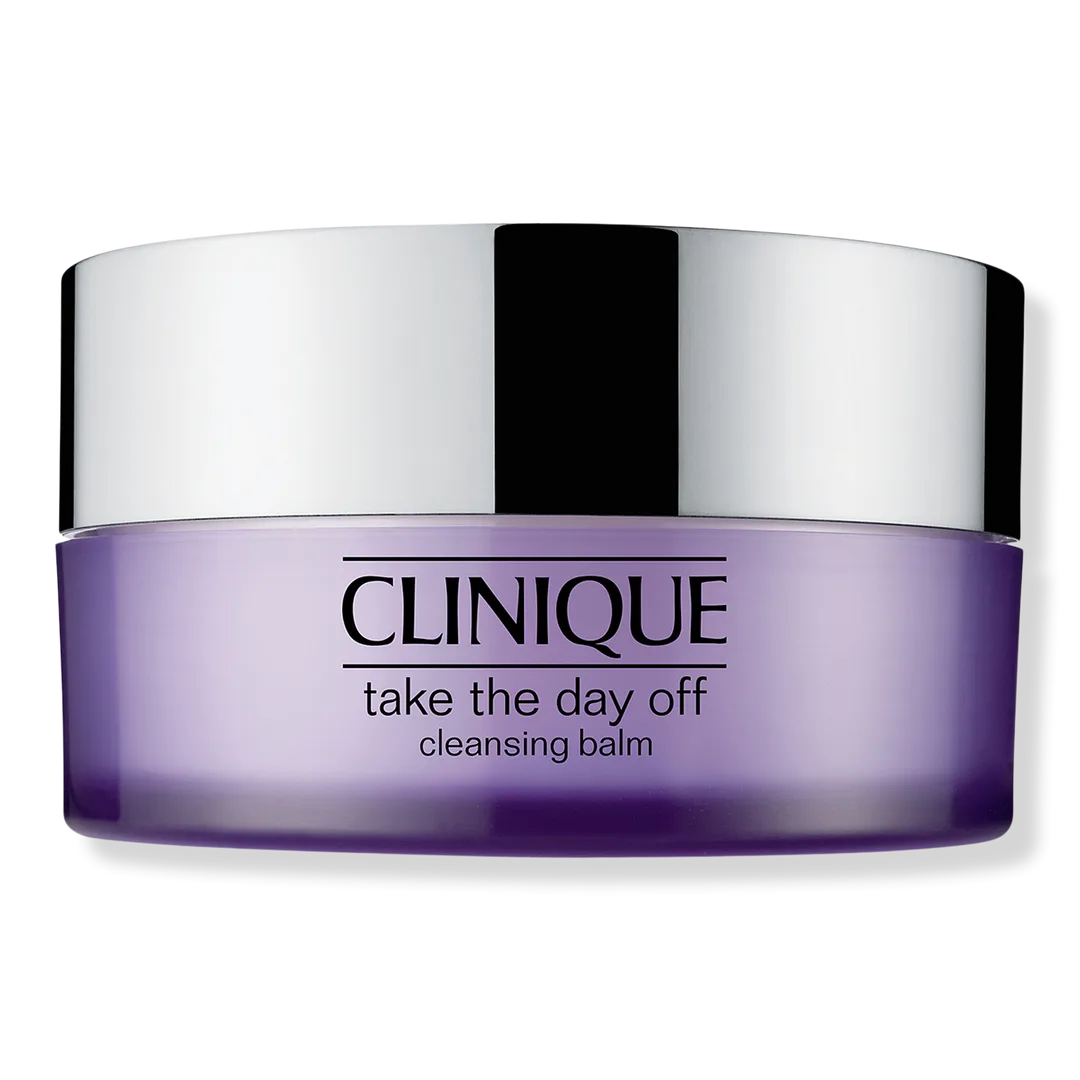 Cult-Status Makeup Eraser
 Take the Day Off Cleansing Balm
The cleansing balm that earned its cult status through radical restraint — nine ingredients, zero fragrance, and the ability to dissolve anything from waterproof mascara to SPF 50 without disturbing even the most reactive skin. Not the most glamorous product in any routine, but possibly the most universally reliable.
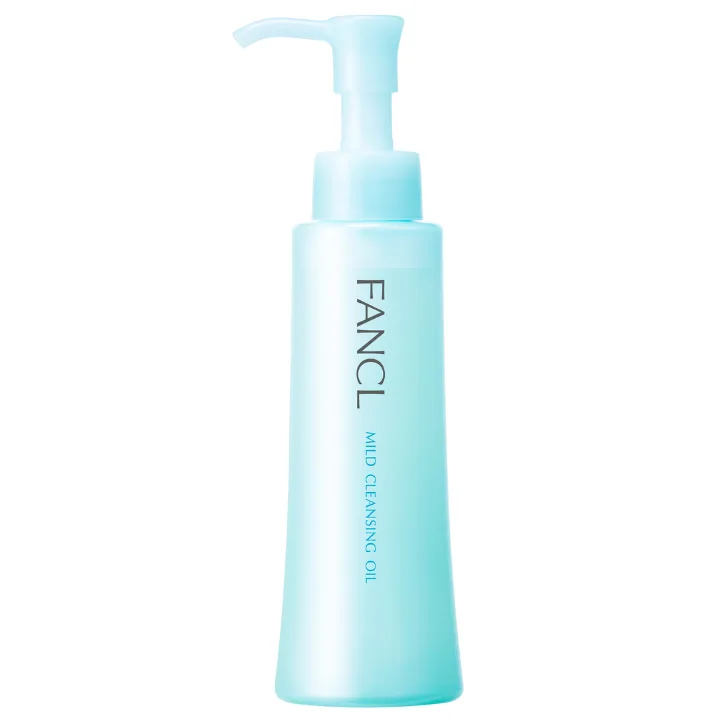 Japanese Drugstore Classic
 Mild Cleansing Oil
A two-decade-old Japanese drugstore staple that still outperforms most modern cleansing oils on the single metric that matters: does it remove sunscreen cleanly without leaving a film. The fragrance-free, ester-based formula is gentle enough for reactive skin and thoughtfully augmented with vitamin C and plant oils. Quietly one of the best first-cleanse options on the market.
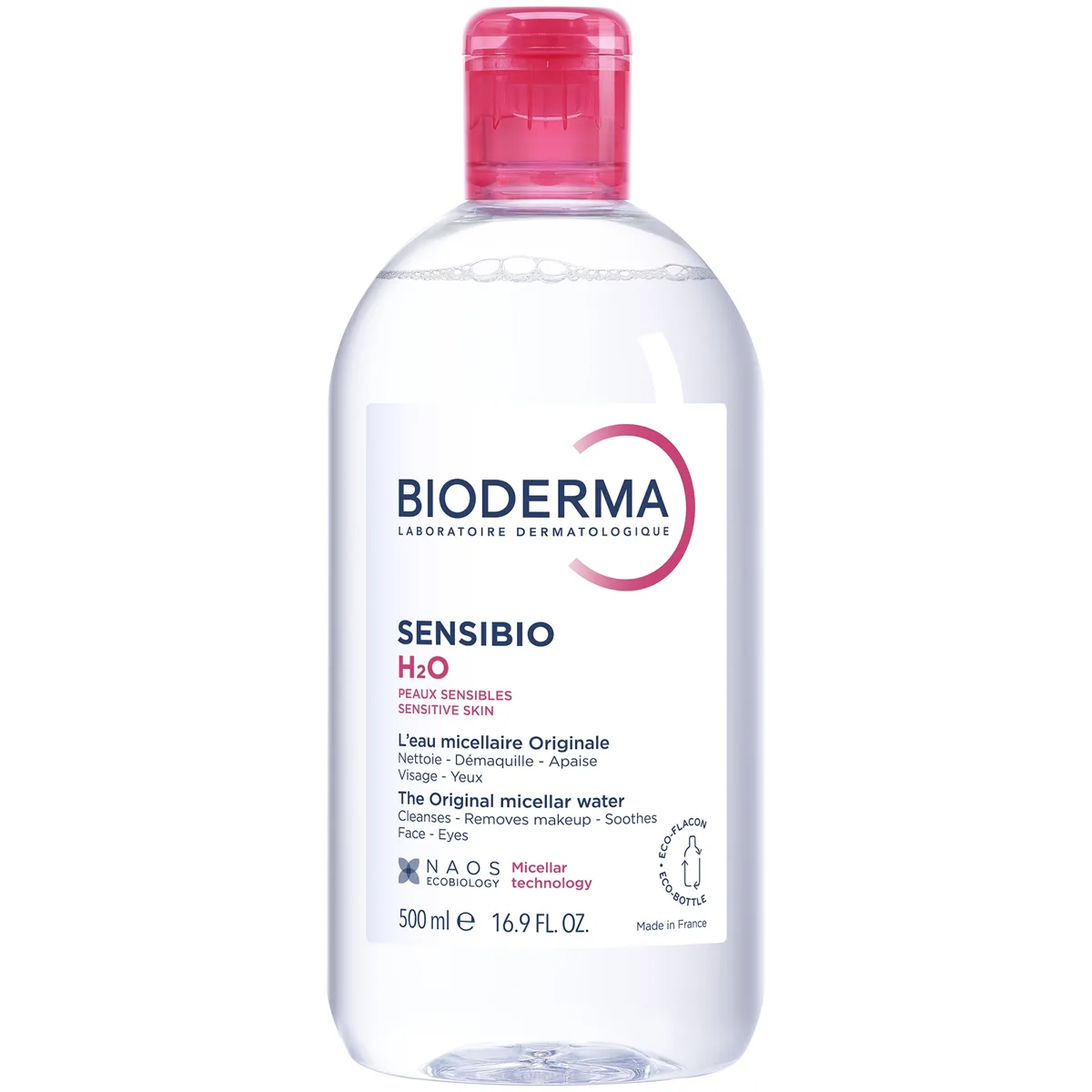 The Original Micellar Water
 Sensibio H2O Micellar Water
The product that launched an entire skincare category remains, three decades later, one of the gentlest and most effective no-rinse cleansers available. Bioderma Sensibio H2O earns its cult status through radical simplicity — 10 ingredients, zero fragrance, and a formula so mild it was originally dispensed by prescription.
This review reflects our independent analysis of publicly available ingredient data, manufacturer claims, and verified user reviews. We are reader-supported — Amazon links may earn us a commission at no cost to you. We do not accept paid placements; rankings are based solely on the evidence.