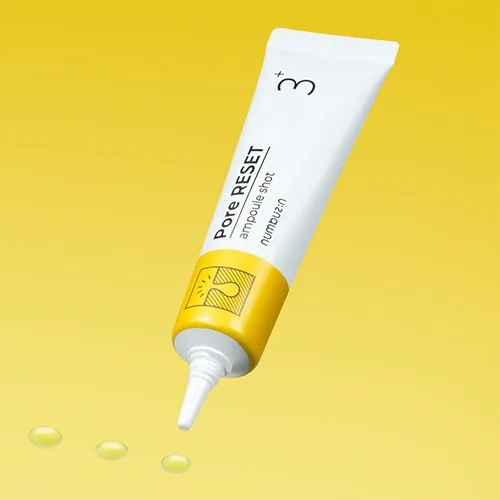
A precision-targeted retinol ampoule that pairs the gold-standard pore-minimizing active with silybin (milk thistle extract) to reduce irritation without sacrificing efficacy. The supporting cast of niacinamide, ceramide NP, zinc PCA, and CoQ10 creates one of the more thoughtful pore treatments in K-beauty — though the 25ml bottle disappears fast and the price-per-ml is on the higher end.
No. 3 Pore Reset Ampoule Shot
A precision-targeted retinol ampoule that pairs the gold-standard pore-minimizing active with silybin (milk thistle extract) to reduce irritation without sacrificing efficacy. The supporting cast of niacinamide, ceramide NP, zinc PCA, and CoQ10 creates one of the more thoughtful pore treatments in K-beauty — though the 25ml bottle disappears fast and the price-per-ml is on the higher end.
Score Breakdown
Where this product gains points and where it loses them — broken down across the four scoring pillars.
A sophisticated retinol ampoule with excellent supporting ingredients — niacinamide, silybin, ceramide NP, cholesterol, zinc PCA, and CoQ10 create a well-rounded pore treatment. The fragrance-free formula and retinol-buffering approach are commendable. Docked slightly for the small 25ml size relative to price and the inherent irritation risk of retinol.
Pros & Cons
- ✓Retinol-silybin pairing provides effective pore treatment with reduced irritation compared to standard retinol
- ✓Fragrance-free and essential oil-free — critical for a nighttime retinol product
- ✓Comprehensive supporting ingredients: ceramide NP, cholesterol, zinc PCA, CoQ10, panthenol
- ✓Lightweight, silky texture absorbs instantly with a pore-blurring effect
- ✓Niacinamide at ~5% provides complementary sebum regulation and brightening
- ✓Users report significant milia elimination alongside pore tightening
- ✓Well-tolerated compared to other retinol products at similar concentrations
- ✗Small 25ml bottle runs out in 5-8 weeks with nightly use — cost adds up
- ✗Retinol requires strict sunscreen discipline and nighttime-only application
- ✗Not safe during pregnancy or breastfeeding
- ✗Initial 1-2 week adjustment period with potential flaking and sensitivity
- ✗Contains soybean oil which may concern those with fungal acne
Full Review
Retinol and Korean skincare have had a complicated relationship. For years, the K-beauty philosophy of gentle, hydrating layers seemed fundamentally at odds with retinol's no-pain-no-gain reputation. Then brands like Numbuzin started asking: what if the pain part was optional?
The No. 3 Pore Reset Ampoule Shot is Numbuzin's answer to that question, and it's built around a pairing you don't see often — retinol with silybin, a flavonolignan extracted from milk thistle seeds. Most retinol products buffer with bakuchiol (a botanical alternative) or hide behind ceramides and hope for the best. Silybin is a more targeted choice: it's a potent anti-inflammatory and antioxidant that specifically reduces the oxidative stress that retinol generates as a byproduct of its cell-turnover mechanism. It's not replacing retinol or competing with it — it's cleaning up after it.
The retinol itself is present at what appears to be a moderate concentration — enough to drive meaningful results but calibrated to work within a formula designed to minimize collateral damage. Users consistently report visible pore tightening within four to six weeks, which aligns with the timeline retinol needs to increase dermal collagen and accelerate the cell cycle that clears congested pores.
Niacinamide at an estimated five percent provides the second major pore-targeting mechanism. While retinol works from the inside out — thickening the dermis and stimulating collagen around pore walls — niacinamide works from the surface, regulating sebum production so pores aren't constantly stretched by excess oil. The two-pronged approach means this ampoule addresses both the structural and functional causes of enlarged pores.
The supporting cast reads like someone built a checklist of everything a retinol product should include. Ceramide NP with cholesterol and phytosterols provides barrier repair — essential when retinol is increasing cell turnover and temporarily thinning the stratum corneum. Zinc PCA adds sebum regulation and antimicrobial activity. Ubiquinone (CoQ10) supplies mitochondrial antioxidant support. Panthenol provides humectant hydration. Adenosine contributes its characteristic anti-wrinkle function. Pullulan creates a temporary film-tightening effect that makes pores appear smaller immediately while the retinol works on longer-term structural changes.
The texture is one of this ampoule's quiet strengths. The dimethicone/vinyl dimethicone crosspolymer creates a silky, pore-filling application feel — like a very lightweight primer. It absorbs almost instantly, leaving behind a smooth, non-greasy finish that doesn't interfere with whatever moisturizer you layer on top. There's no fragrance, no essential oils, and no alcohol. For a nighttime retinol treatment, this is exactly the sensory profile you want.
The elephant in the room is the bottle size. Twenty-five milliliters sounds reasonable until you're dispensing three to four drops nightly and watching the level drop visibly each week. At roughly eighteen dollars, the per-ml cost is notably higher than Numbuzin's other serums. This is an ampoule, not a serum — the format and concentration justify a premium — but users accustomed to 50ml bottles will feel the difference.
Performance over time tells the real story. The first two weeks are the adjustment period — mild flaking around the nose and chin is common, occasionally some tightness or sensitivity. This is retinol doing its job, and the silybin buffer noticeably reduces the severity compared to unbuffered retinol products. By week three, most users report smoother texture. By week six, pores are visibly tighter, especially across the T-zone. The milia-eliminating effect that multiple reviewers mention is particularly notable — those stubborn small white bumps that resist most treatments seem to respond well to this formula's combination of retinol-driven cell turnover and niacinamide-driven pore regulation.
For anyone who's wanted to try retinol for pores but been intimidated by the horror stories, this ampoule represents one of the more accessible entry points in the market. The silybin-retinol approach is genuinely differentiated, the supporting ingredients are thoughtfully chosen, and the fragrance-free formula minimizes one common irritation vector. It's not cheap per milliliter, and it demands patience and sunscreen discipline. But for the specific job of making pores less visible, it's one of K-beauty's more credible options.
Formula
Key Ingredients
The hero actives that drive this product's performance.
| Ingredient | Function | Evidence |
|---|---|---|
| Retinol | The primary active driving pore minimization — retinol accelerates cell turnover, thickens the dermis, and stimulates collagen production around pore openings, which physically tightens their appearance over time. In this formula, it's paired with silybin to mitigate irritation while maintaining efficacy. | well-established |
| Niacinamide (5%) | Listed third in the formula at an estimated 5% concentration, niacinamide tackles pores through multiple angles — regulating sebum production to prevent pore stretching, stimulating ceramide synthesis for barrier strength, and brightening post-inflammatory marks that often accompany enlarged pores. | well-established |
| Silybin | A flavonolignan derived from milk thistle (Silybum marianum) with potent antioxidant and anti-inflammatory properties. In this formula, silybin serves as the retinol buffer — reducing the oxidative stress and inflammation that retinol can trigger while adding its own sebum-regulating and anti-inflammatory benefits to the pore-tightening mission. | promising |
| Ceramide NP + Cholesterol | The ceramide-cholesterol duo provides barrier repair support that's critical in a retinol product. As retinol increases cell turnover and thins the stratum corneum temporarily, these lipids help maintain barrier integrity — preventing the dryness and sensitivity that often derail retinol routines. | well-established |
| Zinc PCA | A zinc salt of pyrrolidone carboxylic acid that directly addresses pore-related concerns by regulating sebum production and providing antimicrobial activity. It works alongside the niacinamide to create a two-pronged approach to controlling the excess oil that enlarges pores. | promising |
Full INCI List
Water, Methylpropanediol, Niacinamide, Dimethicone/Vinyl Dimethicone Crosspolymer, Glycerin, HDI/PPG/Polycaprolactone Crosspolymer, 1,2-Hexanediol, Pentylene Glycol, Lecithin, Chondrus Crispus Extract, Saccharum Officinarum Extract, Theobroma Cacao Cocoa Seed Extract, Glycine Soja (Soybean) Oil, Melia Azadirachta Flower Extract, Ocimum Sanctum Leaf Extract, Melia Azadirachta Leaf Extract, Curcuma Longa (Turmeric) Root Extract, Corallina Officinalis Extract, Pullulan, Polyacrylate Crosspolymer-6, Panthenol, Silybin, Tocopherol, Acrylates/C10-30 Alkyl Acrylate Crosspolymer, Caprylyl Glycol, Dextrin, Tromethamine, Ethylhexylglycerin, Adenosine, Silica, Sodium Phytate, Retinol, Sodium Dilauramidoglutamide Lysine, Isoceteth-10, Isoceteth-25, Caprylic/Capric Triglyceride, Cholesterol, Ubiquinone, Zinc PCA, Phospholipids, Ceramide NP, Arginine, Phytosterols, BHT, Phenoxyethanol
Product Flags
✓ Fragrance Free✓ Alcohol Free✗ Oil Free✗ Silicone Free✓ Paraben Free✓ Sulfate Free✗ Cruelty Free✗ Vegan✗ Fungal Acne Safe
Comedogenic Ingredients
Glycine Soja Oil
Potential Irritants
Retinol
Compatibility
Skin Match
Best For
Works For
Not Ideal For
Addresses These Conditions
large pores oiliness aging dullness texture
Use With Caution
Avoid With
Routine Step
treatment
Time of Day
PM
Pregnancy Safe
No ✗
Layering Tips
Apply at night only — retinol degrades in sunlight. After cleansing and toning, dispense a few drops and pat gently across the face, concentrating on areas with enlarged pores. Follow with moisturizer. Always use sunscreen the following morning. Build up frequency gradually: start every other night, then nightly as skin adjusts.
Results Timeline
Initial adjustment period (1-2 weeks) may include mild flaking or sensitivity. Visible pore tightening and smoother texture typically appear after 4-6 weeks. Full benefits including firmer skin and significantly reduced pore visibility usually require 8-12 weeks of consistent nighttime use.
Pairs Well With
gentle cleansersceramide moisturizersSPF 30+ sunscreen
Conflicts With
benzoyl peroxideAHA/BHA exfoliants (use on alternate nights)
Sample AM Routine
- Gentle cleanser
- Toner
- Serum
- Moisturizer
- Sunscreen SPF 30+
Sample PM Routine
- Double cleanse
- Toner
- Numbuzin No. 3 Pore Reset Ampoule Shot
- Moisturizer
Evidence
Who Should Skip
- Small 25ml bottle runs out in 5-8 weeks with nightly use — cost adds up
- Retinol requires strict sunscreen discipline and nighttime-only application
- Not safe during pregnancy or breastfeeding
- Initial 1-2 week adjustment period with potential flaking and sensitivity
Science & Expert Perspective
The Science
Retinol's mechanism for pore minimization is well-documented in dermatological literature. By binding to retinoid receptors (RAR and RXR) in skin cells, retinol accelerates epidermal turnover and stimulates collagen synthesis in the dermis. A 2000 study in the Journal of Investigative Dermatology demonstrated that topical retinol significantly increases dermal collagen production and thickens the epidermis — both of which contribute to the physical tightening of pore openings.
Silybin (silibinin), the most bioactive component of silymarin from milk thistle, has been studied for its photoprotective and anti-inflammatory properties. Research published in Molecular Carcinogenesis demonstrated that silybin inhibits UV-induced oxidative stress and prevents NF-kB activation — the same inflammatory pathway that retinol can inadvertently trigger during its cell-turnover process. This makes silybin a mechanistically logical companion for retinol: it targets the specific inflammatory pathways retinol activates as a side effect.
Niacinamide's role in sebum regulation has been validated in multiple studies. A 2006 study in the International Journal of Cosmetic Science found that 2% niacinamide significantly reduced sebum excretion rate over four weeks. At the estimated 5% concentration in this formula, the sebum-regulating effect would be more pronounced, directly addressing one of the primary causes of pore enlargement.
Zinc PCA serves a dual function — the zinc ion provides antimicrobial activity against Cutibacterium acnes (relevant for pore congestion), while the PCA (pyrrolidone carboxylic acid) component is a natural moisturizing factor constituent that supports hydration. Research in the Journal of the European Academy of Dermatology and Venereology documented zinc's sebum-regulating properties, making it a logical partner for niacinamide in a pore-focused formula.
The ceramide NP and cholesterol inclusion addresses an established concern with retinol use — barrier disruption. A study in the Journal of Lipid Research demonstrated that ceramide and cholesterol application accelerates barrier recovery after disruption, which is particularly relevant when retinol is increasing cell turnover rates.
References
- Retinol increases collagen synthesis in human skin in vivo — Journal of Investigative Dermatology (2000)
- The effect of niacinamide on reducing cutaneous sebum production — International Journal of Cosmetic Science (2006)
Dermatologist Perspective
Board-certified dermatologists widely recommend retinol as the most evidence-backed topical ingredient for pore minimization, second only to prescription retinoids like tretinoin. This ampoule's approach of pairing retinol with silybin to reduce inflammatory side effects aligns with the dermatological principle of maximizing efficacy while minimizing irritation. Dermatologists would note that the barrier-supporting ingredients (ceramide NP, cholesterol, phytosterols) are particularly important in a retinol product, as retinol-induced barrier disruption is the most common reason patients discontinue treatment. For patients seeking an over-the-counter retinol with built-in irritation management, this represents a well-considered option. Dermatologists would advise against using this alongside other retinoids or strong exfoliants, and would emphasize the non-negotiable need for daily broad-spectrum sunscreen during retinol use.
Guidance
Usage Guide
How to Use
Use exclusively at night. After cleansing and toning, dispense 3-4 drops of the ampoule onto your fingertips. Pat gently across the face, concentrating on areas with enlarged pores (typically the T-zone, cheeks, and chin). Allow a minute for absorption before applying your moisturizer. Start with every-other-night application for the first two weeks to allow your skin to adjust to retinol. Gradually increase to nightly use as tolerated. Always apply SPF 30+ sunscreen the following morning — this is not optional when using retinol.
Value Assessment
At approximately $18 for 25ml, the per-ml cost is higher than Numbuzin's larger serums. However, the ampoule format — concentrated actives in a small-volume delivery — traditionally commands a premium. The retinol plus silybin pairing, supported by ceramide NP, zinc PCA, CoQ10, and niacinamide, would cost considerably more from Western clinical brands. The cost-per-month of roughly $18-25 (depending on usage frequency) is reasonable for a retinol treatment with this supporting ingredient profile. For an emerging brand, the pricing reflects the product's premium position within the Numbuzin lineup without crossing into luxury territory.
Who Should Buy
This ampoule is ideal for oily and combination skin types troubled by enlarged pores, excess sebum, and uneven texture. It's perfect for retinol beginners who want a buffered, less irritating introduction to the ingredient, and for anyone seeking a targeted pore treatment that goes beyond surface-level mattifying.
Who Should Skip
Skip this if you're pregnant, breastfeeding, or planning to conceive — retinol is contraindicated. Dry or sensitive skin types should proceed with caution, as even buffered retinol can be too much for reactive skin. If you're already using prescription retinoids, adding this product would be redundant and potentially over-irritating.
Ready to try Numbuzin No. 3 Pore Reset Ampoule Shot?
Details
Details
Texture
A lightweight, fast-absorbing ampoule with a slightly viscous, gel-like consistency. The dimethicone crosspolymer gives it a silky, pore-blurring application feel without heaviness. Absorbs almost instantly, leaving behind a smooth, matte-adjacent finish.
Scent
No added fragrance. Very minimal inherent scent.
Packaging
Glass dropper bottle (25ml) with a measured pipette for precise dispensing. Clean Numbuzin branding with the No. 3 line designation.
Finish
mattenon-greasylightweight
What to Expect on First Use
On first application, the ampoule feels lightweight and silky — the pore-blurring polymers create an immediately smoother texture. No stinging or burning in most users, though sensitive skin types may notice mild tingling. Begin with every-other-night application for the first two weeks to allow skin to acclimate to the retinol. Mild flaking is normal during the adjustment phase.
How Long It Lasts
5-8 weeks with nightly use, using 3-4 drops per application
Period After Opening
6 months
Best Season
All Year
Background
The Why
Numbuzin's No. 3 line is dedicated to pore care, and this ampoule is its most concentrated treatment. The silybin-retinol combination reflects the Korean approach of making retinol accessible to a broader audience — rather than accepting irritation as the price of efficacy, the formula engineers irritation out while keeping the active at a meaningful concentration. The result helped establish Numbuzin's reputation for thoughtful formulation beyond its collagen-focused products.
About Numbuzin Emerging Brand (2–5 years)
Numbuzin launched in 2019 under Korean startup Benow and quickly gained traction after winning top honors at the 2022 Olive Young Awards. The brand is known for its numbered product system and ingredient transparency, though it has a limited track record and no independent clinical trials on its specific formulations.
Brand founded: 2019 · Product launched: 2022
Myth vs. Reality
Myths & Misconceptions
Myth
Retinol always causes severe irritation and peeling, so pore products should avoid it.
Reality
Retinol irritation is dose and formulation-dependent. This ampoule pairs retinol with silybin (an anti-inflammatory), ceramide NP (barrier support), and cholesterol (lipid matrix repair) specifically to minimize the irritation that gives retinol its fearsome reputation. Starting every other night and building up frequency further reduces the risk.
Myth
You can permanently shrink pores with topical products.
Reality
Pore size is largely determined by genetics and sebum production. What retinol and niacinamide can do is temporarily tighten pore appearance by increasing collagen around pore walls, regulating sebum flow, and improving skin texture so pores appear less prominent. Consistent use is required to maintain the effect.
FAQ
Frequently Asked Questions
Can I use the Numbuzin Pore Reset Ampoule during the day?
No — this ampoule contains retinol, which degrades in sunlight and increases photosensitivity. Use it exclusively in your evening routine and always apply SPF 30+ sunscreen the following morning. Daytime retinol use can cause irritation and reduce the ingredient's effectiveness.
How long does it take for the Numbuzin Pore Reset Ampoule to work?
Most users see noticeable pore tightening and smoother skin texture after 4-6 weeks of consistent nightly use. The retinol needs time to increase cell turnover and stimulate collagen around pore walls. Expect an initial 1-2 week adjustment period with possible mild flaking before improvements become visible.
Can I use this with other active ingredients?
Avoid using this on the same night as AHA/BHA exfoliants or benzoyl peroxide, as combining these with retinol increases irritation risk. Niacinamide, hyaluronic acid, and ceramide products pair well with this ampoule. Consider alternating nights between this ampoule and your chemical exfoliants.
Is this ampoule safe during pregnancy?
No — this product contains retinol, which is contraindicated during pregnancy and breastfeeding. If you're pregnant, planning to become pregnant, or nursing, avoid all retinol and retinoid products and consult your healthcare provider for safe alternatives.
What makes silybin different from other retinol-buffering ingredients?
Silybin is a flavonolignan from milk thistle with specific anti-inflammatory and antioxidant properties that complement retinol. Unlike bakuchiol (a retinol alternative), silybin is designed to work alongside retinol — reducing the oxidative stress and inflammation retinol triggers without competing with or replacing its activity. This means you get retinol's full pore-tightening and collagen benefits with reduced side effects.
Community
Community Voices
Common Praise
"Visibly reduced pore size within one month of consistent use"
"Eliminated milia and smoothed T-zone texture"
"Lightweight, non-greasy texture that absorbs quickly"
"Fragrance-free formula was gentle despite containing retinol"
Common Complaints
"Small 25ml bottle runs out quickly with daily use"
"Price feels high for the amount of product"
"Initial retinol adjustment period includes mild flaking and sensitivity"
"Contains soybean oil which may concern fungal acne-prone users"
Appears In
best ampoule for pores best retinol for pores best k beauty pore treatment best pore minimizing serum
Related Conditions
large pores oiliness aging texture dullness
Related Ingredients
You Might Also Like
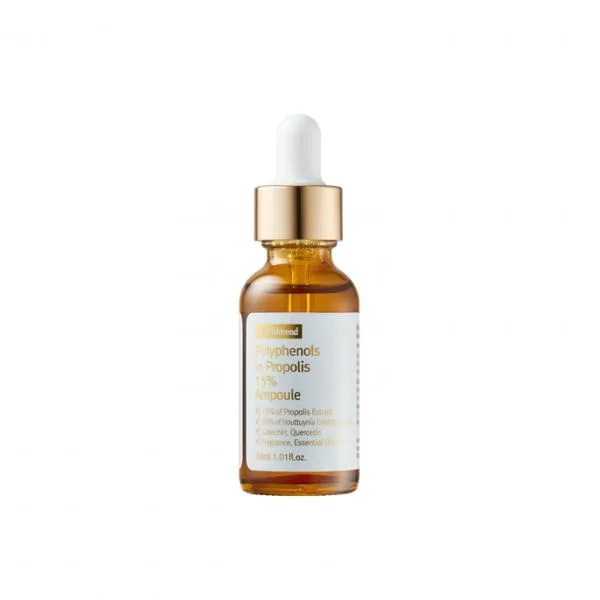 Sensitive Skin Soother
 Polyphenols In Propolis 15% Ampoule
A 15% propolis ampoule that earns its name with a real polyphenol stack — French Auvergne propolis layered over a houttuynia cordata base, with tulsi and pomegranate piling on. It's slightly sticky and not cheap by volume, but for sensitive, breakout-prone skin chasing calm, this is one of the most reliable K-beauty soothers in production.
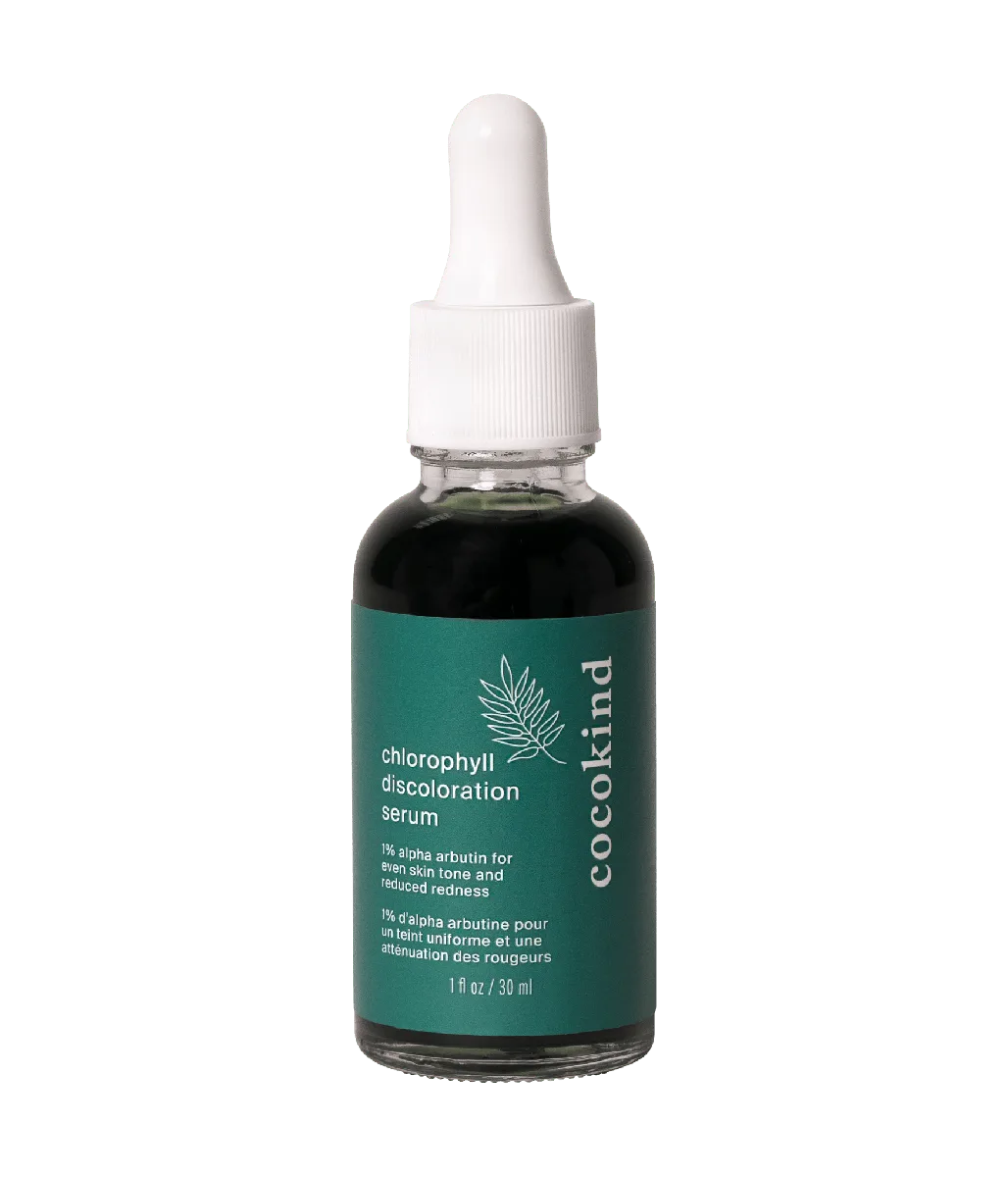 Budget Brightening Hero
 Chlorophyll Discoloration Serum
A quietly brilliant brightening serum that proves you do not need luxury prices or harsh actives to fade dark spots effectively. The alpha-arbutin and licorice root combination delivers genuine multi-pathway melanin inhibition, the sensitive-skin-friendly formula is impeccable, and $20 makes it accessible to virtually everyone. The chlorophyllin is more marketing differentiator than scientific powerhouse, but it does not hurt anything either.
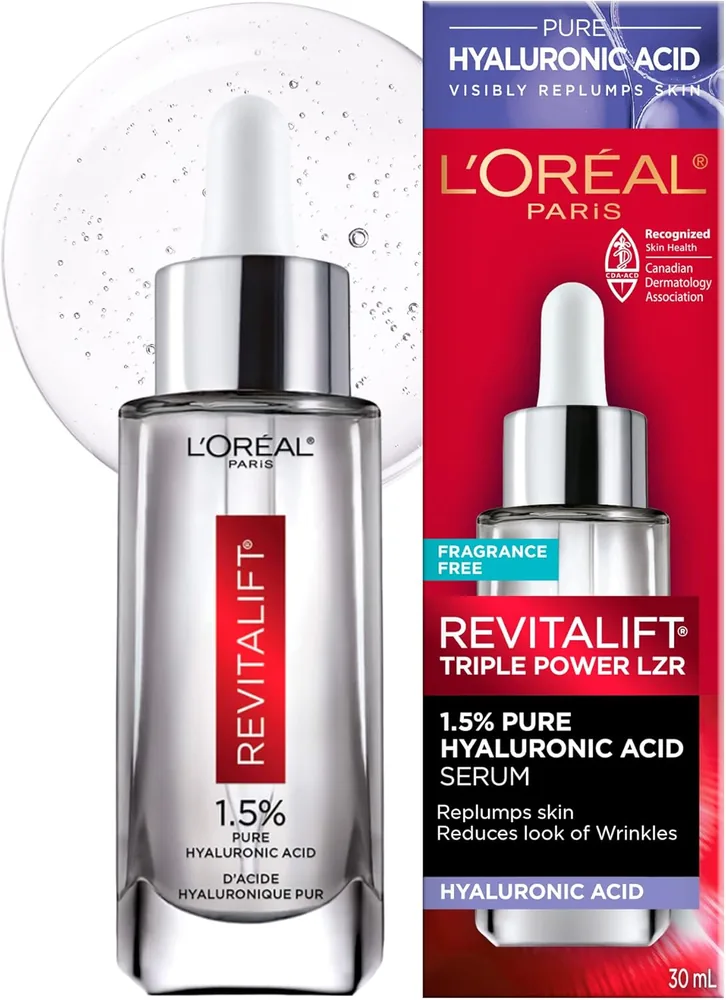 The People's HA Serum
 Revitalift Derm Intensives 1.5% Pure Hyaluronic Acid Serum
A masterclass in minimalist formulation — thirteen ingredients, no filler, four functional actives, and over thirty thousand glowing reviews. L'Oréal's multi-weight HA system delivers genuine hydration at every level of the skin, and the fragrance-free, alcohol-free formula is clean enough for virtually anyone. The drugstore serum that embarrasses its prestige competitors.
 Budget Hydration Holy Grail
 Hyalu-Cica Blue Serum
A quietly excellent budget serum that stacks Centella asiatica leaf water, five types of hyaluronic acid, niacinamide, ceramide NP, and adenosine into a fragrance-free under-$20 bottle. It is genuinely one of the best hydration-plus-soothing serums at any price, and the fact that it costs less than a salad in Manhattan is the point.
 Sensitive Skin First-Line Defense
 Hyalu-Cica First Ampoule
A 92% Centella asiatica extract ampoule paired with niacinamide and a multi-weight HA complex, fragrance-free and purpose-built for sensitive, compromised, and reactive skin. At $25 for 100ml, it is one of the most justifiable skincare purchases a budget-conscious buyer can make, and it earns a place in almost any routine that needs a soothing anchor.
 Sensitive Skin MVP
 Balanceful Cica Serum
Torriden's Balanceful Cica Serum is one of the most recommendable calming serums in K-beauty — a genuinely fragrance-free, multi-weight hyaluronic acid and 5D cica complex treatment that quietly reduces redness, supports the barrier, and buffers other actives without drama. At under $25 it's a near-automatic pick for sensitive, rosacea-prone, and barrier-compromised skin.
This review reflects our independent analysis of publicly available ingredient data, manufacturer claims, and verified user reviews. We are reader-supported — Amazon links may earn us a commission at no cost to you. We do not accept paid placements; rankings are based solely on the evidence.