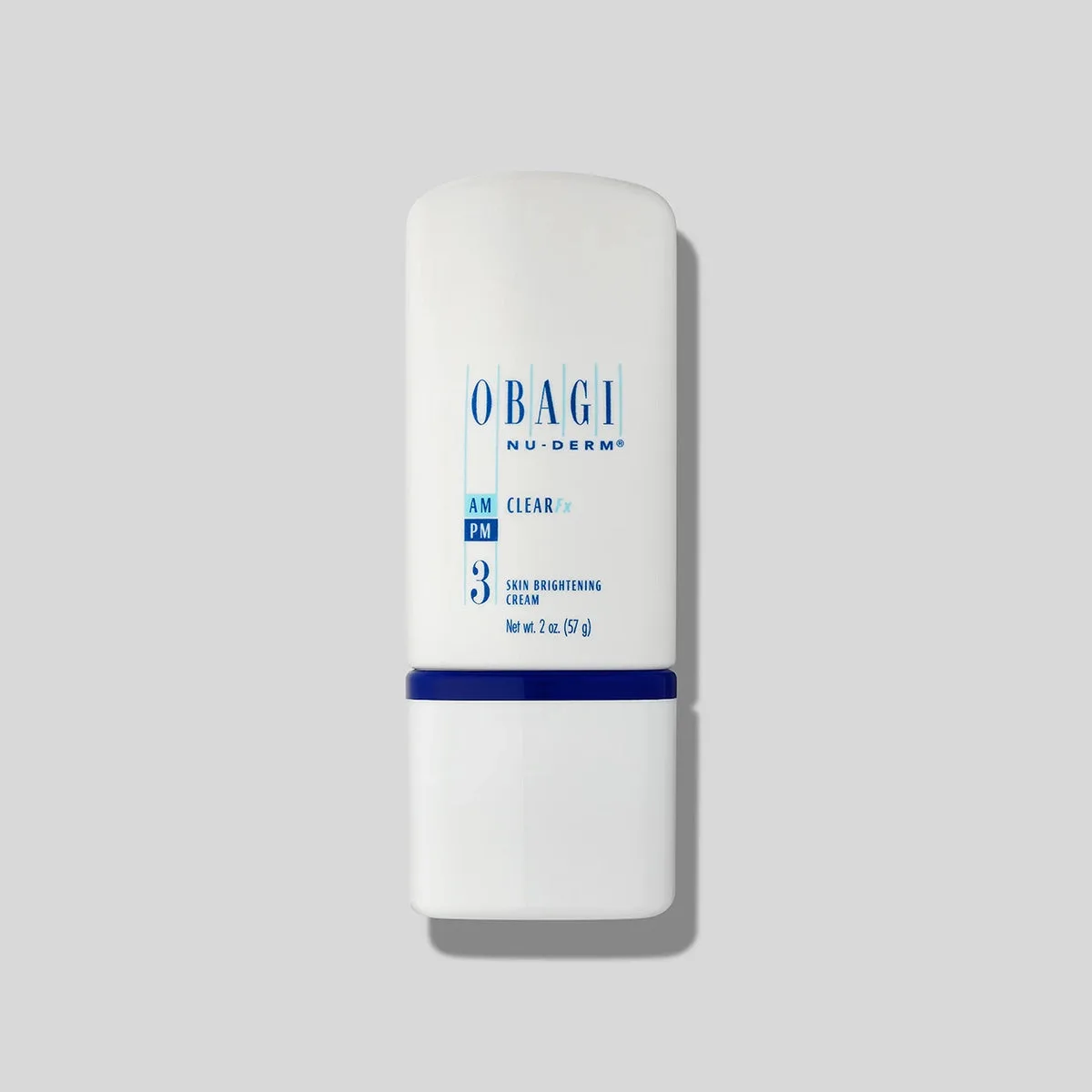
A serious brightening treatment built around one of the highest OTC arbutin concentrations available. Slower than hydroquinone but gentler and safer for long-term use — if you have the patience for a 3-6 month timeline. The SLS and parabens in the formula feel outdated for the $125 asking price.
Nu-Derm Clear Fx
A serious brightening treatment built around one of the highest OTC arbutin concentrations available. Slower than hydroquinone but gentler and safer for long-term use — if you have the patience for a 3-6 month timeline. The SLS and parabens in the formula feel outdated for the $125 asking price.
Score Breakdown
Where this product gains points and where it loses them — broken down across the four scoring pillars.
The 7% arbutin is one of the highest OTC concentrations available and the multi-pathway brightening approach is sound, but the inclusion of SLS and parabens in a leave-on treatment, combined with the $125 price for a relatively simple formula, limits the overall score.
Pros & Cons
- ✓7% arbutin is one of the highest OTC concentrations available for serious brightening
- ✓Multi-pathway approach combining arbutin vitamin C and lactic acid targets pigmentation
- ✓Gentler than hydroquinone with lower risk of ochronosis and rebound pigmentation
- ✓Fragrance-free lightweight formula absorbs easily under moisturizer and sunscreen
- ✓Backed by the Nu-Derm system's decades of clinical dermatology experience
- ✓Effective for maintaining brightening gains between hydroquinone treatment cycles
- ✗Requires 3-6 months of daily use before meaningful brightening becomes visible
- ✗Contains SLS in a leave-on treatment cream which is unusual and potentially irritating
- ✗Three parabens included which will deter paraben-sensitive consumers
- ✗At $125 for 2 oz the price is steep for a relatively simple formulation
- ✗Dark spots may temporarily darken in weeks 2-8 before lightening begins
Full Review
Before hydroquinone became the subject of regulatory debates and consumer anxiety, Obagi's Nu-Derm system was built around it. The original Nu-Derm Clear contained 4% hydroquinone — the gold standard for hyperpigmentation treatment — and it worked. When Obagi created the Fx line, the challenge was clear: replicate the brightening power of hydroquinone without using hydroquinone. Their answer was arbutin at 7%, and it is a compromise that mostly works but requires patience and recalibrated expectations.
Arbutin is hydroquinone's polite cousin. Structurally, it is a glycosylated form of hydroquinone — it converts to hydroquinone in the skin at controlled, low levels, providing tyrosinase inhibition without the concentration-dependent side effects that made prescription hydroquinone controversial. At 7%, this is one of the highest arbutin concentrations available in an over-the-counter product, and that concentration matters. Most arbutin serums and creams hover around 1-2%; Obagi is making a serious play at this dosage.
The supporting cast is thoughtfully assembled. Ascorbic acid (vitamin C) provides a secondary brightening pathway, inhibiting melanin synthesis through a different mechanism than arbutin. Lactic acid adds gentle chemical exfoliation — promoting cell turnover to reveal fresher skin beneath existing pigmentation while also serving as a mild humectant at low concentrations. Tocopheryl acetate rounds out the antioxidant trio, protecting against the UV-induced oxidative stress that triggers melanin production in the first place.
On the skin, Clear Fx applies as a lightweight cream that blends easily and absorbs within a minute or two. There is no significant scent — the formula is not marketed as fragrance-free, but any odor is minimal and functional. The texture is unremarkable in the best sense: it does not pill, does not leave a white cast, and sits comfortably under sunscreen and makeup. For a product you need to use daily for months, this invisible wearability is essential.
The results timeline is where expectations need management. Users accustomed to hydroquinone's relatively rapid visible lightening — often noticeable within two to four weeks — will find arbutin slower. Many users report that existing spots actually appear slightly darker initially as the arbutin draws pigment to the surface, a phenomenon that can last six to eight weeks. True lightening typically begins around the eight-to-twelve-week mark, and meaningful improvement in overall tone evenness may take four to six months of consistent daily use. This is not a flaw in the product; it reflects arbutin's gentler mechanism. But it does require a commitment that not every user is prepared to make.
The ingredient list is not without concerns. Sodium lauryl sulfate is present — unusual in a leave-on treatment cream and a potential irritant for sensitive skin. The formula also contains three parabens (butylparaben, methylparaben, propylparaben), which, while considered safe at cosmetic concentrations by regulatory bodies, will be a dealbreaker for consumers who prefer paraben-free products. And sodium metabisulfite, included as an antioxidant preservative, can trigger reactions in sulfite-sensitive individuals.
The price deserves honest discussion. At $125 for 2 ounces, Clear Fx is positioned at a premium that reflects the Obagi brand and physician-channel distribution. The 7% arbutin concentration partially justifies this — finding comparable arbutin concentrations elsewhere requires searching — but the base formula is otherwise straightforward. The vitamin C is listed after arbutin and surfactants, suggesting modest concentration. This is not a sophisticated multi-pathway brightening formula; it is arbutin doing the heavy lifting with supporting actors in minor roles.
For patients coming off hydroquinone — whether by choice or because their dermatologist recommends cycling off — Clear Fx is a logical transition product. It maintains tyrosinase inhibition through a gentler mechanism, helping to preserve brightening gains without the risks associated with long-term hydroquinone use. Used as a maintenance product between hydroquinone cycles, it fills a genuine clinical gap.
As a standalone brightening treatment for someone who has never used hydroquinone, Clear Fx will work, but the timeline and price make it a commitment. The arbutin concentration is genuinely high, the formula is stable and well-preserved, and the clinical pedigree is real. Whether the $125 price tag is justified depends on how much value you place on the Obagi name and the 7% arbutin concentration — because the rest of the formula, with its SLS and parabens, does not scream premium.
Formula
Key Ingredients
The hero actives that drive this product's performance.
| Ingredient | Function | Evidence |
|---|---|---|
| Arbutin (7%) (7%) | The star active in this brightening cream at one of the highest OTC concentrations available. Arbutin — a glycosylated hydroquinone derived from bearberry — competitively inhibits tyrosinase, the enzyme responsible for melanin production. At 7%, it provides substantial tyrosinase blockade without the cytotoxic risks of prescription hydroquinone, making it Obagi's chosen replacement for the original Nu-Derm Clear's 4% hydroquinone. | well-established |
| Ascorbic Acid (Vitamin C) | Provides a complementary brightening pathway to the arbutin — while arbutin blocks tyrosinase directly, vitamin C inhibits melanin oxidation and scavenges the free radicals that trigger melanogenesis. In this formula, it creates a dual-mechanism approach to pigmentation that is more effective than either ingredient alone. | well-established |
| Lactic Acid | An alpha hydroxy acid that serves double duty in this brightening cream — gently exfoliating melanin-laden keratinocytes from the skin's surface to reveal fresher skin beneath, while also functioning as a humectant that draws moisture into the stratum corneum. This accelerates the visible turnover of pigmented cells that the arbutin is preventing from reforming. | well-established |
| Tocopheryl Acetate (Vitamin E) | An antioxidant that protects against the UV-induced oxidative stress that triggers melanin production. In this formula, it supports the arbutin and vitamin C by addressing one of the upstream causes of hyperpigmentation — free radical damage — rather than just inhibiting the melanin synthesis pathway downstream. | well-established |
Full INCI List
Water (Aqua), Arbutin, Cetyl Alcohol, Glycerin, Sodium Lauryl Sulfate, Stearyl Alcohol, Tocopheryl Acetate, Ascorbic Acid, Saponins, Sodium Metabisulfite, BHT, Lactic Acid, Disodium EDTA, Butylparaben, Methylparaben, Propylparaben.
Product Flags
✓ Fragrance Free✓ Alcohol Free✓ Oil Free✓ Silicone Free✗ Paraben Free✗ Sulfate Free✗ Cruelty Free✓ Vegan✗ Fungal Acne Safe
Comedogenic Ingredients
Cetyl Alcohol
Potential Irritants
Sodium Lauryl SulfateLactic Acid
Common Allergens
Sodium Metabisulfite (sulfite sensitivity)
Compatibility
Skin Match
Best For
Works For
Not Ideal For
Addresses These Conditions
hyperpigmentation dark spots sun damage dullness melasma
Use With Caution
Avoid With
eczema compromised skin barrier rosacea
Routine Step
treatment
Time of Day
PM
Pregnancy Safe
Yes ✓
Layering Tips
Apply a thin layer to clean, dry skin in the evening. Can be used before moisturizer. Must use broad-spectrum sunscreen during the day — the lactic acid increases photosensitivity. When used as part of the Nu-Derm Fx system, follow the system's layering protocol.
Results Timeline
No immediate visible brightening — this is a long-game product. Spots may appear slightly darker in weeks 2-8 as arbutin draws pigment to the surface. Visible lightening typically begins around 8-12 weeks. Meaningful improvement in overall tone evenness requires 4-6 months of consistent daily use.
Pairs Well With
Broad-spectrum SPF 30+ (essential)Gentle moisturizersHyaluronic acid serums
Conflicts With
Other AHA/BHA exfoliants in the same routineBenzoyl peroxide applied at the same time
Sample AM Routine
- Gentle cleanser
- Vitamin C serum
- Moisturizer
- Broad-spectrum SPF 30+
Sample PM Routine
- Gentle cleanser
- Obagi Nu-Derm Clear Fx
- Moisturizer
Evidence
Science & Expert Perspective
The Science
Arbutin's mechanism of action as a tyrosinase inhibitor has been extensively studied. A key study published in the Journal of Biological Chemistry (1995) demonstrated that arbutin competitively inhibits tyrosinase activity by binding to the enzyme's active site, preventing the oxidation of L-DOPA to dopachrome — a critical step in melanin synthesis. This mechanism provides dose-dependent brightening without the cytotoxic effects associated with higher hydroquinone concentrations.
A clinical study published in the Journal of Cosmetic Dermatology (2017) evaluated arbutin at concentrations of 1-5% and found significant reduction in melanin index after 12 weeks of daily use. The 7% concentration in this product exceeds the studied range, suggesting potentially stronger inhibition, though published data at this specific concentration is limited.
The combination of arbutin with L-ascorbic acid creates a dual-pathway approach to melanogenesis inhibition. While arbutin blocks tyrosinase directly, vitamin C intercepts reactive oxygen species that trigger melanin production and inhibits melanin oxidation — the step that darkens melanin from its lighter pheomelanin form to the darker eumelanin. A study in Pigment Cell Research (2006) established that combining multiple melanogenesis inhibitors produces additive or synergistic effects.
Lactic acid, at the AHA concentrations typical of treatment creams, accelerates keratinocyte turnover, promoting the shedding of melanin-laden surface cells. Research published in Dermatologic Surgery (2001) documented lactic acid's dual role as both an exfoliant and a melanin-dispersing agent, supporting its inclusion in brightening formulations.
Dermatologist Perspective
Board-certified dermatologists frequently recommend Clear Fx for patients transitioning off hydroquinone or those who prefer a hydroquinone-free approach to hyperpigmentation management. Dermatologists note that the 7% arbutin concentration provides meaningful tyrosinase inhibition — higher than most OTC alternatives — making it a credible tool in the brightening arsenal. However, dermatologists are clear that arbutin works on a longer timeline than hydroquinone, and managing patient expectations around the 3-6 month commitment is essential. The product is commonly prescribed as a maintenance treatment between hydroquinone cycles to prevent rebound hyperpigmentation.
Guidance
Usage Guide
How to Use
Apply a thin layer to clean, dry skin every evening, focusing on areas of hyperpigmentation. Allow full absorption before applying moisturizer. Can be used as part of the full Nu-Derm Fx system or as a standalone treatment. Always use broad-spectrum SPF 30+ during the day — the lactic acid increases photosensitivity and UV exposure will counteract brightening effects. Be patient through the initial 6-8 weeks when spots may appear darker — this is temporary.
Value Assessment
At $125 for 2 oz, Clear Fx is a premium-priced brightening treatment. The 7% arbutin concentration partially justifies this — it is genuinely difficult to find comparable OTC concentrations. However, the supporting formula is simple (vitamin C, lactic acid, vitamin E), and the inclusion of SLS and parabens does not reflect the formulation sophistication expected at this price point. For budget-conscious consumers, The Ordinary's Alpha Arbutin 2% at under $10 provides arbutin at a lower but still effective concentration.
Who Should Buy
This treatment is for anyone with moderate-to-significant hyperpigmentation, sun damage, or post-inflammatory dark spots who wants a hydroquinone-free approach backed by clinical-grade formulation. Particularly well-suited for patients transitioning off hydroquinone who want to maintain their brightening progress.
Who Should Skip
Anyone expecting rapid results should look elsewhere — this is a long-commitment product. Those with sensitive or dry skin may react to the SLS. Consumers who avoid parabens should note the three paraben preservatives. Budget-conscious shoppers can find effective arbutin products at significantly lower prices from brands like The Ordinary.
Ready to try Obagi Nu-Derm Clear Fx?
Details
Details
Texture
Lightweight cream that spreads easily and absorbs within a minute or two. Non-greasy, non-tacky finish that sits well under other products.
Scent
Minimal, barely perceptible scent. No added fragrance.
Packaging
Standard Obagi tube packaging in the Nu-Derm line's signature design. Tube protects the ascorbic acid from excessive air exposure.
Finish
lightweightnon-greasyinvisible
What to Expect on First Use
First applications feel unremarkable — the cream applies smoothly without tingling or irritation for most users. The lactic acid may produce very mild tingling in the first few uses. No immediate visible brightening effect. Some users notice existing dark spots appearing slightly darker in weeks 2-8 as pigment is drawn to the surface — this is expected and temporary.
How Long It Lasts
3-4 months with daily evening use
Period After Opening
12 months
Best Season
All Year
Background
The Why
When regulatory pressure and consumer preference shifted away from hydroquinone, Obagi faced a formulation challenge: how to maintain the efficacy of their flagship Nu-Derm Clear without the ingredient that made it work. The Fx (non-hydroquinone) line was their answer, replacing 4% hydroquinone with 7% arbutin — a structural relative that provides tyrosinase inhibition through a gentler, controlled-release mechanism. The transition preserved the system's clinical positioning while acknowledging the market's move toward hydroquinone-free options.
About Obagi Legacy Brand (20+ years)
Obagi Medical was founded in 1988 by board-certified dermatologist Dr. Zein Obagi, a pioneer in skin health restoration. The Nu-Derm system is one of the brand's flagship product lines, with decades of clinical use in dermatology offices for treating hyperpigmentation and photo-aging.
Brand founded: 1988 · Product launched: 2014
Myth vs. Reality
Myths & Misconceptions
Myth
Arbutin is just a weaker version of hydroquinone.
Reality
Arbutin is a glycosylated form of hydroquinone that converts to small amounts of hydroquinone in the skin. This controlled release provides tyrosinase inhibition with significantly lower risk of side effects like ochronosis or rebound hyperpigmentation. At 7%, it is a legitimate brightening active, not just a diluted alternative.
Myth
If dark spots get darker initially, the product is not working.
Reality
Temporary darkening in weeks 2-8 is a normal part of arbutin's mechanism — it draws existing melanin to the surface as it prevents new melanin formation below. This is actually a sign the product is active. Persist through this phase to see the brightening results.
FAQ
Frequently Asked Questions
How long does Obagi Nu-Derm Clear Fx take to work?
Clear Fx requires significant patience. Spots may appear slightly darker in weeks 2-8 as arbutin draws pigment to the surface. Visible lightening typically begins at the 8-12 week mark, and meaningful improvement in overall tone evenness requires 4-6 months of consistent daily use. This is slower than hydroquinone-based products but comes with fewer side effects.
Is Obagi Clear Fx the same as the original Nu-Derm Clear?
No. The original Nu-Derm Clear contained 4% hydroquinone as its active ingredient. Clear Fx replaced hydroquinone with 7% arbutin — a structurally related but gentler ingredient. Both target hyperpigmentation, but through different intensities of tyrosinase inhibition.
Can I use Obagi Clear Fx without the rest of the Nu-Derm system?
Yes, Clear Fx can be used as a standalone brightening treatment. Apply to clean skin in the evening, followed by a moisturizer. The key companion product is a broad-spectrum SPF 30+ during the day — the lactic acid in Clear Fx increases sun sensitivity, and UV exposure will counteract the brightening effects.
Does Obagi Clear Fx contain hydroquinone?
No. Clear Fx is hydroquinone-free. It uses 7% arbutin instead — a naturally derived tyrosinase inhibitor that provides brightening effects without the side-effect profile associated with prescription-strength hydroquinone.
Is Obagi Clear Fx safe during pregnancy?
The ingredients in Clear Fx — arbutin, vitamin C, lactic acid, and vitamin E — are generally considered safe during pregnancy. However, arbutin does convert to trace amounts of hydroquinone in the skin, and some dermatologists advise caution with any hydroquinone-related ingredient during pregnancy. Consult your OB-GYN before use.
Community
Community Voices
Common Praise
"Gradually and effectively lightens dark spots and sun damage"
"Less irritating than hydroquinone-based alternatives"
"Lightweight cream texture absorbs easily"
"Works well as part of the complete Nu-Derm Fx system"
Common Complaints
"Dark spots may appear darker initially before lightening begins"
"Requires 3-6 months of consistent use for meaningful results"
"Expensive at $125 for a relatively simple formulation"
"Contains SLS and parabens in a leave-on product"
Notable Endorsements
Part of the physician-dispensed Nu-Derm Fx systemContains one of the highest OTC arbutin concentrations available
Appears In
best treatment for hyperpigmentation best treatment for dark spots best treatment for melasma best arbutin product
Related Conditions
hyperpigmentation dark spots sun damage melasma dullness
Related Ingredients
You Might Also Like
 Barrier Rescue Hero
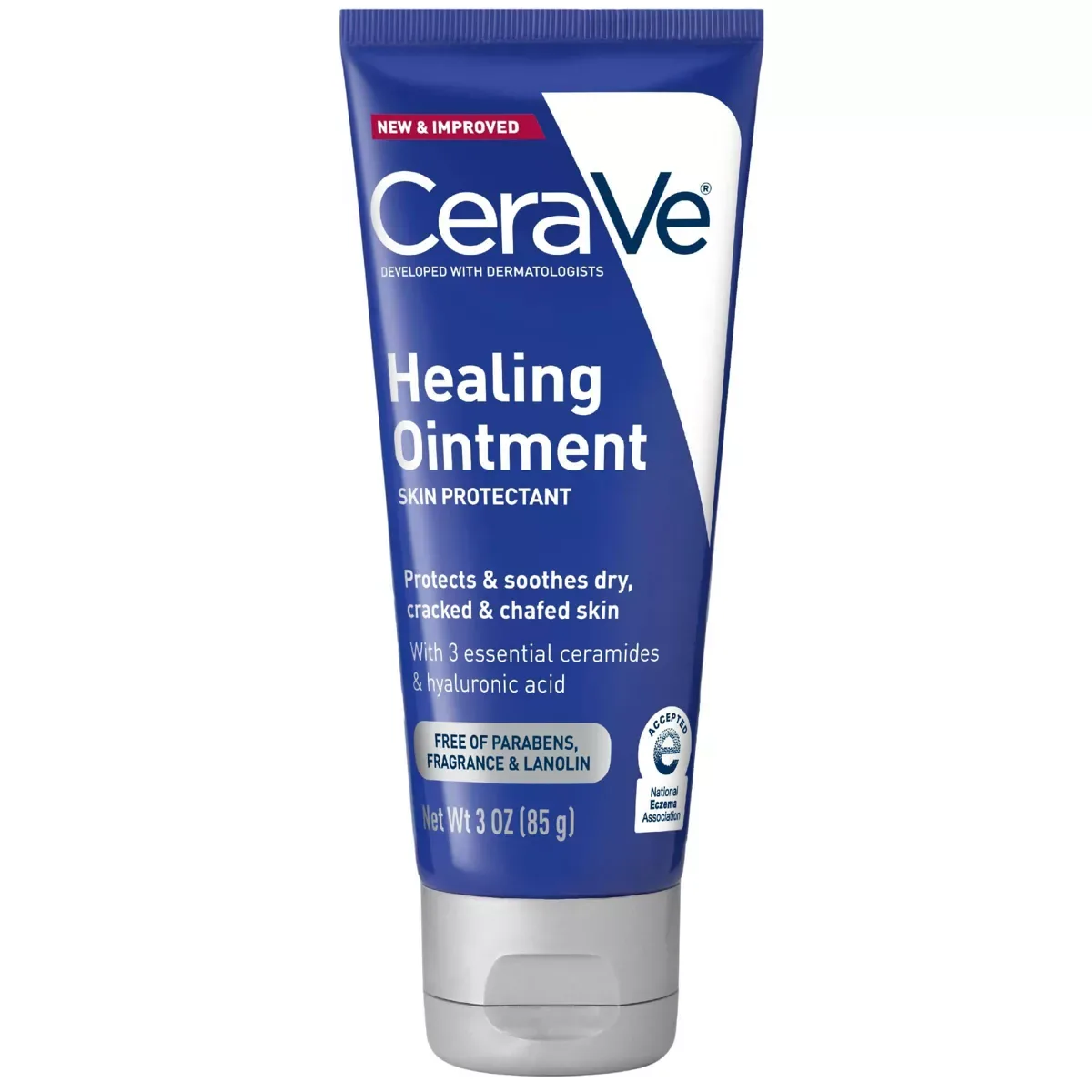
 Healing Ointment
CeraVe's Healing Ointment takes the simplest concept in skincare — seal the skin with petrolatum — and makes it genuinely intelligent by adding ceramides, hyaluronic acid, and panthenol beneath the occlusive layer. It is the gold standard drugstore occlusive for barrier rescue, slugging, and post-procedure care.
 Derm Office Staple
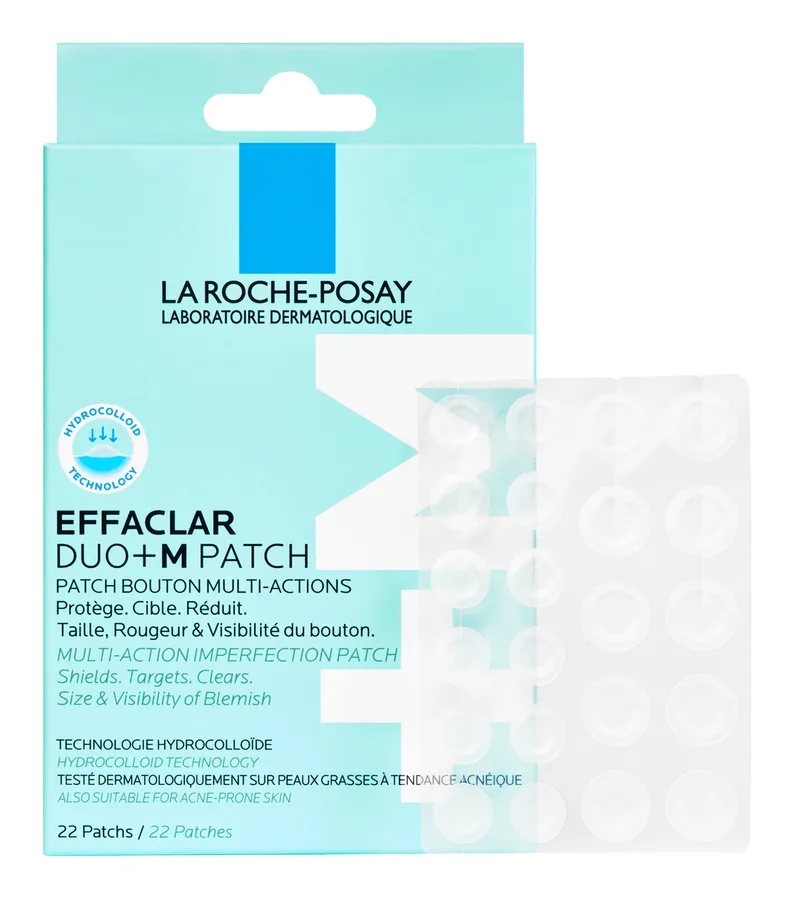
 Effaclar Multi-Target Blemish Patches
One of the few hydrocolloid pimple patches that actually stays on overnight without curling off at 3am. At 420 microns thick with two size options in one pack and zero actives to irritate sensitive skin, this is the Effaclar line's quiet overachiever — and a legitimately good answer for anyone whose acne routine has been sabotaged by thinner patches that refuse to stay put.
 Reactive-Skin Cult Favorite
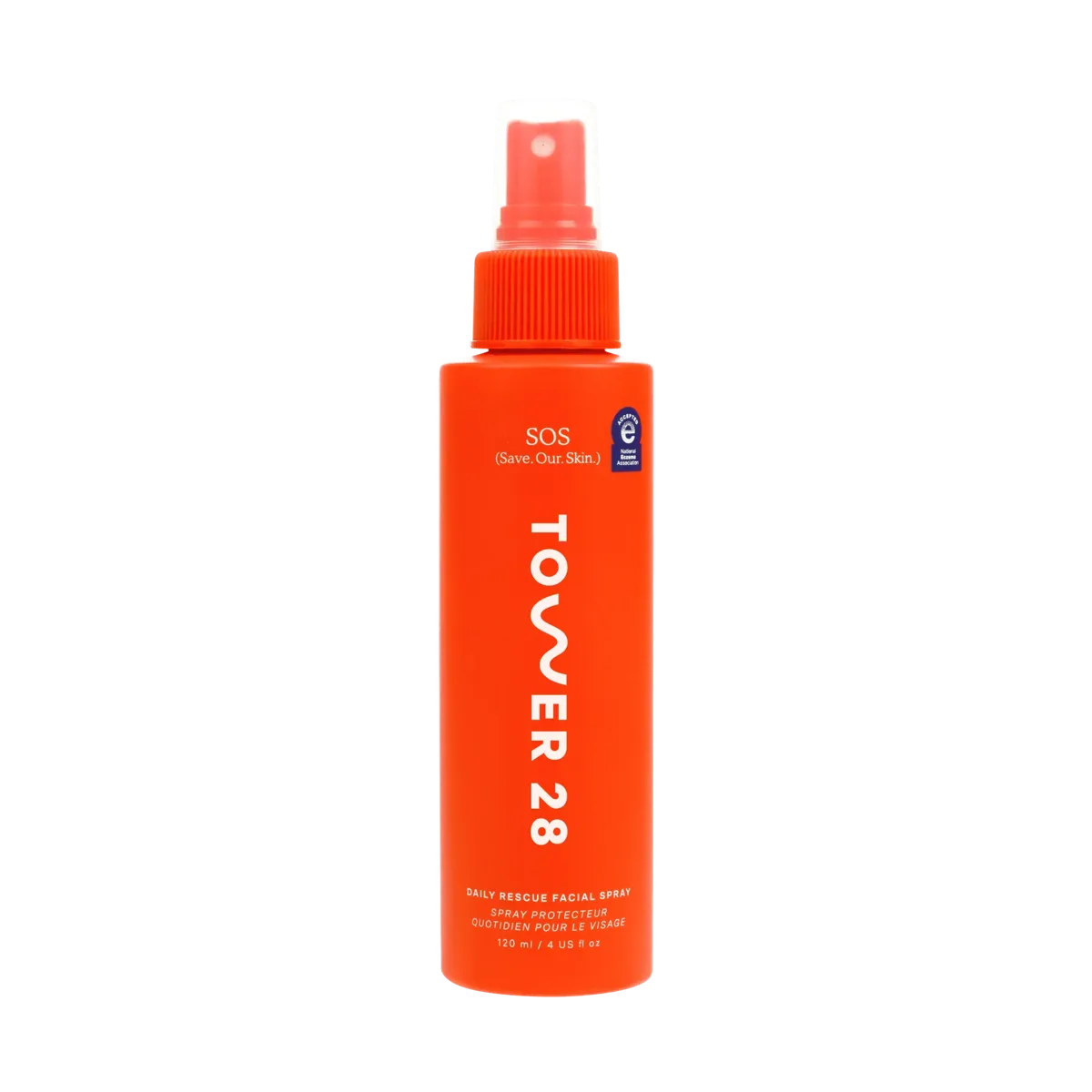
 SOS Save Our Skin Daily Rescue Facial Spray
The product that single-handedly brought hypochlorous acid into mainstream skincare. A fine-mist HOCl spray with genuine dermatology-organization validation, a near-perfect tolerability profile, and a cult following among people whose skin reacts to everything else. The price runs steeper than medical-grade HOCl, but the stabilization and design are worth the difference for daily use.
Mighty Patch Invisible+
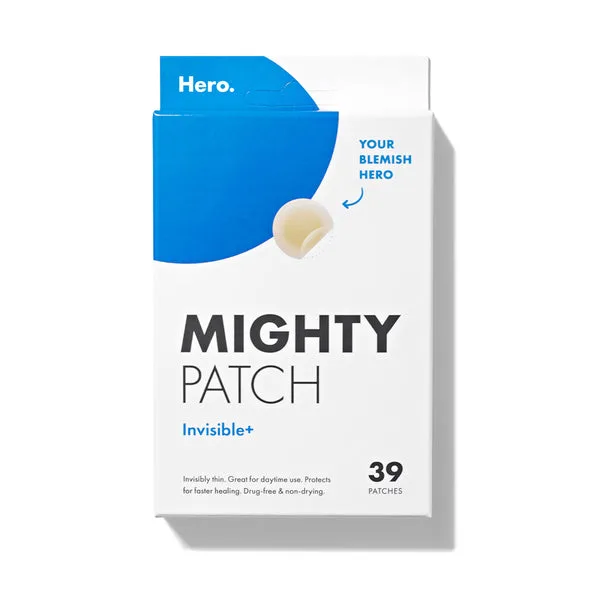
The pimple patch that proved acne treatment could be invisible — Mighty Patch Invisible+ delivers the same fluid-absorbing hydrocolloid technology as the category-defining Original, but engineered thin enough to disappear under makeup. For daytime blemish management, nothing else comes this close to invisible.
 Post-Procedure MVP
 Epitheliale A.H Ultra Repairing Cream
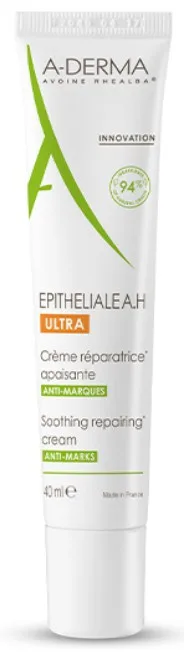
One of the best-formulated French pharmacy repair creams on the market, full stop. Rhealba oat, three-weight HA, madecassoside, trace minerals, panthenol, and shea butter come together in a cream that handles post-procedure skin, eczema flares, friction damage, and compromised barriers with unusual competence for the price.
 Pigmentation Specialist Pick
 Mandelic Pigmentation Corrector Night Serum
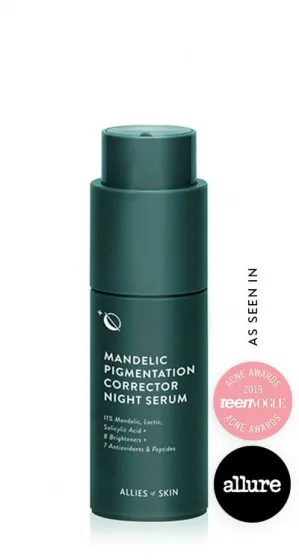
One of the most thoughtfully formulated pigmentation serums on the market. Mandelic acid leads, but the real story is the supporting cast — tranexamic acid, azelaic acid, niacinamide, and bakuchiol attacking hyperpigmentation through five different pathways. Specifically formulated to be safe on melanin-rich skin and it shows.