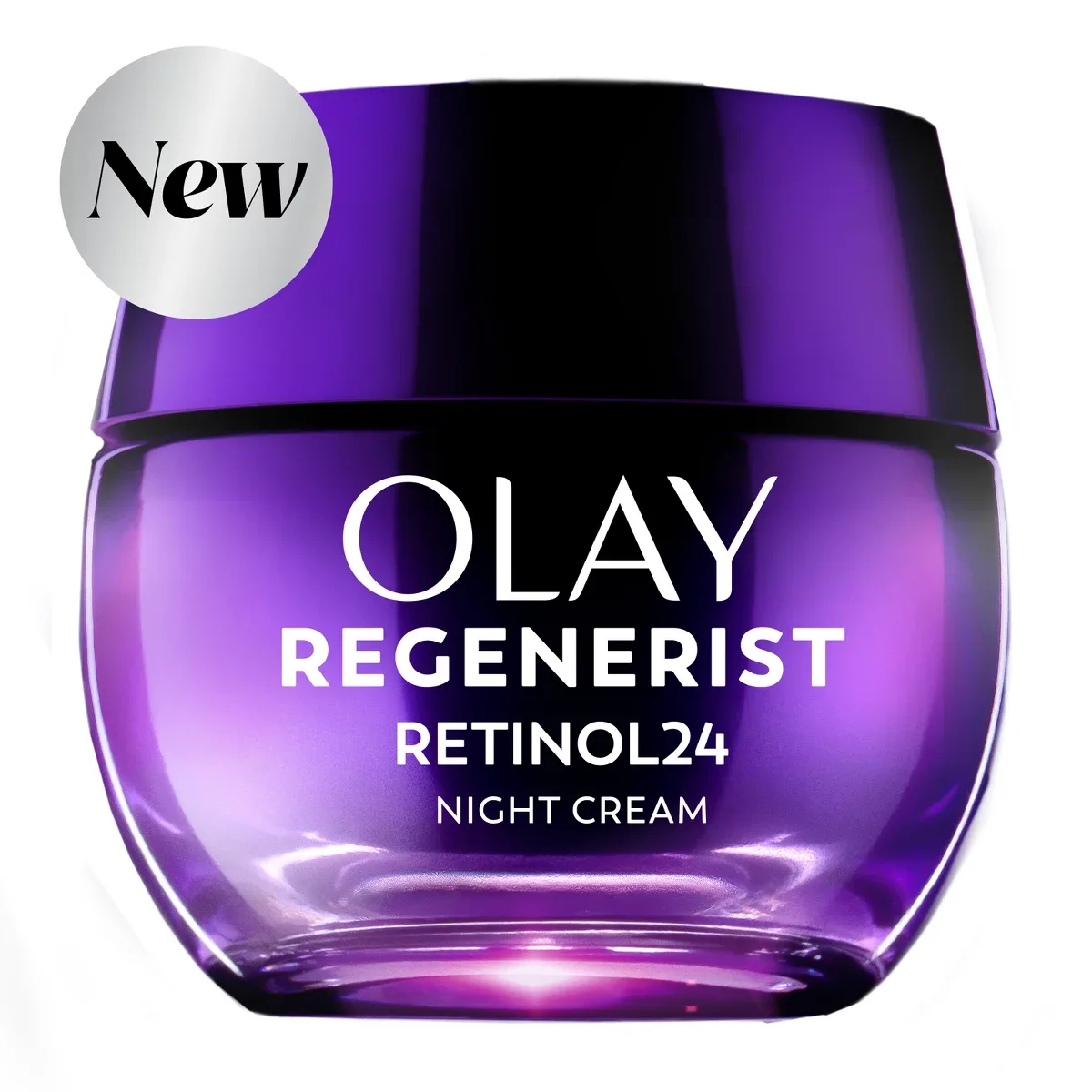
A smartly engineered drugstore eye cream that brings genuine retinoid science to the periorbital area without the irritation drama. The dual-retinoid approach is the real differentiator, but the controversial preservative system and steep per-ounce pricing keep it from greatness.
Retinol 24 + Peptide Night Eye Cream
A smartly engineered drugstore eye cream that brings genuine retinoid science to the periorbital area without the irritation drama. The dual-retinoid approach is the real differentiator, but the controversial preservative system and steep per-ounce pricing keep it from greatness.
Score Breakdown
Where this product gains points and where it loses them — broken down across the four scoring pillars.
The dual-retinoid approach is genuinely innovative for a drugstore eye cream, and the fragrance-free formula is appreciated. However, the controversial preservatives DMDM Hydantoin and Iodopropynyl Butylcarbamate bring down the overall score, and the price per ounce is steep for a drugstore product.
Pros & Cons
- ✓Dual-retinoid system (retinol + retinyl propionate) provides layered, sustained delivery to the eye area
- ✓Fragrance-free formulation is appropriate for the sensitive periorbital zone
- ✓Silicone-based vehicle naturally buffers retinoid penetration, reducing irritation risk
- ✓Niacinamide supports barrier function and addresses pigmentation-related dark circles
- ✓Silky, lightweight texture absorbs quickly without greasiness or tackiness
- ✓Backed by P&G's published retinoid delivery research, not just generic ingredient claims
- ✓Gentle enough for retinol beginners when used as directed
- ✗Contains DMDM Hydantoin, a formaldehyde-releasing preservative that concerns some consumers
- ✗Small 0.5 oz jar depletes quickly at $28.99, making annual costs surprisingly high
- ✗Jar packaging is suboptimal for retinol stability compared to airless pump designs
- ✗Limited efficacy for structural dark circles caused by blood vessel visibility or hollowing
- ✗Iodopropynyl butylcarbamate adds a second sensitization-risk preservative to the formula
Full Review
There is a reason most eye creams avoid retinol. The periorbital area is where your skin is at its thinnest — roughly 0.5 millimeters compared to about 2 millimeters on the rest of your face. It is the first place wrinkles appear, the last place most people want irritation, and the exact zone where retinol's collagen-building benefits are most needed but hardest to deliver safely. This tension — maximum benefit, maximum risk — is the problem Olay's Retinol 24 Night Eye Cream was designed to solve.
The solution is a dual-retinoid system. Rather than loading up on a single retinoid and hoping for the best, Olay combines retinol (which converts quickly to retinoic acid) with retinyl propionate (which takes a slower, multi-step enzymatic path to the same destination). The result is a layered delivery: an initial wave of retinoid activity from the retinol, followed by a sustained release from the retinyl propionate. Think of it as a time-release mechanism built from two different ingredients rather than a fancy encapsulation technology.
This approach has some genuine science behind it. Procter & Gamble published research showing that 0.3% retinyl propionate delivered wrinkle reduction comparable to 0.02% prescription tretinoin — with significantly better tolerability. When you combine that with the retinol component, you get a potency profile that punches well above what most drugstore eye creams attempt. The niacinamide in the formula adds another dimension, both stabilizing the retinoids and providing its own well-documented benefits for barrier strength and pigmentation.
The vehicle is almost entirely silicone-based. Dimethicone and dimethicone crosspolymer dominate the formula, creating a smooth, lightweight base that accomplishes two things simultaneously: it feels luxuriously silky on the delicate eye area, and it acts as a natural buffer that slows retinoid penetration. This is not accidental — P&G's formulation chemists understood that the vehicle is as important as the active when you are dealing with skin this thin. The silicone base essentially modulates how quickly the retinoids reach the skin cells, reducing the irritation spike that causes most people to abandon retinol eye products.
On application, the cream is genuinely pleasant. It has the texture of a lightweight silk — smooth, non-tacky, and it disappears into the skin within about thirty seconds. There is no fragrance whatsoever, which is both welcome and appropriate for a product you apply millimeters from your eyes every night. The small jar looks elegant in its purple-and-gold Retinol 24 branding, though jar packaging for a retinol product always raises a small stability concern. The dimethicone base provides some buffer against oxidation, but an airless pump would have been a better choice for preserving the retinol's potency over time.
Results follow the typical retinoid timeline. During the first week or two, some users will notice mild dryness or fine flaking around the eye area — this is normal retinoid acclimation and not a sign that the product is too strong. By week four, the skin around the eyes typically feels smoother and slightly firmer. The real payoff comes at the eight-to-twelve-week mark, when cumulative collagen stimulation begins to visibly reduce fine lines and improve skin texture. Dark circles see more modest improvement — the niacinamide helps with pigmentation-related darkness, but structural dark circles caused by thin skin and visible blood vessels are beyond what any topical product can meaningfully address.
Now, the elephant in the jar: DMDM Hydantoin. This preservative belongs to the formaldehyde-releaser family, meaning it slowly releases tiny amounts of formaldehyde to prevent microbial growth. It is FDA-approved, it is effective, and it is within regulatory safety limits. It is also the subject of a class-action lawsuit against another P&G brand and has become a lightning rod for consumer concern. For most people, the concentration in this product is not a practical safety issue. But for anyone with a known formaldehyde sensitivity or contact dermatitis history, it is a legitimate reason to choose a different product. Iodopropynyl butylcarbamate, the other preservative, carries its own sensitization potential. Together, these two preservatives represent the weakest link in an otherwise thoughtfully formulated product.
The value question is complicated. At $28.99 for 0.5 fl oz, this is one of the pricier drugstore eye creams per ounce. The dual-retinoid technology justifies a premium, and the product does deliver meaningful results. But the small size means you are replacing this jar every two to three months, and those costs accumulate. Over a year of nightly use, you are spending roughly $120-$175 on eye cream — territory where some prestige brands start to compete.
Olay's seven-decade heritage in skincare gives this product a credibility foundation that newer brands cannot match. The Retinol 24 line is backed by P&G's massive research infrastructure, and the dual-retinoid approach reflects genuine formulation innovation rather than marketing-driven ingredient stacking. This is a product that was engineered to solve a specific problem — safe, effective retinoid delivery to the eye area — and it largely succeeds.
For anyone in their thirties or older who wants to bring retinoid benefits to the eye area without jumping straight to a prescription product, this is a strong contender. It delivers real retinoid science in a comfortable, fragrance-free format with a texture that makes nightly application something you look forward to rather than endure. The preservative choices and the small size are genuine drawbacks, but they do not erase what is fundamentally a well-thought-out approach to one of skincare's trickiest delivery challenges.
Formula
Key Ingredients
The hero actives that drive this product's performance.
| Ingredient | Function | Evidence |
|---|---|---|
| Retinol | The faster-acting half of Olay's dual-retinoid system. In this eye cream's silicone-rich base, retinol converts to retinoic acid in the skin to stimulate collagen production and accelerate cell turnover around the delicate periorbital area. The dimethicone vehicle helps buffer delivery, reducing the irritation typically associated with retinol near the eyes. | well-established |
| Retinyl Propionate | The gentler, slower-release companion to retinol in this formula. Retinyl propionate converts to retinoic acid through an additional enzymatic step, providing sustained retinoid activity that extends beyond the initial retinol burst. P&G's research suggests 0.3% retinyl propionate delivers comparable wrinkle reduction to prescription tretinoin with significantly better tolerability — critical for the thin skin around the eyes. | promising |
| Niacinamide | Serves a dual purpose here: strengthening the periorbital skin barrier that retinol can compromise, while independently addressing dark circles through its ability to inhibit melanosome transfer. In this retinoid-focused formula, niacinamide acts as both a performance booster and a tolerability buffer. | well-established |
| Tocopheryl Acetate | Stable vitamin E derivative that provides antioxidant protection to both the retinol in the formula and the skin itself. Helps prevent oxidative degradation of the retinoids during use and supports the skin's own defense against free radical damage around the eye area. | well-established |
Full INCI List
Water, Dimethicone, Glycerin, Dimethicone Crosspolymer, Retinol, Retinyl Propionate, Niacinamide, Tocopheryl Acetate, Polyacrylamide, C13-14 Isoparaffin, Titanium Dioxide, DMDM Hydantoin, Polysorbate 20, Laureth-4, Acrylates/C10-30 Alkyl Acrylate Crosspolymer, Laureth-7, Dimethiconol, Aminomethyl Propanol, Disodium EDTA, Iodopropynyl Butylcarbamate, Capric/Caprylic Triglyceride
Product Flags
✓ Fragrance Free✓ Alcohol Free✓ Oil Free✗ Silicone Free✓ Paraben Free✓ Sulfate Free✗ Cruelty Free✗ Vegan✗ Fungal Acne Safe
Potential Irritants
DMDM HydantoinIodopropynyl Butylcarbamate
Common Allergens
DMDM Hydantoin
Compatibility
Skin Match
Best For
Works For
Not Ideal For
Addresses These Conditions
Use With Caution
Routine Step
treatment
Time of Day
PM
Pregnancy Safe
No ✗
Layering Tips
Apply a rice-grain-sized amount to the orbital bone area after cleansing and any water-based serums, but before your night moisturizer. Tap gently with ring finger — never drag or pull. Avoid applying too close to the lash line, as product can migrate into the eyes overnight.
Results Timeline
Initial hydration improvement within the first week. Visible reduction in fine lines around the eyes typically begins at 4-6 weeks. Improvements in dark circles and skin firmness become more apparent at 8-12 weeks of nightly use. Some users experience mild flaking during the first 1-2 weeks as skin adjusts to the retinoid.
Pairs Well With
hydrating eye serums (applied underneath)peptide serumsgentle cream cleansersbroad-spectrum SPF in the morning
Conflicts With
other retinol or retinoid products around the eye areaAHA/BHA exfoliants applied near the eyesbenzoyl peroxide
Sample AM Routine
- Gentle cleanser
- Vitamin C serum
- Eye cream (hydrating, non-retinol)
- Moisturizer
- Broad-spectrum SPF 30+
Sample PM Routine
- Oil cleanser or micellar water
- Gentle foaming cleanser
- Hydrating toner
- THIS PRODUCT (eye area)
- Night moisturizer
Evidence
Science & Expert Perspective
The Science
The dual-retinoid approach in this eye cream is rooted in the different conversion pathways of its two actives. Retinol converts to retinoic acid through a two-step enzymatic process (retinol → retinaldehyde → retinoic acid), providing relatively rapid onset of action. Retinyl propionate takes a longer route, first losing its ester group before following the same conversion cascade. This staggered delivery means the eye area receives retinoid activity over an extended period rather than a single burst.
Procter & Gamble's research on retinyl propionate has been published in peer-reviewed settings. A 12-week double-blind clinical trial compared 0.15% retinol with 0.3% retinyl propionate for facial wrinkle reduction and hyperpigmentation, finding both effective, with retinyl propionate showing a slight edge in outcomes and significantly better tolerability. A separate P&G study combined niacinamide, peptides, and 0.3% retinyl propionate in a regimen and compared it against 0.02% prescription tretinoin, finding comparable results with substantially fewer side effects from the cosmetic regimen.
The niacinamide component adds evidence-based value beyond its barrier-supporting role. A 2005 study published in Dermatologic Surgery (Bissett et al.) demonstrated that 5% topical niacinamide significantly reduced hyperpigmented spots and improved skin tone — benefits particularly relevant for the dark circle concerns that drive many eye cream purchases. Niacinamide inhibits melanosome transfer from melanocytes to keratinocytes, providing a mechanism for pigmentation improvement that complements the cell-turnover acceleration driven by the retinoids.
The silicone-dominant vehicle (dimethicone, dimethicone crosspolymer) is a deliberate formulation choice, not a cosmetic shortcut. Silicone vehicles have been shown to modulate the percutaneous absorption of active ingredients, effectively slowing delivery to reduce irritation potential. For the thin periorbital skin, this controlled delivery is essential for maintaining the therapeutic window between efficacy and irritation.
References
- Niacinamide: A B vitamin that improves aging facial skin appearance — Dermatologic Surgery (2005)
- Topical niacinamide reduces yellowing, wrinkling, red blotchiness, and hyperpigmented spots in aging facial skin — International Journal of Cosmetic Science (2004)
Dermatologist Perspective
Dermatologists generally welcome the availability of well-formulated retinol eye creams at accessible price points, as many patients are hesitant to apply prescription retinoids near the eyes. Board-certified dermatologists note that the dual-retinoid approach in this product provides a gentler entry point for patients who want periorbital retinoid benefits without the adjustment difficulties of stronger formulations. The fragrance-free formulation aligns with dermatological guidance for products applied near the eyes. However, some dermatologists express concern about the DMDM Hydantoin preservative, particularly for patients with existing contact sensitivities, and may recommend patch testing before committing to nightly use.
Guidance
Usage Guide
How to Use
Apply a rice-grain-sized amount to each eye area every evening after cleansing. Use your ring finger to gently tap the product along the orbital bone, starting from the inner corner and moving outward. Never drag or pull the skin. Avoid applying directly to the eyelid or too close to the lash line — the product will naturally migrate slightly overnight. Retinol beginners should start with every-other-night application for the first two weeks, then graduate to nightly use. Always apply broad-spectrum SPF around the eyes during the day, as retinoids increase photosensitivity.
Value Assessment
At $28.99 for 0.5 fl oz, this is premium pricing for the drugstore category — roughly $58 per ounce. The dual-retinoid technology and fragrance-free formulation justify some premium, and the product delivers measurable results over time. However, with a jar lasting only 2-3 months, annual costs of $120-175 approach entry-level prestige eye creams that may offer cleaner preservative systems. The value proposition is strongest for retinol beginners who want a gentle introduction to periorbital retinoids without committing to a $50+ prestige product upfront.
Who Should Buy
Adults in their late 20s through 60s looking for a clinically-backed retinol eye cream at a drugstore price point. Ideal for those noticing early fine lines, crow's feet, or mild dark circles who want to start retinoid treatment around the eyes without the intensity of prescription-strength products.
Who Should Skip
Anyone with known formaldehyde sensitivity or contact dermatitis should avoid this due to the DMDM Hydantoin preservative. Pregnant or breastfeeding individuals must not use this product. Those with extremely sensitive or eczema-prone skin around the eyes should consult a dermatologist before starting any retinol eye cream.
Ready to try Olay Retinol 24 + Peptide Night Eye Cream?
Details
Details
Texture
Silky, lightweight cream with a smooth, almost serum-like slip. The dimethicone-heavy base gives it a velvety feel that glides over the delicate eye area without tugging.
Scent
No added fragrance. Faint, neutral product scent that is barely detectable.
Packaging
Small purple jar with screw-top lid, matching the Retinol 24 line's distinctive purple branding. Jar packaging is a minor concern for retinol stability, though the dimethicone-heavy base provides some protection against oxidation.
Finish
satinnon-greasylightweight
What to Expect on First Use
Absorbs quickly with a smooth, non-tacky finish. Most users can apply it without irritation on the first use, though those new to retinol may notice mild tingling or slight dryness around the eyes during the first week. A brief adjustment period of 1-2 weeks is normal.
How Long It Lasts
2-3 months with nightly application to both eyes
Period After Opening
12 months
Best Season
All Year
Background
The Why
When Olay launched the Retinol 24 line in 2020, the eye cream was designed to solve a specific problem: most drugstore retinol products were too harsh for the periorbital area, leaving consumers choosing between expensive prescription alternatives and going without. P&G's solution was to combine two retinoids at carefully calibrated ratios, buffered in a silicone vehicle.
About Olay Legacy Brand (20+ years)
Olay was founded in 1952 and has been owned by Procter & Gamble since 1985. The Retinol 24 line was developed using P&G's proprietary retinoid research, combining retinol with retinyl propionate — a dual-retinoid approach backed by P&G's published clinical data on retinoid delivery systems.
Brand founded: 1952 · Product launched: 2020
Myth vs. Reality
Myths & Misconceptions
Myth
Retinol eye creams will thin the skin around your eyes over time.
Reality
Retinol actually thickens the dermis by stimulating collagen production. The initial flaking some users experience is superficial exfoliation of the stratum corneum, not thinning of the deeper skin layers. Long-term retinoid use increases dermal thickness.
Myth
You should never apply retinol near your eyes because the skin is too thin.
Reality
While periorbital skin is indeed thinner, properly formulated retinol eye creams — like this one with its silicone buffer system — deliver retinoids at concentrations calibrated for the eye area. The key is using a product specifically designed for this zone rather than applying a full-strength face retinol.
FAQ
Frequently Asked Questions
Is Olay Retinol 24 Eye Cream strong enough to actually reduce wrinkles?
The dual-retinoid system — retinol for immediate activity plus retinyl propionate for sustained release — provides continuous retinoid exposure overnight. P&G's clinical research demonstrated that their retinyl propionate formulation delivered wrinkle reduction comparable to prescription tretinoin with better tolerability. Results are cumulative; expect visible improvement in fine lines after 6-8 weeks of nightly use.
Is it safe to use retinol around the eyes every night?
This formula was specifically designed for nightly use around the eyes. The silicone-heavy base (dimethicone and dimethicone crosspolymer) acts as a buffer that slows retinoid penetration, reducing irritation risk. Most users tolerate nightly application, though retinol beginners may want to start with every other night for the first two weeks.
Does Olay Retinol 24 Eye Cream help with dark circles?
The retinol stimulates cell turnover which can improve pigmentation-related dark circles over time, and the niacinamide in the formula helps inhibit melanin transfer. However, dark circles caused by blood vessel visibility or hollowing under the eyes are structural issues that topical products cannot fully resolve. Expect modest improvement in pigmentation-related darkness over 8-12 weeks.
Why does this product contain DMDM Hydantoin?
DMDM Hydantoin is a formaldehyde-releasing preservative that prevents microbial contamination. While it is FDA-approved and used in many cosmetics, it has generated consumer concern. The concentration in this product is within regulatory limits, but those with formaldehyde sensitivity or contact dermatitis history should avoid it. Olay has been gradually reformulating some products to remove this ingredient.
Can I use this eye cream if I'm pregnant or breastfeeding?
No. This product contains retinol and retinyl propionate, both vitamin A derivatives. Dermatologists and obstetricians universally recommend avoiding topical retinoids during pregnancy and breastfeeding due to potential teratogenic risks. Switch to a retinol-free eye cream with peptides or vitamin C during pregnancy.
Can I use this with other retinol products on my face?
Yes, but use this eye cream exclusively around the eyes and keep your face retinol on the rest of your face. Avoid overlapping the two products in the same area, as doubling retinoid concentration increases irritation risk. If you're using prescription tretinoin on your face, this eye cream provides a gentler retinoid option for the more sensitive eye area.
How long does one jar last?
At 0.5 fl oz with nightly use on both eyes, expect approximately 2-3 months per jar. A rice-grain-sized amount per eye is sufficient — more product does not mean faster results and may increase irritation risk.
Community
Community Voices
Common Praise
"Silky texture that absorbs without greasiness"
"Noticeable reduction in fine lines around eyes after several weeks"
"Fragrance-free formulation is gentle near the eye area"
"Effective hydration without heaviness"
"Works well for retinol beginners"
Common Complaints
"Contains DMDM Hydantoin, a formaldehyde-releasing preservative"
"High price per ounce for a drugstore product"
"Small 0.5 oz size runs out quickly"
"Some users report no visible difference in dark circles"
Notable Endorsements
Part of Olay's dermatologist-tested Retinol 24 collectionFeatured in multiple 'best drugstore eye cream' roundups
Appears In
best eye cream for aging best drugstore eye cream best retinol eye cream best eye cream for dark circles
Related Conditions
Related Ingredients
You Might Also Like
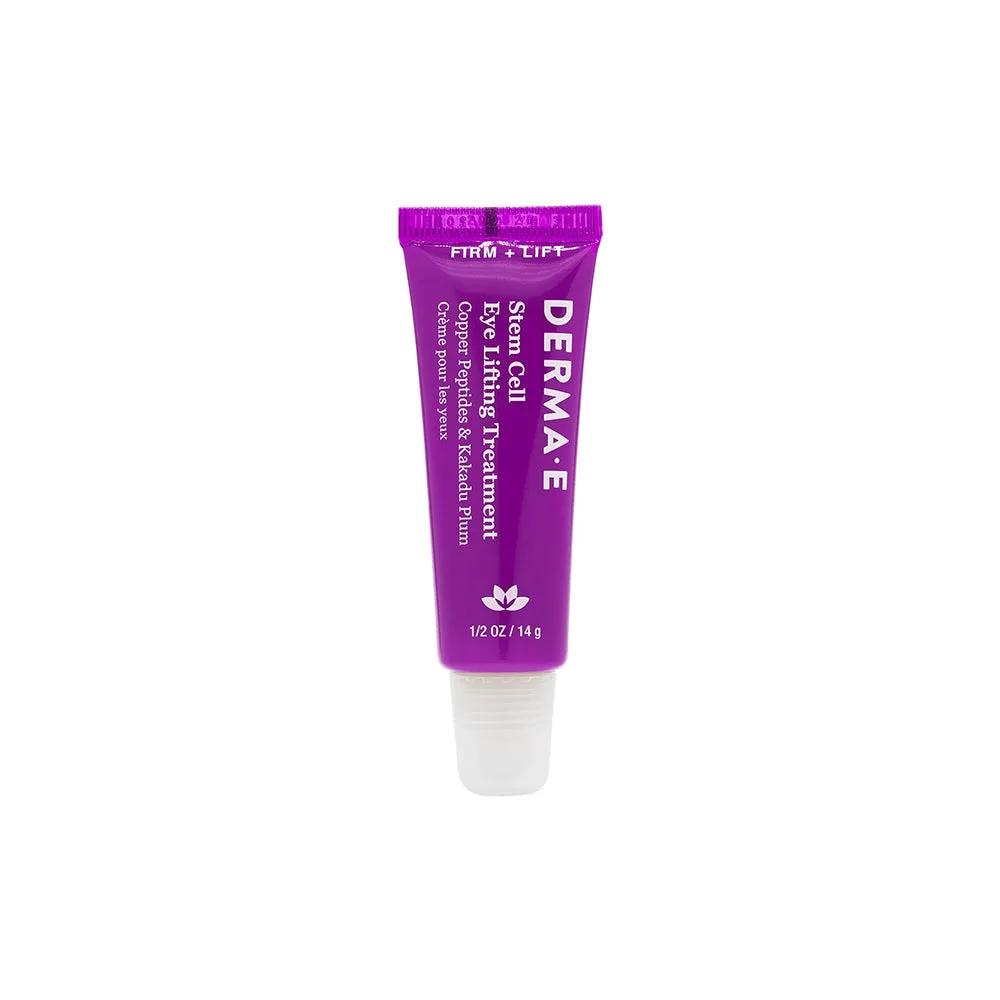 Budget Holy Grail
 Firming DMAE Eye Lift Cream
A genuinely well-formulated multi-active eye cream at a price that undercuts most of the dermatologist-developed competition by a factor of three. DMAE, high-position niacinamide, two validated peptides, caffeine, and alpha-lipoic acid in a fragrance-free base — the ingredient density is almost unreasonable for the cost. Holds up extremely well against much more expensive eye creams for daily under-eye use.
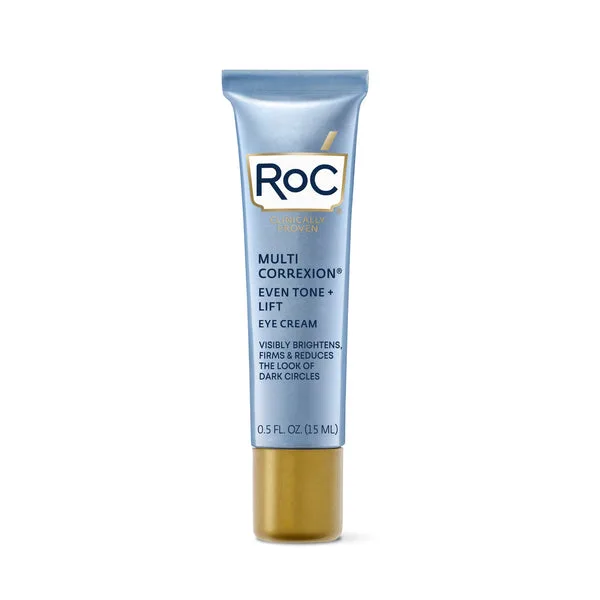 Drugstore Dark Circle Fighter
 Multi Correxion Even Tone + Lift 5 in 1 Eye Cream
A triple-pathway brightening eye cream that punches well above its drugstore weight class. Hexylresorcinol, niacinamide, and vitamin C attack dark circles from three angles simultaneously — at a price that makes twice-daily use feel like common sense rather than luxury.
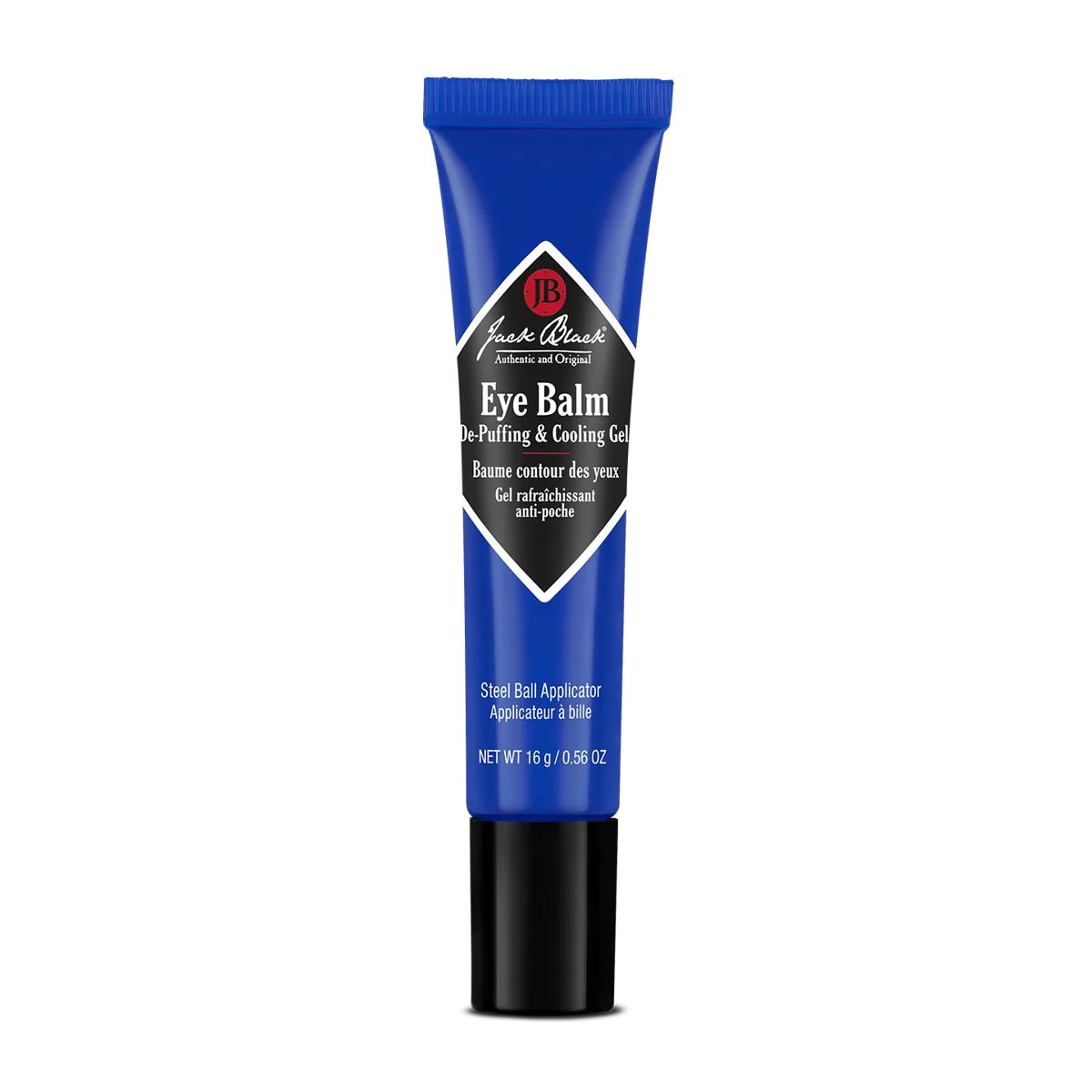 Effortless Eye Fix
 Eye Balm De-Puffing & Cooling Gel
A no-fuss eye gel that delivers genuine de-puffing and brightening results through a clean botanical-vitamin formula and a clever rollerball applicator. It won't transform genetic dark circles overnight, but for anyone dealing with puffy, tired-looking eyes — especially those who've never touched an eye product before — it's a perfectly calibrated entry point.
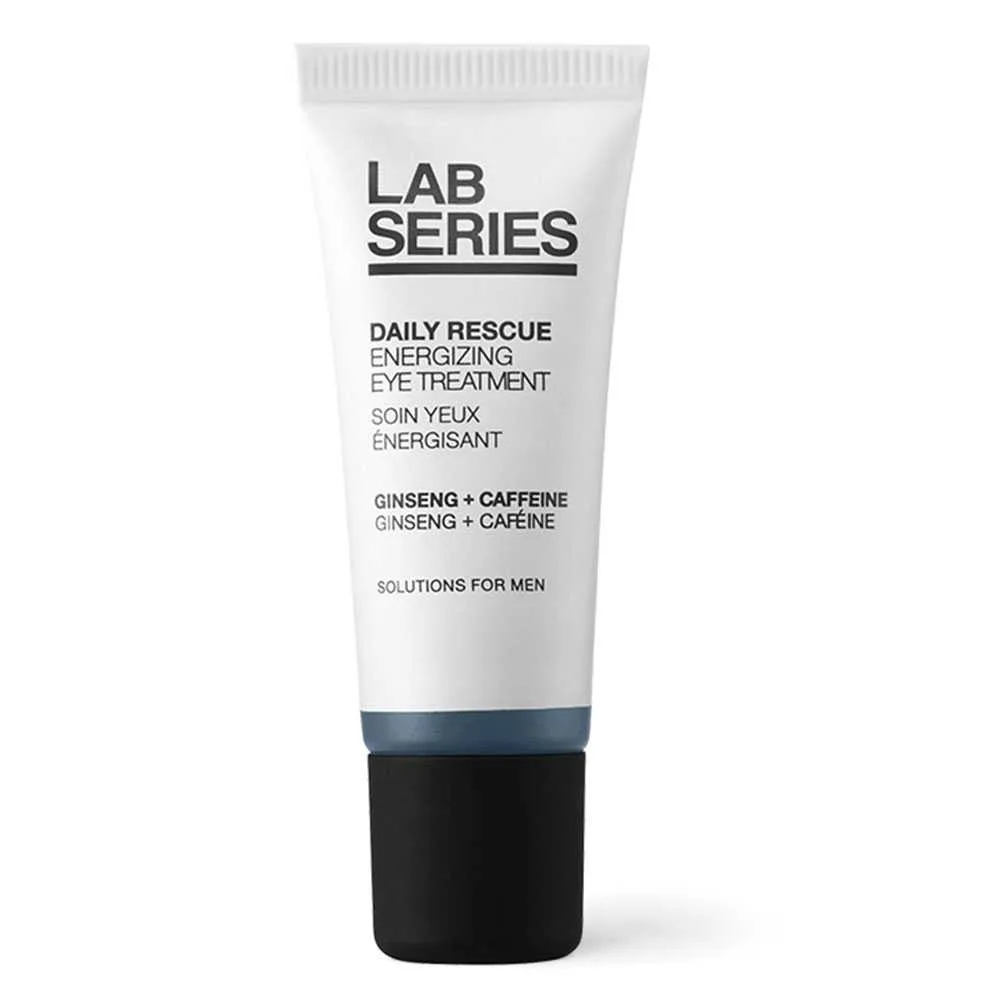 Men's Eye Area Essential
 Daily Rescue Energizing Eye Treatment
A remarkably clean-formula eye treatment — fragrance-free, alcohol-free, oil-free, silicone-free — that packs caffeine, Argireline, green tea, and hyaluronic acid into a lightweight gel-cream. It does exactly what a men's eye product should: brighten, depuff, and hydrate without any fuss or heaviness.
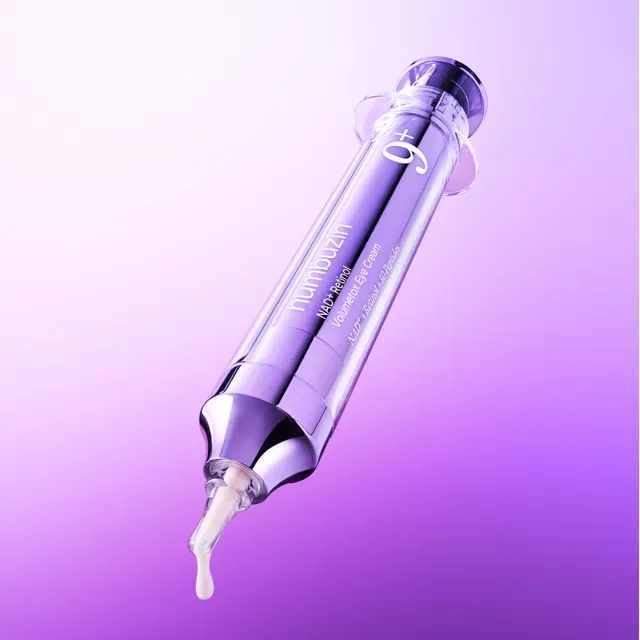 K-Beauty Eye Cream Powerhouse
 No. 9 NAD+ Retinol Volumetox Eye Cream
Numbuzin's No. 9 eye cream is an ambitious K-beauty formula that crams retinol, NAD+, 30+ peptides, niacinamide, and ceramides into a tiny tube at a price that makes luxury eye creams look like a bad investment. The NAD+ claims are ahead of the science, but the overall formulation is genuinely impressive for under $25.
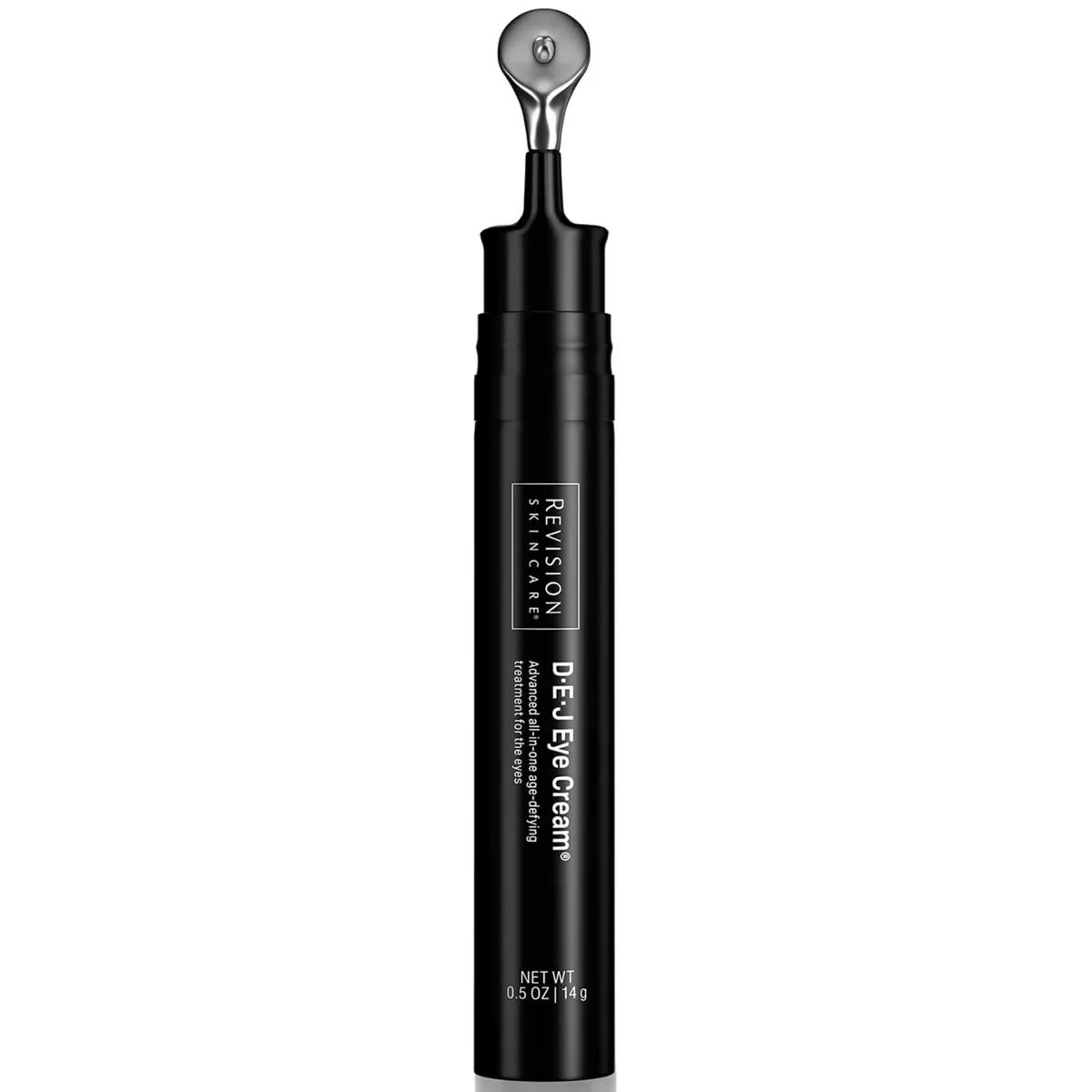 Derm Office Gold Standard
 D.E.J. Eye Cream
A genuinely sophisticated eye cream that targets the dermal-epidermal junction — the structural anchor point most eye creams don't even know exists. The price is steep, but the dual-peptide technology, oil-soluble vitamin C, and clinical backing make this one of the few luxury eye creams that earns its tag.