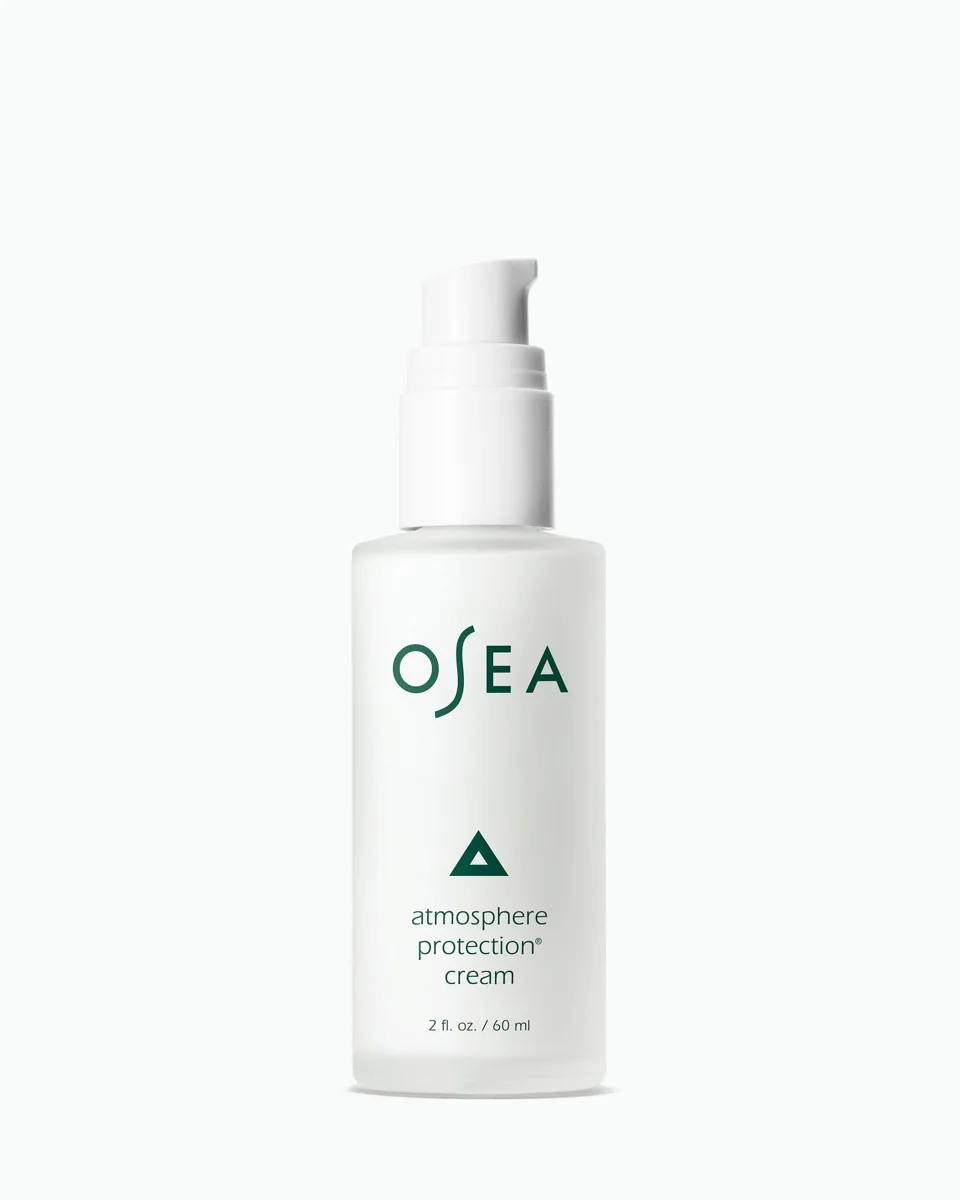
A thoughtfully formulated daily moisturizer that addresses the often-overlooked role of environmental pollution in skin aging. The seaweed-and-amino-acid approach to atmospheric defense is genuinely novel, and the lightweight texture makes it one of the most versatile daily moisturizers in the clean beauty space — though the $54 price for 2 ounces and the lack of SPF are notable considerations.
Atmosphere Protection Cream
A thoughtfully formulated daily moisturizer that addresses the often-overlooked role of environmental pollution in skin aging. The seaweed-and-amino-acid approach to atmospheric defense is genuinely novel, and the lightweight texture makes it one of the most versatile daily moisturizers in the clean beauty space — though the $54 price for 2 ounces and the lack of SPF are notable considerations.
Score Breakdown
A well-formulated daily moisturizer with an interesting environmental protection angle from the amino acid complex and seaweed extracts. Solid ingredient quality and broad suitability, though the price is moderately high for a 2-ounce moisturizer without clinical powerhouse actives.
Pros & Cons
- ✓Unique anti-pollution amino acid complex chelates heavy metals and pollution particles
- ✓Dual seaweed extract system provides hydration and barrier-protective polysaccharide film
- ✓Lightweight, fast-absorbing texture works beautifully under sunscreen and makeup
- ✓Silicone-free, paraben-free, vegan formula with clean ingredient sourcing
- ✓Versatile enough for normal, combination, dry, and even oily skin types
- ✓Ginkgo biloba and vitamin E add multi-layered antioxidant defense
- ✗No SPF despite 'Protection' in the name — requires separate sunscreen
- ✗Contains essential oils that may irritate very sensitive or reactive skin
- ✗Lacks clinical powerhouse actives like retinoids or high-concentration vitamin C
- ✗Glass jar packaging exposes product to air and bacteria with each use
- ✗Some users find it insufficiently moisturizing for very dry skin types long-term
Full Review
We spend enormous energy worrying about UV damage to our skin, as we should. But there is another environmental assault happening simultaneously that gets far less attention: air pollution. Particulate matter, heavy metals, and volatile organic compounds penetrate the skin, generate free radicals, and accelerate aging in ways that sunscreen — designed to block light, not particles — does nothing to prevent. OSEA's Atmosphere Protection Cream is one of a small number of moisturizers that takes this threat seriously enough to build a formula around addressing it.
The key to this cream's anti-pollution claims is L-lysine lauroyl methionine, a plant-derived amino acid complex with chelating properties. In plain language, it binds to heavy metal ions and pollution particles that land on the skin surface, preventing them from generating the oxidative stress that breaks down collagen and contributes to premature aging. This is different from a standard antioxidant approach, which neutralizes free radicals after they form. The chelating action works upstream, addressing the pollutants themselves before they trigger the damage cascade.
The seaweed extract — listed second in the INCI, just as in OSEA's richer Advanced Protection Cream — provides the hydrating and barrier-supportive foundation. The dual algae system uses both the brand's signature extract and Laminaria algae, creating a polysaccharide-rich film that both hydrates and acts as a physical barrier against environmental particles. Ginkgo biloba adds a proven antioxidant dimension with its high flavonoid content, while vitamin E rounds out the protective shield.
What separates this cream from the Advanced Protection Cream in OSEA's line is weight and versatility. Where the Advanced Protection Cream is rich, oil-heavy, and best suited for dry skin, the Atmosphere Protection Cream is notably lighter. The texture is almost whipped — it sinks into skin within seconds and leaves a smooth, matte-adjacent finish that works beautifully under sunscreen, makeup, or both. This makes it a genuine everyday moisturizer rather than a treatment-night indulgence.
The supporting ingredients are solid if not spectacular. Macadamia oil, jojoba oil, and avocado oil provide essential fatty acids. Shea butter adds just enough richness to make the cream nourishing without heaviness. Calendula and chamomile extracts contribute soothing, anti-inflammatory benefits. It is a clean, well-composed ingredient list that prioritizes skin comfort and environmental defense.
The honest limitation is what this cream does not contain. At $54 for 2 ounces, you might expect clinical powerhouse actives — retinoids, high-percentage vitamin C, peptide complexes. This cream has none of those. Its value proposition is environmental protection and daily hydration, not aggressive anti-aging correction. If you are looking for visible wrinkle reduction or dramatic skin transformation, pair this with targeted serums; the cream itself is a protective daily base, not a results-driven treatment.
The absence of SPF is the other elephant in the room, made more conspicuous by the word 'Protection' in the product name. This cream protects against pollution, not ultraviolet radiation. You absolutely need a dedicated sunscreen on top of this in the morning. OSEA does not make an SPF product, so you will need to look outside the brand for that step.
The essential oils — lavender, geranium, and grapefruit — are present but at lower levels than in OSEA's body products. The scent is subtle and fades quickly. Still, very sensitive skin types should note the presence of citrus essential oil, which can be a photosensitizer, and patch test accordingly.
At $54 for 2 ounces, the value calculation is moderate — less expensive per ounce than OSEA's Advanced Protection Cream and comparable to other prestige clean moisturizers. The lightweight formula means a little goes a long way, stretching the jar to 2-3 months with twice-daily use. For the clean beauty consumer who wants their daily moisturizer to do more than just hydrate — specifically, to actively defend against the environmental factors that accelerate aging — this is one of the most thoughtfully designed options available.
Formula
Key Ingredients
The hero actives that drive this product's performance.
| Ingredient | Function | Evidence |
|---|---|---|
| Algae Extract (Seaweed Marine Blend) | A dual seaweed system using both Undaria and Laminaria algae extracts that serves as the hydrating and barrier-protective foundation of this moisturizer. The marine polysaccharides form a protective film on the skin surface that helps shield against environmental pollutants while delivering deep hydration. | promising |
| Shea Butter | Provides rich, lasting moisture and occlusive barrier protection in this lightweight cream. The shea butter's fatty acid profile helps repair the skin barrier while its triterpenes offer anti-inflammatory benefits, balancing the moisturizing action of the lighter botanical oils in the formula. | well-established |
| L-Lysine Lauroyl Methionine | A plant-derived amino acid complex that acts as the environmental protection agent in this formula. It helps neutralize the effects of pollution particles and heavy metals on the skin surface — the ingredient that earns this cream its 'Atmosphere Protection' name. | emerging |
| Ginkgo Biloba Leaf Extract | A potent antioxidant botanical that strengthens the formula's environmental defense profile. Ginkgo's flavonoid content helps neutralize free radicals generated by UV exposure and air pollution, working synergistically with the seaweed extracts and vitamin E to create a multi-layered antioxidant shield. | promising |
| Jojoba Seed Oil | A skin-identical liquid wax ester that provides lightweight, non-greasy moisture while helping to regulate sebum production. In this cream, jojoba works alongside macadamia and avocado oils to create a balanced lipid layer that protects without overwhelming combination skin types. | well-established |
Full INCI List
Aqua, Algae Extract, Coco Caprylate/Caprate, Macadamia Ternifolia Seed Oil, Sorbitan Olivate, Cetearyl Glucoside, Butyrospermum Parkii (Shea Butter), Simmondsia Chinensis Seed Oil, Persea Gratissima Oil, Tocopherol (Vitamin E), Calendula Officinalis Extract, L-Lysine Lauroyl Methionine, Xanthan Gum, Laminaria Algae Extract, Ginkgo Biloba Leaf Extract, Chamomilla Recutita Flower Extract, Lavandula Angustifolia Oil, Pelargonium Graveolens Oil, Magnesium Aluminum Silicate, Citrus Grandis Peel Oil, Potassium Sorbate, Glycine
Product Flags
✗ Fragrance Free✓ Alcohol Free✗ Oil Free✓ Silicone Free✓ Paraben Free✓ Sulfate Free✓ Cruelty Free✓ Vegan✗ Fungal Acne Safe
Comedogenic Ingredients
Macadamia Ternifolia Seed Oil
Potential Irritants
Lavandula Angustifolia OilCitrus Grandis Peel Oil
Common Allergens
Essential oils (lavender, geranium, grapefruit)
Compatibility
Skin Match
Best For
Works For
Not Ideal For
Addresses These Conditions
dehydration dullness dryness sensitivity
Use With Caution
Routine Step
moisturizer
Time of Day
AM & PM
Pregnancy Safe
Yes ✓
Layering Tips
Apply after cleansing and serums as your moisturizing step. In the morning, always follow with a dedicated sunscreen — this cream does not contain SPF. Its lightweight texture makes it an excellent base under sunscreen and makeup.
Results Timeline
Immediate hydration and skin comfort from first application. Environmental protection benefits are preventive and ongoing. Visible improvement in skin texture, radiance, and hydration balance within 2-4 weeks of consistent use.
Pairs Well With
A vitamin C serum underneath for enhanced antioxidant protectionDedicated sunscreen SPF 30+ over top in the morning
Sample AM Routine
- Gentle cleanser
- Vitamin C serum
- Osea Atmosphere Protection Cream
- Sunscreen SPF 30+
Sample PM Routine
- Oil cleanser
- Water-based cleanser
- Treatment serum
- Osea Atmosphere Protection Cream
Evidence
Science & Expert Perspective
The Science
The anti-pollution approach in this formula centers on L-lysine lauroyl methionine, a lipophilic amino acid derivative with metal-chelating properties. Research has shown that amino acid-based chelators can bind to divalent metal ions (such as those found in particulate matter from combustion and industrial emissions), preventing them from catalyzing the Fenton reaction that generates hydroxyl radicals on the skin surface. This upstream intervention approach differs from traditional antioxidants, which neutralize free radicals after they have already formed.
The link between air pollution and skin aging is supported by a growing body of epidemiological evidence. A landmark 2010 study published in the Journal of Investigative Dermatology by Vierkotter et al. demonstrated that exposure to traffic-related particulate matter was significantly associated with the development of lentigines (age spots) and pronounced nasolabial folds, independent of UV exposure. A subsequent 2016 study in the same journal confirmed that pollution exposure contributes to skin aging through oxidative stress and inflammatory pathways.
The dual seaweed system uses polysaccharides that form a hydrating, protective film on the skin surface. Marine polysaccharides from brown and red algae have been studied for their barrier-forming properties, with research published in Marine Drugs documenting their ability to reduce transepidermal water loss and provide a physical barrier against particulate matter.
Ginkgo biloba leaf extract provides flavonoids (primarily quercetin and kaempferol glycosides) with well-documented free radical scavenging activity. Its antioxidant capacity has been studied in dermatological contexts, with findings published in Skin Pharmacology and Physiology demonstrating protective effects against oxidative stress-induced cellular damage.
References
- Airborne Particle Exposure and Extrinsic Skin Aging — Journal of Investigative Dermatology (2010)
Dermatologist Perspective
Dermatologists are increasingly recognizing environmental pollution as a contributor to extrinsic skin aging alongside UV exposure. Board-certified dermatologists note that anti-pollution skincare represents a growing category backed by epidemiological evidence linking particulate matter exposure to signs of skin aging. The chelating amino acid approach in this formula is viewed as a scientifically plausible mechanism for addressing pollution-related skin damage, though the evidence base for topical anti-pollution ingredients is still developing compared to established actives like sunscreens and retinoids. Dermatologists emphasize that this cream should complement, not replace, daily sunscreen use.
Guidance
Usage Guide
How to Use
Apply a dime-sized amount to clean skin after cleansing and serums, morning and evening. In the morning, always layer a dedicated broad-spectrum sunscreen SPF 30+ on top — this cream does not provide UV protection. The lightweight texture absorbs quickly, so you can apply sunscreen or makeup immediately after. For best environmental defense, reapply the cream if washing the face mid-day in heavily polluted environments.
Value Assessment
At $54 for 2 ounces, this cream sits in the mid-to-upper range of clean beauty moisturizers. The cost per application is roughly $0.90-1.00 for twice-daily use over 2-3 months, which is comparable to prestige moisturizers from brands with similar clean-ingredient commitments. The value proposition rests on the anti-pollution technology and seaweed expertise rather than on clinical-grade actives. For consumers who view environmental defense as a priority alongside hydration, the pricing is reasonable; for those primarily seeking anti-aging correction, dedicated treatment serums offer more potency per dollar.
Who Should Buy
Urban dwellers exposed to daily air pollution who want their moisturizer to actively defend against environmental aging, not just hydrate. Ideal for normal-to-combination skin types and anyone who wants a versatile, lightweight daily cream that layers seamlessly under sunscreen and makeup.
Who Should Skip
Those with very dry skin needing richer moisture should consider OSEA's Advanced Protection Cream instead. Anyone extremely sensitive to essential oils should patch test first. Consumers expecting clinical anti-aging results from the moisturizer alone should pair this with targeted treatment serums.
Ready to try Osea Atmosphere Protection Cream?
Details
Details
Texture
Lightweight, whipped cream texture that absorbs quickly into the skin leaving a smooth, hydrated finish
Scent
Subtle botanical scent from lavender, geranium, and grapefruit essential oils — softer and more understated than OSEA's body care line
Packaging
Frosted glass jar with OSEA branding, consistent with the brand's premium, eco-conscious aesthetic
Finish
satinnon-greasylightweight
What to Expect on First Use
On first application, the cream feels cool and lightweight — it melts into skin almost immediately. There is a barely-there botanical scent that fades within a minute. Skin feels smooth and hydrated without any tackiness or heaviness. Works beautifully under sunscreen without pilling.
How Long It Lasts
2-3 months with twice-daily facial application
Period After Opening
12 months
Best Season
All Year
Certifications
Cruelty-FreeVegan
Background
The Why
The Atmosphere Protection Cream was developed as OSEA's answer to the growing body of research linking urban air pollution to accelerated skin aging. While most anti-pollution skincare focuses on antioxidants alone, OSEA added L-lysine lauroyl methionine — a chelating amino acid that can bind to heavy metal particles — to create a moisturizer that actively addresses environmental damage rather than just reacting to it.
About Osea Legacy Brand (20+ years)
OSEA was founded in 1996 by Jenefer Palmer in Malibu, California, rooted in three generations of women harnessing the healing power of the sea. Now led by co-founder and CEO Melissa Palmer, the brand has nearly 30 years of seaweed-centric formulation expertise and received a strategic investment from General Atlantic for global expansion.
Brand founded: 1996 · Product launched: 2019
Myth vs. Reality
Myths & Misconceptions
Myth
Air pollution only affects skin in heavily industrialized cities.
Reality
Environmental pollutants including particulate matter, ozone, and volatile organic compounds are present in suburban and rural areas as well. Indoor air quality can also contribute to skin stress from heating systems, cooking emissions, and off-gassing from furniture and materials.
Myth
The name 'Atmosphere Protection' means this cream has SPF and protects from the sun.
Reality
This cream does not contain any UV filters or SPF. The 'protection' refers to its anti-pollution and environmental defense properties from the amino acid complex, seaweed extracts, and antioxidants. A dedicated sunscreen must always be applied over this cream for UV protection.
FAQ
Frequently Asked Questions
Does Osea Atmosphere Protection Cream have SPF?
No — despite the word 'Protection' in its name, this cream does not contain any UV filters or SPF. The protection refers to its anti-pollution properties from the chelating amino acid complex and antioxidant ingredients. Always apply a dedicated sunscreen over this cream in the morning.
What skin types is Osea Atmosphere Protection Cream best for?
This lightweight moisturizer works well for normal, combination, and dry skin types. Its fast-absorbing, non-greasy texture makes it suitable even for oily skin in drier climates. Very dry skin may need to layer a richer cream or oil on top for sufficient moisture.
Can I use Osea Atmosphere Protection Cream under makeup?
Yes — this is one of the cream's strengths. The lightweight, fast-absorbing texture creates a smooth base for sunscreen and makeup without pilling, greasiness, or interference with product adhesion.
How does Osea Atmosphere Protection Cream protect against pollution?
The formula contains L-lysine lauroyl methionine, a plant-derived amino acid complex that chelates (binds to) heavy metals and pollution particles on the skin surface, preventing them from generating oxidative damage. This works alongside ginkgo biloba, vitamin E, and seaweed polysaccharides for multi-layered environmental defense.
What is the difference between Osea Atmosphere and Advanced Protection Creams?
The Atmosphere Protection Cream is lighter and focused on daily environmental defense for all skin types at $54. The Advanced Protection Cream is richer, more anti-aging focused with bio-retinol, and better suited for dry and mature skin at $108. The Atmosphere Cream is the everyday moisturizer; the Advanced Cream is the treatment-level option.
Community
Community Voices
Common Praise
"Lightweight texture that hydrates without feeling heavy"
"Excellent base under sunscreen and makeup"
"Skin looks more radiant and balanced with consistent use"
"Pleasant, subtle botanical scent"
Common Complaints
"No SPF included despite protection-focused name"
"Essential oils may irritate very sensitive skin"
"Some users found it not moisturizing enough for very dry skin over time"
"Price is moderately high for 2 ounces"
Notable Endorsements
OSEA bestsellerAvailable at Ulta BeautyBeauty Heroes feature
Appears In
best clean beauty moisturizer best moisturizer for combination skin best anti pollution skincare best lightweight moisturizer
Related Conditions
dehydration dullness dryness aging
Related Ingredients
You Might Also Like
 Budget Holy Grail
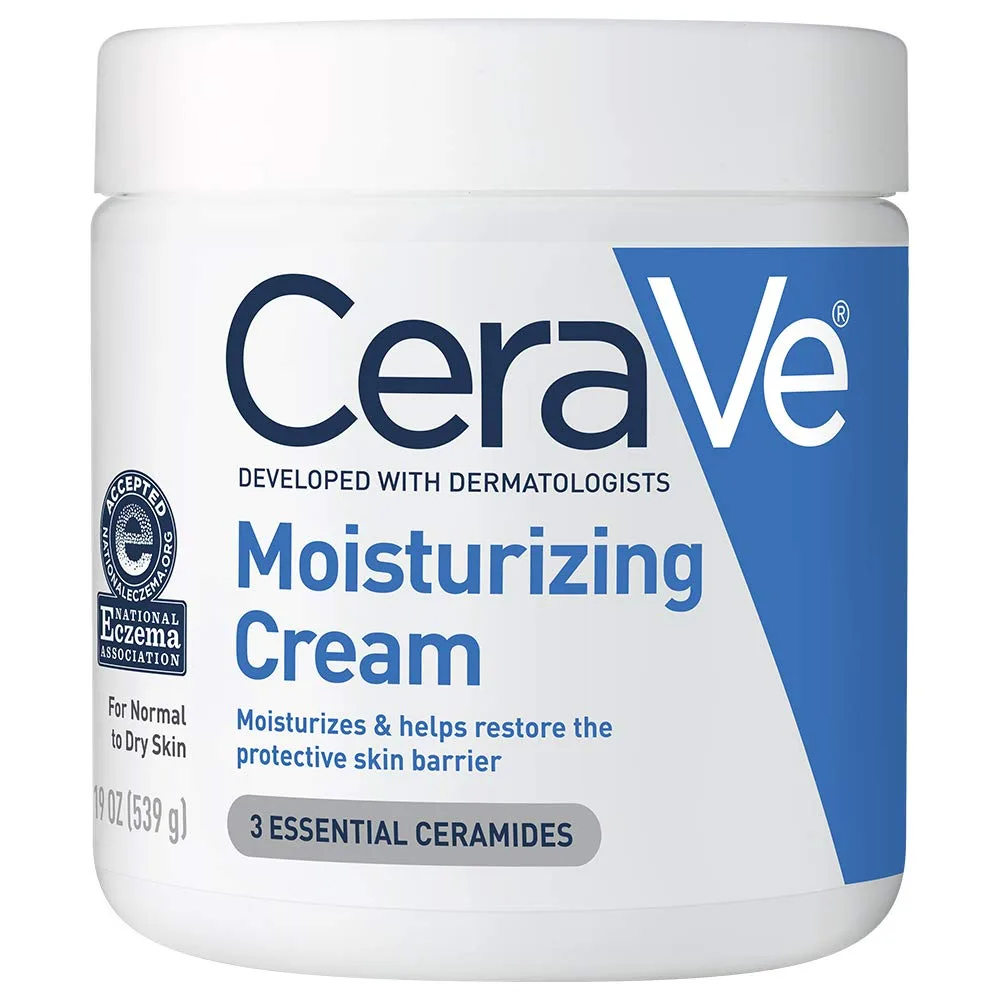
 Moisturizing Cream
The CeraVe Moisturizing Cream is the most important moisturizer in the drugstore — a ceramide-rich, dermatologist-developed formula that delivers barrier repair, multi-humectant hydration, and occlusive protection at a price so accessible it has no real excuse not to be in every household. Twenty-one years of consistent performance and universal dermatologist approval speak louder than any ingredient list.
 Barrier Repair Pioneer
 MLE Cream
Atopalm MLE Cream is one of the genuinely scientifically anchored barrier moisturizers in K-beauty — a fragrance-free, pseudo-ceramide cream built around a patented liquid-crystal lipid structure that mimics the skin's own intercellular matrix. For eczema, atopic skin, post-procedure recovery, or anyone with a stinging compromised barrier, it's one of the most reliably effective moisturizers in the entire category.
 K-Beauty Barrier Repair Staple
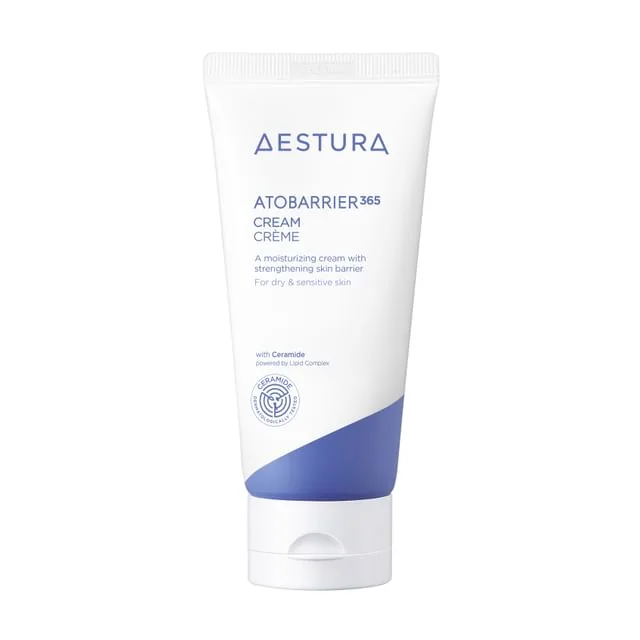
 Atobarrier 365 Cream
A Korean pharmacy cream that earns its cult following the hard way — with a lamellar lipid structure that actually rebuilds the barrier, not just coats it. If your skin has been through a rough winter, a retinoid ramp-up, or a bad reaction, this is the jar that quietly puts it back together.
 Korean Derm Clinic Recovery Pick
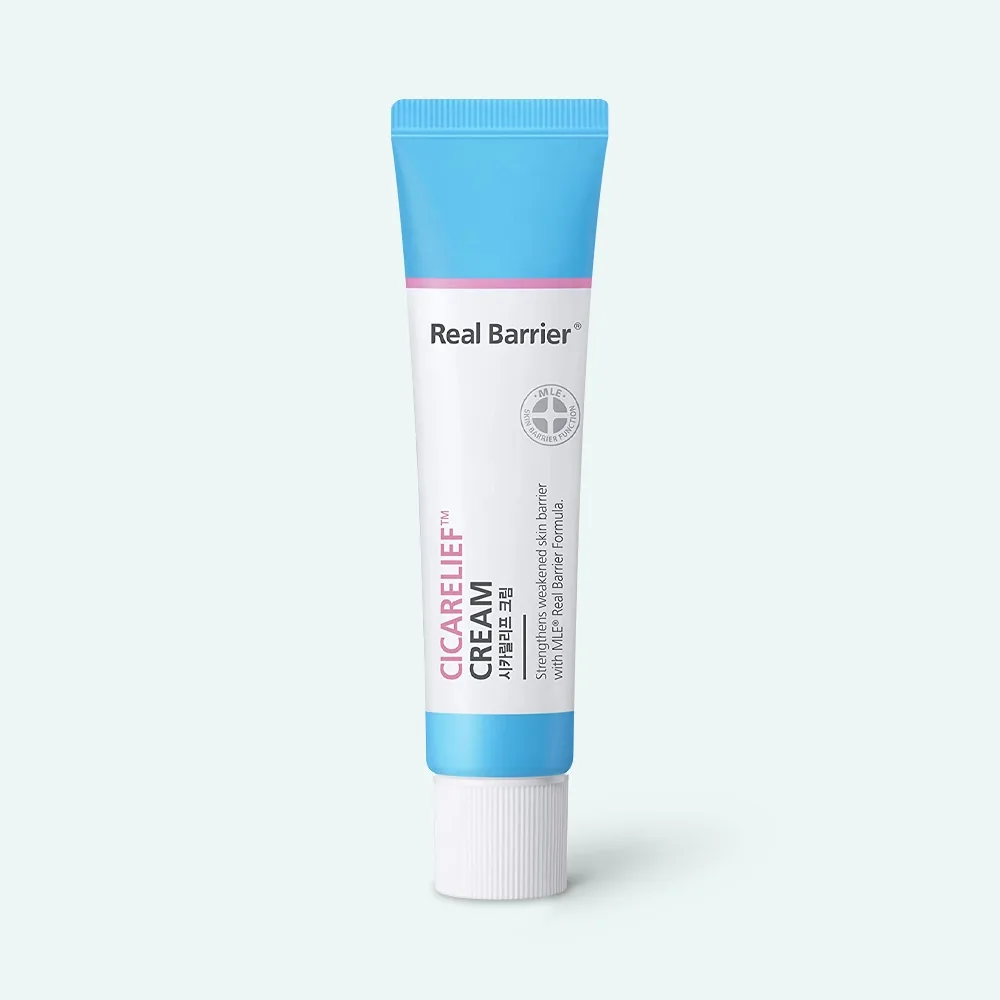
 Real Barrier Cicarelief Cream
One of the best consumer cica creams on the market, combining the full spectrum of centella actives with NeoPharm's MLE ceramide delivery and multiple complementary calming ingredients. Ideal for compromised, reactive, rosacea-prone, or recovering skin, and a staple in Korean dermatology clinic protocols. Minor limitations on packaging, but the formulation is genuinely excellent.
 Transparent 10% Panthenol Cream
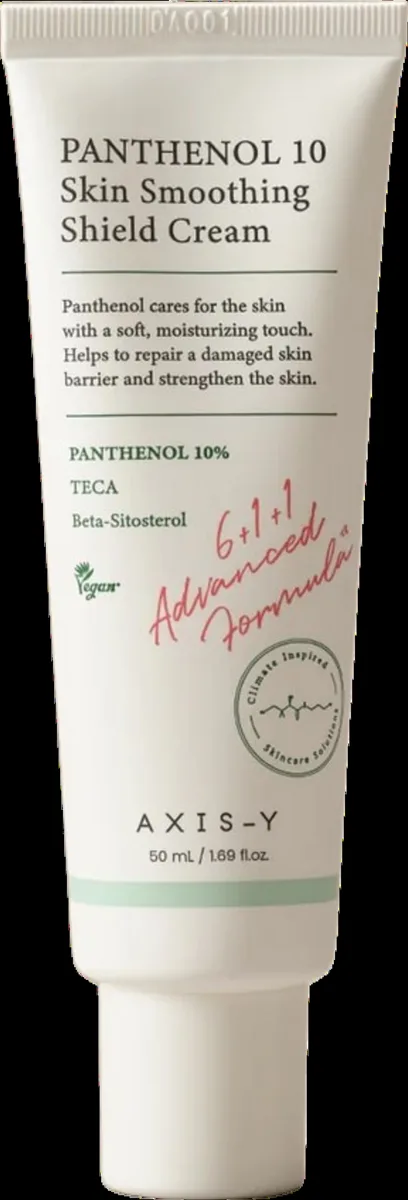
 Panthenol 10 Skin Smoothing Shield Cream
A disclosed 10% panthenol barrier cream built around a full physiological ceramide trio, a centella calming cast, and a modest shea butter occlusive. Fragrance-free, cross-season, and unusually transparent about its hero active — one of the brand's strongest moisturizer formulations.
 K-Beauty Icon
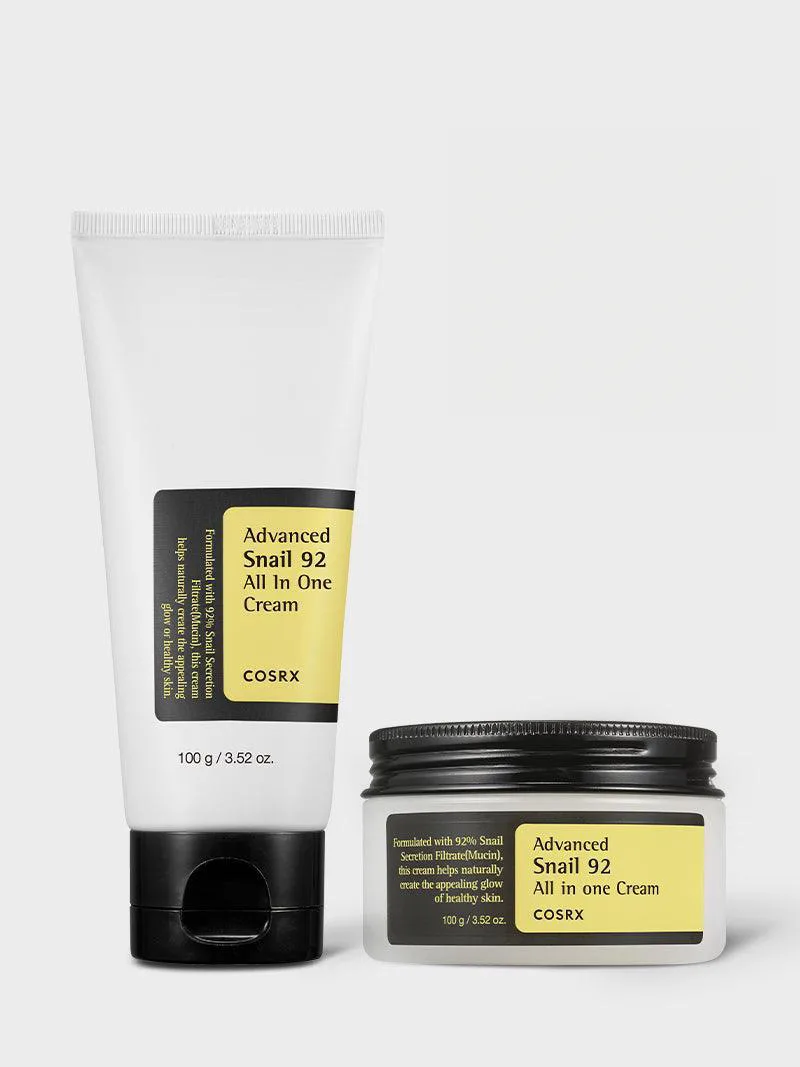
 Advanced Snail 92 All in One Cream
The cream that helped prove snail mucin to the world — and a decade later, it still deserves the reputation. At 92% snail secretion filtrate in a fragrance-free, gentle gel-cream, it delivers hydration, soothing, and gradual skin improvement across virtually every skin type. The texture takes getting used to, but 13 million sold units and 25,000+ reviews suggest most people manage.