
A genuinely impressive three-active brightening cream — niacinamide, retinol, and vitamin C — at a price point that makes prestige dark spot treatments look absurd. The active ingredient strategy is serious dermatology at drugstore pricing, but the fragrance allergen load and comedogenic base ingredients are the trade-offs you accept at this price.
Skin Success Anti-Dark Spot Fade Cream
A genuinely impressive three-active brightening cream — niacinamide, retinol, and vitamin C — at a price point that makes prestige dark spot treatments look absurd. The active ingredient strategy is serious dermatology at drugstore pricing, but the fragrance allergen load and comedogenic base ingredients are the trade-offs you accept at this price.
Score Breakdown
Where this product gains points and where it loses them — broken down across the four scoring pillars.
A well-conceived three-active brightening cream (niacinamide + retinol + vitamin C) at a remarkable price point. The active ingredient strategy is genuinely impressive for under $7, but the ancillary ingredient list — SLS, BHT, multiple fragrance allergens, and comedogenic bases — significantly limits its suitability for the sensitive-skin audience that often seeks brightening products.
Pros & Cons
- ✓Three-pronged brightening strategy (niacinamide + retinol + vitamin C) is dermatologically sound
- ✓Hydroquinone-free reformulation avoids ochronosis risk from prolonged use
- ✓Under $7 for a multi-active treatment cream — extraordinary value
- ✓Songyi mushroom extract adds a fourth botanical brightening mechanism
- ✓Rich cream texture doubles as a light evening moisturizer
- ✓4.4 oz size available for even better per-ounce value
- ✗Extensive fragrance allergen list including EU-banned Lilial (butylphenyl methylpropional)
- ✗Contains SLS, mineral oil, and BHT — ingredients many consumers avoid
- ✗Jar packaging is not ideal for retinol stability — air and light degrade the active
- ✗Not pregnancy-safe due to retinol content
- ✗Comedogenic ingredients (isopropyl myristate, lanolin) can trigger breakouts
- ✗Too heavy for oily skin types
Full Review
The ingredient list for Palmer's Skin Success Anti-Dark Spot Fade Cream tells two very different stories depending on where you look. Look at positions five, thirteen, and fifteen — niacinamide, retinol, and ascorbyl glucoside — and you see a three-pronged brightening strategy that any board-certified dermatologist would approve of. Three distinct mechanisms targeting three different stages of the melanin pathway, working in concert. This is the kind of multi-active approach you find in products costing forty to sixty dollars. Palmer's does it for seven.
Now look at the rest of the list. Mineral oil, sodium lauryl sulfate, BHT, isopropyl myristate, PEG-75 lanolin, and a fragrance composition that individually lists seven known allergens including butylphenyl methylpropional (Lilial) — a fragrance ingredient that has been banned in the European Union since 2022. This is the trade-off. Palmer's delivers genuinely effective brightening actives in a vehicle that a modern clean-formulation brand would never use.
The reformulation story is important context. The Skin Success line was originally built around hydroquinone — the most effective single-ingredient skin lightener available, but one that carries risks of ochronosis (paradoxical darkening) with prolonged use and that has faced increasing regulatory scrutiny globally. Palmer's modernized the formula by removing hydroquinone entirely and replacing it with a triple-active approach: niacinamide inhibits melanosome transfer, retinol accelerates cell turnover, and ascorbyl glucoside inhibits tyrosinase. This is not a marketing gimmick — it is the exact strategy dermatologists employ when building a non-hydroquinone brightening regimen.
Niacinamide's position at number five in the INCI list suggests a meaningful concentration — likely in the 4-5% range, which aligns with the concentrations used in clinical studies demonstrating significant pigmentation reduction. The retinol is lower in the list, suggesting a conservative concentration appropriate for an OTC product meant for daily use. Ascorbyl glucoside is a stable vitamin C derivative that converts to active ascorbic acid on the skin.
Tricholoma matsutake (songyi mushroom) extract makes an appearance here too — the same botanical Palmer's featured in the discontinued Eventone Dark Spot Corrector. It adds a fourth brightening mechanism through natural tyrosinase inhibition, though its concentration in this formula is likely modest.
In practice, the cream performs as a medium-weight moisturizer with treatment benefits. The texture is rich enough to provide moisture on its own for normal skin, though dry skin types may want to layer a heavier moisturizer on top. Oily skin types will find it too heavy for daily facial use. The retinol content means a 1-2 week adjustment period is normal — expect mild flaking, slight tightness, and possible sensitivity before your skin acclimates.
Results follow the standard retinol timeline: mild brightening within 2-3 weeks, noticeable spot fading at 6-8 weeks, and optimal results at 12 weeks. The niacinamide and vitamin C may provide slightly faster initial brightening, while the retinol delivers the deeper, structural cell turnover changes. All three require consistent daily SPF to work — using this cream without morning sunscreen is worse than not using it at all, as retinol increases photosensitivity.
The jar packaging is a functional concern for a retinol product. Retinol degrades with air and light exposure, and a screw-top jar provides neither protection. An airless pump or tube would preserve the retinol's efficacy better over the product's lifespan. This is a cost-driven packaging choice that slightly undermines the formula's potential.
Palmer's Skin Success Fade Cream exists in a fascinating tension. The active ingredient strategy is sophisticated, modern, and evidence-based. The vehicle and ancillary ingredients belong to an earlier era of drugstore formulation. For the price — under seven dollars for 2.7 ounces — it delivers more brightening firepower than any competing product. Whether you can tolerate the ingredients that surround that firepower depends on your skin and your priorities.
Formula
Key Ingredients
The hero actives that drive this product's performance.
| Ingredient | Function | Evidence |
|---|---|---|
| Niacinamide | Positioned fifth in the INCI list — suggesting meaningful concentration — niacinamide blocks melanosome transfer from melanocytes to keratinocytes, targeting a different step in the pigmentation pathway than vitamin C or retinol. In this multi-active formula, it provides the primary brightening mechanism while simultaneously supporting the skin barrier. | well-established |
| Retinol | Accelerates cell turnover to bring fresh, less pigmented cells to the surface faster. In this cream, retinol works synergistically with the niacinamide — as niacinamide prevents new pigment transfer, retinol sheds the existing pigmented surface cells, creating a dual-action approach to fading dark spots. | well-established |
| Ascorbyl Glucoside (Vitamin C) | A stable, water-soluble vitamin C derivative that inhibits tyrosinase — the enzyme responsible for melanin production. In this three-active formula, it adds a third brightening pathway: while niacinamide blocks pigment transfer and retinol accelerates turnover, vitamin C reduces melanin production at its source. | well-established |
| Tricholoma Matsutake Extract (Songyi Mushroom) | Palmer's signature botanical brightening ingredient, carried over from the discontinued Eventone line. Songyi mushroom contains natural tyrosinase-inhibiting compounds that complement the vitamin C's enzymatic inhibition, providing a botanical reinforcement of the synthetic brightening actives. | emerging |
| Tocopheryl Acetate (Vitamin E) | Provides antioxidant protection that supports the other brightening actives. Vitamin E prevents UV-induced free radical damage that triggers melanin overproduction, while conditioning the skin and enhancing the moisturizing base of this cream formula. | well-established |
Full INCI List
Water (Aqua), Glyceryl Stearate, Mineral Oil (Paraffinum Liquidum), Stearyl Stearate, Niacinamide, Propylene Glycol, Cetearyl Alcohol, PEG-75 Lanolin, PEG-100 Stearate, Ceteareth-20, Dimethicone, Isopropyl Myristate, Retinol, Tricholoma Matsutake Extract, Ascorbyl Glucoside, Tocopheryl Acetate, Ethylhexyl Salicylate, Leuconostoc/Radish Root Ferment Filtrate, Citric Acid, Disodium EDTA, Butylene Glycol, Magnesium Aluminum Silicate, Xanthan Gum, Caprylic/Capric Triglyceride, Sodium Sulfite, Sodium Metabisulfite, Sodium Lauryl Sulfate, BHT, Phenoxyethanol, Ethylhexylglycerin, Fragrance (Parfum), Citronellol, Hydroxycitronellal, Butylphenyl Methylpropional, Linalool, Hydroxyisohexyl 3-Cyclohexene Carboxaldehyde, Limonene, Alpha-Isomethyl Ionone
Product Flags
✗ Fragrance Free✓ Alcohol Free✗ Oil Free✗ Silicone Free✓ Paraben Free✗ Sulfate Free✗ Cruelty Free✗ Vegan✗ Fungal Acne Safe
Comedogenic Ingredients
Isopropyl MyristateMineral OilPEG-75 Lanolin
Potential Irritants
RetinolFragrance (Parfum)Sodium Lauryl SulfateBHTButylphenyl MethylpropionalHydroxycitronellal
Common Allergens
Fragrance (Parfum)LinaloolLimoneneCitronellolLanolin
Compatibility
Skin Match
Best For
Works For
Not Ideal For
Addresses These Conditions
hyperpigmentation dark spots sun damage dullness aging
Use With Caution
Avoid With
eczema compromised skin barrier
Routine Step
treatment
Time of Day
PM
Pregnancy Safe
No ✗
Layering Tips
Apply a thin layer to cleansed skin in the evening, focusing on dark spots and areas of uneven tone. The retinol content means this is best used at night with diligent morning SPF. Start with every-other-night use and build to nightly as tolerance develops. Do not layer with other retinol products.
Results Timeline
Mild brightening visible within 2-3 weeks. Noticeable dark spot fading by 6-8 weeks of consistent nightly use. Optimal results typically at 12 weeks. Retinol may cause mild flaking or sensitivity during the first 1-2 weeks — this is normal and subsides.
Pairs Well With
Gentle hydrating cleanserSPF 30+ sunscreen in AM (essential)Hydrating serum underneath for moisture buffer
Conflicts With
Other retinol or retinoid productsStrong AHA/BHA exfoliantsBenzoyl peroxide
Sample AM Routine
- Gentle cleanser
- Vitamin C serum (optional)
- Moisturizer
- SPF 30+ sunscreen
Sample PM Routine
- Gentle cleanser
- THIS PRODUCT applied to dark spots and full face
- Optional: heavier moisturizer over top if dry
Evidence
Science & Expert Perspective
The Science
The triple-active brightening approach in this cream targets melanin through three distinct, complementary mechanisms. Niacinamide (vitamin B3) interrupts the transfer of melanosomes — pigment-containing vesicles — from melanocytes to surrounding keratinocytes. A landmark double-blind randomized controlled trial published in the British Journal of Dermatology (Hakozaki et al., 2002) demonstrated that 5% niacinamide significantly reduced facial hyperpigmentation and increased skin lightness over 8 weeks. Niacinamide's INCI position in this formula (fifth) suggests concentration in a clinically relevant range.
Retinol addresses pigmentation through a different mechanism: accelerated epidermal cell turnover. By promoting keratinocyte proliferation and shedding, retinol speeds the clearance of melanin-laden cells from the skin surface. A study in the Journal of Cosmetic Dermatology (Kang et al., 2005) confirmed that retinol reduces visible hyperpigmentation and improves overall skin tone through this turnover mechanism. The retinol in this OTC formula is at a lower concentration than prescription tretinoin but still provides meaningful cell-communicating activity.
Ascorbyl glucoside, the vitamin C derivative, inhibits tyrosinase — the rate-limiting enzyme in melanin biosynthesis. Research published in the Journal of the American Academy of Dermatology (2009) showed that ascorbyl glucoside lightened UV-induced pigmentation in a controlled study, with the stable glucoside form offering better formulation compatibility than pure L-ascorbic acid.
The combination of all three — melanosome transfer inhibition (niacinamide), cell turnover acceleration (retinol), and melanin production inhibition (vitamin C) — represents the multi-target approach that current dermatological guidelines recommend for non-hydroquinone hyperpigmentation management.
References
- The effect of niacinamide on reducing cutaneous pigmentation and suppression of melanosome transfer — British Journal of Dermatology (2002)
Dermatologist Perspective
Board-certified dermatologists view the niacinamide-retinol-vitamin C combination favorably as a non-hydroquinone brightening strategy. Dermatologists note that this three-active approach mirrors what they would prescribe as a multi-product regimen — consolidated into a single affordable cream. The main concerns dermatologists raise are the fragrance allergen profile and the presence of SLS, which can compromise the skin barrier in patients already sensitized by retinol. Dermatologists recommend this as a cost-effective option for patients who tolerate the fragrance, while emphasizing that daily SPF 30+ is non-negotiable when using retinol-containing products.
Guidance
Usage Guide
How to Use
Apply a thin layer to cleansed skin in the evening, focusing on dark spots and areas of uneven tone. Start with every-other-night use for the first two weeks to allow skin to adjust to the retinol. Build to nightly use as tolerance develops. Always apply broad-spectrum SPF 30+ in the morning — this is essential, not optional. Avoid using with other retinol products or strong chemical exfoliants.
Value Assessment
At approximately $6.99 for 2.7 oz (a larger 4.4 oz size is also available), this is one of the most affordable multi-active brightening treatments on the market. The niacinamide, retinol, and vitamin C combination would cost $30-60 in prestige brand formulations. Palmer's leverages its legacy brand scale to deliver this at a fraction of the price. As a 180+-year-old company, Palmer's has the manufacturing infrastructure to offer this value, though some of the cost savings are reflected in the ancillary ingredient choices and jar packaging.
Who Should Buy
Best for normal to combination skin types dealing with dark spots, sun damage, or post-inflammatory hyperpigmentation who want a serious multi-active treatment at a drugstore price. Ideal for users comfortable with retinol who are not sensitive to fragrance and are committed to daily sunscreen use.
Who Should Skip
Not suitable for pregnant or breastfeeding individuals due to retinol. Those with fragrance allergies, eczema, rosacea, or a compromised skin barrier should choose fragrance-free alternatives. Oily or acne-prone skin types may find the mineral oil and lanolin base too heavy and comedogenic.
Ready to try Palmer's Skin Success Anti-Dark Spot Fade Cream?
Details
Details
Texture
Rich, medium-weight cream that feels like a traditional moisturizer. Slightly thick consistency that requires a moment to spread evenly. Not heavy enough to feel occlusive but not light enough for layering under multiple products.
Scent
Noticeable floral fragrance from the parfum complex. Multiple fragrance allergens are listed individually (citronellol, linalool, limonene, etc.), indicating a composed fragrance rather than incidental scent. Moderate intensity.
Packaging
Plastic jar with a screw-top lid in Palmer's brown and gold branding. The jar format is functional but requires finger-dipping, which is less ideal for a retinol-containing product that can degrade with air and light exposure. A 4.4 oz size is also available.
Finish
satinlightweight
What to Expect on First Use
Smooth application with immediate moisturizing feel. The retinol may cause mild tingling or warmth on first use. Expect a 1-2 week adjustment period with possible flaking as retinol accelerates cell turnover. Start every other night and build to nightly use.
How Long It Lasts
2-3 months with nightly facial application for the 2.7 oz size
Period After Opening
12 months
Best Season
All Year
Background
The Why
Palmer's Skin Success line has a long history of addressing hyperpigmentation, originally built around hydroquinone — once the gold standard for skin lightening. As regulatory scrutiny of hydroquinone increased and consumer preferences shifted toward non-hydroquinone brightening, Palmer's reformulated the line around niacinamide, retinol, and vitamin C. The current version represents a significant modernization, bringing the product in line with contemporary dermatological approaches to pigmentation management.
About Palmer's Legacy Brand (20+ years)
Palmer's is manufactured by E.T. Browne Drug Co., founded in 1840. The Skin Success line has been reformulated to be hydroquinone-free, using niacinamide, retinol, and vitamin C as its brightening complex — a modernization of a product line that has been addressing hyperpigmentation for decades.
Brand founded: 1840
Myth vs. Reality
Myths & Misconceptions
Myth
You need hydroquinone to effectively fade dark spots
Reality
While hydroquinone was the historical standard, a combination of niacinamide, retinol, and vitamin C — as in this reformulated cream — provides multiple complementary brightening mechanisms that can deliver meaningful results without hydroquinone's risk of ochronosis with prolonged use.
Myth
Dark spot creams work overnight
Reality
Melanin in existing dark spots must be shed through normal cell turnover, which takes approximately 28 days per cycle. The retinol in this cream accelerates that process, but visible results still require 6-12 weeks of consistent use. Patience and daily SPF are the real active ingredients.
FAQ
Frequently Asked Questions
Does Palmer's Skin Success Fade Cream contain hydroquinone?
No — the current formulation is hydroquinone-free. Palmer's reformulated the Skin Success line to use niacinamide, retinol, and ascorbyl glucoside (vitamin C) as its brightening complex. This represents a modern approach to dark spot correction without the risks associated with prolonged hydroquinone use.
How long does Palmer's Fade Cream take to show results?
Expect mild brightening within 2-3 weeks as the retinol accelerates cell turnover. Noticeable dark spot fading typically becomes visible at 6-8 weeks. Optimal results require 12 weeks of consistent nightly use paired with daily broad-spectrum SPF 30+ in the morning.
Can I use Palmer's Fade Cream during the day?
This cream contains retinol, which increases photosensitivity. It is best used at night. If used during the day, you must apply broad-spectrum SPF 30+ over it. Using it without sunscreen can actually worsen dark spots by increasing your skin's sensitivity to UV-induced pigmentation.
Is Palmer's Skin Success Fade Cream safe for sensitive skin?
The retinol can cause temporary irritation (flaking, dryness, tingling) during the adjustment period, and the formula contains multiple fragrance allergens, SLS, and BHT. Sensitive skin types should patch test first and start with every-other-night application. Those with eczema, rosacea, or compromised barriers should consider fragrance-free alternatives.
Can I use Palmer's Fade Cream with other retinol products?
No — do not layer multiple retinol products. This cream already contains retinol, so adding additional retinol serums or treatments risks excessive irritation and barrier damage. You can use a vitamin C serum in the morning and this cream at night for complementary brightening without over-exfoliating.
Is Palmer's Skin Success Fade Cream safe during pregnancy?
No — this formula contains retinol, which is not recommended during pregnancy or breastfeeding. Pregnant individuals should choose retinol-free brightening options, such as products containing only niacinamide, vitamin C, or azelaic acid.
Community
Community Voices
Common Praise
"Remarkably affordable for a multi-active brightening cream"
"Visible dark spot fading within 6-8 weeks of consistent use"
"Niacinamide + retinol + vitamin C is a credible active ingredient combination"
"Creamy texture doubles as a light moisturizer"
Common Complaints
"Thick consistency can feel heavy on oily skin"
"Fragrance allergen list is extensive and concerning"
"Some users experience retinol-related irritation and dryness"
"Contains SLS and mineral oil, which some consumers avoid"
Notable Endorsements
Hydroquinone-free reformulation
Appears In
best treatment for dark spots best drugstore dark spot cream best treatment for hyperpigmentation best budget retinol cream best treatment for dullness
Related Conditions
hyperpigmentation dark spots sun damage aging dullness
Related Ingredients
niacinamide retinol vitamin c songyi mushroom extract vitamin e
You Might Also Like
 Barrier Rescue Hero
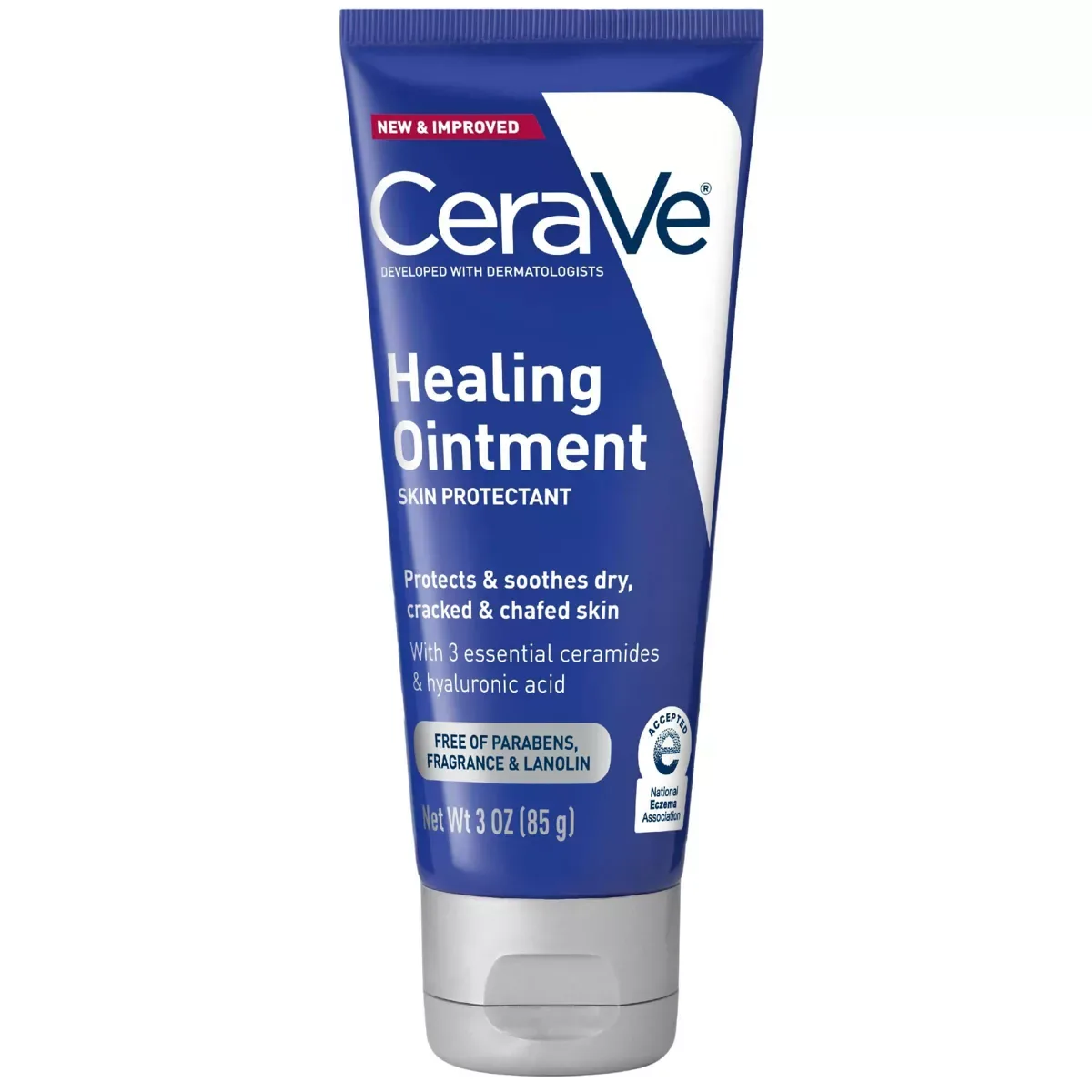
 Healing Ointment
CeraVe's Healing Ointment takes the simplest concept in skincare — seal the skin with petrolatum — and makes it genuinely intelligent by adding ceramides, hyaluronic acid, and panthenol beneath the occlusive layer. It is the gold standard drugstore occlusive for barrier rescue, slugging, and post-procedure care.
 Derm Office Staple
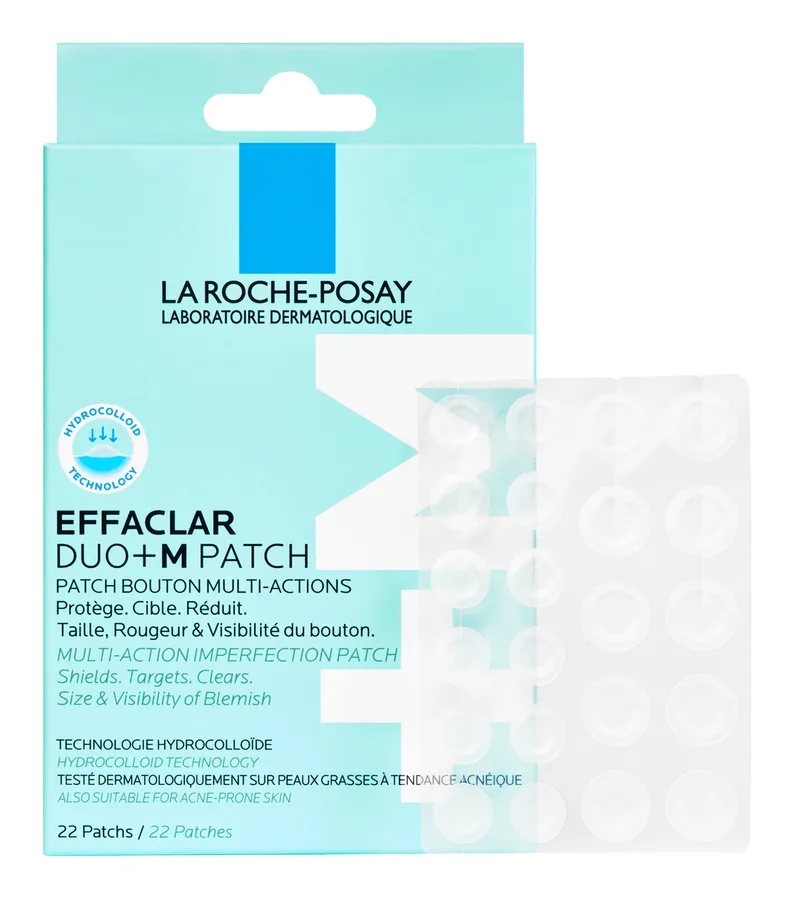
 Effaclar Multi-Target Blemish Patches
One of the few hydrocolloid pimple patches that actually stays on overnight without curling off at 3am. At 420 microns thick with two size options in one pack and zero actives to irritate sensitive skin, this is the Effaclar line's quiet overachiever — and a legitimately good answer for anyone whose acne routine has been sabotaged by thinner patches that refuse to stay put.
 Reactive-Skin Cult Favorite
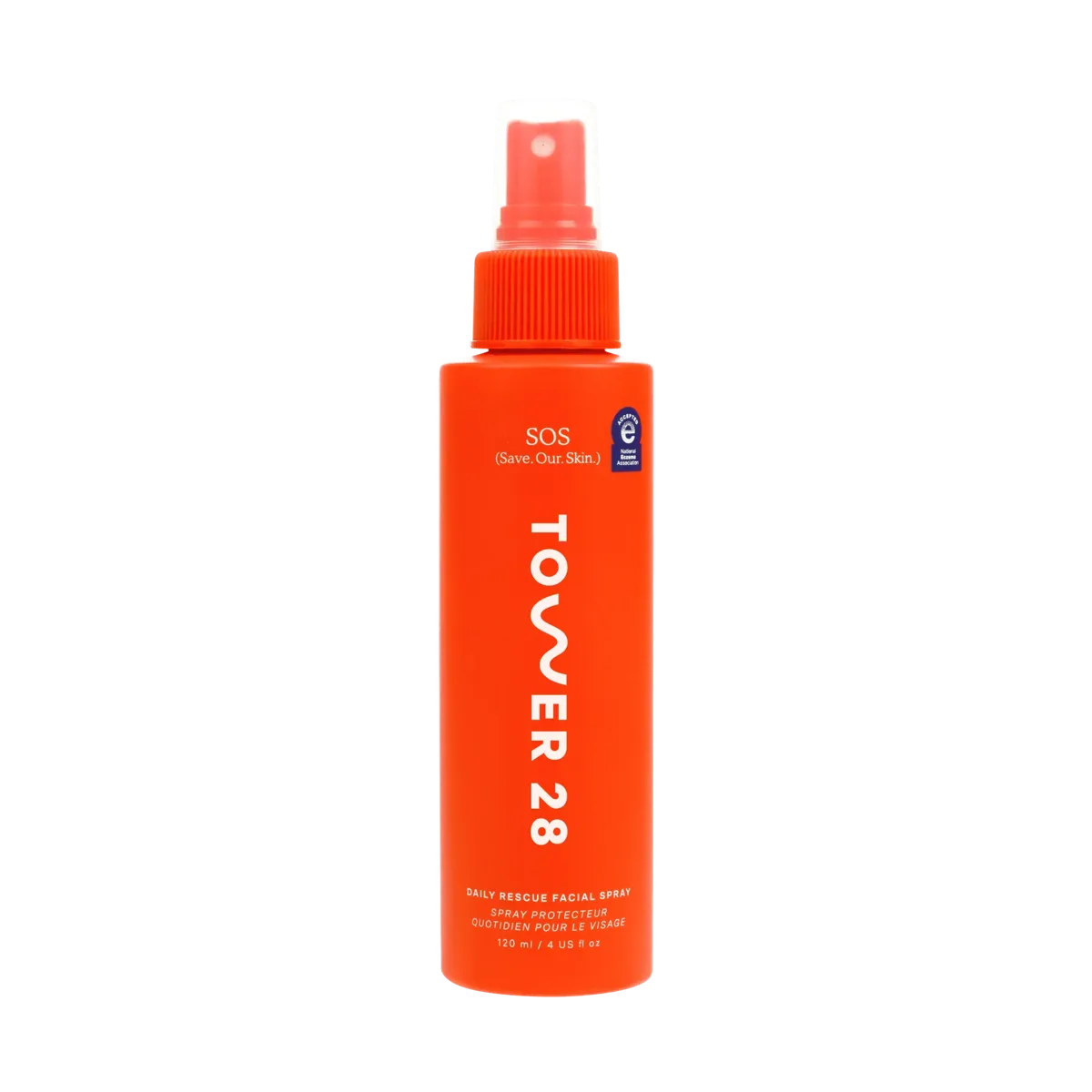
 SOS Save Our Skin Daily Rescue Facial Spray
The product that single-handedly brought hypochlorous acid into mainstream skincare. A fine-mist HOCl spray with genuine dermatology-organization validation, a near-perfect tolerability profile, and a cult following among people whose skin reacts to everything else. The price runs steeper than medical-grade HOCl, but the stabilization and design are worth the difference for daily use.
Mighty Patch Invisible+
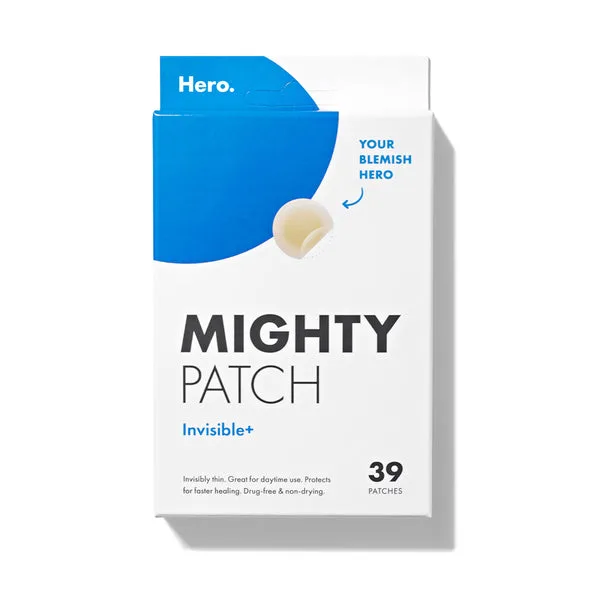
The pimple patch that proved acne treatment could be invisible — Mighty Patch Invisible+ delivers the same fluid-absorbing hydrocolloid technology as the category-defining Original, but engineered thin enough to disappear under makeup. For daytime blemish management, nothing else comes this close to invisible.
 Post-Procedure MVP
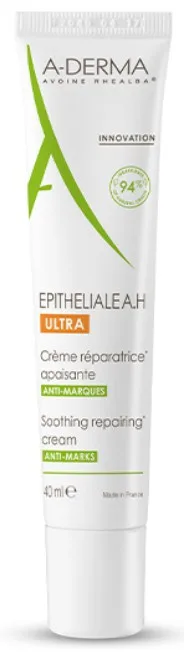
 Epitheliale A.H Ultra Repairing Cream
One of the best-formulated French pharmacy repair creams on the market, full stop. Rhealba oat, three-weight HA, madecassoside, trace minerals, panthenol, and shea butter come together in a cream that handles post-procedure skin, eczema flares, friction damage, and compromised barriers with unusual competence for the price.
 Pigmentation Specialist Pick
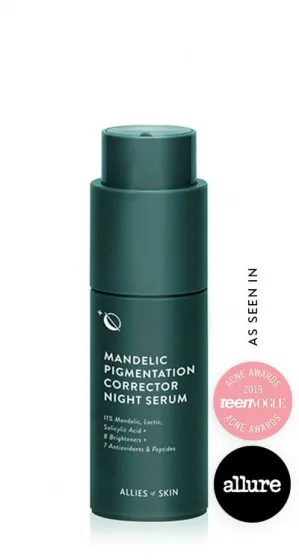
 Mandelic Pigmentation Corrector Night Serum
One of the most thoughtfully formulated pigmentation serums on the market. Mandelic acid leads, but the real story is the supporting cast — tranexamic acid, azelaic acid, niacinamide, and bakuchiol attacking hyperpigmentation through five different pathways. Specifically formulated to be safe on melanin-rich skin and it shows.