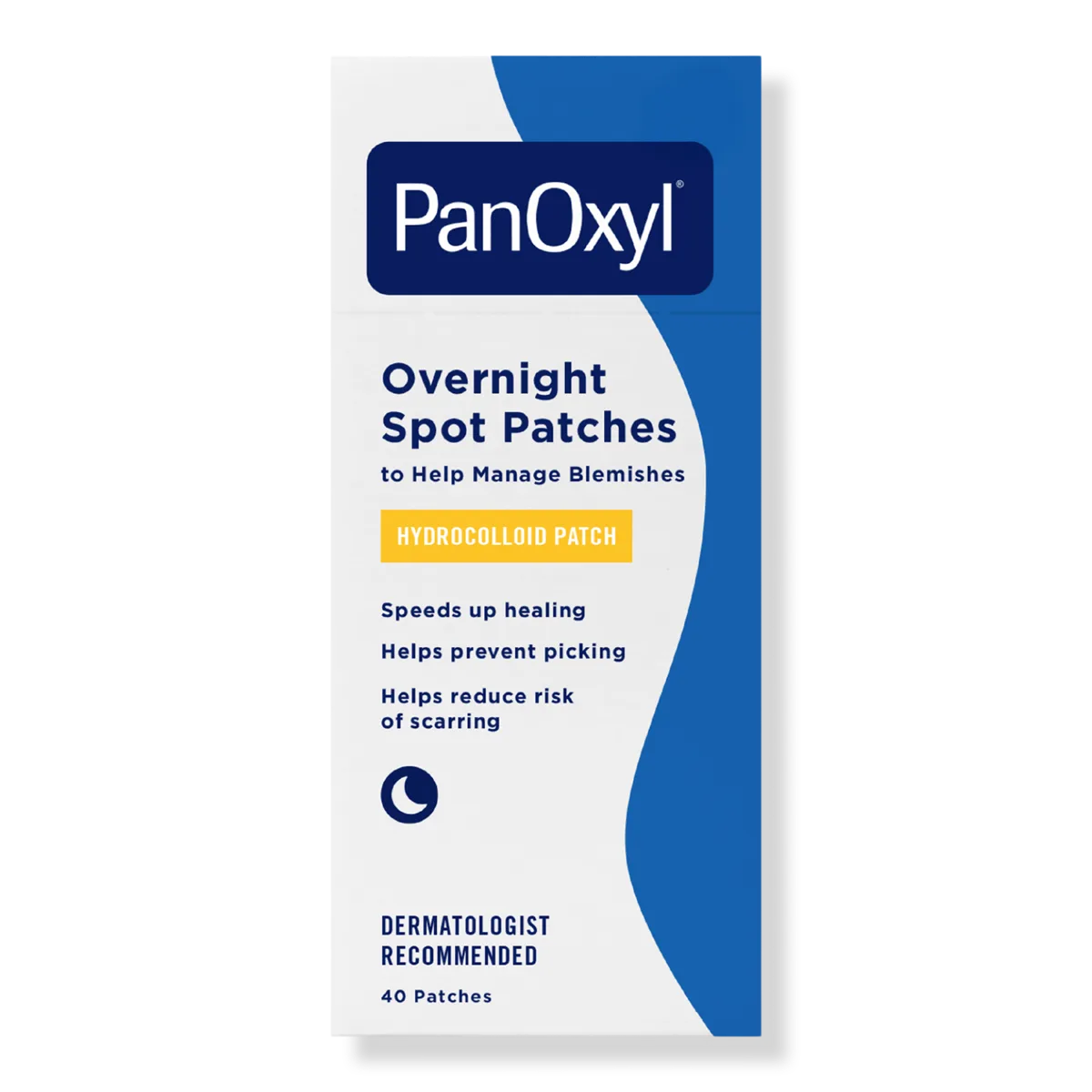
A reliable, no-frills hydrocolloid patch from a brand that has earned its acne credentials over five decades. PanOxyl's slightly thicker construction gives it a genuine edge in absorption, and the dual-size format is a practical touch that most competitors skip. Not revolutionary, but consistently effective for surface-level breakouts.
PM Overnight Spot Patches
A reliable, no-frills hydrocolloid patch from a brand that has earned its acne credentials over five decades. PanOxyl's slightly thicker construction gives it a genuine edge in absorption, and the dual-size format is a practical touch that most competitors skip. Not revolutionary, but consistently effective for surface-level breakouts.
Score Breakdown
Where this product gains points and where it loses them — broken down across the four scoring pillars.
A well-made hydrocolloid patch with minimal irritation risk and solid value, though the ingredient technology is straightforward rather than innovative. Universal skin type compatibility and drugstore accessibility boost the practical appeal.
Pros & Cons
- ✓Thicker hydrocolloid construction absorbs more fluid than many thinner competitors
- ✓Dual patch sizes (9mm and 12mm) accommodate different blemish sizes in one box
- ✓Completely drug-free — no risk of bleaching pillowcases or irritating sensitive skin
- ✓Strong overnight adhesion that holds through sleep without curling at edges
- ✓Clean formulation free from fragrance, parabens, sulfates, dyes, and latex
- ✓Vegan and HSA/FSA eligible for budget-conscious acne management
- ✓Backed by a legacy acne brand with over 50 years of dermatologist trust
- ✗Ineffective on deep cystic acne that sits below the skin surface
- ✗Slightly more expensive per patch than basic generic hydrocolloid options
- ✗Contains t-butyl alcohol which may concern ingredient-conscious consumers despite trace amounts
- ✗Can leave mild adhesive residue on oily skin types after removal
- ✗Requires completely clean, dry skin for proper adhesion — not compatible with layered routines
Full Review
PanOxyl built its name on benzoyl peroxide. For over fifty years, the brand has been synonymous with that tingly, bleach-your-towels approach to acne that dermatologists keep recommending because it genuinely works. So when PanOxyl launched its PM Overnight Spot Patches in October 2020, the most interesting thing about them was what they did not contain: no benzoyl peroxide, no salicylic acid, no active medication at all. Just hydrocolloid technology doing what it does best — absorbing fluid and creating a clean healing environment while you sleep.
This was a calculated move. The pimple patch market had exploded, largely driven by K-beauty brands that introduced Western consumers to the satisfying ritual of peeling off a patch and seeing a white dot of extracted gunk. PanOxyl entered a crowded field, but it brought something most competitors lacked: the implicit trust of a legacy acne brand. When PanOxyl puts its name on a product, dermatologists pay attention.
The patches themselves are straightforward in construction. The hydrocolloid matrix — built from carbomer polymers and polyacrylate crosspolymer-6 — creates an absorbent film that adheres to clean skin and draws moisture and sebaceous material from the blemish through osmotic pressure. Glycerin within the matrix maintains optimal hydration at the wound site, preventing the dry-and-crack cycle that slows healing and increases post-inflammatory hyperpigmentation risk. Dimethicone contributes to the adhesive seal, helping the patch stay put through a full night of tossing and turning.
What sets these apart from the sea of hydrocolloid options is thickness. PanOxyl deliberately made their patches slightly thicker than the industry standard, and you can feel the difference when you handle them. This is not a gimmick — thicker hydrocolloid material has greater absorption capacity, meaning each patch can pull more fluid before reaching saturation. If you have ever woken up to a patch that turned white in the center but left the surrounding area still inflamed, that is a saturation problem. These patches address it.
The dual-size format is another practical detail that deserves credit. Each box contains both 9mm and 12mm patches, which means you do not need to awkwardly stretch a small patch over a larger blemish or waste a big patch on a tiny spot. It sounds minor, but when you are dealing with a breakout that includes both small whiteheads and larger inflamed papules, having options in the same box is genuinely convenient.
Application is standard pimple-patch protocol: cleanse, dry thoroughly, apply directly to the blemish, and go to sleep. The emphasis on dry skin matters — any residual moisture, serum, or moisturizer between the patch and your skin will compromise the adhesive bond and reduce the hydrocolloid's contact with the blemish. Apply the patch first, then moisturize around it.
Performance on surface-level blemishes is reliably good. Whiteheads and recently popped pimples respond best, with visible reduction in size and redness by morning. The patch turns opaque white as it absorbs, which is both functionally informative and oddly satisfying. For those blemishes that are ready to drain, one night is often enough. More stubborn spots may need two or three consecutive nights of fresh patches.
Where these patches hit their ceiling — and this is true of all hydrocolloid patches, not a PanOxyl-specific limitation — is deep cystic acne. Cysts sit far beneath the skin surface, well beyond the reach of topical osmotic absorption. If you are dealing with painful, nodular breakouts, these patches will protect the surface from picking but will not address the underlying inflammation. That requires a dermatologist and likely a different class of treatment entirely.
The ingredient list is refreshingly minimal. No fragrance, no parabens, no sulfates, no dyes. The patches are vegan and latex-free. For a product that sits on potentially broken skin for eight hours, this clean formulation matters. There is nothing in the INCI list that should raise flags for sensitive or reactive skin types.
At roughly $9.59 for 40 patches — about 24 cents per patch — these sit in the affordable middle of the pimple patch market. You can find cheaper generic hydrocolloid dots, but the thicker construction and dual-size format justify the modest premium. The 80-count box offers better per-unit value for frequent users.
The experience of using these is unglamorous in the best way. There is no tingling sensation to convince you something is happening, no fancy active ingredient to research. You stick it on, go to sleep, and wake up to a smaller blemish. The lack of drama is the point. Sometimes the most effective treatment is simply protecting a wound from the environment — and from your own fingers — while your skin does what skin has always done: heal itself.
PanOxyl earned its reputation with aggressive acne-fighting chemistry. These patches prove the brand understands that sometimes restraint is the more sophisticated approach.
Formula
Key Ingredients
The hero actives that drive this product's performance.
| Ingredient | Function | Evidence |
|---|---|---|
| Hydrocolloid Dressing | The core technology of these patches — a moisture-absorbing polymer matrix formed by the carbomer and polyacrylate crosspolymer-6 blend that draws pus and wound exudate from blemishes through osmotic action, creating a moist healing environment that speeds recovery while physically shielding the lesion from bacteria and picking. | promising |
| Glycerin | Serves as the primary humectant within the patch matrix, maintaining moisture balance at the blemish site to prevent the scab-and-crack cycle that slows healing and increases scarring risk. Works in concert with the hydrocolloid base to keep the wound environment optimally hydrated without over-saturating surrounding skin. | well-established |
| Dimethicone | Creates a smooth, occlusive layer within the patch that enhances adhesion to skin while providing a secondary moisture barrier. In this formulation, it helps the patch maintain its seal throughout the night, preventing the edges from curling or lifting during sleep. | well-established |
| Propanediol | A plant-derived solvent and humectant that improves the texture and flexibility of the hydrocolloid matrix. Enhances the penetration of glycerin into the blemish site while keeping the patch comfortable against skin during extended overnight wear. | well-established |
Full INCI List
Carbomer Homopolymer Type C, Carbomer Interpolymer Type A, Decyl Glucoside, Dimethicone, Dioctyl Sodium Sulfosuccinate, Glycerin, Palmitic Acid, Polyacrylate Crosspolymer-6, Polyoxyl 40 Stearate, Propanediol, Purified Water, Silica, Sodium Chloride, Sodium Citrate, Sodium Hydroxide, Sodium Laurylglucosides Hydroxypropylsulfonate, Sorbitan Stearate, Stearic Acid, T-Butyl Alcohol, Xanthan Gum
Product Flags
✓ Fragrance Free✗ Alcohol Free✓ Oil Free✗ Silicone Free✓ Paraben Free✓ Sulfate Free✗ Cruelty Free✓ Vegan✓ Fungal Acne Safe
Compatibility
Skin Match
Best For
Works For
Not Ideal For
Addresses These Conditions
Avoid With
Routine Step
treatment
Time of Day
PM
Pregnancy Safe
Yes ✓
Layering Tips
Apply to clean, dry skin after cleansing but before any serums or moisturizers. The patch needs direct contact with the blemish — anything applied underneath will compromise the seal and reduce absorption.
Results Timeline
Immediate: patch begins absorbing fluid from the blemish within hours, visibly turning white as it draws out material. By morning (6-8 hours): noticeable reduction in inflammation, redness, and size of surface-level pimples. Deeper cystic lesions may require 2-3 consecutive nights of use for significant improvement.
Pairs Well With
Gentle cleanser (use before applying)Niacinamide serum (apply to surrounding skin)Lightweight moisturizer (apply around patches)
Conflicts With
Benzoyl peroxide (do not apply underneath)Retinoids (do not apply underneath)AHA/BHA exfoliants (do not apply underneath)
Sample AM Routine
- Gentle cleanser
- Niacinamide serum
- Moisturizer
- Sunscreen
Sample PM Routine
- Gentle cleanser
- Pat skin dry
- THIS PRODUCT (apply to blemishes)
- Moisturizer (around patches)
Evidence
Who Should Skip
- Ineffective on deep cystic acne that sits below the skin surface
- Slightly more expensive per patch than basic generic hydrocolloid options
- Contains t-butyl alcohol which may concern ingredient-conscious consumers despite trace amounts
- Can leave mild adhesive residue on oily skin types after removal
Science & Expert Perspective
The Science
Hydrocolloid technology has its roots in wound care, not skincare. Originally developed for managing chronic wounds like pressure ulcers and surgical sites, hydrocolloid dressings create what clinicians call a moist wound healing environment — a concept pioneered by George Winter in 1962 that demonstrated wounds heal faster when kept hydrated rather than exposed to air.
The mechanism in these patches relies on osmotic absorption. The carbomer and polyacrylate crosspolymer-6 matrix contains hydrophilic polymers that swell upon contact with wound exudate, drawing fluid from the blemish into the patch material. This serves dual purposes: it physically removes inflammatory fluid while maintaining a sealed microenvironment that prevents secondary bacterial colonization.
A 2006 randomized double-blind study published in the Journal of Cosmetic Dermatology (Lee et al.) found that hydrocolloid dressings applied to acne lesions produced statistically significant reductions in overall acne severity and inflammation compared to controls over three to seven days, with improvements in redness, oiliness, and sebum levels.
More recent research presented at the 2024 American Academy of Dermatology meeting demonstrated that hydrocolloid patches significantly improved popped pimple appearance scores on Days 1 and 4 in a 14-day randomized controlled trial, with particular benefits in smoothness, crusting, erythema, and size reduction.
The glycerin component supports the moist healing environment by acting as a humectant within the matrix, while the dimethicone provides an occlusive secondary barrier. This combination means the patch both absorbs excess fluid and prevents transepidermal water loss from the surrounding skin — a balanced approach that avoids the over-drying that topical acne medications can cause.
It is worth noting that the evidence base for hydrocolloid patches in acne specifically — as opposed to general wound care — is still developing. Most clinical evidence comes from the broader wound healing literature, with acne-specific studies increasing in recent years as the category has grown.
References
- A pilot study on efficacy treatment of acne vulgaris using a new method: results of a randomized double-blind trial with Acne Dressing — Journal of Cosmetic Dermatology (2006)
- The Science Behind a Viral Trend: Demonstrating Safety and Efficacy of Hydrocolloid Patch for Facial Acne — Journal of the American Academy of Dermatology (2024)
- Narrative Review of the Use of Hydrocolloids in Dermatology: Applications and Benefits — Journal of Clinical Medicine (2025)
Dermatologist Perspective
Dermatologists frequently recommend hydrocolloid patches as a practical adjunct to acne treatment regimens, particularly for patients who struggle with picking or squeezing blemishes — a behavior that significantly increases scarring risk. Board-certified dermatologists note that while patches do not replace prescription acne treatments, they serve an important role in protecting active lesions and reducing post-inflammatory hyperpigmentation. The drug-free nature of these patches makes them a safe recommendation for pregnant patients, those with sensitive skin, and individuals already using potent topical treatments who need a non-irritating spot option. Dermatologists also appreciate that the occlusive environment can enhance the skin's natural wound-healing cascade without the irritation associated with benzoyl peroxide or retinoid spot treatments.
Guidance
Usage Guide
How to Use
Cleanse your face thoroughly and pat completely dry — this is critical for adhesion. Select the appropriate patch size for your blemish. Peel the patch from the backing sheet and apply directly to the blemish, pressing gently for a few seconds to seal. Apply any remaining skincare products around the patches, not underneath. Leave on for 6-8 hours overnight. In the morning, peel off gently from the edge. If the patch has turned white, it has absorbed fluid. Cleanse the area and apply a fresh patch the following night if needed.
Value Assessment
At $9.59 for 40 patches, PanOxyl lands at roughly 24 cents per patch — competitive within the branded pimple patch space. The 80-count box offers better per-unit value for those who experience regular breakouts. Generic hydrocolloid dots can be found for as little as 10-15 cents per patch, so you are paying a modest premium for PanOxyl's thicker construction, dual-size format, and brand backing. The premium is not steep, and the thicker patches do offer tangible absorption advantages. For a legacy acne brand, the pricing feels fair rather than aspirational — this is a drugstore product priced like a drugstore product, which is refreshing in a category where some brands charge luxury prices for identical technology.
Who Should Buy
Anyone dealing with occasional surface-level breakouts who wants an effective, non-irritating overnight treatment. Particularly well-suited for skin-pickers who need a physical barrier against the urge to squeeze, and for those who want a drug-free acne option that will not interact with existing prescription treatments.
Who Should Skip
If you primarily deal with deep cystic acne, blackheads, or closed comedones, hydrocolloid patches will not address the root issue. Also not ideal if you cannot commit to applying on completely clean, bare skin — the patches need direct contact to work.
Ready to try PanOxyl PM Overnight Spot Patches?
Details
Details
Texture
Thin, flexible hydrocolloid film that is slightly thicker than many competitors. Clear and nearly invisible once applied to skin.
Scent
No scent — completely fragrance-free.
Packaging
Flat peel-apart sheets with individual patches arranged in rows. Available in 20-count, 40-count, and 80-count boxes. Each sheet contains a mix of 9mm and 12mm patches.
Finish
invisiblematte
What to Expect on First Use
Apply to a clean, dry blemish and within a few hours you will notice the patch turning white as it absorbs fluid. The adhesive is firm enough to stay put during sleep but peels off gently in the morning. No tingling, stinging, or adjustment period.
How Long It Lasts
40 patches lasts 2-4 weeks depending on frequency of breakouts and number of patches used per night
Period After Opening
24 months
Best Season
All Year
Certifications
HSA/FSA EligibleVeganLatex-Free
Background
The Why
When Crown Laboratories acquired PanOxyl in 2018, the brand was known almost exclusively for its benzoyl peroxide washes. The PM Overnight Spot Patches, launched in October 2020, represented PanOxyl's first move into the then-booming pimple patch category — leveraging the brand's acne credibility to compete in a space dominated by K-beauty newcomers.
About PanOxyl Legacy Brand (20+ years)
PanOxyl has been a dermatologist-recommended acne brand for over 50 years and is recognized as the #1 dermatologist-recommended benzoyl peroxide brand in the U.S. The brand is now owned by Crown Laboratories and has expanded beyond benzoyl peroxide washes into complementary acne care products.
Brand founded: 1970 · Product launched: 2020
Myth vs. Reality
Myths & Misconceptions
Myth
Hydrocolloid patches treat acne by killing bacteria.
Reality
Hydrocolloid patches do not contain antibacterial agents. They work by absorbing wound exudate and creating a sealed, moist healing environment that promotes faster skin repair. The physical barrier also prevents external bacteria from entering the blemish.
Myth
You should pop a pimple before applying a patch for it to work.
Reality
These patches work on both popped and unpopped surface-level blemishes. Applying to an intact whitehead allows the hydrocolloid to gently draw fluid through the skin surface without the infection risk that comes from manual extraction.
FAQ
Frequently Asked Questions
Do PanOxyl PM Overnight Spot Patches contain benzoyl peroxide?
No — despite PanOxyl being famous for benzoyl peroxide products, these patches are medication-free. They rely entirely on hydrocolloid technology to absorb fluid and protect blemishes. This means they won't bleach your pillowcase or cause the dryness associated with benzoyl peroxide.
Can I wear PanOxyl patches during the day?
While marketed for overnight use, the patches are clear and thin enough for daytime wear under makeup. However, they work best with extended, uninterrupted contact — the 6-8 hours of sleep provides ideal conditions for maximum absorption.
Will PanOxyl patches work on cystic acne?
Hydrocolloid patches are most effective on surface-level blemishes that have come to a head. Deep cystic acne sits too far beneath the skin for the hydrocolloid to effectively draw out fluid. For cystic breakouts, consult a dermatologist about targeted treatments like cortisone injections.
How long should I leave PanOxyl patches on?
Apply to clean, dry skin before bed and leave on for 6-8 hours. The patch will turn white as it absorbs fluid — that's how you know it's working. Remove in the morning, cleanse the area, and apply a fresh patch the next night if the blemish hasn't fully resolved.
Can I use PanOxyl patches with retinol or other acne treatments?
Do not apply active treatments like retinol, benzoyl peroxide, or salicylic acid underneath the patch — the occlusive seal can intensify irritation. Apply these treatments to surrounding skin only, or use them on alternate nights from the patches.
Are PanOxyl patches safe during pregnancy?
Yes. These patches contain no active medications — they're drug-free hydrocolloid dressings. The ingredient list is free of retinoids, salicylic acid, and other pregnancy-restricted compounds, making them a safe spot treatment option during pregnancy.
Community
Community Voices
Common Praise
"Effectively draws out pus and reduces pimple size overnight"
"Thicker than many competitors for better absorption"
"Stays on well throughout the night"
"Good variety with two patch sizes included"
"Affordable and widely available at drugstores"
Common Complaints
"Does not work well on deep cystic acne"
"Slightly more expensive than some generic hydrocolloid patches"
"Can leave adhesive residue on some skin types"
"Not effective on closed comedones or blackheads"
Notable Endorsements
#1 Dermatologist-Recommended Benzoyl Peroxide Brand (brand-level endorsement)HSA/FSA eligible
Appears In
best treatment for acne best pimple patches for whiteheads best overnight acne treatment best drugstore pimple patches best treatment for sensitive
Related Conditions
Related Ingredients
You Might Also Like
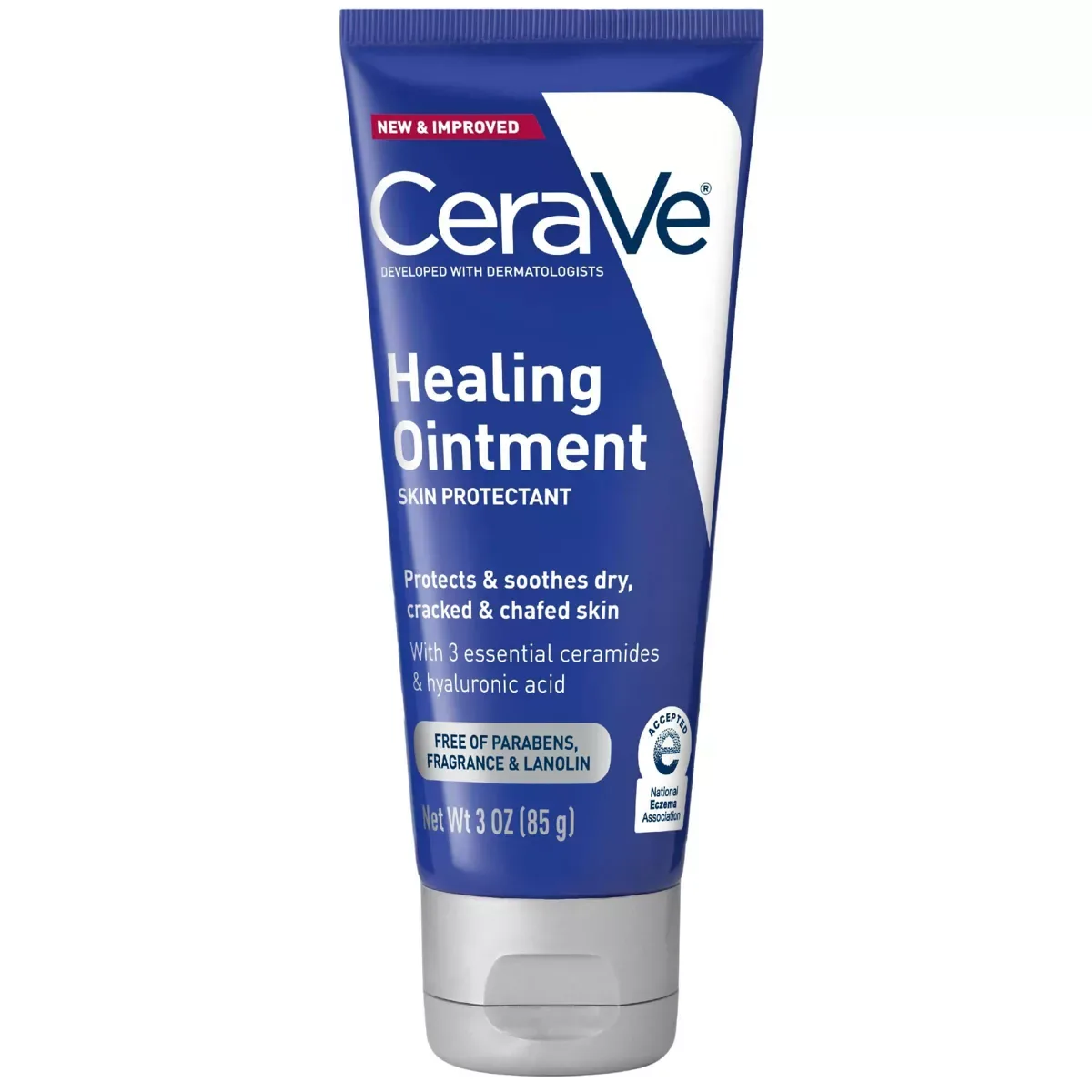 Barrier Rescue Hero
 Healing Ointment
CeraVe's Healing Ointment takes the simplest concept in skincare — seal the skin with petrolatum — and makes it genuinely intelligent by adding ceramides, hyaluronic acid, and panthenol beneath the occlusive layer. It is the gold standard drugstore occlusive for barrier rescue, slugging, and post-procedure care.
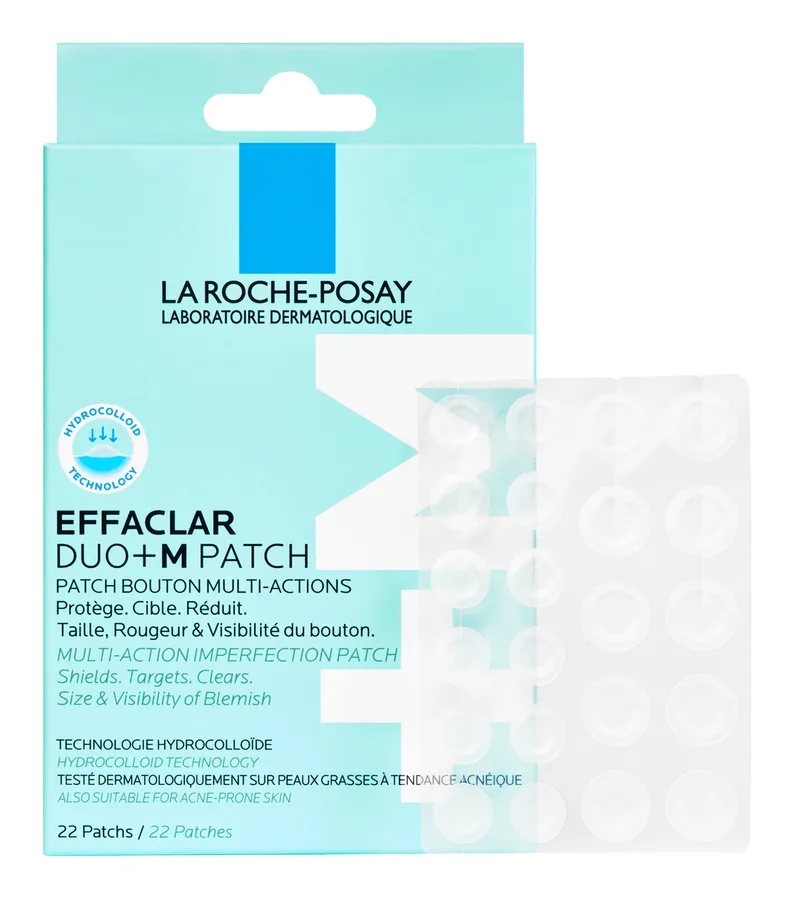 Derm Office Staple
 Effaclar Multi-Target Blemish Patches
One of the few hydrocolloid pimple patches that actually stays on overnight without curling off at 3am. At 420 microns thick with two size options in one pack and zero actives to irritate sensitive skin, this is the Effaclar line's quiet overachiever — and a legitimately good answer for anyone whose acne routine has been sabotaged by thinner patches that refuse to stay put.
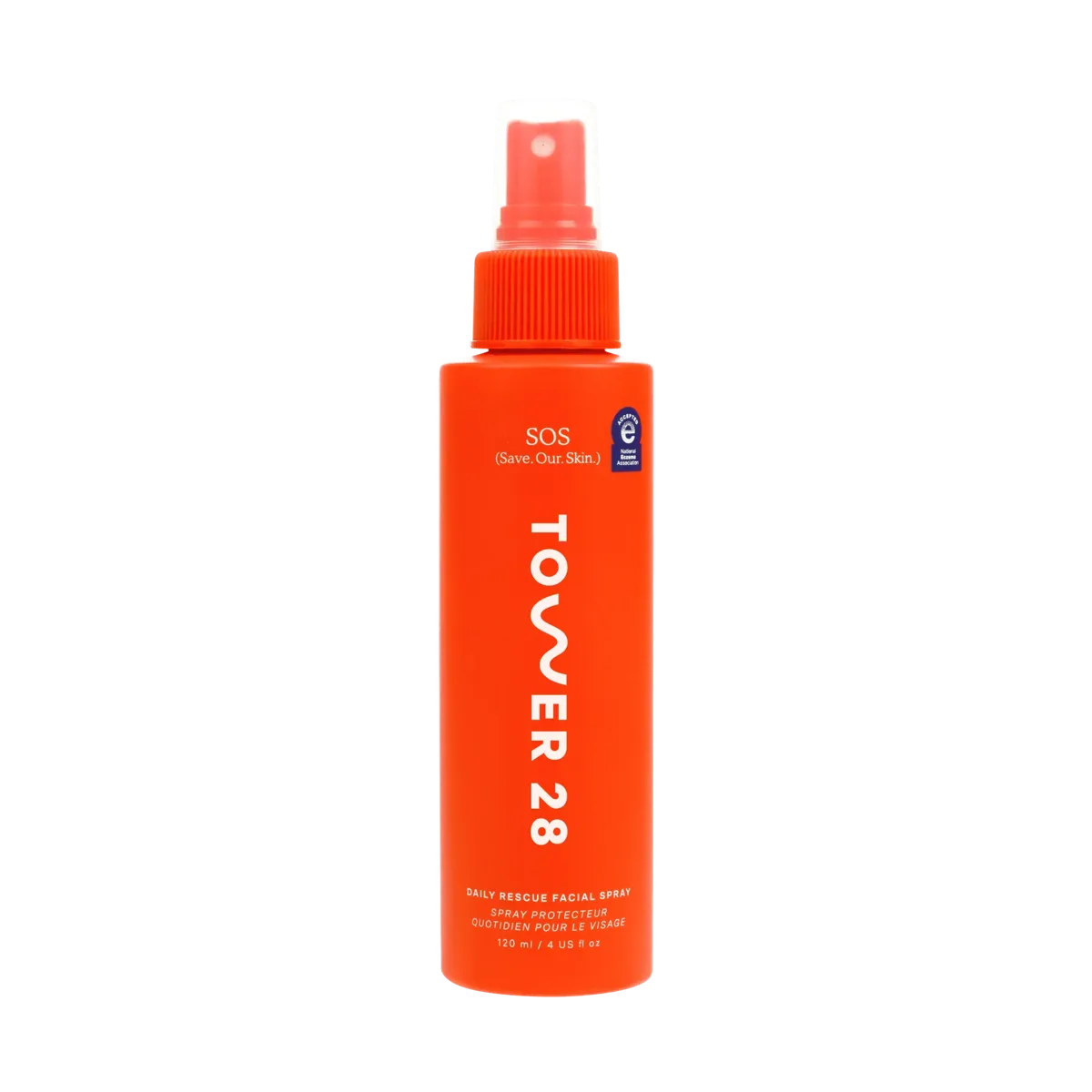 Reactive-Skin Cult Favorite
 SOS Save Our Skin Daily Rescue Facial Spray
The product that single-handedly brought hypochlorous acid into mainstream skincare. A fine-mist HOCl spray with genuine dermatology-organization validation, a near-perfect tolerability profile, and a cult following among people whose skin reacts to everything else. The price runs steeper than medical-grade HOCl, but the stabilization and design are worth the difference for daily use.
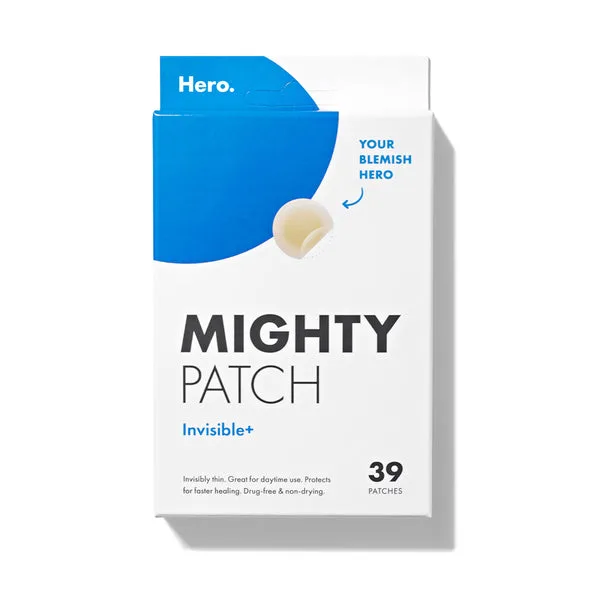
Mighty Patch Invisible+
The pimple patch that proved acne treatment could be invisible — Mighty Patch Invisible+ delivers the same fluid-absorbing hydrocolloid technology as the category-defining Original, but engineered thin enough to disappear under makeup. For daytime blemish management, nothing else comes this close to invisible.
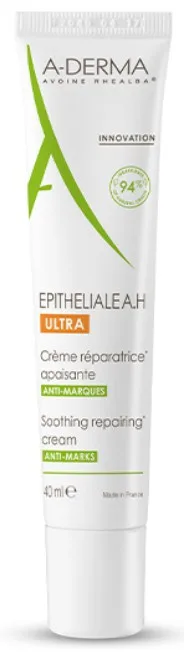 Post-Procedure MVP
 Epitheliale A.H Ultra Repairing Cream
One of the best-formulated French pharmacy repair creams on the market, full stop. Rhealba oat, three-weight HA, madecassoside, trace minerals, panthenol, and shea butter come together in a cream that handles post-procedure skin, eczema flares, friction damage, and compromised barriers with unusual competence for the price.
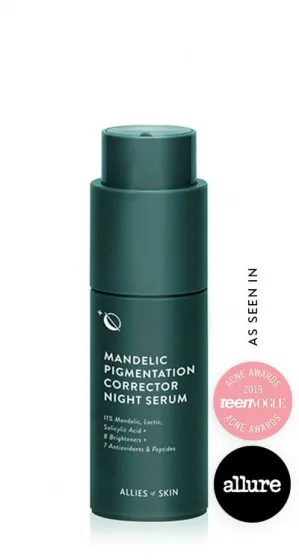 Pigmentation Specialist Pick
 Mandelic Pigmentation Corrector Night Serum
One of the most thoughtfully formulated pigmentation serums on the market. Mandelic acid leads, but the real story is the supporting cast — tranexamic acid, azelaic acid, niacinamide, and bakuchiol attacking hyperpigmentation through five different pathways. Specifically formulated to be safe on melanin-rich skin and it shows.
This review reflects our independent analysis of publicly available ingredient data, manufacturer claims, and verified user reviews. We are reader-supported — Amazon links may earn us a commission at no cost to you. We do not accept paid placements; rankings are based solely on the evidence.