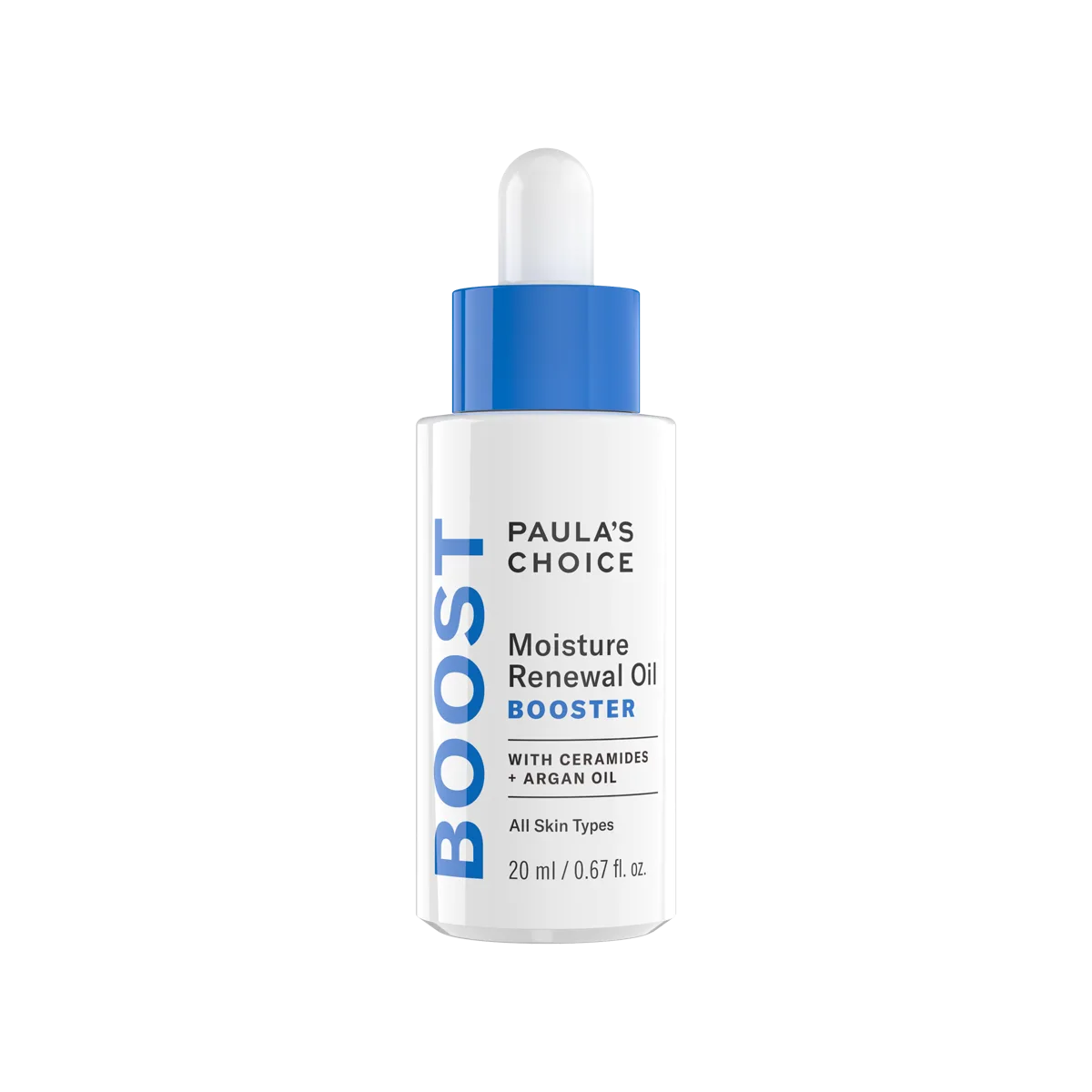
A thoughtfully curated facial oil that transcends the category by incorporating barrier-repair lipids alongside its plant oil blend. The ceramide and cholesterol additions are what elevate this from a pleasant emollient to a genuine skin treatment, though the price per ounce is hard to justify when jojoba oil leads the INCI list.
Moisture Renewal Oil Booster
A thoughtfully curated facial oil that transcends the category by incorporating barrier-repair lipids alongside its plant oil blend. The ceramide and cholesterol additions are what elevate this from a pleasant emollient to a genuine skin treatment, though the price per ounce is hard to justify when jojoba oil leads the INCI list.
Score Breakdown
Where this product gains points and where it loses them — broken down across the four scoring pillars.
A beautifully curated oil blend with genuine barrier-repair intelligence — the ceramide and cholesterol additions elevate it above generic facial oils. Held back by a steep price per ounce for what is fundamentally a plant oil blend, and limited suitability for oily or acne-prone skin.
Pros & Cons
- ✓Ceramide NS and cholesterol provide genuine barrier-repair benefits beyond simple emolliency
- ✓GLA-rich borage and evening primrose oils deliver documented anti-inflammatory action
- ✓Completely fragrance-free with zero essential oils — exceptionally rare for a facial oil
- ✓Lightweight absorption from the jojoba-led blend leaves dewy finish without greasiness
- ✓Only 11 ingredients with zero fillers, preservatives, or emulsifiers
- ✓Versatile use — alone, mixed into moisturizer, or blended into foundation
- ✓Excellent companion for retinoid users needing barrier support
- ✗At $39 for 0.67 oz, the price per ounce is steep for a jojoba-oil-led blend
- ✗Can feel greasy on oily or combination skin if more than 2-3 drops are used
- ✗No active anti-aging ingredients despite the 'renewal' marketing language
- ✗Short 6-month PAO requires timely use to avoid oxidation
- ✗May pill under makeup if not fully absorbed before foundation application
Full Review
The facial oil market has a dirty secret: most of them are irritating. Not because oils are inherently problematic, but because the category has been colonized by essential oils, fragrant plant extracts, and aromatic compounds that smell gorgeous in the bottle and wreak havoc on sensitized skin. Paula Begoun saw this clearly enough to build an oil booster that contains exactly zero fragrant ingredients — a move so obvious in hindsight that it's remarkable how few brands have followed suit.
The ingredient list reads like a fatty acid curriculum. Jojoba oil leads, chosen for its structural similarity to human sebum — it's technically a liquid wax ester, not an oil, which means it integrates into the skin's lipid matrix rather than forming a separate layer on top. Safflower and sunflower oils follow, both chosen for their high linoleic acid content. This is a deliberate choice: linoleic acid-dominant oils support ceramide production in the skin and are less likely to exacerbate congestion than oleic acid-dominant alternatives.
The GLA story is where this formula gets genuinely interesting. Borage seed oil, the richest known plant source of gamma-linolenic acid at roughly 24%, is paired with evening primrose oil, another significant GLA source. GLA is a precursor to anti-inflammatory prostaglandins, and its topical application has documented benefits for inflammatory skin conditions including eczema and dermatitis. This isn't the kind of anti-inflammatory effect you feel immediately — it's a gradual calming that manifests over weeks as the GLA integrates into cell membrane phospholipids. But for chronically red, irritated dry skin, the effect is real and cumulative.
The genuine innovation, though, lives in the last two ingredients on the list. Ceramide NS and cholesterol are skin-identical lipids that, together with the fatty acids provided by the nine plant oils, recreate the three essential components of the stratum corneum's lipid barrier. Most facial oils provide fatty acids alone — this one provides the complete structural toolkit. It's the difference between giving a builder lumber and giving them lumber, nails, and a blueprint.
The texture is lighter than you'd expect from a nine-oil blend. Two to three drops spread easily and absorb within a few minutes, leaving a dewy sheen that looks like naturally healthy skin rather than a greasy film. The absorption owes much to the jojoba oil base, which the skin recognizes as structurally similar to its own sebum and accepts readily. Mixed into a moisturizer, the oil adds richness without changing the product's consistency significantly.
The sensory experience is defined by what's absent. There is no scent — at all. No lavender, no rosehip, no bergamot, no "natural botanical aroma." For a facial oil, this is extraordinary and deeply appreciated by anyone whose sensitive skin has been burned by the essential oil renaissance. The neutrality extends to the texture: no warming, no tingling, no sensation beyond the simple comfort of well-formulated emolliency.
Results follow a predictable arc. The immediate effect is cosmetic — skin looks dewier, feels softer, and has a subtle luminosity that photographs well. Within the first week, the persistent tightness that dry skin types know intimately begins to recede. By the two to four week mark, the barrier-repair benefits start to compound: less redness, less reactive sensitivity, less of the low-grade inflammation that makes dry skin feel perpetually uncomfortable.
The value conversation requires honesty. Thirty-nine dollars for 0.67 ounces of a product that's primarily jojoba oil is a premium ask. You could buy an excellent bottle of pure jojoba oil for a fraction of the price and get a very similar emollient experience. What you're paying for is the curation — the specific selection of GLA-rich oils, the ceramide and cholesterol additions, and the guarantee of zero fragrance. Whether that curation is worth the premium depends on how much you value the formulation intelligence versus the raw ingredients.
With twice-daily use of two to three drops, the bottle lasts roughly two to three months, and the six-month PAO means you should use it within that window anyway. The per-day cost is reasonable — about sixty to seventy cents — but the sticker shock of the small bottle is real.
This is a product for dry and normal skin types who want more from their facial oil than simple emolliency. The barrier-repair lipids, the anti-inflammatory GLA oils, and the complete absence of sensitizing ingredients make it one of the most scientifically grounded facial oils available. It's not exciting in the way a vitamin C serum or a retinol are exciting — it's the kind of product that does its work so quietly you only notice it when you stop using it and realize how much worse your skin feels.
Formula
Key Ingredients
The hero actives that drive this product's performance.
| Ingredient | Function | Evidence |
|---|---|---|
| Jojoba Seed Oil | The foundation of this blend, chosen because jojoba is technically a liquid wax ester that closely mimics human sebum in composition. This means it integrates into the skin's lipid matrix rather than sitting on top, providing emolliency that feels natural rather than greasy — and making it the ideal carrier for the more specialized oils in the formula. | well-established |
| Borage Seed Oil | The richest known plant source of gamma-linolenic acid (GLA) at approximately 24%, providing potent anti-inflammatory action that targets the chronic low-grade inflammation underlying many dry skin conditions. In this formula, the borage oil works synergistically with evening primrose oil to deliver GLA through two different fatty acid profiles. | promising |
| Evening Primrose Oil | A second GLA source that complements the borage oil, also delivering a high proportion of linoleic acid (omega-6). Evening primrose oil has a long clinical history in eczema and dermatitis management, and its inclusion alongside borage oil creates one of the most GLA-dense facial oil formulas available. | promising |
| Ceramide NS | A skin-identical lipid that works with the cholesterol in this formula to replicate the natural lipid structure of the stratum corneum. While present at a low concentration, ceramide NS signals barrier repair at a structural level — the oils deliver fatty acids, and the ceramide provides the scaffold those fatty acids organize around. | well-established |
| Cholesterol | Partners with ceramide NS to recreate the three essential components of the skin barrier: ceramides, cholesterol, and fatty acids. This formula uniquely delivers all three in a single oil product, making it a barrier-repair treatment disguised as a facial oil. | well-established |
| Argan Oil | Adds vitamin E-rich emolliency with a balanced oleic-to-linoleic acid ratio, contributing skin-softening properties and additional antioxidant protection to the blend. Its lightweight absorption profile helps keep the overall formula from feeling heavy. | promising |
Full INCI List
Simmondsia Chinensis (Jojoba) Seed Oil, Carthamus Tinctorius (Safflower) Seed Oil, Prunus Armeniaca (Apricot) Kernel Oil, Helianthus Annuus (Sunflower) Seed Oil, Vaccinium Macrocarpon (Cranberry) Seed Oil, Argania Spinosa Kernel Oil, Borago Officinalis (Borage) Seed Oil, Oenothera Biennis (Evening Primrose) Oil, Echium Plantagineum Seed Oil, Ceramide NS, Cholesterol
Product Flags
✓ Fragrance Free✓ Alcohol Free✗ Oil Free✓ Silicone Free✓ Paraben Free✓ Sulfate Free✓ Cruelty Free✗ Vegan✗ Fungal Acne Safe
Comedogenic Ingredients
Evening Primrose Oil
Compatibility
Skin Match
Best For
Works For
Not Ideal For
Addresses These Conditions
dryness dehydration compromised skin barrier eczema winter skin dullness
Use With Caution
Routine Step
serum
Time of Day
AM & PM
Pregnancy Safe
Yes ✓
Layering Tips
Apply 2-3 drops after water-based serums and before or mixed into moisturizer. Can also be mixed directly into foundation for a dewy finish. For maximum absorption, apply to slightly damp skin. Use as the last step before moisturizer in the PM for overnight barrier repair.
Results Timeline
Immediate softening and dewy glow after first application. Skin feels noticeably smoother and more supple within the first week. Barrier repair benefits and reduced dryness-related redness typically visible after 2-4 weeks of consistent use.
Pairs Well With
Hyaluronic acid serumCeramide moisturizerRetinol (helps buffer irritation)Niacinamide
Sample AM Routine
- Gentle cleanser
- Hyaluronic acid serum
- THIS PRODUCT (2 drops mixed into moisturizer)
- Sunscreen SPF 30+
Sample PM Routine
- Gentle cleanser
- Retinol treatment
- THIS PRODUCT (2-3 drops)
- Moisturizer
Evidence
Who Should Skip
- At $39 for 0.67 oz, the price per ounce is steep for a jojoba-oil-led blend
- Can feel greasy on oily or combination skin if more than 2-3 drops are used
- No active anti-aging ingredients despite the 'renewal' marketing language
- Short 6-month PAO requires timely use to avoid oxidation
Science & Expert Perspective
The Science
The barrier-repair rationale behind this formula rests on established lipid biochemistry. The stratum corneum's extracellular lipid matrix is composed of approximately 50% ceramides, 25% cholesterol, and 15% free fatty acids arranged in lamellar bilayers. Research by Holleran et al. published in the Journal of Clinical Investigation demonstrated that topical application of any single lipid class alone is insufficient for optimal barrier repair — all three components must be present in appropriate ratios for the lamellar structure to reform correctly.
This formula addresses all three: ceramide NS provides the ceramide component, cholesterol is included directly, and the nine plant oils supply a diverse fatty acid profile. The emphasis on linoleic acid-rich oils is particularly relevant, as research by Letawe et al. in Clinical and Experimental Dermatology found that sebum from acne-prone individuals has significantly lower linoleic acid content, and topical application of linoleic acid can normalize sebum composition.
The GLA-rich oils represent another evidence-based choice. A systematic review by Timoszuk et al. in the International Journal of Molecular Sciences (2018) detailed gamma-linolenic acid's role as a precursor to dihomo-gamma-linolenic acid (DGLA), which produces anti-inflammatory prostaglandins (PGE1) through the cyclooxygenase pathway. Topical GLA application has shown benefits in clinical trials for atopic dermatitis, with improvements in skin barrier function, hydration, and reduction of inflammatory markers.
Dermatologist Perspective
Board-certified dermatologists recognize the importance of replenishing all three components of the lipid barrier — ceramides, cholesterol, and fatty acids — for effective barrier repair. Dermatologists frequently recommend ceramide-containing products for patients with compromised barriers from conditions like eczema, rosacea, and retinoid-induced irritation. The fragrance-free and essential-oil-free formulation aligns with dermatological recommendations to avoid potential sensitizers in products for reactive skin. Dermatologists note that while this oil provides excellent emolliency and barrier support, it should complement rather than replace a complete moisturizer in a treatment regimen.
Guidance
Usage Guide
How to Use
Apply 2-3 drops to fingertips and press gently into skin after water-based serums and before moisturizer. For a simpler routine, mix drops directly into your moisturizer before applying. Can also be mixed into liquid foundation for a dewy finish. Apply to slightly damp skin for optimal absorption. Use morning and evening, or evening only if skin tends toward oily. Also effective on cuticles, dry patches, and as a hair flyaway tamer.
Value Assessment
At $39 for 0.67 oz ($58/oz), this is firmly in premium territory for a facial oil. The single size available means no option to buy in bulk for better per-ounce value. With twice-daily use lasting 2-3 months, the daily cost is approximately $0.45-$0.65. The ceramide and cholesterol additions justify a premium over commodity plant oils, but the degree of that premium is debatable when jojoba oil — the lead ingredient — retails for under $15 per ounce in high-quality versions. The brand's 30-year credibility and the genuinely thoughtful curation of the oil blend account for the rest.
Who Should Buy
Dry and normal skin types seeking a scientifically grounded facial oil with genuine barrier-repair benefits. Especially valuable for those with sensitive or rosacea-prone skin who react to the essential oils in most facial oil products, and for retinoid users who need an emollient barrier-support layer.
Who Should Skip
Oily skin types who find facial oils feel too heavy, and budget-conscious consumers who would rather invest in a ceramide moisturizer that provides the same barrier-repair lipids at a lower per-use cost. Also not suitable for those with fungal acne concerns.
Ready to try Paula's Choice Moisture Renewal Oil Booster?
Details
Details
Texture
Lightweight, silky oil that absorbs within a few minutes. Not viscous or heavy — flows easily from the dropper. Leaves a soft, dewy sheen without the greasy residue of heavier facial oils.
Scent
Truly fragrance-free with no essential oils — no discernible scent whatsoever. Remarkably neutral for a plant oil blend.
Packaging
Small glass bottle with a pipette dropper in Paula's Choice minimalist design. The dropper allows precise dispensing of 2-3 drops per application. Clean, clinical aesthetic consistent with the brand's packaging approach.
Finish
dewyglowylightweight
What to Expect on First Use
The first application delivers an immediate sensory reward — skin looks visibly dewier and feels softer within minutes. The oil sinks in faster than most users expect, leaving a luminous sheen rather than a greasy film. For dry skin types, the relief from tightness is near-instant.
How Long It Lasts
2-3 months with once or twice daily use of 2-3 drops
Period After Opening
6 months
Best Season
fall winter
Certifications
Leaping Bunny CertifiedPETA Cruelty-Free
Background
The Why
Paula Begoun formulated this oil at a time when the 'clean beauty' movement was flooding the market with essential-oil-laden facial oils that smelled beautiful but irritated sensitive skin. Her response was characteristically contrarian: a fragrance-free, essential-oil-free blend built around the science of barrier repair rather than the aesthetics of botanical aromatherapy.
About Paula's Choice Legacy Brand (20+ years)
Paula's Choice was founded in 1995 by consumer advocate Paula Begoun, known as the 'Cosmetics Cop,' and has built its reputation on evidence-based, fragrance-free formulations. The brand is Leaping Bunny certified and widely recommended by dermatologists for its transparent, research-driven approach.
Brand founded: 1995 · Product launched: 2014
Myth vs. Reality
Myths & Misconceptions
Myth
Facial oils clog pores and cause acne.
Reality
This blend is dominated by linoleic acid-rich oils (safflower, sunflower, evening primrose) which are actually associated with reduced comedogenicity. Research suggests that acne-prone skin is often deficient in linoleic acid, and topical application of linoleic acid-dominant oils can help normalize sebum composition. That said, oily skin types should still use sparingly.
Myth
A facial oil can replace moisturizer.
Reality
Oils provide emolliency and occlusion but don't deliver the humectants (like hyaluronic acid or glycerin) that pull moisture into the skin. This booster works best when layered with or mixed into a water-based moisturizer — the moisturizer hydrates, and the oil seals that hydration in.
FAQ
Frequently Asked Questions
Can I use this oil if I have oily or acne-prone skin?
This oil is best suited for dry and normal skin types. While the linoleic acid-dominant oils (safflower, sunflower) are generally well-tolerated by acne-prone skin, the overall richness of the blend may feel too heavy for oily skin. If you want to try it, start with 1-2 drops mixed into a lightweight moisturizer and use only at night.
Should I apply this before or after moisturizer?
Either works, depending on your preference. Apply 2-3 drops before moisturizer to let the oil absorb first, then seal with cream. Or mix drops directly into your moisturizer for a one-step application. In the morning, apply before sunscreen — the oil won't interfere with SPF protection.
Does this oil contain any essential oils or fragrance?
No — this is one of the few facial oils on the market that contains zero essential oils, zero fragrance, and zero aromatic plant extracts. The blend is entirely functional plant oils plus ceramide and cholesterol. There is no discernible scent.
Why does this contain ceramide and cholesterol in an oil?
Ceramide NS and cholesterol are two of the three essential components of the skin's natural lipid barrier (the third being fatty acids, which the nine plant oils provide). By including all three, this formula doesn't just add moisture — it helps rebuild the barrier structure that keeps moisture in. It's barrier repair in an oil format.
Can I use this with retinol or tretinoin?
Yes — many users find this oil excellent for buffering retinoid irritation. Apply your retinol first, wait a few minutes, then follow with 2-3 drops of this oil to provide an emollient, barrier-supporting layer. The ceramide and cholesterol content is particularly beneficial for retinol-compromised skin barriers.
Community
Community Voices
Common Praise
"Adds moisture and glow without causing breakouts for most users"
"Absorbs well for an oil — lightweight and non-greasy in small amounts"
"Soothes redness and calms rosacea-prone skin noticeably"
"Works beautifully mixed into moisturizer or foundation for a dewy finish"
"Multi-purpose for face, cuticles, dry patches, and flyaway hair"
"Truly fragrance-free with zero essential oils — rare for a facial oil"
Common Complaints
"Expensive at $39 for only 0.67 oz when the base is largely jojoba oil"
"Can feel greasy on oily or combination skin if more than 2-3 drops are used"
"Some users notice no visible difference after extended use"
"May pill under makeup if not fully absorbed before foundation application"
"No active anti-aging ingredients despite 'renewal' in the name"
Appears In
best oil for dry skin best oil for sensitive skin best oil for winter skin best oil for eczema best facial oil for barrier repair
Related Conditions
dryness dehydration compromised skin barrier eczema winter skin dullness
Related Ingredients
jojoba oil ceramides cholesterol argan oil evening primrose oil
You Might Also Like
 Gentle Glow Specialist
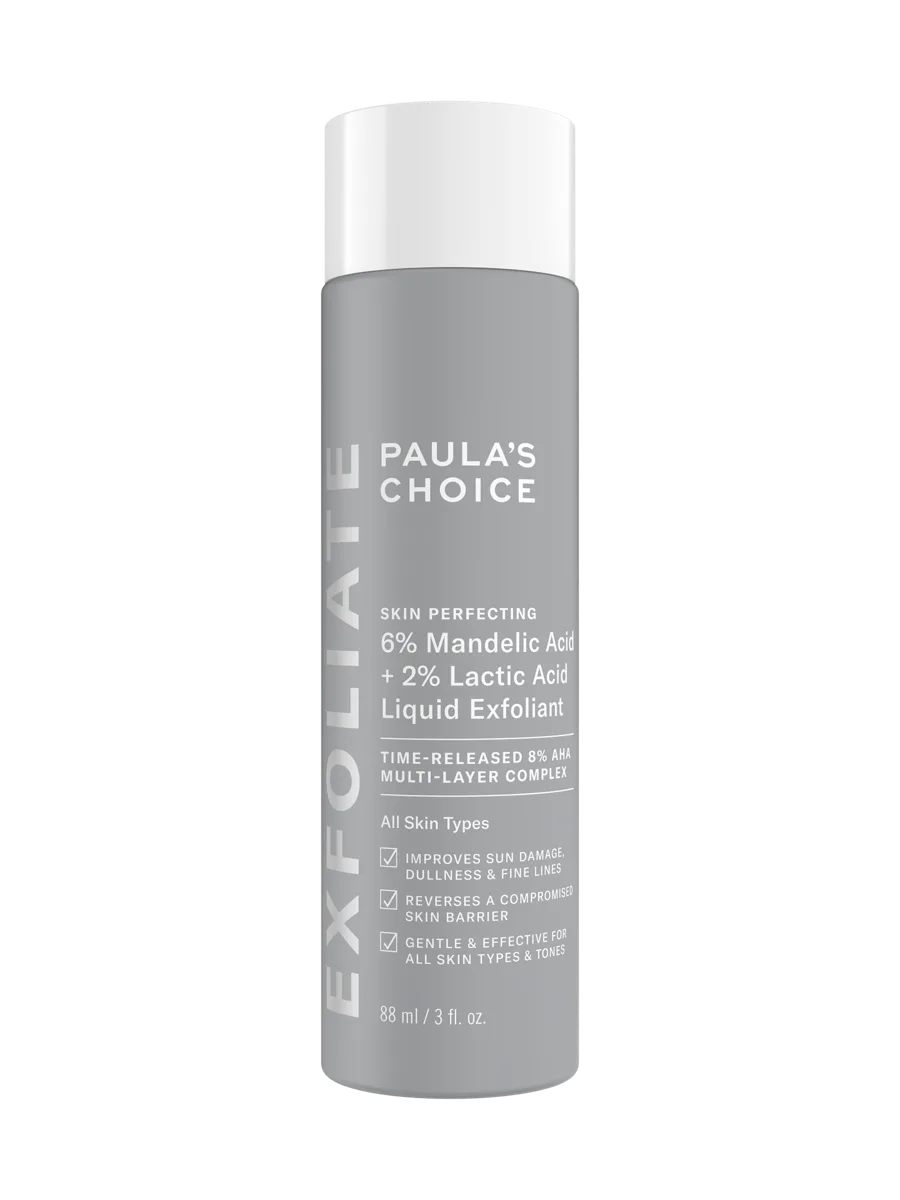
 Skin Perfecting 6% Mandelic Acid + 2% Lactic Acid Liquid Exfoliant
The exfoliant that finally treats sensitive and melanin-rich skin as the design priority rather than an afterthought. With a 4.8-star rating and 660+ reviews, this mandelic-lactic formula proves that gentleness and efficacy aren't mutually exclusive — it just requires smarter acid selection.
 Barrier Rebuilder
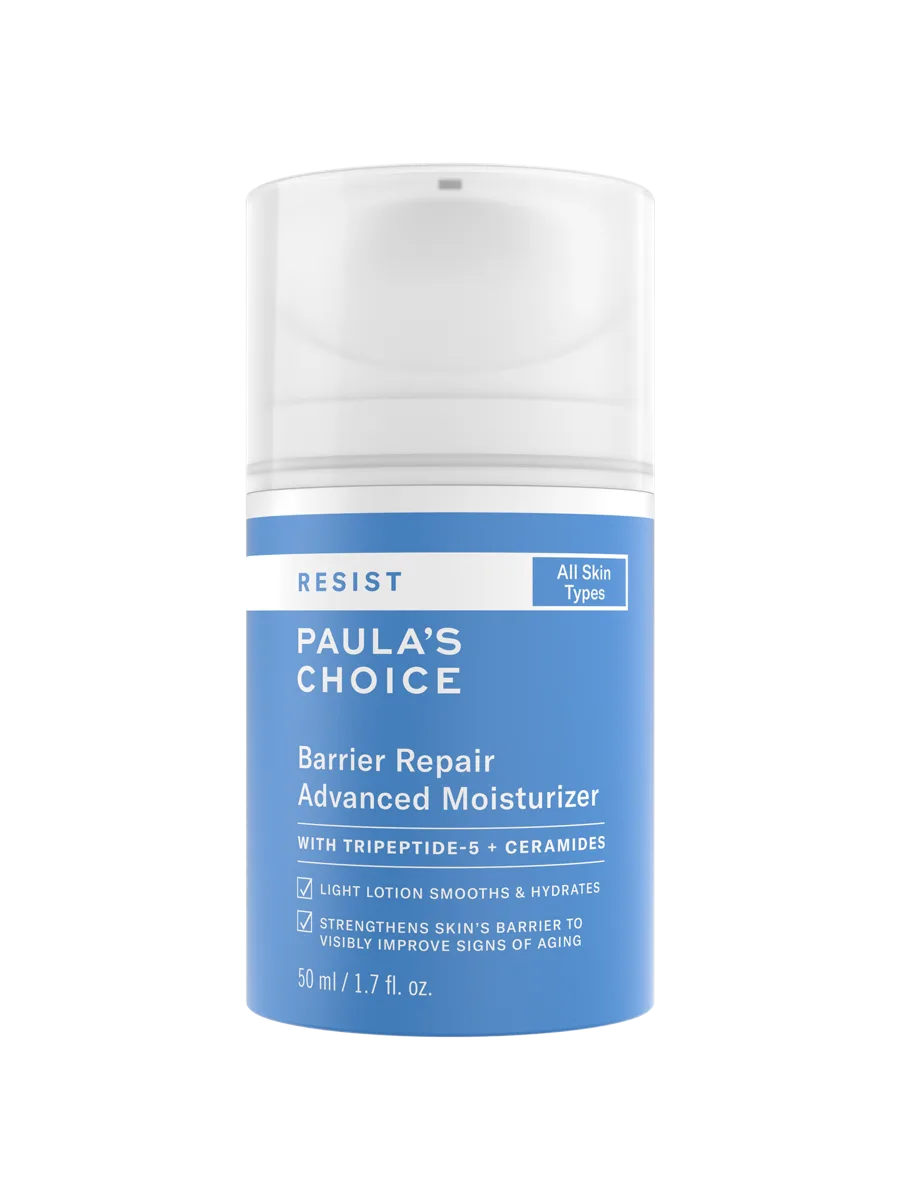
 Barrier Repair Moisturizer
A ceramide moisturizer that actually earns the term 'barrier repair' — five ceramides plus cholesterol replicate the skin's own lipid architecture rather than offering token ceramide inclusion. It's the safety net for anyone pushing their skin with retinol or acids, and it does that job exceptionally well.
 Single-Ingredient Rosehip Standard
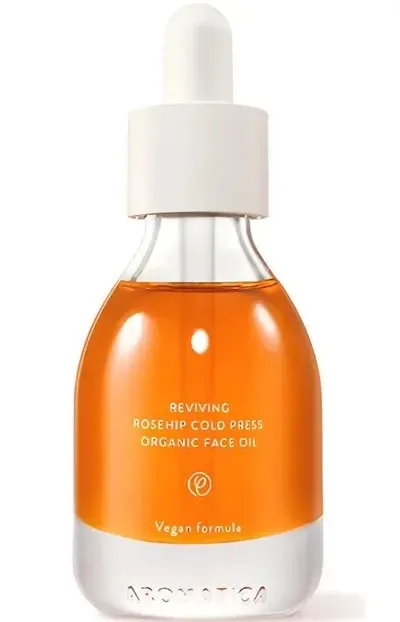
 Organic Rose Hip Oil
Aromatica's Organic Rose Hip Oil is one of the few rosehip products on the market that delivers what the category claims — 100% certified-organic cold-pressed Rosa canina fruit oil with no fillers, no carriers, no fragrance. The result is the genuine rosehip experience: distinct earthy scent, fast absorption, and visible improvement in scars, pigmentation, and tone over consistent use.
 Clean Beauty Pioneer
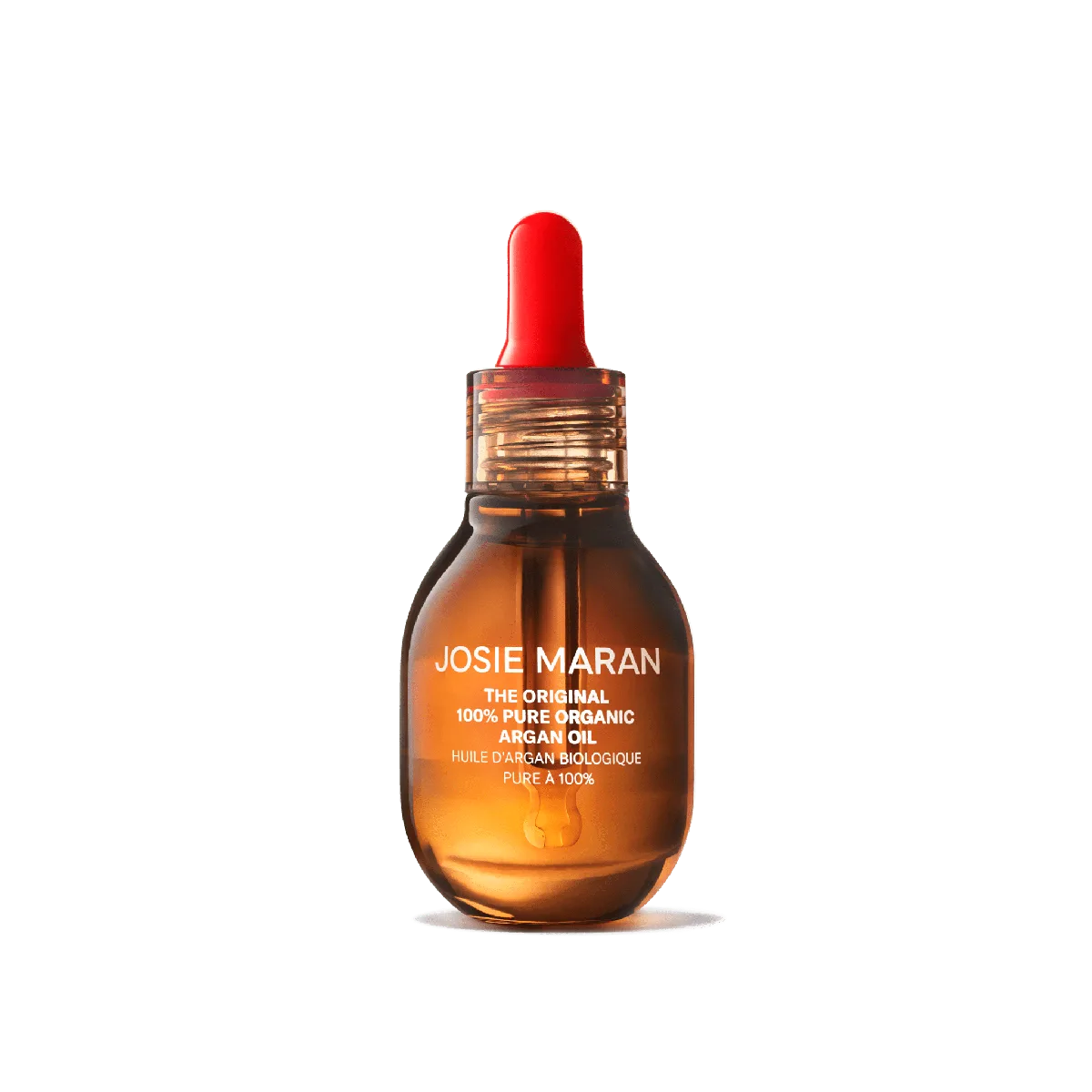
 100% Pure Argan Oil
The product that single-handedly introduced argan oil to luxury skincare remains one of the purest, most versatile face oils on the market. Its single-ingredient simplicity is both its greatest strength and its limitation — you're getting impeccably sourced argan oil and nothing else, which means the $39 price tag reflects provenance and ethics more than formulation wizardry. For dry, aging, or dull skin, it delivers visible results from day one.
 Holy Grail Exfoliant
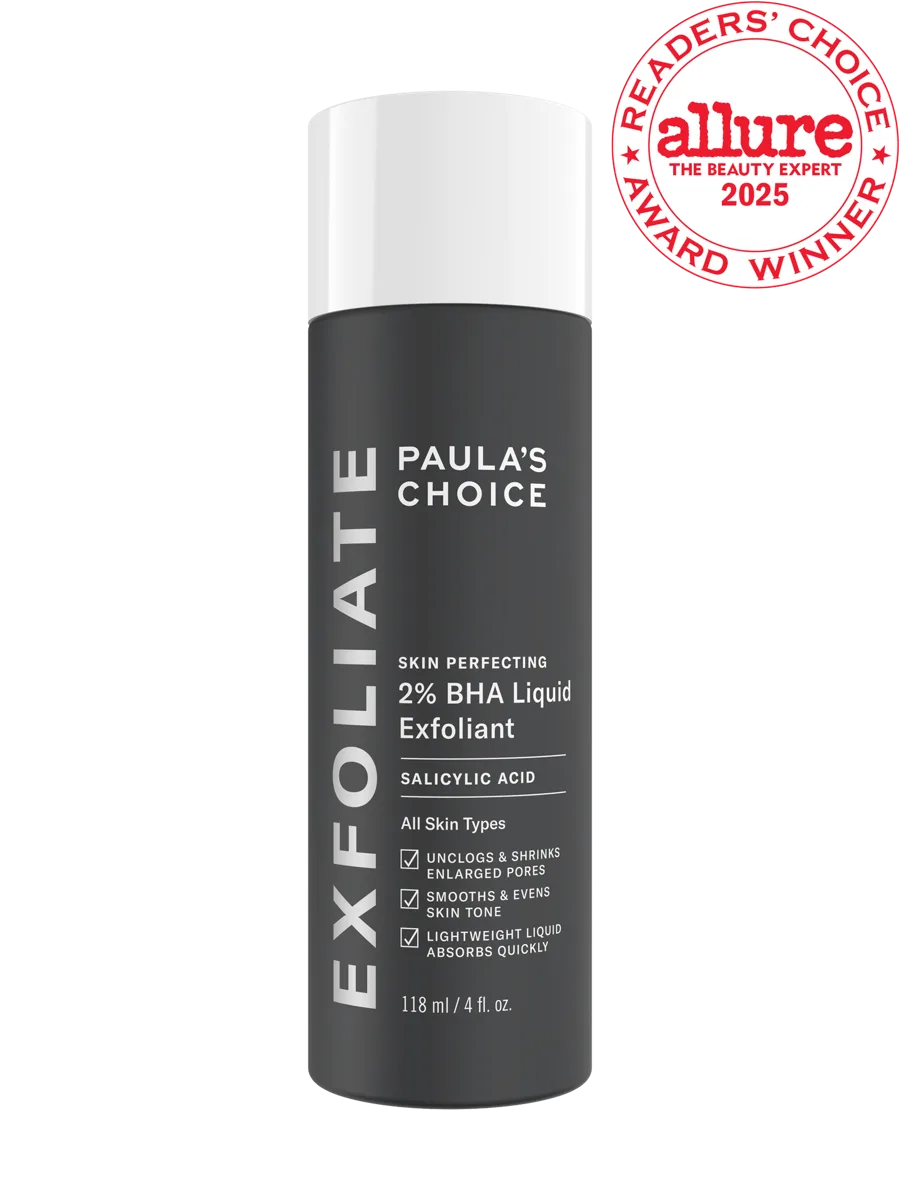
 Skin Perfecting 2% BHA Liquid Exfoliant
The product that launched a thousand skincare routines. Twenty-five years in, this eight-ingredient formula remains the gold standard for BHA exfoliation — not because it's fancy, but because it's ruthlessly effective. If blackheads, congestion, or dull texture are your primary concerns, this is where you start.
 Universal Skin Staple
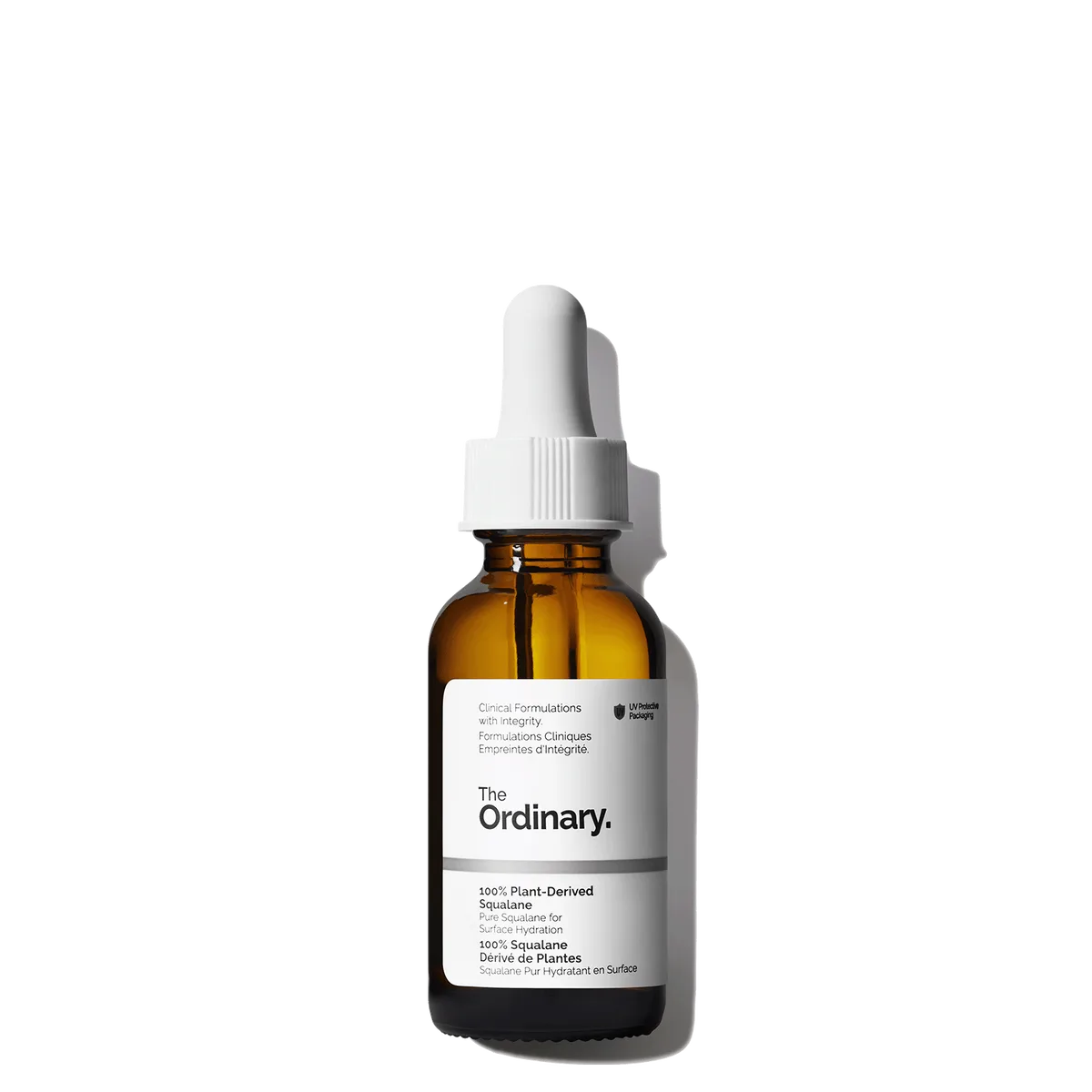
 100% Plant-Derived Squalane
A near-universal face oil that works for virtually every skin type — including fungal-acne-prone — thanks to its skin-identical composition and zero irritants. It won't transform your skin alone, but as a lightweight sealant over active treatments, it's the $10 workhorse that makes everything else in your routine perform better.
This review reflects our independent analysis of publicly available ingredient data, manufacturer claims, and verified user reviews. We are reader-supported — Amazon links may earn us a commission at no cost to you. We do not accept paid placements; rankings are based solely on the evidence.