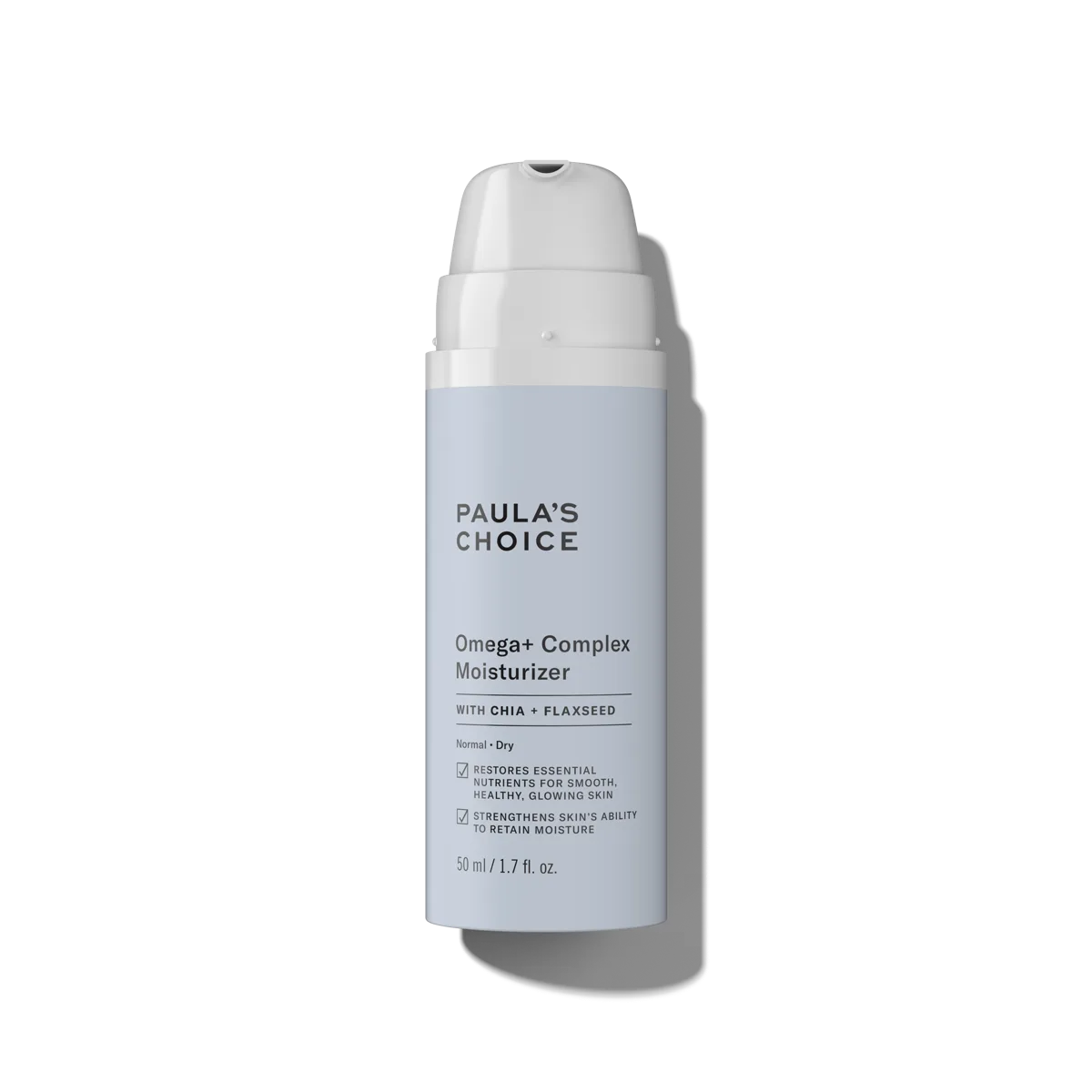
A richly formulated barrier reconstruction cream that approaches dry, damaged skin from three biochemical angles — omega fatty acids, ceramides, and amino acids — delivering the kind of comprehensive repair that single-active moisturizers can only dream about. It's too much for oily skin, but if your barrier is begging for mercy, this is the answer.
Omega+ Complex Moisturizer
A richly formulated barrier reconstruction cream that approaches dry, damaged skin from three biochemical angles — omega fatty acids, ceramides, and amino acids — delivering the kind of comprehensive repair that single-active moisturizers can only dream about. It's too much for oily skin, but if your barrier is begging for mercy, this is the answer.
Score Breakdown
Where this product gains points and where it loses them — broken down across the four scoring pillars.
An exceptionally well-formulated barrier repair moisturizer with a sophisticated multi-omega fatty acid complex, complete ceramide system, amino acids, and squalane. The oil-rich formula limits its appeal for oily skin types, keeping the suitability score moderate.
Pros & Cons
- ✓Full-spectrum omega-3, -6, and -9 fatty acids from five plant oil sources
- ✓Complete ceramide complex with cholesterol and phytosphingosine for genuine barrier repair
- ✓Amino acid blend replicates the skin's natural moisturizing factor for multi-mechanism hydration
- ✓Fragrance-free and silicone-free formula is gentle on sensitized and eczema-prone skin
- ✓Excellent companion for retinol and chemical exfoliant users who need barrier support
- ✓Competitive pricing for the level of ingredient complexity and quality
- ✓Squalane and adenosine add anti-aging benefits beyond simple moisturization
- ✗Too rich for oily skin and potentially overwhelming for combination skin in warm weather
- ✗Jar packaging exposes the cream to air and bacteria with each opening
- ✗Takes longer to absorb than lighter moisturizers due to oil-heavy formulation
- ✗Not suitable for fungal acne-prone skin due to multiple plant oil sources
- ✗Dewy finish may feel too shiny for those who prefer a matte look
Full Review
Most moisturizers throw a ceramide into their formula and call it barrier repair. It is the skincare equivalent of handing someone a blueprint without any building materials. Paula's Choice Omega+ Complex Moisturizer takes a different approach — one that reflects a genuine understanding of how skin barrier biochemistry actually works — by supplying both the structural lipids and the fatty acid raw materials they need to function.
The formula opens with shea butter, listed second after water, which immediately signals this is not a lightweight affair. But the richness serves a purpose beyond simple emollience. Shea butter's stearic and oleic acid content creates a breathable occlusive layer that holds everything underneath in place without the suffocating feel of petrolatum. Beneath that protective canopy, five omega-rich plant oils go to work: linseed (flax) delivers omega-3, chia seed provides both omega-3 and omega-6, passion fruit seed oil is rich in linoleic acid, borage oil supplies gamma-linolenic acid, and olive oil rounds things out with omega-9. Each oil was clearly selected for its specific fatty acid profile rather than trendy appeal, and together they cover the full spectrum of essential fatty acids the skin needs for barrier integrity.
Those fatty acids are the raw materials. The ceramide complex — ceramides AP, EOP, and NP alongside cholesterol and phytosphingosine — provides the structural framework. This is the distinction that elevates the formula. Ceramides organize fatty acids into the lamellar bilayer structures that constitute the actual barrier between your skin and the outside world. Without adequate fatty acids, ceramides have nothing to organize. Without ceramides, fatty acids sit on the surface without integrating into the barrier architecture. This moisturizer supplies both, which is exactly how dermatological barrier repair research says it should be done.
The third layer of sophistication comes from the amino acid complex — serine, alanine, glycine, proline, arginine, threonine, lysine, and glutamic acid — which replicate components of the skin's natural moisturizing factor. These hygroscopic amino acids attract and hold water through a completely different mechanism than hyaluronic acid (which is also present as sodium hyaluronate), adding a humectant dimension that ensures the barrier being rebuilt actually has moisture to retain.
The texture will either delight or deter you, and there is very little middle ground. It is rich. Genuinely, unapologetically, you-can-feel-it-working rich. The cream has a buttery quality that takes a moment to massage in and leaves a dewy finish that persists for a while before settling into a satin glow. For dry skin in winter — which is precisely the condition this was designed for — that richness feels like relief. For oily skin in July, it would feel like a weighted blanket you did not ask for.
In daily use, the moisturizer excels as the final step in a PM routine, particularly after chemical exfoliants or retinol that leave the skin slightly compromised. The omega fatty acids and ceramides actively support barrier recovery overnight, and users consistently report that the flaking, tightness, and rough texture associated with active treatments diminish noticeably within the first one to two weeks. There is a confidence to this cream — it knows what it is doing, and the skin responds accordingly.
The formula's weakness is also its strength: the silicone-free, oil-heavy base that makes it so effective for barrier repair also limits its audience. This is not a democratic moisturizer. It has a type, and that type is dry, damaged, or weather-beaten skin that needs rebuilding from the ground up. Combination skin may find it workable in winter but excessive in summer. Oily skin will almost certainly find it too much year-round. The jar packaging, while practical for accessing the thick cream, exposes the product to air and bacteria with each use — an odd choice for a brand that typically opts for tubes and pumps.
At approximately thirty-four dollars for 1.7 ounces, the price is remarkably competitive for the ingredient complexity on offer. Five omega-rich botanical oils, three ceramides with cholesterol and phytosphingosine, an amino acid complex, squalane, adenosine, sodium hyaluronate, and resurrection plant extract — this is a formula that would cost significantly more from most brands with comparable ingredient lists. The value proposition is strong, particularly for those who would otherwise need multiple products to achieve similar barrier repair coverage.
The inclusion of adenosine adds subtle anti-aging support, and the resurrection plant extract (Anastatica hierochuntica) is a clever inclusion — this desert plant survives complete dehydration and revives when water returns, and its extract has shown promise in improving skin hydration and resilience in early research. It is a characteristically Paula's Choice touch: an ingredient with actual science behind it, included at a functional level rather than for marketing copy.
Seven years of market presence has established a clear picture of who loves this product and who does not. Its devotees are retinol users, eczema sufferers, winter skin survivors, and anyone whose barrier has been compromised by overuse of acids or harsh environmental conditions. Its detractors are those who found it too heavy, too slow to absorb, or too rich for their skin type. Both camps are right. This is a specialist moisturizer, not a generalist, and understanding that distinction is the key to deciding whether it belongs in your routine.
Formula
Key Ingredients
The hero actives that drive this product's performance.
| Ingredient | Function | Evidence |
|---|---|---|
| Omega Fatty Acid Complex (Linseed, Chia, Passion Fruit, Borage Oils) | Four omega-rich oils deliver a full spectrum of omega-3, -6, and -9 fatty acids that replenish the lipids stripped by harsh cleansers, weather, and environmental stress. Together they provide the building blocks for barrier repair that the ceramide complex in this formula then structurally organizes. | well-established |
| Ceramide AP, EOP, and NP Complex | Three ceramides working alongside cholesterol and phytosphingosine to rebuild the intercellular lipid matrix — the mortar between skin cells that prevents water loss. In this formula, the ceramides work synergistically with the omega fatty acids, which supply the raw lipid material while ceramides provide structural organization. | well-established |
| Butyrospermum Parkii (Shea Butter) | Listed second in this formula, shea butter provides substantial emollient and occlusive capacity, sealing in the omega oils and ceramides while delivering its own complement of vitamins A, E, and F. Its high stearic and oleic acid content gives this moisturizer its rich but non-greasy feel. | well-established |
| Amino Acid Complex (Serine, Alanine, Glycine, Proline, Arginine, others) | A suite of amino acids that replicate components of the skin's natural moisturizing factor (NMF), providing hydration through a mechanism distinct from the hyaluronic acid and oils in this formula — essentially replenishing the skin's own built-in humectant system. | well-established |
| Squalane | A lightweight, plant-derived emollient that mirrors the skin's own sebum composition, enhancing the omega oil complex without adding heaviness. Its stability and non-comedogenic nature make this rich formula accessible to skin types that might otherwise avoid oil-heavy moisturizers. | well-established |
Full INCI List
Water (Aqua), Butyrospermum Parkii (Shea) Butter, Ceteareth-6 Olivate, Butylene Glycol, C13-15 Alkane, Glycerin, Glyceryl Stearate, Polyglyceryl-4 Laurate, Decyl Oleate, Linum Usitatissimum (Linseed) Seed Oil, Salvia Hispanica (Chia) Seed Oil, Olea Europaea (Olive) Fruit Oil, Passiflora Edulis (Passion Fruit) Seed Oil, Borago Officinalis Seed Oil, Hydrogenated Olive Oil, Psidium Guajava (Guava) Fruit Extract, Olea Europaea (Olive) Oil Unsaponifiables, Limnanthes Alba (Meadowfoam) Seed Oil, Linoleic Acid, Linolenic Acid, Oleic Acid, Euterpe Oleracea (Acai) Sterols, Ceramide AP, Ceramide EOP, Ceramide NP, Serine, Alanine, Glycine, Proline, Lysine HCl, Threonine, Arginine, Squalane, Cholesterol, Phytosphingosine, Anastatica Hierochuntica Extract, Lecithin, Sodium Hyaluronate, Sodium Lactate, Boerhavia Diffusa Root Extract, Adenosine, Phytic Acid, Glutamic Acid, Betaine, Pullulan, PCA, Sodium PCA, Carbomer, Sodium Polyacrylate Starch, Sclerotium Gum, Xanthan Gum, Sodium Lauroyl Lactylate, Phenoxyethanol, Ethylhexylglycerin
Product Flags
✓ Fragrance Free✓ Alcohol Free✗ Oil Free✓ Silicone Free✓ Paraben Free✓ Sulfate Free✓ Cruelty Free✗ Vegan✗ Fungal Acne Safe
Compatibility
Skin Match
Best For
Works For
Not Ideal For
Addresses These Conditions
dryness compromised skin barrier eczema aging sensitivity winter skin
Use With Caution
Routine Step
moisturizer
Time of Day
AM & PM
Pregnancy Safe
Yes ✓
Layering Tips
Apply as the final step in your skincare routine, after serums and treatments. In the AM, follow with sunscreen. Can be used as a standalone moisturizer or layered over lighter hydrating serums for very dry skin.
Results Timeline
Immediate relief from dryness and tightness upon first application. Barrier function improvements visible within 1-2 weeks as flaking and roughness diminish. Full barrier restoration and sustained moisture retention at 4-8 weeks of consistent use.
Pairs Well With
RetinolVitamin C serumAHA/BHA exfoliantsHyaluronic acid serumNiacinamide
Sample AM Routine
- Gentle cleanser
- Hydrating serum
- Paula's Choice Omega+ Complex Moisturizer
- Sunscreen
Sample PM Routine
- Cleanser
- Exfoliant (2-3x/week)
- Treatment serum
- Paula's Choice Omega+ Complex Moisturizer
Evidence
Science & Expert Perspective
The Science
The scientific foundation of this formula rests on the lipid replacement theory of barrier repair, well-established in dermatological research. A foundational study by Elias and colleagues, published in the Journal of Clinical Investigation (1999), demonstrated that optimal barrier recovery requires a complete complement of ceramides, cholesterol, and free fatty acids in roughly equimolar ratios. Applying only one component — even ceramides alone — actually delays barrier repair compared to the complete lipid mixture.
This formula addresses that requirement comprehensively. The three ceramides (AP, EOP, NP) alongside cholesterol and phytosphingosine provide the structural lipids, while the omega-rich plant oils supply the fatty acid complement. Linoleic acid, abundant in chia seed and passion fruit seed oils, is particularly relevant — research published in the British Journal of Dermatology (1998) found that linoleic acid-deficient skin exhibits impaired barrier function and increased transepidermal water loss, and topical application of linoleic acid-rich oils can correct this deficit.
Borage oil's gamma-linolenic acid (GLA) content adds a specific anti-inflammatory dimension. A study in the British Journal of Nutrition (2003) demonstrated that topical GLA application reduced skin inflammation and improved barrier function in subjects with atopic dermatitis. In this formula, the GLA works alongside the ceramides to address both the structural and inflammatory components of barrier dysfunction.
The amino acid complex mimics the composition of natural moisturizing factor (NMF), the skin's endogenous humectant system. Research in the International Journal of Cosmetic Science has established that NMF depletion correlates with barrier dysfunction, creating a vicious cycle of dehydration and damage. Replenishing these amino acids topically helps break that cycle through a mechanism complementary to the lipid repair pathway.
Adenosine's inclusion adds evidence-based anti-aging support. Its role in stimulating fibroblast activity and collagen production has been documented in multiple studies, making it a meaningful addition that extends this moisturizer's benefits beyond pure barrier repair.
References
- Basis for the barrier abnormality in atopic dermatitis: outside-inside-outside pathogenic mechanisms — Journal of Allergy and Clinical Immunology (2009)
Dermatologist Perspective
Dermatologists frequently recommend omega fatty acid-rich moisturizers for patients with compromised barriers, particularly those dealing with eczema, post-procedure recovery, or retinoid-induced dryness. Board-certified dermatologists note that this formula's combination of three ceramides, multiple omega sources, and amino acids aligns with current understanding of barrier lipid biochemistry more closely than most consumer products. The fragrance-free, silicone-free profile makes it suitable for sensitive and reactive skin types. Dermatologists commonly advise that patients with severely compromised barriers use this type of multi-lipid moisturizer as their cornerstone product while titrating up their active treatments, as the barrier support can significantly improve tolerability of retinoids and chemical exfoliants.
Guidance
Usage Guide
How to Use
Apply a nickel-sized amount to clean skin as the last step in your skincare routine. In the AM, follow with sunscreen. In the PM, apply after all serums and treatments have absorbed. Massage gently into face, neck, and any areas of particular dryness. For extremely dry or eczema-prone skin, can be applied more generously or layered over a hydrating serum for maximum barrier support. Use morning and evening for best results, or at minimum every evening.
Value Assessment
At approximately thirty-four dollars for 1.7 ounces, this moisturizer offers exceptional value for its ingredient complexity. Five omega-rich botanical oils, three ceramides, an amino acid complex, squalane, adenosine, and sodium hyaluronate — assembling this combination of actives from separate products would cost significantly more. A travel size is available for lower-risk testing. Paula's Choice established reputation for transparent, research-backed formulation lends confidence that the ingredients are present at functional concentrations rather than trace amounts. For dry or barrier-compromised skin, this represents one of the better value propositions in the brand's moisturizer lineup.
Who Should Buy
Those with chronically dry, damaged, or barrier-compromised skin who need serious restoration — not just hydration but actual lipid replenishment. Retinol users experiencing flaking and tightness. Anyone whose skin suffers in winter or air-conditioned environments. Eczema-prone skin looking for a fragrance-free, science-backed daily moisturizer.
Who Should Skip
Oily skin types who need lightweight, mattifying hydration will find this too rich. Those prone to fungal acne should avoid the multiple plant oils. Anyone who prefers a fast-absorbing, invisible moisturizer will be frustrated by the dewy finish and slightly longer absorption time. If your barrier is healthy and you just need basic daily moisture, this is more than you need.
Ready to try Paula's Choice Omega+ Complex Moisturizer?
Details
Details
Texture
Rich, creamy consistency that sits between a traditional cream and a balm. Has a buttery feel from the shea butter but absorbs more readily than its initial richness suggests. Not thick or waxy — more like a concentrated lotion.
Scent
No added fragrance. Faint natural scent from the blend of plant oils — subtle and disappears quickly upon absorption.
Packaging
Jar with screw-top lid, available in 1.7 fl oz full size and a smaller travel size. Jar format allows easy access to the thicker cream but does expose product to air.
Finish
satindewyvelvety
What to Expect on First Use
Skin feels immediately softened and nourished on first application. The rich cream melts into the skin with gentle massaging. No tingling or adjustment period. Dry patches look visibly smoother within hours. The dewy finish is noticeable but not uncomfortably shiny.
How Long It Lasts
2-3 months with twice-daily face and neck application
Period After Opening
12 months
Best Season
fall winter
Certifications
Leaping Bunny Certified
Background
The Why
Launched in 2019 as part of Paula's Choice Omega+ collection, this moisturizer was designed to fill a gap in the brand's lineup for a truly nourishing, oil-rich cream that didn't sacrifice the evidence-based formulation philosophy Paula's Choice is known for. The 'superfood' oil trend was peaking, and rather than dismiss it, the brand embraced it with scientific rigor — selecting oils specifically for their fatty acid profiles rather than their marketing appeal.
About Paula's Choice Established Brand (5–20 years)
Paula's Choice was founded in 1995 by beauty journalist Paula Begoun and has built its reputation on ingredient transparency and evidence-based formulations. The brand is widely cited in skincare communities for its research-driven approach and publishes detailed ingredient explanations for every product.
Brand founded: 1995 · Product launched: 2019
Myth vs. Reality
Myths & Misconceptions
Myth
Plant oils in skincare are unnecessary if you already use a ceramide moisturizer.
Reality
Ceramides provide structural organization to the lipid barrier, but they need fatty acids to work with. This formula's omega-rich oils supply linoleic, linolenic, and oleic acids — the raw materials that ceramides organize into the lamellar structures that actually prevent water loss. Both components are necessary for complete barrier repair.
Myth
Rich, oil-based moisturizers will clog pores and cause breakouts.
Reality
Comedogenicity depends on the specific oils used, not oil presence in general. This formula emphasizes linoleic acid-rich oils (chia, passion fruit, borage) which are non-comedogenic and can actually help regulate sebum in acne-prone skin when used appropriately. That said, those with very oily skin may still find the overall richness excessive.
FAQ
Frequently Asked Questions
Is Paula's Choice Omega+ Complex Moisturizer good for eczema?
The multi-omega fatty acid complex, complete ceramide system, and amino acids make this an excellent choice for eczema-prone skin. The formula addresses the lipid depletion and barrier dysfunction characteristic of eczema from multiple angles. Its fragrance-free, silicone-free formulation minimizes irritation risk, though those with severe eczema should patch test and consult their dermatologist.
Can I use this moisturizer with retinol?
Yes — this is an ideal retinol companion. The omega fatty acids and ceramides help repair the barrier damage that retinol can cause, while shea butter and squalane provide the occlusive support that prevents excessive dryness. Apply your retinol first, allow it to absorb, then follow with this moisturizer to buffer and protect.
Is this too heavy for combination skin?
It depends on the season and your barrier health. During fall and winter, combination skin types often tolerate and benefit from the extra richness, especially if using active treatments. In hot, humid weather, it may feel too heavy on the T-zone. Those with combination skin can try applying it to drier areas only, or mixing a small amount with a lighter moisturizer.
What is the difference between the Omega+ Moisturizer and the Omega+ Serum?
The moisturizer is richer and more occlusive, with shea butter providing substantial emollience. It works as a standalone moisturizer. The serum is lighter and designed to be layered under another moisturizer, delivering omega fatty acids without the heavier cream base. Choose the moisturizer for dry skin or standalone use; choose the serum if you want omega benefits in a lighter format.
Does this moisturizer contain any fragrance?
No added fragrance. The only scent comes from the natural plant oils in the formula — linseed, chia, passion fruit, olive, and borage oils each carry a subtle botanical smell. This dissipates quickly upon absorption and is mild enough that most fragrance-sensitive users report no issues.
Community
Community Voices
Common Praise
"Rich but absorbs without feeling greasy"
"Dramatically improves dry, flaky skin"
"Calms irritation and redness within days"
"Luxurious texture feels like a treat"
"Works beautifully on retinol-irritated skin"
Common Complaints
"Too rich for oily or acne-prone skin in humid weather"
"Some find it takes time to fully absorb"
"Slightly divisive texture — not everyone likes the richness"
"Jar packaging exposes product to air and bacteria"
Appears In
best moisturizer for dryness best moisturizer for eczema best moisturizer for winter skin best barrier repair moisturizer
Related Conditions
dryness compromised skin barrier eczema aging sensitivity winter skin
Related Ingredients
omega fatty acids ceramides shea butter squalane amino acids
You Might Also Like
 Budget Holy Grail
 Moisturizing Cream
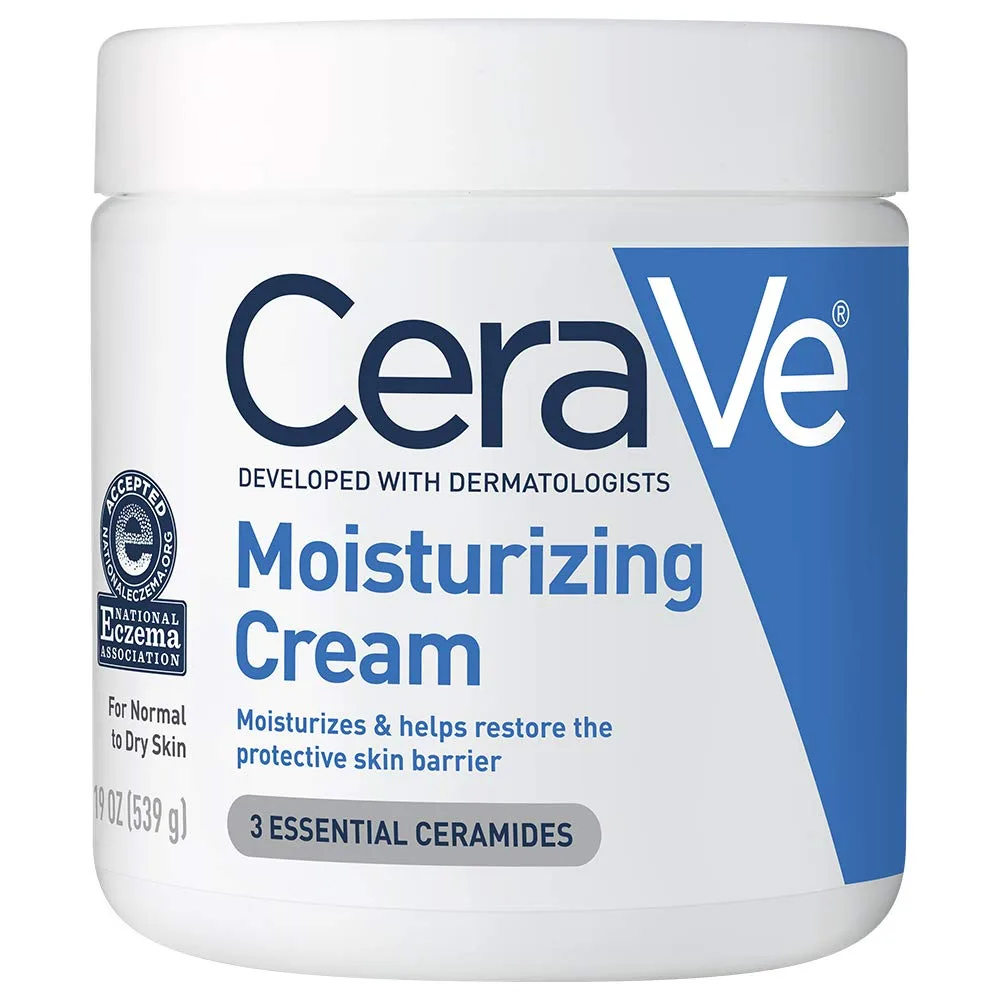
The CeraVe Moisturizing Cream is the most important moisturizer in the drugstore — a ceramide-rich, dermatologist-developed formula that delivers barrier repair, multi-humectant hydration, and occlusive protection at a price so accessible it has no real excuse not to be in every household. Twenty-one years of consistent performance and universal dermatologist approval speak louder than any ingredient list.
 Barrier Repair Pioneer
 MLE Cream
Atopalm MLE Cream is one of the genuinely scientifically anchored barrier moisturizers in K-beauty — a fragrance-free, pseudo-ceramide cream built around a patented liquid-crystal lipid structure that mimics the skin's own intercellular matrix. For eczema, atopic skin, post-procedure recovery, or anyone with a stinging compromised barrier, it's one of the most reliably effective moisturizers in the entire category.
 K-Beauty Barrier Repair Staple
 Atobarrier 365 Cream
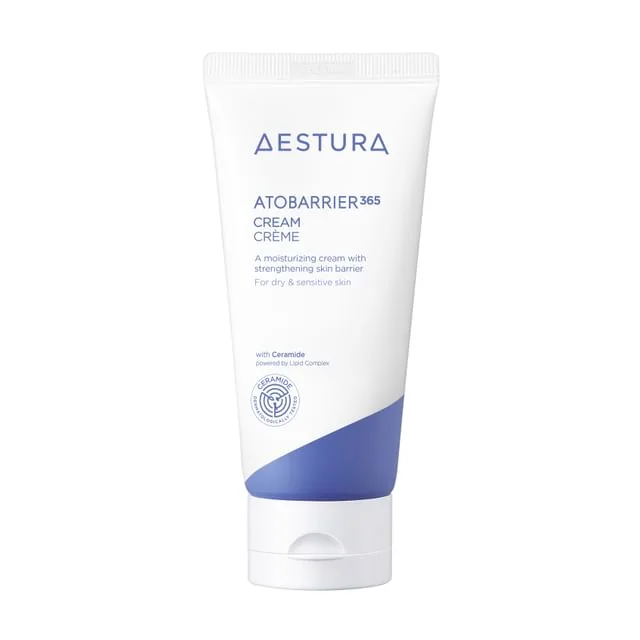
A Korean pharmacy cream that earns its cult following the hard way — with a lamellar lipid structure that actually rebuilds the barrier, not just coats it. If your skin has been through a rough winter, a retinoid ramp-up, or a bad reaction, this is the jar that quietly puts it back together.
 Korean Derm Clinic Recovery Pick
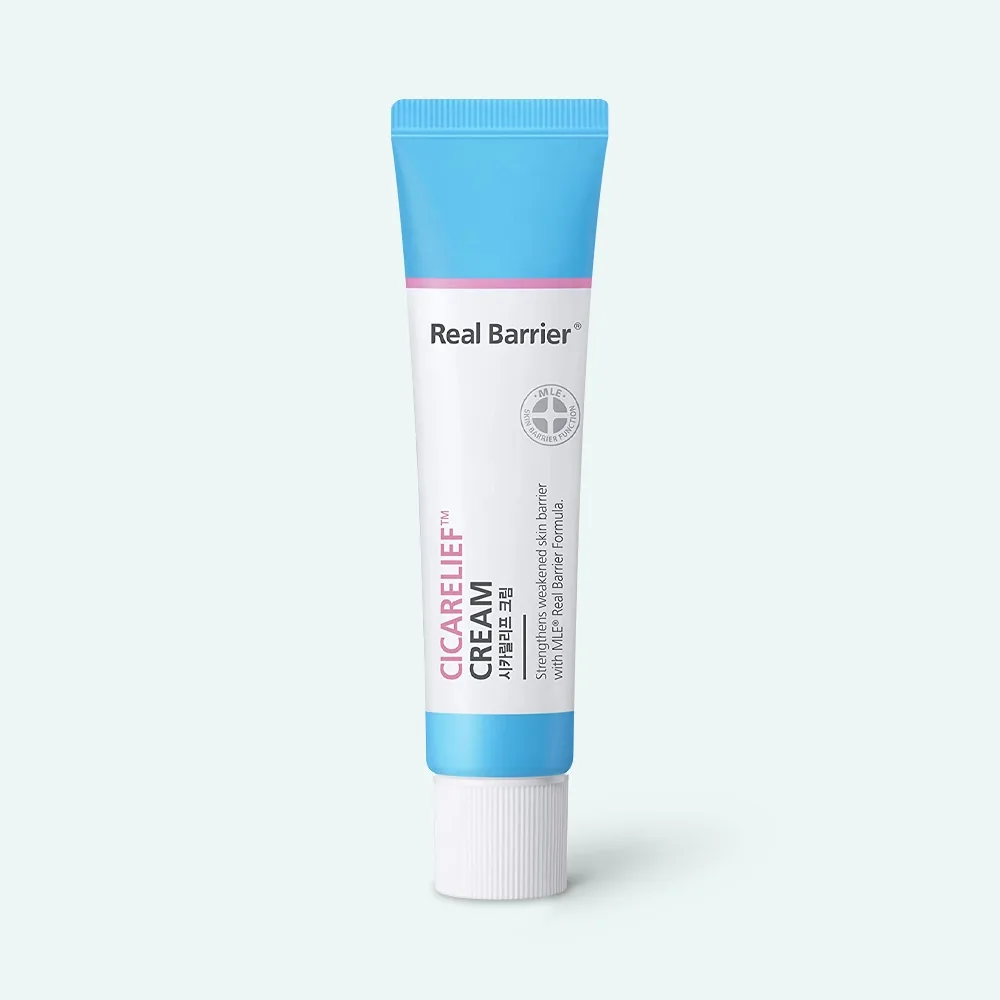
 Real Barrier Cicarelief Cream
One of the best consumer cica creams on the market, combining the full spectrum of centella actives with NeoPharm's MLE ceramide delivery and multiple complementary calming ingredients. Ideal for compromised, reactive, rosacea-prone, or recovering skin, and a staple in Korean dermatology clinic protocols. Minor limitations on packaging, but the formulation is genuinely excellent.
 Transparent 10% Panthenol Cream
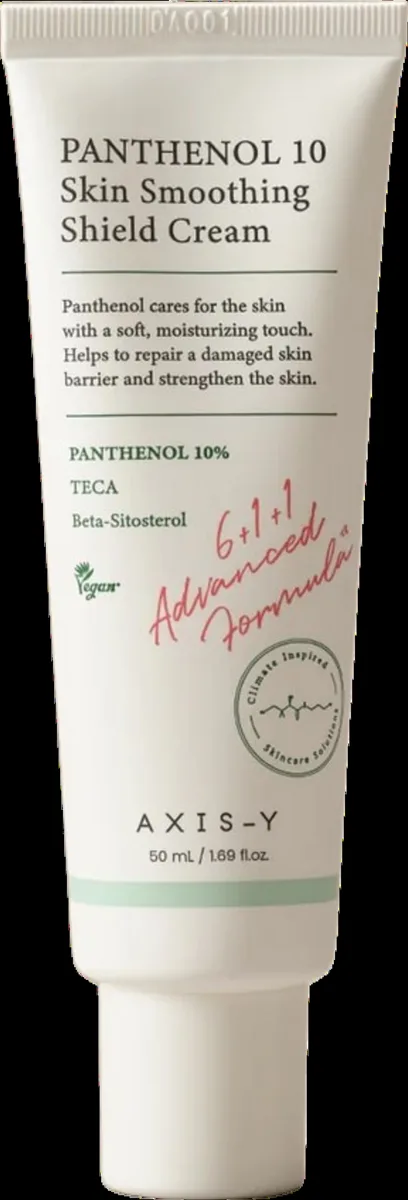
 Panthenol 10 Skin Smoothing Shield Cream
A disclosed 10% panthenol barrier cream built around a full physiological ceramide trio, a centella calming cast, and a modest shea butter occlusive. Fragrance-free, cross-season, and unusually transparent about its hero active — one of the brand's strongest moisturizer formulations.
 K-Beauty Icon
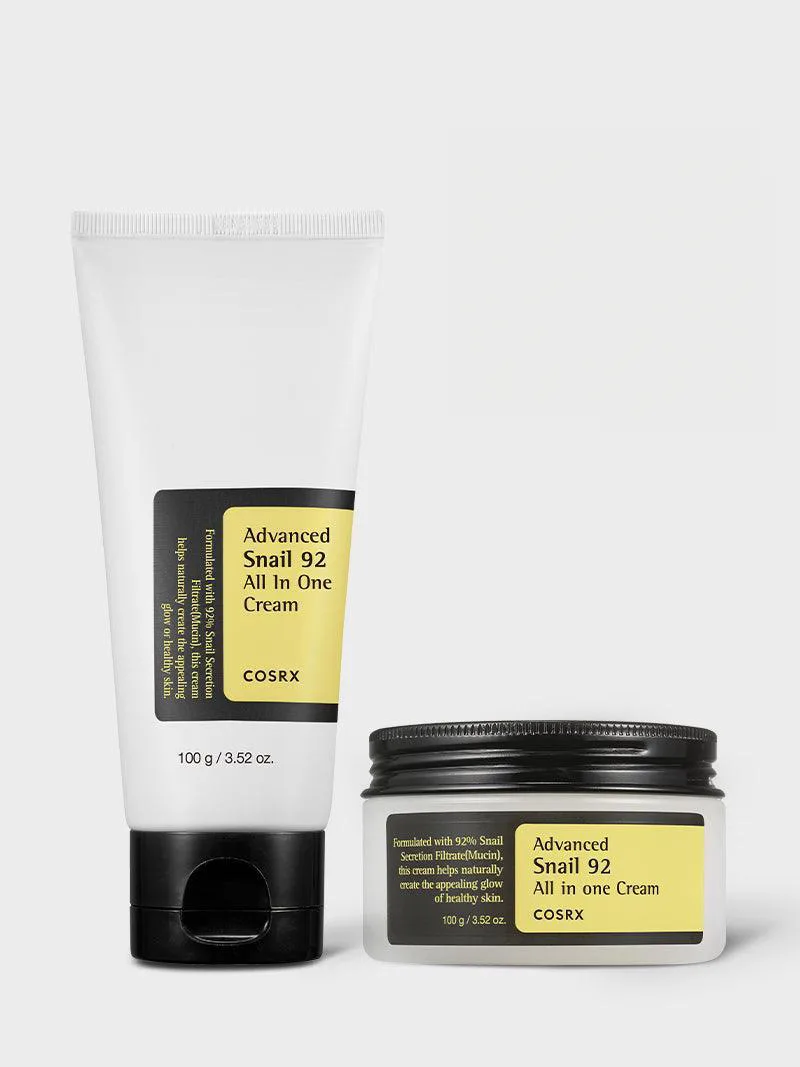
 Advanced Snail 92 All in One Cream
The cream that helped prove snail mucin to the world — and a decade later, it still deserves the reputation. At 92% snail secretion filtrate in a fragrance-free, gentle gel-cream, it delivers hydration, soothing, and gradual skin improvement across virtually every skin type. The texture takes getting used to, but 13 million sold units and 25,000+ reviews suggest most people manage.