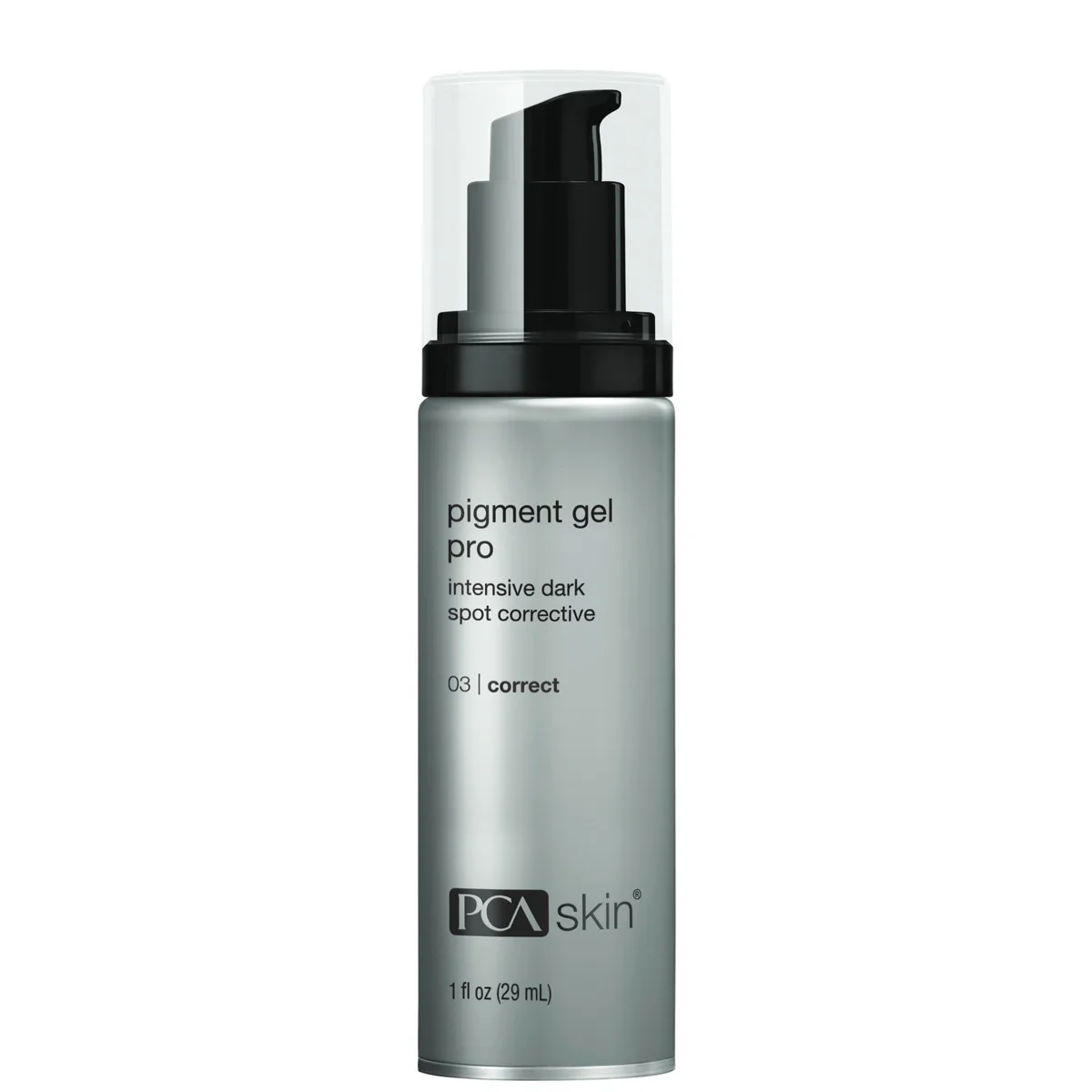
The most scientifically ambitious hydroquinone-free dark spot corrector on the professional market, attacking pigmentation through five separate biochemical pathways. The actives are genuinely impressive — the vehicle is the weak link.
Pigment Gel Pro
The most scientifically ambitious hydroquinone-free dark spot corrector on the professional market, attacking pigmentation through five separate biochemical pathways. The actives are genuinely impressive — the vehicle is the weak link.
Score Breakdown
Where this product gains points and where it loses them — broken down across the four scoring pillars.
An exceptionally well-designed multi-pathway brightening formula with a roster of proven pigment-fighting actives — tranexamic acid, dual resorcinols, glabridin, and niacinamide — targeting melanin production at multiple enzymatic steps. The alcohol and witch hazel base limit tolerability for sensitive skin and keep the overall score below what the ingredient quality alone would suggest.
Pros & Cons
- ✓Five-pathway approach targets melanin at every step of the production and transfer cascade
- ✓Tranexamic acid addresses hormonal pigmentation triggers that most brighteners miss
- ✓Dual resorcinols provide potent tyrosinase inhibition without hydroquinone
- ✓Clinical data shows 74% hyperpigmentation reduction at 4 weeks
- ✓No usage time limits or rebound risk associated with hydroquinone
- ✓Lightweight gel absorbs instantly and layers well under moisturizer
- ✗Alcohol second on INCI list is unnecessarily irritating for pigmentation-prone skin
- ✗Witch hazel water third on INCI can trigger inflammation that worsens pigmentation
- ✗Premium $130 price for 1 oz requiring 2-3 bottles for full treatment course
- ✗Results require 12-16 weeks of consistent nightly use for stubborn pigmentation
- ✗Some users report no visible improvement after the initial 4-week period
- ✗Contains rosa damascena flower oil which is a potential sensitizer
Full Review
For years, PCA Skin's original Pigment Gel — built around hydroquinone — was one of the most-prescribed professional brightening treatments in the United States. Estheticians and dermatologists trusted it because it worked, and it worked because hydroquinone is, for all its flaws, one of the most effective depigmenting agents ever discovered. So when PCA Skin set out to create a hydroquinone-free successor, the bar was not just high — it was the gold standard of professional pigmentation treatment.
Pigment Gel Pro's answer to that challenge is elegant in its complexity. Rather than trying to replace hydroquinone with a single alternative ingredient, PCA Skin assembled five distinct depigmenting mechanisms into what they call the SynerPro Complex, attacking melanin production at virtually every step of its biochemical cascade.
The strategy unfolds like a military operation against pigment. Tranexamic acid works upstream, blocking the plasminogen-activator pathway that triggers melanocytes into overproduction — particularly relevant for melasma, where hormonal signals keep melanocytes chronically activated. Hexylresorcinol and 4-butylresorcinol work midstream, inhibiting tyrosinase and TRP-1, the enzymes that catalyze melanin synthesis. Niacinamide works downstream, preventing the transfer of completed melanosomes from melanocytes to the surrounding keratinocytes — meaning even melanin that gets made never reaches the visible surface. And glabridin, the most potent brightening compound from licorice root, adds a cross-cutting anti-inflammatory mechanism that addresses the inflammation-driven pigmentation that the other actives might miss.
Layered on top of this is a dual-acid exfoliating system — lactic acid and gluconolactone — that accelerates the turnover of existing pigmented cells, clearing the surface so the depigmenting actives can work on the fresh skin beneath.
The clinical data is encouraging. In PCA Skin's proprietary study, 74% of subjects showed reduced hyperpigmentation after just four weeks, and 100% showed improved facial brightness after sixteen weeks. These are impressive numbers, particularly for a hydroquinone-free formula.
The gel itself is lightweight, transparent, and absorbs almost instantly. The airless pump dispenses a precise amount, protecting the sensitive actives from oxidation. There's a faint rose scent from the damascena flower oil and water, but it's barely perceptible. The texture layers easily under moisturizer without pilling.
But here's where professional credibility and formula execution diverge in a way that demands honest assessment. Alcohol sits second on the INCI list. Witch hazel water is third. In a treatment product designed for skin dealing with hyperpigmentation — skin that is, by definition, prone to inflammatory pigment responses — the inclusion of two known irritants in high concentrations is a confounding choice. Alcohol strips barrier lipids. Witch hazel contains tannins that can irritate over time. Both can trigger the very inflammation that drives post-inflammatory hyperpigmentation, potentially undermining the depigmenting actives they're meant to deliver.
This tension is Pigment Gel Pro's central paradox. The actives are among the most thoughtfully selected in any brightening treatment on the market. The vehicle is inexplicably irritating for a product meant to treat damaged, hypersensitive skin.
For users with resilient skin who aren't prone to irritation-triggered pigmentation, the treatment efficacy is real. Dark spots lighten. Melasma patches soften. Overall tone evens out. The multi-pathway approach means the formula addresses pigmentation from angles that single-ingredient products simply can't reach.
At $130 for one ounce, this is a significant investment. A bottle lasts two to three months with nightly use, and effective treatment of stubborn pigmentation requires at least twelve to sixteen weeks — meaning you'll likely need two bottles to see the full results. The cost is partially justified by the sophisticated active complex, but the alcohol and witch hazel base undercuts the premium positioning.
Pigment Gel Pro is a product at war with itself — world-class actives in a vehicle that could be better. If PCA Skin reformulated this product with a gentler base, it would be one of the best brightening treatments available at any price. As it stands, it's still remarkably effective for those who can tolerate it, but it asks users to accept unnecessary irritation risk alongside its impressive science.
Formula
Key Ingredients
The hero actives that drive this product's performance.
| Ingredient | Function | Evidence |
|---|---|---|
| Tranexamic Acid | A synthetic amino acid derivative that interrupts the melanin production pathway at the plasminogen-activator level, preventing UV and hormone-triggered melanocyte hyperactivity — working upstream of where most brightening agents act, making it particularly effective for stubborn melasma and hormonal pigmentation that other ingredients fail to address. | well-established |
| Hexylresorcinol | A potent tyrosinase inhibitor that blocks melanin synthesis at the enzymatic level, shown in studies to be up to four times more effective than hydroquinone at equivalent concentrations — providing powerful depigmenting activity without hydroquinone's cytotoxicity or rebound risk. | promising |
| 4-Butylresorcinol | A second resorcinol-class tyrosinase inhibitor that complements hexylresorcinol by targeting both tyrosinase and TRP-1 enzymes in the melanin production cascade — the dual-resorcinol approach in this formula attacks pigmentation through two separate enzymatic pathways simultaneously. | promising |
| Niacinamide | Inhibits melanosome transfer from melanocytes to keratinocytes — meaning even if melanin is produced, less of it reaches the visible skin surface. This downstream mechanism complements the upstream pigment-blocking action of the tranexamic acid and resorcinols in this formula. | well-established |
| Glabridin (Licorice Root) | The most potent brightening compound isolated from licorice root, glabridin inhibits tyrosinase activity while providing anti-inflammatory benefits that address the inflammation-driven pigmentation (post-inflammatory hyperpigmentation) that the other actives in this formula may not directly target. | well-established |
| Gluconolactone | A polyhydroxy acid that provides gentle exfoliation to accelerate the turnover of pigmented surface cells, helping the brightening actives work more effectively by clearing the dead, discolored layer above the fresh skin where the depigmenting agents are doing their work. | well-established |
Full INCI List
Water, Alcohol, Hamamelis Virginiana (Witch Hazel) Water, Butylene Glycol, Niacinamide, Lactic Acid, Gluconolactone, Sodium Polyacryloyldimethyl Taurate, Tranexamic Acid, Bisabolol, Hexylresorcinol, Hydrolyzed Hyaluronic Acid, Propyl Gallate, Pentylene Glycol, 4-Butylresorcinol, Glabridin, Glycyrrhiza Glabra (Licorice) Root Extract, Rosa Damascena Flower Oil, Rosa Damascena Flower Water
Product Flags
✗ Fragrance Free✗ Alcohol Free✓ Oil Free✓ Silicone Free✓ Paraben Free✓ Sulfate Free✓ Cruelty Free✗ Vegan✗ Fungal Acne Safe
Potential Irritants
AlcoholHamamelis Virginiana (Witch Hazel) WaterRosa Damascena Flower Oil
Common Allergens
Rosa Damascena Flower Oil
Compatibility
Skin Match
Best For
Works For
Not Ideal For
Addresses These Conditions
hyperpigmentation melasma dark spots sun damage dullness
Use With Caution
Avoid With
rosacea eczema compromised skin barrier
Routine Step
treatment
Time of Day
PM
Pregnancy Safe
Unknown
Layering Tips
Apply a thin layer to areas of discoloration after cleansing and toning in the evening. Allow to absorb for a few minutes before applying moisturizer. Can be used on specific spots or across larger areas of uneven tone. Always follow with broad-spectrum SPF 50 in the morning, as the exfoliating acids increase photosensitivity. Avoid combining with other potent actives like retinoids or strong AHAs in the same routine.
Results Timeline
Subtle improvement in skin brightness within 2 weeks. Measurable reduction in dark spot intensity at 4 weeks per clinical data. Significant visible fading of stubborn discoloration and melasma patches over 12-16 weeks of consistent use. Full results require continued use — pigmentation will return if treatment is stopped without sun protection.
Pairs Well With
broad-spectrum SPF 50gentle cleansershydrating moisturizersceramide products
Conflicts With
hydroquinonestrong AHA/BHA treatmentshigh-concentration retinoids
Sample AM Routine
- Gentle cleanser
- Vitamin C serum
- Moisturizer
- Broad-spectrum SPF 50 (non-negotiable)
Sample PM Routine
- Gentle cleanser
- PCA Skin Pigment Gel Pro
- Hydrating moisturizer
Evidence
Science & Expert Perspective
The Science
Tranexamic acid's mechanism in pigmentation treatment is distinct from all other brightening agents. It works by inhibiting the plasminogen-activator system in keratinocytes, which reduces the production of arachidonic acid and prostaglandins — inflammatory mediators that activate melanocytes. A 2012 study published in the Journal of the American Academy of Dermatology demonstrated that topical tranexamic acid significantly reduced melasma severity index scores after 12 weeks, establishing it as a viable alternative to hydroquinone for hormonal pigmentation.
Hexylresorcinol has been studied as a tyrosinase inhibitor with potency exceeding hydroquinone. Research published in the Journal of Cosmetic Science (2009) showed that hexylresorcinol inhibited tyrosinase activity and melanin production at concentrations lower than those required for hydroquinone, with a more favorable safety profile. 4-Butylresorcinol adds a complementary mechanism by targeting both tyrosinase and tyrosinase-related protein-1 (TRP-1), effectively blocking two enzymatic steps in melanin synthesis. A study in Experimental Dermatology demonstrated 4-butylresorcinol's superior melanin-inhibiting activity compared to kojic acid and arbutin.
Glabridin, the active flavonoid from licorice root, provides anti-inflammatory pigment inhibition. Research in the Journal of Agricultural and Food Chemistry confirmed glabridin's tyrosinase-inhibiting activity, while a separate study in Pigment Cell Research showed it reduced UVB-induced pigmentation without cytotoxicity — a crucial distinction from hydroquinone's mechanism.
Niacinamide's role in melanosome transfer inhibition was demonstrated in a landmark 2002 study published in the British Journal of Dermatology, which showed that 5% niacinamide significantly reduced hyperpigmentation by blocking the transfer of melanin-containing melanosomes from melanocytes to keratinocytes. This downstream mechanism ensures that even melanin that escapes the upstream enzymatic blocks is less likely to reach the visible skin surface.
References
- Topical tranexamic acid for treatment of melasma — Journal of the American Academy of Dermatology (2012)
- Hexylresorcinol as tyrosinase inhibitor — Journal of Cosmetic Science (2009)
- The effect of niacinamide on reducing cutaneous pigmentation and suppression of melanosome transfer — British Journal of Dermatology (2002)
Dermatologist Perspective
Board-certified dermatologists recognize the scientific sophistication of Pigment Gel Pro's multi-target approach. Dermatologists specializing in pigmentary disorders note that the combination of tranexamic acid with tyrosinase inhibitors and melanosome transfer blockers addresses pigmentation more comprehensively than single-agent treatments. The hydroquinone-free formulation is particularly valued for patients of color, where hydroquinone's risk of exogenous ochronosis with prolonged use is a genuine concern. However, dermatologists consistently flag the alcohol and witch hazel content as counterproductive — these ingredients can trigger the inflammation-driven melanocyte activation that the formula's actives are designed to suppress. Dermatologists would recommend pairing this treatment with an SPF 50 sunscreen without exception, as UV exposure will reverse any depigmenting progress.
Guidance
Usage Guide
How to Use
Apply a thin layer to areas of discoloration in the evening after cleansing and toning. Allow the gel to absorb for 1-2 minutes before applying moisturizer. Can be applied to specific spots or across larger areas of uneven tone. Use nightly for best results — consistency is critical for pigmentation treatment. In the morning, apply broad-spectrum SPF 50 without exception, as the acids increase photosensitivity and UV exposure will reverse brightening progress. Expect a minimum of 4 weeks for initial improvement and 12-16 weeks for significant results on stubborn pigmentation.
Value Assessment
At $130 for 1 oz, Pigment Gel Pro is a premium investment that requires commitment — effective treatment of stubborn pigmentation needs 3-4 months minimum, meaning a full treatment course costs $260-390 for two to three bottles. The multi-active SynerPro Complex justifies some premium over simpler brightening serums, as the five-pathway approach is genuinely more sophisticated than typical single-ingredient products. However, the alcohol and witch hazel base diminishes the value proposition — users are paying premium prices for advanced actives delivered in a vehicle that could undermine their effectiveness. For stubborn melasma and hyperpigmentation that haven't responded to simpler treatments, the investment may be worthwhile. For mild discoloration, more affordable single-active serums may suffice.
Who Should Buy
Pigment Gel Pro is ideal for people with stubborn hyperpigmentation, melasma, or post-inflammatory dark spots who want a hydroquinone-free treatment with professional-grade potency. It's best suited for those with resilient skin who can tolerate the alcohol base and are committed to the 3-4 month treatment timeline.
Who Should Skip
Anyone with sensitive, rosacea-prone, or easily irritated skin should avoid this product — the alcohol and witch hazel can trigger inflammation that worsens pigmentation. If your dark spots are mild, a gentler niacinamide or vitamin C serum may provide sufficient brightening without the irritation risk or premium price.
Ready to try PCA Skin Pigment Gel Pro?
Details
Details
Texture
Lightweight, clear gel that absorbs quickly without leaving any residue or tackiness
Scent
Very faint rose scent from the damascena flower oil — barely noticeable
Packaging
Airless pump bottle — protects the sensitive actives from oxidation and ensures precise dosing
Finish
lightweightnon-greasyinvisible
What to Expect on First Use
Absorbs instantly with a light, watery feel. May produce mild tingling from the lactic acid and gluconolactone, which subsides within a minute. No immediate visible change — this is a slow-build treatment that requires weeks of consistent use to show results. Some users with dry skin may notice tightness from the alcohol base.
How Long It Lasts
2-3 months with nightly application to face
Period After Opening
12 months
Best Season
All Year
Certifications
Cruelty-Free
Background
The Why
PCA Skin has a long history with pigmentation treatments — their original Pigment Gel containing hydroquinone was one of the most prescribed professional brightening products in the United States. When the industry began shifting away from hydroquinone due to safety concerns and potential for ochronosis with long-term use, PCA Skin developed Pigment Gel Pro as a hydroquinone-free successor that could match the efficacy of its predecessor through a multi-active approach rather than relying on a single potent depigmenter.
About PCA Skin Established Brand (5–20 years)
PCA Skin was founded in 1990 by an aesthetician and developed alongside dermatologists. The brand is the number-one professional chemical peel brand among estheticians, with over one million peels performed globally each year. Its formulations are developed in-house by PhD chemists.
Brand founded: 1990 · Product launched: 2022
Myth vs. Reality
Myths & Misconceptions
Myth
Only hydroquinone can effectively treat melasma and stubborn hyperpigmentation.
Reality
While hydroquinone remains effective, modern multi-active formulas like Pigment Gel Pro target melanin production through multiple pathways simultaneously. Clinical data for this product showed 74% of subjects had reduced hyperpigmentation at 4 weeks — a timeline comparable to hydroquinone — without the usage restrictions, rebound risk, or cytotoxic concerns.
Myth
Dark spots can be treated effectively in just a few days.
Reality
Melanin sits in multiple layers of the epidermis and takes time to turn over. Even the most effective treatments need 4-8 weeks minimum for visible results, and stubborn melasma can take 12-16 weeks. Pigment Gel Pro is designed for this long game — the multi-pathway approach is about sustained melanin suppression, not overnight correction.
FAQ
Frequently Asked Questions
Does PCA Skin Pigment Gel Pro contain hydroquinone?
No — Pigment Gel Pro is completely hydroquinone-free. It uses PCA Skin's proprietary SynerPro Complex, combining tranexamic acid, hexylresorcinol, 4-butylresorcinol, niacinamide, and glabridin to target pigmentation through multiple mechanisms without hydroquinone's cytotoxicity or usage time limits.
How long does PCA Skin Pigment Gel Pro take to work?
Clinical studies showed 74% of subjects demonstrated reduced hyperpigmentation after 4 weeks. However, stubborn discoloration like melasma typically requires 12-16 weeks of consistent nightly use for significant visible improvement. Subtle brightness improvement may be noticeable within the first 2 weeks.
Can I use PCA Skin Pigment Gel Pro on melasma?
Yes — Pigment Gel Pro was specifically designed to address hormonal pigmentation including melasma. The tranexamic acid targets the melanocyte activation pathway that hormonal changes trigger, while the dual resorcinols and glabridin work on the enzymatic melanin production that follows. Always pair with rigorous SPF 50 use, as UV exposure will undermine any melasma treatment.
Is PCA Skin Pigment Gel Pro safe for dark skin tones?
PCA Skin states the formula is effective on all skin types and tones. The hydroquinone-free formula avoids the risk of paradoxical darkening (ochronosis) that hydroquinone can cause in deeper skin tones with prolonged use. However, the alcohol and witch hazel may cause irritation that triggers post-inflammatory hyperpigmentation in melanin-rich skin — patch test first.
Can I use PCA Skin Pigment Gel Pro with retinol?
Use caution. Pigment Gel Pro already contains lactic acid and gluconolactone for exfoliation, and adding retinol could lead to over-exfoliation and barrier damage — which can actually worsen hyperpigmentation through inflammation. If you want to use both, alternate nights rather than layering them together, and monitor for irritation.
Community
Community Voices
Common Praise
"Visible dark spot fading within 2-4 weeks for many users"
"Hydroquinone-free formula that still delivers noticeable results"
"Lightweight gel texture absorbs quickly"
"Effective on melasma where other products have failed"
"Multiple brightening mechanisms work better than single-ingredient approaches"
Common Complaints
"Very expensive at $130 for 1 oz"
"Contains alcohol which can be drying and irritating"
"Some users report no visible change after 4 weeks"
"Witch hazel and alcohol seem contradictory in a treatment for damaged skin"
"Results require long-term commitment of 12-16 weeks"
Notable Endorsements
Backed by brand-sponsored clinical trial dataUsed in professional pigmentation treatment protocols
Appears In
best treatment for hyperpigmentation best treatment for melasma best treatment for dark spots best hydroquinone free brightener
Related Conditions
hyperpigmentation melasma dark spots sun damage dullness
Related Ingredients
tranexamic acid niacinamide licorice root gluconolactone lactic acid
You Might Also Like
 Barrier Rescue Hero
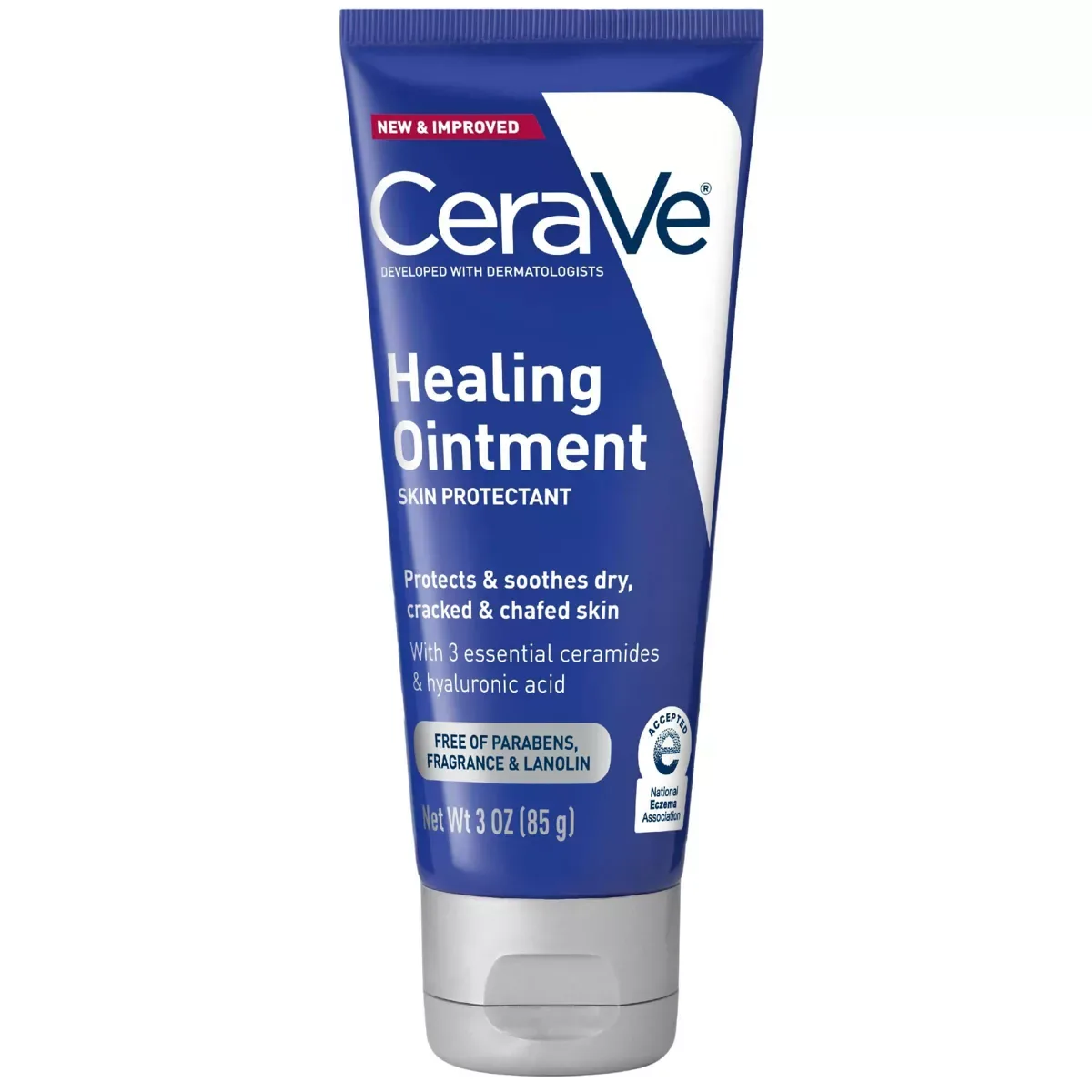
 Healing Ointment
CeraVe's Healing Ointment takes the simplest concept in skincare — seal the skin with petrolatum — and makes it genuinely intelligent by adding ceramides, hyaluronic acid, and panthenol beneath the occlusive layer. It is the gold standard drugstore occlusive for barrier rescue, slugging, and post-procedure care.
 Derm Office Staple
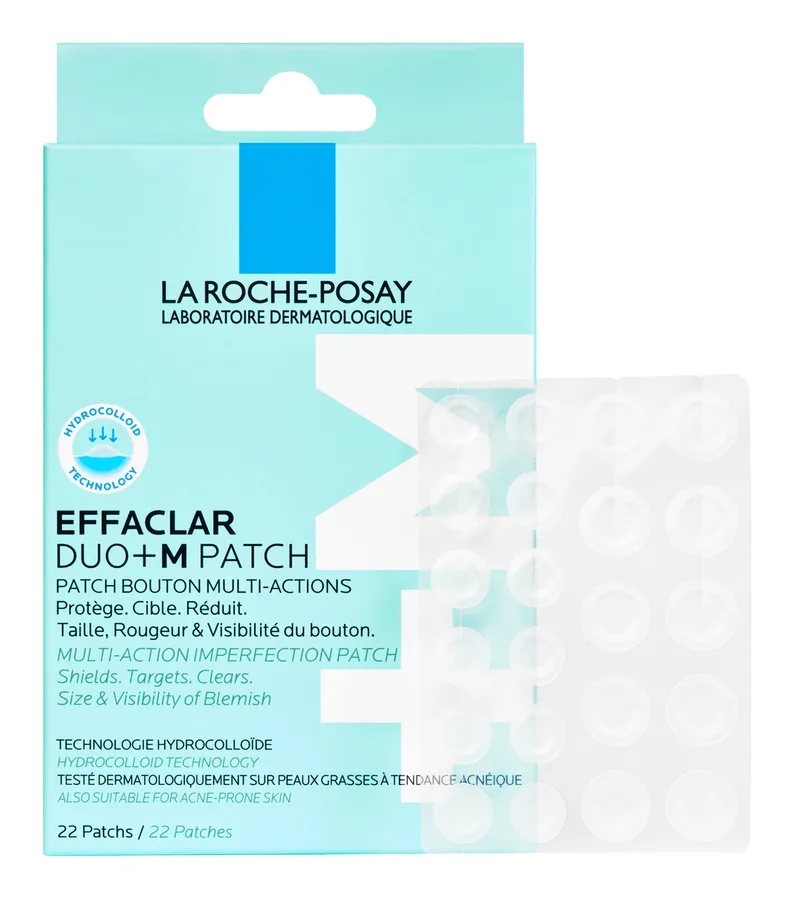
 Effaclar Multi-Target Blemish Patches
One of the few hydrocolloid pimple patches that actually stays on overnight without curling off at 3am. At 420 microns thick with two size options in one pack and zero actives to irritate sensitive skin, this is the Effaclar line's quiet overachiever — and a legitimately good answer for anyone whose acne routine has been sabotaged by thinner patches that refuse to stay put.
 Reactive-Skin Cult Favorite
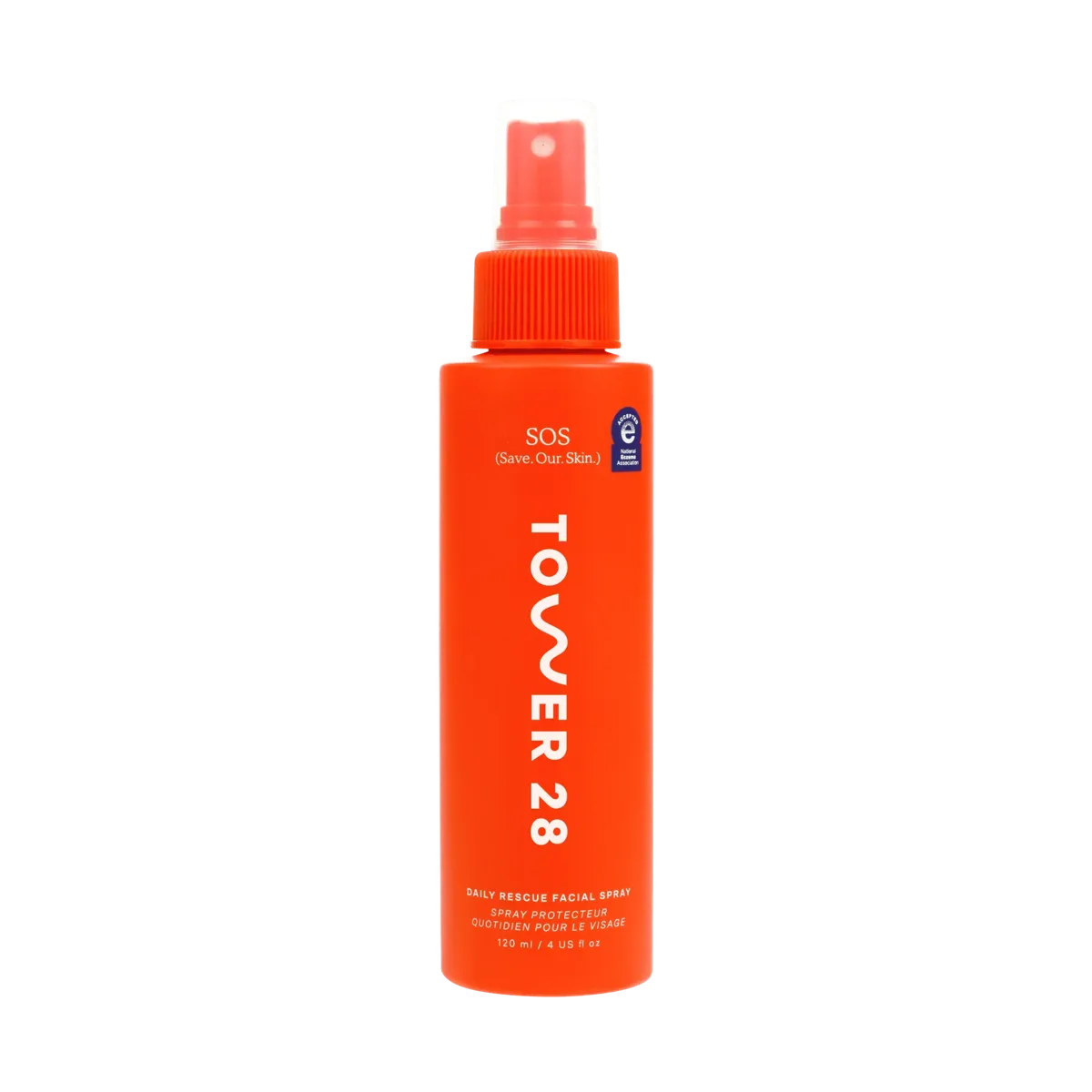
 SOS Save Our Skin Daily Rescue Facial Spray
The product that single-handedly brought hypochlorous acid into mainstream skincare. A fine-mist HOCl spray with genuine dermatology-organization validation, a near-perfect tolerability profile, and a cult following among people whose skin reacts to everything else. The price runs steeper than medical-grade HOCl, but the stabilization and design are worth the difference for daily use.

Mighty Patch Invisible+
The pimple patch that proved acne treatment could be invisible — Mighty Patch Invisible+ delivers the same fluid-absorbing hydrocolloid technology as the category-defining Original, but engineered thin enough to disappear under makeup. For daytime blemish management, nothing else comes this close to invisible.
 Post-Procedure MVP
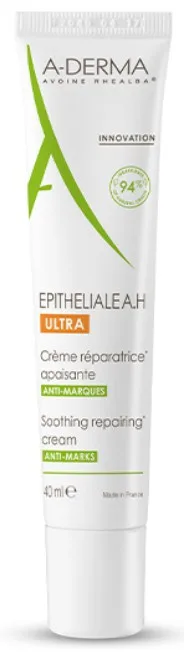
 Epitheliale A.H Ultra Repairing Cream
One of the best-formulated French pharmacy repair creams on the market, full stop. Rhealba oat, three-weight HA, madecassoside, trace minerals, panthenol, and shea butter come together in a cream that handles post-procedure skin, eczema flares, friction damage, and compromised barriers with unusual competence for the price.
 Pigmentation Specialist Pick
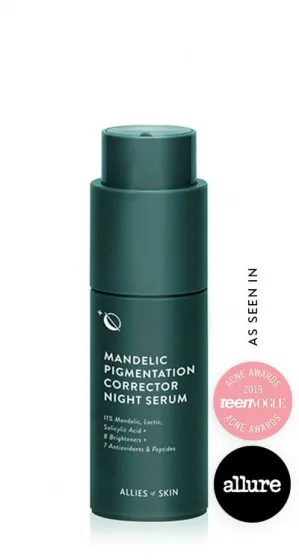
 Mandelic Pigmentation Corrector Night Serum
One of the most thoughtfully formulated pigmentation serums on the market. Mandelic acid leads, but the real story is the supporting cast — tranexamic acid, azelaic acid, niacinamide, and bakuchiol attacking hyperpigmentation through five different pathways. Specifically formulated to be safe on melanin-rich skin and it shows.