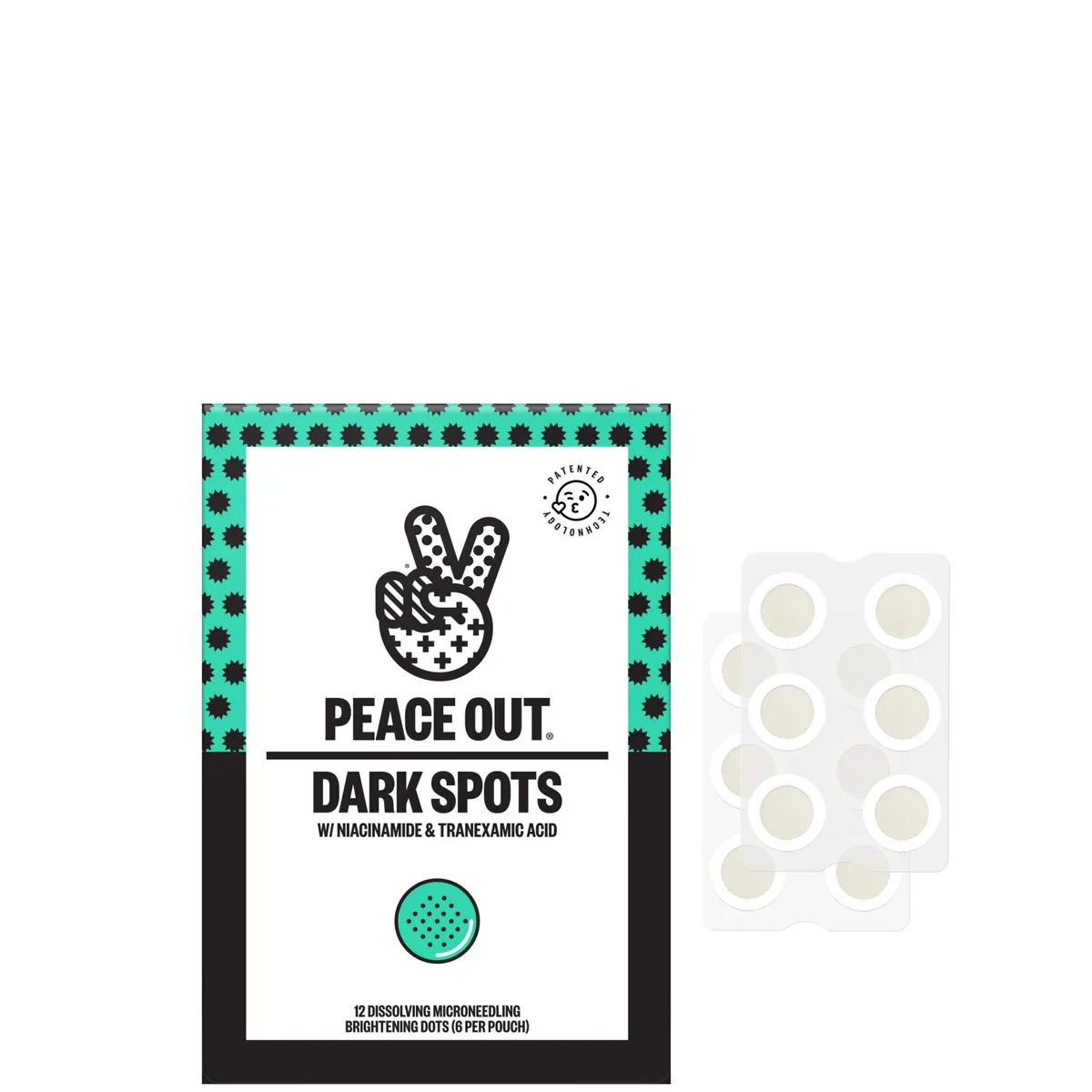
An innovative delivery format that puts clinically respected brightening ingredients — tranexamic acid, niacinamide, arbutin, and licorice — directly past the skin barrier via dissolving microneedles. The science behind the delivery is compelling, but at $28 for 12 small dots, the cost-per-dark-spot adds up fast, and results require weeks of patient, consistent application.
Dark Spots Brightening Dots
An innovative delivery format that puts clinically respected brightening ingredients — tranexamic acid, niacinamide, arbutin, and licorice — directly past the skin barrier via dissolving microneedles. The science behind the delivery is compelling, but at $28 for 12 small dots, the cost-per-dark-spot adds up fast, and results require weeks of patient, consistent application.
Score Breakdown
Where this product gains points and where it loses them — broken down across the four scoring pillars.
A clever delivery format with a well-chosen brightening ingredient complex, though the cost per treatment is high and the limited patch count means treating multiple dark spots gets expensive quickly.
Pros & Cons
- ✓Dissolving microneedle technology delivers brightening actives past the stratum corneum barrier
- ✓Four-ingredient brightening complex targets melanin production at multiple pathway points
- ✓Exceptionally clean formula — fragrance-free, vegan, cruelty-free, and fungal-acne-safe
- ✓Gentle enough for sensitive skin with no irritation risk from the ingredient profile
- ✓Pregnancy-safe brightening option without hydroquinone or retinoids
- ✓Targeted treatment allows focused delivery to individual dark spots
- ✗At $28 for 12 dots, cost per treatment adds up quickly for multiple dark spots
- ✗Small patch size limits usefulness for large areas of hyperpigmentation or diffuse melasma
- ✗Results require 4-8 weeks of consistent use — not a quick fix
- ✗Patches can shift or detach during overnight wear for some users
- ✗Limited clinical evidence on the microneedling patch format specifically versus topical application
Full Review
Dissolving microneedle patches started in pharmaceutical research labs, where scientists were looking for painless alternatives to hypodermic needles for drug and vaccine delivery. The core idea is elegantly simple: form active ingredients into microscopic needles made of a biocompatible material like hyaluronic acid, press them against skin, and let them dissolve — carrying their payload past the stratum corneum without the mess, pain, or infection risk of traditional needles. Peace Out Skincare took that technology and asked a very different question: what if we used it to deliver brightening ingredients directly into a dark spot?
The result is a product that occupies a genuinely novel space in skincare. These are not hydrocolloid patches — Peace Out's original claim to fame. Each Brightening Dot is studded with 430 tiny crystallized needles made primarily of sodium hyaluronate, loaded with a four-ingredient brightening complex: tranexamic acid, niacinamide, arbutin, and licorice root extract. When you press the dot onto a dark spot, the needles create microchannels in the outermost skin layer and begin dissolving, depositing those actives directly where they need to work.
The ingredient selection is genuinely smart. Tranexamic acid has become one of dermatology's rising stars for hyperpigmentation treatment — it works by inhibiting the plasminogen pathway that connects inflammation to melanin overproduction, which is why it is particularly effective on post-inflammatory dark spots. Niacinamide blocks melanosome transfer, preventing existing melanin from reaching the surface. Arbutin inhibits tyrosinase, the enzyme that catalyzes melanin synthesis. And licorice root extract adds yet another tyrosinase-inhibiting compound (glabridin) with anti-inflammatory properties. Four ingredients, four different intervention points on the pigmentation cascade. It is a thoughtfully designed brightening cocktail.
The application experience is distinctive. You feel the microneedles immediately — a mild prickling sensation that confirms something is actually making contact with your skin beyond just a sticker. It is not painful, but it is clearly not nothing, either. That sensation fades within 10-15 minutes as the needles dissolve, and after that, you are wearing what feels like a standard thin patch. Most users leave them on overnight, though the manufacturer suggests a minimum of two to four hours.
Here is where expectations need calibrating. This is not a one-and-done treatment. Dark spots develop over weeks or months of melanin accumulation, and reversing that process takes time regardless of the delivery method. Users who see meaningful results typically report improvement after four to eight weeks of applying dots to the same spot two to three times per week. That is consistent with the timeline for topical tranexamic acid and niacinamide — the microneedle delivery may improve ingredient penetration, but it does not accelerate the biological timeline of melanin turnover.
The value proposition is where this product gets tricky. Twelve dots for $28 means each treatment costs roughly $2.33. If you have one small dark spot and treat it three times a week, a single package lasts about four weeks — manageable. But if you have three or four spots, or if your hyperpigmentation covers a larger area than a single dot can reach, costs escalate quickly. You could spend $28 on a full bottle of tranexamic acid serum that treats your entire face for months. The microneedle delivery advantage is real — direct epidermal penetration versus stratum corneum barrier filtering — but whether that advantage justifies a ten-fold price increase per treatment area is a personal calculation.
The format itself has inherent limitations. Each dot is small and circular, designed for discrete, coin-sized dark spots. Post-acne marks and small sun spots are ideal targets. Diffuse hyperpigmentation, large melasma patches, or irregularly shaped discoloration? These dots simply cannot cover the territory. You are paying for precision targeting, which means the product works best when the problem is precisely defined.
What Peace Out has gotten unambiguously right is the ingredient profile. The formula is clean to a degree that is almost remarkable for a treatment product — no fragrance, no alcohol, no silicones, no parabens, cruelty-free, vegan, and even fungal-acne-safe. The supporting ingredients (trehalose, glycerin, green tea, ginger root) are soothing and hydrating without any irritation risk. This is a product that genuinely should not cause problems for any skin type, which is no small feat for a treatment targeting hyperpigmentation.
As an emerging brand founded in 2017, Peace Out lacks the decades of clinical validation that legacy skincare brands carry. But the individual ingredients in this formula are well-established, and the microneedle delivery technology has legitimate pharmaceutical research behind it. The innovation is in the application, not in unproven chemistry. For targeted post-acne marks and small dark spots, this is one of the most interesting delivery formats available. Just budget accordingly.
Formula
Key Ingredients
The hero actives that drive this product's performance.
| Ingredient | Function | Evidence |
|---|---|---|
| Tranexamic Acid | Delivered directly into skin via dissolving microneedles, tranexamic acid inhibits plasminogen activator to reduce melanin production. The microneedle delivery bypasses the stratum corneum barrier, potentially achieving deeper penetration than topical serums — which is the core innovation of this format. | well-established |
| Niacinamide | Inhibits melanosome transfer from melanocytes to keratinocytes, working at a different step in the pigmentation pathway than the tranexamic acid and arbutin. The microneedle delivery system ensures the niacinamide reaches beyond the surface where topical formulations sometimes struggle to penetrate effectively. | well-established |
| Arbutin | A natural tyrosinase inhibitor derived from bearberry that suppresses melanin synthesis at the enzymatic level. In this patch, it provides a third brightening mechanism alongside the niacinamide and tranexamic acid, creating a multi-pathway approach to dark spot treatment. | well-established |
| Sodium Hyaluronate | Forms the structural backbone of the dissolving microneedles themselves. As the needles dissolve in the skin, the hyaluronic acid delivers intensive hydration directly into the treatment zone while simultaneously carrying the brightening actives deeper into the epidermis. | well-established |
| Glycyrrhiza Glabra (Licorice) Root Extract | Contains glabridin, which inhibits tyrosinase and provides anti-inflammatory activity that helps calm post-inflammatory hyperpigmentation. In this four-ingredient brightening complex, it adds a botanical pathway with one of the strongest safety profiles among skin-lightening agents. | well-established |
Full INCI List
Water, Sodium Hyaluronate, Cellulose Gum, Trehalose, Glycerin, Niacinamide, Propanediol, Arbutin, Tranexamic Acid, Zingiber Officinale (Ginger) Root Extract, Glycyrrhiza Glabra (Licorice) Root Extract, Camellia Sinensis Leaf Extract, Caprylyl Glycol, Ethylhexylglycerin, 1,2-Hexanediol
Product Flags
✓ Fragrance Free✓ Alcohol Free✓ Oil Free✓ Silicone Free✓ Paraben Free✓ Sulfate Free✓ Cruelty Free✓ Vegan✓ Fungal Acne Safe
Compatibility
Skin Match
Best For
Works For
Not Ideal For
Addresses These Conditions
hyperpigmentation dark spots acne scarring
Use With Caution
Routine Step
treatment
Time of Day
PM
Pregnancy Safe
Yes ✓
Layering Tips
Apply directly to clean, dry skin over dark spots before any serums or moisturizers. The microneedles need direct contact with bare skin to dissolve properly. Leave on overnight or for at least 2-4 hours. Remove in the morning and continue with your regular skincare routine.
Results Timeline
Initial hydration plumping visible immediately after removal. Gradual dark spot lightening begins around 2-4 weeks of consistent use (2-3 times per week). Significant improvement in post-inflammatory hyperpigmentation typically seen after 6-8 weeks.
Pairs Well With
gentle cleansermoisturizer over topsunscreen the following morning
Conflicts With
strong exfoliants on the same arearetinoids directly under the patch
Sample AM Routine
- Gentle cleanser
- Remove patch
- Vitamin C serum
- Moisturizer
- Sunscreen
Sample PM Routine
- Cleanse skin
- Apply THIS PRODUCT to dark spots
- Moisturizer around patches
Evidence
Who Should Skip
- At $28 for 12 dots, cost per treatment adds up quickly for multiple dark spots
- Small patch size limits usefulness for large areas of hyperpigmentation or diffuse melasma
- Results require 4-8 weeks of consistent use — not a quick fix
- Patches can shift or detach during overnight wear for some users
Science & Expert Perspective
The Science
Tranexamic acid's efficacy in treating hyperpigmentation is supported by growing dermatological evidence. Originally used as a hemostatic agent, tranexamic acid was found to inhibit UV-induced plasmin activity in keratinocytes, which reduces the signaling cascade that triggers melanocyte overactivity. A 2012 randomized controlled trial by Ebrahimi and Naeini, published in the Journal of Research in Medical Sciences, demonstrated that topical tranexamic acid significantly reduced melasma severity when applied twice daily for 12 weeks.
The dissolving microneedle delivery format adds a penetration advantage to these actives. Research by Prausnitz and colleagues has demonstrated that microneedles in the 200-800 micrometer range can reliably penetrate the stratum corneum — the 10-15 micrometer barrier that limits absorption of most topical products — without reaching the nerve-rich dermis that would cause pain. A 2019 study in the Journal of Controlled Release showed that hyaluronic acid-based dissolving microneedles achieved significantly higher transdermal delivery of loaded actives compared to conventional topical application.
Niacinamide's role in hyperpigmentation treatment is well-established through the work of Hakozaki et al. (2002, British Journal of Dermatology), who demonstrated that niacinamide reduces melanosome transfer by up to 68% at 5% concentration. Arbutin's tyrosinase inhibition has been documented across multiple studies, with Sugimoto et al. (2004, Biological and Pharmaceutical Bulletin) confirming its dose-dependent melanin suppression in human melanocyte cultures.
References
- The effects of topical tranexamic acid on melasma: a randomized controlled trial — Journal of Research in Medical Sciences (2012)
- The effect of niacinamide on reducing cutaneous pigmentation and suppression of melanosome transfer — British Journal of Dermatology (2002)
Dermatologist Perspective
Dermatologists increasingly recognize tranexamic acid as a valuable tool for hyperpigmentation management, particularly for melasma and post-inflammatory hyperpigmentation where traditional agents like hydroquinone carry side effect concerns with long-term use. Board-certified dermatologists note that the microneedle delivery format is theoretically sound — bypassing the stratum corneum barrier should improve active ingredient bioavailability at the target site. However, dermatologists also caution that the clinical evidence for this specific delivery format in skincare applications is still emerging, and that topical tranexamic acid serums applied broadly may treat more surface area more cost-effectively. This product is most commonly recommended by dermatologists as a complementary targeted treatment for individual post-acne marks rather than a primary treatment for diffuse hyperpigmentation.
Guidance
Usage Guide
How to Use
Cleanse and thoroughly dry the skin. Do not apply any serums, oils, or moisturizers to the target area first — the microneedles need direct skin contact to dissolve properly. Peel a dot from its backing sheet and press firmly onto the dark spot for 10-15 seconds to ensure the microneedles make full contact. Leave on for a minimum of 2-4 hours, ideally overnight. Remove in the morning and follow with your regular skincare routine including sunscreen. Use 2-3 times per week on the same spot for best results.
Value Assessment
At $28 for 12 dots, the per-treatment cost is approximately $2.33. For a single small dark spot treated three times weekly, one package lasts about a month — reasonable for a specialty targeted treatment. However, the economics shift dramatically for anyone with multiple spots: treating three spots three times weekly burns through a package in under two weeks, pushing monthly costs toward $60+. A full-size tranexamic acid serum covering the entire face costs less per month. The microneedle delivery offers a genuine penetration advantage over topical application, but whether that advantage justifies the price premium depends on how many spots need treatment and how disciplined you are about targeting specific areas rather than general application.
Who Should Buy
This is best suited for anyone with discrete, well-defined post-acne marks or small sun spots who wants a targeted treatment with superior ingredient delivery. It is ideal for those who find topical brightening serums too slow or want to boost their existing brightening routine with enhanced penetration at specific problem areas.
Who Should Skip
If you have widespread hyperpigmentation, large melasma patches, or multiple dark spots across a broad area, a topical tranexamic acid serum will cover more territory at a lower cost. Budget-conscious consumers who need to treat more than one or two spots should consider whether the microneedle delivery premium is justified versus a full-size brightening serum.
Ready to try Peace Out Skincare Dark Spots Brightening Dots?
Details
Details
Texture
Thin, flexible patches with a surface of tiny dissolving microneedles. A slight prickling sensation upon application as the needles contact skin — painless but noticeable.
Scent
Completely unscented.
Packaging
Individual dots on a backing sheet inside a sealed pouch. Clean, minimal packaging consistent with Peace Out's modern aesthetic.
Finish
invisible
What to Expect on First Use
Applying the dots produces a mild tingling or prickling sensation for the first 10-15 minutes as the hyaluronic acid microneedles begin dissolving into the skin. This is normal and subsides quickly. The patch adheres to skin and stays put for most users overnight. Upon removal, the treated area may appear slightly plumped and hydrated.
How Long It Lasts
2-4 weeks using 2-3 dots per session, 2-3 times per week
Period After Opening
24 months
Best Season
All Year
Certifications
cruelty-freevegan
Background
The Why
Peace Out built its reputation on acne-targeting hydrocolloid patches before expanding into microneedling technology. The Dark Spots Brightening Dots represent the brand's evolution from simple wound-dressing-inspired patches to a more sophisticated delivery platform, leveraging dissolving microneedle technology originally developed for pharmaceutical applications like vaccine delivery.
About Peace Out Skincare Emerging Brand (2–5 years)
Peace Out Skincare was founded in 2017 by Enrico Frezza and quickly gained traction at Sephora with its acne-targeting hydrocolloid patches. The brand has expanded into microneedling patch technology and secured $20 million in growth investment. While popular and innovative in format, the brand's track record is limited compared to established clinical skincare lines.
Brand founded: 2017 · Product launched: 2020
Myth vs. Reality
Myths & Misconceptions
Myth
Microneedling patches are just regular patches with a gimmick — the needles don't actually penetrate the skin.
Reality
The 430 microneedles on each dot are made of crystallized sodium hyaluronate and dissolve upon contact with skin moisture. Research on dissolving microneedle patches has demonstrated measurable penetration into the epidermis, delivering active ingredients below the stratum corneum where topical products often cannot reach.
Myth
You can just use a regular tranexamic acid serum and get the same results.
Reality
Topical serums face the stratum corneum barrier, which limits how much active ingredient reaches the target cells. The microneedle format physically bypasses this barrier, potentially delivering a higher concentration of actives to the precise location of hyperpigmentation. Whether this translates to faster or better results than serums depends on the individual and the severity of the dark spot.
FAQ
Frequently Asked Questions
Do Peace Out Dark Spots Brightening Dots actually work?
Many users report visible lightening of dark spots after 4-8 weeks of consistent use. The dissolving microneedle technology delivers tranexamic acid, niacinamide, and arbutin directly into the epidermis, bypassing the skin barrier that limits topical absorption. Results vary — post-inflammatory hyperpigmentation from acne tends to respond better than deeper melasma or sun-induced lentigines.
How often should I use Peace Out Dark Spots Brightening Dots?
Apply 2-3 times per week on the same dark spot for best results. Apply to clean, dry skin before serums or moisturizers so the microneedles can dissolve directly into the skin. Leave on for at least 2-4 hours or overnight.
Do Peace Out Dark Spots patches hurt?
Most users describe a mild tingling or prickling sensation for the first 10-15 minutes as the microneedles dissolve. The sensation is noticeable but not painful — significantly less intense than professional microneedling treatments. The feeling subsides as the hyaluronic acid needles fully dissolve.
Can I use Peace Out Dark Spots dots with retinol?
Avoid applying retinol directly under the patch, as the microneedle penetration could intensify retinol irritation. You can use retinol on the rest of your face and apply the dot to the dark spot area, or alternate nights between retinol and patch use.
Are Peace Out Dark Spots Brightening Dots safe during pregnancy?
Yes. The formula contains niacinamide, tranexamic acid, arbutin, and botanical extracts — none of which are contraindicated during pregnancy. There are no retinoids, hydroquinone, or other pregnancy-restricted ingredients. This makes these dots a useful targeted treatment for pregnancy-related melasma.
Community
Community Voices
Common Praise
"Noticeable dark spot lightening with consistent use"
"Easy and convenient to apply"
"Gentle with no irritation"
"Feels like the microneedles are actually doing something"
"Good for post-acne marks"
Common Complaints
"Expensive for only 12 dots per package"
"Results take several weeks to become visible"
"Patches can shift or fall off during sleep"
"Hard to treat large or irregularly shaped dark spots"
"Some users see no improvement"
Notable Endorsements
Sephora exclusive launchFeatured in multiple beauty publications
Appears In
best treatment for dark spots best dark spot patches best treatment for hyperpigmentation best treatment for acne
Related Conditions
hyperpigmentation dark spots acne scarring melasma
Related Ingredients
tranexamic acid niacinamide arbutin hyaluronic acid licorice root
You Might Also Like
 Barrier Rescue Hero
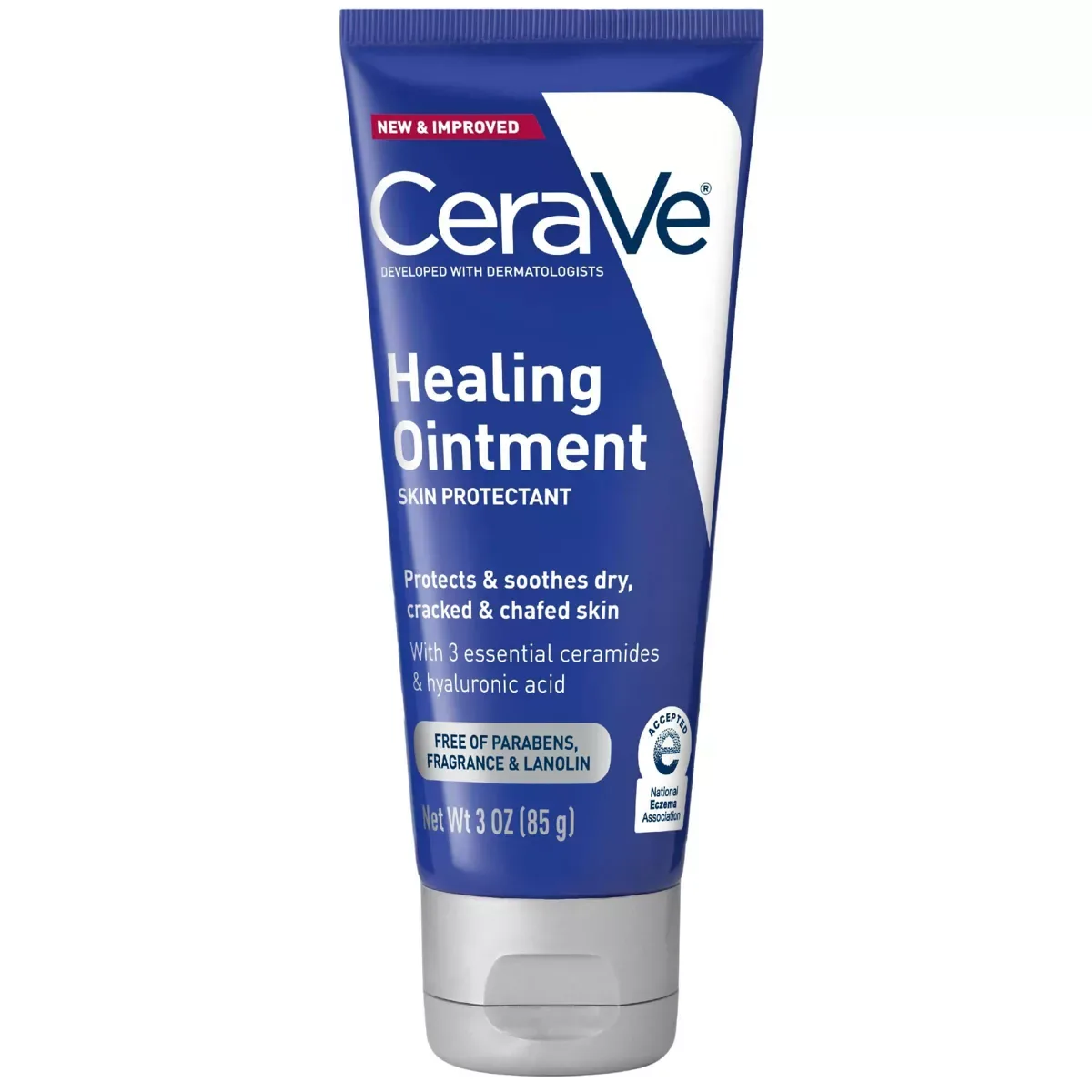
 Healing Ointment
CeraVe's Healing Ointment takes the simplest concept in skincare — seal the skin with petrolatum — and makes it genuinely intelligent by adding ceramides, hyaluronic acid, and panthenol beneath the occlusive layer. It is the gold standard drugstore occlusive for barrier rescue, slugging, and post-procedure care.
 Derm Office Staple
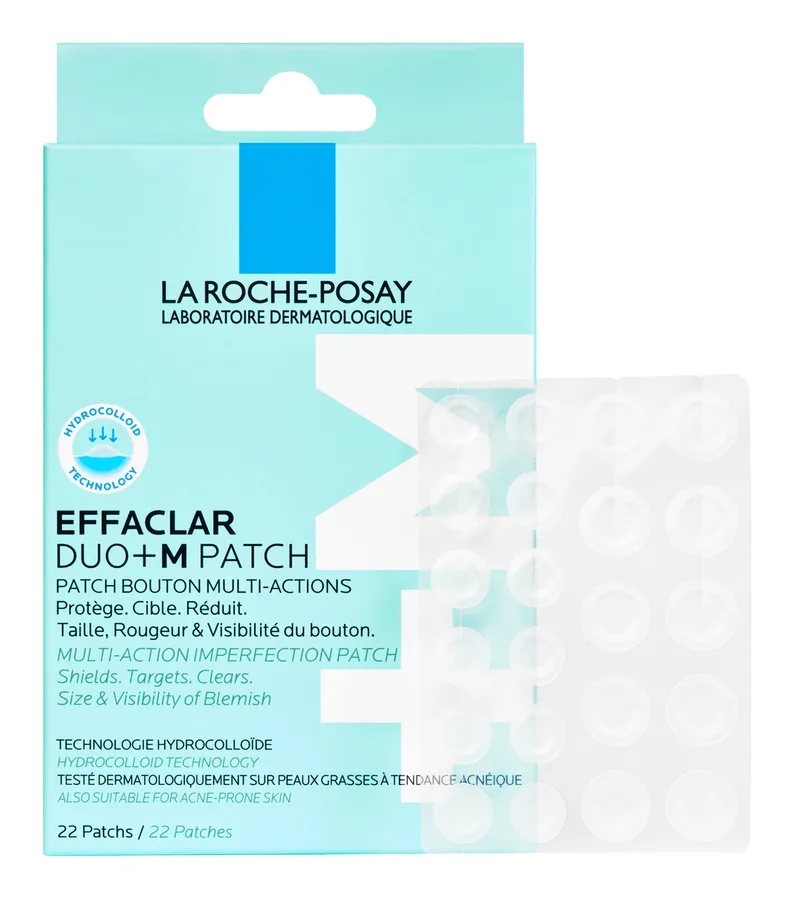
 Effaclar Multi-Target Blemish Patches
One of the few hydrocolloid pimple patches that actually stays on overnight without curling off at 3am. At 420 microns thick with two size options in one pack and zero actives to irritate sensitive skin, this is the Effaclar line's quiet overachiever — and a legitimately good answer for anyone whose acne routine has been sabotaged by thinner patches that refuse to stay put.
 Reactive-Skin Cult Favorite
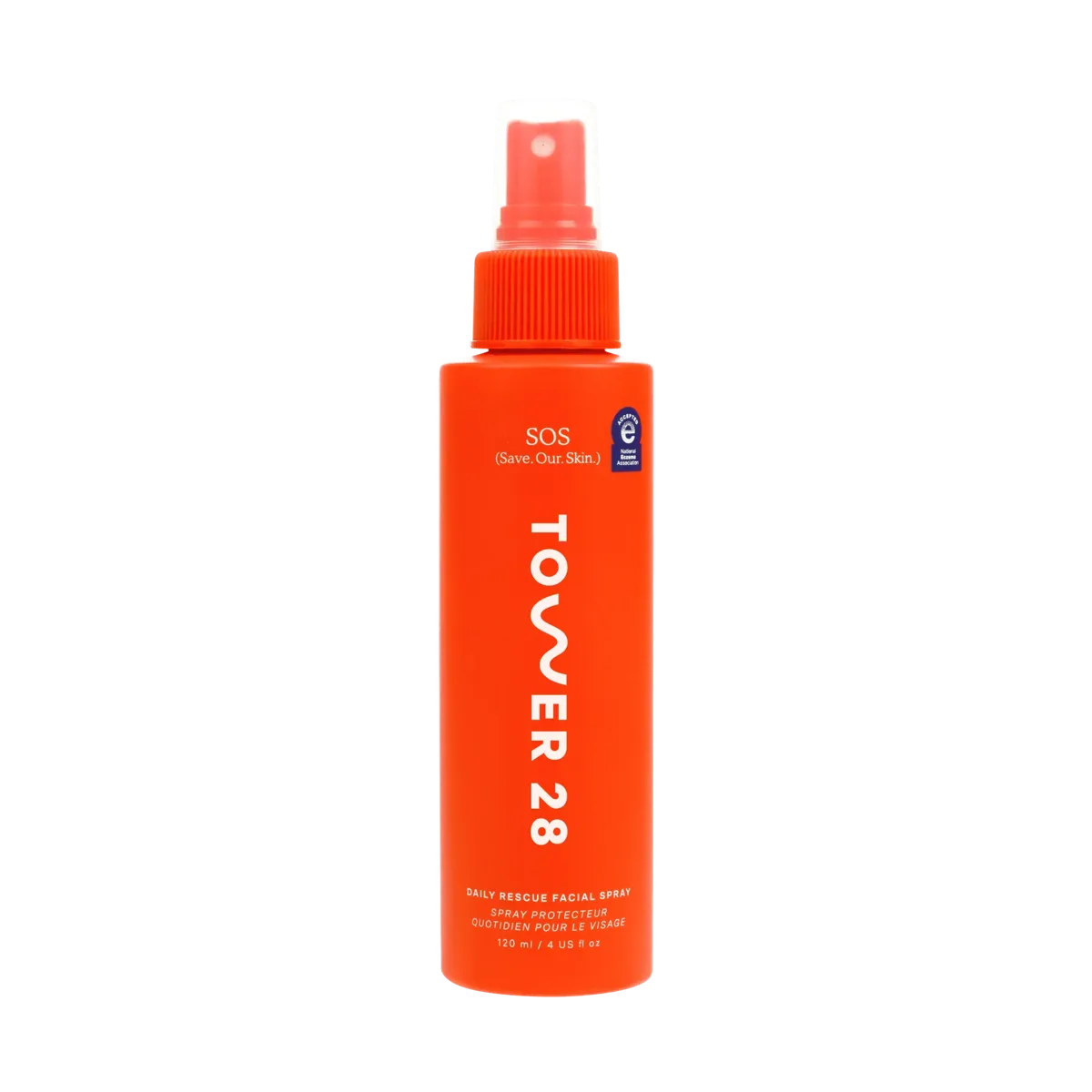
 SOS Save Our Skin Daily Rescue Facial Spray
The product that single-handedly brought hypochlorous acid into mainstream skincare. A fine-mist HOCl spray with genuine dermatology-organization validation, a near-perfect tolerability profile, and a cult following among people whose skin reacts to everything else. The price runs steeper than medical-grade HOCl, but the stabilization and design are worth the difference for daily use.
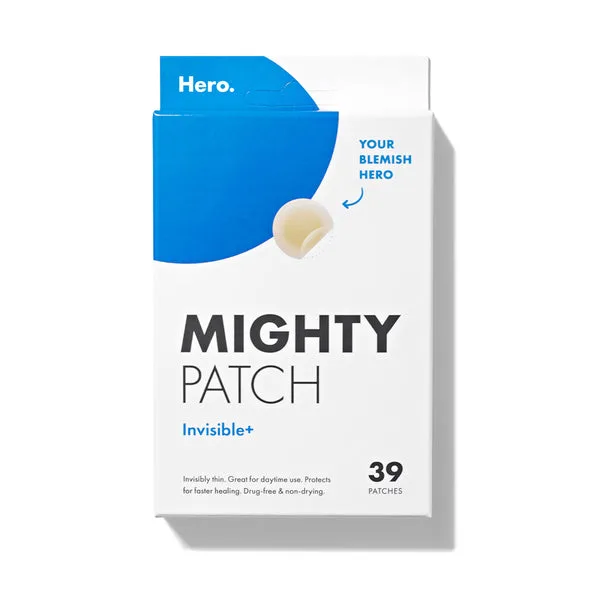
Mighty Patch Invisible+
The pimple patch that proved acne treatment could be invisible — Mighty Patch Invisible+ delivers the same fluid-absorbing hydrocolloid technology as the category-defining Original, but engineered thin enough to disappear under makeup. For daytime blemish management, nothing else comes this close to invisible.
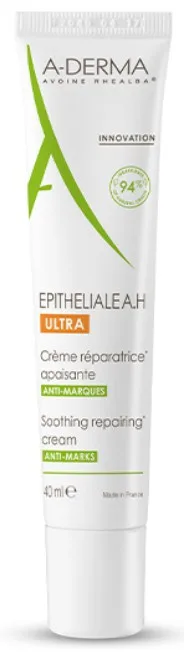 Post-Procedure MVP
 Epitheliale A.H Ultra Repairing Cream
One of the best-formulated French pharmacy repair creams on the market, full stop. Rhealba oat, three-weight HA, madecassoside, trace minerals, panthenol, and shea butter come together in a cream that handles post-procedure skin, eczema flares, friction damage, and compromised barriers with unusual competence for the price.
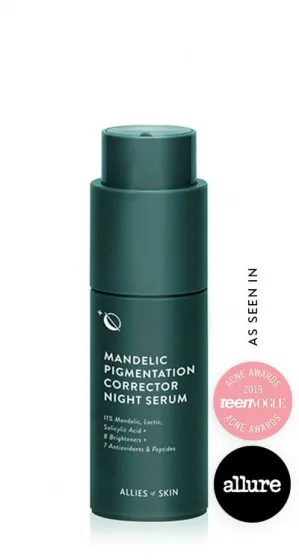 Pigmentation Specialist Pick
 Mandelic Pigmentation Corrector Night Serum
One of the most thoughtfully formulated pigmentation serums on the market. Mandelic acid leads, but the real story is the supporting cast — tranexamic acid, azelaic acid, niacinamide, and bakuchiol attacking hyperpigmentation through five different pathways. Specifically formulated to be safe on melanin-rich skin and it shows.
This review reflects our independent analysis of publicly available ingredient data, manufacturer claims, and verified user reviews. We are reader-supported — Amazon links may earn us a commission at no cost to you. We do not accept paid placements; rankings are based solely on the evidence.