
A single-minded mattifying product that does exactly one thing and does it convincingly — eliminate shine. The silicone-and-silica formula provides immediate pore-blurring and hours of oil control, but the narrow ingredient list and $35 price tag make it a tough sell for anyone who is not genuinely, persistently oily.
Max Anti-Shine Mattifying Gel
A single-minded mattifying product that does exactly one thing and does it convincingly — eliminate shine. The silicone-and-silica formula provides immediate pore-blurring and hours of oil control, but the narrow ingredient list and $35 price tag make it a tough sell for anyone who is not genuinely, persistently oily.
Score Breakdown
Where this product gains points and where it loses them — broken down across the four scoring pillars.
A highly effective mattifying product for its specific target audience — oily skin — but the narrow suitability and simple silicone-dominant formulation limit the overall score. Virtually zero irritation risk is a strength, but the ingredient list is basically a silicone primer with added silica.
Pros & Cons
- ✓Dramatically effective at eliminating shine for 4-8 hours on genuinely oily skin
- ✓Immediate visible pore minimization and smooth, blurred skin surface
- ✓Ultra-lightweight feel despite high silicone content — no greasy or heavy sensation
- ✓Fragrance-free with zero irritation risk for oily and acne-prone skin
- ✓Works beautifully as a primer that extends makeup wear time
- ✓A little goes a very long way — tube lasts 3-4 months of daily use
- ✗Ingredient list is almost entirely silicones — zero skincare actives or hydrating ingredients
- ✗Balls up and pills if over-applied or layered over heavy products
- ✗Completely useless for dry, normal, or even mildly oily skin types
- ✗Requires thorough double cleansing at night to fully remove silicone film
- ✗At $35 for 1 oz, the price is steep for such a simple formulation
Full Review
In a skincare market that cannot stop adding functions to everything — serums that moisturize and protect and brighten and firm — Peter Thomas Roth's Max Anti-Shine Mattifying Gel is an act of deliberate restraint. It does one thing. It eliminates shine. That is it. No anti-aging claims. No hydrating pretensions. No antioxidant virtue signaling. Just a clear tube of silicone engineering designed to make oily skin look matte for the next several hours.
The ingredient list is almost comically focused. Dimethicone leads, followed by cyclopentasiloxane, polysilicone-11, cyclomethicone, and cyclotetrasiloxane. That is five different silicones before you even reach the silica. If you are someone who reads INCI lists and counts silicones the way a nutritionist counts sugar on a food label, this product will make you flinch. But for its target audience — people whose T-zone is visibly shiny within an hour of washing their face — this ingredient list is not a red flag. It is a mission statement.
The mechanism is straightforward. The volatile silicones (cyclopentasiloxane, cyclomethicone) spread the formula evenly across the skin before evaporating, leaving behind a thin film of dimethicone and polysilicone-11 that fills pores and creates a smooth, blurred surface. The silica microspheres embedded in this film act as ongoing oil absorbers, soaking up sebum as it reaches the surface before it can create visible shine. It is both a primer and a blotting paper, built into one product.
Application requires respect for the product's temperament. A pea-sized amount covers the entire face. The gel is clear, feather-light, and disappears on contact. Within seconds, the skin looks matte and smooth — pores are visibly minimized, shine is gone, and there is an almost airbrushed quality to the surface. Touch your face and it feels like velvet. This immediate gratification is real and impressive.
The trap is using too much. Over-apply, and the silicones ball up — tiny rubbery pills that cling to the skin like eraser shavings. Layer it over a heavy moisturizer or an oil-based serum, and you get the same result. The fix is simple: less product, lighter layers underneath, patting instead of rubbing. Once you learn the technique, the application is effortless. But the learning curve costs some users their patience, and the one-star reviews tend to reflect application error rather than product failure.
For oily skin types, the performance is genuinely impressive. Shine stays controlled for four to eight hours depending on how aggressively your sebaceous glands are working. Makeup applied over the gel lasts longer and looks more polished. The T-zone stays matte through a full workday. For people who have spent years blotting, powdering, and reapplying, this kind of sustained oil control feels transformative.
For anyone who is not oily, this product has essentially nothing to offer. There are no humectants worth mentioning. No actives. No emollients beyond the silicone film itself. Dry skin types will find it emphasizes texture and flaking. Normal skin types will wonder why they bothered. Even combination skin types should apply it only to the oily zones, not the whole face. This is a specialist tool, not a universal product.
The price — thirty-five dollars for one ounce — is reasonable by prestige skincare standards but aggressive for what is functionally a silicone primer with added silica. The counter-argument is longevity: you need so little per application that the tube lasts three to four months of daily use, bringing the per-use cost under fifty cents. That math makes the value proposition look better.
Removal is the step most users neglect. A high-silicone product like this demands double cleansing at night — an oil-based cleanser to dissolve the silicone film, followed by a water-based cleanser to remove the residue. Skip this step regularly and you will eventually notice dullness and potential congestion. The product sits on top of your skin all day. It needs to come completely off at night.
Peter Thomas Roth positioned this in the Max line — the same collection that includes the Max Complexion Correction Pads — targeting the brand's most intensely oily customers. It is not trying to be everyone's product. It is trying to be the best product for a specific group of people with a specific problem. For that group, it delivers. For everyone else, the single-minded focus that makes it effective also makes it irrelevant.
Sometimes the most honest thing a product can do is know exactly who it is for and not apologize for who it is not.
Formula
Key Ingredients
The hero actives that drive this product's performance.
| Ingredient | Function | Evidence |
|---|---|---|
| Dimethicone | Listed first, making it the dominant ingredient. In this oil-control formula, dimethicone serves dual duty — filling in pores and fine lines for an instant smooth finish while creating a breathable barrier that prevents excess sebum from reaching the skin's surface. This is not the light dimethicone touch of a moisturizer; it is the heavy-lifting foundation of a dedicated mattifying product. | well-established |
| Silica | Microspheres of silica act as oil sponges, physically absorbing excess sebum throughout the day. In this silicone-dominant formula, silica provides the long-lasting mattifying power — the silicones smooth and blur, while the silica absorbs the oil that would otherwise break through. This one-two punch is what gives the product its all-day shine control claim. | well-established |
| Polysilicone-11 | A film-forming silicone that creates an elastic, pore-filling layer on the skin's surface. It is what gives this gel its primer-like blurring effect — pores appear to shrink as the polysilicone settles into the skin's topography and creates an optically smooth surface. | well-established |
| Cyclopentasiloxane and Cyclomethicone | Volatile silicones that serve as the delivery vehicle, spreading the heavier dimethicone and silica evenly across the skin before evaporating. They give the gel its lightweight, fast-absorbing feel despite the high silicone content — without them, the formula would feel heavy and greasy. | well-established |
Full INCI List
Dimethicone, Cyclopentasiloxane, Polysilicone-11, Cyclomethicone, Isododecane, Cyclotetrasiloxane, Butylene Glycol, Silica, Polyethylene, Water, Laureth-4
Product Flags
✓ Fragrance Free✓ Alcohol Free✓ Oil Free✗ Silicone Free✓ Paraben Free✓ Sulfate Free✗ Cruelty Free✓ Vegan✗ Fungal Acne Safe
Compatibility
Skin Match
Best For
Works For
Not Ideal For
Addresses These Conditions
Use With Caution
Avoid With
Routine Step
treatment
Time of Day
AM
Pregnancy Safe
Yes ✓
Layering Tips
Apply as the last skincare step before makeup. Use a small amount — a pea-sized amount covers the entire face. Pat gently into oily areas (T-zone, forehead, chin) rather than rubbing. Allow 1-2 minutes to set before applying makeup. Can also be applied over makeup during the day for touch-up oil control.
Results Timeline
Immediate: visible pore reduction and matte finish within seconds of application. 4-8 hours: sustained oil control depending on skin's sebum production. No cumulative or long-term oil-reducing benefits — this is a daily maintenance product.
Pairs Well With
Lightweight water-based moisturizer (apply before)Powder foundation or setting powder (enhances mattifying effect)Niacinamide serum (helps control oil production at the source)
Conflicts With
Heavy moisturizers applied underneath (can cause pilling)Oil-based serums (undermines the mattifying effect)
Sample AM Routine
- Gentle cleanser
- Lightweight moisturizer
- THIS PRODUCT (pat onto T-zone and oily areas)
- Makeup (optional)
Sample PM Routine
- Gentle cleanser (double cleanse to remove silicones)
- Niacinamide serum
- Moisturizer
Evidence
Who Should Skip
- Ingredient list is almost entirely silicones — zero skincare actives or hydrating ingredients
- Balls up and pills if over-applied or layered over heavy products
- Completely useless for dry, normal, or even mildly oily skin types
- Requires thorough double cleansing at night to fully remove silicone film
Science & Expert Perspective
The Science
The Max Anti-Shine Mattifying Gel relies on well-understood silicone chemistry rather than active ingredient innovation.
Dimethicone, the primary ingredient, is a linear polydimethylsiloxane that forms a breathable, non-occlusive film on the skin's surface. Unlike petrolatum-based occlusives, dimethicone's molecular structure allows water vapor to pass through while preventing excess oil from reaching the surface. Its large molecular size (typically 200-350 kDa) means it cannot penetrate the stratum corneum, making it non-comedogenic despite sitting on the skin's surface.
The volatile silicones — cyclopentasiloxane (D5) and cyclomethicone — function as spreading agents with exceptionally low surface tension, allowing the heavier dimethicone to distribute evenly across the skin's complex topography before evaporating completely. This is why the gel feels weightless despite its high silicone content — the volatile carriers leave, taking the heavy feel with them.
Silica microspheres are the key oil-absorbing component. Amorphous silica has an extremely high surface area relative to its volume, and its porous structure acts as a physical sponge for sebum. As the skin produces oil throughout the day, the silica particles absorb it before it can form a visible sheen on the surface. This continuous absorption mechanism is what provides the sustained mattifying effect beyond the initial silicone film.
Polysilicone-11 is an elastomeric silicone that fills in the physical depressions of pores and fine lines, creating a smoothed optical surface. It differs from standard dimethicone in its elastic, bouncy texture that adapts to facial movement without cracking or peeling.
There is no active ingredient in this formulation that addresses the biological cause of excess sebum production. The product manages oil at the surface level. For those seeking to reduce oil production itself, ingredients like niacinamide (which regulates sebaceous gland activity) would need to come from a separate product in the routine.
Dermatologist Perspective
Dermatologists recognize silicone-based mattifiers as safe, non-irritating options for oil management in patients with oily and acne-prone skin. Board-certified dermatologists note that dimethicone is one of the most well-tolerated topical ingredients, with an extensive safety record and non-comedogenic classification. However, dermatologists are quick to clarify that products like this manage symptoms rather than treating causes — they control surface shine without addressing the hormonal or genetic factors driving excess sebum production. For patients struggling with persistent oiliness, dermatologists typically recommend pairing a mattifying product with ingredients that actually regulate oil production, such as niacinamide or retinoids, for a more comprehensive approach. Thorough evening cleansing is emphasized to prevent silicone residue accumulation.
Guidance
Usage Guide
How to Use
Start with clean skin and a lightweight, water-based moisturizer if needed. Squeeze a pea-sized amount onto fingertips. Gently pat — do not rub — onto oily areas: T-zone, forehead, chin, and nose. Allow 1-2 minutes to set before applying makeup. For midday touch-ups, pat a tiny amount over makeup in shiny areas. At night, double cleanse with an oil-based cleanser first, then a water-based cleanser, to fully remove the silicone film.
Value Assessment
At $35 for 1 oz, the per-use cost is quite low — under 50 cents per application when using the small amount needed for daily T-zone coverage. The tube lasts 3-4 months, which makes the annual cost around $100-140 for daily oil control. While the ingredient list could be replicated by a far less expensive product, the specific texture and performance of this formulation are well-dialed. Drugstore mattifying products exist at lower price points, but many contain drying alcohols or have less elegant textures. For dedicated oily-skin sufferers who have cycled through cheaper options, the PTR version may justify its premium through superior wearability.
Who Should Buy
Anyone with genuinely oily skin who needs reliable, all-day shine control without drying or irritating their face. Ideal as a makeup primer for oily skin types, and for anyone who has been frustrated by mattifying products that stop working by lunchtime.
Who Should Skip
Dry, normal, or mildly oily skin types will find this product unnecessary and potentially texture-emphasizing. Also skip if you prefer silicone-free skincare or if you are looking for a product that provides any skincare benefits beyond oil control.
Ready to try Peter Thomas Roth Max Anti-Shine Mattifying Gel?
Details
Details
Texture
Clear, lightweight gel that applies with a silky, almost dry-touch feel. Absorbs within seconds to an invisible, completely matte finish. Despite being nearly pure silicone, it feels surprisingly weightless on skin.
Scent
No scent — completely fragrance-free.
Packaging
Small squeeze tube with a pointed nozzle for controlled dispensing. The 1 oz size is standard for the product category but feels small for the price.
Finish
mattenon-greasyinvisible
What to Expect on First Use
Dispensing a tiny amount reveals a clear, silky gel that disappears almost instantly into the skin. The transformation is immediate — oily shine vanishes, pores blur, and the skin takes on a smooth, matte quality that looks airbrushed. There is no tingling, no fragrance, and no adjustment period. The challenge is learning the right amount — too much product causes visible clumping.
How Long It Lasts
3-4 months with daily use on the T-zone only
Period After Opening
12 months
Best Season
spring summer
Background
The Why
The Max Anti-Shine Mattifying Gel emerged from Peter Thomas Roth's observation that most oil-control products were either too drying (alcohol-based) or too cosmetic (just a primer). He wanted a product that controlled oil without stripping the skin and without pretending to be anything other than what it is — a high-performance mattifier for people whose skin produces more oil than they know what to do with.
About Peter Thomas Roth Established Brand (5–20 years)
Peter Thomas Roth was founded in 1993 by its namesake, inspired by his Hungarian family's spa heritage. The brand is the largest privately-owned prestige skincare company in the U.S. and is known for clinical-strength formulations available through Sephora, Ulta, and dermatologist offices worldwide.
Brand founded: 1993 · Product launched: 2009
Myth vs. Reality
Myths & Misconceptions
Myth
Silicone-heavy products clog pores and cause breakouts.
Reality
Dimethicone and cyclopentasiloxane are non-comedogenic and too large molecularly to penetrate pores. They sit on the skin's surface. The key is thorough removal at night — a double cleanse with an oil-based cleanser followed by a water-based cleanser ensures no silicone residue accumulates.
Myth
Mattifying products dry out your skin.
Reality
This gel contains no drying alcohols or astringents. The silicones create a breathable barrier that reduces surface shine without stripping moisture from the skin. However, it provides zero hydration — dry or dehydrated skin types should apply a lightweight moisturizer underneath.
FAQ
Frequently Asked Questions
Is the Peter Thomas Roth Max Anti-Shine Mattifying Gel a primer or a treatment?
It functions as both. The silicone base fills pores and creates a smooth canvas for makeup (primer function), while the silica microspheres absorb excess oil throughout the day (treatment function). Apply it as the last step of your skincare routine, before makeup.
How long does the mattifying effect last?
For most oily skin types, the shine-free effect lasts 4-8 hours. Very oily skin may need a midday touch-up — a small amount can be patted over makeup without disturbing it. The product does not provide cumulative oil reduction; it is a daily maintenance tool.
Can I use this on dry or combination skin?
This product is specifically formulated for oily skin and provides no hydration. On dry skin, it may emphasize dry patches and flaking. Combination skin types can use it selectively on the T-zone while applying moisturizer to dry areas, but there are better multi-purpose products for non-oily skin types.
Why does the product ball up or clump when I apply it?
Clumping occurs when too much product is applied or when layered over incompatible products (heavy creams, oil-based serums). Use a pea-sized amount for the entire face, apply to clean or lightly moisturized skin, and pat rather than rub. Allow each skincare layer to fully absorb before applying this gel.
Do I need to double cleanse to remove this product?
Yes — the high silicone content requires thorough removal. Start with an oil-based cleanser or micellar water to dissolve the silicone film, then follow with your regular water-based cleanser. Leaving silicone residue overnight can lead to dullness and potential congestion over time.
Community
Community Voices
Common Praise
"Dramatically controls oil and shine for hours"
"Makes pores virtually invisible as a primer"
"Lightweight feel despite heavy silicone content"
"Works beautifully under makeup without pilling"
Common Complaints
"Expensive for what is essentially a silicone primer"
"Can clump or ball up if over-applied or layered incorrectly"
"Does nothing for dry or combination skin types"
"Requires thorough double-cleansing to fully remove at night"
Appears In
best treatment for oiliness best treatment for large pores best mattifying product best primer for oily skin
Related Conditions
Related Ingredients
You Might Also Like
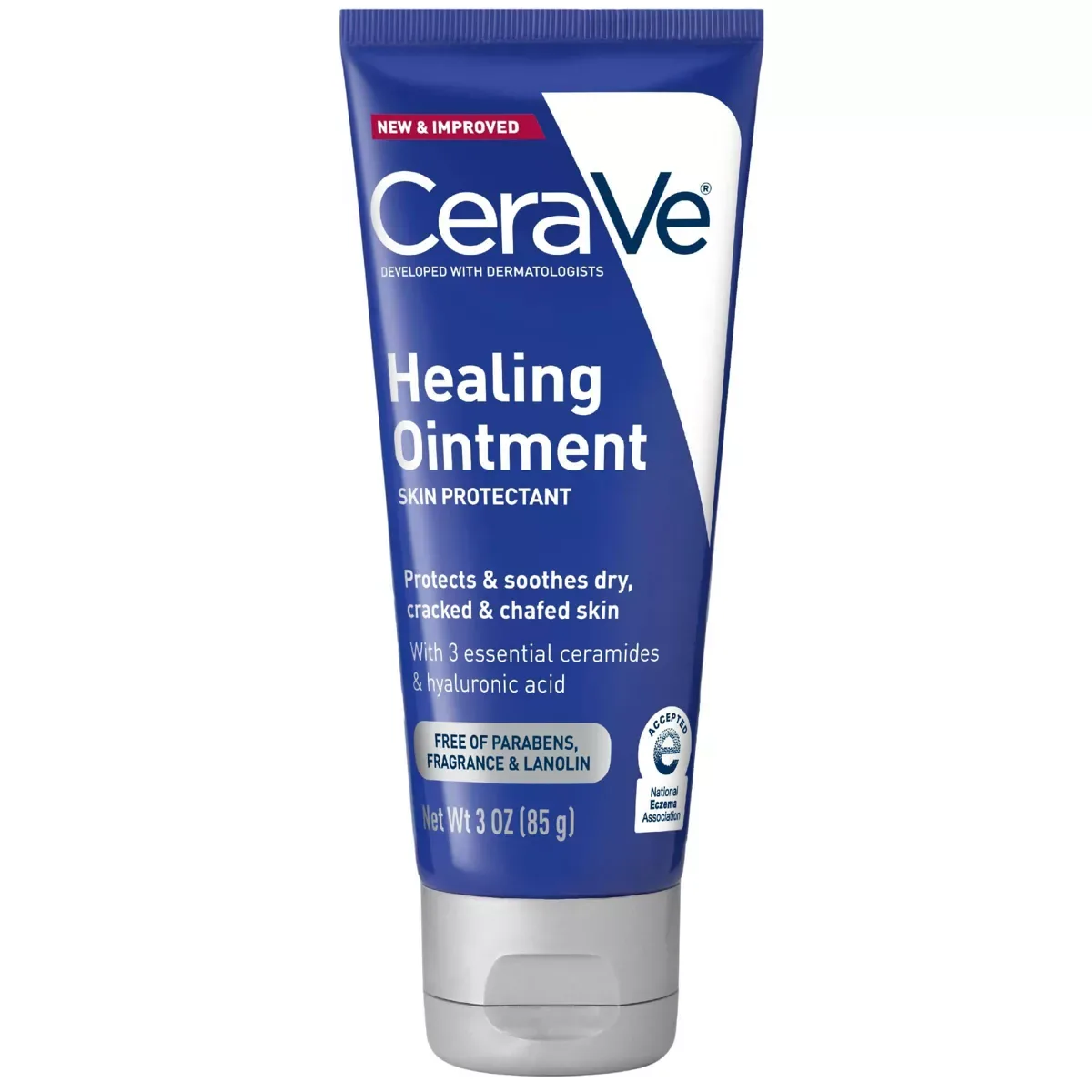 Barrier Rescue Hero
 Healing Ointment
CeraVe's Healing Ointment takes the simplest concept in skincare — seal the skin with petrolatum — and makes it genuinely intelligent by adding ceramides, hyaluronic acid, and panthenol beneath the occlusive layer. It is the gold standard drugstore occlusive for barrier rescue, slugging, and post-procedure care.
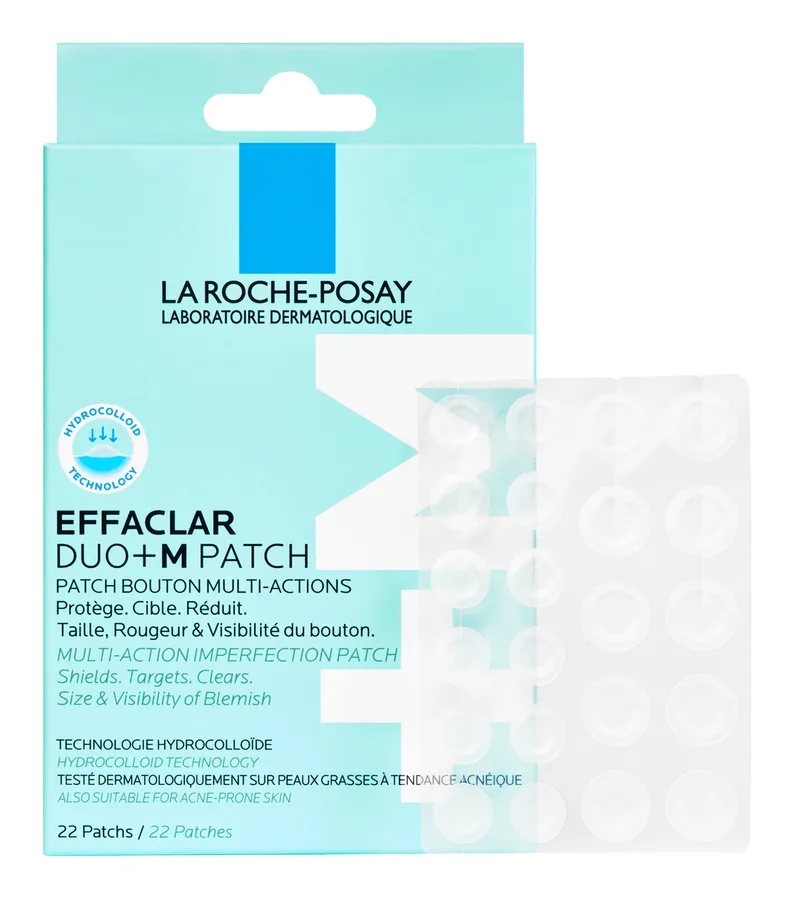 Derm Office Staple
 Effaclar Multi-Target Blemish Patches
One of the few hydrocolloid pimple patches that actually stays on overnight without curling off at 3am. At 420 microns thick with two size options in one pack and zero actives to irritate sensitive skin, this is the Effaclar line's quiet overachiever — and a legitimately good answer for anyone whose acne routine has been sabotaged by thinner patches that refuse to stay put.
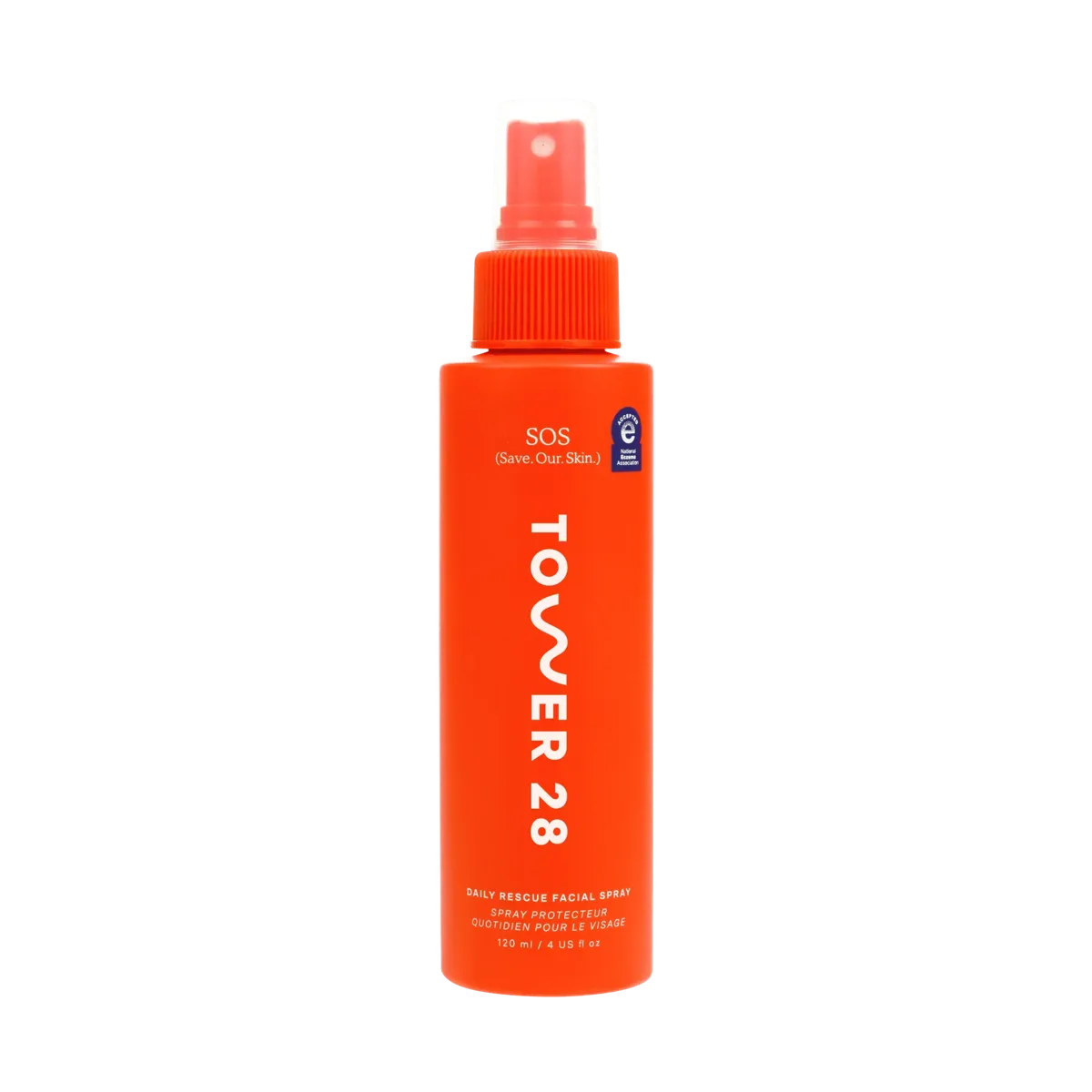 Reactive-Skin Cult Favorite
 SOS Save Our Skin Daily Rescue Facial Spray
The product that single-handedly brought hypochlorous acid into mainstream skincare. A fine-mist HOCl spray with genuine dermatology-organization validation, a near-perfect tolerability profile, and a cult following among people whose skin reacts to everything else. The price runs steeper than medical-grade HOCl, but the stabilization and design are worth the difference for daily use.
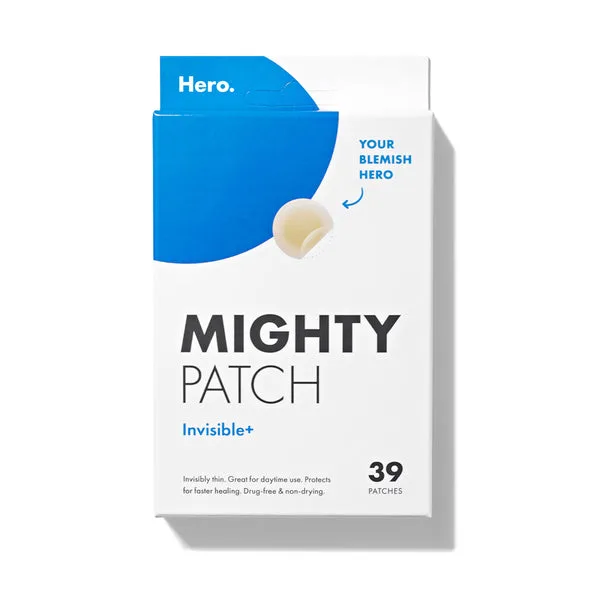
Mighty Patch Invisible+
The pimple patch that proved acne treatment could be invisible — Mighty Patch Invisible+ delivers the same fluid-absorbing hydrocolloid technology as the category-defining Original, but engineered thin enough to disappear under makeup. For daytime blemish management, nothing else comes this close to invisible.
 Post-Procedure MVP
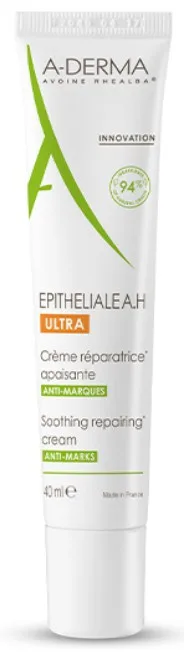
 Epitheliale A.H Ultra Repairing Cream
One of the best-formulated French pharmacy repair creams on the market, full stop. Rhealba oat, three-weight HA, madecassoside, trace minerals, panthenol, and shea butter come together in a cream that handles post-procedure skin, eczema flares, friction damage, and compromised barriers with unusual competence for the price.
 Pigmentation Specialist Pick
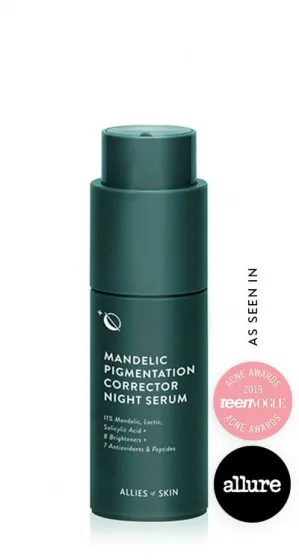
 Mandelic Pigmentation Corrector Night Serum
One of the most thoughtfully formulated pigmentation serums on the market. Mandelic acid leads, but the real story is the supporting cast — tranexamic acid, azelaic acid, niacinamide, and bakuchiol attacking hyperpigmentation through five different pathways. Specifically formulated to be safe on melanin-rich skin and it shows.
This review reflects our independent analysis of publicly available ingredient data, manufacturer claims, and verified user reviews. We are reader-supported — Amazon links may earn us a commission at no cost to you. We do not accept paid placements; rankings are based solely on the evidence.