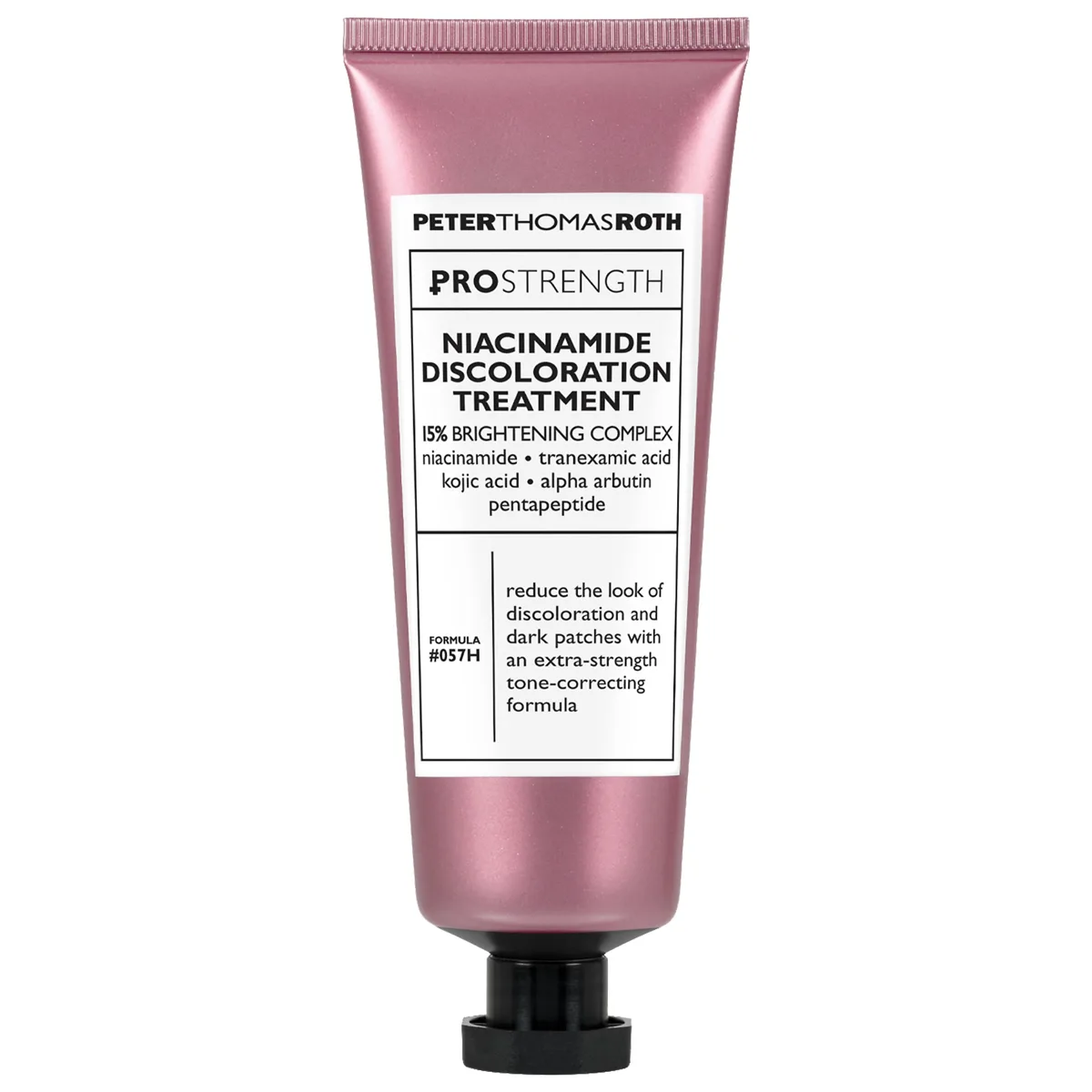
A sophisticated, multi-active brightening treatment that attacks hyperpigmentation through five distinct mechanisms. The formulation science is impressive and the fragrance-free profile is welcome, but the $88 price tag and jar packaging keep it from being an easy recommendation when excellent single-active alternatives exist at a fraction of the cost.
PRO Strength Niacinamide Discoloration Treatment
A sophisticated, multi-active brightening treatment that attacks hyperpigmentation through five distinct mechanisms. The formulation science is impressive and the fragrance-free profile is welcome, but the $88 price tag and jar packaging keep it from being an easy recommendation when excellent single-active alternatives exist at a fraction of the cost.
Score Breakdown
Where this product gains points and where it loses them — broken down across the four scoring pillars.
An exceptionally well-formulated multi-active brightening treatment with five distinct mechanisms targeting hyperpigmentation. The high ingredient quality score reflects the sophisticated multi-pathway approach. The value score is limited by the $88 price tag, and the suitability breadth is narrowed by the specialized brightening focus and comedogenic potential.
Pros & Cons
- ✓Five distinct brightening mechanisms targeting different steps in melanin production for comprehensive efficacy
- ✓Niacinamide and tranexamic acid at clinically validated concentrations backed by extensive research
- ✓Fragrance-free, paraben-free formulation with a lightweight texture that layers easily
- ✓Hydroquinone-free approach suitable for long-term maintenance without rebound concerns
- ✓Dimethyl isosorbide as a penetration enhancer improves active ingredient delivery
- ✓Generally well-tolerated with most users reporting no irritation
- ✗Premium price of $88 for 1.7 oz when individual actives are available much cheaper
- ✗Jar packaging exposes air-sensitive ingredients to degradation with each opening
- ✗Contains comedogenic ingredients (Ceteareth-20) that may cause breakouts on acne-prone skin
- ✗Kojic acid is a known sensitizer that may irritate reactive skin types
- ✗Results require 4-12 weeks of consistent use and are gradual rather than dramatic
- ✗Brand is not cruelty-free despite clinical positioning
Full Review
Hydroquinone has been the default answer for stubborn hyperpigmentation for decades. It works. It also comes with a list of concerns long enough to fill a dermatology conference panel — ochronosis from prolonged use, rebound hyperpigmentation, regulatory restrictions in multiple countries, and an FDA review process that has left its OTC status in limbo. When Peter Thomas Roth launched the PRO Strength Niacinamide Discoloration Treatment in 2023, the implicit pitch was clear: what if you could get hydroquinone-level results without hydroquinone?
The strategy they chose is borrowed directly from how dermatologists approach resistant hyperpigmentation in clinical practice. Instead of pushing one ingredient to maximum concentration — the brute-force approach — the formula combines five different brightening agents that each target a different step in the melanin production cascade. Niacinamide blocks melanosome transfer. Tranexamic acid interrupts the plasmin pathway that stimulates melanocytes. Alpha-arbutin and kojic acid both inhibit tyrosinase but through different binding mechanisms. Resveratrol provides antioxidant protection against the UV-driven oxidative stress that triggers melanin overproduction in the first place.
This is smart formulation science. The multi-pathway approach means no single ingredient needs to work at the edge of its efficacy or tolerability limit. The niacinamide sits at an estimated five to six percent — well within the clinically validated range — rather than the ten to twenty percent concentrations that some brands push as a selling point but which research does not support as more effective. The tranexamic acid at two to three percent is consistent with the concentrations used in the clinical studies that established its efficacy for melasma.
The texture is a pleasant surprise for a treatment product loaded with this many actives. It is a lightweight cream — almost gel-cream in consistency — that absorbs quickly without greasiness, pilling, or residue. It layers easily under moisturizers and makeup, which is important for a product designed for twice-daily use. The fragrance-free profile means no added sensitization risk from perfume compounds, and the overall formulation is gentle enough that most users report no irritation.
The jar packaging is the design choice that undermines the formulation effort. Multiple ingredients in this formula — particularly resveratrol, the vitamin E, and arguably the tranexamic acid — are sensitive to air and light exposure. Every time you open the jar, you expose these actives to degradation. A pump or airless tube would have been a more thoughtful choice for a product at this price point. PTR includes titanium dioxide and antioxidant stabilizers to help, but physics is physics: air exposure degrades sensitive ingredients over time.
In terms of results, the clinical picture is consistent with what you would expect from this combination of actives. Many users report visible improvement in overall skin tone evenness within two to three weeks, with more significant fading of discrete dark spots at the four to six week mark. Post-inflammatory hyperpigmentation from acne responds more quickly than hormonal melasma, which may require eight to twelve weeks of consistent application. The product delivers genuine brightening — reviewers describe a glassy, more luminous complexion — but stubborn, deep-set hyperpigmentation will not disappear completely with any OTC product.
The white mulberry root extract and hydrangea root extract round out the botanical profile. White mulberry contains arbutin naturally and has additional evidence for tyrosinase inhibition. Hydrangea root extract has emerging research suggesting anti-inflammatory properties relevant to post-inflammatory hyperpigmentation. These are thoughtful inclusions that add depth to the formula, even if their individual contributions at likely modest concentrations are difficult to isolate.
The kojic acid warrants specific mention because it is the ingredient most likely to cause issues. At an estimated 0.4-0.6%, it is well below the concentrations that commonly cause contact dermatitis, but kojic acid is an inherent sensitizer for some individuals. If you have reactive skin, patch testing is genuinely advisable — not the standard disclaimer, but a real recommendation given this ingredient's track record.
Now, the price. At eighty-eight dollars for 1.7 ounces, this treatment sits firmly in the prestige tier. The formulation justifies a premium — five clinically supported brightening actives at validated concentrations in an elegant vehicle is not cheap to produce. But the honest assessment is that The Ordinary's Alpha Arbutin 2% + HA costs eight dollars, their Niacinamide 10% + Zinc 1% costs six dollars, and Good Molecules' Discoloration Correcting Serum with tranexamic acid costs fourteen dollars. You could assemble a multi-product brightening routine with the same active ingredients for under thirty dollars.
What PTR offers that the budget alternatives do not is convenience and formulation sophistication. All five actives in a single application, in a vehicle designed for optimal delivery (dimethyl isosorbide as a penetration enhancer is a genuinely premium formulation choice), with the stability considerations addressed. Whether that convenience is worth sixty dollars more is a personal calculus that depends on how much you value simplicity in your routine.
For consumers dealing with genuine hyperpigmentation concerns who want a comprehensive, hydroquinone-free treatment in a single product, and who can absorb the price without wincing, this is one of the more scientifically thoughtful brightening formulations available over the counter. The multi-pathway approach is dermatologically sound, the actives are at validated concentrations, and the fragrance-free execution is clean. Just wish it came in a pump.
Formula
Key Ingredients
The hero actives that drive this product's performance.
| Ingredient | Function | Evidence |
|---|---|---|
| Niacinamide (~5-6%) | The headline ingredient and the most concentrated active in this formula. Niacinamide inhibits melanosome transfer from melanocytes to keratinocytes, reducing visible hyperpigmentation. In this multi-active formula, it works as the primary brightening agent while also supporting the skin barrier and reducing inflammation that can worsen discoloration. | well-established |
| Tranexamic Acid (~2-3%) | A synthetic amino acid derivative that interrupts the plasmin pathway involved in melanin production. In this formula, tranexamic acid targets stubborn dark patches and melasma-related discoloration through a different mechanism than niacinamide, creating a multi-pathway approach to brightening that is more effective than any single agent alone. | well-established |
| Alpha-Arbutin (~0.75-1%) | A glycosylated hydroquinone derivative that inhibits tyrosinase — the enzyme directly responsible for melanin production. In this brightening complex, alpha-arbutin adds a third mechanism of action, targeting the melanin synthesis pathway at a different point than niacinamide or tranexamic acid. | well-established |
| Kojic Acid (~0.4-0.6%) | A naturally derived tyrosinase inhibitor from fungi that chelates copper ions required for melanin production. At this concentration, kojic acid adds another layer of tyrosinase inhibition alongside alpha-arbutin, enhancing the overall brightening effect without reaching concentrations that commonly cause sensitization. | well-established |
| Resveratrol (~0.35-0.6%) | A polyphenol antioxidant that provides UV-damage defense alongside direct tyrosinase inhibition. In this formula, resveratrol addresses the oxidative stress that triggers excess melanin production, adding a protective dimension to the treatment's corrective brightening approach. | promising |
Full INCI List
Water/Aqua/Eau, Niacinamide, Isononyl Isononanoate, Dimethyl Isosorbide, Tranexamic Acid, Dimethicone, Propanediol, Pentylene Glycol, Caprylic/Capric Triglycerides, Alpha-Arbutin, Glyceryl Stearate, C9-12 Alkane, Cetyl Alcohol, Butyrospermum Parkii (Shea) Butter, Citric Acid, Kojic Acid, Morus Alba (White Mulberry) Root Extract, Resveratrol, Scutellaria Lateriflora Extract, Hydrangea Arborescens Root Extract, Squalane, Hydrolyzed Vegetable Protein, Phenoxyethanol, PEG-100 Stearate, Tocopheryl Acetate, Polyacrylate Crosspolymer-6, PEG-75 Stearate, Ceteareth-20, Steareth-20, Silica, Ammonium Acryloyldimethyltaurate/Beheneth-25 Methacrylate Crosspolymer, Dimethiconol, Coco-Caprylate/Caprate, Hydroxyethyl Acrylate/Sodium Acryloyldimethyl Taurate Copolymer, Titanium Dioxide, Sodium Phytate, Diethylhexyl Syringylidenemalonate, Potassium Sorbate, Sodium Benzoate, Polysorbate 60, Polysorbate 20, T-Butyl Alcohol, Caprylic/Capric Triglyceride, Caprylyl Glycol, Hexylene Glycol, Sorbitan Isostearate
Product Flags
✓ Fragrance Free✗ Alcohol Free✗ Oil Free✗ Silicone Free✓ Paraben Free✓ Sulfate Free✗ Cruelty Free✗ Vegan✗ Fungal Acne Safe
Comedogenic Ingredients
Ceteareth-20
Potential Irritants
Kojic AcidCitric Acid
Compatibility
Skin Match
Best For
Works For
Not Ideal For
Addresses These Conditions
hyperpigmentation melasma dark spots dullness sun damage
Use With Caution
Routine Step
treatment
Time of Day
AM & PM
Pregnancy Safe
Unknown
Layering Tips
Apply after cleansing and toning but before heavier moisturizers. Can be used morning and evening. In the morning, always follow with a broad-spectrum SPF 30+ as brightening treatments increase photosensitivity. Layer under moisturizer for best results.
Results Timeline
Some users report visible brightening within 1-2 weeks, though this varies significantly by individual. Meaningful improvement in dark spots and uneven tone typically becomes apparent at 4-6 weeks. Full results from the multi-active complex require consistent use for 8-12 weeks. Stubborn melasma may take longer.
Pairs Well With
broad-spectrum sunscreen (essential)gentle hydrating tonersceramide moisturizers
Conflicts With
high-concentration vitamin C serums (may cause instability when layered)strong exfoliating acids at the same time
Sample AM Routine
- Gentle cleanser
- Hydrating toner
- Peter Thomas Roth PRO Strength Niacinamide Discoloration Treatment
- Moisturizer
- Broad-spectrum SPF 30+
Sample PM Routine
- Oil cleanser or micellar water
- Gentle cleanser
- Hydrating toner
- Peter Thomas Roth PRO Strength Niacinamide Discoloration Treatment
- Moisturizer
Evidence
Science & Expert Perspective
The Science
The multi-pathway brightening approach in this formula reflects current dermatological thinking on hyperpigmentation treatment. Each of the five key actives targets a distinct mechanism in melanin biosynthesis and distribution.
Niacinamide inhibits melanosome transfer — the process by which melanin-containing packages are transferred from melanocytes (the cells that produce melanin) to surrounding keratinocytes (the cells that display it as skin color). A landmark 2002 study by Hakozaki et al. in the British Journal of Dermatology demonstrated that 5% niacinamide significantly reduced hyperpigmentation and increased skin lightness over 8 weeks compared to vehicle alone.
Tranexamic acid interrupts the plasmin-plasminogen pathway. Plasmin activates melanocyte-stimulating signals, and by blocking plasmin activity, tranexamic acid reduces melanocyte stimulation. A 2012 randomized controlled trial by Ebrahimi and Naeini in the Journal of the European Academy of Dermatology and Venereology found that topical tranexamic acid at 3% significantly improved melasma compared to vehicle over 12 weeks.
Alpha-arbutin inhibits tyrosinase through competitive binding at the active site. A 2004 study by Sugimoto et al. in Biological and Pharmaceutical Bulletin found that alpha-arbutin had stronger tyrosinase inhibitory activity than beta-arbutin, with an IC50 approximately 10 times lower. At 1% concentration, alpha-arbutin has been shown to reduce melanin production without the cytotoxicity concerns associated with hydroquinone.
Kojic acid chelates copper ions at the tyrosinase active site, preventing the enzyme from catalyzing the oxidation of tyrosine to DOPA (the first step in melanin synthesis). While effective, kojic acid has well-documented sensitization potential — a 2003 study in Contact Dermatitis by Nakagawa et al. found it to be a common cause of allergic contact dermatitis in Japanese cosmetic users, supporting the recommendation for patch testing.
Resveratrol, a stilbenoid polyphenol, provides dual function in this formula. It directly inhibits tyrosinase activity and neutralizes reactive oxygen species that stimulate melanogenesis. A 2009 study by Ryu et al. in Experimental Dermatology demonstrated that resveratrol reduced melanin synthesis in melanocyte cultures through both antioxidant and direct enzymatic mechanisms.
References
- The effect of niacinamide on reducing cutaneous pigmentation and suppression of melanosome transfer — British Journal of Dermatology (2002)
- A new study of efficacy of topical 3% tranexamic acid for treatment of melasma — Journal of the European Academy of Dermatology and Venereology (2012)
- Inhibitory effect of alpha-arbutin on melanin biosynthesis — Biological and Pharmaceutical Bulletin (2004)
Dermatologist Perspective
Dermatologists recognize the multi-pathway approach to hyperpigmentation as clinically sound. The combination of niacinamide, tranexamic acid, and tyrosinase inhibitors mirrors the prescription compounding strategies that dermatologists use for resistant melasma. Board-certified dermatologists note that while no single OTC ingredient matches hydroquinone's potency, the synergistic effect of combining multiple brightening agents can approach similar efficacy for mild-to-moderate hyperpigmentation. Dermatologists would emphasize that any brightening treatment is only as effective as the sun protection accompanying it — strict SPF 30+ use is non-negotiable for preventing new discoloration during treatment.
Guidance
Usage Guide
How to Use
Apply a thin, even layer to clean, dry skin twice daily — morning and evening. In the morning, follow with moisturizer and a broad-spectrum SPF 30+ (non-negotiable for any brightening treatment). In the evening, apply after cleansing and toning but before heavier moisturizers. Can be used alongside retinol (apply at different times of day to minimize irritation risk). Patch test for 48 hours before first full-face application, particularly if you have sensitive or reactive skin, due to the kojic acid content.
Value Assessment
At $88 for 1.7 ounces, this is a premium-priced treatment. The formulation quality justifies a higher price — five validated brightening actives with a penetration enhancer in a fragrance-free vehicle is sophisticated cosmetic chemistry. However, budget-conscious consumers can achieve similar multi-active brightening by combining individual serums (niacinamide, alpha-arbutin, tranexamic acid) from brands like The Ordinary or Good Molecules for under $30 total. The PTR product's value proposition lies in convenience (one product, one step) and formulation optimization rather than ingredient exclusivity. A mini size at 0.25 oz is available for trial before committing to the full price.
Who Should Buy
Those dealing with hyperpigmentation, post-inflammatory dark spots, or early melasma who want a comprehensive, hydroquinone-free treatment in a single product. Ideal for consumers who value convenience over cost and want clinically validated concentrations of multiple brightening actives without assembling a multi-product routine.
Who Should Skip
Budget-conscious consumers who can achieve similar results with individual brightening serums at a fraction of the price. Those with oily or acne-prone skin should be cautious due to comedogenic ingredients. Individuals with known kojic acid sensitivity should avoid this product. If your hyperpigmentation is severe or hormonal, consult a dermatologist for prescription-strength options first.
Ready to try Peter Thomas Roth PRO Strength Niacinamide Discoloration Treatment?
Details
Details
Texture
Lightweight cream with a smooth, non-greasy feel. Absorbs quickly without pilling or separation. Blends seamlessly into the skin, making it easy to layer under other products.
Scent
Fragrance-free with no added scent. No essential oils. Essentially unscented.
Packaging
Glass jar with screw-on lid in Peter Thomas Roth's PRO Strength line packaging. The jar format is less ideal for a treatment product with active ingredients that benefit from minimal air exposure, though the titanium dioxide and antioxidants in the formula help with stability.
Finish
satinnon-greasylightweight
What to Expect on First Use
On first application, the cream feels lightweight and absorbs quickly without residue. No tingling or irritation for most users. Some individuals with sensitive skin may notice mild warmth from the kojic acid, which typically resolves after the first few applications. No purging period is expected as this is not an exfoliating product.
How Long It Lasts
2-3 months with twice-daily facial application
Period After Opening
12 months
Best Season
All Year
Certifications
paraben-freefragrance-freehydroquinone-free
Background
The Why
Peter Thomas Roth launched this treatment in 2023 as part of the PRO Strength line, which emphasizes professional-level concentrations of active ingredients. The product addresses the growing consumer demand for hydroquinone-free brightening alternatives — particularly as hydroquinone faces increasing regulatory scrutiny globally. By combining five distinct brightening mechanisms, PTR aimed to match the efficacy of hydroquinone through a multi-active approach that avoids the controversial ingredient entirely.
About Peter Thomas Roth Established Brand (5–20 years)
Peter Thomas Roth was founded in 1993 in New York City and has become the largest privately-owned clinical skincare brand in the U.S. Products are sold through Sephora, Ulta, Nordstrom, and dermatologist offices. While not dermatologist-developed, the brand's clinical positioning and formulation rigor have earned it a strong presence in professional skincare settings.
Brand founded: 1993 · Product launched: 2023
Myth vs. Reality
Myths & Misconceptions
Myth
Niacinamide at 10% is more effective than niacinamide at 5%
Reality
Clinical studies have demonstrated that niacinamide at 4-5% is effective for reducing hyperpigmentation and improving skin barrier function. Higher concentrations do not necessarily provide proportionally better results and may increase the risk of flushing or irritation in some individuals. The ~5-6% concentration in this formula is within the clinically validated range.
Myth
You need hydroquinone to treat stubborn dark spots
Reality
While hydroquinone has been the gold standard for treating hyperpigmentation, the combination of tranexamic acid, niacinamide, alpha-arbutin, and kojic acid used in this formula targets multiple melanin production pathways simultaneously — an approach that dermatological research supports as a viable alternative to hydroquinone, particularly for long-term maintenance where hydroquinone's safety for extended use is debated.
FAQ
Frequently Asked Questions
What percentage of niacinamide is in the PTR PRO Strength Discoloration Treatment?
The product contains an estimated 5-6% niacinamide as part of a total 15% Brightening Complex that also includes tranexamic acid (~2-3%), alpha-arbutin (~0.75-1%), kojic acid (~0.4-0.6%), and a pentapeptide. The 15% figure refers to the combined concentration of all five brightening actives, not niacinamide alone.
Is the PTR Niacinamide Discoloration Treatment safe for sensitive skin?
The formula is fragrance-free and generally well-tolerated. However, kojic acid can be sensitizing for some individuals, and those with very reactive skin should patch-test first. Most users report no irritation, but sensitive skin types should introduce it gradually — every other day initially, building to daily use.
Can you use the PTR Discoloration Treatment with retinol?
Yes — niacinamide and retinol are compatible and can even enhance each other's efficacy. However, to minimize potential irritation, consider using this treatment in the morning and your retinol at night, or on alternating evenings. Always use sunscreen when combining brightening treatments with retinol.
How long does it take to see results from the PTR Niacinamide Discoloration Treatment?
Some users report visible improvement within 1-2 weeks, though this varies significantly. For meaningful reduction in dark spots and uneven tone, expect 4-6 weeks of consistent twice-daily use. Stubborn hyperpigmentation or melasma may require 8-12 weeks or longer. SPF use is essential to prevent new discoloration during treatment.
Is the PTR Discoloration Treatment a hydroquinone alternative?
Yes — the formula is specifically marketed as hydroquinone-free and uses five alternative brightening agents that target different steps in melanin production. The multi-pathway approach (niacinamide, tranexamic acid, alpha-arbutin, kojic acid, resveratrol) aims to replicate hydroquinone's efficacy through combined mechanisms, making it suitable for long-term use without hydroquinone's associated concerns.
Community
Community Voices
Common Praise
"Visible fading of dark spots and post-acne marks within 1-2 weeks for some users"
"Lightweight cream texture layers well under other products and makeup"
"Multi-active approach with five brightening ingredients feels comprehensive"
"Fragrance-free and generally well-tolerated by most skin types"
"Creates a noticeable glassy skin appearance and smoother texture"
Common Complaints
"Premium price of $88 for 1.7 oz is difficult to justify for many consumers"
"Results are gradual and may not completely eliminate stubborn melasma patches"
"Jar packaging is less hygienic than a pump or tube for a treatment product"
"Contains comedogenic ingredients that may cause breakouts on acne-prone skin"
"Some sensitive skin users experienced mild irritation from the kojic acid"
Appears In
best treatment for hyperpigmentation best treatment for melasma best treatment for dark spots best niacinamide treatment best hydroquinone alternative
Related Conditions
hyperpigmentation melasma dark spots dullness sun damage
Related Ingredients
niacinamide tranexamic acid alpha arbutin kojic acid resveratrol
You Might Also Like
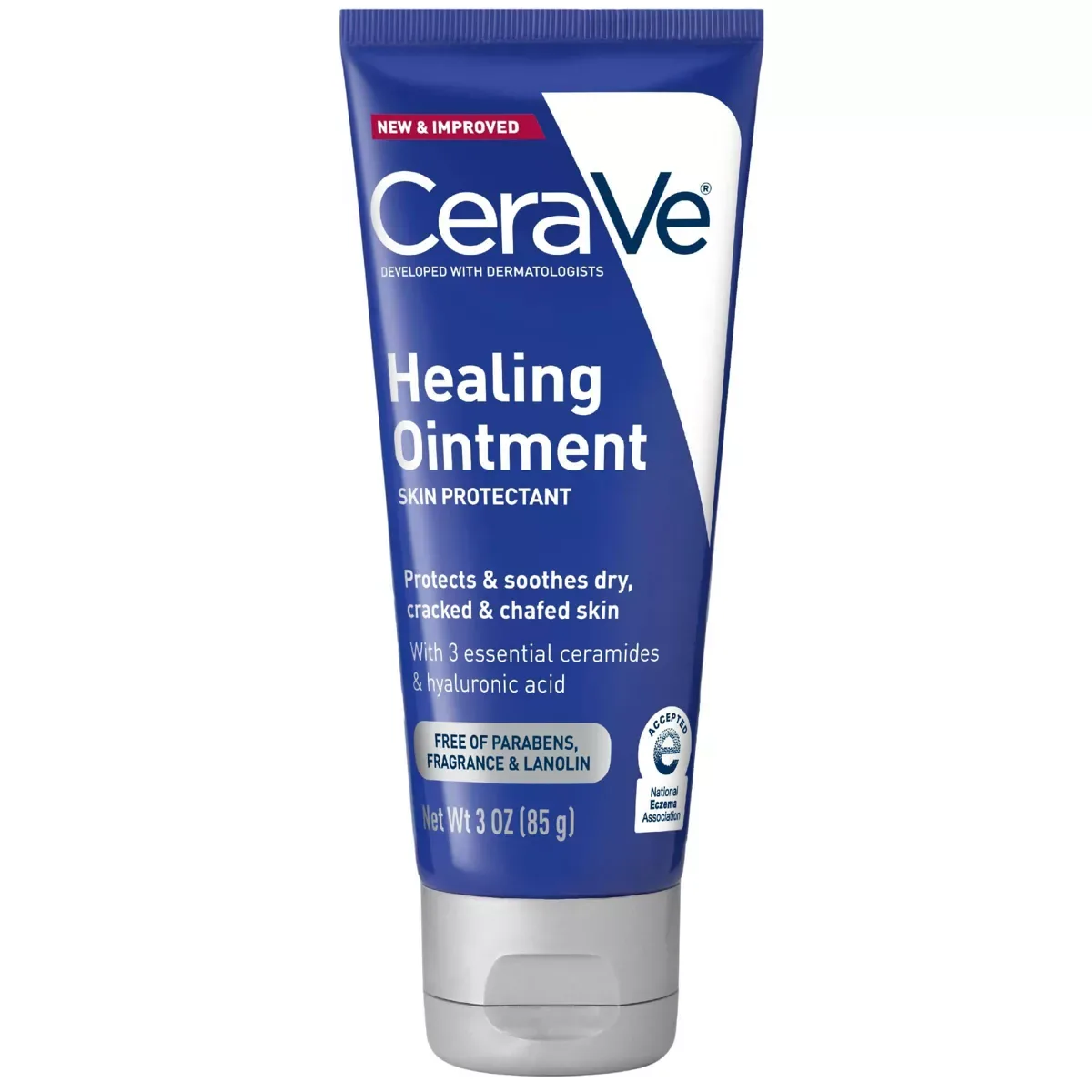 Barrier Rescue Hero
 Healing Ointment
CeraVe's Healing Ointment takes the simplest concept in skincare — seal the skin with petrolatum — and makes it genuinely intelligent by adding ceramides, hyaluronic acid, and panthenol beneath the occlusive layer. It is the gold standard drugstore occlusive for barrier rescue, slugging, and post-procedure care.
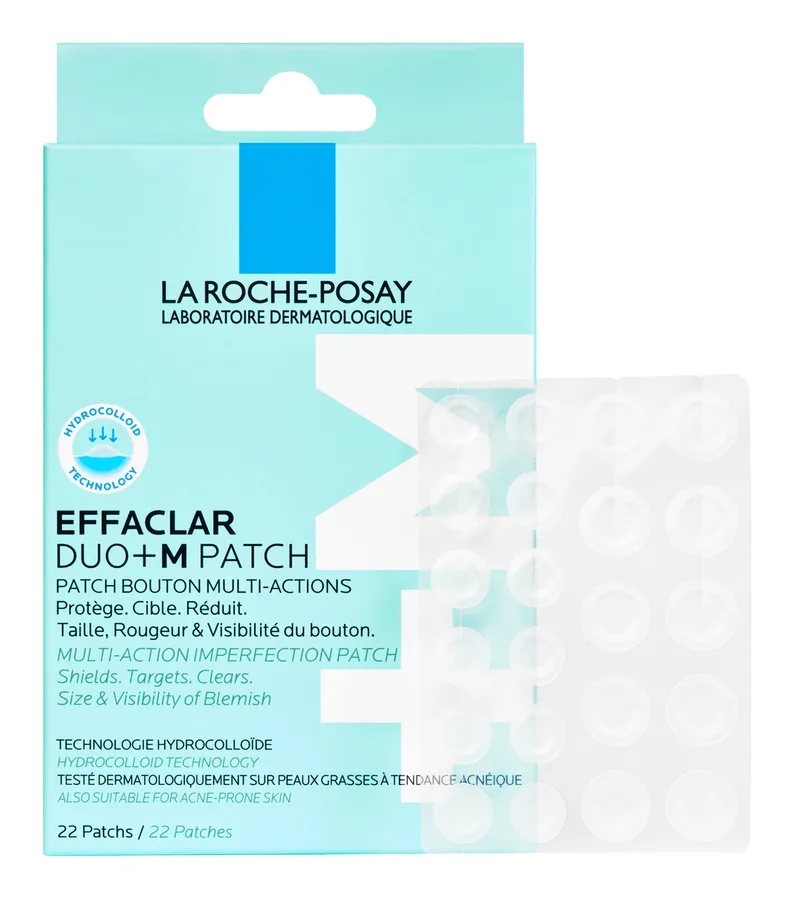 Derm Office Staple
 Effaclar Multi-Target Blemish Patches
One of the few hydrocolloid pimple patches that actually stays on overnight without curling off at 3am. At 420 microns thick with two size options in one pack and zero actives to irritate sensitive skin, this is the Effaclar line's quiet overachiever — and a legitimately good answer for anyone whose acne routine has been sabotaged by thinner patches that refuse to stay put.
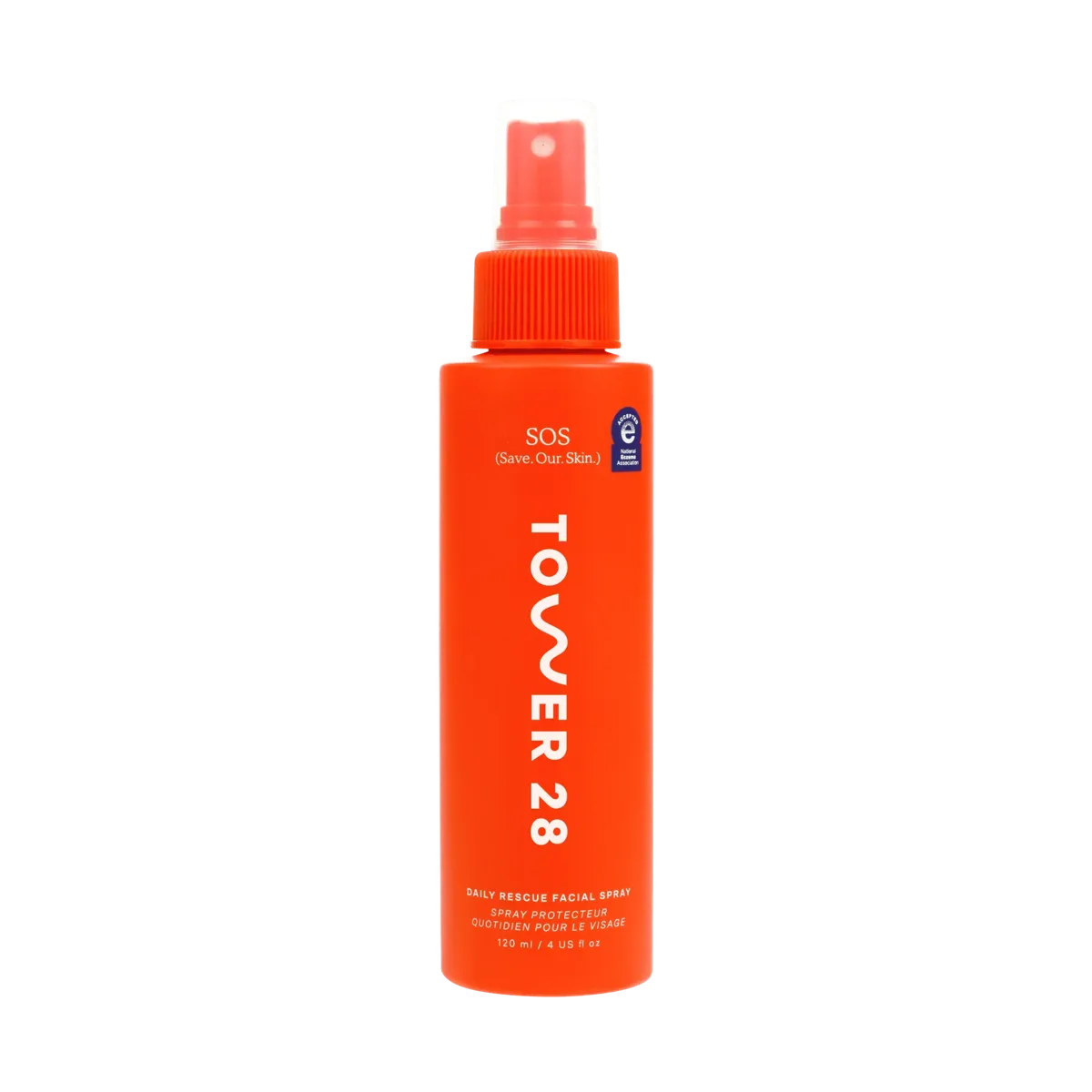 Reactive-Skin Cult Favorite
 SOS Save Our Skin Daily Rescue Facial Spray
The product that single-handedly brought hypochlorous acid into mainstream skincare. A fine-mist HOCl spray with genuine dermatology-organization validation, a near-perfect tolerability profile, and a cult following among people whose skin reacts to everything else. The price runs steeper than medical-grade HOCl, but the stabilization and design are worth the difference for daily use.
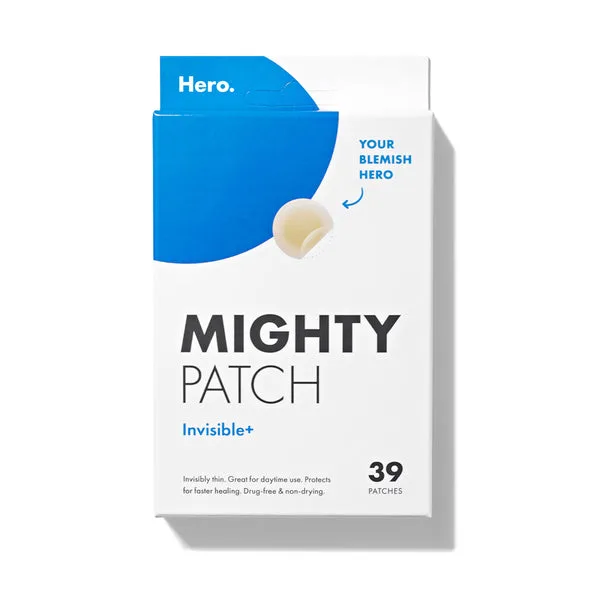
Mighty Patch Invisible+
The pimple patch that proved acne treatment could be invisible — Mighty Patch Invisible+ delivers the same fluid-absorbing hydrocolloid technology as the category-defining Original, but engineered thin enough to disappear under makeup. For daytime blemish management, nothing else comes this close to invisible.
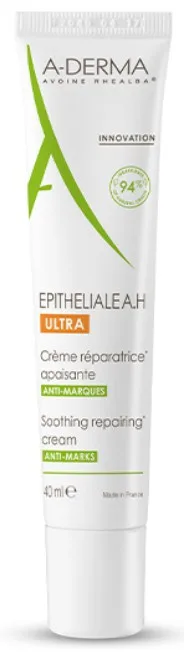 Post-Procedure MVP
 Epitheliale A.H Ultra Repairing Cream
One of the best-formulated French pharmacy repair creams on the market, full stop. Rhealba oat, three-weight HA, madecassoside, trace minerals, panthenol, and shea butter come together in a cream that handles post-procedure skin, eczema flares, friction damage, and compromised barriers with unusual competence for the price.
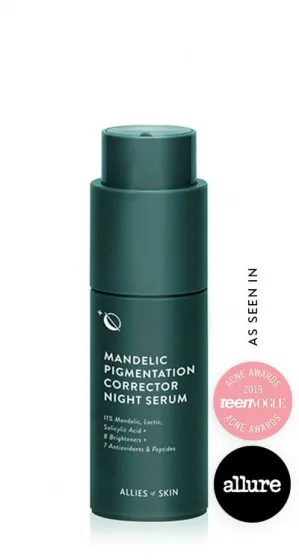 Pigmentation Specialist Pick
 Mandelic Pigmentation Corrector Night Serum
One of the most thoughtfully formulated pigmentation serums on the market. Mandelic acid leads, but the real story is the supporting cast — tranexamic acid, azelaic acid, niacinamide, and bakuchiol attacking hyperpigmentation through five different pathways. Specifically formulated to be safe on melanin-rich skin and it shows.