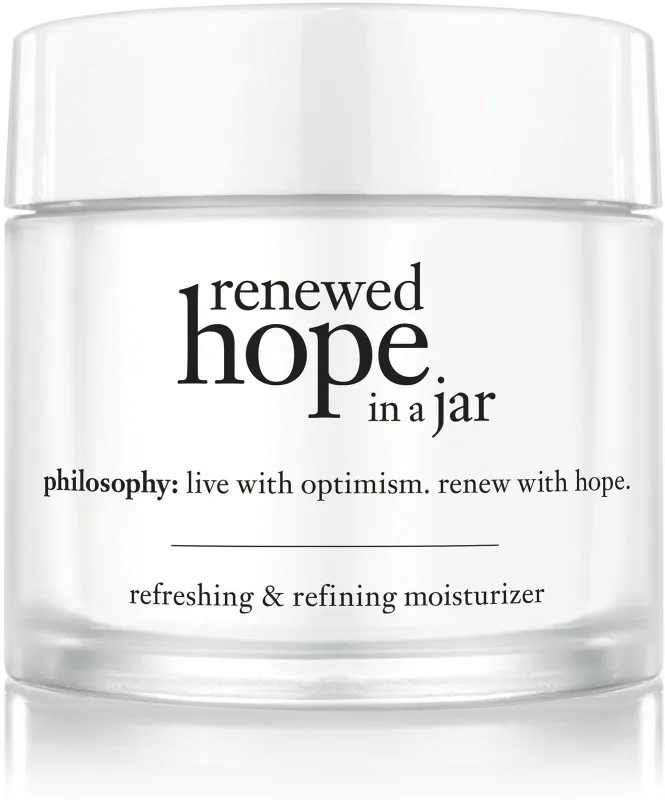
Philosophy's Renewed Hope in a Jar is the dual-AHA evolution of the brand's 1996 flagship moisturizer, combining glycolic and mandelic acids in a rich, silicone-smoothing cream base. It's a thoughtful update to a classic, and the acid pairing delivers real surface texture improvement over 2-4 weeks — but the fragrance load and prestige pricing limit how universally recommendable it is. A reasonable pick if you like the Philosophy experience; a tough value if you don't.
Renewed Hope in a Jar Moisturizer
Philosophy's Renewed Hope in a Jar is the dual-AHA evolution of the brand's 1996 flagship moisturizer, combining glycolic and mandelic acids in a rich, silicone-smoothing cream base. It's a thoughtful update to a classic, and the acid pairing delivers real surface texture improvement over 2-4 weeks — but the fragrance load and prestige pricing limit how universally recommendable it is. A reasonable pick if you like the Philosophy experience; a tough value if you don't.
Score Breakdown
Where this product gains points and where it loses them — broken down across the four scoring pillars.
A thoughtful dual-AHA moisturizer that combines glycolic and mandelic acids in a well-hydrating base — limited by added fragrance including declared allergens and a prestige price that's hard to justify against dedicated AHA treatments.
Pros & Cons
- ✓Dual-AHA combination of glycolic and mandelic for gentle exfoliation
- ✓Rich cream base with strong humectant hydration
- ✓Silicone-smoothing finish plays well under makeup
- ✓Cruelty-free with established department store availability
- ✓Classic Philosophy brand continuity with original Hope in a Jar
- ✓Adenosine adds modest anti-wrinkle support
- ✗Added fragrance with declared allergens increases irritation risk
- ✗Expensive at $47 for 60ml compared to similar actives
- ✗Not ideal for sensitive or rosacea-prone skin
- ✗Jar packaging is suboptimal for AHA and adenosine stability
- ✗Active concentrations are not disclosed
Full Review
When Hope in a Jar launched in 1996, it defined a very specific idea of what department store skincare could be. It wasn't a serum, wasn't a treatment, wasn't a prescription adjacent — it was a single, beautifully packaged moisturizer with a name that functioned as a tagline and a promise. Cristina Carlino's pitch worked. Hope in a Jar became one of the most successful prestige skincare launches of the 1990s, sat in millions of bathrooms for the next twenty years, and anchored Philosophy's brand identity through every expansion, acquisition, and reformulation. By 2015, though, the skincare landscape had changed. The rise of The Ordinary, SkinCeuticals, Paula's Choice, and serum-driven active routines made 'plain moisturizer with a nice scent' feel like a relic. Philosophy's response was Renewed Hope in a Jar — the same iconic pink-tinted jar, the same brand language, but a formula rebuilt around glycolic and mandelic acids. It's the 1996 classic with a 2015 active ingredient story bolted onto it.
The dual-AHA approach is genuinely interesting from a formulation perspective. Glycolic acid — the smallest AHA molecule — penetrates deeper and works faster, but it also irritates more reliably, especially in a leave-on product. Mandelic acid, which is substantially larger, penetrates more slowly and gently, producing less irritation at equivalent concentrations. Combining the two means you get meaningful exfoliation from the glycolic without having to push its concentration to the level that causes the familiar flushing and tingling of a dedicated glycolic treatment. It's a mechanism that's become more common in K-beauty exfoliant toners, and Philosophy's version brings it into a moisturizing cream format where daily exposure is built into the product's use case.
Glycolic acid sits at the 7th position on the ingredient list, which indicates a meaningful concentration — probably somewhere in the 4-8% range for a leave-on moisturizer, though the exact dosing isn't disclosed. Mandelic acid appears lower on the list as a supporting exfoliant. Together, they provide daily mild exfoliation that delivers visible texture improvement over about two to three weeks of consistent use. Skin starts looking a bit brighter, fine lines appear slightly softened, and the 'glow' effect that AHAs are known for becomes noticeable. Over 8 to 12 weeks, you get some real improvement in evenness and surface smoothness, though the structural anti-aging effect is more modest than what you'd get from a retinoid routine.
The base of the moisturizer is where Philosophy's sensory expertise shows up. It's built around glycerin, cyclopentasiloxane, dimethicone, and stearic acid, creating a rich cream that melts into a cushiony, smoothing finish. Hyaluronic acid at multiple positions and sodium hyaluronate provide the humectant hydration that a leave-on AHA product needs — glycolic acid increases transepidermal water loss during the adjustment period, and without a proper hydration counterweight, users experience dryness and flaking. Philosophy got this part right. The texture is comfortable enough for daily use, the silicone finish plays well under makeup, and the moisturizing effect is real alongside the exfoliating action.
Here's the problem, and it's the same problem that shows up in most Philosophy products: the fragrance load. The ingredient list includes parfum, limonene (a declared EU fragrance allergen), and several additional aromatic compounds that contribute to the characteristic Philosophy brand scent. For many users, this is a feature — the scent is part of why they've been buying Hope in a Jar for years, and it feels like continuity with the 1996 original. For anyone with fragrance sensitivity, reactive skin, rosacea, or a history of contact dermatitis, the combination of fragrance allergens with glycolic and mandelic acids is a double irritation risk. It's the kind of product that can feel fine for the first few weeks and then gradually start producing low-level sensitivity that's hard to attribute cleanly to any single cause. A fragrance-free version of this exact formula would have been significantly more recommendable.
The pricing is the other sticking point. At $47 for 60ml, you're paying around $0.78 per milliliter for a moisturizer whose active ingredient story, while thoughtful, is available at much lower prices elsewhere. The Ordinary's Glycolic Acid 7% Toning Solution delivers a higher labeled concentration for about $12. Paula's Choice 8% AHA Gel runs about $33 for a dedicated AHA treatment. Both outperform Philosophy on active transparency and per-milliliter value, though neither offers the rich cream texture or the brand continuity that Renewed Hope in a Jar provides. The honest framing is that you're paying a premium for the Philosophy brand identity, the pink jar sitting on your bathroom counter, and the specific sensory experience — not for a formula that's uniquely advanced compared to the cheaper competition.
Who should buy it: existing Philosophy brand loyalists who already love the original Hope in a Jar aesthetic, users with normal or combination skin who want a moderate daily AHA in a moisturizer format rather than a dedicated treatment step, and anyone who prioritizes a rich sensory experience over pure active delivery. Who should skip it: sensitive or rosacea-prone users, shoppers focused on per-dollar active content, and anyone building a routine around maximum clinical efficacy. This is a comfortable, pleasant, reasonably effective prestige moisturizer with real flaws and a real legacy. Both of those things can be true at once.
Formula
Key Ingredients
The hero actives that drive this product's performance.
| Ingredient | Function | Evidence |
|---|---|---|
| Glycolic Acid | The primary exfoliating active, sitting high on the ingredient list (7th position) indicating a meaningful concentration for a moisturizer. Glycolic acid is the smallest AHA molecule, which gives it deeper penetration than mandelic or lactic acid. In a leave-on moisturizer, it provides gentle daily exfoliation that improves texture, evenness, and radiance with cumulative use. | well-established |
| Mandelic Acid | A larger AHA molecule that penetrates more slowly and gently than glycolic, making it particularly useful in a combined AHA formula for providing exfoliation without excessive irritation. Pairing mandelic with glycolic here lets the formula deliver meaningful cell turnover without the harshness of higher-dose glycolic alone. | well-established |
| Adenosine | A Korean and Japanese regulatory-approved anti-wrinkle active that complements the AHAs by providing modest long-term smoothing support. In this moisturizer it's a supporting player rather than a hero, but its inclusion shows the formulators were thinking beyond pure exfoliation. | promising |
| Hyaluronic Acid | Provides the counterweight hydration that a leave-on AHA moisturizer needs. Glycolic and mandelic acids increase transepidermal water loss during the adjustment period, and the hyaluronic acid here helps offset that while providing immediate surface plumping. | well-established |
Full INCI List
Aqua/Water/Eau, Cyclopentasiloxane, Stearic Acid, Glycerin, Butylene Glycol, C12-15 Alkyl Benzoate, Glycolic Acid, Dimethicone, Polyacrylamide, Cetearyl Alcohol, Phenoxyethanol, Sodium Hydroxide, C13-14 Isoparaffin, Dimethicone Crosspolymer, Ceteareth-20, Ammonium Acryloyldimethyltaurate/VP Copolymer, Polysilicone-11, Acrylates/C10-30 Alkyl Acrylate Crosspolymer, Laureth-7, Citric Acid, Chlorphenesin, Mandelic Acid, Tocopheryl Acetate, Synthetic Fluorphlogopite, Ethylhexyl Palmitate, Propanediol, Parfum/Fragrance, Disodium EDTA, Adenosine, Evodia Rutaecarpa Fruit Extract, Limonene, Faex/Yeast Extract, Magnesium Stearate, Opuntia Coccinellifera Flower Extract, Silica Dimethyl Silylate, Caprylyl Glycol, BHT, Ethylhexylglycerin, Hyaluronic Acid, Silanetriol, Sodium Hyaluronate, Sorbic Acid, Hexylene Glycol, Bismuth Oxychloride
Product Flags
✗ Fragrance Free✓ Alcohol Free✗ Oil Free✗ Silicone Free✓ Paraben Free✓ Sulfate Free✓ Cruelty Free✗ Vegan✗ Fungal Acne Safe
Potential Irritants
fragrancelimoneneglycolic acidmandelic acid
Common Allergens
fragrancelimonene
Compatibility
Skin Match
Best For
Works For
Not Ideal For
Addresses These Conditions
dullness texture fine lines hyperpigmentation aging
Use With Caution
sensitivity rosacea compromised skin barrier
Routine Step
moisturizer
Time of Day
AM & PM
Pregnancy Safe
Yes ✓
Layering Tips
Apply as the final hydration step in your routine. If combining with a retinoid, use this moisturizer in the morning and the retinoid at night to avoid doubling up on exfoliation in one routine. Always follow with broad-spectrum SPF during the day.
Results Timeline
Immediate surface smoothness from silicones and humectants. Visible improvement in texture and brightness within 2-4 weeks of consistent use. Full AHA benefits for evenness and fine lines accumulate over 8-12 weeks.
Pairs Well With
hyaluronic-acidpeptidesvitamin-cniacinamide
Conflicts With
retinoidsstrong-bhabenzoyl-peroxide
Sample AM Routine
- Cleanser
- Vitamin C serum
- Philosophy Renewed Hope in a Jar Moisturizer
- SPF
Sample PM Routine
- Cleanser
- Hydrating toner
- Hyaluronic acid serum
- Philosophy Renewed Hope in a Jar Moisturizer
Evidence
Who Should Skip
- Added fragrance with declared allergens increases irritation risk
- Expensive at $47 for 60ml compared to similar actives
- Not ideal for sensitive or rosacea-prone skin
- Jar packaging is suboptimal for AHA and adenosine stability
Science & Expert Perspective
The Science
Alpha hydroxy acids — particularly glycolic acid — are among the most thoroughly studied topical actives in dermatology. A 1996 study in Dermatologic Surgery (Ditre et al.) demonstrated that topical glycolic acid at 20-25% over 6 months produced significant improvement in photodamaged skin, including reduced fine lines, improved texture, and increased dermal thickness. Lower concentrations of glycolic acid in leave-on products produce more subtle but cumulative improvements through the same mechanisms — enhanced epidermal turnover, improved ceramide synthesis, and gradual stratum corneum reorganization. Mandelic acid, which is derived from bitter almonds, has a larger molecular size that slows its penetration and makes it less irritating than glycolic. A 2011 paper in the Journal of Cosmetic Dermatology compared mandelic acid chemical peels to salicylic acid and found comparable efficacy for acne and pigmentation with less irritation, supporting its use as a gentler AHA alternative. The combination of glycolic and mandelic acids in a leave-on moisturizer — as in this product — is mechanistically sensible: the mandelic provides a gentler baseline exfoliation while the glycolic delivers deeper activity, and together they produce cumulative improvement without the intensity of high-dose glycolic alone. The adenosine in the formula has its own small body of research for periorbital fine line improvement, though its role here is supportive rather than primary. The main formulation limitation from a science perspective is the fragrance load, which introduces known sensitizers into a product already containing acid actives, increasing the overall irritation risk.
References
- Effects of alpha-hydroxy acids on photoaged skin: A pilot clinical, histologic, and ultrastructural study — Journal of the American Academy of Dermatology (1996)
Dermatologist Perspective
Dermatologists widely recommend low-concentration AHAs in leave-on products for patients seeking gentle daily exfoliation and improvement in texture, dullness, and mild photoaging. Board-certified dermatologists note that glycolic acid remains one of the best-studied topical actives for surface renewal, and that combining it with mandelic acid can produce meaningful effects with reduced irritation compared to glycolic alone. Clinical guidance typically emphasizes daily broad-spectrum sunscreen use with any AHA product, since glycolic acid increases UV sensitivity during and shortly after treatment. The main dermatological reservation about this specific product is the fragrance profile — for patients with sensitive skin, rosacea, or a history of contact dermatitis, a fragrance-free AHA alternative is generally preferred.
Guidance
Usage Guide
How to Use
Apply after cleansing and serums as the final hydration step. A pea-sized amount is enough for the full face and neck — warm between clean fingers and press into skin. Start once daily for the first two weeks to assess tolerance, then move to twice daily if your skin is comfortable. Always follow with broad-spectrum SPF in the morning — AHAs increase UV sensitivity. Do not combine with retinoids, dedicated AHA or BHA treatments, or benzoyl peroxide in the same routine.
Value Assessment
At $47 for 60ml, this is priced at the department-store prestige level. A typical twice-daily application lasts about two to three months, putting the monthly cost around $16-24. The value calculation is straightforward: dedicated AHA products with higher labeled concentrations and fragrance-free formulations are available from The Ordinary ($12), Paula's Choice ($33), and Naturium ($17) — all delivering more transparent active dosing at substantially lower prices. What you're paying extra for with Philosophy is the rich moisturizing cream format, the Philosophy brand continuity, the sensory experience, and the pink-tinted jar. Those are real things for users who value them, but they don't translate into better results on the skin. For pure value per active dollar, this is a hard product to recommend. For users specifically invested in the Philosophy experience, the premium is defensible.
Who Should Buy
Existing Philosophy loyalists who enjoy the brand's sensory approach and want a daily-use AHA moisturizer in a rich cream format. Also reasonable for users with normal or combination skin new to AHAs who prefer a moisturizer-based active rather than a dedicated treatment step.
Who Should Skip
Skip if you have sensitive skin, rosacea, or fragrance sensitivity — the fragrance load plus acid actives is a double irritation risk. Skip if you're value-shopping, since cheaper dedicated AHA products deliver more transparent active dosing. Skip if you're already using a retinoid or a dedicated AHA treatment elsewhere in your routine.
Ready to try Philosophy Renewed Hope in a Jar Moisturizer?
Details
Details
Texture
Rich cream that smooths into a cushiony, silicone-supported finish
Scent
Distinctive Philosophy floral fragrance with a touch of powdery sweetness
Packaging
Classic pink-tinted glass jar with screw lid — the same iconic packaging as the original Hope in a Jar
Finish
velvetysatinnon-greasy
What to Expect on First Use
First application feels rich but absorbs into a soft, cushiony finish. A slight tingle from the glycolic acid is normal in the first week as skin adjusts. Visible brightness and smoothness improvements show up within 2-3 weeks of consistent use. The fragrance is noticeable throughout application and persists for several minutes.
How Long It Lasts
2-3 months with twice-daily face application
Period After Opening
6 months
Best Season
All Year
Certifications
cruelty-free
Background
The Why
The original Hope in a Jar launched in 1996 as Philosophy's flagship moisturizer and became one of the best-known department store skincare products of the late 1990s and 2000s. Renewed Hope in a Jar arrived in 2015 as a modernized formulation that added glycolic and mandelic acids to the familiar rich cream base, giving the franchise a more active-forward identity to compete with the rise of serum-driven skincare brands.
About Philosophy Established Brand (5–20 years)
Philosophy was founded in 1996, with Hope in a Jar as its flagship moisturizer that defined the brand for two decades. Renewed Hope in a Jar launched in 2015 as a modernized version incorporating glycolic and mandelic acids. Philosophy is an established brand with broad Sephora and Ulta distribution under Coty ownership.
Brand founded: 1996 · Product launched: 2015
Myth vs. Reality
Myths & Misconceptions
Myth
AHA moisturizers cause photosensitivity that lasts for weeks after stopping.
Reality
AHA-related photosensitivity lasts only about a week after discontinuation, not weeks. The main precaution with any AHA product is daily sunscreen while using it, not long-term avoidance afterward.
Myth
You can't use AHAs in the morning because they break down in sunlight.
Reality
Glycolic and mandelic acids are stable in leave-on moisturizers and work fine in morning routines as long as they're followed by broad-spectrum sunscreen. The sunscreen requirement is the important part, not the time of day.
FAQ
Frequently Asked Questions
How is Renewed Hope in a Jar different from the original?
The original Hope in a Jar is a rich moisturizer without exfoliating acids, focused on hydration and a smooth finish. Renewed Hope in a Jar adds glycolic and mandelic acids to the same rich base, giving it a gentle daily exfoliation component the original doesn't have. If you want plain moisturization, the original is still around; if you want mild active work, Renewed Hope is the more modern pick.
Can I use it every day?
For most users with normal or combination skin, yes — the dual-AHA approach is gentle enough for daily use. Start with once a day for the first two weeks to assess tolerance, then move to twice daily if your skin stays comfortable. Dial back if you notice persistent redness or peeling.
Do I need sunscreen with it?
Yes, absolutely. Glycolic and mandelic acids increase UV sensitivity, and daily broad-spectrum SPF is non-negotiable whenever you're using any AHA product. This applies even on cloudy days.
Can I layer it with retinol?
Yes, but not in the same routine. Using an AHA moisturizer and a retinoid in the same evening routine significantly increases the risk of barrier disruption. Alternate nights, or use this in the morning and your retinoid at night.
Is it safe for sensitive skin?
Not ideal. The combination of glycolic acid, mandelic acid, and added fragrance (including limonene) makes this product a risky pick for sensitive or rosacea-prone skin. If you have reactive skin and want AHA benefits, look for a fragrance-free alternative at a lower concentration.
Is it safe during pregnancy?
Low-concentration AHAs in leave-on moisturizers are generally considered safe during pregnancy, though individual tolerance varies. Check with your OB if you have specific concerns, and be cautious about the fragrance profile.
How does it compare to Paula's Choice 8% AHA Gel?
Paula's Choice is a dedicated AHA treatment with a higher, labeled concentration of glycolic acid in a fragrance-free gel format. Philosophy is a lower-concentration AHA in a rich moisturizing cream with added fragrance. Paula's Choice offers more targeted exfoliation and better transparency on active dosing; Philosophy offers a more comfortable moisturizing experience if you don't want a dedicated treatment step.
Community
Community Voices
Common Praise
"Visible glow after a few weeks"
"Improved skin texture"
"Pleasant Philosophy scent"
"Smooth silicone finish"
Common Complaints
"Added fragrance is strong"
"Expensive for the active content"
"Can cause sensitivity with daily use"
"Jar packaging"
Appears In
best aha moisturizer best glycolic acid cream best anti aging moisturizer best dual aha cream
Related Conditions
dullness texture fine lines hyperpigmentation
Related Ingredients
You Might Also Like
 Budget Holy Grail
 Moisturizing Cream
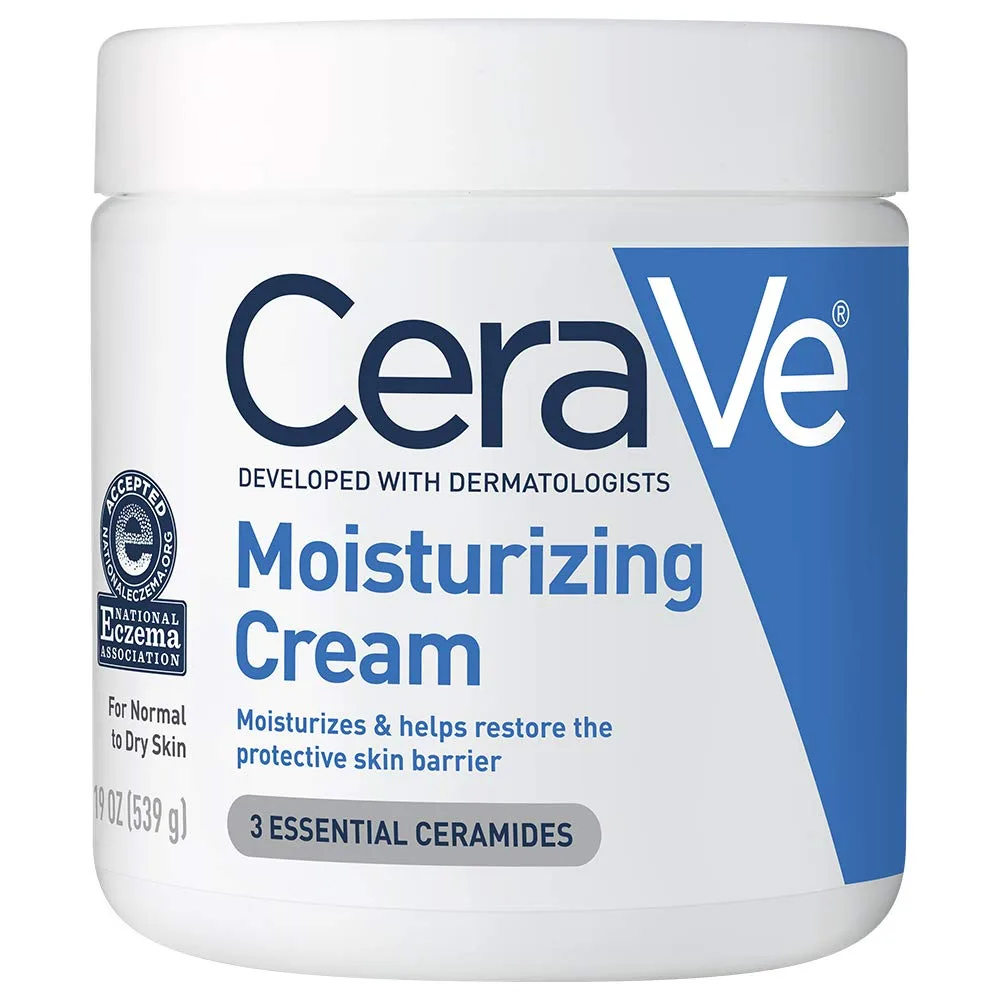
The CeraVe Moisturizing Cream is the most important moisturizer in the drugstore — a ceramide-rich, dermatologist-developed formula that delivers barrier repair, multi-humectant hydration, and occlusive protection at a price so accessible it has no real excuse not to be in every household. Twenty-one years of consistent performance and universal dermatologist approval speak louder than any ingredient list.
 Barrier Repair Pioneer
 MLE Cream
Atopalm MLE Cream is one of the genuinely scientifically anchored barrier moisturizers in K-beauty — a fragrance-free, pseudo-ceramide cream built around a patented liquid-crystal lipid structure that mimics the skin's own intercellular matrix. For eczema, atopic skin, post-procedure recovery, or anyone with a stinging compromised barrier, it's one of the most reliably effective moisturizers in the entire category.
 K-Beauty Barrier Repair Staple
 Atobarrier 365 Cream
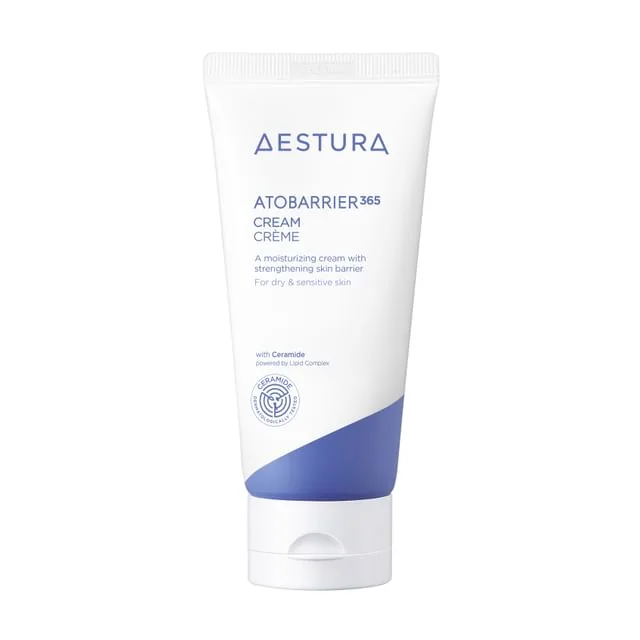
A Korean pharmacy cream that earns its cult following the hard way — with a lamellar lipid structure that actually rebuilds the barrier, not just coats it. If your skin has been through a rough winter, a retinoid ramp-up, or a bad reaction, this is the jar that quietly puts it back together.
 Korean Derm Clinic Recovery Pick
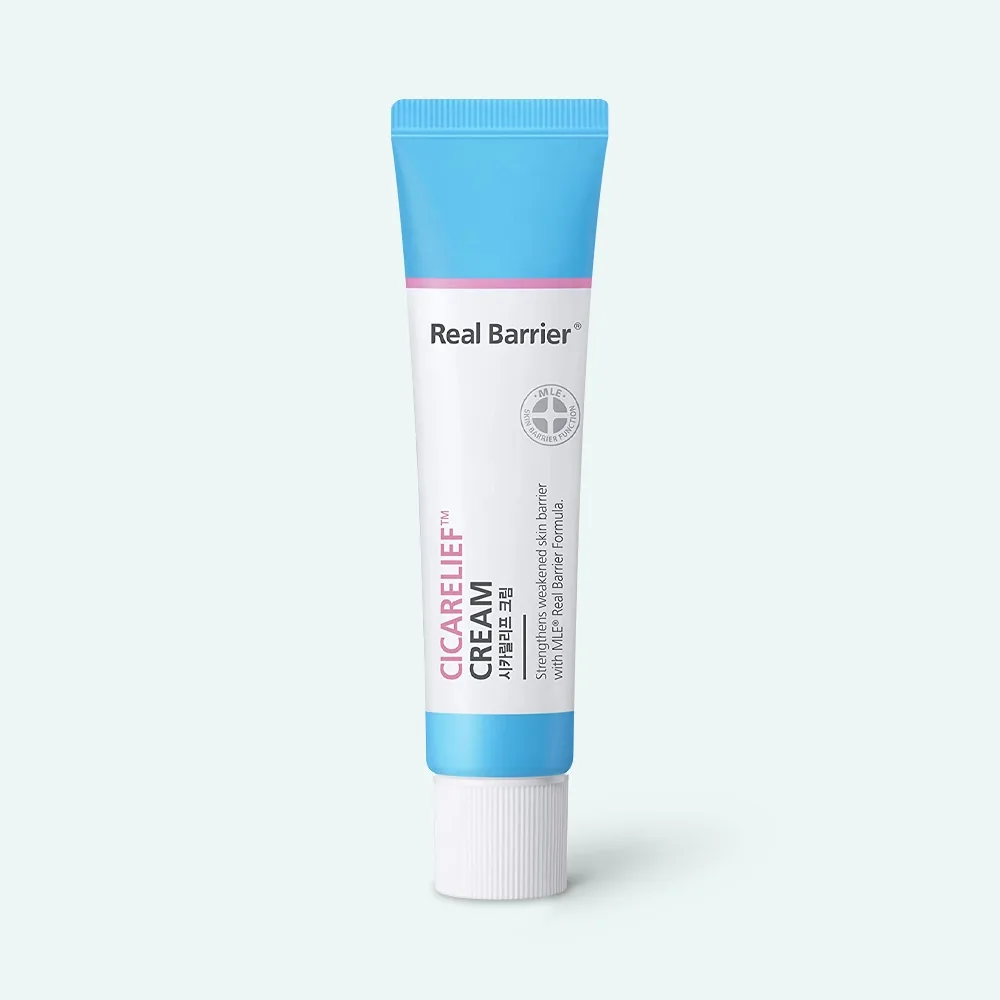
 Real Barrier Cicarelief Cream
One of the best consumer cica creams on the market, combining the full spectrum of centella actives with NeoPharm's MLE ceramide delivery and multiple complementary calming ingredients. Ideal for compromised, reactive, rosacea-prone, or recovering skin, and a staple in Korean dermatology clinic protocols. Minor limitations on packaging, but the formulation is genuinely excellent.
 Transparent 10% Panthenol Cream
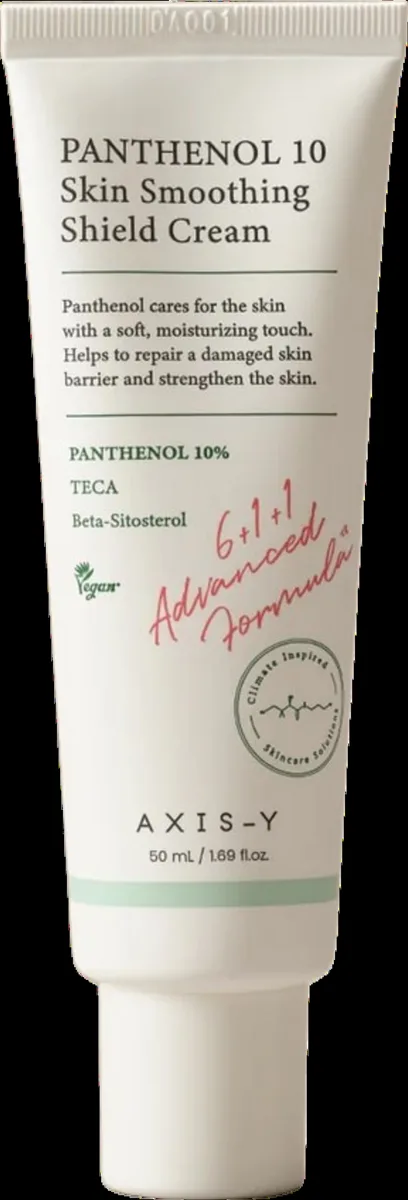
 Panthenol 10 Skin Smoothing Shield Cream
A disclosed 10% panthenol barrier cream built around a full physiological ceramide trio, a centella calming cast, and a modest shea butter occlusive. Fragrance-free, cross-season, and unusually transparent about its hero active — one of the brand's strongest moisturizer formulations.
 K-Beauty Icon
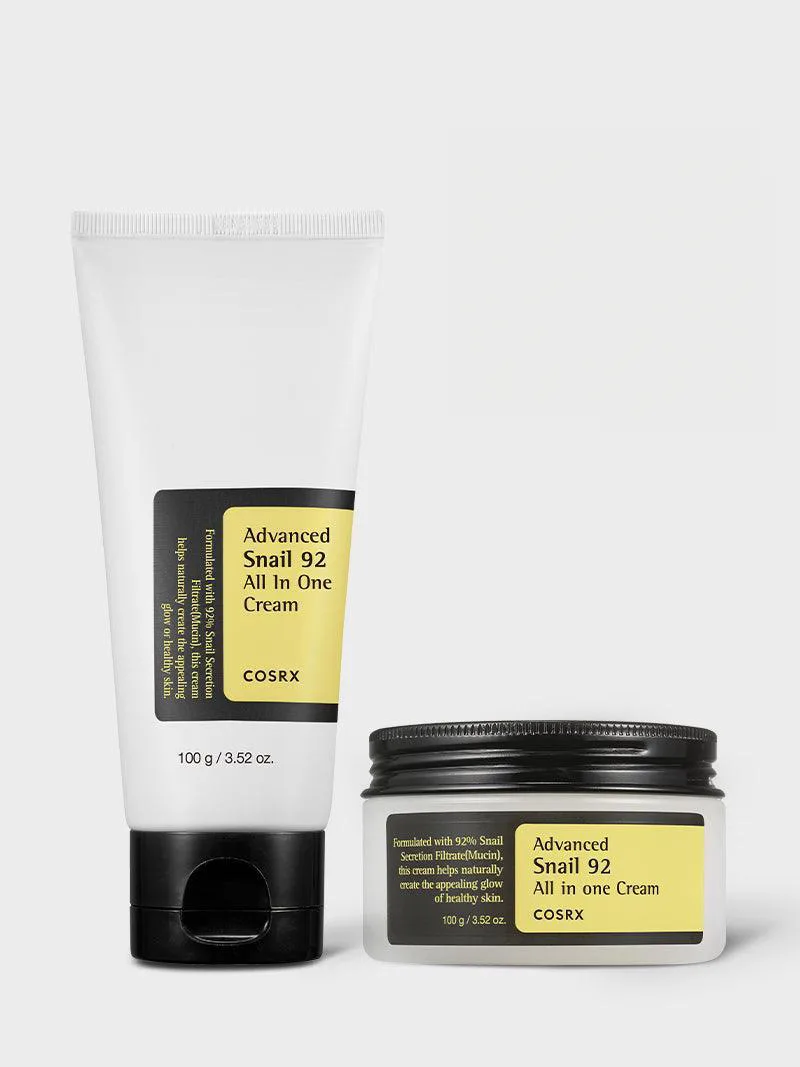
 Advanced Snail 92 All in One Cream
The cream that helped prove snail mucin to the world — and a decade later, it still deserves the reputation. At 92% snail secretion filtrate in a fragrance-free, gentle gel-cream, it delivers hydration, soothing, and gradual skin improvement across virtually every skin type. The texture takes getting used to, but 13 million sold units and 25,000+ reviews suggest most people manage.
This review reflects our independent analysis of publicly available ingredient data, manufacturer claims, and verified user reviews. We are reader-supported — Amazon links may earn us a commission at no cost to you. We do not accept paid placements; rankings are based solely on the evidence.