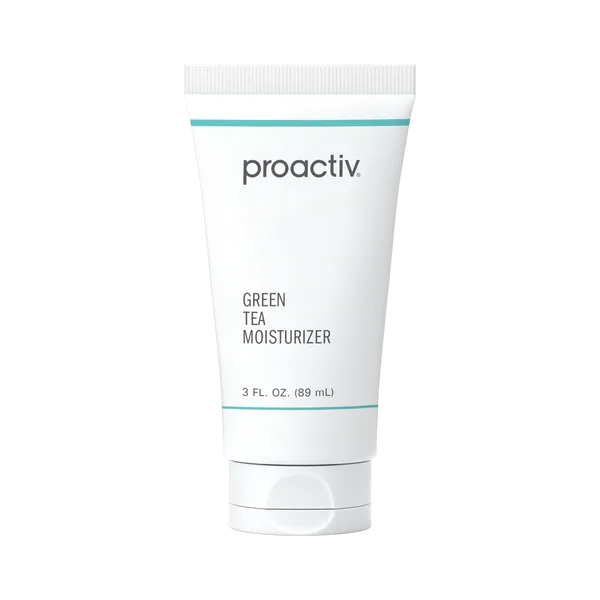
A lightweight gel-cream with genuinely smart active ingredients — pure EGCG, zinc PCA, and squalane — that's undermined by fragrance, parabens, and comedogenic emollients that have no business in a product marketed for acne-prone skin. The good parts are good; the bad parts are puzzling.
Green Tea Moisturizer
A lightweight gel-cream with genuinely smart active ingredients — pure EGCG, zinc PCA, and squalane — that's undermined by fragrance, parabens, and comedogenic emollients that have no business in a product marketed for acne-prone skin. The good parts are good; the bad parts are puzzling.
Score Breakdown
Where this product gains points and where it loses them — broken down across the four scoring pillars.
The active ingredients — EGCG, zinc PCA, squalane, hyaluronic acid — are well-chosen for oily, acne-prone skin. However, the formula undermines itself with fragrance, parabens, alcohol, and comedogenic emollients that contradict its acne-safe positioning. The high price for 3 oz further weakens the value proposition.
Pros & Cons
- ✓Pure EGCG catechin provides more targeted antioxidant activity than generic green tea extract
- ✓Zinc PCA offers dual-action sebum regulation and humectant hydration
- ✓Lightweight gel-cream absorbs instantly with zero greasy residue
- ✓Multi-mechanism hydration from glycerin, hyaluronic acid, squalane, and dimethicone
- ✓Excellent texture that sits well under sunscreen and makeup
- ✓Allantoin provides soothing benefits for skin irritated by acne treatments
- ✗Contains comedogenic emollients (ethylhexyl palmitate, PPG-2 myristyl ether propionate) in an acne-focused product
- ✗Seven fragrance allergens plus Parfum in a moisturizer for sensitized acne-prone skin
- ✗Contains three parabens — a choice Proactiv's own newer line has moved away from
- ✗At $23-36 for 3 oz, the tube depletes quickly with twice-daily use
- ✗Contains alcohol which may contribute to dryness alongside acne treatments
- ✗Not pregnancy-safe due to retinyl palmitate content
Full Review
The Proactiv Green Tea Moisturizer opens strong. Epigallocatechin gallate — pure EGCG, not generic green tea extract, but the specific catechin with the strongest clinical evidence — sits alongside zinc PCA, sodium hyaluronate, and squalane. This is a genuinely smart combination for oily, acne-prone skin. EGCG has demonstrated sebum-regulating and anti-inflammatory properties in clinical studies. Zinc PCA controls oil production while providing humectant hydration. Squalane delivers lightweight moisture that mimics the skin's own sebum. Hyaluronic acid binds water. These ingredients, together, represent exactly what acne-prone skin needs from a moisturizer.
And then you keep reading the INCI list.
Ethylhexyl palmitate has a comedogenic rating of 2-4, meaning it can clog pores in a meaningful percentage of people. PPG-2 myristyl ether propionate sits at a comedogenic rating of 3. These are emollients — they make the product feel smooth and luxurious — but they are objectively puzzling choices for a product explicitly marketed to people who break out. Proactiv positions this as non-comedogenic, and in fairness, most users probably won't react to these ingredients. But the ones who do will be confused and frustrated by breakouts from the very product that's supposed to accompany their acne treatment.
Then there's the fragrance. Seven individually declared fragrance allergens — alpha-isomethyl ionone, butylphenyl methylpropional, citronellol, hexyl cinnamal, hydroxycitronellal, linalool, and geraniol — plus the catch-all 'Parfum.' This in a moisturizer for acne-prone skin, which by definition is inflamed and often sensitized. The scent itself is pleasant enough — a light, calming floral that fades quickly — but it's an aesthetic choice that serves the brand experience rather than the skin.
And parabens. Three of them: ethylparaben, methylparaben, and propylparaben. Parabens are among the most well-studied preservatives in cosmetics, and their safety at standard use concentrations is supported by regulatory agencies worldwide. But Proactiv's own Clean+ line — launched in 2023 — excludes parabens entirely, implicitly acknowledging consumer preference. The Green Tea Moisturizer predates that reformulation philosophy, and it shows.
None of these issues should overshadow the things this product does well, because the user experience is genuinely pleasant. The gel-cream texture is one of the best lightweight moisturizer textures on the market. It feels cooling and refreshing on application, absorbs within seconds, and leaves absolutely no greasy residue. Oily and combination skin types will love how it hydrates without adding shine. It sits beautifully under sunscreen and makeup, functioning as a perfect primer-adjacent step.
The EGCG delivers real antioxidant benefits. Multiple studies have shown that topical EGCG reduces lipid peroxidation and inflammatory cytokine expression — meaningful protections for skin undergoing acne treatment with drying, barrier-disrupting actives like benzoyl peroxide or adapalene. The zinc PCA adds sebum regulation that complements these treatments, and the retinyl palmitate provides very mild cell-turnover promotion that supports gradual texture improvement.
Allantoin, a conditioning agent positioned in the middle of the formula, provides additional soothing properties that help compensate for the irritation from acne treatments. Macadamia seed oil adds fatty acids. The hydration strategy is genuinely multi-mechanism — humectants (glycerin, hyaluronic acid), emollients (squalane, macadamia oil), and occlusives (dimethicone) working together.
Performance tracks with the ingredient profile. Immediate hydration and a matte, non-greasy feel from the first application. Over two to four weeks, reduced oiliness and calmer-looking skin. At the six to eight week mark, modest improvements in texture and a general sense that the skin looks healthier and less reactive. These are supporting-role results — a good moisturizer enhancing the work of active treatments rather than driving transformation on its own.
The price is the final concern. At $36 for 3 oz on the Proactiv website — with Target closer to $23 — the tube runs out in six to eight weeks with twice-daily use. That's $12-18 per month for a moisturizer with formulation compromises that brands half its price avoid. The EGCG and zinc PCA justify a premium over basic moisturizers, but the fragrance and comedogenic ingredients undercut the premium-for-quality argument.
The Green Tea Moisturizer is a product at war with itself. The hero ingredients know exactly what acne-prone skin needs. The supporting ingredients seem to have gotten the memo about making the product feel luxurious instead. If Proactiv applied the same clean-conscious reformulation philosophy from their 2023 Clean+ line to this moisturizer — remove the fragrance, swap the comedogenic emollients, drop the parabens — they'd have something genuinely excellent. As it stands, it's a good moisturizer with a frustrating asterisk.
Formula
Key Ingredients
The hero actives that drive this product's performance.
| Ingredient | Function | Evidence |
|---|---|---|
| Epigallocatechin Gallate (EGCG) | The most potent catechin from green tea, included here as a pure compound rather than a generic extract. EGCG provides antioxidant protection and has demonstrated sebum-regulating and anti-inflammatory properties in clinical studies — making it particularly relevant in a moisturizer designed for acne-prone skin that needs hydration without increased oiliness. | well-established |
| Zinc PCA | A zinc salt of pyrrolidone carboxylic acid that combines zinc's well-documented sebum-regulating and antimicrobial properties with PCA's humectant activity. In this moisturizer, it addresses the dual challenge of oily, acne-prone skin — controlling excess sebum while simultaneously providing hydration. | promising |
| Retinyl Palmitate | A gentle vitamin A ester that provides mild cell-turnover benefits without the irritation of stronger retinoids. In this acne-focused moisturizer, it supports skin renewal alongside the EGCG and zinc, contributing to gradual texture improvement and post-acne mark fading. | promising |
| Sodium Hyaluronate | Provides lightweight hydration that draws water into the upper layers of the epidermis. Paired with the squalane and glycerin in this formula, it creates a multi-mechanism hydration approach that moisturizes without the heavy, pore-clogging feel that oily skin types associate with traditional moisturizers. | well-established |
| Squalane | A lightweight, non-comedogenic emollient that mimics the skin's natural sebum composition. In this gel-cream, it provides the lipid component of moisturization without the heaviness of traditional oils — critical for acne-prone skin that needs barrier support without pore congestion. | well-established |
Full INCI List
Water, Glycerin, Butylene Glycol, Dimethicone, Sodium Polyacrylate, Iris Florentina Root Extract, Macadamia Ternifolia Seed Oil, Epigallocatechin Gallate, Hydrogenated Polydecene, Trideceth-6, Zinc PCA, Retinyl Palmitate, Sodium Hyaluronate, Squalane, Caprylic/Capric Triglyceride, Ethylhexyl Palmitate, PPG-2 Myristyl Ether Propionate, Alcohol, Allantoin, C12-15 Alkyl Lactate, Polyquaternium-11, Disodium EDTA, Ethylparaben, Methylparaben, Propylparaben, Phenoxyethanol, Fragrance (Parfum), Alpha-Isomethyl Ionone, Butylphenyl Methylpropional, Citronellol, Hexyl Cinnamal, Hydroxycitronellal, Linalool, Geraniol
Product Flags
✗ Fragrance Free✗ Alcohol Free✗ Oil Free✗ Silicone Free✗ Paraben Free✓ Sulfate Free✗ Cruelty Free✗ Vegan✗ Fungal Acne Safe
Comedogenic Ingredients
Ethylhexyl PalmitatePPG-2 Myristyl Ether Propionate
Potential Irritants
Fragrance (Parfum)AlcoholRetinyl Palmitate
Common Allergens
Alpha-Isomethyl IononeButylphenyl MethylpropionalCitronellolHexyl CinnamalHydroxycitronellalLinaloolGeraniol
Compatibility
Skin Match
Best For
Works For
Not Ideal For
Addresses These Conditions
Use With Caution
Avoid With
Routine Step
moisturizer
Time of Day
AM & PM
Pregnancy Safe
No ✗
Layering Tips
Apply a thin layer after cleansing and any water-based serums or treatments. The gel-cream texture sits well under sunscreen. For PM use, apply after adapalene or other treatments have absorbed.
Results Timeline
Immediate: lightweight hydration with no greasy feel. 2-4 weeks: reduced oiliness and calmer-looking skin. 6-8 weeks: improved texture and fewer breakouts when used as part of a consistent routine.
Pairs Well With
Gentle acne cleanserNiacinamide serumSPF 30+ (morning)Adapalene (PM, apply first)
Sample AM Routine
- Gentle cleanser
- Niacinamide serum
- Proactiv Green Tea Moisturizer
- SPF 30+
Sample PM Routine
- Gentle cleanser
- Adapalene gel
- Proactiv Green Tea Moisturizer
Evidence
Science & Expert Perspective
The Science
Epigallocatechin gallate (EGCG), the primary catechin in green tea, has demonstrated significant potential for acne-prone skin through multiple mechanisms. Research has shown that EGCG suppresses sebum production by inhibiting lipogenesis in sebaceous glands, reduces inflammatory cytokine expression (particularly IL-1alpha and IL-6), and provides antioxidant protection against oxidative stress that can exacerbate acne inflammation. A clinical study demonstrated that 1-3% EGCG applied topically significantly reduced sebum production in human subjects over eight weeks.
Zinc PCA combines zinc's established antimicrobial and anti-inflammatory properties with pyrrolidone carboxylic acid (PCA), a natural component of the skin's moisturizing factor. The zinc component has been shown to inhibit 5-alpha reductase activity, reducing the conversion of testosterone to DHT in the skin — a hormonal pathway relevant to acne pathogenesis. Simultaneously, the PCA component provides hygroscopic (water-attracting) properties that support hydration.
Retinyl palmitate is converted in the skin through a two-step enzymatic process to retinal and then retinoic acid, the biologically active form. While this conversion is inefficient — making retinyl palmitate significantly less potent than direct retinol or adapalene — it provides a gentle cell-turnover stimulus appropriate for a moisturizer applied alongside stronger retinoid treatments.
Squalane, a hydrogenated form of squalene, mirrors the skin's own sebum composition and has been shown to reinforce the barrier function without promoting comedogenesis in properly formulated products — making it one of the more appropriate lipid ingredients for acne-prone skin.
Dermatologist Perspective
Board-certified dermatologists generally recommend lightweight, non-comedogenic gel moisturizers for acne-prone patients using drying treatments like benzoyl peroxide or adapalene. Dermatologists note that maintaining barrier hydration is essential during acne treatment to prevent compensatory sebum overproduction. The EGCG and zinc PCA in this formula are well-regarded actives for oily skin. However, dermatologists who review ingredient lists may flag the comedogenic emollients and fragrance allergens as unnecessary risks in a product for breakout-prone skin, particularly when fragrance-free and comedogenic-free alternatives exist at comparable price points.
Guidance
Usage Guide
How to Use
Apply a thin layer over the entire face and neck after cleansing and any water-based serums or treatments, morning and evening. The gel-cream texture absorbs quickly, so no extended wait time is needed before applying sunscreen in the morning. If using with adapalene, apply the adapalene first and allow a few minutes for absorption before following with this moisturizer.
Value Assessment
At $23-36 for 3 oz (price varies significantly by retailer), this moisturizer lasts approximately 6-8 weeks with twice-daily use, costing roughly $12-18 per month. A 1 oz travel size exists but is often out of stock. The EGCG and zinc PCA ingredients justify a premium over basic gel moisturizers, but the inclusion of fragrance, parabens, and comedogenic emollients makes the value harder to defend at the higher end of the price range. Proactiv's legacy brand credibility adds some purchasing confidence, though the formulation feels dated compared to the brand's own 2023 Clean+ philosophy.
Who Should Buy
Oily and combination skin types who need hydration without heaviness, particularly those using drying acne treatments like benzoyl peroxide or adapalene. The gel-cream texture is ideal for anyone who avoids moisturizer because they hate greasy, heavy products on acne-prone skin.
Who Should Skip
Anyone with fragrance sensitivity or a history of comedogenic reactions should proceed carefully. Dry skin types will find this insufficient as a standalone moisturizer, especially in winter. Those who prefer paraben-free products or are pregnant should look elsewhere.
Ready to try Proactiv Green Tea Moisturizer?
Details
Details
Texture
Lightweight gel-cream that feels cooling and refreshing on application. Absorbs quickly without leaving a film or greasy residue.
Scent
Light, calming fragrance that is noticeable but not overpowering — dissipates within a few minutes of application
Packaging
Squeezable tube with screw cap. Compact size. Hygienic tube design minimizes contamination.
Finish
lightweightnon-greasysatin
What to Expect on First Use
Immediately cooling and hydrating without any heaviness. The gel-cream disappears into skin within seconds. No tingling or burning. Oily skin types will appreciate how non-greasy it feels. Dry skin types may find they need a richer product, especially in winter.
How Long It Lasts
6-8 weeks with twice-daily use
Period After Opening
12 months
Best Season
spring summer
Background
The Why
The Green Tea Moisturizer was part of Proactiv's evolution beyond the basic benzoyl peroxide three-step system. Recognizing that acne treatment products can leave skin dehydrated and barrier-compromised, this moisturizer was designed to restore hydration without triggering new breakouts — a constant anxiety for acne-prone skin.
About Proactiv Legacy Brand (20+ years)
Proactiv was developed in 1995 by Stanford-trained dermatologists Dr. Katie Rodan and Dr. Kathy Fields. This moisturizer was part of the Proactiv+ line, incorporating ingredients beyond the brand's traditional benzoyl peroxide focus. Now owned by Taro Pharmaceutical Industries.
Brand founded: 1995 · Product launched: 2016
Myth vs. Reality
Myths & Misconceptions
Myth
People with acne shouldn't use moisturizer
Reality
Skipping moisturizer can actually worsen acne by compromising the skin barrier and triggering compensatory sebum production. This gel-cream provides necessary hydration without heavy oils, helping maintain the barrier integrity that acne treatments like benzoyl peroxide and adapalene can disrupt.
Myth
Green tea in skincare is just a marketing ingredient
Reality
This formula uses EGCG, the specific green tea catechin with the strongest evidence base. Studies have shown EGCG reduces sebum production and has anti-inflammatory activity relevant to acne — this isn't decorative botanical inclusion.
FAQ
Frequently Asked Questions
Is Proactiv Green Tea Moisturizer non-comedogenic?
Proactiv markets it as non-comedogenic, but the formula contains ethylhexyl palmitate and PPG-2 myristyl ether propionate, both of which have moderate comedogenic ratings. Most users don't experience breakouts from this product, but those particularly sensitive to comedogenic ingredients should be aware.
Can I use this moisturizer with adapalene?
Yes — this lightweight gel-cream pairs well with adapalene gel. Apply adapalene first to clean, dry skin in the evening, wait a few minutes for absorption, then follow with this moisturizer to help manage the dryness that adapalene can cause.
Is this moisturizer enough for dry skin?
Likely not on its own. The gel-cream texture is designed for oily and combination skin types. If you have dry skin, you may need to layer a richer cream on top, or consider this as a daytime moisturizer with a heavier product at night.
Does this moisturizer have SPF?
No — this is a standalone moisturizer without sun protection. You'll need to apply a separate SPF product on top during the day, which is especially important if you're using adapalene or other retinoids that increase photosensitivity.
Is Proactiv Green Tea Moisturizer pregnancy-safe?
This product contains retinyl palmitate (a vitamin A derivative), which some healthcare providers advise avoiding during pregnancy as a precaution. Consult your OB-GYN before use during pregnancy or breastfeeding.
Community
Community Voices
Common Praise
"Lightweight gel texture absorbs instantly without greasiness"
"Effective hydration that works well under makeup"
"Soothing and calming on irritated acne-prone skin"
"Skin feels soft and plump after application"
"Good pairing with Proactiv acne treatment products"
Common Complaints
"Price is too high for 3 oz — tube runs out quickly"
"Contains fragrance and parabens despite acne-prone positioning"
"Insufficient hydration for dry skin or dry climates"
"Can cause shininess within an hour on very oily skin"
"Contains comedogenic ingredients that may trigger breakouts for some"
Appears In
best moisturizer for acne best moisturizer for oiliness best lightweight moisturizer best gel moisturizer for acne
Related Conditions
Related Ingredients
You Might Also Like
 Budget Holy Grail
 Moisturizing Cream
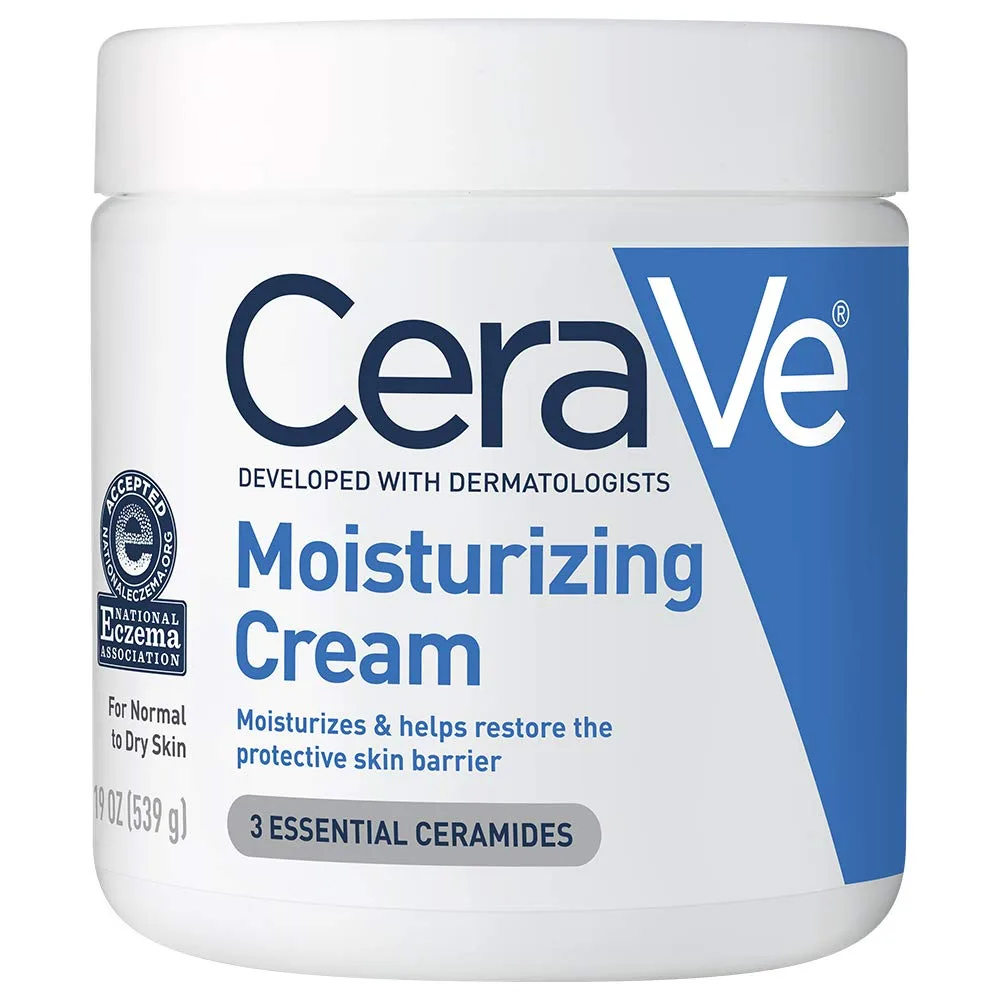
The CeraVe Moisturizing Cream is the most important moisturizer in the drugstore — a ceramide-rich, dermatologist-developed formula that delivers barrier repair, multi-humectant hydration, and occlusive protection at a price so accessible it has no real excuse not to be in every household. Twenty-one years of consistent performance and universal dermatologist approval speak louder than any ingredient list.
 Barrier Repair Pioneer
 MLE Cream
Atopalm MLE Cream is one of the genuinely scientifically anchored barrier moisturizers in K-beauty — a fragrance-free, pseudo-ceramide cream built around a patented liquid-crystal lipid structure that mimics the skin's own intercellular matrix. For eczema, atopic skin, post-procedure recovery, or anyone with a stinging compromised barrier, it's one of the most reliably effective moisturizers in the entire category.
 K-Beauty Barrier Repair Staple
 Atobarrier 365 Cream
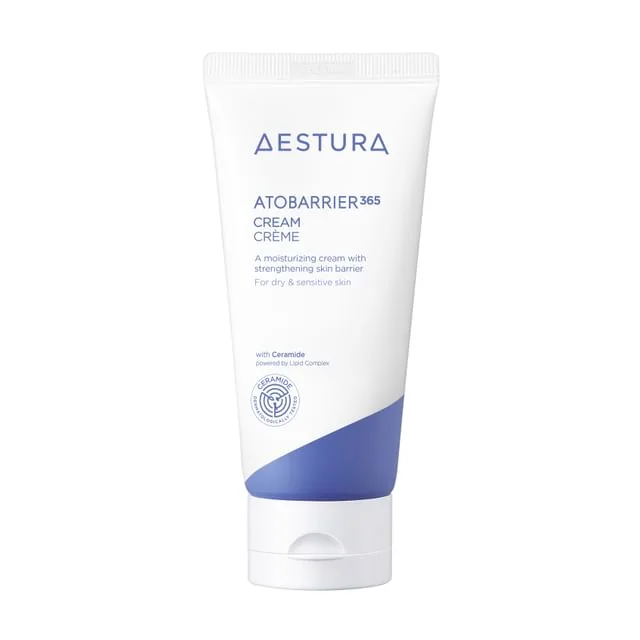
A Korean pharmacy cream that earns its cult following the hard way — with a lamellar lipid structure that actually rebuilds the barrier, not just coats it. If your skin has been through a rough winter, a retinoid ramp-up, or a bad reaction, this is the jar that quietly puts it back together.
 Korean Derm Clinic Recovery Pick
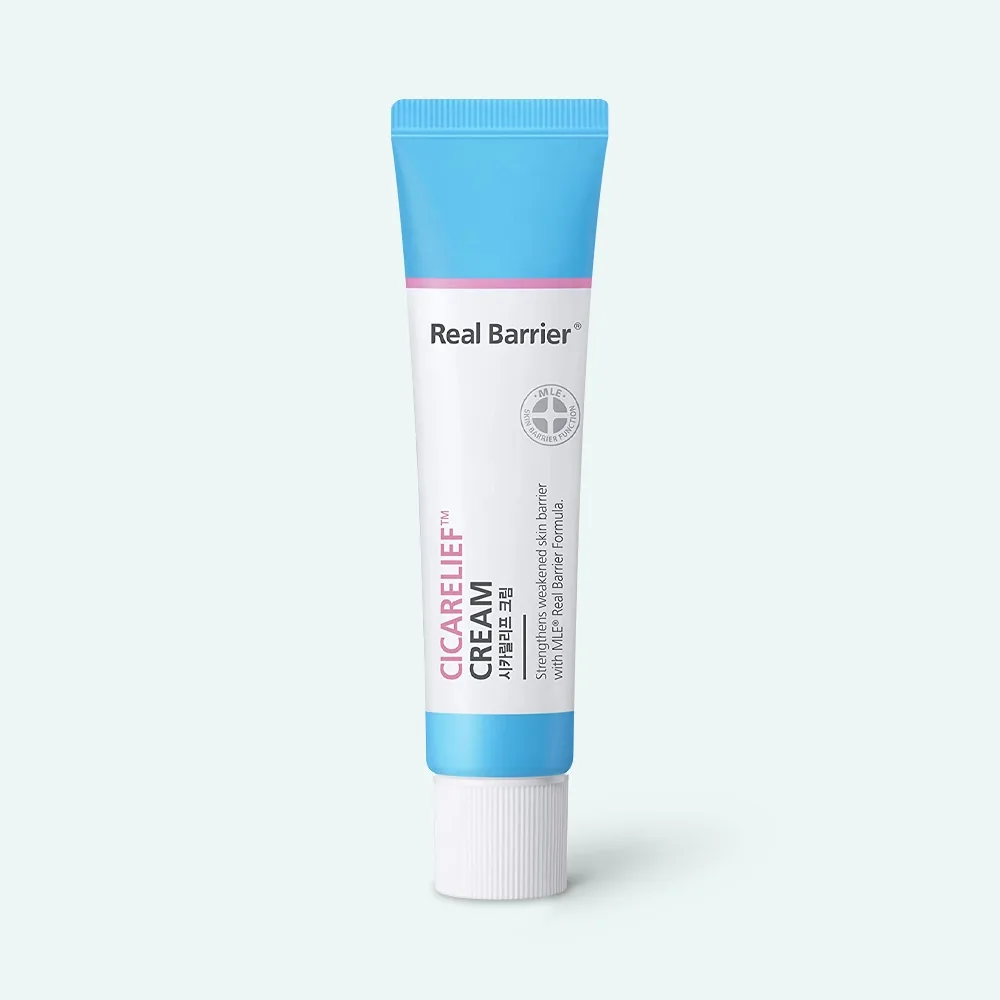
 Real Barrier Cicarelief Cream
One of the best consumer cica creams on the market, combining the full spectrum of centella actives with NeoPharm's MLE ceramide delivery and multiple complementary calming ingredients. Ideal for compromised, reactive, rosacea-prone, or recovering skin, and a staple in Korean dermatology clinic protocols. Minor limitations on packaging, but the formulation is genuinely excellent.
 Transparent 10% Panthenol Cream
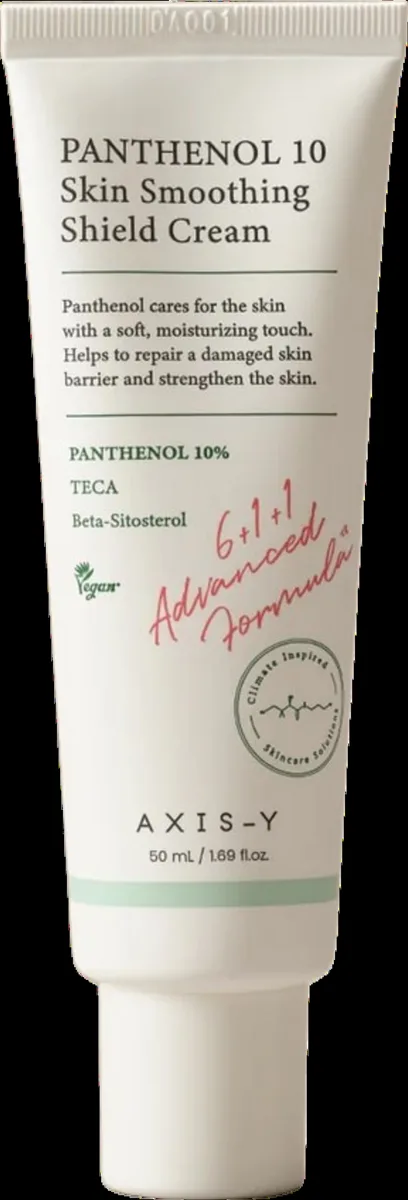
 Panthenol 10 Skin Smoothing Shield Cream
A disclosed 10% panthenol barrier cream built around a full physiological ceramide trio, a centella calming cast, and a modest shea butter occlusive. Fragrance-free, cross-season, and unusually transparent about its hero active — one of the brand's strongest moisturizer formulations.
 K-Beauty Icon
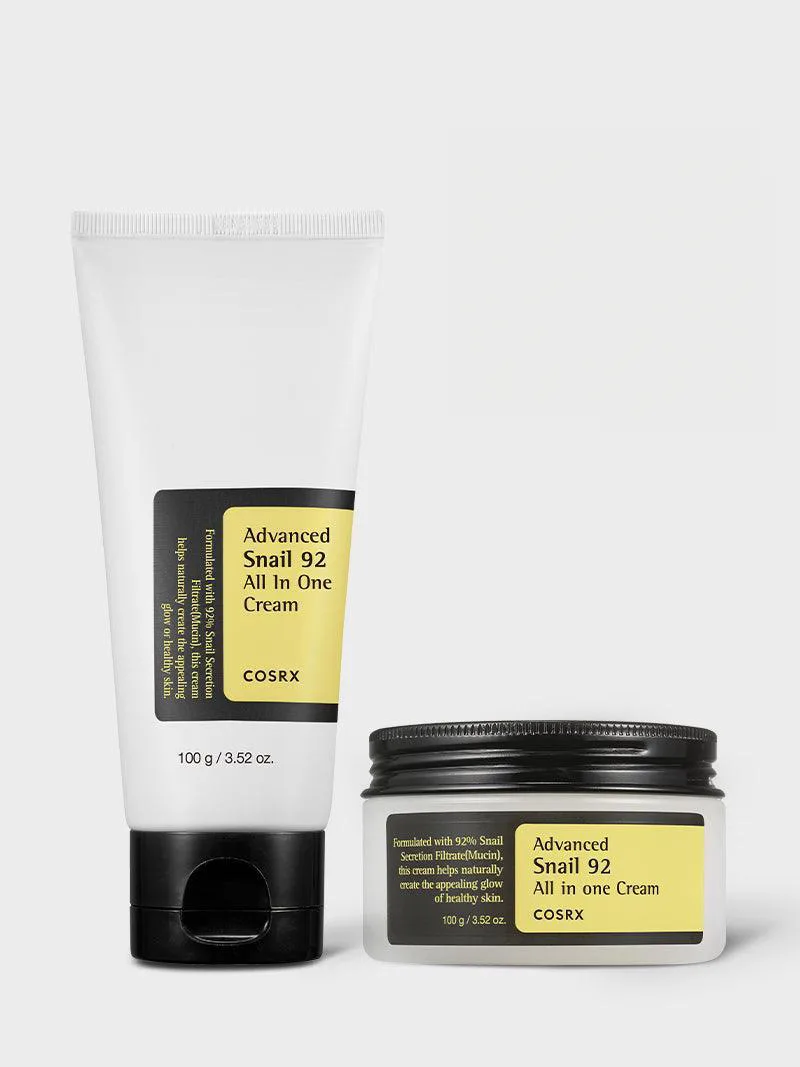
 Advanced Snail 92 All in One Cream
The cream that helped prove snail mucin to the world — and a decade later, it still deserves the reputation. At 92% snail secretion filtrate in a fragrance-free, gentle gel-cream, it delivers hydration, soothing, and gradual skin improvement across virtually every skin type. The texture takes getting used to, but 13 million sold units and 25,000+ reviews suggest most people manage.