
A dual-acid exfoliating pad that targets post-acne dark marks with glycolic and salicylic acid, but the denatured alcohol base, high per-pad cost, and limited 15-pad count make it difficult to recommend when better-formulated, more affordable alternatives exist.
\+ Mark Correcting Pads
A dual-acid exfoliating pad that targets post-acne dark marks with glycolic and salicylic acid, but the denatured alcohol base, high per-pad cost, and limited 15-pad count make it difficult to recommend when better-formulated, more affordable alternatives exist.
Score Breakdown
Where this product gains points and where it loses them — broken down across the four scoring pillars.
While the dual glycolic/salicylic acid approach targets post-acne marks effectively, the formula is undermined by denatured alcohol as the second ingredient, imidazolidinyl urea (a formaldehyde releaser), and an extremely high per-pad cost. The irritation risk is significant for a product targeting already-compromised post-acne skin.
Pros & Cons
- ✓Dual glycolic and salicylic acid approach targets both surface marks and pore congestion
- ✓Pre-soaked pad format ensures consistent dosing and convenient application
- ✓Fragrance-free formula avoids one common irritation source
- ✓Green tea extract and panthenol provide antioxidant and soothing support
- ✓From dermatologist-founded brand with 30 years of acne treatment experience
- ✗Denatured alcohol as the second ingredient causes stinging and damages skin barrier
- ✗At $2.20 per pad, this is one of the most expensive exfoliating treatments per use
- ✗Only 15 pads per package — lasts about one month with every-other-night use
- ✗Contains imidazolidinyl urea, a formaldehyde-releasing preservative
- ✗Better-formulated alternatives with similar acids exist at significantly lower prices
- ✗Witch hazel adds unnecessary astringency to an already drying formula
Full Review
Proactiv built its reputation on a simple promise: clear acne with a dermatologist-designed system delivered to your door. Dr. Katie Rodan and Dr. Kathy Fields created the brand in 1995, and for a generation of acne sufferers, the Proactiv infomercial was their first introduction to benzoyl peroxide. The brand has been through multiple iterations since then, and the Mark Correcting Pads represent its attempt to address what happens after the acne clears — the stubborn dark spots that can linger for months.
The concept is straightforward. Each pre-soaked pad delivers a combination of glycolic acid at 5% and salicylic acid in a solution that you swipe across post-acne marks. The glycolic acid works on the surface, accelerating the shedding of melanin-laden keratinocytes to reveal fresher, less pigmented skin underneath. The salicylic acid works within the pores, clearing residual congestion that can perpetuate inflammation and discoloration. In theory, this dual-acid approach is sound dermatological thinking.
In practice, the formula has problems that are hard to overlook. The second ingredient, after water, is denatured alcohol. Not cetyl alcohol, not stearyl alcohol — denatured ethanol, the kind that evaporates quickly, disrupts the skin barrier, and causes that sharp stinging sensation on application. In a product designed for post-acne skin — skin that is already compromised, already healing, already more permeable than healthy skin — a high concentration of denatured alcohol is a questionable formulation choice.
The stinging on application is significant. First-time users will feel it immediately: a cooling flash from the alcohol followed by a warming burn from the acids contacting exposed skin. On recently healed acne marks, this sensation is more pronounced. It subsides within a few minutes, but it is not pleasant, and it is worth repeating — the sting comes primarily from the alcohol irritating damaged skin, not from the acids performing therapeutic exfoliation.
The preservative system raises additional concerns. Imidazolidinyl urea is a formaldehyde-releasing preservative that the cosmetics industry has been moving away from for years. While it is present in regulated amounts and considered safe by most regulatory bodies, consumers are increasingly aware of formaldehyde releasers and may prefer to avoid them. In a 2026 product from a clinical brand, this feels like a holdover from an older formulation era.
That said, the acids themselves work. Glycolic acid at 5% in a leave-on format provides meaningful exfoliation, and the research supporting glycolic acid for post-inflammatory hyperpigmentation is robust. After three to four weeks of consistent every-other-night use, post-acne marks do begin to lighten. The improvement is gradual — dark brown marks shift to medium brown, then to a pink-brown that eventually fades to near-skin-tone over two to three months. The salicylic acid contributes by preventing new breakouts from forming during this process, which is important because new acne in the same area resets the pigmentation clock.
The pad format has practical advantages. Each pad is pre-soaked with a consistent amount of product, eliminating the guesswork of applying the right amount of a liquid or serum. The slightly textured surface provides gentle physical exfoliation as you swipe, which can help with the desquamation process. And the individual-use format means there is no risk of contaminating a bottle with repeated use.
But the math does not work. Fifteen pads for $32.95 means each pad costs approximately $2.20. Used every other night as recommended, this package lasts roughly a month. Treating post-acne hyperpigmentation typically requires eight to twelve weeks minimum, meaning you would need two to three packages — $66 to $99 — just for one course of treatment. There are glycolic acid toners, pads, and serums from other brands that deliver equal or higher acid concentrations at a fraction of this per-use cost.
The supporting ingredients are adequate but minimal. Green tea extract adds antioxidant support. Panthenol and allantoin provide soothing and hydrating properties. Witch hazel adds astringent action. But these are present in small amounts, overshadowed by the alcohol base. A more modern formulation would swap the alcohol for a gentler solvent, replace the witch hazel with a proper anti-inflammatory, and use a contemporary preservative system.
Proactiv has genuine dermatological credibility from its founding physicians and three decades of acne treatment experience. That legacy makes the formulation choices here more disappointing. The dual-acid approach is clinically sound. The delivery format is convenient. But the alcohol base, dated preservative, and extraordinarily high per-pad cost put this product behind the curve in a market where affordable, well-formulated exfoliating pads are readily available.
Formula
Key Ingredients
The hero actives that drive this product's performance.
| Ingredient | Function | Evidence |
|---|---|---|
| Glycolic Acid (5%) (5%) | The primary exfoliant in these pads — glycolic acid accelerates the shedding of hyperpigmented surface cells, gradually reducing the visibility of post-acne dark marks. The pad delivery system ensures even distribution across affected areas. | well-established |
| Salicylic Acid | Oil-soluble BHA that penetrates into pores to clear debris and prevent new breakouts from forming while the glycolic acid addresses the surface-level post-acne marks. The dual-acid approach targets both the mark and the underlying congestion. | well-established |
| Witch Hazel Water | Natural astringent that temporarily tightens pores and reduces surface oil, complementing the exfoliating acids. Also provides mild anti-inflammatory properties to soothe acid-treated skin. | traditional-use |
| Green Tea Extract | Provides antioxidant protection against further post-inflammatory hyperpigmentation by neutralizing free radicals generated during the acne healing process. Also offers anti-inflammatory support. | well-established |
| Panthenol (Vitamin B5) | Humectant and skin-soothing agent that helps counterbalance the drying effects of the alcohol and dual acids in this formula, providing moisture retention and supporting wound healing in post-acne skin. | well-established |
Full INCI List
Water (Aqua), Alcohol Denat., Glycolic Acid, Salicylic Acid, Hamamelis Virginiana (Witch Hazel) Water, Camellia Sinensis Leaf Extract, Panthenol, Ammonium Hydroxide, Allantoin, Polysorbate 20, Disodium EDTA, Sodium Benzoate, Imidazolidinyl Urea
Product Flags
✓ Fragrance Free✗ Alcohol Free✓ Oil Free✓ Silicone Free✓ Paraben Free✓ Sulfate Free✗ Cruelty Free✓ Vegan✓ Fungal Acne Safe
Potential Irritants
Alcohol Denat.Glycolic AcidSalicylic AcidWitch Hazel
Common Allergens
Imidazolidinyl Urea
Compatibility
Skin Match
Best For
Works For
Not Ideal For
Addresses These Conditions
dark spots hyperpigmentation acne texture
Use With Caution
Avoid With
rosacea eczema dryness compromised skin barrier sensitivity
Routine Step
treatment
Time of Day
PM
Pregnancy Safe
No ✗
Layering Tips
Use after cleansing in the evening. Swipe one pad across affected areas, avoiding the eye area and lips. Allow to dry completely before applying moisturizer. Do not use on the same night as retinoids or other exfoliating acids. Follow with a gentle, fragrance-free moisturizer.
Results Timeline
Smoother texture within the first week of use. Visible fading of post-acne marks typically begins at 3-4 weeks. Significant improvement in mark appearance at 8-12 weeks of consistent use. Results depend on the depth and age of the marks.
Pairs Well With
gentle cleansersceramide moisturizersniacinamide serums
Conflicts With
retinoids on the same nightother AHA/BHA productsbenzoyl peroxide
Sample AM Routine
- Gentle cleanser
- Niacinamide serum
- Moisturizer
- SPF 30+
Sample PM Routine
- Gentle cleanser
- THIS PRODUCT (every other night)
- Moisturizer
Evidence
Who Should Skip
- Denatured alcohol as the second ingredient causes stinging and damages skin barrier
- At $2.20 per pad, this is one of the most expensive exfoliating treatments per use
- Only 15 pads per package — lasts about one month with every-other-night use
- Contains imidazolidinyl urea, a formaldehyde-releasing preservative
Science & Expert Perspective
The Science
The dual-acid strategy in these pads targets post-inflammatory hyperpigmentation (PIH) through complementary mechanisms. Glycolic acid, the smallest alpha-hydroxy acid (molecular weight 76 Da), penetrates the stratum corneum efficiently and accelerates desquamation — the shedding of melanin-laden corneocytes. A study published in Dermatologic Surgery by Burns et al. demonstrated that serial glycolic acid peels significantly improved PIH in patients with darker skin tones, with visible improvement at 4-6 weeks of treatment.
Salicylic acid (beta-hydroxy acid) complements the glycolic acid by working within the follicular unit. Its lipophilicity allows it to penetrate sebaceous follicles and dissolve comedonal plugs, addressing the pore-level congestion that can perpetuate inflammation and subsequent hyperpigmentation. A review in Clinical, Cosmetic and Investigational Dermatology confirmed salicylic acid's efficacy as both a comedolytic and mild anti-inflammatory agent.
However, the denatured alcohol base is a significant formulation concern. Research published in the Journal of Hospital Infection and multiple dermatological reviews have documented that repeated exposure to denatured alcohol disrupts the skin's lipid barrier, increases transepidermal water loss, and can trigger an inflammatory response that paradoxically worsens hyperpigmentation in susceptible individuals. For post-acne skin that is already in a healing state, barrier disruption from alcohol can slow the resolution of PIH rather than accelerate it.
Green tea (Camellia sinensis) catechins provide ancillary antioxidant support. EGCG has been shown to inhibit tyrosinase activity and reduce melanin synthesis, which may modestly contribute to the depigmenting effects of the exfoliating acids.
Dermatologist Perspective
Dermatologists recognize the glycolic-salicylic acid combination as a valid approach to post-inflammatory hyperpigmentation, particularly for oily and acne-prone skin where ongoing congestion contributes to mark persistence. However, board-certified dermatologists generally advise against high concentrations of denatured alcohol in leave-on products for compromised skin. The alcohol can exacerbate barrier dysfunction, increase sensitivity to the acids, and paradoxically trigger inflammatory responses that worsen hyperpigmentation. Dermatologists typically recommend alcohol-free formulations with glycolic acid, vitamin C, or azelaic acid as first-line treatments for post-acne marks, paired with consistent sunscreen use.
Guidance
Usage Guide
How to Use
After cleansing in the evening, remove one pad from the jar and swipe it gently across areas with post-acne dark marks. Avoid the eye area, lips, and any open or active breakouts. Allow the treatment to dry completely (about 1-2 minutes) before applying moisturizer. Start with every other night and increase frequency only if your skin tolerates it without excessive dryness or irritation. Always use SPF 30+ sunscreen the following morning — exfoliating acids increase photosensitivity.
Value Assessment
At $32.95 for 15 pads ($2.20 per pad), the Mark Correcting Pads are among the most expensive per-treatment exfoliating options on the market. A typical course of post-acne mark treatment requires 8-12 weeks, meaning 2-3 packages ($66-$99) for one course. Well-formulated glycolic acid pads from other brands, or a bottle of glycolic acid toner, can deliver comparable or stronger exfoliation at a fraction of this cost. The Proactiv brand name and dermatologist founding pedigree carry some value, but the formula does not justify the premium — particularly given the denatured alcohol and dated preservative system.
Who Should Buy
Best suited for oily or combination skin types dealing with persistent post-acne dark marks who want the convenience of a pre-dosed treatment pad. May appeal to existing Proactiv users looking to extend their routine into post-acne care.
Who Should Skip
Skip if you have dry, sensitive, or barrier-compromised skin — the alcohol and dual acids are too harsh. Also skip if you are budget-conscious, as significantly cheaper alternatives with similar or better formulations are widely available. Anyone who avoids formaldehyde-releasing preservatives should also pass.
Ready to try Proactiv + Mark Correcting Pads?
Details
Details
Texture
Pre-soaked cotton pads saturated with a clear, alcohol-scented liquid. The pads have a slightly rough texture for physical exfoliation during swiping.
Scent
No added fragrance but has a noticeable clinical alcohol scent from the denatured alcohol. Dissipates within a minute of application.
Packaging
Individual pads packaged in a small jar. Each pad is pre-soaked and ready to use. The jar format is practical but the 15-pad count makes it a small package for the price.
Finish
mattefast-absorbing
What to Expect on First Use
Expect a noticeable sting on first use, particularly on active or recent post-acne marks. The alcohol creates a cooling-then-burning sensation that can be intense for first-time users. Skin may feel tight and dry after the pad dries. The stinging subsides within a few minutes.
How Long It Lasts
2-4 weeks with every-other-night use (15 pads)
Period After Opening
12 months
Best Season
All Year
Background
The Why
The Mark Correcting Pads were introduced as part of Proactiv's expansion beyond basic acne treatment into post-acne care. Recognizing that clearing acne is only half the battle, the brand developed this product to address the dark marks that linger long after breakouts have healed — a concern that many acne sufferers find equally frustrating.
About Proactiv Legacy Brand (20+ years)
Proactiv was co-founded in 1995 by Stanford-trained dermatologists Dr. Katie Rodan and Dr. Kathy Fields. It became one of the best-selling acne treatment systems in the U.S., primarily through direct-to-consumer sales. The brand has over two decades of market presence in the acne category.
Brand founded: 1995 · Product launched: 2015
Myth vs. Reality
Myths & Misconceptions
Myth
Post-acne dark marks are permanent scars that require professional treatment.
Reality
Post-inflammatory hyperpigmentation (PIH) is different from true acne scarring. PIH involves excess melanin deposits in the skin that naturally fade over months to years. Exfoliating acids like glycolic acid accelerate this process by increasing cell turnover, though deeper or older marks may take longer to respond.
Myth
If an exfoliating pad stings, it means it is working effectively.
Reality
Stinging from these pads comes primarily from the denatured alcohol irritating the skin, not from the acids working. Effective exfoliation can occur without significant stinging. The alcohol is a formulation choice for quick drying, not a measure of efficacy.
FAQ
Frequently Asked Questions
Do Proactiv Mark Correcting Pads work for acne scars?
These pads work for post-inflammatory hyperpigmentation (dark marks) but not for true acne scars (pitted or raised texture). The glycolic and salicylic acids accelerate the shedding of pigmented surface cells, gradually lightening dark spots. For textural acne scars, professional treatments like microneedling or laser resurfacing are more effective.
How often should I use Proactiv Mark Correcting Pads?
Start with every other night and assess your skin's tolerance. The combination of denatured alcohol and dual acids is drying, so daily use is likely to cause irritation and barrier damage. If your skin tolerates every-other-night use without excessive dryness, you can gradually increase. Always follow with a gentle moisturizer.
Why do Proactiv Mark Correcting Pads sting so much?
The stinging comes primarily from denatured alcohol (the second ingredient) contacting bare skin, compounded by the glycolic and salicylic acids. This is not a sign of effectiveness — it indicates irritation. If the stinging is severe or persists beyond a few minutes, your skin may be too sensitive for this product.
Are there cheaper alternatives to Proactiv Mark Correcting Pads?
Yes — at over $2 per pad, these are among the most expensive exfoliating pads on the market. Products like The Ordinary AHA 30% + BHA 2% Peeling Solution, or glycolic acid pads from brands like Nip+Fab or First Aid Beauty, offer similar or stronger exfoliating action at significantly lower per-treatment costs.
Can I use these pads if I have sensitive skin?
These pads are not recommended for sensitive skin. The combination of denatured alcohol, 5% glycolic acid, salicylic acid, and witch hazel creates multiple irritation pathways. Sensitive skin types should look for alcohol-free exfoliating treatments with gentler acids like mandelic or lactic acid.
Community
Community Voices
Common Praise
"Noticeable improvement in dark mark appearance after several weeks"
"Convenient pre-soaked pad format is easy to use"
"Smooth skin texture from the dual-acid exfoliation"
"Fragrance-free formula"
Common Complaints
"Extremely expensive at over $2 per pad for 15 pads"
"Denatured alcohol causes significant drying and irritation"
"Stinging sensation on application can be uncomfortable"
"Only 15 pads per package makes this unsustainable for regular use"
"Contains imidazolidinyl urea, a formaldehyde-releasing preservative"
Notable Endorsements
From dermatologist-founded acne brand Proactiv
Appears In
best treatment for dark spots best exfoliating pads for acne marks
Related Conditions
dark spots hyperpigmentation acne texture
Related Ingredients
glycolic acid salicylic acid witch hazel green tea panthenol
You Might Also Like
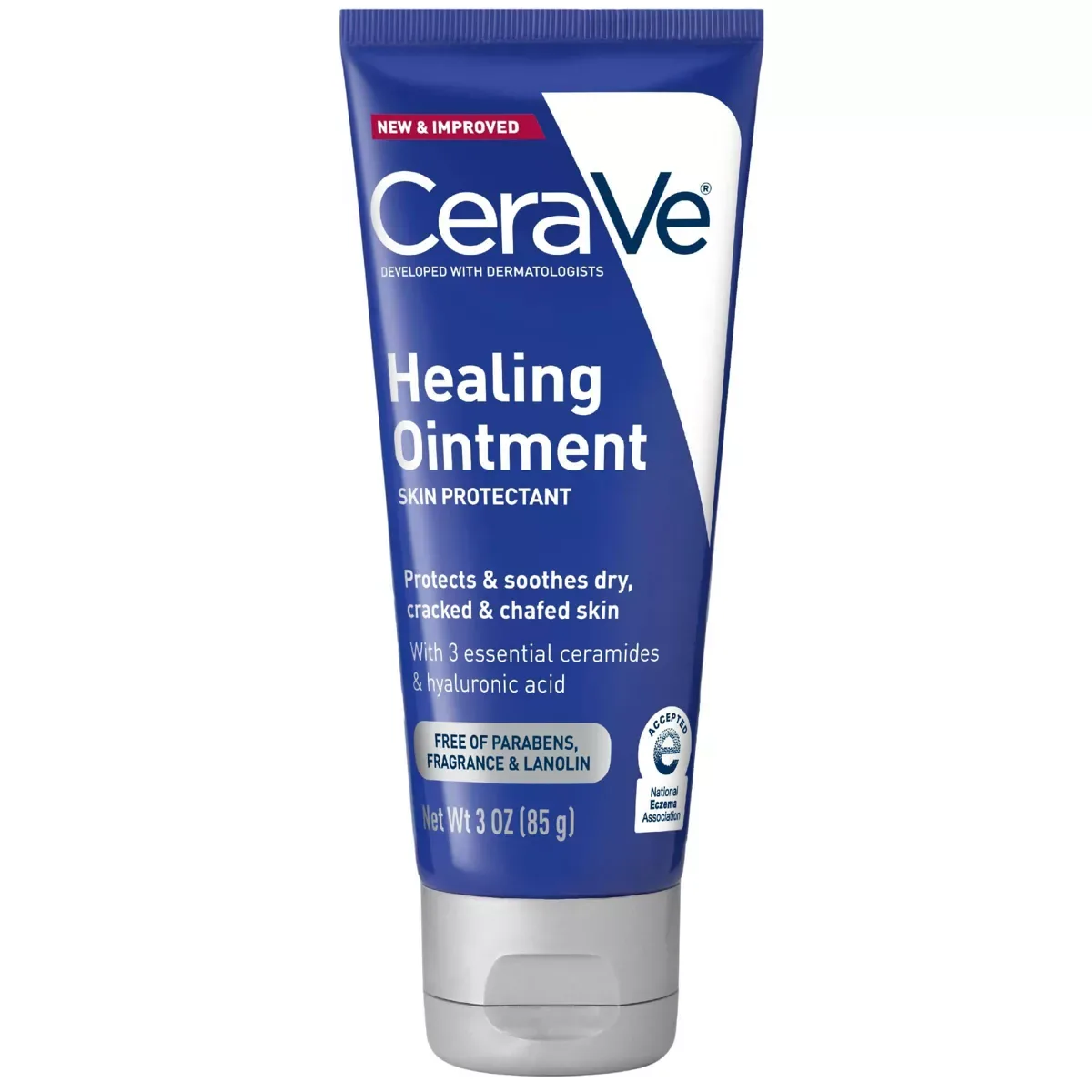 Barrier Rescue Hero
 Healing Ointment
CeraVe's Healing Ointment takes the simplest concept in skincare — seal the skin with petrolatum — and makes it genuinely intelligent by adding ceramides, hyaluronic acid, and panthenol beneath the occlusive layer. It is the gold standard drugstore occlusive for barrier rescue, slugging, and post-procedure care.
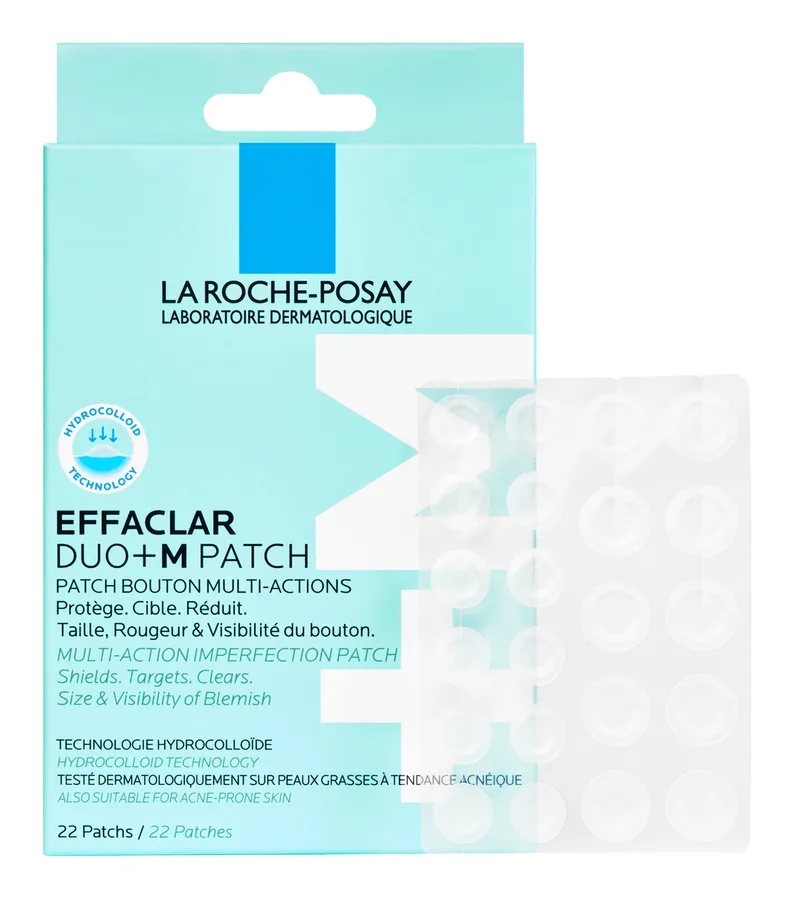 Derm Office Staple
 Effaclar Multi-Target Blemish Patches
One of the few hydrocolloid pimple patches that actually stays on overnight without curling off at 3am. At 420 microns thick with two size options in one pack and zero actives to irritate sensitive skin, this is the Effaclar line's quiet overachiever — and a legitimately good answer for anyone whose acne routine has been sabotaged by thinner patches that refuse to stay put.
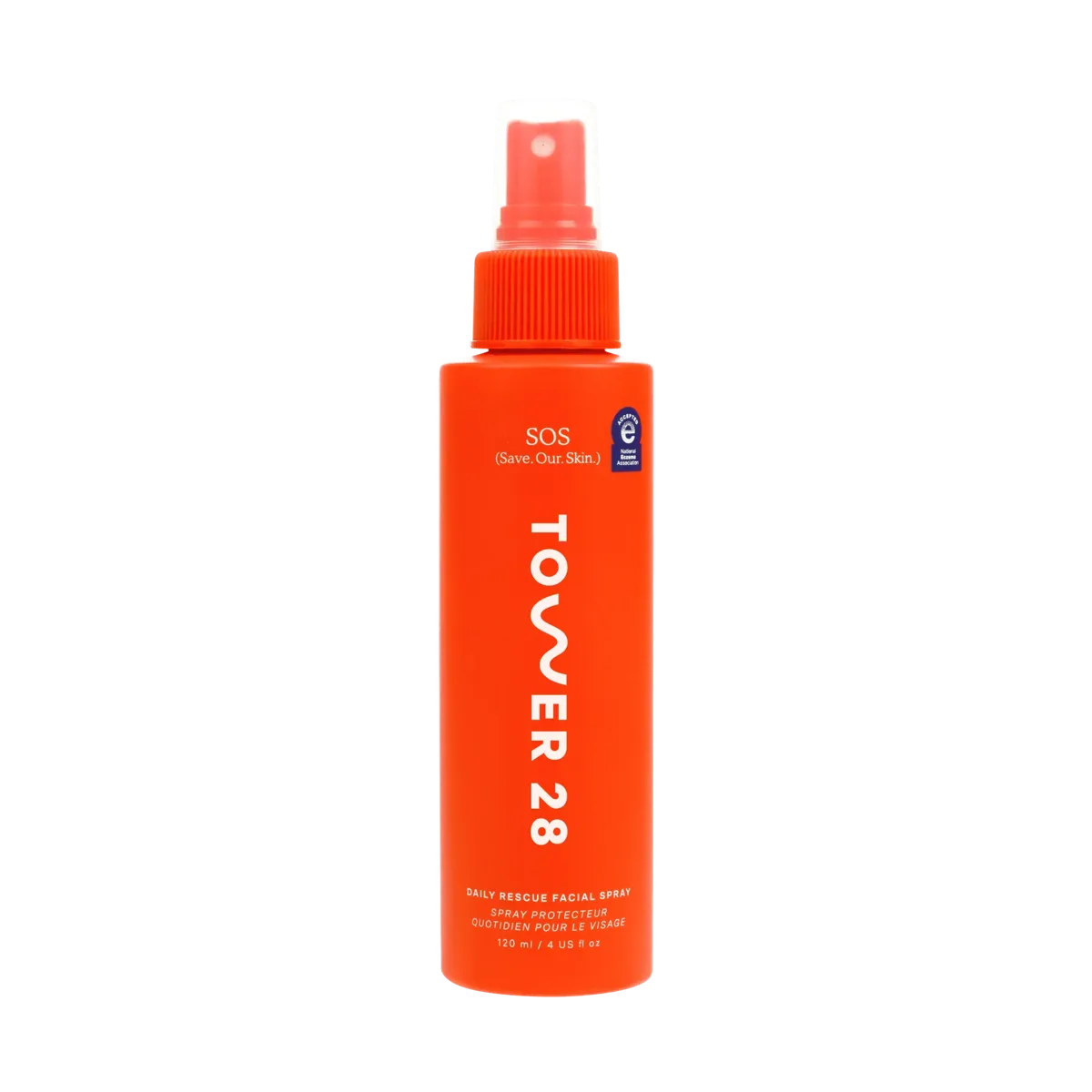 Reactive-Skin Cult Favorite
 SOS Save Our Skin Daily Rescue Facial Spray
The product that single-handedly brought hypochlorous acid into mainstream skincare. A fine-mist HOCl spray with genuine dermatology-organization validation, a near-perfect tolerability profile, and a cult following among people whose skin reacts to everything else. The price runs steeper than medical-grade HOCl, but the stabilization and design are worth the difference for daily use.
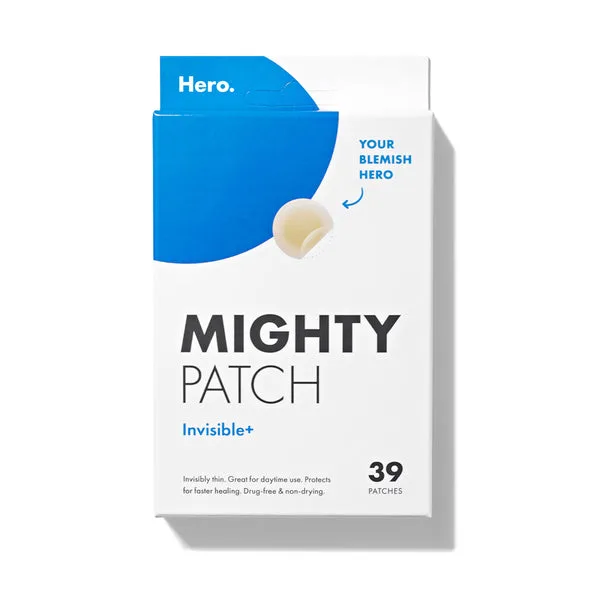
Mighty Patch Invisible+
The pimple patch that proved acne treatment could be invisible — Mighty Patch Invisible+ delivers the same fluid-absorbing hydrocolloid technology as the category-defining Original, but engineered thin enough to disappear under makeup. For daytime blemish management, nothing else comes this close to invisible.
 Post-Procedure MVP
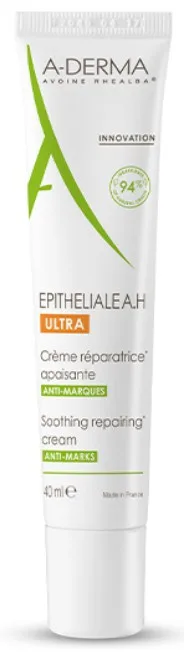
 Epitheliale A.H Ultra Repairing Cream
One of the best-formulated French pharmacy repair creams on the market, full stop. Rhealba oat, three-weight HA, madecassoside, trace minerals, panthenol, and shea butter come together in a cream that handles post-procedure skin, eczema flares, friction damage, and compromised barriers with unusual competence for the price.
 Pigmentation Specialist Pick
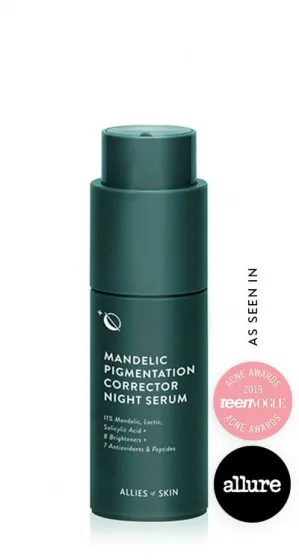
 Mandelic Pigmentation Corrector Night Serum
One of the most thoughtfully formulated pigmentation serums on the market. Mandelic acid leads, but the real story is the supporting cast — tranexamic acid, azelaic acid, niacinamide, and bakuchiol attacking hyperpigmentation through five different pathways. Specifically formulated to be safe on melanin-rich skin and it shows.
This review reflects our independent analysis of publicly available ingredient data, manufacturer claims, and verified user reviews. We are reader-supported — Amazon links may earn us a commission at no cost to you. We do not accept paid placements; rankings are based solely on the evidence.