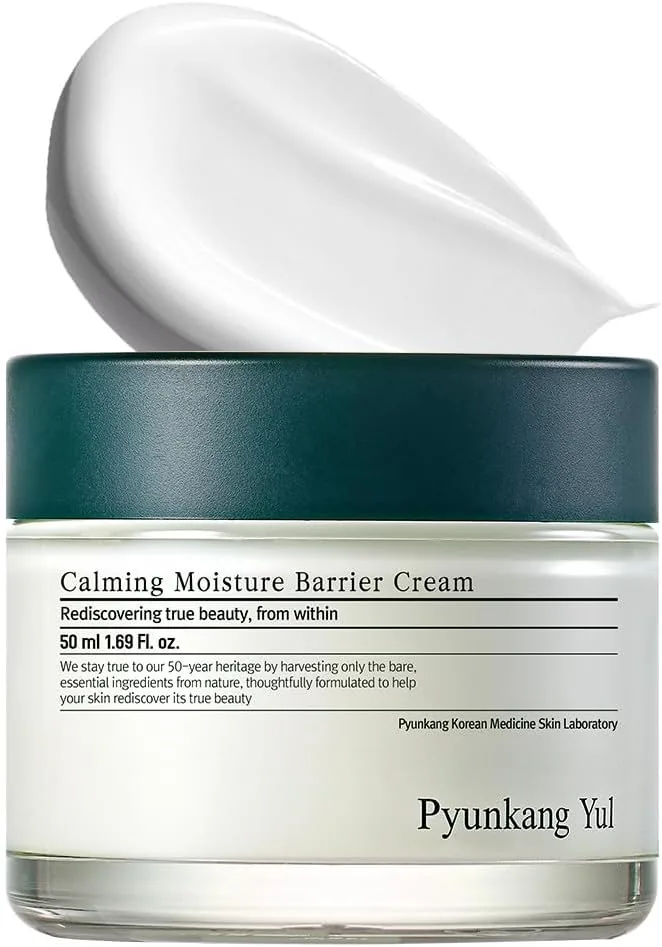
A standout in the sensitive-skin category of K-beauty barrier creams, built on a coptis japonica base with ceramides, phytosphingosine, and the madecassoside-centella complex. It's fragrance-free, generously sized, and priced fairly — one of the easier recommendations for anyone managing reactive or compromised skin.
Calming Moisture Barrier Cream
A standout in the sensitive-skin category of K-beauty barrier creams, built on a coptis japonica base with ceramides, phytosphingosine, and the madecassoside-centella complex. It's fragrance-free, generously sized, and priced fairly — one of the easier recommendations for anyone managing reactive or compromised skin.
Score Breakdown
Where this product gains points and where it loses them — broken down across the four scoring pillars.
One of the more thoughtfully formulated K-beauty barrier creams at this price point. Coptis japonica base, ceramides, phytosphingosine, madecassoside, fragrance-free — ticks nearly every box for sensitive and compromised skin.
Pros & Cons
- ✓Coptis japonica base provides a genuinely distinctive formulation approach
- ✓Ceramide NP plus phytosphingosine for comprehensive lipid repair support
- ✓Madecassoside and centella asiatica deliver proven calming support
- ✓Completely fragrance-free, ideal for sensitive and reactive skin
- ✓Generous 100ml size at a reasonable price point
- ✓Suitable for a wide range of skin types including rosacea and post-procedure recovery
- ✓Vegan and cruelty-free with a hanbang-rooted brand philosophy
- ✗Faint natural herbal scent may not suit users expecting truly scentless
- ✗Jar packaging is standard but still less hygienic than airless alternatives
- ✗Not fungal-acne safe — contains macadamia oil and other triggers
- ✗Formulation is deliberately simple — no treatment-level actives
- ✗Macadamia nut oil is a concern for tree nut allergy sufferers
Full Review
Most K-beauty brands are founded by cosmetics entrepreneurs, marketing veterans, or flagship conglomerates like Amorepacific. Pyunkang Yul is a rarer case — a cosmetic brand spun out of a functioning Korean medicine hospital. The Pyunkang Korean Medicine Hospital in Seoul specializes in respiratory conditions and atopic skin issues, with a treatment philosophy rooted in hanbang herbal medicine, and the brand was launched in 2013 to extend some of that clinical thinking into cosmetic formulations. That origin story matters more than it usually would, because it explains why this cream looks different from the other K-beauty creams in its price range.
The first unusual thing you notice when you read the INCI list is that water isn't there. Or rather, it's there, but it's not the first ingredient. The first ingredient is coptis japonica root extract — an aqueous extract that functions as the base of the emulsion, replacing the plain water that makes up 70-80% of almost every moisturizer on the market. Coptis japonica has been used in traditional Korean medicine for centuries, and contemporary research has identified berberine and related alkaloids as its primary active compounds, with documented anti-inflammatory and antimicrobial activity in both oral and topical contexts. Pyunkang Yul's decision to use it as the base instead of water isn't a gimmick; it's an extension of the clinic's treatment philosophy into cosmetic form.
Whether this base substitution produces meaningfully different clinical outcomes versus a plain water base is difficult to prove — you'd need head-to-head studies that nobody has run — but what's not in question is the practical effect on sensitive skin. Users with reactive complexions consistently report that this cream applies without stinging, calms redness within minutes, and doesn't trigger the low-grade irritation that many fragranced or active-heavy creams cause over time. The formulation's restraint is the more important feature: no fragrance, no essential oils, no denatured alcohol, no brightening acids, no retinoids. What's left is a cream designed to support the barrier without adding anything the barrier might need to defend against.
The lipid repair side of the formula is where it earns its 'barrier cream' label. Ceramide NP sits alongside phytosphingosine, squalane, and macadamia seed oil in a combination that delivers ceramides, a ceramide precursor, and fatty acids in reasonable proportions. Phytosphingosine is worth noting — it's a sphingoid base that skin uses to synthesize its own ceramides endogenously, so its inclusion effectively gives the skin both ready-made lipids and the building blocks to make more. That's more sophisticated than a simple ceramide-dumped formula, and it's one of the details that separates this cream from the many generic 'ceramide cream' products that have flooded the market since the CeraVe boom.
Madecassoside and centella asiatica extract handle the calming side. These are the same actives that made K-beauty cica products a global category, and their inclusion here aligns with the brand's hanbang medicine approach to reactive skin. Madecassoside specifically has a growing body of research supporting its wound-healing and anti-inflammatory effects, and it's one of the actives that has made Korean cica creams a go-to recommendation for rosacea and post-procedure recovery in online skincare communities.
The sensory experience is also quietly impressive. The cream is richer than the 'moisture' in the name might suggest — closer to a traditional face cream than a gel-cream — but it melts into skin within a minute of application and leaves a satin finish that doesn't feel heavy or tacky. There's a very faint natural herbal note from the coptis extract that some users notice and occasionally mention; it isn't unpleasant, but it's worth flagging for anyone who expects a truly scentless product. The 100ml size is generous for a cream at this price point — most comparable K-beauty creams ship in 50ml containers.
The honest limitations are modest. The jar packaging is the standard K-beauty complaint, though with a fragrance-free and mostly non-photosensitive formula, the practical impact is smaller than it would be for a retinol or vitamin C product. Macadamia nut oil is present, which is worth noting for users with tree nut allergies. The cream is not fungal-acne safe, which matters for users managing Malassezia-related issues. And the formula's restraint — no brighteners, no exfoliants, no anti-aging actives — means it's deliberately one-dimensional. It's a barrier and calming cream, nothing more, and it doesn't try to double as a treatment product.
For the right user, those limitations don't matter. If you're managing sensitive, reactive, or compromised skin and you want a K-beauty cream that prioritizes tolerability over marketing claims, this is one of the most reliable options under $30. It earns its cult following in online skincare communities not because of a celebrity endorsement or a viral moment, but because people with skin that's hard to shop for find that it works, repeatedly, without drama. That's a specific kind of success, and it's worth more than a marketing budget.
Formula
Key Ingredients
The hero actives that drive this product's performance.
| Ingredient | Function | Evidence |
|---|---|---|
| Coptis Japonica Root Extract | Replaces water as the primary base ingredient in this cream — a distinctive formulation choice that delivers berberine and other alkaloids with anti-inflammatory properties directly into the emulsion structure, and is the signature feature that defines the Pyunkang Yul product range. | promising |
| Madecassoside | Works alongside the centella asiatica extract in this formula to calm inflammatory pathways and support wound-healing activity — particularly useful for the sensitive, reactive, and post-irritation skin this cream is specifically positioned for. | promising |
| Ceramide NP | Paired with phytosphingosine in this formula to rebuild the stratum corneum lipid matrix — a targeted addition that makes this cream useful for actively damaged or compromised barriers rather than just a calming surface cream. | well-established |
| Phytosphingosine | A ceramide precursor that supports endogenous ceramide synthesis in the skin and contributes antimicrobial activity — an increasingly common addition in K-beauty barrier creams but still rare enough to stand out. | promising |
| Squalane + Macadamia Seed Oil | Together these supply the fatty acid portion of the lipid repair system in this cream, balancing the ceramide content with non-comedogenic emollients that spread evenly without leaving a heavy film. | well-established |
Full INCI List · pH 5.8
Coptis Japonica Root Extract, Butylene Glycol, Caprylic/Capric Triglyceride, Glycerin, Cetyl Ethylhexanoate, 1,2-Hexanediol, Cetearyl Olivate, Sorbitan Olivate, Cetearyl Alcohol, Squalane, Macadamia Ternifolia Seed Oil, Hydrogenated Poly(C6-14 Olefin), Panthenol, Madecassoside, Centella Asiatica Extract, Bisabolol, Ceramide NP, Phytosphingosine, Tocopherol, Allantoin, Sodium Hyaluronate, Xanthan Gum, Arginine, Carbomer, Ethylhexylglycerin
Product Flags
✓ Fragrance Free✓ Alcohol Free✗ Oil Free✓ Silicone Free✓ Paraben Free✓ Sulfate Free✓ Cruelty Free✓ Vegan✗ Fungal Acne Safe
Common Allergens
macadamia nut oil
Compatibility
Skin Match
Best For
sensitive dry normal combination
Works For
Not Ideal For
Addresses These Conditions
sensitivity compromised skin barrier rosacea eczema post procedure
Routine Step
moisturizer
Time of Day
AM & PM
Pregnancy Safe
Yes ✓
Layering Tips
Apply as the final moisturizing step. Can be used alone for simple routines or layered under a richer sleeping pack for very compromised skin.
Results Timeline
Immediate: calming, comfortable hydration on reactive skin. 1-2 weeks: visible reduction in redness and reactivity. 4-8 weeks: more resilient barrier function and reduced flare frequency with consistent use.
Pairs Well With
hydrating tonershyaluronic acidcentella serumsmineral sunscreen
Sample AM Routine
- Gentle cleanser
- Hydrating toner
- Pyunkang Yul Calming Moisture Barrier Cream
- Mineral sunscreen
Sample PM Routine
- Oil cleanser
- Gentle cleanser
- Hydrating toner
- Centella serum
- Pyunkang Yul Calming Moisture Barrier Cream
Evidence
Science & Expert Perspective
The Science
Coptis japonica has been used in East Asian traditional medicine for centuries, and contemporary research has documented its primary active compound — berberine — as having meaningful anti-inflammatory and antimicrobial activity in both in vitro and limited in vivo studies. Research published in journals including the Journal of Ethnopharmacology has explored berberine's effects on inflammatory cytokine pathways relevant to conditions like atopic dermatitis and acne. The evidence base for topical coptis extract specifically is smaller than the oral berberine literature, but the mechanism of action is plausible and the safety profile is well-established.
The lipid repair stack in this formulation — ceramide NP, phytosphingosine, squalane, and macadamia seed oil — reflects contemporary barrier repair science. Phytosphingosine is particularly interesting because it functions as a precursor that skin cells use to synthesize their own ceramides through enzymatic processes. Research suggests that providing both ceramides and ceramide precursors can produce more sustained barrier improvement than ceramide-only formulations, because the skin can continue producing new ceramides after the topically applied ones have been cleared.
Madecassoside is one of the four triterpenoid compounds found in centella asiatica, alongside asiaticoside, asiatic acid, and madecassic acid. Clinical studies on centella extract and its isolated components have documented improvements in wound healing, reduced inflammatory markers, and modulation of collagen synthesis. A study published in the Journal of Wound Care examined centella's effects on burn and ulcer healing, and dermatology-focused research has extended these findings to conditions including rosacea and post-procedure recovery. Madecassoside specifically appears to be one of the more active compounds in the centella complex for inflammatory skin conditions.
The ph of approximately 5.8 is appropriate for maintaining the skin's acid mantle while remaining comfortable for most users, including those with sensitive or compromised barriers. The fragrance-free formulation is consistent with dermatology recommendations for reactive skin — fragrance remains one of the most common causes of cosmetic contact dermatitis, and its exclusion from a product specifically designed for sensitive skin is a deliberate and appropriate choice.
Dermatologist Perspective
Dermatologists who see patients with sensitive, reactive, or compromised skin frequently recommend K-beauty cica and centella products for their calming and barrier-supporting effects, and formulations like this one — combining madecassoside with ceramides and a fragrance-free base — are commonly viewed favorably. Board-certified dermatologists often note that for rosacea and eczema management, simplicity matters more than ingredient complexity: a cream without fragrance, essential oils, or irritating actives is usually more beneficial than a cream packed with treatment ingredients that might provoke flares. This product's deliberate minimalism aligns with that clinical preference. Dermatologists would generally consider it an appropriate choice for post-procedure recovery once the initial healing window has passed, and as a daily maintenance cream for sensitive skin types.
Guidance
Usage Guide
How to Use
Apply a pea-sized to nickel-sized amount to clean skin after toner and any serums, morning and night. Pat gently into the face and neck, allowing it to absorb for 30-60 seconds before applying sunscreen (AM) or a sleeping mask if desired (PM). For actively compromised or post-procedure skin, apply to damp skin for improved absorption. Use clean hands or a small spatula to maintain formula integrity. For simple routines, this cream can function as the sole moisturizing step without requiring a separate serum.
Value Assessment
At roughly $27 for 100ml, this cream offers excellent value for its formulation category. Comparable sensitive-skin barrier creams from French pharmacy brands like Avène or La Roche-Posay typically cost more per ounce and often include fragrance. Western barrier creams in the same price range tend to have simpler, more repetitive ingredient lists. The coptis japonica base, the ceramide-plus-phytosphingosine combination, and the madecassoside-centella pairing together represent a thoughtful formulation that would comfortably support a higher price point. The generous 100ml size extends the value further — most users get 3-4 months of twice-daily use from a single jar.
Who Should Buy
Sensitive, reactive, rosacea-prone, or eczema-prone skin looking for a fragrance-free K-beauty barrier cream with real formulation substance. Users recovering from chemical peels, laser treatments, or aggressive active overuse. Fans of hanbang skincare who want a minimalist, clinically-inspired formulation. Budget-conscious shoppers who need sensitive-skin-appropriate options without paying pharmacy prices.
Who Should Skip
Users managing fungal acne who need Malassezia-safe formulations. Those with tree nut allergies — macadamia oil is present. Skin types that need treatment-level actives alongside moisturization. Anyone who dislikes the faint natural herbal scent of coptis japonica.
Ready to try Pyunkang Yul Calming Moisture Barrier Cream?
Details
Details
Texture
Rich, slightly whipped cream that melts into a smooth, non-tacky finish
Scent
Faint natural herbal note from coptis japonica — no added fragrance
Packaging
Plastic jar with inner safety seal
Finish
non-greasysatinnatural
What to Expect on First Use
Applies richer than expected, melts quickly into skin. Most users with reactive skin notice immediate comfort and reduced sting on first application. No purging or adjustment period.
How Long It Lasts
Approximately 3-4 months with twice-daily facial use
Period After Opening
12 months
Best Season
All Year
Background
The Why
Pyunkang Yul was founded in 2013 by Pyunkang Korean Medicine Hospital, a traditional Korean medicine clinic specializing in respiratory conditions and atopic skin issues. The brand's products extend the clinic's therapeutic approach into cosmetic formulation, with an emphasis on hanbang botanicals and minimalist, low-irritant design. The Moisture Barrier Cream is one of the brand's signature products and has built a significant following in the Asian beauty community among users with sensitive and compromised skin.
About Pyunkang Yul Established Brand (5–20 years)
Pyunkang Yul was founded in 2013 by Pyunkang Korean Medicine Hospital, a traditional Korean medicine clinic specializing in respiratory and atopic conditions. The brand's formulations are rooted in hanbang principles and have built a strong reputation in K-beauty for minimalist, low-irritant products suited to sensitive and reactive skin.
Brand founded: 2013 · Product launched: 2019
Myth vs. Reality
Myths & Misconceptions
Myth
Herbal K-beauty creams are always gentler than clinical formulations.
Reality
Some are, some aren't. Many hanbang products contain essential oils, fragrances, or high-concentration extracts that can irritate sensitive skin. Pyunkang Yul's specific formulation approach — fragrance-free, low-irritant, minimal ingredient count — is what makes this product gentle, not the herbal branding alone.
Myth
A cream without water in the ingredient list can't properly hydrate.
Reality
The coptis japonica extract is aqueous and functions as a water replacement in the formula. The hydrating effect is equivalent to a water-based cream, with the added benefit of delivering plant compounds throughout the emulsion.
FAQ
Frequently Asked Questions
Is this the same as Pyunkang Yul's Moisture Cream?
No — Pyunkang Yul makes several creams in similar packaging. The Calming Moisture Barrier Cream is specifically formulated with centella asiatica and madecassoside for reactive and compromised skin, while their standard Moisture Cream focuses on general hydration.
Why is water not listed first?
The formula uses coptis japonica root extract as the primary base instead of water. The extract is aqueous but contains active compounds throughout, which Pyunkang Yul considers a formulation advantage over plain water.
Is it good for rosacea?
Many rosacea-prone users report this cream as a staple in their routine because of its fragrance-free, calming, low-irritant formulation. As always, patch test first if you're managing an active flare.
Can I use it after procedures like lasers or chemical peels?
Yes, it's commonly used as post-procedure recovery support once the initial healing window has passed. The ceramides, centella complex, and lack of fragrance make it appropriate for compromised skin. Check with your dermatologist for specific post-procedure guidance.
Does it replace the need for a separate serum?
For minimalist routines, this cream can function as both moisturizer and soothing treatment. For more targeted needs, layering it over a centella or hyaluronic acid serum works well.
Is the jar packaging a problem?
The formula doesn't include photosensitive actives like retinol or pure vitamin C, so jar packaging is less of a concern here than for treatment products. Using clean hands or a spatula still helps extend the formula's integrity.
Does it feel heavy?
It's richer than it looks but not heavy. Most users describe it as substantial but non-greasy, with a finish that's closer to satin than glossy.
Community
Community Voices
Common Praise
"genuinely calming on reactive skin"
"no fragrance"
"generous 100ml size"
"coptis japonica base is unique"
Common Complaints
"slight herbal smell some dislike"
"jar packaging"
"thicker than expected for a 'moisture' labeled cream"
Notable Endorsements
Frequently recommended in r/AsianBeauty and sensitive skin forums
Appears In
best k beauty cream for sensitive skin best barrier cream under 30 best pyunkang yul product best fragrance free k beauty moisturizer best cream for compromised barrier
Related Conditions
sensitivity rosacea eczema compromised skin barrier post procedure
Related Ingredients
You Might Also Like
 Budget Holy Grail
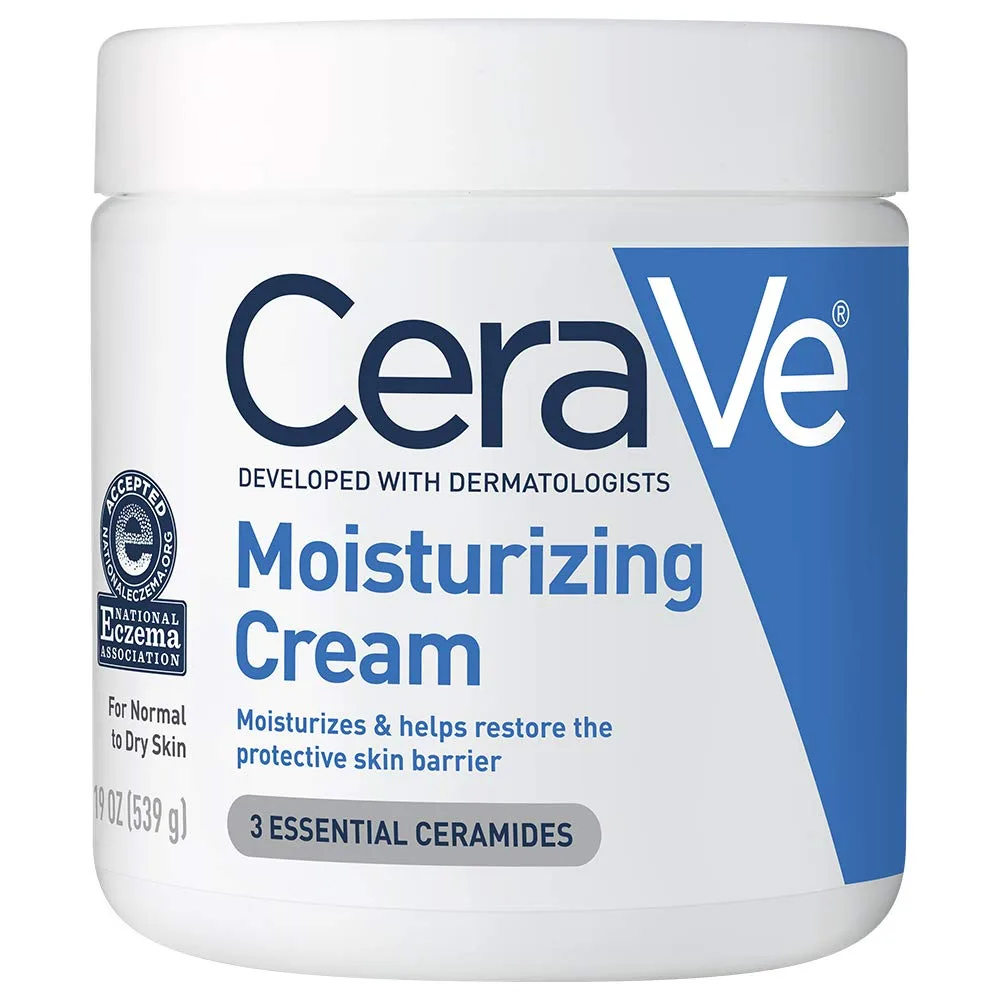
 Moisturizing Cream
The CeraVe Moisturizing Cream is the most important moisturizer in the drugstore — a ceramide-rich, dermatologist-developed formula that delivers barrier repair, multi-humectant hydration, and occlusive protection at a price so accessible it has no real excuse not to be in every household. Twenty-one years of consistent performance and universal dermatologist approval speak louder than any ingredient list.
 Barrier Repair Pioneer
 MLE Cream
Atopalm MLE Cream is one of the genuinely scientifically anchored barrier moisturizers in K-beauty — a fragrance-free, pseudo-ceramide cream built around a patented liquid-crystal lipid structure that mimics the skin's own intercellular matrix. For eczema, atopic skin, post-procedure recovery, or anyone with a stinging compromised barrier, it's one of the most reliably effective moisturizers in the entire category.
 K-Beauty Barrier Repair Staple
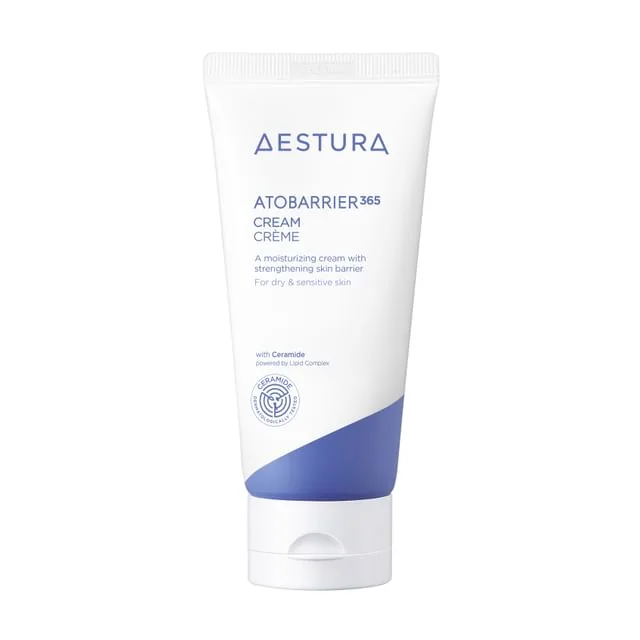
 Atobarrier 365 Cream
A Korean pharmacy cream that earns its cult following the hard way — with a lamellar lipid structure that actually rebuilds the barrier, not just coats it. If your skin has been through a rough winter, a retinoid ramp-up, or a bad reaction, this is the jar that quietly puts it back together.
 Korean Derm Clinic Recovery Pick
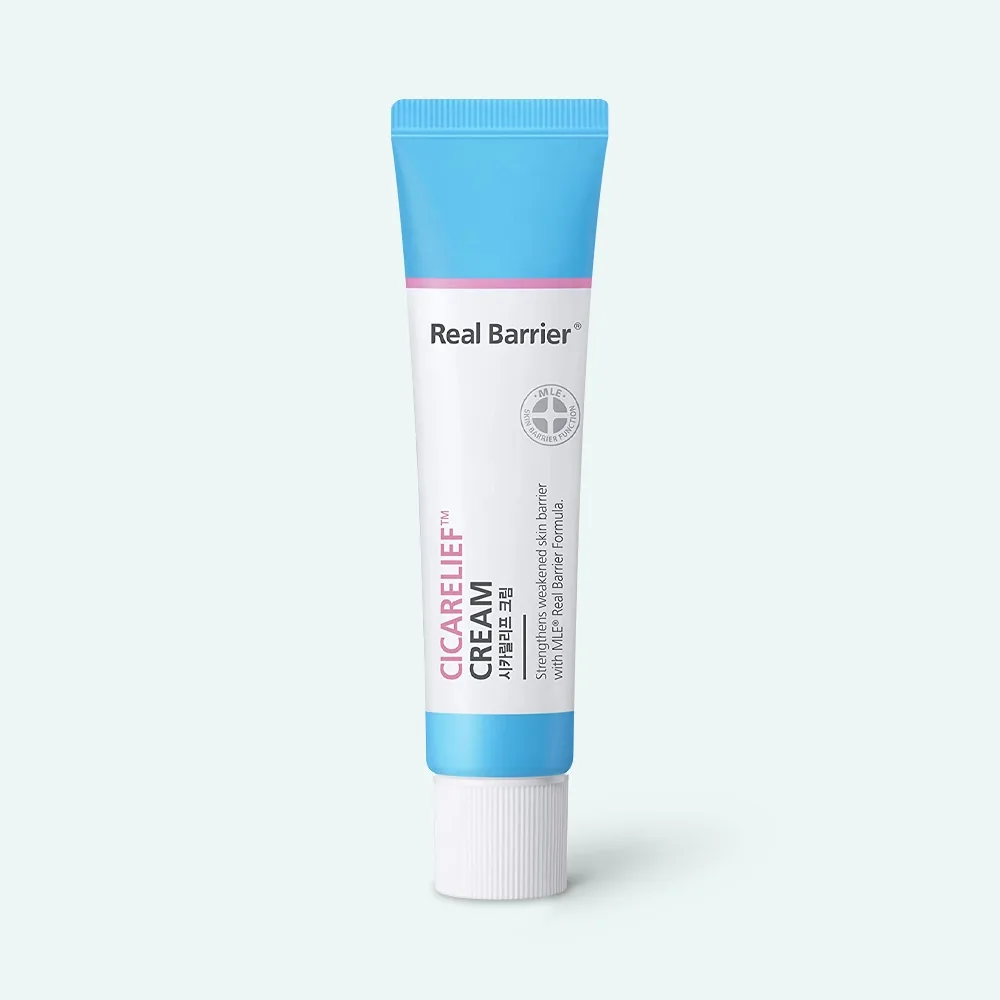
 Real Barrier Cicarelief Cream
One of the best consumer cica creams on the market, combining the full spectrum of centella actives with NeoPharm's MLE ceramide delivery and multiple complementary calming ingredients. Ideal for compromised, reactive, rosacea-prone, or recovering skin, and a staple in Korean dermatology clinic protocols. Minor limitations on packaging, but the formulation is genuinely excellent.
 Transparent 10% Panthenol Cream
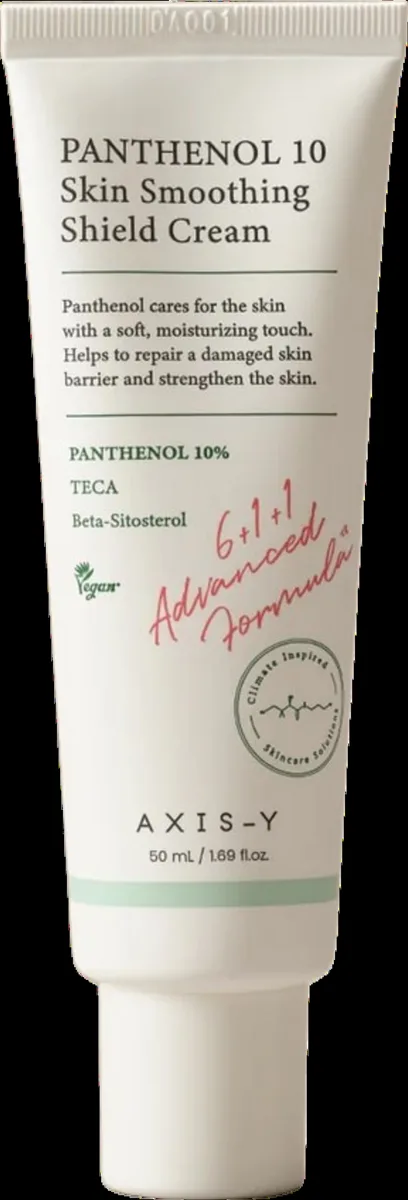
 Panthenol 10 Skin Smoothing Shield Cream
A disclosed 10% panthenol barrier cream built around a full physiological ceramide trio, a centella calming cast, and a modest shea butter occlusive. Fragrance-free, cross-season, and unusually transparent about its hero active — one of the brand's strongest moisturizer formulations.
 K-Beauty Icon
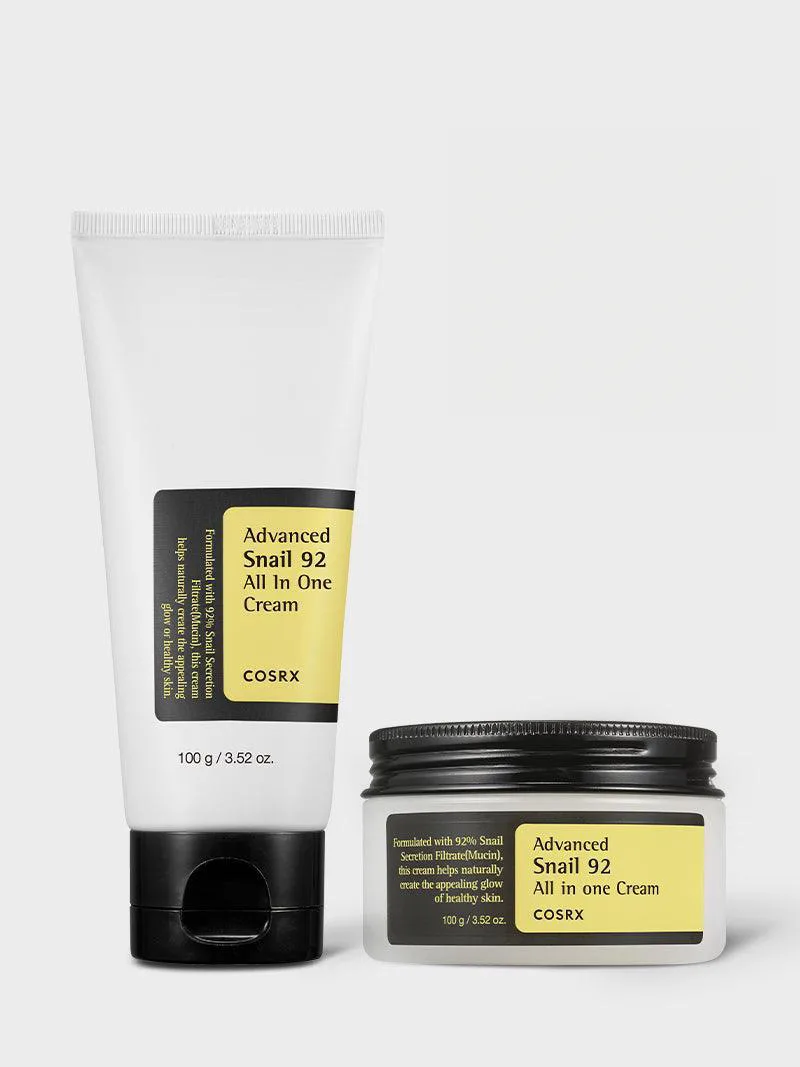
 Advanced Snail 92 All in One Cream
The cream that helped prove snail mucin to the world — and a decade later, it still deserves the reputation. At 92% snail secretion filtrate in a fragrance-free, gentle gel-cream, it delivers hydration, soothing, and gradual skin improvement across virtually every skin type. The texture takes getting used to, but 13 million sold units and 25,000+ reviews suggest most people manage.