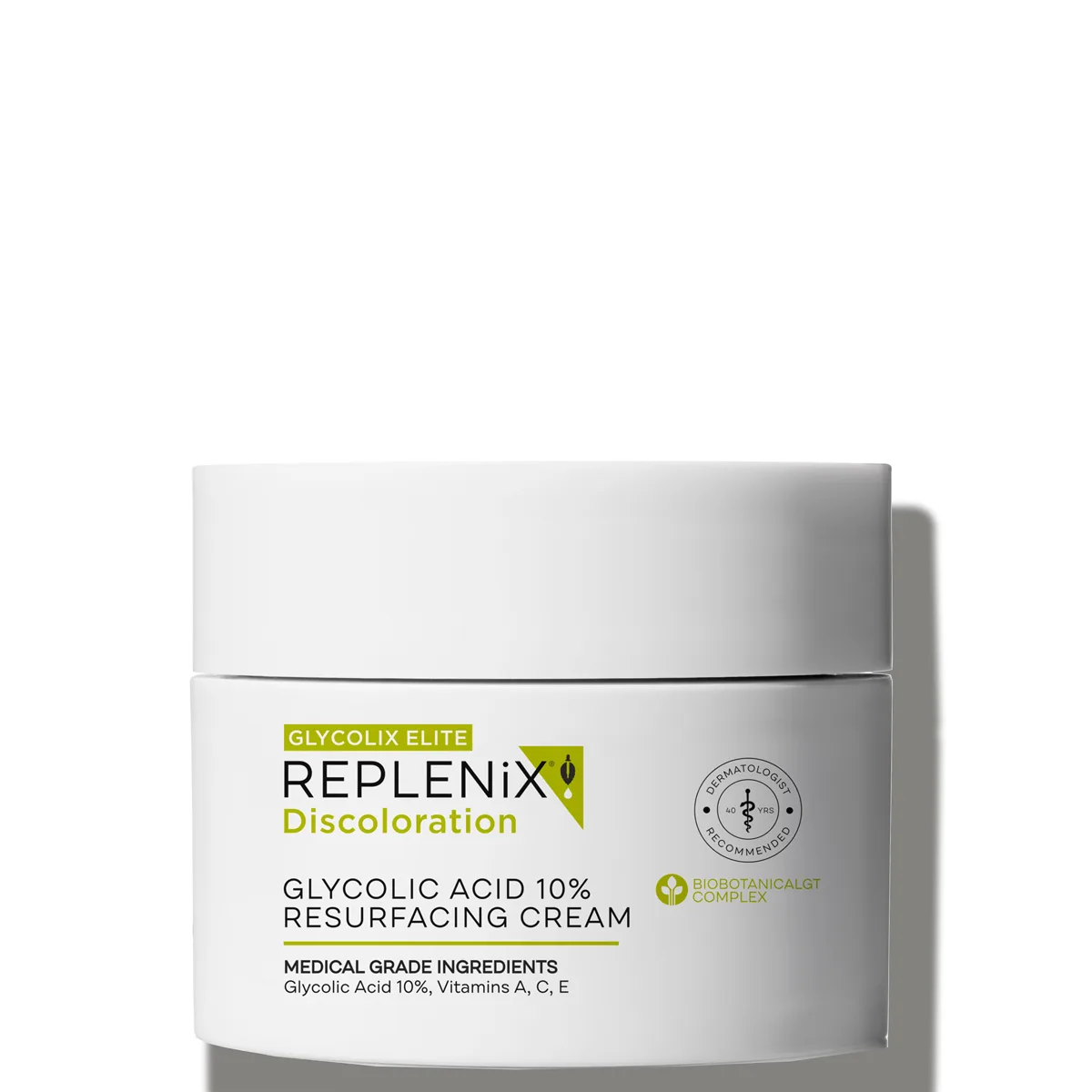
Replenix's Glycolic Acid 10% Resurfacing Cream is a quietly excellent medical-channel exfoliant that's been doing the work in dermatology offices since 2004. It buffers a true 10% glycolic with a signature green tea polyphenol complex and enough emollient support to make nightly use realistic — expensive, but legitimately effective for discoloration and texture.
Glycolic Acid 10% Resurfacing Cream
Replenix's Glycolic Acid 10% Resurfacing Cream is a quietly excellent medical-channel exfoliant that's been doing the work in dermatology offices since 2004. It buffers a true 10% glycolic with a signature green tea polyphenol complex and enough emollient support to make nightly use realistic — expensive, but legitimately effective for discoloration and texture.
Score Breakdown
A genuinely potent 10% glycolic cream with a well-built antioxidant and emollient support cast. Price is steep and it's too strong for sensitive skin, but for the right user it delivers medical-grade results.
Data Confidence: high
Replenix has sold this formulation through dermatology offices and dermstore.com for nearly two decades, with hundreds of professional-channel reviews and well-established glycolic acid research supporting its mechanism.
0/100
Overall Score
Ingredient Quality 0
Value for Money 0
Suitability Breadth 0
Irritation Risk (↑ = safer) 0
Assessment
Pros
- True 10% buffered glycolic acid with correct pH for bioavailability
- Green tea polyphenol antioxidant complex backed by brand research
- Cream delivery makes nightly use realistic for most skin
- Visible improvement in dark spots within 4-6 weeks
- Fragrance-free and cruelty-free
- Squalane and dimethicone buffer the exfoliation for comfort
- Long track record in dermatology offices
Cons
- Premium price for a 1.7 oz size
- Too strong for sensitive, rosacea, or eczema-prone skin
- Contains silicones and alkyl benzoate that some users avoid
- Not suitable for fungal-acne-prone skin
- Single size and single strength — no step-down option
Full Review
Most of the glycolic acid products on your social feed right now launched within the last five years. This one didn't. Replenix Glycolic Acid 10% Resurfacing Cream has been quietly sitting in dermatology offices and on Dermstore's catalog since 2004, sold largely through professional channels, and it has the slightly unglamorous packaging and unshowy marketing of a product that doesn't need to be discovered on TikTok to keep moving units. The brand grew out of Topix Pharmaceuticals' early work on green tea polyphenols, which at the time was some of the first meaningful research into botanical antioxidants for photoaging. When Replenix built its glycolic lineup, it leaned on that same polyphenol platform as a supporting cast — the idea being that exfoliation and antioxidant protection belong in the same formula, not in separate bottles.
What you get in the tube is a proper 10% glycolic acid buffered with ammonium hydroxide to a pH around 3.7 — potent enough to be bioavailable, controlled enough to be usable by most non-sensitive skin on a near-nightly basis. The cream itself is medium-weight, slightly silky from the cyclopentasiloxane and dimethicone base, and absorbs fast without that tacky film you sometimes get from heavier glycolic emulsions. Squalane and cetearyl alcohol hold the lipid matrix together, and the green tea polyphenol complex does the oxidative-stress counterweighting. CoQ-10, vitamin E, hydrolyzed glycosaminoglycans, and phospholipids round out the supporting ingredients — none are at hero-ingredient concentrations, but collectively they build a more thoughtful formula than the 'pure glycolic in lotion base' competitors.
On application, a pea-sized amount is genuinely enough for the whole face. Expect a very brief tingle on the first few uses — not the sting you get from a liquid toner, more a subtle prickle that tells you the acid is working before it settles. By night three or four, the surface of the skin feels unmistakably smoother. By week two, the photographic receipts start coming in — pores look tighter in bathroom light, the dullness you didn't realize you had is gone, and foundation sits flatter. The real story for most users is discoloration. If you have post-inflammatory hyperpigmentation from old acne or sun spots hanging around the cheekbones, this cream used consistently at four to five nights per week for eight to twelve weeks will visibly fade them. It won't erase true melasma — that's a different animal that usually needs hydroquinone and tranexamic acid to hold off — but for garden-variety uneven tone, it's one of the more reliable over-the-counter choices, and the ones you bought at the grocery store probably aren't going to touch it.
The honest drawbacks are real. At $68 for 1.7 oz you're paying roughly double what you'd pay for a drugstore glycolic cream, and the price-per-ounce math is noticeably worse than The Ordinary's glycolic toner — although, to be fair, the delivery system and supporting actives aren't comparable. The formula contains cyclopentasiloxane and C12-15 alkyl benzoate, which some users avoid on principle; neither is actually problematic from a dermatological standpoint, but if you're committed to silicone-free or a strict fungal-acne-safe routine, this isn't your cream. It's also too much for genuinely sensitive or rosacea-prone skin — the 10% acid load is not a beginner concentration, and there is no 5% version of this particular product to step down to. Start cautiously, or choose a gentler lactic acid cream instead.
Where Replenix genuinely earns its shelf space is in the intersection of concentration, delivery, and antioxidant support. You could stack a separate green tea serum on top of a cheaper glycolic cream and theoretically land in the same place, but the all-in-one formulation is convenient and the polyphenol complex Replenix uses has actual research behind it rather than just being a decorative botanical. For someone with resilient skin and genuine discoloration concerns who wants a single treatment product that covers exfoliation and antioxidant protection, this is an easy product to keep in rotation for years at a time.
Two final notes: use broad-spectrum SPF 50 every single morning when you're on this cream, not because it makes your skin photosensitive in some permanent way, but because freshly exfoliated skin is measurably more vulnerable to UV damage and you'll undo the tone work you're doing if you skip sunscreen. And don't stack this on top of a retinoid on the same night unless your dermatologist has specifically told you to — alternate them and your skin will thank you.
Formula
Ingredients
The hero actives that drive this product's performance.
| Ingredient | Function | Evidence |
|---|---|---|
| Glycolic Acid 10% (10%) | The defining active here — a smaller-molecule AHA that penetrates the stratum corneum efficiently to loosen dead cells and accelerate turnover. Replenix buffers it with ammonium hydroxide to a pH around 3.7, which keeps it potent but not free-acid raw, and pairs it with squalane and dimethicone to temper the typical glycolic sting. | well-established |
| Green Tea Polyphenols | A high-potency polyphenol complex is Replenix's signature — it sits in this formula to counter the oxidative stress and low-grade inflammation that glycolic acid exfoliation can trigger, giving the cream a calming counterweight to its otherwise aggressive active. | well-established |
| Ubiquinone (CoQ-10) | Works alongside the green tea polyphenols and vitamin E as a secondary antioxidant layer, protecting the freshly exfoliated skin from free radical damage in the hours after application. | promising |
| Squalane | An occlusive-emollient that restores skin-identical lipids in a formula where the glycolic acid is actively stripping the uppermost layer. Its presence is what makes this cream tolerable for daily use rather than a once-a-week peel. | well-established |
Full INCI List · pH 3.7
Purified Water, Glycolic Acid, C12-15 Alkyl Benzoate, Cyclopentasiloxane, Ammonium Hydroxide, Cetearyl Alcohol, Glyceryl Stearate, Polyacrylamide, C13-14 Isoparaffin, Dimethicone, Squalane, Tocopheryl Acetate, Green Tea Polyphenols, Chlorella Protothecoides (Algae) Extract, Curcuma Longa (Plant Stem Cells) Callus Extract, Camellia Sinensis (Green Tea) Leaf Extract, Ubiquinone (Coenzyme Q-10), Hydrolyzed Glycosaminoglycans, Phospholipids, Ascorbyl Palmitate, Cetearyl Glucoside, PEG-100 Stearate, Xanthan Gum, Laureth-7, Sodium Benzoate, Potassium Sorbate, Phenoxyethanol, Disodium EDTA.
Product Flags
✓ Fragrance Free✓ Alcohol Free✗ Oil Free✗ Silicone Free✓ Paraben Free✓ Sulfate Free✓ Cruelty Free✗ Vegan✗ Fungal Acne Safe
Comedogenic Ingredients
c12-15 alkyl benzoate
Potential Irritants
glycolic acid 10%
Compatibility
Skin Match
Best For
Works For
Not Ideal For
Addresses These Conditions
hyperpigmentation dark spots texture dullness melasma aging
Use With Caution
Avoid With
eczema compromised skin barrier post procedure
Routine Step
treatment
Time of Day
PM
Pregnancy Safe
Yes ✓
Layering Tips
Apply a pea-sized amount to clean dry skin at night. Do not layer with retinoids, vitamin C, or other exfoliants on the same evening. Always follow with sunscreen the next morning.
Results Timeline
Surface smoothing within 3-5 days. Visible improvement in dark spots and tone at 4-6 weeks. Full resurfacing and discoloration benefits at 8-12 weeks of consistent 3-5x weekly use.
Pairs Well With
ceramide moisturizershyaluronic acid serumsbroad-spectrum SPF 50
Conflicts With
retinoidsvitamin cother AHAs or BHAsbenzoyl peroxide
Sample AM Routine
- Gentle cleanser
- Antioxidant serum
- Moisturizer
- SPF 50
Sample PM Routine
- Cleanser
- Replenix Glycolic Acid 10% Resurfacing Cream
- Ceramide moisturizer
Evidence
Science
The Science
The acid here is textbook. Glycolic acid is the smallest alpha hydroxy acid by molecular weight, which gives it the highest penetration efficiency of any AHA at equivalent concentrations, and this is why 10% is the concentration at which meaningful dermal effects start to appear in the clinical literature. At pH 3.7 the percentage of free acid in solution is high enough to be bioavailable, while still buffered enough to reduce the stinging and irritation profile of a truly raw 10% formulation. Consistent use of glycolic acid at this range has been documented in peer-reviewed studies to increase dermal collagen synthesis, improve corneocyte turnover, and fade post-inflammatory hyperpigmentation over 8-12 weeks, with some of the foundational work on glycolic peels appearing in the 1990s literature and continuing forward. The supporting cast is where Replenix's formulation becomes more than a generic glycolic cream. Green tea polyphenols — specifically epigallocatechin gallate (EGCG) — have a substantial evidence base for photoprotective and anti-inflammatory effects, and the topical application has been studied in the context of photoaging and post-procedure recovery. CoQ-10 has promising but less robust evidence for its role as a lipid-soluble antioxidant, and its inclusion here is best understood as a complementary rather than primary driver. What distinguishes this specific formulation is the pairing: the glycolic acid drives cell turnover and pigment cycling, while the polyphenol complex neutralizes the oxidative byproducts that exfoliation generates, theoretically producing a more favorable irritation-to-efficacy ratio than glycolic alone. That pairing has been Replenix's formulation thesis for more than two decades, and while the evidence for the combined effect is more mechanistic than clinical, the underlying components are each well-supported.
Dermatologist Perspective
Dermatologists frequently position 10% glycolic acid as a realistic ceiling for non-prescription daily use, above which formulations tend to produce more irritation than benefit for most patients. Board-certified dermatologists commonly recommend buffered glycolic creams over liquid toners for patients who want daily use but have historically struggled with the sting of liquid AHAs. Replenix is often cited as one of the brands that have been available in dermatology offices long enough to have a track record of patient satisfaction. The recommended pattern of use in clinical practice is typically alternate nights with a retinoid, rather than layering the two together, and always paired with mandatory daily broad-spectrum sunscreen. Glycolic acid is considered acceptable during pregnancy at cosmetic concentrations by most obstetric and dermatological guidelines, though individual practitioner recommendations vary.
Guidance
Usage Guide
How to Use
Apply a pea-sized amount to clean, dry skin at night, avoiding the immediate eye and lip areas. Allow 60 seconds to absorb before layering a ceramide moisturizer if desired. Start 2-3 nights per week for the first two weeks, building to 4-5 nights as your skin adapts. Never layer on the same night as a retinoid, vitamin C serum, or another exfoliant. Broad-spectrum SPF 30 or higher is mandatory every morning during use. If irritation or flaking exceeds tolerance, reduce frequency or pause for several days before resuming.
Value Assessment
At $68 for 1.7 oz, this is not a budget pick — you're paying a premium for medical-channel distribution, a buffered 10% acid, and the green tea polyphenol support complex. The math on a pea-sized nightly application works out to roughly $25 per month, which is more expensive than a drugstore equivalent but less than a quarterly dermatology visit. Whether the premium over a $20 drugstore glycolic cream is worth it comes down to whether you value the supporting antioxidant complex and the consistent quality control of professional-channel skincare. For users with real discoloration concerns and no sensitivity issues, it earns its price. For casual maintenance, a cheaper formula will do.
Who Should Buy
Normal, oily, or combination skin with visible discoloration, post-inflammatory hyperpigmentation, or texture concerns, especially if you want a nightly treatment that combines exfoliation and antioxidant support in one step. It's also a reasonable choice for longtime glycolic users who've outgrown their drugstore cream and want something more clinically formulated.
Who Should Skip
Sensitive, rosacea-prone, eczema-prone, or actively compromised skin should skip this and look for a buffered lactic acid instead. First-time acid users should also pass — start with a 5-7% formula and build tolerance before graduating to a true 10% cream at this pH.
Ready to try Replenix Glycolic Acid 10% Resurfacing Cream?
Details
Details
Texture
Rich, slightly silky cream that spreads thin and absorbs quickly thanks to the cyclopentasiloxane base.
Scent
Essentially unscented — a very faint cosmetic base note, no added fragrance.
Packaging
Opaque airless-style jar or tube, 50g. Protects the antioxidants and green tea polyphenols from light degradation.
Finish
satinfast-absorbingnon-greasy
What to Expect on First Use
Expect a slight tingle for 30-60 seconds on first application, fading quickly. The first few nights may show mild flaking as buildup sheds. By the end of week one, skin feels distinctly smoother and catches light differently. No purging in most users, but breakout-prone skin may see minor congestion surface during the first 2 weeks.
How Long It Lasts
1.7 oz lasts approximately 2-3 months with nightly pea-sized application.
Period After Opening
12 months
Best Season
fall winter
Certifications
Cruelty-FreeFragrance-Free
Background
The Why
Replenix was born out of Topix Pharmaceuticals' early-2000s research into green tea polyphenols and their role in photoaging. The glycolic acid creams came shortly after, leveraging the same antioxidant technology as a supporting cast for the exfoliating active. The product has been in dermatology offices continuously since 2004.
About Replenix Legacy Brand (20+ years)
Replenix, originally developed by Topix Pharmaceuticals in partnership with dermatologists in the early 2000s, built its reputation around high-potency green tea polyphenol research and has been sold in dermatology offices and medspas for more than two decades.
Brand founded: 2001 · Product launched: 2004
Myth vs. Reality
Myths
Myth
A 10% glycolic cream is the same as a 10% glycolic toner.
Reality
A cream formula slows down delivery through its occlusive and emollient matrix, so the free acid hits the skin more gradually. That's why this cream is tolerable nightly for many users who couldn't handle a liquid 10% toner.
Myth
Glycolic acid shouldn't be used with antioxidants in the same formula.
Reality
Antioxidants like green tea polyphenols and CoQ-10 actually work well alongside glycolic acid because the exfoliation triggers transient oxidative stress the antioxidants help neutralize. The pH constraints that apply to L-ascorbic acid don't apply to polyphenols.
FAQ
FAQ
How often should I use Replenix Glycolic Acid 10% Resurfacing Cream?
Start 2-3 nights per week for the first two weeks to build tolerance. Most users can work up to 4-5 nights weekly, and some tolerate nightly use. Non-glycolic nights can be used for barrier repair or a gentle moisturizer.
Can I use this with retinol?
Not on the same night. Both glycolic acid and retinoids increase cell turnover and together raise irritation risk substantially. Alternate nights — glycolic on night one, retinoid on night two — to get benefits from both without overwhelming the skin.
Is this the same as the Replenix Glycolic Acid 10% Peel?
No. The peel is a leave-on liquid designed for short-duration weekly use at a higher effective strength. This cream is a daily-use treatment with a buffered, emollient delivery that's gentler despite the same percentage on the label.
Does Replenix Glycolic Acid 10% help with melasma?
Glycolic acid is frequently part of melasma protocols because it accelerates pigmented cell turnover. This cream can contribute to visible improvement over 8-12 weeks, but true melasma typically requires a prescription regimen with hydroquinone or tranexamic acid for lasting results.
Why does it cost more than drugstore glycolic creams?
You're paying for the concentration (a true buffered 10% at pH 3.7), the green tea polyphenol antioxidant complex Replenix has patented around, and the professional-channel distribution model. Whether that premium is worth it depends on how much you value the supporting cast beyond the glycolic itself.
Can I use Replenix Glycolic Acid 10% while pregnant?
Glycolic acid is generally considered acceptable during pregnancy at cosmetic concentrations, but practical recommendations vary by OB and dermatologist. Check with your provider, and if in doubt, switch to a gentler lactic acid product for the duration.
Community
Community
Common Praise
"Visible fading of dark spots"
"Creamier and less drying than expected for a 10% glycolic"
"Fragrance-free"
"Noticeable smoothing within a week"
Common Complaints
"Premium price"
"Small 1.7 oz size"
"Too strong for sensitive or rosacea-prone skin"
"Contains silicones and alkyl benzoate that some users avoid"
Notable Endorsements
Sold through dermatology offices and medspas since 2004Frequently recommended in Dermstore's discoloration roundups
Appears In
best glycolic acid cream best exfoliant for dark spots best medical grade ahas best nightly glycolic treatment best exfoliant for hyperpigmentation
Related Conditions
hyperpigmentation dark spots melasma texture aging
Related Ingredients
You Might Also Like
 Barrier Rescue Hero
 Healing Ointment
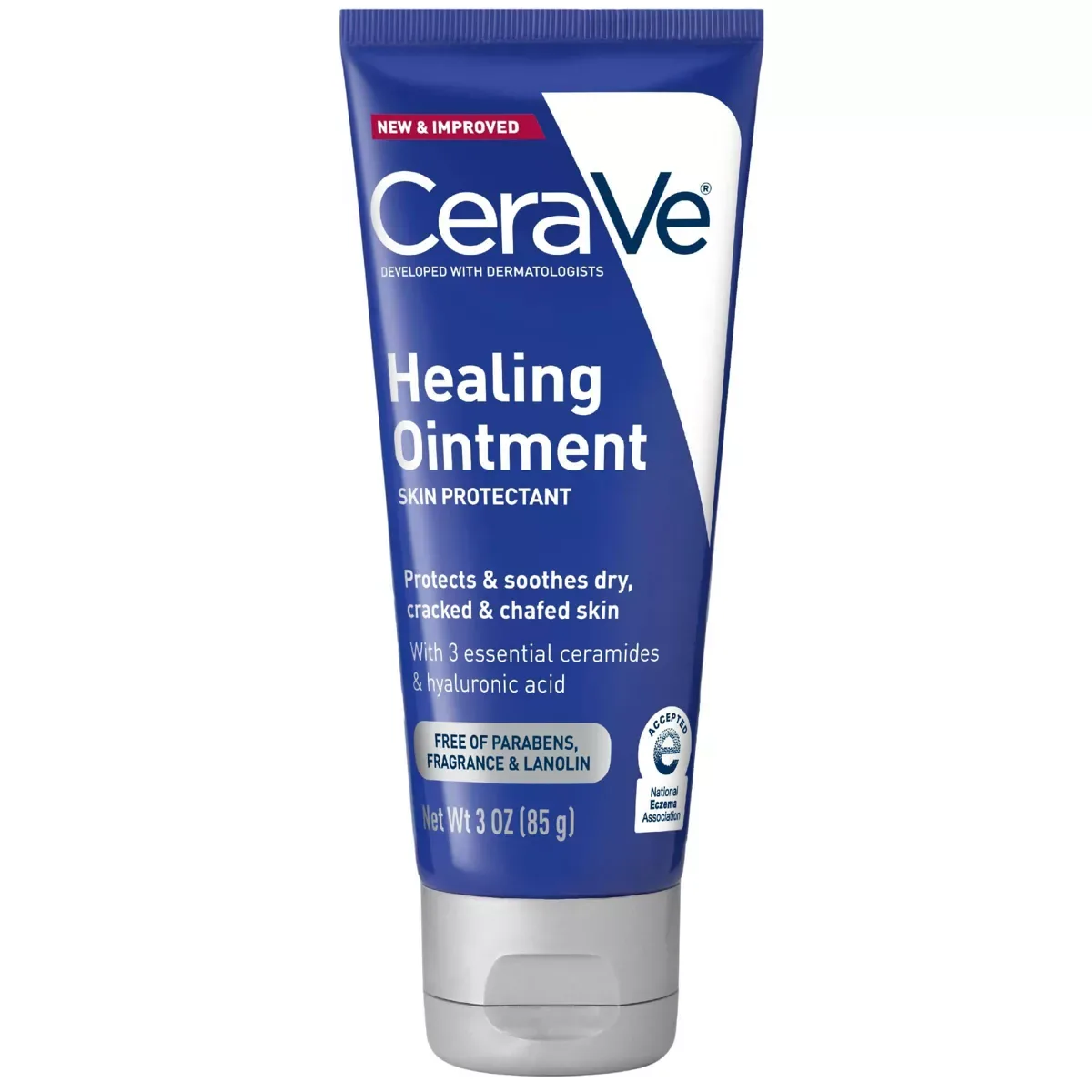
CeraVe's Healing Ointment takes the simplest concept in skincare — seal the skin with petrolatum — and makes it genuinely intelligent by adding ceramides, hyaluronic acid, and panthenol beneath the occlusive layer. It is the gold standard drugstore occlusive for barrier rescue, slugging, and post-procedure care.
 Derm Office Staple
 Effaclar Multi-Target Blemish Patches
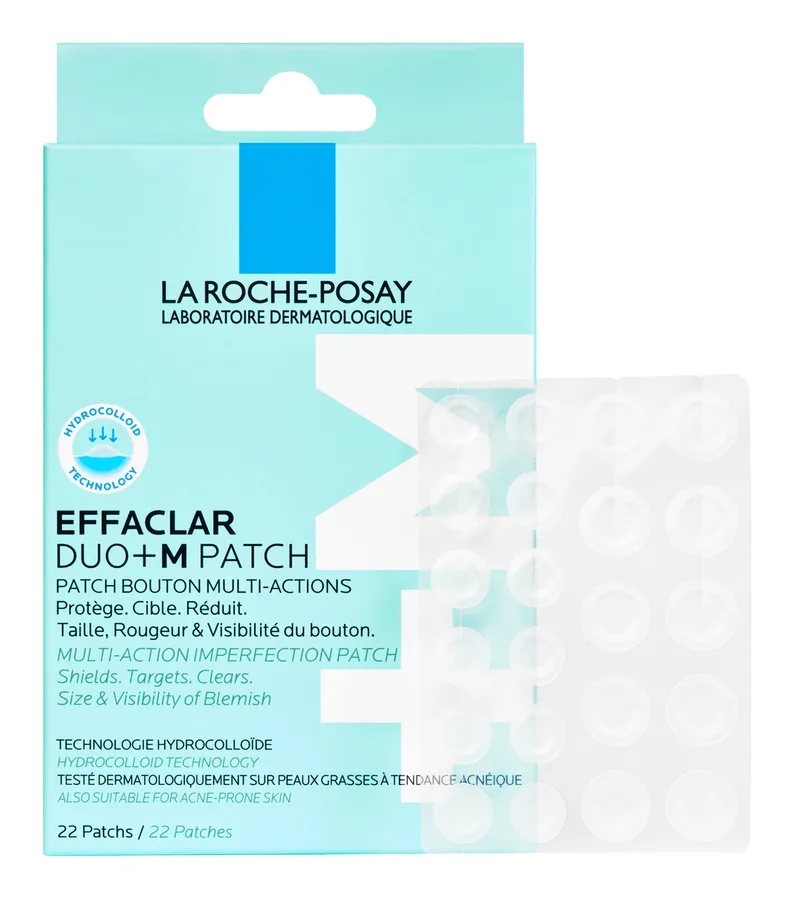
One of the few hydrocolloid pimple patches that actually stays on overnight without curling off at 3am. At 420 microns thick with two size options in one pack and zero actives to irritate sensitive skin, this is the Effaclar line's quiet overachiever — and a legitimately good answer for anyone whose acne routine has been sabotaged by thinner patches that refuse to stay put.
 Reactive-Skin Cult Favorite
 SOS Save Our Skin Daily Rescue Facial Spray
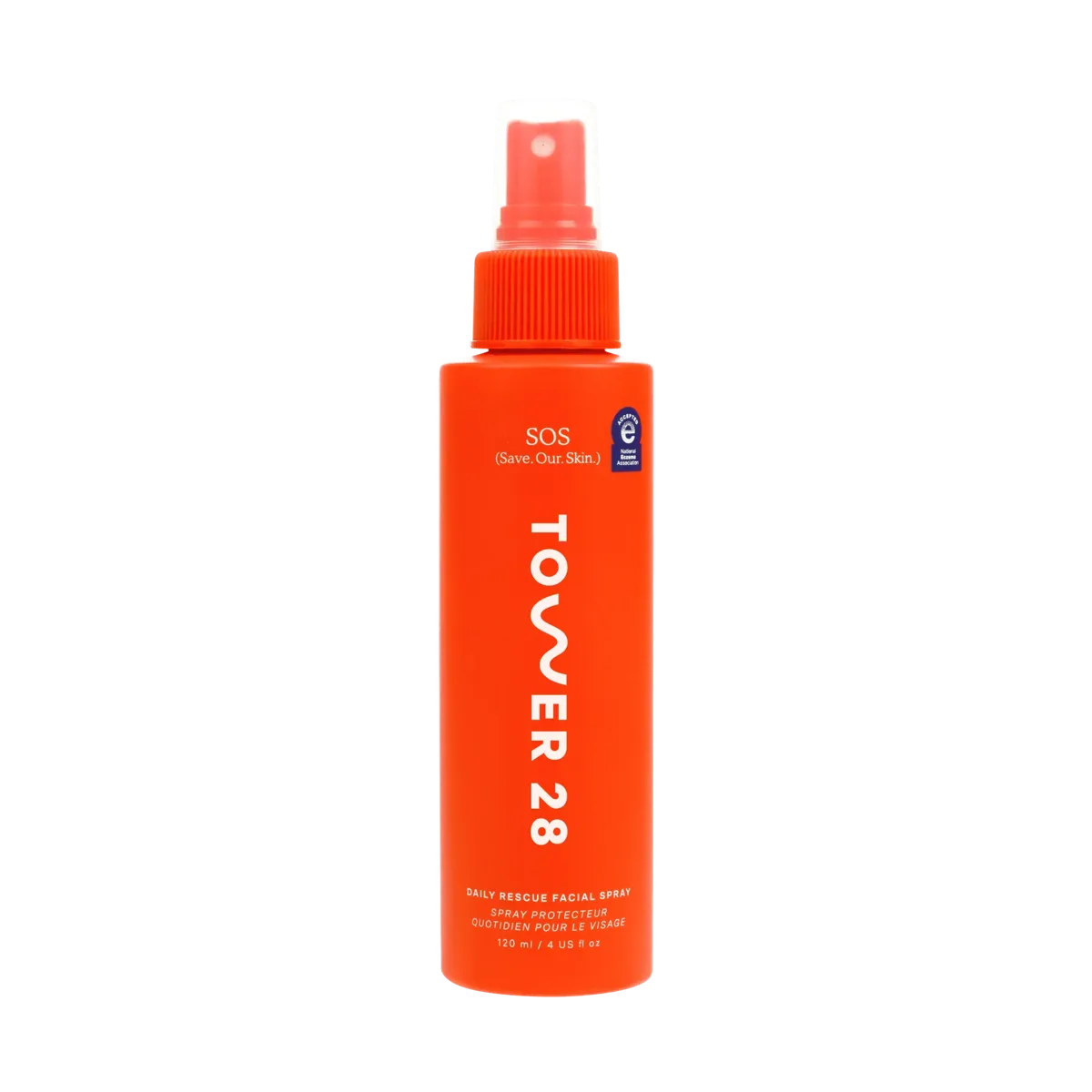
The product that single-handedly brought hypochlorous acid into mainstream skincare. A fine-mist HOCl spray with genuine dermatology-organization validation, a near-perfect tolerability profile, and a cult following among people whose skin reacts to everything else. The price runs steeper than medical-grade HOCl, but the stabilization and design are worth the difference for daily use.
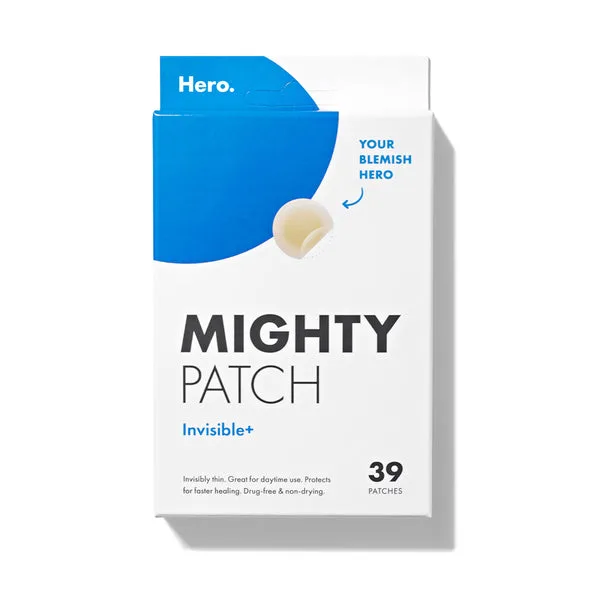
Mighty Patch Invisible+
The pimple patch that proved acne treatment could be invisible — Mighty Patch Invisible+ delivers the same fluid-absorbing hydrocolloid technology as the category-defining Original, but engineered thin enough to disappear under makeup. For daytime blemish management, nothing else comes this close to invisible.
 Post-Procedure MVP
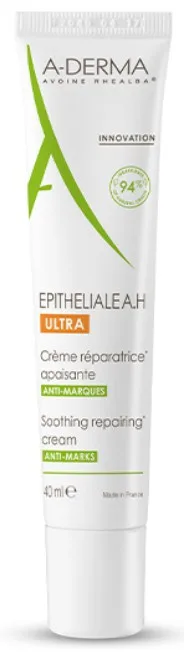
 Epitheliale A.H Ultra Repairing Cream
One of the best-formulated French pharmacy repair creams on the market, full stop. Rhealba oat, three-weight HA, madecassoside, trace minerals, panthenol, and shea butter come together in a cream that handles post-procedure skin, eczema flares, friction damage, and compromised barriers with unusual competence for the price.
 Pigmentation Specialist Pick
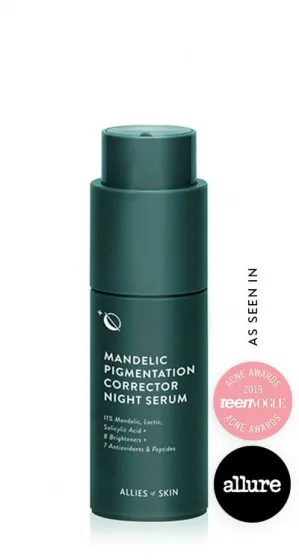
 Mandelic Pigmentation Corrector Night Serum
One of the most thoughtfully formulated pigmentation serums on the market. Mandelic acid leads, but the real story is the supporting cast — tranexamic acid, azelaic acid, niacinamide, and bakuchiol attacking hyperpigmentation through five different pathways. Specifically formulated to be safe on melanin-rich skin and it shows.