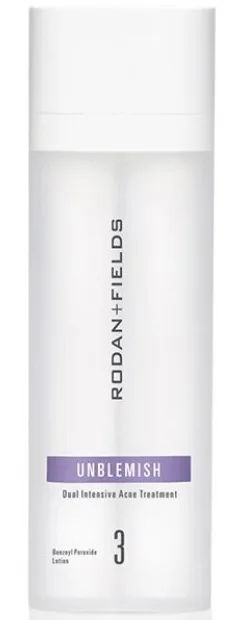
A 2.5% benzoyl peroxide treatment that does something most BPO products don't bother with: it actually engineers around the barrier damage with a full ceramide complex. The result is one of the more tolerable benzoyl peroxide formulas on the market, though the MLM pricing and added fragrance are significant asterisks.
Unblemish Dual Intensive Acne Treatment
A 2.5% benzoyl peroxide treatment that does something most BPO products don't bother with: it actually engineers around the barrier damage with a full ceramide complex. The result is one of the more tolerable benzoyl peroxide formulas on the market, though the MLM pricing and added fragrance are significant asterisks.
Score Breakdown
Where this product gains points and where it loses them — broken down across the four scoring pillars.
A smart 2.5% benzoyl peroxide treatment buffered with a genuine ceramide barrier complex, making it one of the better-tolerated BPO formulas on the market — but the MLM price premium and added fragrance limit the appeal.
Pros & Cons
- ✓2.5% benzoyl peroxide is the efficacy-tolerability sweet spot
- ✓Full ceramide-cholesterol-phytosphingosine barrier complex buffers dryness
- ✓Niacinamide and panthenol reduce BPO-driven inflammation
- ✓Backed by 25+ years of the founders' acne expertise
- ✓Less purging and flaking than conventional BPO products
- ✓Lightweight lotion absorbs quickly without residue
- ✗Added fragrance with EU allergens is risky for reactive skin
- ✗Expensive compared to drugstore BPO alternatives
- ✗Will bleach colored fabrics, towels, and pillowcases
- ✗Can deactivate most retinoids when layered wet-on-wet
- ✗Dual-bottle packaging is awkward compared to single tube
Full Review
If you grew up watching infomercials in the 1990s, you remember Proactiv. Two dermatologists, a three-step system, a 2.5% benzoyl peroxide lotion, and a parade of celebrities talking about how their skin changed. Proactiv worked, and it still works, but it was a product of its era — the era when the assumption about treating acne was 'dry it out, strip it down, and accept that your skin will peel for a while.' The two Stanford-trained dermatologists who created Proactiv, Katie Rodan and Kathy Fields, have had another quarter-century to think about acne since that launch. This Unblemish Dual Intensive treatment is what that extra 25 years of thinking looks like. Same 2.5% benzoyl peroxide. Same core philosophy. But with a barrier-support system built right into the formula instead of treated as the user's problem to solve on their own.
The headline on the INCI list is, predictably, benzoyl peroxide at 2.5%. That number matters. Over the past two decades, multiple clinical studies have demonstrated that 2.5% benzoyl peroxide produces comparable antibacterial efficacy to 5% and 10% versions in the vast majority of acne cases, but with dramatically reduced irritation, dryness, and flaking. Choosing 2.5% isn't a compromise — it's a smart tolerability decision made possible by the fact that benzoyl peroxide's mechanism (generating free radicals that kill C. acnes on contact) doesn't scale linearly with concentration. What you give up at 2.5% is minor; what you gain is users who stay on the treatment long enough for it to work.
Then there's the barrier complex, which is the part that actually makes this formula interesting. Look past the benzoyl peroxide headline and you'll find ceramide NP, ceramide AP, ceramide EOP, cholesterol, and phytosphingosine — a five-ingredient barrier lipid stack that mirrors the composition of healthy stratum corneum. This matters enormously for a BPO product, because the single biggest reason people quit benzoyl peroxide is the barrier damage, the transepidermal water loss, and the flaky dryness that makes their skin feel like a lizard for the first two weeks. Most BPO treatments leave the barrier repair up to whatever moisturizer the user happens to buy separately. This one builds the repair directly into the treatment. Niacinamide and panthenol add another layer of inflammation control and barrier support, and the aloe, chamomile, and allantoin quietly round out a soothing system that, on paper, reads more like a sensitive-skin moisturizer than a BPO lotion.
In use, this plays out about how the formulation suggests it would. Users typically report the same purge-period experience common to all benzoyl peroxide — some new surface breakouts in the first two to three weeks as clogged pores release, followed by noticeable reduction in inflamed lesions, followed by steady improvement in overall acne frequency. The standout difference is what doesn't happen: the flaking and tightness that many people remember from the old-school Proactiv experience is significantly muted. Users who had to give up on BPO before because they couldn't tolerate the dryness often find they can actually stay on this one. That's not a trivial clinical advantage, because benzoyl peroxide only works if you can use it consistently.
There are complications, though, and they're real. The biggest is fragrance. Including fragrance — and specifically the panel of EU-flagged allergens (citronellol, geraniol, limonene, linalool) — in an acne treatment aimed at reactive adult skin is a strange formulation choice. BPO is already irritating enough that adding potential sensitizers on top is the kind of thing that would get a formulation laughed at on r/SkincareAddiction, and there's no real upside for the consumer. You could argue it's there to mask the slight sulfur-like note that BPO can have, but plenty of other formulas achieve that without the fragrance load. If you have a known sensitivity to fragrance mix allergens, this one isn't for you.
The second complication is the price. Rodan + Fields operates on a multi-level distribution model, which means the cost of the treatment includes layers of commissions on top of the formulation. Eighty dollars for 45ml of 2.5% benzoyl peroxide — even with the ceramide complex — is a significant premium over drugstore alternatives. The CeraVe Benzoyl Peroxide Cleanser, Paula's Choice Clear, and several other retail options deliver benzoyl peroxide with some barrier support at a fraction of the cost. The honest calculus is: is the specific full ceramide lipid stack and niacinamide-plus-panthenol layer in this formula genuinely better than what you can get at the drugstore? Maybe, at the margins. Is it better enough to justify the price jump? Probably only for users who are already committed to the Rodan + Fields regimen or who have specifically struggled with tolerability on other BPO products.
There's also the classic benzoyl peroxide caveat that applies regardless of formulation: it bleaches fabric. Permanently. White pillowcases and white towels become non-negotiable, and you'll want to be careful not to get it on favorite shirts. That's not a flaw in this product — it's a flaw in the chemistry of benzoyl peroxide itself, and every BPO user has to plan around it. Also worth knowing: BPO can oxidize and deactivate most retinoids, so if you're using retinol or tretinoin, you'll need to alternate applications or stagger AM/PM. Adapalene is more stable alongside BPO than other retinoids if you need to combine them.
Where this formula earns its place is in the specific profile of users who have tried BPO before and quit because of the dryness, who want a barrier-aware approach, and who are willing to pay for the convenience of a pre-built system rather than layering things themselves. For that user, the ceramide complex and the restrained 2.5% dose are a thoughtful combination. For everyone else, the price-to-value comparison with retail alternatives makes it a harder sell.
Formula
Key Ingredients
The hero actives that drive this product's performance.
| Ingredient | Function | Evidence |
|---|---|---|
| Benzoyl Peroxide 2.5% (2.5%) | The gold-standard topical antibacterial for acne, here at the 2.5% dose that delivers comparable efficacy to 5% and 10% versions with dramatically less irritation. In this formula, it's buffered by a full ceramide-cholesterol-phytosphingosine barrier complex — a deliberate choice to counteract the drying effect that traditionally makes BPO hard to tolerate. | well-established |
| Ceramide Complex (NP, AP, EOP + Cholesterol + Phytosphingosine) | A full skin-identical barrier lipid stack rarely seen in acne treatments, included specifically to offset the transepidermal water loss and barrier disruption benzoyl peroxide can cause. The three ceramide types plus cholesterol plus phytosphingosine mimic the natural stratum corneum composition and help users tolerate daily BPO use without rebound dryness. | well-established |
| Niacinamide | Works alongside the ceramide complex to support barrier function and tamp down the inflammation driven by both acne lesions and the benzoyl peroxide itself. Also provides mild sebum regulation that complements the BPO's antibacterial mechanism. | well-established |
| Panthenol | Provitamin B5 that calms reactive skin and supports recovery from the irritation that benzoyl peroxide can cause, especially during the first two weeks of use. Pairs with allantoin and chamomile extract as a three-pronged soothing layer in this unusually gentle BPO formulation. | well-established |
Full INCI List · pH 5
Active: Benzoyl Peroxide 2.5%. Inactive: Water, C13-14 Isoalkane, Ethoxydiglycol, Aminomethyl Propanol, Glycerin, Polyacrylamide, Niacinamide, Laureth-7, Aloe Barbadensis Leaf Juice, Biosaccharide Gum-1, Chamomilla Recutita (Matricaria) Flower Extract, Punica Granatum Fruit Extract, Yucca Glauca Root Extract, Ceramide NP, Ceramide AP, Ceramide EOP, Phytosphingosine, Cholesterol, Panthenol, Allantoin, Leuconostoc/Radish Root Ferment Filtrate, Corn Starch Modified, Sodium Lauroyl Lactylate, PEG-7 Glyceryl Cocoate, Carbomer, Xanthan Gum, Disodium EDTA, Ethylhexylglycerin, BHT, Benzyl Alcohol, Phenoxyethanol, Fragrance, Citronellol, Geraniol, Limonene, Linalool
Product Flags
✗ Fragrance Free✗ Alcohol Free✓ Oil Free✓ Silicone Free✓ Paraben Free✓ Sulfate Free✗ Cruelty Free✓ Vegan✗ Fungal Acne Safe
Potential Irritants
benzoyl peroxidefragrancecitronellolgeraniollimonenelinaloolbenzyl alcohol
Common Allergens
fragrance components (citronellol, geraniol, limonene, linalool)
Compatibility
Skin Match
Best For
Works For
Not Ideal For
Addresses These Conditions
Use With Caution
sensitivity compromised skin barrier rosacea
Avoid With
Routine Step
treatment
Time of Day
AM & PM
Pregnancy Safe
Yes ✓
Layering Tips
Apply twice daily to clean dry skin. Warning: benzoyl peroxide can bleach towels, pillowcases, and colored fabrics. Will deactivate retinoids used at the same time — alternate with retinol on different evenings.
Results Timeline
Initial reduction in inflamed lesions within 1-2 weeks. Meaningful improvement in overall acne severity typically at 4-6 weeks, with continued improvement through 12 weeks.
Pairs Well With
ceramide moisturizershyaluronic acid serumsgentle cleansers
Conflicts With
retinol (apply on alternate nights)vitamin c (can deactivate both)hydroquinone
Sample AM Routine
- Gentle cleanser
- Rodan + Fields Unblemish Dual Intensive Acne Treatment
- Moisturizer
- Sunscreen
Sample PM Routine
- Gentle cleanser
- Rodan + Fields Unblemish Dual Intensive Acne Treatment
- Moisturizer
Evidence
Who Should Skip
- Added fragrance with EU allergens is risky for reactive skin
- Expensive compared to drugstore BPO alternatives
- Will bleach colored fabrics, towels, and pillowcases
- Can deactivate most retinoids when layered wet-on-wet
Science & Expert Perspective
The Science
The clinical foundation for this product rests on two well-researched ingredient categories. Benzoyl peroxide's efficacy against Cutibacterium acnes (formerly P. acnes) has been documented for over 50 years — its mechanism involves releasing oxygen free radicals that are bactericidal without promoting antibiotic resistance, which is why dermatologists often pair it with topical antibiotics to prevent resistance. Multiple randomized trials have shown 2.5% benzoyl peroxide produces comparable reductions in inflammatory and non-inflammatory lesions to 5% and 10% versions, with significantly lower irritation scores, which is why 2.5% has become the preferred starting concentration in evidence-based acne management. The ceramide complex is where this formula's innovation sits. Research on ceramide-cholesterol-fatty acid ratios in skin barrier repair has shown that a physiological blend of these lipids — matching the natural stratum corneum composition — can accelerate barrier recovery more effectively than any single lipid alone. Niacinamide's role in barrier support is well-established, with studies showing topical 2-5% can improve transepidermal water loss and reduce the sensitization potential of other actives used in combination.
Dermatologist Perspective
Dermatologists commonly recommend 2.5% benzoyl peroxide as a first-line topical therapy for mild-to-moderate inflammatory acne, and often pair it with barrier-supporting moisturizers to improve tolerability and patient adherence. Board-certified dermatologists note that the primary reason patients fail on benzoyl peroxide is not the efficacy of the drug — which is well-established — but the dropout rate caused by irritation and dryness in the first several weeks. A formulation that integrates barrier-support lipids directly into the treatment, as this one does, addresses that dropout problem at the formulation level. Dermatologists also typically advise patients to start BPO once daily for the first week, progress to twice daily as tolerated, and to use a gentle cleanser and ceramide moisturizer alongside treatment. Warnings about fabric bleaching and retinoid interactions are standard parts of the patient education.
Guidance
Usage Guide
How to Use
After cleansing, apply a thin layer to the entire affected area twice daily, morning and evening. Start with once-daily application for the first week to allow your skin to adjust, then increase to twice daily as tolerated. Always follow with a moisturizer and, in the morning, broad-spectrum sunscreen — benzoyl peroxide increases photosensitivity. Wash hands thoroughly after application and use white pillowcases and towels to avoid bleaching. Do not apply to broken or severely irritated skin.
Value Assessment
At roughly $80 for 45ml, this treatment sits at the upper end of the acne treatment market. Much of the premium reflects the brand's multi-level distribution costs rather than the raw ingredient cost. The formulation is genuinely well-constructed — the ceramide complex is a meaningful addition that retail alternatives don't always match — but drugstore options like CeraVe's benzoyl peroxide cleanser or Paula's Choice Clear deliver 2.5% benzoyl peroxide with some barrier support for significantly less. The value makes sense if you specifically need the pre-built barrier-support system and haven't been able to tolerate cheaper BPO products. For most users, the cost-to-benefit ratio favors retail alternatives.
Who Should Buy
Adults with mild to moderate inflammatory acne who have struggled to tolerate other benzoyl peroxide products due to dryness. Those who specifically want a barrier-integrated treatment and are comfortable with the price. Users already in the Rodan + Fields ecosystem.
Who Should Skip
Anyone with fragrance sensitivity, rosacea, eczema, or highly reactive skin. Budget-conscious users who can get similar results from drugstore benzoyl peroxide products. Those looking for vegan and cruelty-free certification.
Ready to try Rodan + Fields Unblemish Dual Intensive Acne Treatment?
Details
Details
Texture
Lightweight white lotion that spreads easily and absorbs to a semi-matte finish
Scent
Mild floral fragrance — noticeable on application, fades after absorption
Packaging
Dual 22.5ml bottles (often a regimen pair) with standard pump or flip-top cap
Finish
mattenon-greasylightweight
What to Expect on First Use
Expect a purge period in the first 2-3 weeks as deeper clogs surface — this is normal with benzoyl peroxide. Some mild dryness or tightness possible in the first week, but the ceramide complex usually prevents the severe flaking that accompanies conventional BPO treatments. Do not apply to broken skin.
How Long It Lasts
6-8 weeks with twice daily full-face application
Period After Opening
6 months
Best Season
All Year
Background
The Why
Rodan + Fields built its reputation on Proactiv, the original mass-market benzoyl peroxide system that transformed drugstore acne care in the 1990s. The Unblemish line is the brand's evolution of that philosophy for adult acne — same core active, but with the benefit of 25 years of formulation learning about barrier support and how to keep users on BPO long enough to see results.
About Rodan + Fields Established Brand (5–20 years)
Rodan + Fields was founded in 2002 by Dr. Katie Rodan and Dr. Kathy Fields, the Stanford-trained dermatologists who developed Proactiv. The brand's acne expertise is well-earned, though its multi-level distribution model limits independent clinical reviews of specific SKUs.
Brand founded: 2002 · Product launched: 2019
Myth vs. Reality
Myths & Misconceptions
Myth
Higher percentage benzoyl peroxide always works better
Reality
Clinical studies have consistently shown that 2.5% benzoyl peroxide is nearly as effective as 5% or 10% versions for most acne, with significantly less irritation. The 2.5% dose in this formula is a deliberate efficacy-tolerability trade-off, not a downgrade.
FAQ
Frequently Asked Questions
How is this different from Proactiv?
Proactiv was developed by the same dermatologists and uses the same benzoyl peroxide foundation, but this Unblemish treatment is formulated specifically for adult skin with a full ceramide barrier complex that Proactiv's original formulas lack. It's designed to be less drying for mature, adult acne-prone skin.
Will this bleach my clothes and towels?
Yes — benzoyl peroxide is a strong bleaching agent and will permanently lighten colored fabrics on contact. Use white towels and pillowcases during treatment, and wash your hands thoroughly after application.
Can I use this with retinol?
Not at the same application. Benzoyl peroxide can oxidize and deactivate most retinoids. Alternate them on different nights, or use the BPO in the morning and retinol in the evening. Adapalene is more stable with BPO than retinol or tretinoin.
Is this safe during pregnancy?
Topical benzoyl peroxide is generally considered safe during pregnancy as it has minimal systemic absorption. However, always confirm with your OB/GYN before starting any new acne treatment during pregnancy or breastfeeding.
How long until I see results?
Expect initial improvement in inflamed lesions within 1-2 weeks, though a brief worsening period is possible as clogged pores surface. Meaningful reduction in overall breakout frequency typically takes 4-6 weeks of consistent twice-daily use.
Is 2.5% benzoyl peroxide strong enough?
Yes. Clinical research has repeatedly shown that 2.5% benzoyl peroxide is nearly as effective as 5% or 10% versions for typical acne, with dramatically less irritation. For most users, 2.5% is the efficacy-tolerability sweet spot.
Does this contain fragrance?
Yes, the formula contains fragrance along with the allergens citronellol, geraniol, limonene, and linalool. This is an unusual choice for an acne treatment and makes it less suitable for fragrance-sensitive users.
Community
Community Voices
Common Praise
"Clears breakouts within 2-3 weeks"
"Less drying than other BPO products"
"Ceramides prevent typical BPO flaking"
"Works well on adult hormonal acne"
Common Complaints
"Bleaches towels and pillowcases"
"Contains fragrance"
"Expensive compared to OTC alternatives"
"Dual bottle packaging is awkward"
Notable Endorsements
Developed by the dermatologist creators of Proactiv
Appears In
best benzoyl peroxide treatment best acne treatment for adults best acne treatment with ceramides best dermatologist developed acne treatment
Related Conditions
Related Ingredients
You Might Also Like
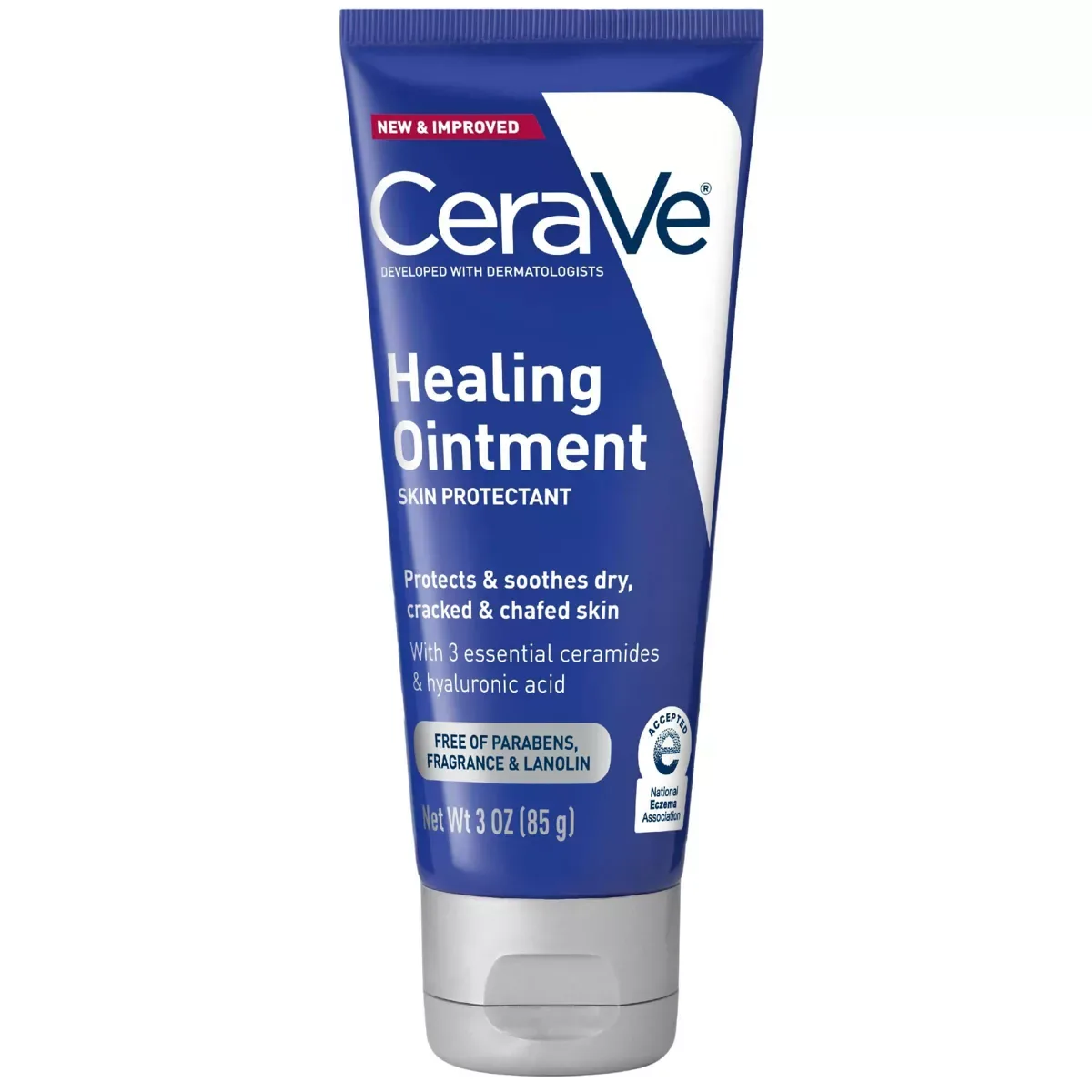 Barrier Rescue Hero
 Healing Ointment
CeraVe's Healing Ointment takes the simplest concept in skincare — seal the skin with petrolatum — and makes it genuinely intelligent by adding ceramides, hyaluronic acid, and panthenol beneath the occlusive layer. It is the gold standard drugstore occlusive for barrier rescue, slugging, and post-procedure care.
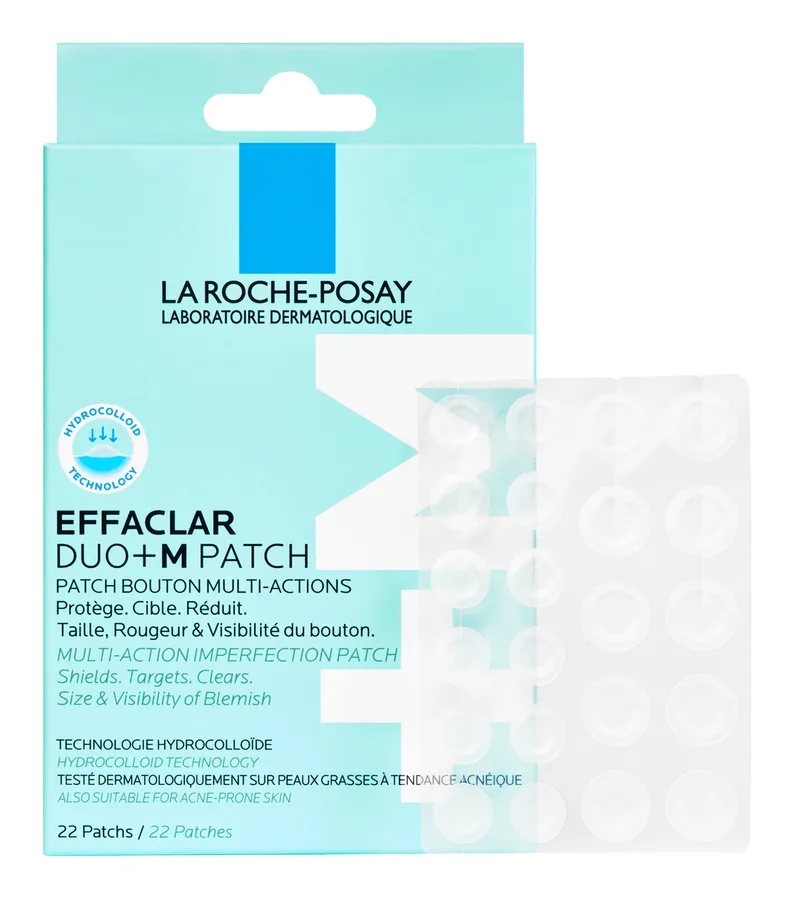 Derm Office Staple
 Effaclar Multi-Target Blemish Patches
One of the few hydrocolloid pimple patches that actually stays on overnight without curling off at 3am. At 420 microns thick with two size options in one pack and zero actives to irritate sensitive skin, this is the Effaclar line's quiet overachiever — and a legitimately good answer for anyone whose acne routine has been sabotaged by thinner patches that refuse to stay put.
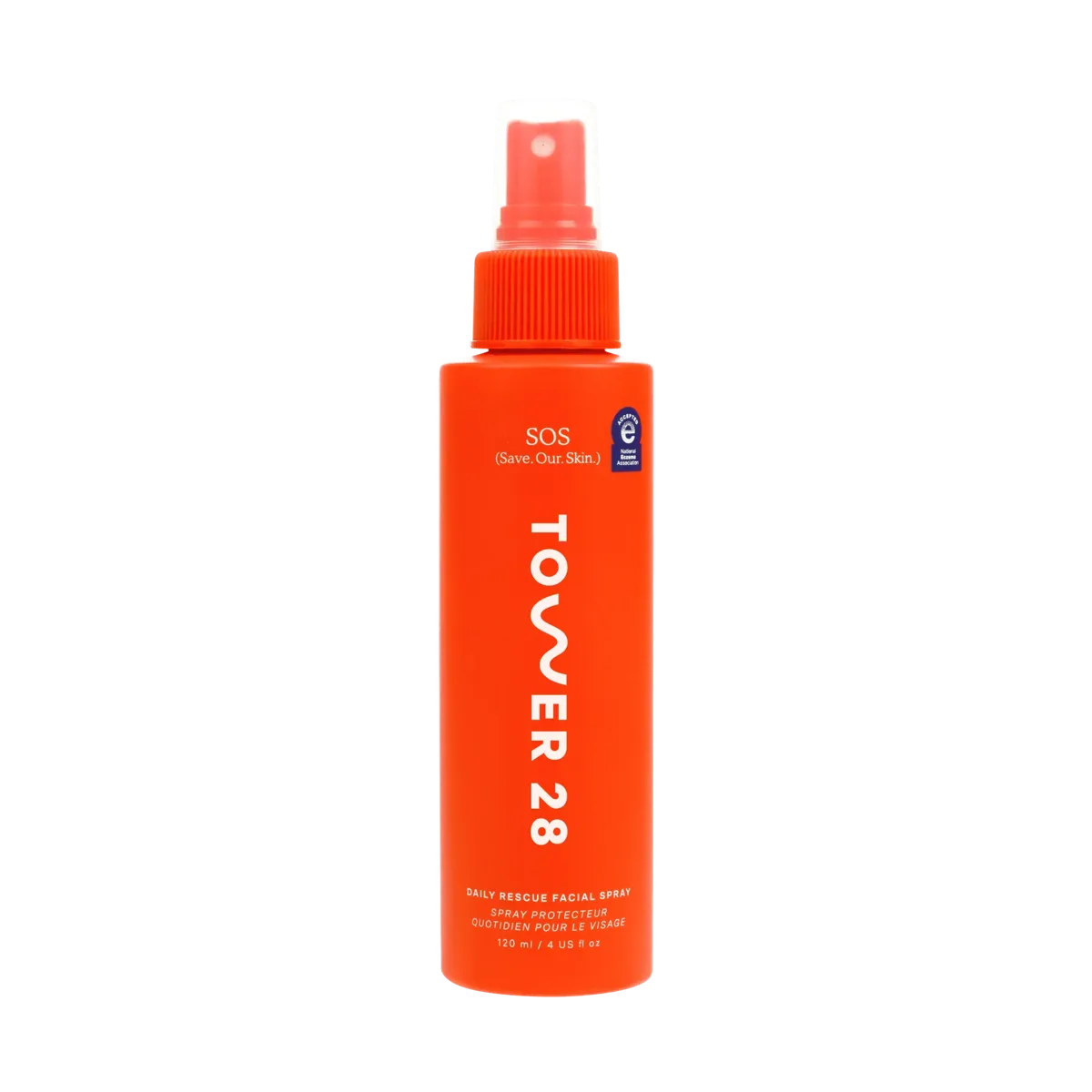 Reactive-Skin Cult Favorite
 SOS Save Our Skin Daily Rescue Facial Spray
The product that single-handedly brought hypochlorous acid into mainstream skincare. A fine-mist HOCl spray with genuine dermatology-organization validation, a near-perfect tolerability profile, and a cult following among people whose skin reacts to everything else. The price runs steeper than medical-grade HOCl, but the stabilization and design are worth the difference for daily use.
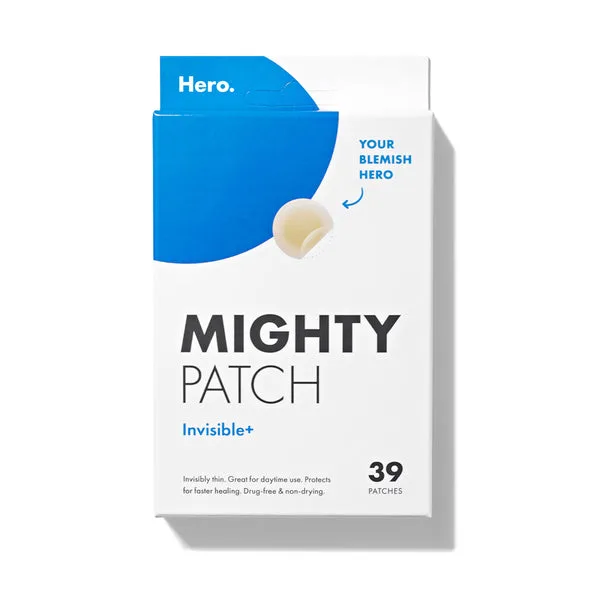
Mighty Patch Invisible+
The pimple patch that proved acne treatment could be invisible — Mighty Patch Invisible+ delivers the same fluid-absorbing hydrocolloid technology as the category-defining Original, but engineered thin enough to disappear under makeup. For daytime blemish management, nothing else comes this close to invisible.
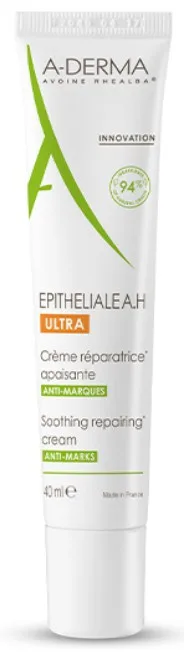 Post-Procedure MVP
 Epitheliale A.H Ultra Repairing Cream
One of the best-formulated French pharmacy repair creams on the market, full stop. Rhealba oat, three-weight HA, madecassoside, trace minerals, panthenol, and shea butter come together in a cream that handles post-procedure skin, eczema flares, friction damage, and compromised barriers with unusual competence for the price.
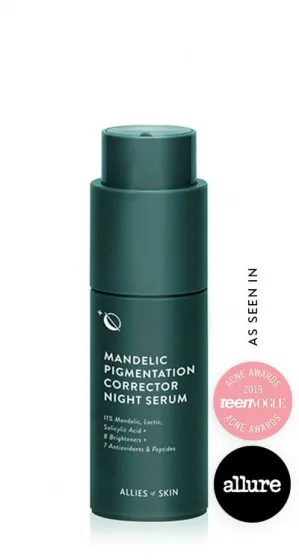 Pigmentation Specialist Pick
 Mandelic Pigmentation Corrector Night Serum
One of the most thoughtfully formulated pigmentation serums on the market. Mandelic acid leads, but the real story is the supporting cast — tranexamic acid, azelaic acid, niacinamide, and bakuchiol attacking hyperpigmentation through five different pathways. Specifically formulated to be safe on melanin-rich skin and it shows.
This review reflects our independent analysis of publicly available ingredient data, manufacturer claims, and verified user reviews. We are reader-supported — Amazon links may earn us a commission at no cost to you. We do not accept paid placements; rankings are based solely on the evidence.