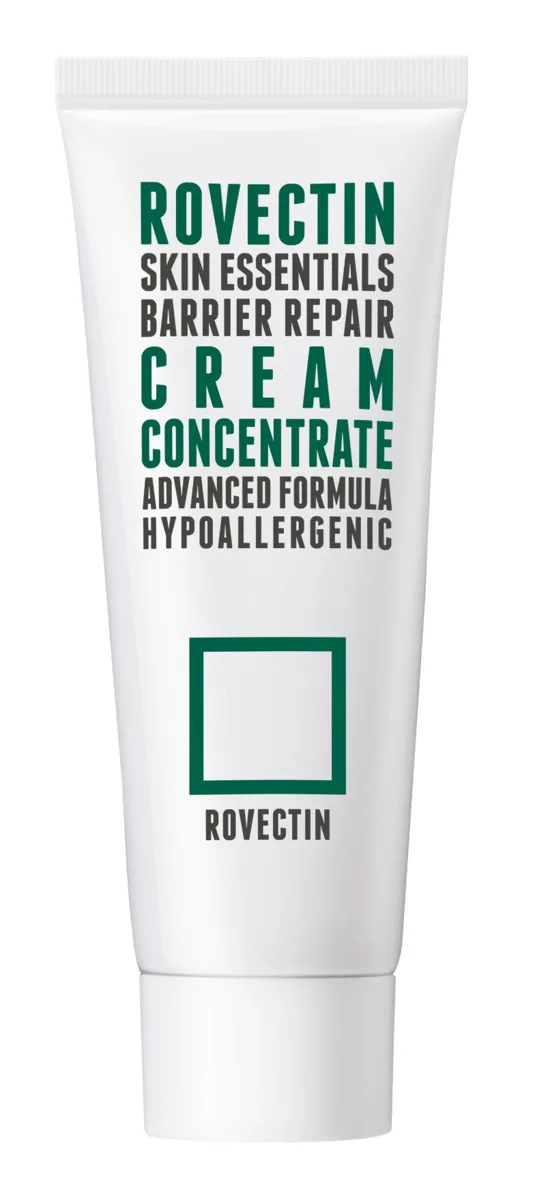
An astaxanthin-forward Korean barrier cream that replaces the usual mineral occlusives with a botanical oil system and delivers a genuinely interesting lipophilic antioxidant story. The formulation is thoughtful, but the essential oil blend makes it a harder sell for reactive skin, and the '6000 times stronger than vitamin C' marketing claim deserves a raised eyebrow.
Barrier Repair Cream Concentrate
An astaxanthin-forward Korean barrier cream that replaces the usual mineral occlusives with a botanical oil system and delivers a genuinely interesting lipophilic antioxidant story. The formulation is thoughtful, but the essential oil blend makes it a harder sell for reactive skin, and the '6000 times stronger than vitamin C' marketing claim deserves a raised eyebrow.
Score Breakdown
Where this product gains points and where it loses them — broken down across the four scoring pillars.
A well-constructed k-beauty barrier cream with interesting astaxanthin and botanical oil positioning, though the essential oil load raises concerns for sensitive skin users.
Pros & Cons
- ✓Astaxanthin delivers genuine lipophilic antioxidant protection
- ✓Niacinamide and ceramide NP provide solid barrier foundation
- ✓Botanical oil blend replaces mineral occlusives for plant-forward appeal
- ✓Satisfying rich texture that absorbs without greasy residue
- ✓Backed by Kolmar Korea's formulation R&D infrastructure
- ✓Vegan and cruelty-free
- ✗Multiple essential oils raise sensitization risk for reactive skin
- ✗Cocoa butter may clog pores in acne-prone users
- ✗Marketing claim of '6000x stronger than vitamin C' is misleading
- ✗Not suitable for fungal acne or very oily skin
- ✗Jar packaging can compromise active stability over time
Full Review
If you've ever wondered why flamingos are pink, the answer is astaxanthin. The same carotenoid pigment that gives salmon its salmon color and flamingos their flamingo color comes from a particular species of freshwater microalgae called Haematococcus pluvialis, and when those algae are concentrated and isolated, you get one of the more potent lipid-soluble antioxidants in commercial skincare. Rovectin, a Korean brand operating under the R&D umbrella of Kolmar Korea (one of the largest contract manufacturers in the country, quietly making skincare for hundreds of brands you've probably heard of), decided that astaxanthin deserved a starring role rather than a token cameo. This Barrier Repair Cream Concentrate is the result — a pink-tinted moisturizer where the color isn't from a dye, it's from the active ingredient, and where the formulation story is as much about antioxidant protection as it is about hydration.
The formulation is genuinely interesting if you read it carefully. The core barrier work is done by niacinamide (surprisingly high on the INCI list), ceramide NP, panthenol, and squalane — a standard but well-chosen combination for supporting stratum corneum function. What makes the formula distinctive is what sits on top of that foundation: astaxanthin extracted from Haematococcus pluvialis, plus a blend of cold-pressed botanical oils including raspberry seed, rose, peach kernel, olive, and moringa. These oils replace the more typical mineral oil or petrolatum occlusive in drugstore barrier creams, giving the formula a plant-forward positioning that aligns with Korean clean-beauty aesthetics. The fatty acid diversity is meaningful — raspberry seed oil is notably high in omega-3, olive oil contributes squalene and oleic acid, moringa contributes a stable mix of oleic and palmitic acids. Together they form a lipid barrier that's both nutritionally interesting and optically pleasant on the skin.
The astaxanthin itself deserves a closer look, because it's both more and less impressive than the marketing suggests. In laboratory antioxidant assays — specifically, tests measuring how effectively a molecule quenches singlet oxygen in isolation — astaxanthin does score impressively high relative to vitamin E and vitamin C. This is where the widely circulated claim that astaxanthin is '6000 times stronger than vitamin C' comes from, and it deserves an honest framing. That number is from a specific test tube measurement that doesn't translate to 6000 times more effective on human skin. Real-world topical antioxidant efficacy depends on stability, penetration, distribution in the skin, and interaction with the actual oxidative stressors your skin encounters — not just raw quenching capacity in a lab. Astaxanthin is, genuinely, a potent lipophilic antioxidant with real promise for topical application, particularly for UV-driven and pollution-driven oxidative stress. But it's not literally 6000 times anything in practical use, and brands that rely on that specific claim are doing their customers a slight disservice. Rovectin's formulation benefits from astaxanthin's actual properties; the marketing just stretches the story a bit thin.
The texture is where the cream earns its daily-use credibility. It's rich — this is a concentrate, and it feels like one — but it spreads easily thanks to the squalane and cocoa butter system, and it absorbs to a satin finish with a faint dewy cast and a hint of the pink tint that fades as it settles. The scent is a natural-feeling blend of rose and herbal notes from the essential oils, which some users will find pleasant and others will find like too much. That brings us to the caveat that needs its own paragraph.
The essential oil load is significant. Rose oil, geranium oil, eucalyptus oil, clary sage oil, and orange peel oil all appear in the ingredient list, and several of them carry known sensitization potential. For tolerant skin, these add natural aromatic character and some minor adjunct actions (rose has mild anti-inflammatory data, clary sage contributes antioxidant activity). For reactive or sensitive skin, they're a liability. A cream that's pitched as 'barrier repair' containing a panel of known fragrance allergens is a slightly contradictory proposition — the barrier is already compromised, and adding sensitizers to a compromised barrier is exactly what dermatologists warn against. If you have any history of sensitivity, rosacea, eczema, or known essential oil reactions, this is not the right barrier cream for you. If your skin is robust and you tolerate botanical formulas well, the essential oils won't cause problems and you might actually enjoy the natural scent profile.
There's also a cocoa butter consideration. The formula lists theobroma cacao seed butter fairly high, which provides some of the rich emollient feel but has a moderate comedogenic rating in susceptible users. Combined with peach kernel oil (mild comedogenic rating), this cream isn't the best choice for active acne or pore-clogging-prone skin. It's best on dry, mature, or normal skin that wants rich nourishment without breakouts being a concern.
Value-wise, this sits in the mid-range for k-beauty at around $35 for 60ml. That's more expensive than the Korean drugstore staples and less expensive than the luxury K-beauty tier. Given the formulation — concentrated actives, interesting botanical story, Kolmar R&D backing — the price is fair for what you get, though not exceptional. Users who specifically want astaxanthin in their routine have few better options at this price point. Users who just want a well-made barrier cream can find comparable results from simpler ceramide-focused alternatives for less.
Where this cream shines is the specific niche it's built for: dry-to-normal skin that wants antioxidant protection built into its moisturizer, tolerates essential oils comfortably, and appreciates the plant-forward K-beauty aesthetic over clinical minimalism. For that user, this is a well-constructed, thoughtfully positioned option from a brand with serious R&D credibility behind it. For everyone else, the essential oil load is a real consideration worth weighing before committing.
Formula
Key Ingredients
The hero actives that drive this product's performance.
| Ingredient | Function | Evidence |
|---|---|---|
| Astaxanthin (Haematococcus Pluvialis Extract) | The headlining carotenoid antioxidant from freshwater microalgae, claimed to be dramatically more potent than vitamin E in laboratory antioxidant assays. In this cream, it gives the formula its distinctive salmon-pink tint and provides protection against oxidative stress from UV, pollution, and blue light. It pairs with tocopherol and the lipid-soluble botanical oils to create a lipophilic antioxidant network. | promising |
| Ceramide NP | A single skin-identical ceramide that forms the core of the 'barrier repair' claim. In this formulation, it's layered with squalane, cocoa butter, and multiple botanical seed oils to replicate the stratum corneum's lipid matrix. The ceramide load is more modest than full multi-ceramide systems, with the botanical oils doing much of the occlusive work. | well-established |
| Niacinamide | Appears higher on the INCI list than many actives, suggesting a meaningful percentage. Works alongside the ceramide and panthenol to support barrier recovery and reduce transepidermal water loss, while also contributing mild sebum regulation and tone improvement benefits. | well-established |
| Panthenol (Provitamin B5) | A well-studied barrier soother and humectant that metabolizes into pantothenic acid in the skin. Works as a calming agent alongside the botanical extracts to reduce the reactivity of compromised skin during the repair process, complementing the ceramide and squalane hydration system. | well-established |
| Botanical Oil Blend (Raspberry Seed, Rose, Peach Kernel, Moringa, Olive) | A blend of five cold-pressed seed and fruit oils providing a diverse fatty acid profile (omega-3, 6, 9) and their native antioxidant content. In this k-beauty formulation, they replace the more standard petrolatum or mineral oil occlusive, giving the cream a plant-forward positioning favored in Korean clean-beauty aesthetics. | promising |
Full INCI List · pH 5.5
Water, Propanediol, Cetyl Ethylhexanoate, Butylene Glycol, Hydrogenated Poly(C6-14 Olefin), Squalane, Theobroma Cacao (Cocoa) Seed Butter, Cetearyl Alcohol, Polyglyceryl-3 Methylglucose Distearate, Caprylic/Capric Triglyceride, Niacinamide, Pentylene Glycol, Glyceryl Stearate, Hydrogenated Vegetable Oil, Prunus Persica (Peach) Kernel Oil, Ceramide NP, Astaxanthin, Panthenol, Rubus Idaeus (Raspberry) Seed Oil, Rosa Damascena Flower Oil, Olea Europaea (Olive) Fruit Oil, Haematococcus Pluvialis Extract, Eclipta Prostrata Extract, Melia Azadirachta Flower Extract, Pelargonium Graveolens Flower Oil, Melia Azadirachta Leaf Extract, Citrus Aurantium Dulcis (Orange) Peel Oil, Curcuma Longa (Turmeric) Root Extract, Ocimum Sanctum Leaf Extract, Eucalyptus Globulus Leaf Oil, Juniperus Mexicana Oil, Salvia Sclarea (Clary) Oil, Corallina Officinalis Extract, Moringa Oleifera Seed Oil, 1,2-Hexanediol, Diisostearyl Malate, Polymethylsilsesquioxane, Tocopherol, Disodium EDTA, Ethylhexylglycerin, Phenoxyethanol
Product Flags
✗ Fragrance Free✓ Alcohol Free✗ Oil Free✗ Silicone Free✓ Paraben Free✓ Sulfate Free✓ Cruelty Free✓ Vegan✗ Fungal Acne Safe
Comedogenic Ingredients
cocoa butter (moderate)peach kernel oil (mild)
Potential Irritants
rose oilgeranium oileucalyptus oilclary sage oilorange peel oil
Common Allergens
rose absolute (fragrance allergen)geraniolcitrus essential oils
Compatibility
Skin Match
Best For
Works For
Not Ideal For
Addresses These Conditions
dryness aging compromised skin barrier dehydration sun damage
Use With Caution
Avoid With
Routine Step
moisturizer
Time of Day
AM & PM
Pregnancy Safe
Yes ✓
Layering Tips
Apply as the final moisturizer step after serums and essences. In AM, allow 2 minutes absorption before sunscreen. The botanical oil content makes this a good final step rather than a layering-under-other-products choice.
Results Timeline
Immediate softening and a dewy finish on day one. Measurable barrier improvement and reduced tightness typically emerge within 2-3 weeks of twice-daily use.
Pairs Well With
hyaluronic acid serumsniacinamide serumsceramide toners
Sample AM Routine
- Cleanser
- Hydrating toner
- Vitamin C serum
- Rovectin Barrier Repair Cream Concentrate
- Sunscreen
Sample PM Routine
- Oil cleanse
- Water cleanse
- Treatment serum
- Rovectin Barrier Repair Cream Concentrate
Evidence
Who Should Skip
- Multiple essential oils raise sensitization risk for reactive skin
- Cocoa butter may clog pores in acne-prone users
- Marketing claim of '6000x stronger than vitamin C' is misleading
- Not suitable for fungal acne or very oily skin
Science & Expert Perspective
The Science
The formulation's most interesting scientific claim rests on astaxanthin, a xanthophyll carotenoid produced naturally by Haematococcus pluvialis microalgae. Astaxanthin has been studied extensively in laboratory antioxidant assays and has shown significantly higher singlet oxygen quenching capacity than vitamin E and vitamin C in vitro. Published research has demonstrated topical astaxanthin can reduce UV-induced oxidative damage markers in skin models, and some clinical studies have shown improvements in skin elasticity and fine line appearance with sustained topical application. However, the translation from laboratory antioxidant capacity to real-world topical efficacy is not linear — stability, penetration, and interaction with the skin's own antioxidant systems all influence outcomes. The ceramide NP and niacinamide foundation of the formula is supported by well-established research on stratum corneum lipid replacement and barrier recovery. Niacinamide, in particular, has strong evidence for improving transepidermal water loss and supporting ceramide synthesis in the skin itself. Panthenol's role as a barrier soother and humectant is also well-documented.
Dermatologist Perspective
Dermatologists generally view astaxanthin as a promising lipophilic antioxidant for topical use, though they typically caution that the marketing claims often overstate the real-world efficacy relative to more established actives like vitamin C and niacinamide. Board-certified dermatologists note that botanical oils can be useful adjunct emollients but emphasize that essential oils — especially rose, citrus, and eucalyptus — carry documented sensitization risks and should be avoided in barrier-compromised skin. For patients with sensitive or rosacea-prone skin, dermatologists commonly recommend simpler fragrance-free barrier creams with the same core actives (ceramides, niacinamide, panthenol) without the essential oil complications. For robust skin, a formula like this can be an effective part of an anti-aging routine focused on oxidative stress protection.
Guidance
Usage Guide
How to Use
Apply after cleansing, toning, and any treatment serums, using half a pea-sized amount for face and neck. Warm between fingertips and gently press into the skin using upward motions. In the morning, allow 2 minutes absorption before applying sunscreen. Can be used morning and evening, though many users find it rich enough for evening-only use paired with a lighter AM moisturizer in warmer months. Patch test on the inner arm for 3-5 days before first use due to essential oil content.
Value Assessment
At $35 for 60ml, this cream sits in the mid-tier of the K-beauty market. The formulation quality is solid — the astaxanthin, ceramide NP, niacinamide, and botanical oil combination is genuinely thoughtful — but the price premium over simpler Korean barrier creams reflects the marketing positioning as much as the ingredient cost. Users who specifically want astaxanthin in a moisturizer are paying for one of the better accessible options. Users who just want barrier support can find comparably effective simpler formulas for less, particularly in the broader k-beauty ceramide category.
Who Should Buy
Dry to normal skin users looking for antioxidant-forward barrier support, particularly those interested in astaxanthin or plant-oil-based K-beauty formulations. Users who tolerate essential oils well and enjoy the sensorial experience of a natural-scented cream.
Who Should Skip
Sensitive skin, rosacea-prone users, essential oil-reactive users, those with active acne or fungal acne, and anyone seeking a fragrance-free barrier cream. Minimalist formula preferences would find simpler ceramide creams more appropriate.
Ready to try Rovectin Barrier Repair Cream Concentrate?
Details
Details
Texture
Rich, silky cream with a faint salmon-pink tint from astaxanthin, absorbs to a satin finish
Scent
Light natural rose and herbal scent from essential oils — pleasant but noticeable
Packaging
White and rose-gold jar with spatula — hygienic for a jar format, aesthetic rather than clinical
Finish
satindewynon-greasy
What to Expect on First Use
Immediate softening and a faint pink tint on the skin that fades as the cream absorbs. The essential oil blend creates a subtle natural fragrance that settles within a minute. No tingling or adjustment period for tolerant skin, but users with essential oil sensitivities should patch test first.
How Long It Lasts
3-4 months with twice-daily facial use
Period After Opening
12 months
Best Season
fall winter
Certifications
VeganCruelty-free
Background
The Why
Rovectin was launched in 2010 as a brand under Kolmar Korea, one of the largest contract manufacturers in South Korea, whose factories produce skincare for hundreds of global brands. The Barrier Repair Cream Concentrate emerged from Kolmar's R&D work on concentrated antioxidant delivery systems, positioned as a step up from the standard Rovectin Barrier Repair Cream with 125% more concentrated actives.
About Rovectin Established Brand (5–20 years)
Rovectin was launched in 2010 by Kolmar Korea, one of South Korea's largest and most established contract manufacturers, which produces skincare for hundreds of global brands. The brand benefits from Kolmar's substantial R&D infrastructure and formulation expertise.
Brand founded: 2010 · Product launched: 2015
Myth vs. Reality
Myths & Misconceptions
Myth
Astaxanthin is '6000 times stronger than vitamin C'
Reality
This popular marketing claim comes from a single laboratory antioxidant assay measuring singlet oxygen quenching in a test tube — a very specific metric that doesn't translate to 6000x real-world efficacy on skin. Astaxanthin is genuinely a potent lipophilic antioxidant, but the '6000 times' figure is taken out of context.
FAQ
Frequently Asked Questions
What does astaxanthin do for the skin?
Astaxanthin is a lipophilic carotenoid antioxidant that helps protect skin cells from oxidative damage caused by UV radiation, pollution, and blue light. In this cream, it pairs with the botanical oils to provide a lipid-soluble antioxidant shield that targets a different set of free radicals than water-soluble antioxidants like vitamin C.
Why is this cream pink?
The salmon-pink color comes directly from the astaxanthin, which is naturally extracted from Haematococcus pluvialis freshwater algae (the same pigment that makes salmon and flamingos pink). It's not an added colorant — the tint is a visual indicator of the active ingredient concentration.
Is this safe for sensitive skin?
It depends on your sensitivity profile. The core formula is well-constructed with ceramides, niacinamide, and panthenol, but it contains several essential oils (rose, geranium, eucalyptus, clary sage, orange) that can irritate some reactive skin types. Patch test on the inner arm for 3-5 days before applying to the face.
How is this different from the regular Rovectin Barrier Repair Cream?
The Concentrate version contains approximately 125% more concentrated actives — more astaxanthin, more ceramides, more botanical oils — in a richer texture suited for drier skin types. The regular cream is lighter and better for normal to combination skin.
Is this safe during pregnancy?
The base formulation doesn't contain retinoids or salicylic acid, but it does include several essential oils (eucalyptus, clary sage, rosemary-adjacent extracts) that some pregnancy guidelines advise against. Confirm with your OB/GYN before using during pregnancy or breastfeeding.
Can I use this cream on my body?
You can, but it's expensive for body use given the 60ml size and the premium positioning. Rovectin makes a separate Barrier Repair Face & Body Cream that's better suited for body application. Save this concentrate for the face.
Community
Community Voices
Common Praise
"Distinctive pink color from astaxanthin"
"Rich but absorbs without residue"
"Noticeable barrier recovery in 2 weeks"
"Pleasant natural rose scent"
Common Complaints
"Essential oils can irritate sensitive skin"
"Contains cocoa butter (comedogenic for some)"
"Pricier than standard Korean moisturizers"
"Too rich for summer in humid climates"
Appears In
best k beauty barrier cream best astaxanthin moisturizer best barrier repair cream for dry skin best antioxidant face cream
Related Conditions
aging dryness compromised skin barrier
Related Ingredients
You Might Also Like
 Budget Holy Grail
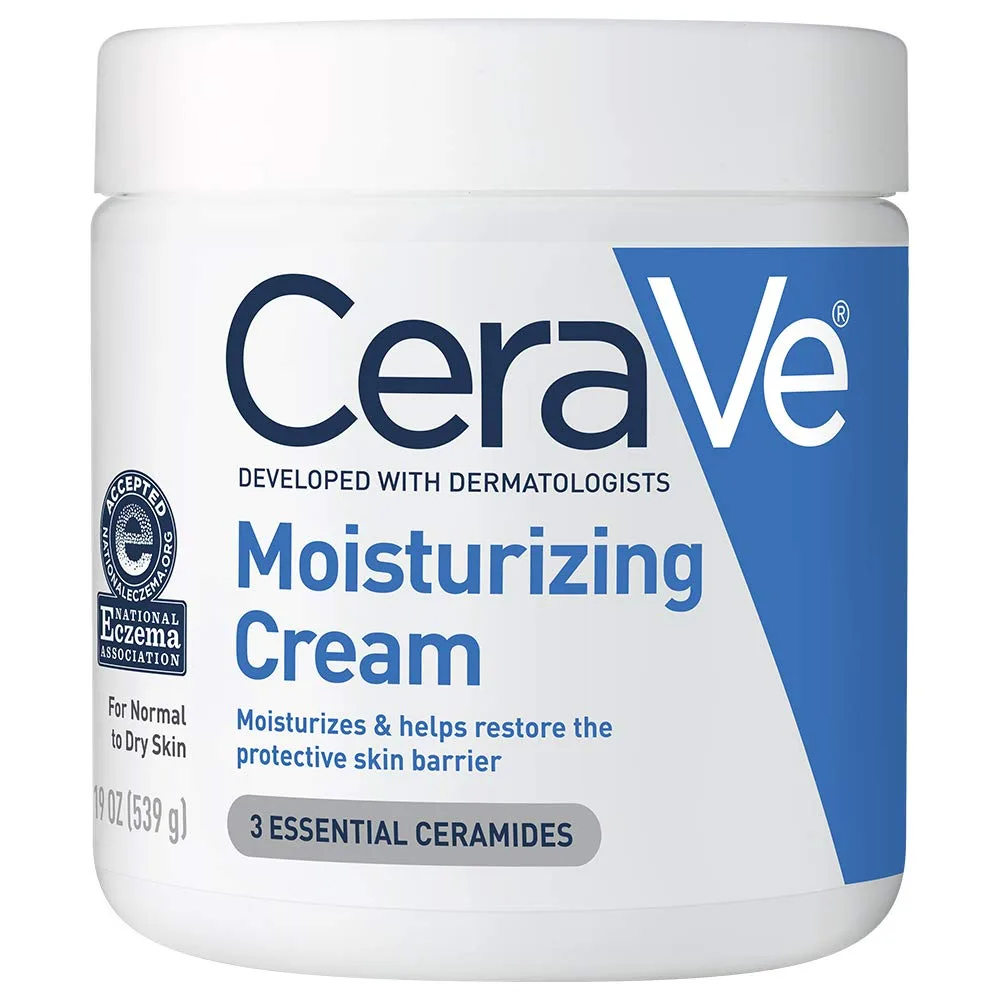
 Moisturizing Cream
The CeraVe Moisturizing Cream is the most important moisturizer in the drugstore — a ceramide-rich, dermatologist-developed formula that delivers barrier repair, multi-humectant hydration, and occlusive protection at a price so accessible it has no real excuse not to be in every household. Twenty-one years of consistent performance and universal dermatologist approval speak louder than any ingredient list.
 Barrier Repair Pioneer
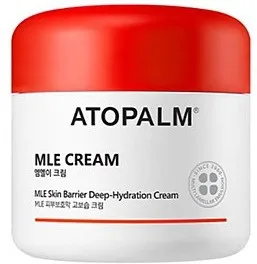
 MLE Cream
Atopalm MLE Cream is one of the genuinely scientifically anchored barrier moisturizers in K-beauty — a fragrance-free, pseudo-ceramide cream built around a patented liquid-crystal lipid structure that mimics the skin's own intercellular matrix. For eczema, atopic skin, post-procedure recovery, or anyone with a stinging compromised barrier, it's one of the most reliably effective moisturizers in the entire category.
 K-Beauty Barrier Repair Staple
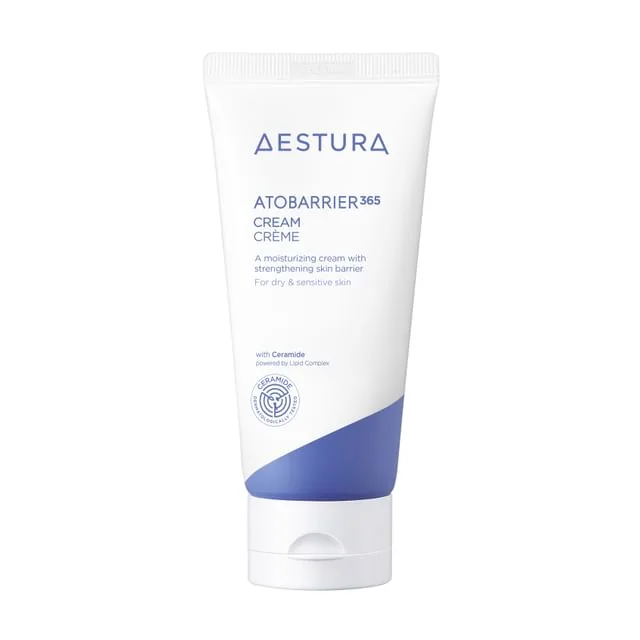
 Atobarrier 365 Cream
A Korean pharmacy cream that earns its cult following the hard way — with a lamellar lipid structure that actually rebuilds the barrier, not just coats it. If your skin has been through a rough winter, a retinoid ramp-up, or a bad reaction, this is the jar that quietly puts it back together.
 Korean Derm Clinic Recovery Pick
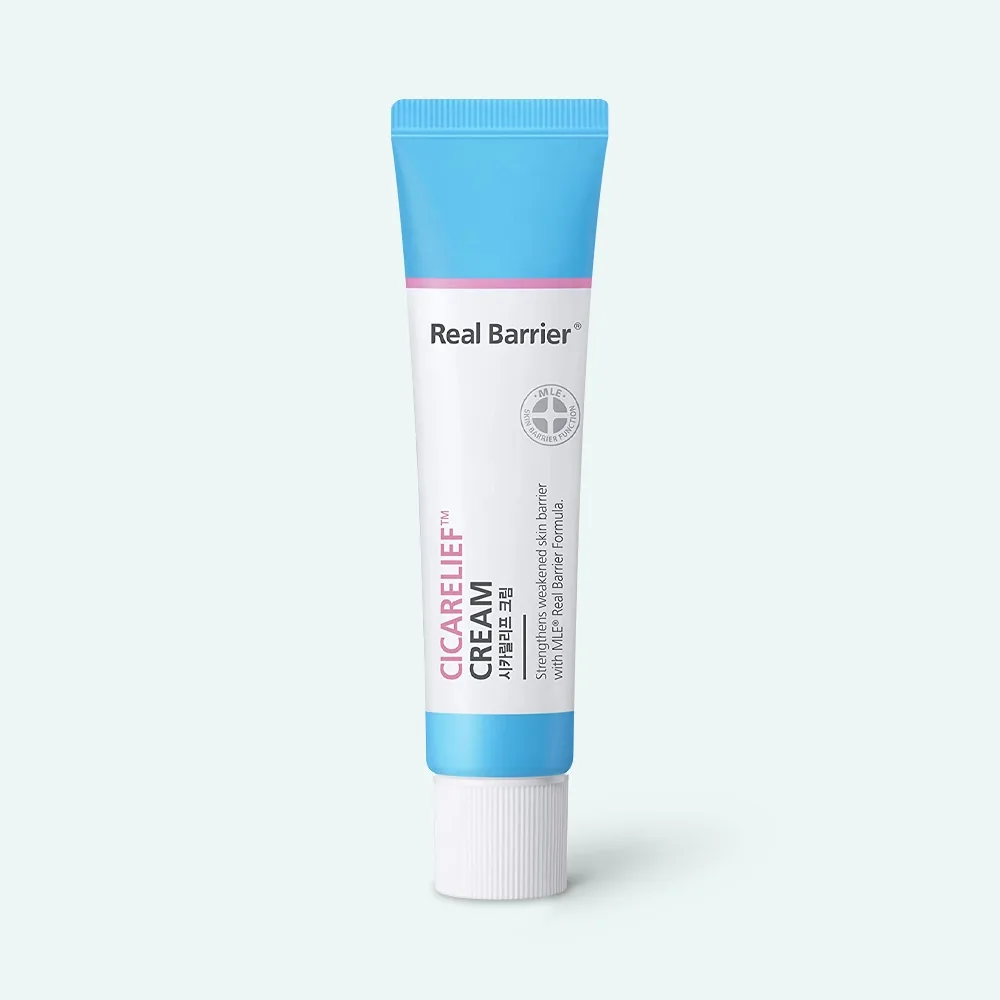
 Real Barrier Cicarelief Cream
One of the best consumer cica creams on the market, combining the full spectrum of centella actives with NeoPharm's MLE ceramide delivery and multiple complementary calming ingredients. Ideal for compromised, reactive, rosacea-prone, or recovering skin, and a staple in Korean dermatology clinic protocols. Minor limitations on packaging, but the formulation is genuinely excellent.
 Transparent 10% Panthenol Cream
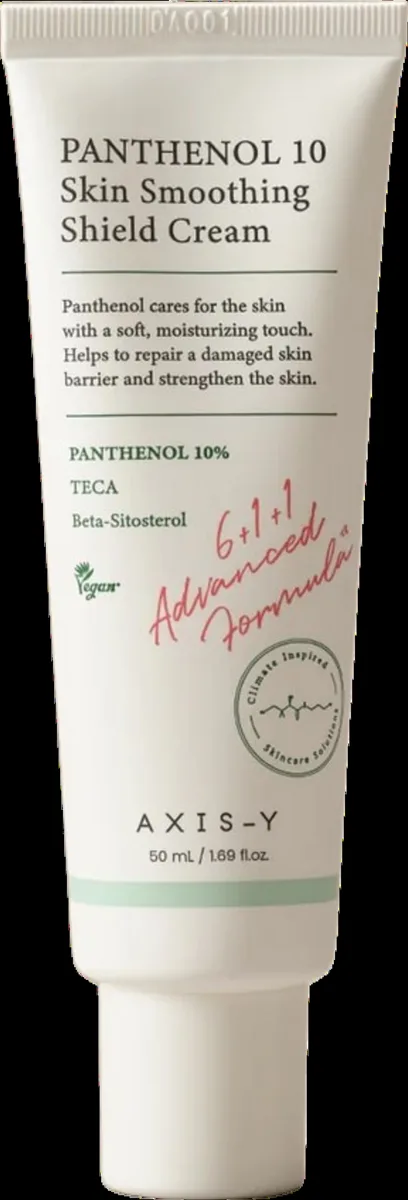
 Panthenol 10 Skin Smoothing Shield Cream
A disclosed 10% panthenol barrier cream built around a full physiological ceramide trio, a centella calming cast, and a modest shea butter occlusive. Fragrance-free, cross-season, and unusually transparent about its hero active — one of the brand's strongest moisturizer formulations.
 K-Beauty Icon
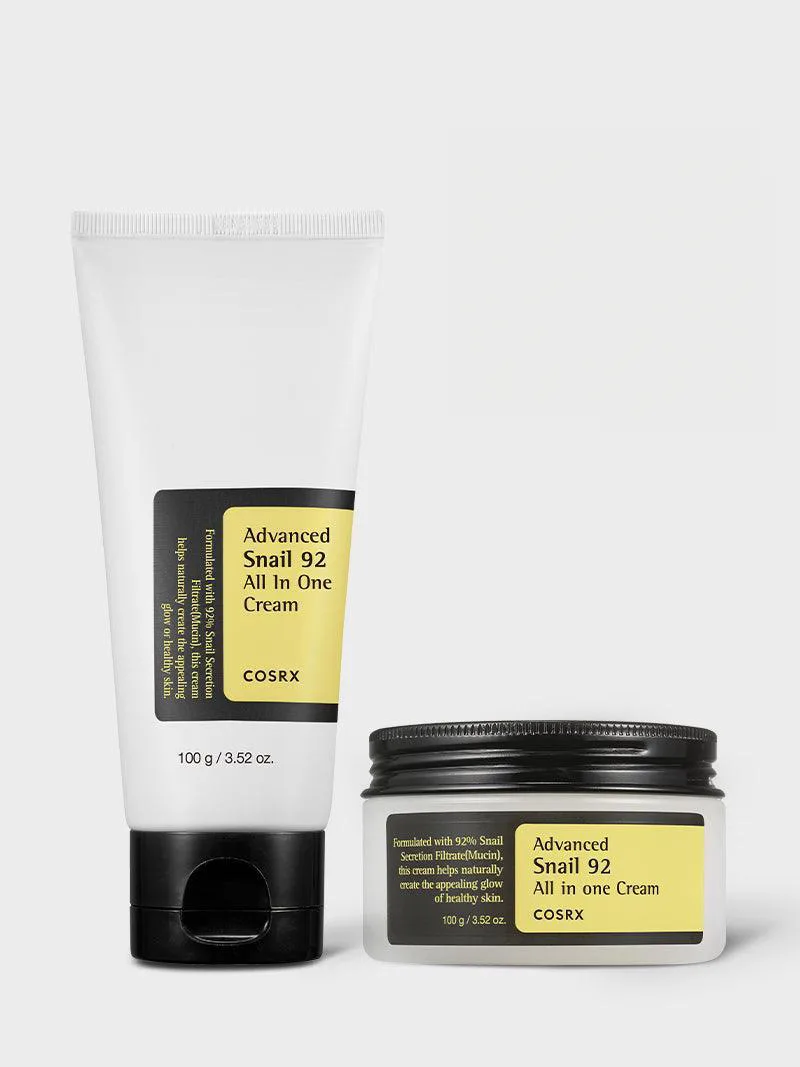
 Advanced Snail 92 All in One Cream
The cream that helped prove snail mucin to the world — and a decade later, it still deserves the reputation. At 92% snail secretion filtrate in a fragrance-free, gentle gel-cream, it delivers hydration, soothing, and gradual skin improvement across virtually every skin type. The texture takes getting used to, but 13 million sold units and 25,000+ reviews suggest most people manage.
This review reflects our independent analysis of publicly available ingredient data, manufacturer claims, and verified user reviews. We are reader-supported — Amazon links may earn us a commission at no cost to you. We do not accept paid placements; rankings are based solely on the evidence.