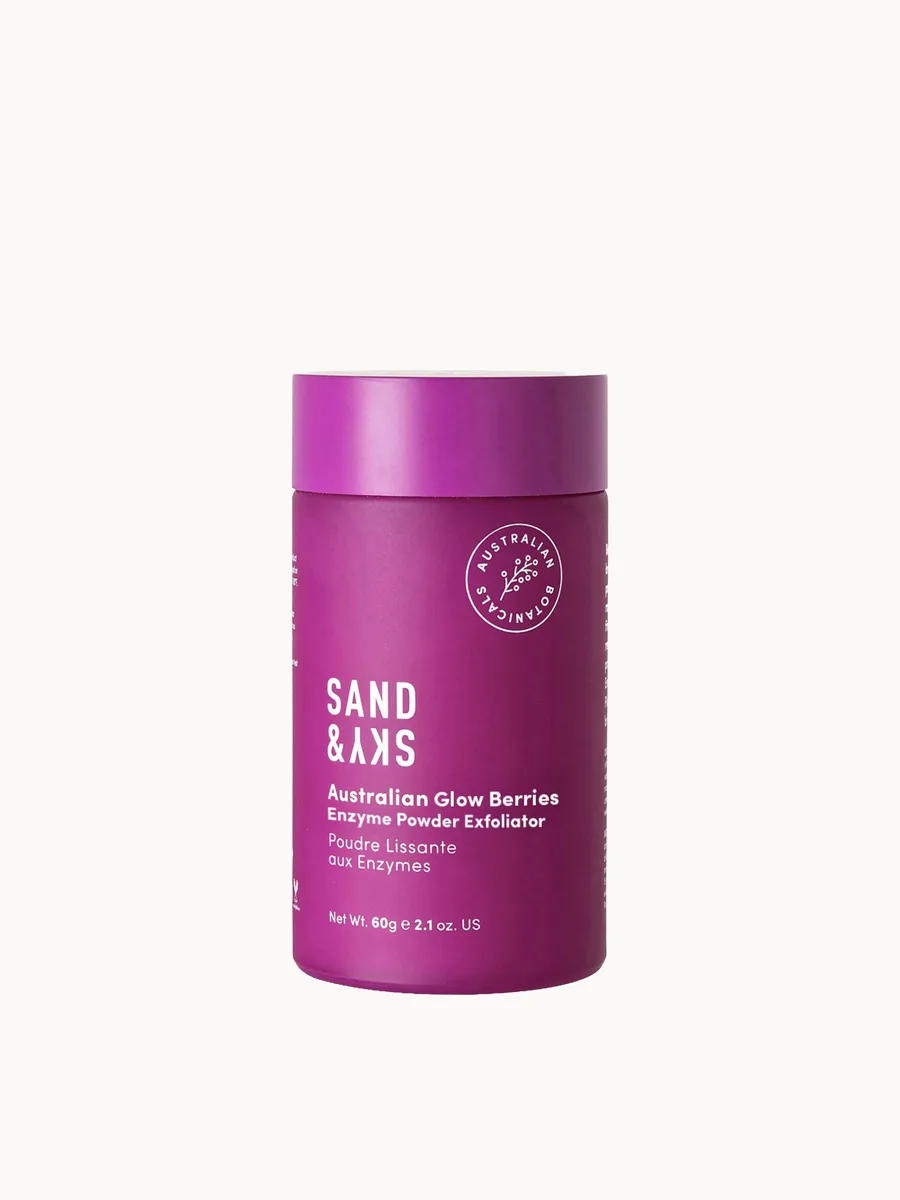
A pleasant, well-formulated enzyme polish that earns most of its hype. Rice-starch powder meets papain and stable vitamin C for visibly smoother, brighter skin after a single use, and the Australian fruit extracts aren't just marketing filler. The fragrance is the main drawback — and at $39 for 60g, you are paying a meaningful premium for the Instagram-native aesthetic.
Enzyme Polish & Exfoliant
A pleasant, well-formulated enzyme polish that earns most of its hype. Rice-starch powder meets papain and stable vitamin C for visibly smoother, brighter skin after a single use, and the Australian fruit extracts aren't just marketing filler. The fragrance is the main drawback — and at $39 for 60g, you are paying a meaningful premium for the Instagram-native aesthetic.
Score Breakdown
Where this product gains points and where it loses them — broken down across the four scoring pillars.
A well-formulated enzymatic exfoliator with clean Australian botanicals and stable vitamin C. The fragrance and steep price are the main drawbacks relative to fragrance-free competitors.
Pros & Cons
- ✓Powder-to-foam format keeps papain stable until use
- ✓Visible smoothing and brightening after a single session
- ✓Gentle enough for acid-intolerant skin when used sparingly
- ✓Stable vitamin C derivative adds cumulative brightening over weeks
- ✓Vegan, cruelty-free, and free of sulfates and parabens
- ✓60g jar lasts 3-4 months at recommended frequency
- ✓Australian native fruit extracts add legitimate antioxidant support
- ✓Layers cleanly into most routines as a cleanser replacement
- ✗Contains parfum, limonene, and linalool — not sensitive-skin friendly
- ✗Premium pricing compared to fragrance-free enzyme alternatives
- ✗Powder format is slightly messy on bathroom counters
- ✗Not suitable for very dry or rosacea-prone skin
- ✗Jar mouth lets moisture in if stored near a shower
- ✗Enzyme brightening is subtler than acid-based alternatives
Full Review
Enzyme exfoliants are skincare's middle child. Gentler than acids, slower than retinoids, less flashy than the latest peptide — they exist in a category that rewards patience and doesn't photograph well. Sand & Sky's Enzyme Polish is one of the rare products in the genre that gives you something visibly satisfying on the first use while still belonging to the quieter end of the exfoliation spectrum. The reason is a combination most competitors don't bother with: papain, the proteolytic enzyme from papaya, paired with 3-O-ethyl ascorbic acid, a stable vitamin C derivative, in a rice-starch base that stays inert in the jar and wakes up on contact with water.
That last detail is worth pausing on. Most enzyme exfoliants in cream or gel formats have to balance water content against enzyme stability, because papain in a wet matrix slowly loses potency. Powder formats sidestep the problem entirely — the papain sits dormant in the dry rice base until you add water, and you activate it fresh at every use. It is a format choice that Japanese and Korean brands have leaned into for years; Australia's Sand & Sky picked it up and dressed it with native fruit extracts.
Those fruit extracts are not decorative. Kakadu plum, which sits mid-list, is one of the highest natural sources of vitamin C of any fruit on earth, routinely measured at 50-100 times the concentration in oranges. It is joined by riberry, pepperberry, quandong, and davidson plum, each contributing antioxidant polyphenols. You can read that spread as marketing or as thoughtful formulation — the honest answer is somewhere in between. The extracts are real and probably functional, but they play a supporting role to the enzyme and the stable vitamin C derivative doing the main brightening work.
Usage is simple in principle and slightly fiddly in practice. Scoop half a teaspoon into a dry palm, add a few drops of water, rub to foam, and massage onto damp skin for thirty to sixty seconds. Rinse thoroughly. The powder-to-foam transformation is genuinely satisfying — it goes from dry beige to creamy lather in about ten seconds — and the resulting paste rinses cleanly without the slimy residue some enzyme products leave behind. You will feel a mild tingle from the papain on first use, which usually settles by the third or fourth session.
The immediate payoff is real: skin feels smoother, looks brighter, and takes makeup more evenly after a single use. The longer-term payoff is subtler — four to six weeks of twice-weekly use produces the kind of cumulative brightening that you notice in photos rather than in the mirror. This is a gentle product, not a resurfacing treatment. If your goal is to fade deep hyperpigmentation or smooth meaningful texture from acne scarring, you want a stronger acid or retinoid. If your goal is to keep skin looking fresh, un-dull, and polished between heavier treatments, this is a good fit.
The honest limitations show up in three places. First, fragrance. Parfum, limonene, and linalool are in there, and the scent is a distinctive berry-citrus that some users love and others find overwhelming. If you have rosacea or a history of fragrance sensitivity, this is not the enzyme exfoliant to start with. Second, price. Thirty-nine dollars for 60g puts it firmly in the luxury-indie bracket. You can buy an excellent fragrance-free enzyme exfoliant from a Japanese or Korean brand for a third of the price. You are paying for Australian botanicals, the brand's aesthetic, and the specific formula — whether that is worth it depends on how much you value the whole package. Third, the powder format is slightly messy. Bathroom counters get a light dusting, and if you store the jar near a shower, ambient moisture can slowly clump the formula.
Who should buy it: people with normal, oily, or combination skin who want a gentle, enjoyable-to-use exfoliant for dullness and texture, fans of Australian native botanicals, and anyone who has struggled to tolerate acid exfoliants. Who should skip it: anyone highly fragrance-sensitive, very dry or rosacea-prone skin, and budget-conscious shoppers who know they can get a similar result for less. The formula genuinely works. The question is only how much you want to pay for it.
Formula
Key Ingredients
The hero actives that drive this product's performance.
| Ingredient | Function | Evidence |
|---|---|---|
| Papain | The enzymatic workhorse of this powder-to-foam exfoliant, papain is a proteolytic enzyme from papaya that gently loosens the bonds between dead surface cells. In this specific rice-starch base, papain activates only when mixed with water, meaning the formula stays inert in the jar and works during application rather than fighting the other ingredients in storage. | promising |
| Rice Starch and Rice Powder | Together these make up the bulk of the formula, acting as the carrier that turns into a soft cleansing paste on contact with water. The fine rice powder adds very mild mechanical polishing — enough to buff away flakes without the microtears of harsher scrubs. | traditional-use |
| Kakadu Plum (Terminalia Ferdinandiana) Extract | The brand's signature Australian botanical, kakadu plum contains one of the highest natural concentrations of vitamin C of any fruit. Here it works alongside the stable 3-O-ethyl ascorbic acid further down the list to deliver a brightening kick that complements the enzymatic exfoliation, a pairing chosen to reinforce post-polish luminosity. | promising |
| Kaolin Clay | A gentle white clay positioned second on the INCI that absorbs excess sebum as the formula foams, making this a dual-purpose exfoliant and mild deep-cleanser rather than a pure enzyme product. | well-established |
| 3-O-Ethyl Ascorbic Acid | A stable vitamin C derivative chosen to survive in a water-activated powder format where ascorbic acid itself would be unstable, adding a brightening finishing touch once the papain has cleared the dead-cell layer. | promising |
Full INCI List
Oryza Sativa (Rice) Starch, Kaolin, Sodium Cocoyl Glutamate, Cellulose, Oryza Sativa (Rice) Powder, Glycerin, Macadamia Ternifolia Seed Oil, Kunzea Pomifera Fruit Extract, Syzygium Luehmannii Fruit Extract, Tasmannia Lanceolata Fruit Extract, Santalum Acuminatum Fruit Extract, Davidsonia Jerseyana Fruit Extract, Terminalia Ferdinandiana Fruit Extract, Papain, Aloe Barbadensis Leaf Juice, Vaccinium Myrtillus Fruit Extract, Cassia Angustifolia Seed Polysaccharide, Pichia/Resveratrol Ferment Extract, 3-O-Ethyl Ascorbic Acid, Tocopherol, Helianthus Annuus (Sunflower) Seed Oil, Citric Acid, Sodium Benzoate, Parfum, Limonene, Linalool
Product Flags
✗ Fragrance Free✓ Alcohol Free✗ Oil Free✓ Silicone Free✓ Paraben Free✓ Sulfate Free✓ Cruelty Free✓ Vegan✗ Fungal Acne Safe
Potential Irritants
ParfumLimoneneLinaloolPapain
Common Allergens
FragranceLimoneneLinalool
Compatibility
Skin Match
Best For
Works For
Not Ideal For
Addresses These Conditions
dullness texture blackheads dark spots
Use With Caution
Avoid With
compromised skin barrier post procedure
Routine Step
treatment
Time of Day
AM & PM
Pregnancy Safe
Yes ✓
Layering Tips
Use 2-3 times a week as a replacement for your regular cleanser. After rinsing thoroughly, follow with hydrating toner, serum, and moisturizer. Do not layer with strong acids or retinoids in the same session.
Results Timeline
Immediate smoother, brighter-looking skin from the first use. Over 2-3 weeks of use twice a week, expect visible improvement in dullness and surface texture. Long-term brightening from the ascorbic derivatives after 4-6 weeks.
Pairs Well With
hydrating-tonerhyaluronic-acidniacinamideceramides
Conflicts With
ahabharetinoidsbenzoyl-peroxide
Sample AM Routine
- THIS PRODUCT (2x per week)
- Hydrating toner
- Niacinamide serum
- Moisturizer
- Sunscreen
Sample PM Routine
- Oil cleanser
- Hydrating toner
- Ceramide serum
- Moisturizer
Evidence
Science & Expert Perspective
The Science
Papain is a cysteine protease enzyme derived from Carica papaya, and its use in cosmetic exfoliation has been explored in cosmetic and dermatologic literature for decades. Published work has shown papain's ability to break peptide bonds in corneocyte proteins, loosening the adhesion between dead cells and enabling their removal with minimal mechanical force. Compared to glycolic or salicylic acid, papain is generally considered gentler and less likely to compromise the skin barrier, though it can provoke reactions in latex-allergic individuals and in people with papain-specific sensitivities. The stability of papain in cosmetic formulations is temperature- and water-dependent, which is why powder-to-foam formats like this one are increasingly popular — the enzyme stays in a near-inert state until activation. 3-O-ethyl ascorbic acid, the vitamin C derivative used here, is one of the more stable forms of vitamin C available for topical use, with better pH tolerance and oxidative stability than ascorbic acid itself. Studies have shown that 3-O-ethyl ascorbic acid penetrates the stratum corneum and converts to active ascorbic acid within the skin, delivering some of the brightening and antioxidant benefits of L-ascorbic acid without the formulation instability. Kakadu plum extract has been studied for its high vitamin C content and for additional polyphenol antioxidants, though most of the available research focuses on ingredient characterization rather than controlled cosmetic efficacy trials. The combination in this specific formula — enzymatic exfoliation activated at point of use, followed by stable vitamin C support and kakadu-plum polyphenols — represents a coherent brightening approach, even if no single published clinical trial has tested this exact combination in this exact delivery system.
Dermatologist Perspective
Dermatologists frequently recommend enzyme exfoliants as a gentler alternative to acid-based exfoliation for patients who cannot tolerate AHAs, BHAs, or retinoids. Board-certified dermatologists note that papain-based exfoliants can be a useful option for patients with mild dullness and sensitive skin, though they flag that papain can trigger reactions in latex-sensitive individuals due to protein cross-reactivity. For patients with rosacea or active eczema, dermatologists typically advise against fragrance-containing formulas regardless of how gentle the exfoliating active itself may be. Vitamin C derivatives like 3-O-ethyl ascorbic acid are generally considered safe and well-tolerated, though patients seeking significant improvement in dyspigmentation are usually directed toward higher-strength prescription or cosmeceutical options.
Guidance
Usage Guide
How to Use
Use 2-3 times per week as a replacement for your regular cleanser. Shake a half-teaspoon of the powder into a dry palm. Add a few drops of water and rub briefly to activate the foaming action. Massage onto clean, damp skin in small circular motions for 30-60 seconds, avoiding the immediate eye area. Rinse thoroughly with lukewarm water. Follow with your usual toner, serum, and moisturizer. Do not use on the same day as strong acids, retinoids, or benzoyl peroxide. Always wear sunscreen the morning after use.
Value Assessment
At $39 for a 60g jar that lasts three to four months, this product sits in the luxury-indie bracket of enzyme exfoliators. A travel size is also available, which offers reasonable per-gram value for new users or travelers. The larger size stretches further than it looks because a half-teaspoon per use is ample. Compared to fragrance-free Korean or Japanese enzyme powders at $10-20, the value gap is real — you are paying roughly double for the Australian botanicals and the brand identity. If the scent and aesthetic are part of what you want, the pricing is defensible. If you are purely optimizing for cost per effective dose, cheaper options exist.
Who Should Buy
People with normal, oily, or combination skin who want a gentle exfoliant for dullness and texture, fans of Australian native botanicals, and those who have found acid exfoliants too harsh. Also a good pick for anyone who prefers powder formats that stay stable between uses.
Who Should Skip
Highly fragrance-sensitive users, people with rosacea or active eczema, very dry skin that needs barrier reinforcement more than exfoliation, and budget-conscious shoppers who can get comparable enzymatic exfoliation from fragrance-free Japanese or Korean powders at a third of the price.
Ready to try Sand & Sky Enzyme Polish & Exfoliant?
Details
Details
Texture
Starts as a soft beige powder in the jar, transforms into a creamy foaming paste when mixed with water in the palm, and rinses cleanly without residue.
Scent
A distinctive berry-citrus fragrance — bright, slightly sweet, clearly scented.
Packaging
60g jar with a screw-top lid — keeps the powder dry but the open-mouth design can let moisture in if stored near a shower.
Finish
non-greasyglowy
What to Expect on First Use
On first use, scoop about half a teaspoon into a wet palm, add water, rub to foam, and massage onto damp skin for 30-60 seconds. Expect a mild tingle from the papain and immediately smoother-feeling skin after rinsing. No purging in the classic sense, but some very reactive users notice pinkness on the first couple of uses.
How Long It Lasts
3-4 months with twice-weekly use — the 60g jar holds roughly 30-40 uses.
Period After Opening
12 months
Best Season
All Year
Certifications
Cruelty-freeVegan
Background
The Why
Sand & Sky launched in 2016 on the strength of its Brilliant Skin Purifying Pink Clay Mask, which became a TikTok-era hit for Australian beauty. The enzyme polish arrived a few years later as the brand pushed beyond masks, drawing on the twin founders' stated interest in pairing native Australian superfruits with accessible cosmeceutical actives. The formula has been tweaked slightly over the years but the core rice-plus-papain-plus-kakadu-plum identity has stayed constant.
About Sand & Sky Emerging Brand (2–5 years)
Sand & Sky was founded in 2016 by twin sisters Emily and Sarah Hamilton as an Australian indie brand focused on native botanicals like kakadu plum and pink clay. The line became Instagram-famous through its pink clay mask and has since expanded, but independent clinical validation of its formulations remains modest compared to legacy cosmeceutical brands.
Brand founded: 2016 · Product launched: 2020
Myth vs. Reality
Myths & Misconceptions
Myth
Enzyme exfoliants aren't as effective as acid exfoliants.
Reality
Enzymes work on surface dead cells through a different mechanism than AHAs and BHAs, and while they are generally gentler, a well-formulated enzyme product like this one can produce genuinely visible smoothing and brightening for users who can't tolerate acids.
Myth
Powder exfoliants are gritty and harsh.
Reality
The rice starch base here turns into a creamy foam rather than a scrub. The fine rice powder provides very mild polishing but the real work happens enzymatically, not mechanically.
FAQ
Frequently Asked Questions
How often should I use this exfoliant?
Start with once a week and build up to two or three times a week as your skin tolerates it. Daily use is too much even though the formula is gentle — enzymes compound over frequent sessions and can lead to over-exfoliation.
Can I use it with retinol or acids?
Not on the same night. The papain and the added vitamin C derivative are active enough that layering them with strong acids or retinoids significantly raises irritation risk. Alternate days.
Is it safe for sensitive skin?
Proceed cautiously. The formula is physically gentle but contains parfum, limonene, and linalool, which can trigger reactions in very sensitive or rosacea-prone skin. Patch test first.
Does it actually brighten skin?
Yes, modestly. The enzymatic exfoliation reveals fresher cells within a single use, and the 3-O-ethyl ascorbic acid plus kakadu plum extract deliver a slow cumulative brightening effect over 4-6 weeks.
How do I use it without wasting product?
Shake a half-teaspoon into a dry palm first, then add a few drops of water. Rub to foam, then massage on damp skin for 30-60 seconds. Avoid scooping into a wet jar as that activates the enzymes prematurely.
Is it safe during pregnancy?
Yes. The formula contains no retinoids, salicylic acid, or hydroquinone. The fragrance components are the main thing to monitor if you have fragrance sensitivities that can intensify during pregnancy.
How does it compare to other enzyme exfoliants?
It is pricier than many competitors and contains fragrance, but its combination of papain with stable vitamin C and Australian botanicals is genuinely unique. If fragrance is a dealbreaker, there are fragrance-free enzyme options that may suit you better.
Community
Community Voices
Common Praise
"Smooth brighter skin after one use"
"Powder format lasts forever"
"Non-abrasive feel"
"Visible improvement in texture"
"Lovely citrus scent"
Common Complaints
"Fragrance can be too strong for sensitive skin"
"Expensive compared to enzyme alternatives"
"Powder format can be messy"
"Contains limonene and linalool"
"Papain can tingle"
Notable Endorsements
Allure Best of Beauty shortlistSephora clean seal
Appears In
best enzyme exfoliant best powder exfoliator best exfoliant for dullness best papain exfoliant best vegan exfoliant
Related Conditions
Related Ingredients
You Might Also Like
 Sensitive Skin AHA Pick
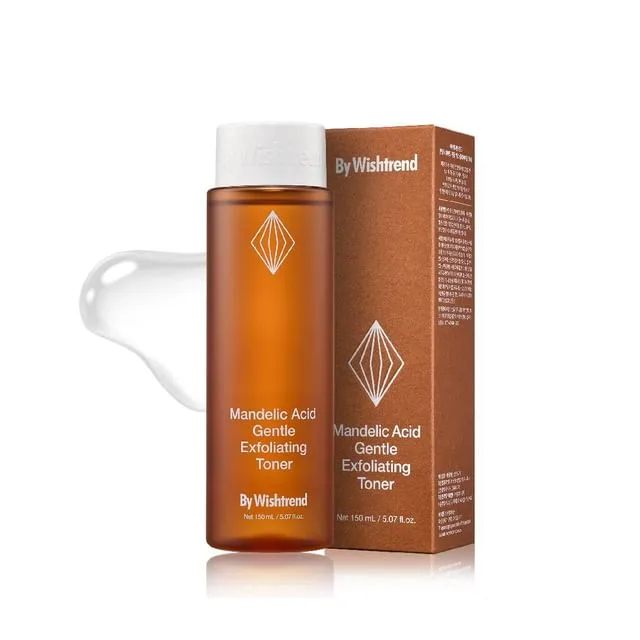
 Mandelic Acid 5% Skin Prep Water
The mandelic acid prep water that quietly converted half of K-beauty Reddit away from glycolic — and for good reason. It delivers visible texture and PIH improvement at 5% without the sting or pigment risk that derails sensitive and darker skin, and it does so for around twenty bucks.
 Gentle Glow Specialist
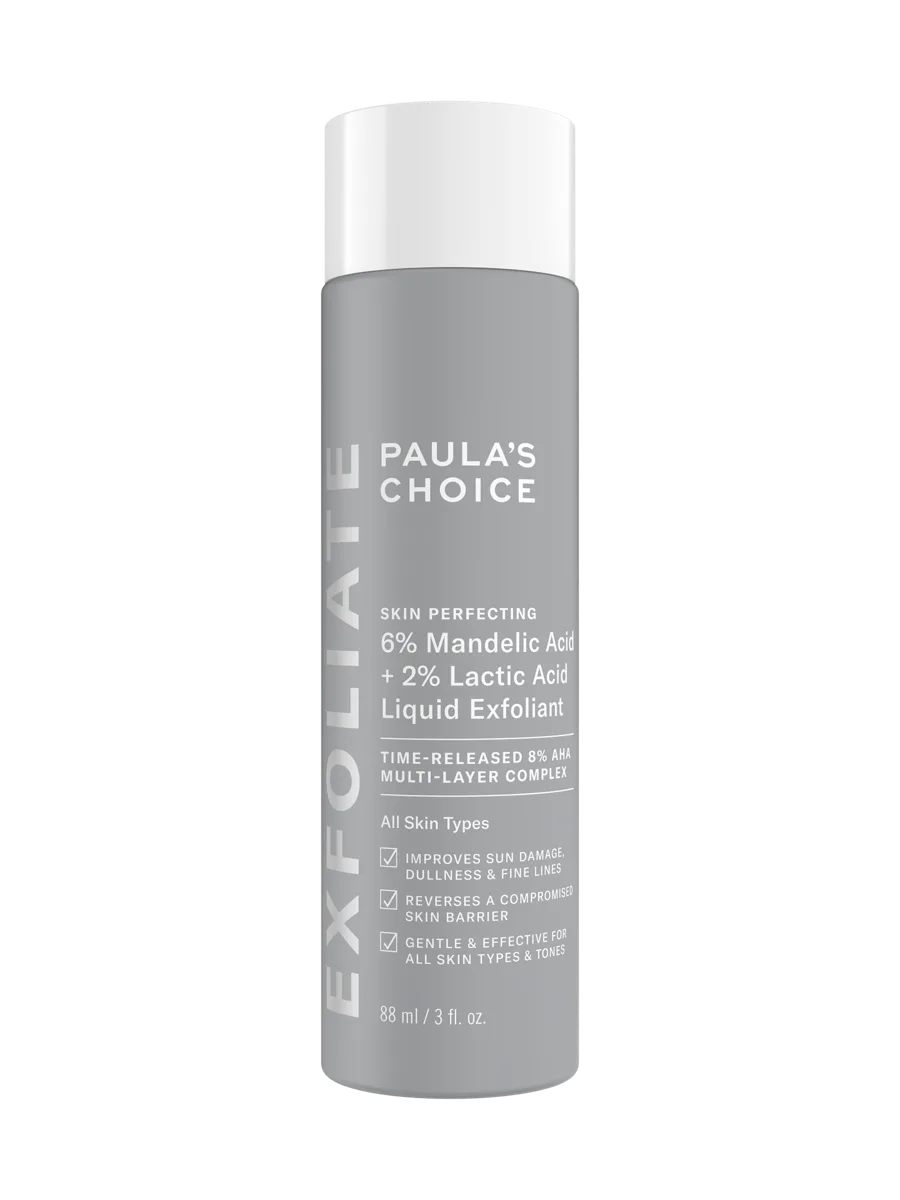
 Skin Perfecting 6% Mandelic Acid + 2% Lactic Acid Liquid Exfoliant
The exfoliant that finally treats sensitive and melanin-rich skin as the design priority rather than an afterthought. With a 4.8-star rating and 660+ reviews, this mandelic-lactic formula proves that gentleness and efficacy aren't mutually exclusive — it just requires smarter acid selection.
 The Original At-Home Peel
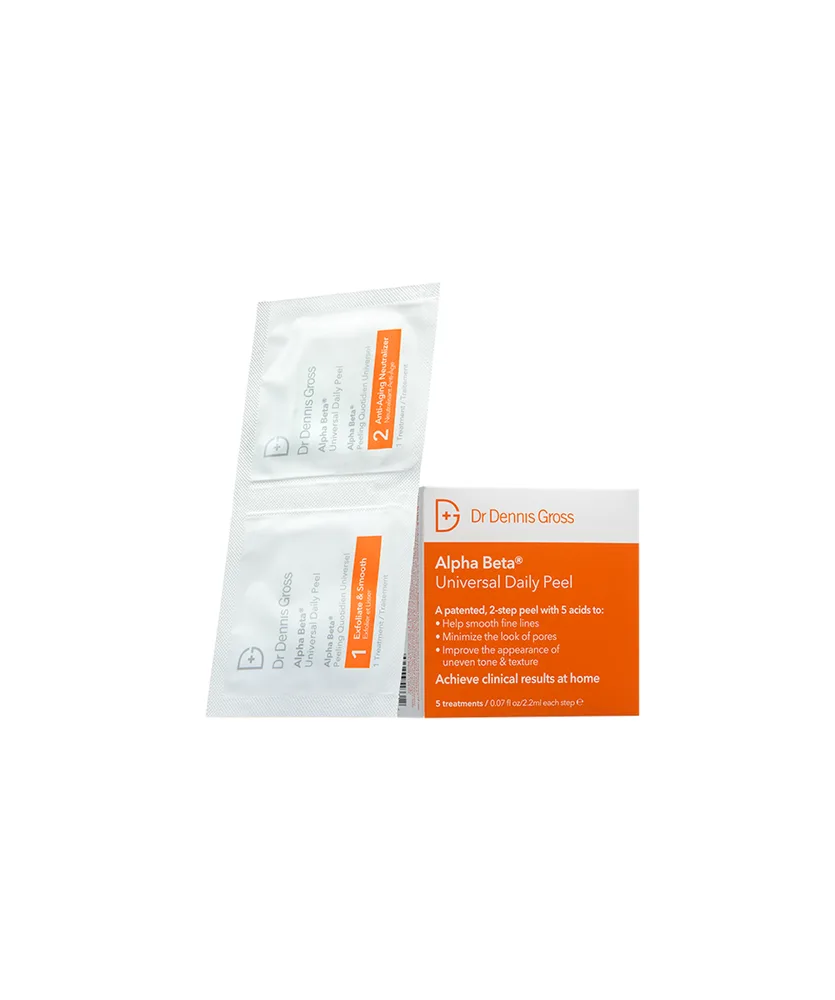
 Alpha Beta Universal Daily Peel
The product that invented the at-home daily peel category in 2002 and still sits at the top of it. The five-acid Step 1 and retinol-antioxidant Step 2 deliver genuine resurfacing and anti-aging in a single five-minute routine. Expensive, but the results and track record justify the reputation.
 Beginner Exfoliant Pick
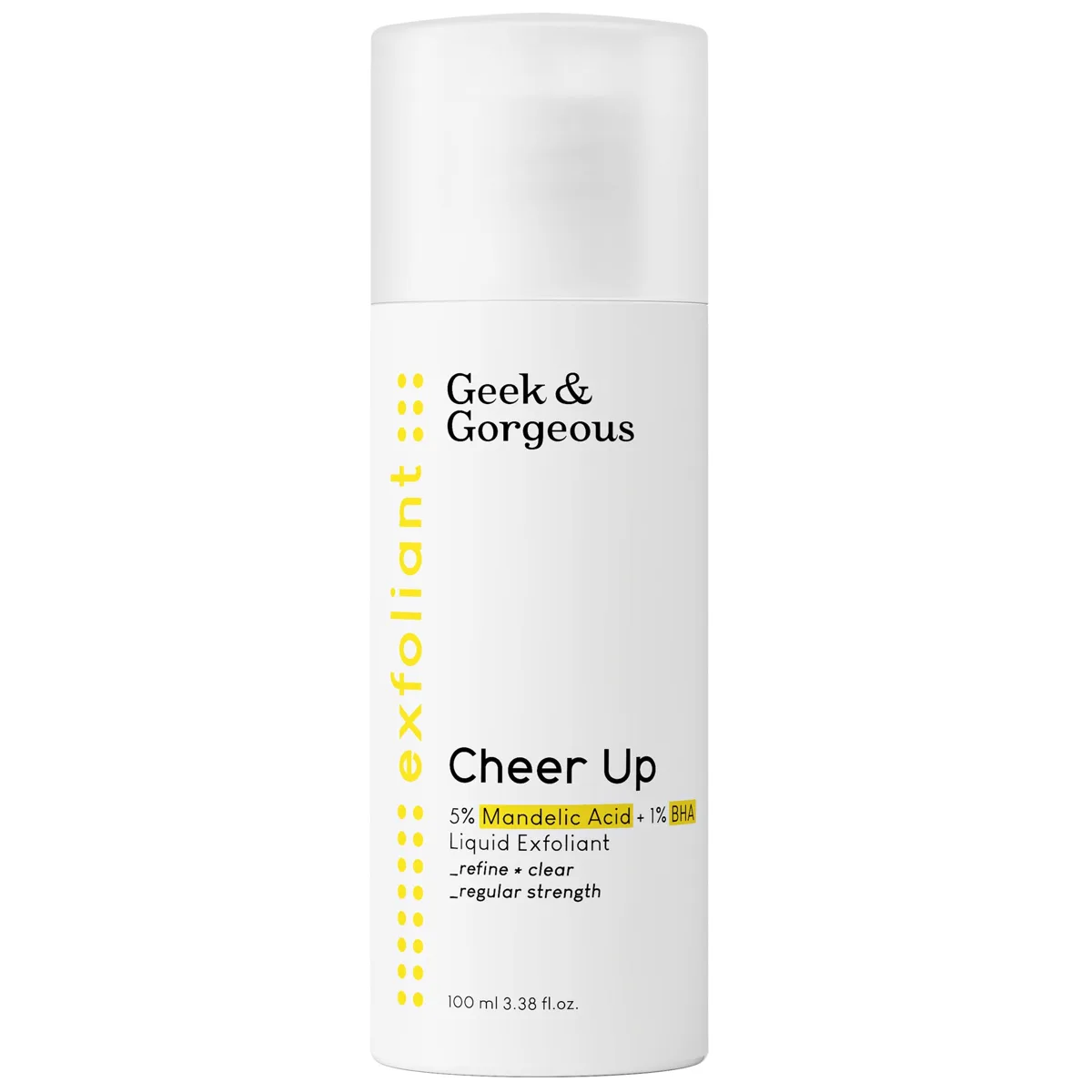
 Cheer Up 5% Mandelic + 1% Salicylic Exfoliant
A thoughtfully formulated beginner AHA/BHA exfoliant that uses mandelic acid — the gentlest mainstream AHA — in combination with low-strength salicylic, plus a sugar-humectant complex for comfort. At 100mL for around $12, the value is excellent, and the formulation choices reflect the kind of cosmetic-chemist thinking that separates this brand from typical indie exfoliants. Ideal for exfoliant newcomers and sensitive skin.
 At-Home Peel Benchmark
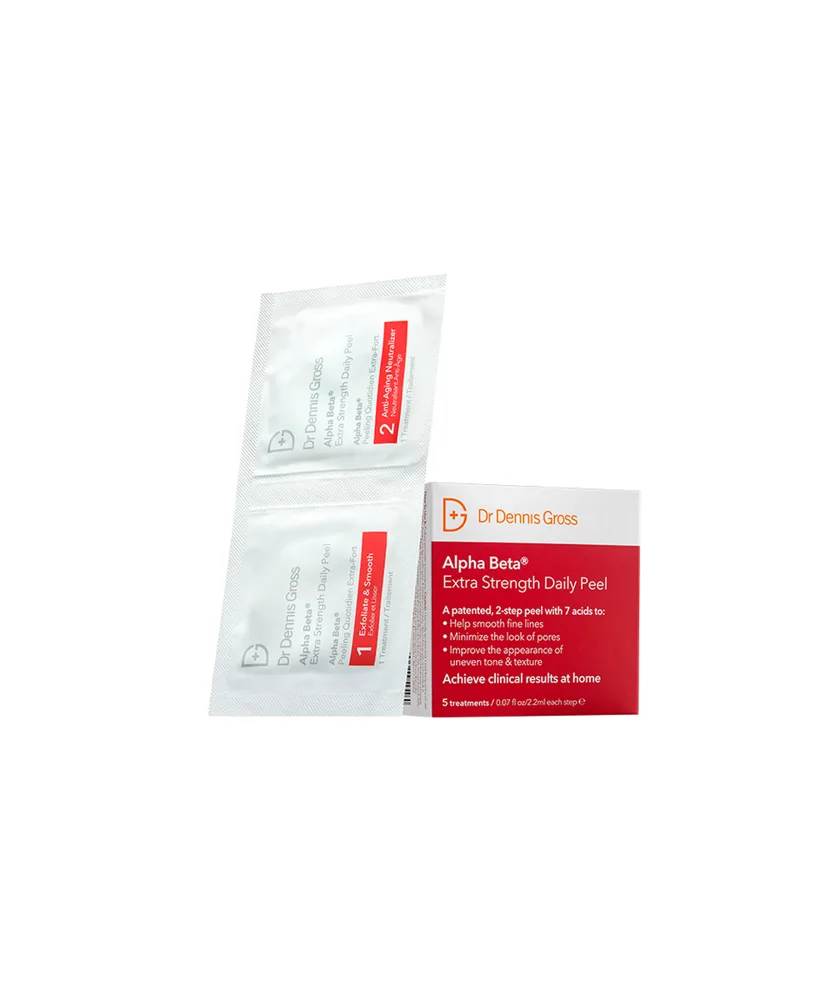
 Alpha Beta Extra Strength Daily Peel
The harder-hitting version of the at-home peel that started the category. Step 1 delivers a serious five-acid blend and Step 2 follows with retinol and antioxidants, making this a combined resurfacing and anti-aging treatment in a single five-minute routine. Expensive but genuinely effective for experienced exfoliant users.
 Pharma-Grade Budget BHA
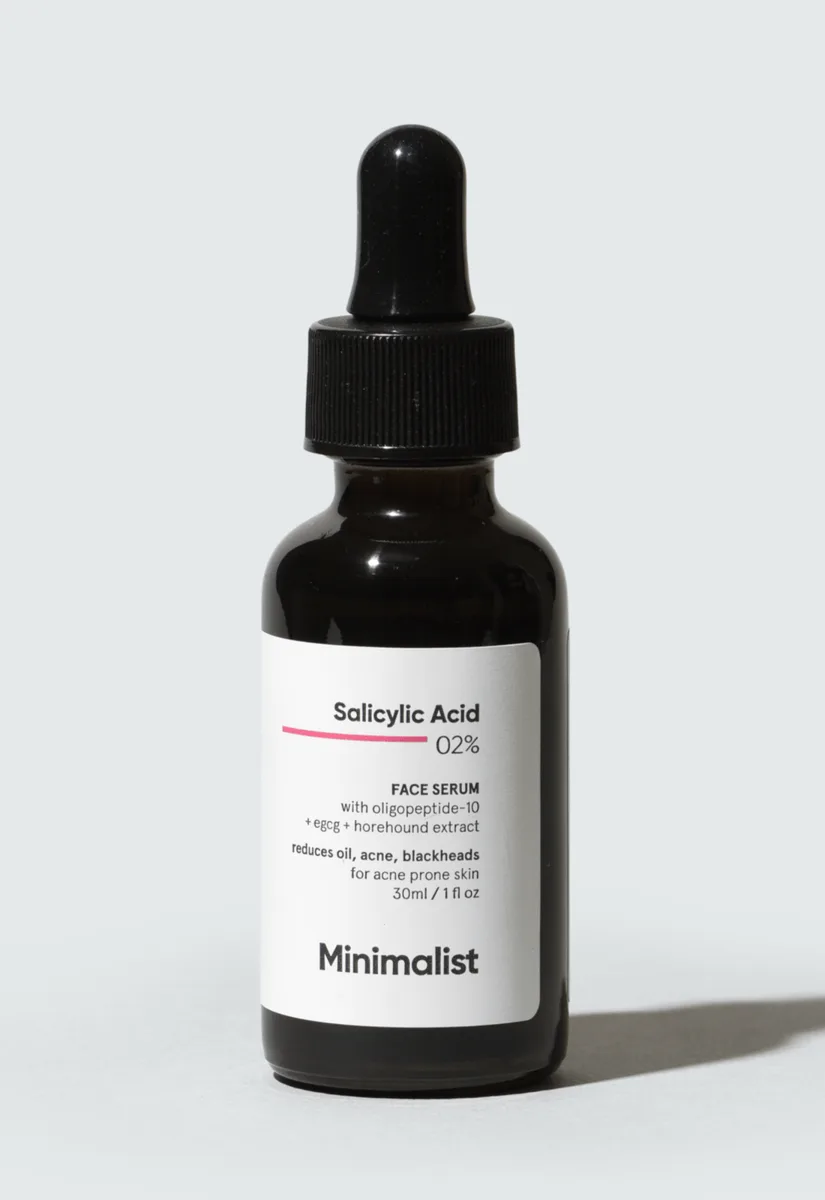
 2% Salicylic Acid Face Serum
A pharma-grade 2% BHA serum at pH 3.75, built around Merck's RonaCare salicylic acid and flanked by Marrubium Vulgare, EGCG glucoside, and Oligopeptide-10 — a supporting cast most budget salicylic serums do not bother with. At ₹599 for 30ml, it is one of the best acne serums on the Indian market and genuinely competitive with the prestige alternatives.