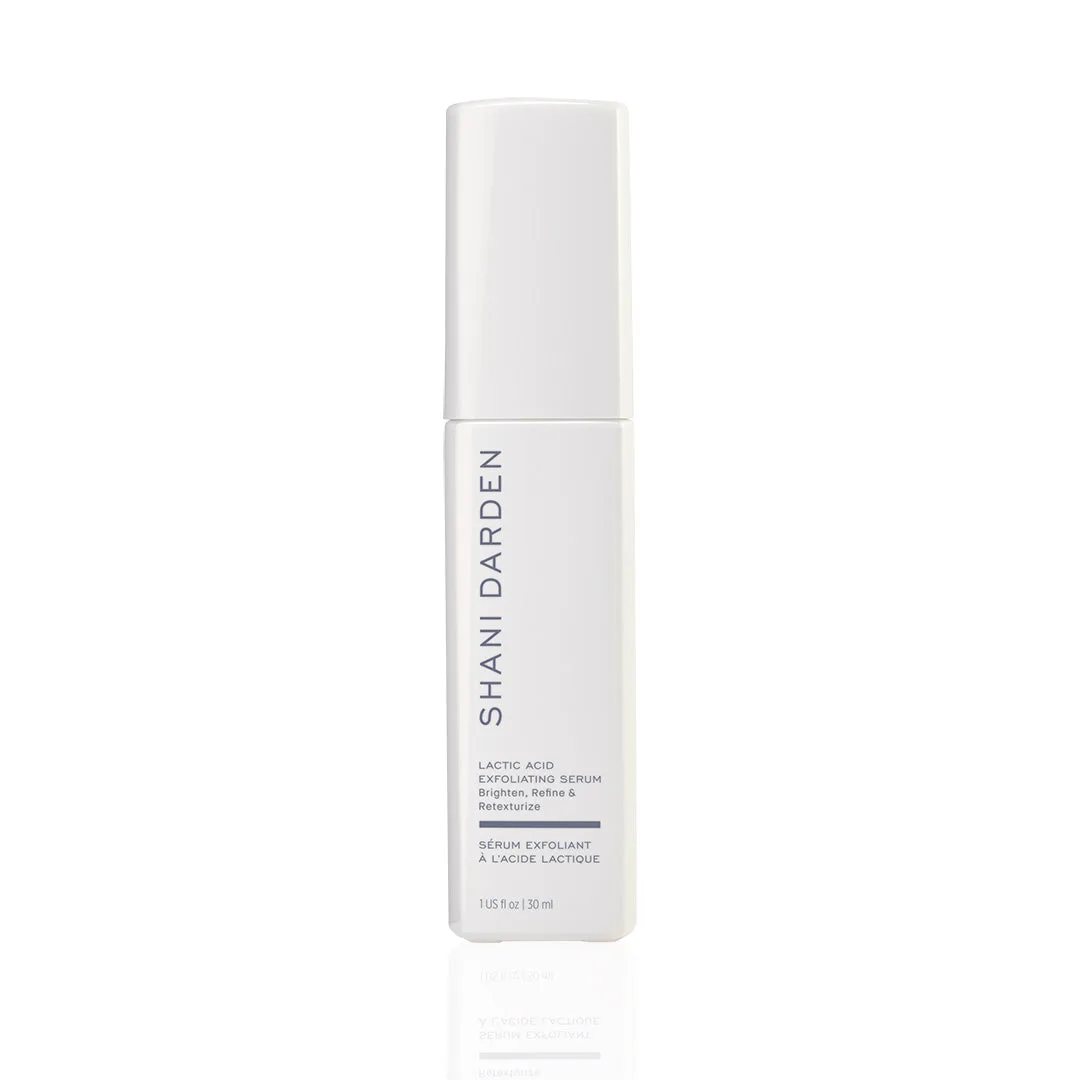
A nearly 10% lactic acid serum engineered so carefully around its calming and hydrating supports that it behaves like a gentler acid than it actually is. Expensive for 30ml, but the formulation sophistication is real — it's one of the few AHA serums reactive skin can actually tolerate nightly.
Lactic Acid Serum
A nearly 10% lactic acid serum engineered so carefully around its calming and hydrating supports that it behaves like a gentler acid than it actually is. Expensive for 30ml, but the formulation sophistication is real — it's one of the few AHA serums reactive skin can actually tolerate nightly.
Score Breakdown
Where this product gains points and where it loses them — broken down across the four scoring pillars.
A well-buffered, hydrating lactic acid serum that earns strong marks on formulation and tolerance. The $75 price for 30ml is the only real drag on value versus comparable drugstore lactic acid serums.
Pros & Cons
- ✓9% lactic acid delivered with one of the gentlest tolerance profiles in class
- ✓Three molecular weights of hyaluronic acid prevent the post-acid dehydration most AHAs cause
- ✓Fragrance-free, alcohol-free, and silicone-free — a rare combination in a luxury serum
- ✓Gluconolactone (PHA) adds an extra exfoliation layer without raising irritation
- ✓Visible overnight radiance and measurable tone improvement within a few weeks
- ✓Usable on rosacea-prone and reactive skin where stronger AHAs fail
- ✓Water-gel texture absorbs cleanly under any moisturizer
- ✗$75 for 30ml is steep versus comparable drugstore lactic acid serums
- ✗Not strong enough alone to meaningfully shift deep melasma or stubborn hyperpigmentation
- ✗Dropper seal can leak if the bottle is stored on its side
- ✗Citrus fruit extracts low on the INCI may bother extremely reactive users
- ✗Incompatible in the same routine with retinol, BPO, or direct vitamin C
Full Review
Shani Darden built her clientele the old-fashioned way — chemical peels, facial massage, and an unrelenting cult of Hollywood actresses who credited her hands for their luminous complexions. When she launched this serum in 2019, the brief was unusual: replicate the lit-from-within quality of her signature in-office lactic acid peel, but make it mild enough that a client with reactive, rosacea-prone, or just-finished-a-retinol skin could apply it and go to bed. Most formulators would call that brief impossible. She got closer than you'd expect.
The serum is a 9% lactic acid treatment, which on paper sounds like it should sting. It doesn't — or at least, it doesn't on most skin, most of the time. The reason is in the architecture around the acid. Darden and her formulation team built a three-molecular-weight hyaluronic acid scaffolding (crosspolymer, acetylated, and hydrolyzed) underneath the lactic acid, so every drop of acid is landing on a cushioned, hydrated surface rather than a dry one. They added gluconolactone, a polyhydroxy acid that exfoliates more gently than lactic while itself acting as a humectant. They folded in panthenol, chamomile extract, and aloe — the same calming triad you'd see on a post-procedure skin recovery serum. The acid is there, doing its job, but the formula is constantly offering the skin an olive branch.
Texturally it behaves like a water-gel that glides rather than sinks. A full dropper disappears into the face in under a minute, leaves no residue, and plays nicely under a ceramide moisturizer. There's a faint tangy note from the acids themselves but no added fragrance, no alcohol bite, no essential oils — which is increasingly rare in this price bracket.
What does it actually do? On the first night, a mild overnight radiance effect that's noticeable in the morning — smoother surface, a little brighter, makeup goes on cleaner. By week three at three-times-weekly use, the tone starts to even out and stubborn dry patches give up. By week eight, you're looking at softened fine lines, more reflective skin, and visibly refined pores. What it doesn't do: dramatic hyperpigmentation erasure. For deep melasma or post-acne marks, you'd want to pair it with tranexamic acid or azelaic acid. Lactic acid alone, even at 9%, is more of a tone-and-glow tool than a pigment sniper.
The honest friction point is the price. Seventy-five dollars for 30ml puts this in the upper tier of at-home acid serums, and if your skin isn't particularly sensitive, a drugstore 10% lactic acid product will give you 70% of the results for a fifth of the cost. Where this earns its price is the tolerance profile — if you're someone whose skin reacts to The Ordinary's 10% lactic, to Sunday Riley's Good Genes, to anything stronger than a PHA, this may genuinely be the first real AHA serum you can keep on your shelf. For that user, the math works. For the user with comfortable, unbothered skin, it's a nice-to-have rather than a must.
One packaging note: the dropper seals are not perfect, and the bottle can leak around the rim if stored on its side. Store it upright. Another: despite the clean fragrance profile, this does contain citrus extracts low on the INCI, so if you're reactive to essential oils or limonene, patch test the jawline first.
This serum belongs in a specific user's routine. Someone with dullness, texture, or early aging concerns, skin that tends toward reactive rather than bulletproof, and the budget to prioritize tolerance over price-per-ounce. It's not the best lactic acid serum ever made. It may be the gentlest 9% lactic acid serum on the market, and that niche alone justifies its existence.
Formula
Key Ingredients
The hero actives that drive this product's performance.
| Ingredient | Function | Evidence |
|---|---|---|
| Lactic Acid (9%) | The primary exfoliating acid in this serum, chosen for its larger molecular size versus glycolic — it works more slowly on the surface, which makes the 9% concentration tolerable for skin that usually reacts to stronger AHAs. The lactic acid here is buffered alongside panthenol and sugar maple extract so the exfoliation lands without the sting. | well-established |
| Gluconolactone (PHA) | A polyhydroxy acid that adds a second, even gentler layer of exfoliation on top of the lactic acid, helping reach slightly deeper without raising irritation. In this formula it also doubles as a humectant, which is part of why the serum feels more hydrating than a typical AHA treatment. | promising |
| Fruit Acid Blend (Malic, Tartaric, Citric) | A low-dose supporting AHA blend that rounds out the exfoliation profile and helps maintain the roughly 3.8 pH the lactic acid needs to stay active. These acids sit low on the INCI and are more about pH buffering and minor surface refinement than doing heavy lifting. | well-established |
| Sodium Hyaluronate Complex | Three molecular weights of HA (hydrolyzed, sodium acetylated, and crosspolymer) layered to offset the dehydrating potential of nearly 10% combined acids. This is the formulation choice that lets Shani Darden position this as a once-nightly serum instead of a rinse-off peel. | well-established |
| Panthenol (Pro-Vitamin B5) | Calms the tingle that comes with a 9% lactic acid treatment and supports barrier recovery overnight. Paired with chamomile and aloe here specifically to make the serum usable on reactive skin types that usually can't tolerate an AHA at this strength. | well-established |
Full INCI List · pH 3.8
Water/Aqua/Eau, Lactic Acid, Glycerin, Butylene Glycol, Glyceryl Oleate Citrate, Heptyl Undecylenate, Hydroxyethyl Acrylate/Sodium Acryloyldimethyl Taurate Copolymer, Tocopherol Acetate, Panthenol, Acer Saccharum (Sugar Maple) Extract, Aloe Barbadensis Leaf Juice, Calcium Gluconate, Camellia Sinensis Leaf Extract, Caprylic/Capric Triglyceride, Caprylyl Glycol, Citric Acid, Citrus Aurantium Dulcis (Orange) Fruit Extract, Citrus Limon (Lemon) Fruit Extract, Ethylhexylglycerin, Gluconolactone, Glycolic Acid, Hydrolyzed Sodium Hyaluronate, Malic Acid, Matricaria Recutita (Matricaria) Flower Extract, Pentylene Glycol, Polysorbate 60, Saccharum Officinarum (Sugarcane) Extract, Sodium Acetylated Hyaluronate, Sodium Hyaluronate, Sodium Hyaluronate Crosspolymer, Sodium Hydroxide, Sorbitan Isostearate, Tartaric Acid, Tetrasodium Glutamate Diacetate, Vaccinium Myrtillus Fruit Extract, Xanthan Gum, Phenoxyethanol, Potassium Sorbate, Sodium Benzoate
Product Flags
✓ Fragrance Free✓ Alcohol Free✗ Oil Free✓ Silicone Free✓ Paraben Free✓ Sulfate Free✓ Cruelty Free✓ Vegan✗ Fungal Acne Safe
Potential Irritants
lactic acidglycolic acidcitrus extracts
Compatibility
Skin Match
Best For
Works For
Not Ideal For
Addresses These Conditions
dullness texture hyperpigmentation large pores aging
Use With Caution
rosacea compromised skin barrier sensitivity
Avoid With
Routine Step
treatment
Time of Day
PM
Pregnancy Safe
Yes ✓
Layering Tips
Apply to clean, dry skin before moisturizer. Do not combine in the same routine with retinol, benzoyl peroxide, or vitamin C. Always follow with SPF the next morning.
Results Timeline
Immediate smoothness and light radiance after the first night. Visible tone and texture improvement at 2-3 weeks with 3x-weekly use. Full brightening and smoothing results at 6-8 weeks.
Pairs Well With
hyaluronic acid serumceramide moisturizerniacinamide
Conflicts With
retinolbenzoyl peroxidel-ascorbic acid
Sample AM Routine
- Gentle cleanser
- Hyaluronic acid serum
- Moisturizer
- SPF 50
Sample PM Routine
- Gentle cleanser
- Shani Darden Lactic Acid Serum
- Ceramide moisturizer
Evidence
Science & Expert Perspective
The Science
Lactic acid's exfoliating mechanism is well documented in dermatology literature. A foundational study by Smith published in Dermatologic Surgery showed lactic acid at 5-12% produces measurable epidermal thickening, improved dermal firmness, and pigment reduction with sustained use, with lactic acid's larger molecular size resulting in slower, more tolerable penetration compared to glycolic acid. The pH range in which free lactic acid remains bioavailable sits between 3.5 and 4.0, which matches the measured pH of this serum and explains why the exfoliation is effective without being aggressive.
The decision to pair lactic acid with gluconolactone, a polyhydroxy acid, is formulation-significant. Polyhydroxy acids are documented in the Journal of Cosmetic Dermatology as producing comparable photoaging benefits to AHAs with substantially lower reports of stinging and erythema. Gluconolactone is also a demonstrated antioxidant and humectant, which explains its dual role in this formula.
The three-weight hyaluronic acid system is not just hydration marketing. Research published on crosspolymer and hydrolyzed hyaluronic acid forms shows that smaller-molecular-weight HA penetrates into the upper epidermis while the larger crosspolymer holds water at the surface, together producing a multi-layer hydration effect. In an acid-containing formula, this matters — trans-epidermal water loss typically spikes briefly after AHA application, and the HA system here is engineered specifically to blunt that spike.
What the peer-reviewed literature does not yet offer is a head-to-head clinical trial of this specific finished formulation. The mechanistic support for each component is solid; the combined effect is extrapolated rather than measured.
Dermatologist Perspective
Dermatologists generally consider lactic acid one of the safer AHAs to recommend for home use, particularly for patients with sensitive or rosacea-adjacent skin who would not tolerate glycolic acid. Board-certified dermatologists often note that a buffered 8-10% lactic acid serum used 2-3 nights per week can deliver meaningful radiance and mild textural benefits without the barrier disruption higher-strength acids can cause. This serum's formulation — lactic acid combined with a PHA and a multi-weight hyaluronic acid support system — aligns well with how dermatologists typically advise layering exfoliation into a sensitive-skin routine. It is commonly recommended for patients who want visible glow without committing to a prescription retinoid, and it is often used by clinicians as an alternating partner to a retinol on non-retinol nights.
Guidance
Usage Guide
How to Use
Apply at night to clean, dry skin before moisturizer. Start with 2 nights per week and build to 3-4 as tolerated. Use a full dropper and spread across the face, neck, and décolletage. Follow with a ceramide-rich moisturizer to lock in hydration. Do not use on the same night as retinol, benzoyl peroxide, or direct vitamin C — alternate these on opposite nights instead. Always apply SPF 30+ the following morning, as lactic acid increases UV sensitivity for approximately one week after use. Avoid application over active eczema, broken skin, or within 48 hours of a professional treatment.
Value Assessment
At $75 for 30ml, this serum is priced at the top of the at-home AHA category. The formulation sophistication — the HA scaffolding, the PHA addition, the calming complex — is real and genuinely differentiated, but most users with resilient skin will get comparable results from a $15-25 drugstore lactic acid. Where the price is justified is the tolerance profile: for users with reactive skin who have failed to tolerate The Ordinary, Good Genes, or any glycolic acid product, this is often the first AHA that stays in their routine. A travel size is available if you want to test tolerance before committing to the full 30ml, and that's the smartest entry point for new users.
Who Should Buy
Anyone with dullness, uneven tone, or early aging concerns who has reactive or rosacea-prone skin and has struggled to tolerate stronger AHAs. Also ideal for users who want a pairing partner for a retinol on alternating nights without risking irritation overlap.
Who Should Skip
Users with resilient skin who don't react to standard AHAs — a $20 drugstore lactic acid will deliver most of the same results. Also skip if your primary concern is deep melasma or stubborn post-acne pigmentation, which need stronger depigmenting actives than lactic acid provides.
Ready to try Shani Darden Lactic Acid Serum?
Details
Details
Texture
Lightweight, slightly slippery water-gel serum that absorbs in under a minute
Scent
Fragrance-free with a faint natural tang from the acids
Packaging
Frosted glass bottle with dropper applicator
Finish
non-greasylightweightfast-absorbing
What to Expect on First Use
Expect a mild warming or light tingle on the first few applications that fades within a minute. No purging on most skin. Users typically see a brighter complexion by morning — the 'I slept and woke up glowy' effect is the selling point.
How Long It Lasts
Roughly 3 months with 3-4 applications per week using a full dropper
Period After Opening
12 months
Best Season
All Year
Certifications
Clean at SephoraCruelty-freeVegan
Background
The Why
Shani Darden built this formula in response to clients at her West Hollywood practice who wanted the visible radiance of her in-office peels without the downtime. Launched in 2019 as the second hero product after Retinol Reform, it was designed to be paired alternately with that retinol for a full weekly resurfacing routine.
About Shani Darden Established Brand (5–20 years)
Shani Darden launched her eponymous skincare line in 2013 after building a decade-plus career as a celebrity facialist in Los Angeles. The brand is rooted in her in-practice observations rather than clinical research, but her Retinol Reform has become a widely referenced product and the line has steady independent review coverage.
Brand founded: 2013 · Product launched: 2019
Myth vs. Reality
Myths & Misconceptions
Myth
9% lactic acid will thin your skin over time
Reality
Lactic acid works on the stratum corneum and, at this concentration in a buffered formula, actually thickens the living epidermis by stimulating cell turnover and collagen. Long-term AHA use is associated with improved, not thinned, skin.
Myth
You need to follow this with a neutralizer
Reality
This is a leave-on serum, not an in-office peel. The pH and buffering are calibrated so the acid self-neutralizes as it's absorbed — no rinse or neutralizer needed.
FAQ
Frequently Asked Questions
How often should I use Shani Darden Lactic Acid Serum?
Start at 2 nights per week and build to 3-4 nights as tolerated. The 9% concentration, though well-buffered, is still a meaningful exfoliation dose and daily use isn't necessary for the results this serum delivers.
Can I use this with Shani Darden Retinol Reform?
Yes, but not on the same night. Alternate nights — for example, lactic acid on Monday and Thursday, Retinol Reform on Tuesday and Friday. Combining them in a single routine substantially raises irritation risk without added benefit.
Is this serum safe for sensitive skin?
It's one of the more tolerable 9% lactic acid serums on the market thanks to the hyaluronic acid scaffolding and chamomile/panthenol calming complex. Patch test first on the jawline, and if you have active rosacea or a compromised barrier, wait until skin is stable.
Can I use this in the morning?
The brand recommends PM use. Lactic acid makes skin photosensitive for about a week after use, so even with SPF, nighttime application is the smarter choice to give the acid a full overnight window to work.
Will this help with melasma or dark spots?
Lactic acid has modest brightening effects on post-inflammatory hyperpigmentation and surface dullness, but it is not an aggressive depigmenting agent. For stubborn melasma, you'll want to pair it with a tyrosinase inhibitor like tranexamic acid or azelaic acid.
Is this pregnancy safe?
Topical AHAs including lactic acid are generally considered safe during pregnancy at cosmetic concentrations. However, always confirm with your OB before adding any active to your routine.
Community
Community Voices
Common Praise
"Gentle enough for sensitive skin"
"Noticeable glow after first use"
"Doesn't sting or dry out"
Common Complaints
"Price is steep for the size"
"Slow on deeper pigmentation"
"Packaging leaks if tilted"
Notable Endorsements
Violet GreySephora Clean at Sephora
Appears In
best lactic acid serum for sensitive skin best aha serum for dullness best gentle exfoliant best celebrity skincare serum
Related Conditions
dullness texture hyperpigmentation
Related Ingredients
You Might Also Like
 Sensitive Skin AHA Pick
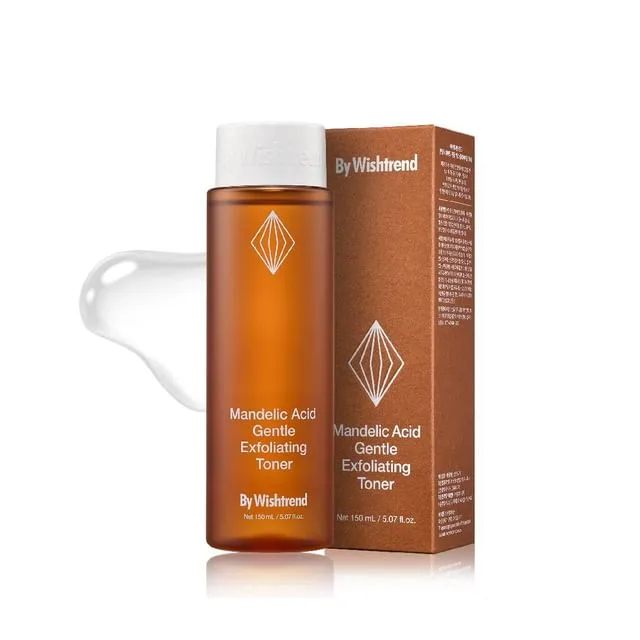
 Mandelic Acid 5% Skin Prep Water
The mandelic acid prep water that quietly converted half of K-beauty Reddit away from glycolic — and for good reason. It delivers visible texture and PIH improvement at 5% without the sting or pigment risk that derails sensitive and darker skin, and it does so for around twenty bucks.
 Gentle Glow Specialist
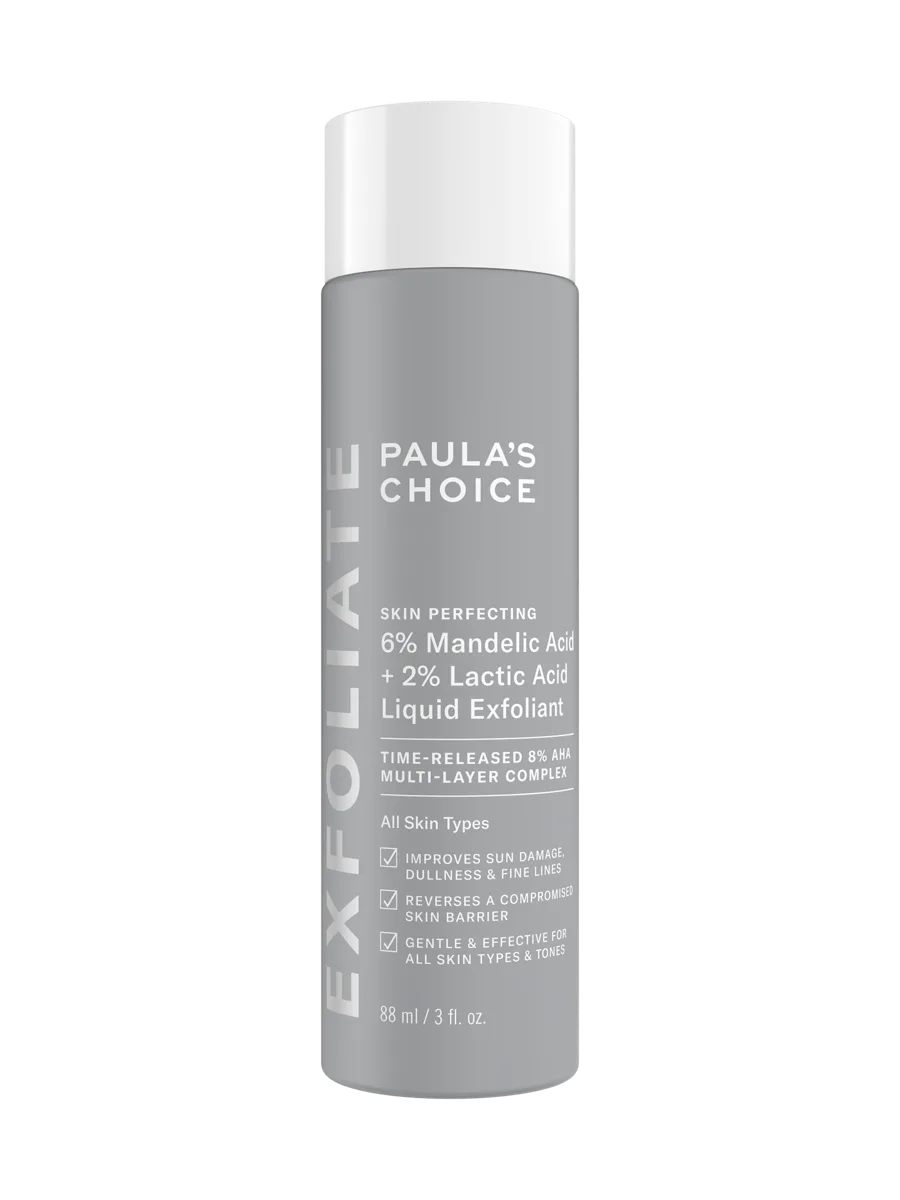
 Skin Perfecting 6% Mandelic Acid + 2% Lactic Acid Liquid Exfoliant
The exfoliant that finally treats sensitive and melanin-rich skin as the design priority rather than an afterthought. With a 4.8-star rating and 660+ reviews, this mandelic-lactic formula proves that gentleness and efficacy aren't mutually exclusive — it just requires smarter acid selection.
 The Original At-Home Peel
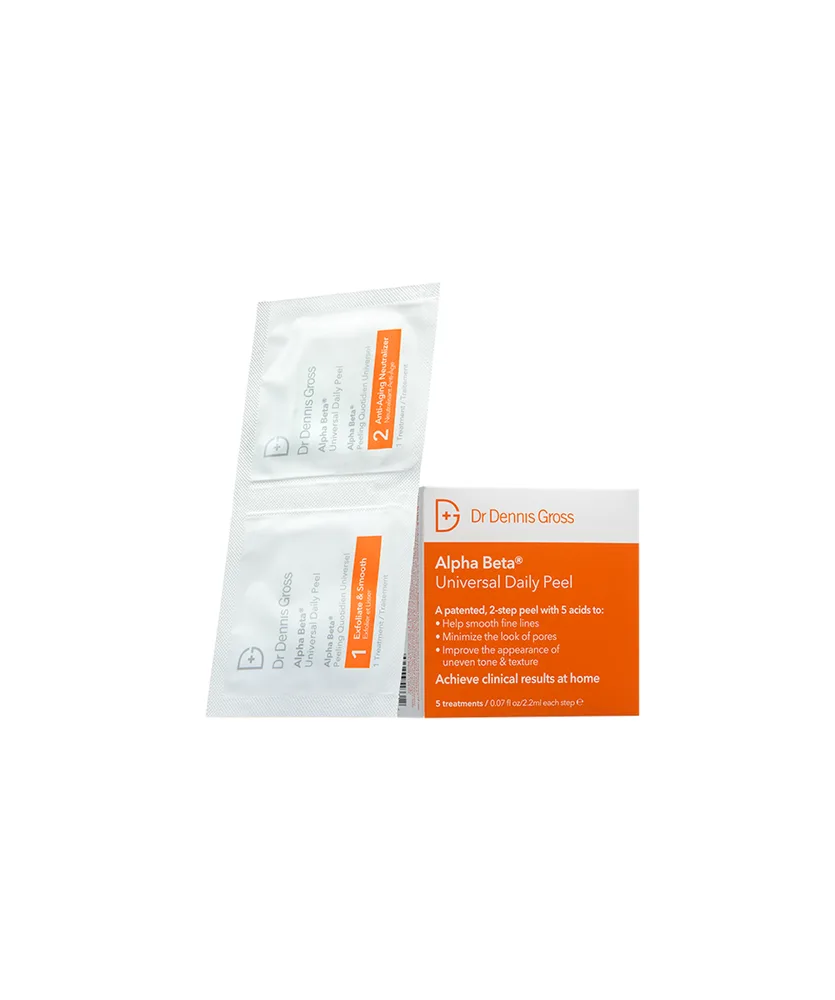
 Alpha Beta Universal Daily Peel
The product that invented the at-home daily peel category in 2002 and still sits at the top of it. The five-acid Step 1 and retinol-antioxidant Step 2 deliver genuine resurfacing and anti-aging in a single five-minute routine. Expensive, but the results and track record justify the reputation.
 Beginner Exfoliant Pick
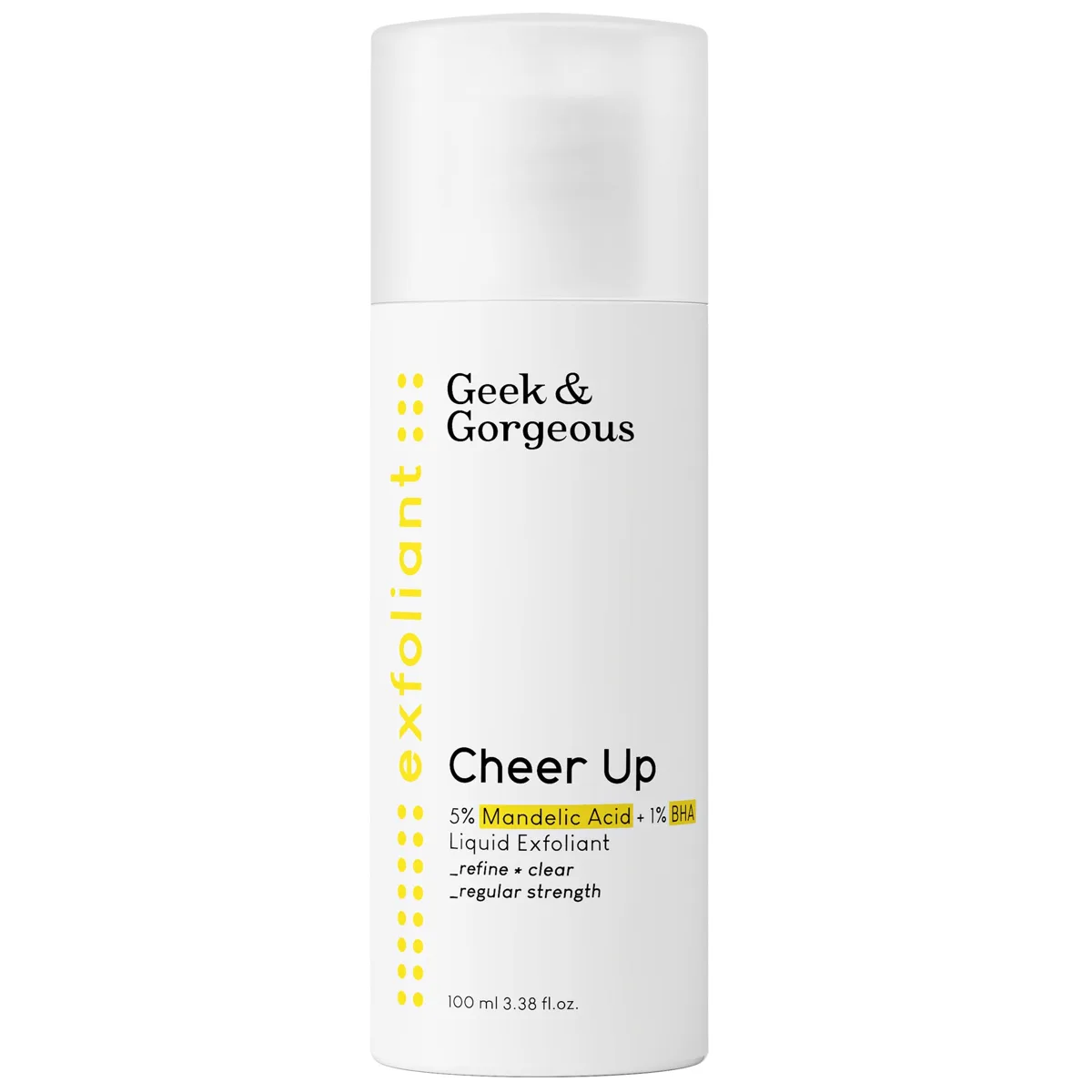
 Cheer Up 5% Mandelic + 1% Salicylic Exfoliant
A thoughtfully formulated beginner AHA/BHA exfoliant that uses mandelic acid — the gentlest mainstream AHA — in combination with low-strength salicylic, plus a sugar-humectant complex for comfort. At 100mL for around $12, the value is excellent, and the formulation choices reflect the kind of cosmetic-chemist thinking that separates this brand from typical indie exfoliants. Ideal for exfoliant newcomers and sensitive skin.
 At-Home Peel Benchmark
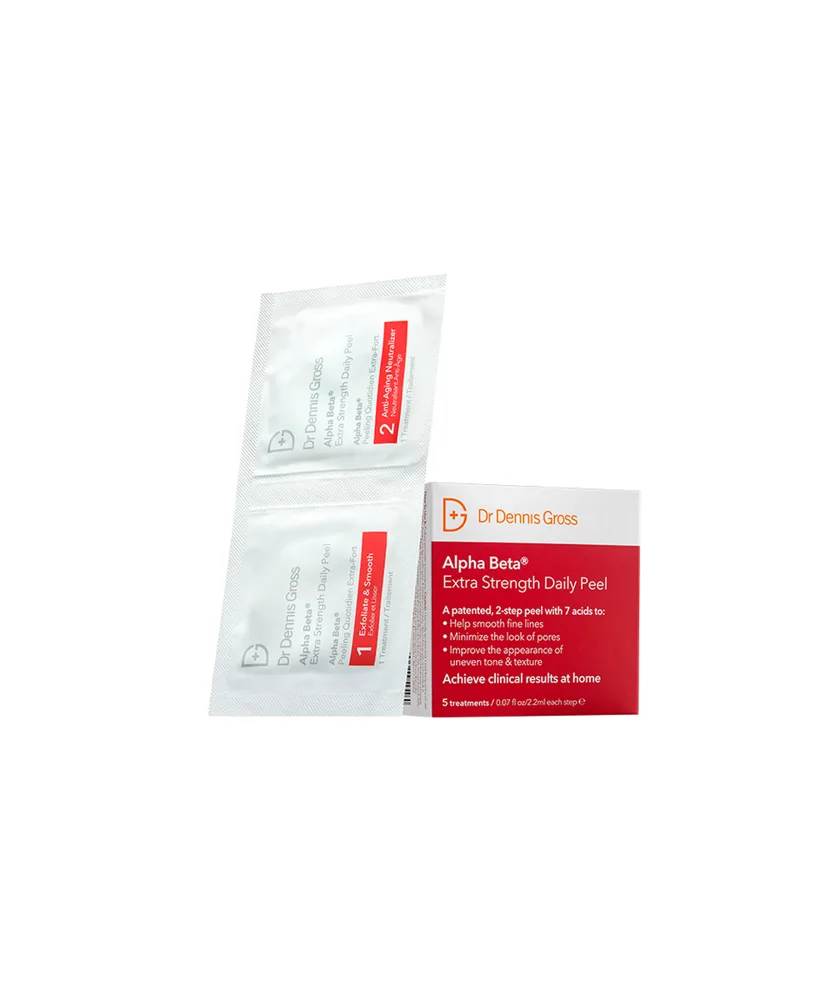
 Alpha Beta Extra Strength Daily Peel
The harder-hitting version of the at-home peel that started the category. Step 1 delivers a serious five-acid blend and Step 2 follows with retinol and antioxidants, making this a combined resurfacing and anti-aging treatment in a single five-minute routine. Expensive but genuinely effective for experienced exfoliant users.
 Pharma-Grade Budget BHA
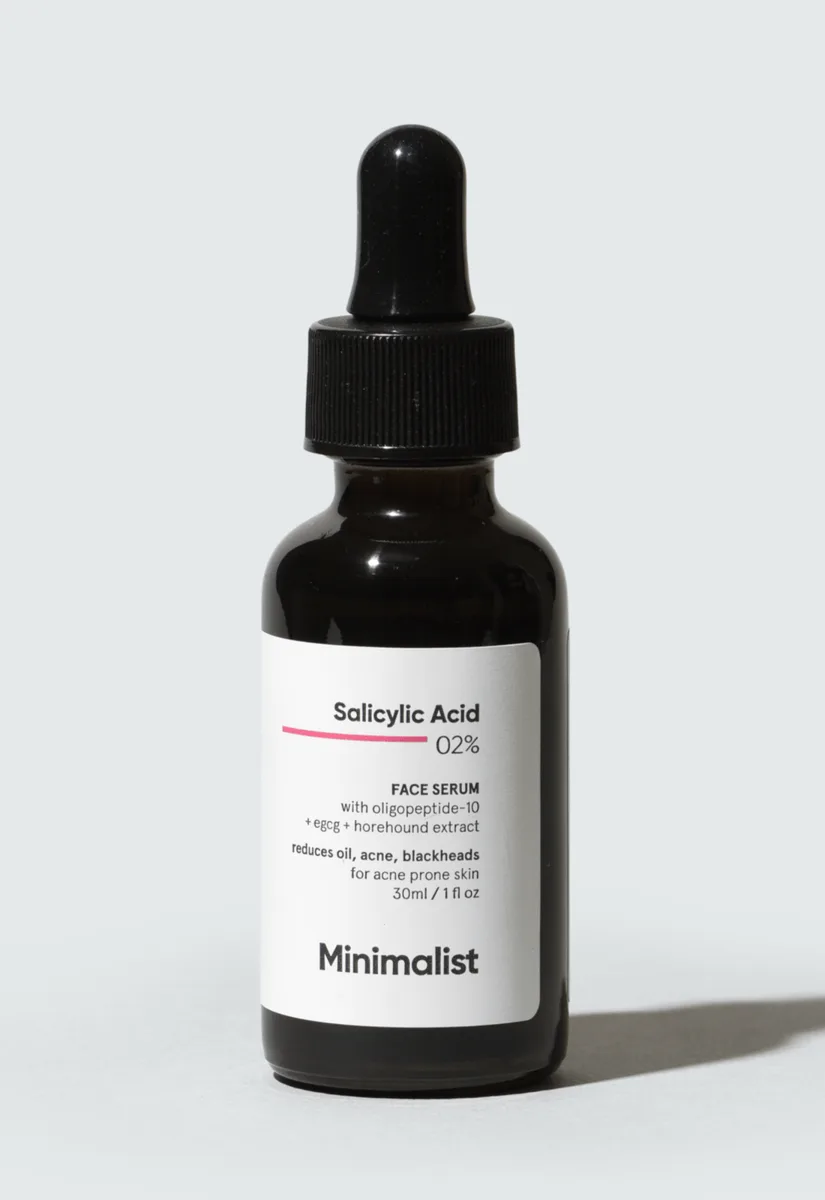
 2% Salicylic Acid Face Serum
A pharma-grade 2% BHA serum at pH 3.75, built around Merck's RonaCare salicylic acid and flanked by Marrubium Vulgare, EGCG glucoside, and Oligopeptide-10 — a supporting cast most budget salicylic serums do not bother with. At ₹599 for 30ml, it is one of the best acne serums on the Indian market and genuinely competitive with the prestige alternatives.