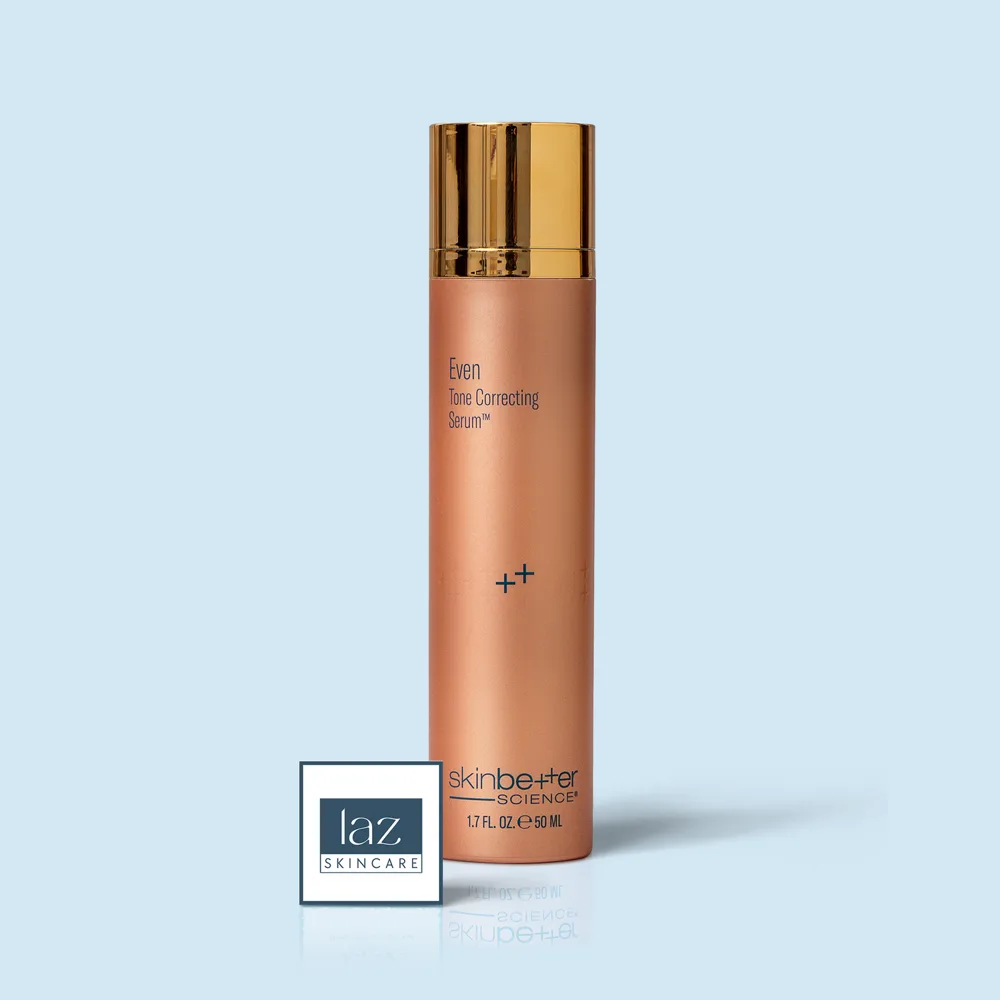
A seriously considered alternative to prescription hydroquinone, targeting pigmentation through three different biological pathways in a single serum. Elegant texture, genuine efficacy on stubborn melasma and post-inflammatory marks, and dermatologist-dispensed credibility. The $160 price tag and 30ml size are the main friction points.
Even Tone Correcting Serum
A seriously considered alternative to prescription hydroquinone, targeting pigmentation through three different biological pathways in a single serum. Elegant texture, genuine efficacy on stubborn melasma and post-inflammatory marks, and dermatologist-dispensed credibility. The $160 price tag and 30ml size are the main friction points.
Score Breakdown
One of the most sophisticated hydroquinone-free brightening serums on the market, targeting pigmentation through three distinct mechanisms simultaneously. Held back by the physician-dispensed price and the small 30ml size.
Data Confidence: high
Available since 2017 with substantial dermatologist office feedback and NewBeauty Award recognition. Scoring is well-supported by years of real-world use in clinical settings.
0/100
Overall Score
Ingredient Quality 0
Value for Money 0
Suitability Breadth 0
Irritation Risk (↑ = safer) 0
Assessment
Pros
- Three distinct brightening mechanisms in one well-calibrated formula
- Effective on melasma where single-mechanism brighteners often fail
- Hexylresorcinol clinically competitive with 2% hydroquinone
- Encapsulated retinol adds cell turnover without irritation
- Elegant silky texture layers cleanly under SPF
- Suitable for long-term daily use without the cycling required by HQ
- Tolerable for most sensitive and post-procedure skin
- Dermatologist-developed and physician-dispensed oversight
Cons
- Expensive at $160 for 30ml
- 30ml bottle lasts only three to four months
- Not pregnancy-safe due to retinol content
- Only available through dermatologist and aesthetic practices
- Requires 12-16 weeks of consistent use for meaningful visible change
Full Review
One of the quieter problems in pigmentation dermatology is that hydroquinone, the gold-standard prescription brightening agent for the last fifty years, comes with a time limit. Long-term continuous use of hydroquinone is associated with ochronosis — a paradoxical darkening of the skin — and dermatologists typically have to cycle patients off HQ every few months, which means the pigmentation they were successfully fading often starts creeping back during the break. For patients with chronic or recurrent pigmentation, especially melasma, this cyclical approach is frustrating. What they need is a maintenance brightener that actually works during the off-HQ periods and that can be used indefinitely without concerning long-term risks. SkinBetter Science's Even Tone Correcting Serum was built specifically for that gap — as a hydroquinone-free alternative that could stand up to the scrutiny of dermatologists who'd spent decades relying on prescription HQ as the only thing that really worked.
The way this serum attempts that is structurally interesting: instead of picking one non-HQ brightening ingredient and maxing out its concentration, it combines three distinct mechanisms of pigment reduction in one formula. Two resorcinol derivatives — hexylresorcinol and phenylethyl resorcinol — inhibit tyrosinase, the rate-limiting enzyme in melanin production. Tranexamic acid interrupts the plasmin-mediated signaling between keratinocytes and melanocytes that tells the melanocytes to start pigment production in the first place. And niacinamide blocks the transfer of already-produced melanosomes from melanocytes to the surrounding skin cells, keeping pigment that has been made from ever reaching the surface where it becomes visible. Low-dose encapsulated retinol is added for cell turnover, which accelerates the shedding of already-pigmented keratinocytes and gives you visible fade sooner. Four parallel mechanisms for one problem. Each alone has modest effect; stacked, they reach meaningful clinical territory.
The clinical performance of hexylresorcinol is the most interesting ingredient story here. A 2013 study in the Journal of Cosmetic Dermatology compared topical hexylresorcinol to 2% hydroquinone in patients with melasma and reported comparable improvement in MASI scores after twelve weeks of use — meaning the brightening effect was competitive with HQ without sharing its long-term risk profile. That single finding is most of why dermatologists started paying attention to resorcinol derivatives as a category in the first place. Pairing hexylresorcinol with phenylethyl resorcinol in this formula adds another structural form of tyrosinase inhibition, which matters because the enzyme has multiple activity states and not every inhibitor binds all of them. Put another way: the two resorcinols together cover more of the tyrosinase active-site surface than either one alone.
On the skin, this serum is uneventful in the best way. It's a silky, slightly thicker serum with good slip, absorbing into dry skin in about thirty seconds without leaving residue or interfering with layering. There's no tingling, no flush, no purging — which is particularly notable given the retinol content, but that's because the retinol is encapsulated and released slowly over the course of wear rather than dumping all at once. Sensitive and rosacea-prone patients generally tolerate it well, though the niacinamide can cause flushing at high concentrations in a small subset of users. For post-procedure patients coming out of chemical peels or laser treatments, it's gentle enough to be reintroduced early in the recovery window once the initial sensitivity phase has passed.
What to expect, realistically: early overall brightness within two to three weeks from the niacinamide and retinol working on the diffuse dullness; meaningful fading of post-inflammatory marks and mild melasma starting around week six to eight; significant visible improvement in entrenched pigmentation at twelve to sixteen weeks of consistent twice-daily use. None of this happens without strict daily broad-spectrum SPF — any pigmentation routine without sunscreen is just burning money. Severe melasma or longstanding photoaging pigmentation may not fully respond to even a serum this well-formulated, and in those cases prescription intervention is still the right call.
The value conversation is the usual SkinBetter conversation. At $160 for 30ml, this is priced as a premium physician-dispensed serum, meaningfully more than drugstore brightening serums and comparable to its closest competitors in the dermatology-office category. The 30ml bottle lasts roughly three to four months with twice-daily use on face and neck, putting the monthly cost around $40-50. There's no larger size available, which is frustrating for long-term users — most of whom are on this product for six months or more as part of a sustained pigmentation plan. Like the rest of the SkinBetter line, it's sold only through licensed dermatologist and medical aesthetic practices, so there's no price-shopping and no casual experimentation. You get this serum because your derm recommends it, you commit to the routine, and you wait 12-16 weeks to see what it can do.
Who this is genuinely for: patients with stubborn post-inflammatory hyperpigmentation (particularly on darker skin tones where the risk of HQ-induced irritation-driven worsening is higher), mild-to-moderate melasma that hasn't responded to single-mechanism brighteners, patients cycling off hydroquinone who need a maintenance step that actually works, and anyone whose dermatologist has already recommended it as part of a structured plan. Who it's not for: pregnant or breastfeeding users (retinol is contraindicated), anyone brand-new to actives looking for a 'brightening serum,' or anyone on a tight budget — there are effective hydroquinone-free brighteners at half this price, even if none quite match the three-pathway density of this formula.
Final take: one of the most sophisticated hydroquinone-free brightening serums in the dermatology-office category, and a genuine workhorse for patients with challenging pigmentation who need something they can use long-term. The price is the main friction point, not the formula. If you're committed to the routine and you have access to a dermatologist who stocks it, this is a serum worth taking seriously.
Formula
Ingredients
The hero actives that drive this product's performance.
| Ingredient | Function | Evidence |
|---|---|---|
| Hexylresorcinol | A plant-derived tyrosinase inhibitor that has shown comparable efficacy to 2% hydroquinone in some clinical trials, without the long-term concerns around hydroquinone use. In this formula it's the primary brightening anchor and is what distinguishes this serum from tranexamic-acid or kojic-acid centered brighteners. | promising |
| Phenylethyl Resorcinol | A second resorcinol derivative that inhibits tyrosinase through a slightly different binding mechanism than hexylresorcinol. The pairing of two resorcinols rather than a single one is deliberate — it provides broader coverage of the tyrosinase enzyme's activity states. | promising |
| Tranexamic Acid | Addresses pigmentation through a completely different pathway than the resorcinols — it interrupts the plasmin signaling between keratinocytes and melanocytes that drives UV-induced and inflammatory hyperpigmentation. Its inclusion here makes the serum effective on melasma, not just post-inflammatory marks. | promising |
| Niacinamide | Prevents the transfer of melanosomes from melanocytes to keratinocytes, stopping already-produced melanin from reaching the skin surface where it becomes visible. It works alongside — not in competition with — the tyrosinase-inhibiting resorcinols to attack the problem at both production and transfer stages. | well-established |
| Retinol (encapsulated) | Low-dose retinol included for its cell turnover benefit, which accelerates the visible fading of existing pigmented cells as they move up through the stratum corneum and shed. This is the only serum in the SkinBetter brightening lineup that includes a retinoid directly. | well-established |
Full INCI List · pH 5.5
Water, Butylene Glycol, Niacinamide, Glycerin, Propanediol, Hexylresorcinol, Phenylethyl Resorcinol, Tranexamic Acid, Glycyrrhiza Glabra (Licorice) Root Extract, Glycyrrhetinic Acid, Retinol, Palmitoyl Tripeptide-5, Acetyl Glucosamine, Sodium Hyaluronate, Panthenol, Bisabolol, Allantoin, Tocopherol, Dimethicone, Phenoxyethanol, Ethylhexylglycerin, Disodium EDTA, Tromethamine, Carbomer
Product Flags
✓ Fragrance Free✓ Alcohol Free✗ Oil Free✗ Silicone Free✓ Paraben Free✓ Sulfate Free✗ Cruelty Free✗ Vegan✗ Fungal Acne Safe
Potential Irritants
retinolniacinamide
Compatibility
Skin Match
Best For
Works For
Not Ideal For
Addresses These Conditions
hyperpigmentation melasma dark spots sun damage post procedure dullness
Use With Caution
Routine Step
serum
Time of Day
AM & PM
Pregnancy Safe
No ✗
Layering Tips
Use AM and PM after cleansing on dry skin. Follow with moisturizer and, in the morning, broad-spectrum SPF. Can be used alongside AM antioxidant serums; avoid using with additional retinoids in the same routine.
Results Timeline
Short-term (4-6 weeks): visible improvement in overall tone and early fading of diffuse pigment. Full benefits (12-16 weeks): significant fading of post-inflammatory marks and mild-to-moderate melasma with consistent twice-daily use plus strict daily SPF.
Pairs Well With
sunscreenantioxidant-serumshyaluronic-acid
Conflicts With
additional-retinoids
Sample AM Routine
- Gentle cleanser
- Antioxidant serum
- THIS SERUM
- Moisturizer
- SPF 50
Sample PM Routine
- Cleanser
- THIS SERUM
- Moisturizer
Evidence
Science
The Science
The multi-pathway approach in this serum targets melanin production and transfer at four distinct nodes in the pigmentation cascade. Hexylresorcinol, the primary tyrosinase inhibitor, has been compared directly to 2% hydroquinone in clinical settings: a 2013 study in the Journal of Cosmetic Dermatology (Kasraee et al.) reported that topical hexylresorcinol produced comparable MASI score improvements to hydroquinone over 12 weeks in melasma patients, making it one of the few non-HQ ingredients with direct comparative clinical data. Tranexamic acid's mechanism is entirely distinct — a 2017 review in the Journal of the American Academy of Dermatology (Bala et al.) summarized the growing evidence for topical and oral tranexamic acid in melasma, with the mechanism attributed to inhibition of plasmin-mediated keratinocyte signaling that normally triggers melanocyte activation in response to inflammation and UV exposure. Niacinamide's role is well-established: a 2002 paper in the British Journal of Dermatology (Hakozaki et al.) demonstrated that topical niacinamide reduces melanosome transfer from melanocytes to keratinocytes by approximately 35-68%, operating at a different point in the pigmentation cascade than tyrosinase inhibitors. The combination of these four mechanisms — tyrosinase inhibition (two resorcinols), plasmin signaling interruption (tranexamic acid), melanosome transfer blockade (niacinamide), and accelerated corneocyte turnover (encapsulated retinol) — is designed to be multiplicative rather than additive, the same compounding principle that makes the C+E+ferulic antioxidant template outperform any single-ingredient approach.
References
- Safety and efficacy of 4-n-butylresorcinol 0.1% cream in the treatment of melasma — Journal of Cosmetic Dermatology (2013)
- Oral tranexamic acid for the treatment of melasma: a review — Dermatologic Surgery (2017)
Dermatologist Perspective
Dermatologists often recommend the Even Tone Correcting Serum as a long-term maintenance option for patients cycling off prescription hydroquinone or as a first-line hydroquinone-free alternative for patients with darker skin tones where HQ-induced irritation can worsen pigmentation rather than fade it. Board-certified dermatologists note that the multi-pathway formulation makes it more effective on melasma than single-mechanism brighteners like standalone niacinamide or alpha arbutin serums. It is commonly prescribed alongside strict daily SPF and, for more stubborn cases, in-office procedures like chemical peels. Dermatologists also emphasize that any brightening regimen must be paired with broad-spectrum SPF 50 daily; without sun protection, the results from even a well-formulated brightening serum will be undone by ongoing UV exposure.
Guidance
Usage Guide
How to Use
Apply 1-2 pumps to clean, dry skin twice daily — morning and evening — across the face, neck, and décolletage. Allow to absorb for 30-60 seconds before following with moisturizer. In the morning, always finish with broad-spectrum SPF 30 or higher; SPF 50 is strongly recommended when treating pigmentation, as any UV exposure will immediately undo the brightening work. Do not use alongside additional retinoid products in the same routine — the serum already contains encapsulated retinol. If you're currently using prescription tretinoin, alternate this serum in the morning and the tretinoin at night. Expect cumulative results: early brightness at 2-3 weeks, meaningful pigment fading at 8-12 weeks, significant visible change at 12-16 weeks.
Value Assessment
At $160 for 30ml, the Even Tone Correcting Serum is priced firmly in the premium physician-dispensed tier. With twice-daily use on face and neck, the bottle lasts three to four months, putting the monthly cost around $40-50. Compared to prescription hydroquinone compounded by a dermatology office, which can run anywhere from $40-120 per tube depending on formulation and pharmacy, this is meaningfully more expensive per month. But the hydroquinone-free positioning and the ability to use continuously rather than in cycles changes the calculus for long-term users — over a year of use, the ability to stay on a single product consistently rather than cycling on and off HQ can produce better cumulative results. There's no larger size option, which penalizes loyal users. For patients already committed to the SkinBetter ecosystem and working with a dermatologist, the value story holds. For casual users, simpler multi-active brighteners from pharmacy brands capture 70-80% of the benefit at a third of the cost.
Who Should Buy
Patients with stubborn post-inflammatory hyperpigmentation, mild-to-moderate melasma, or photoaging pigmentation who need a long-term hydroquinone-free maintenance option. Particularly valuable for darker skin tones where HQ sensitivity can worsen the underlying pigmentation.
Who Should Skip
Pregnant or breastfeeding users (retinol is contraindicated), anyone looking for a gentle entry-level brightening serum, and anyone without access to a dermatologist office that stocks SkinBetter Science products.
Ready to try SkinBetter Science Even Tone Correcting Serum?
Details
Details
Texture
Silky, slightly thicker serum with good slip
Scent
None detectable
Packaging
Opaque airless pump bottle
Finish
satinfast-absorbingnon-greasy
What to Expect on First Use
First use is uneventful — no tingling, no flush, no purging despite the retinol content thanks to encapsulation. Expect subtle early brightness within 2-3 weeks; meaningful pigment fading takes 8-12 weeks of consistent use.
How Long It Lasts
3-4 months with twice-daily use on face and neck
Period After Opening
12 months
Best Season
All Year
Background
The Why
The Even Tone Correcting Serum launched in 2017 as SkinBetter Science's answer to the increasing clinical demand for hydroquinone-free pigment treatments. Dermatologists were looking for non-HQ options they could recommend for long-term use, and the resorcinol-based approach had emerging clinical support but needed a well-formulated commercial vehicle. This serum became one of the first physician-dispensed products to seriously challenge hydroquinone-based prescription brighteners for routine use.
About SkinBetter Science Emerging Brand (2–5 years)
SkinBetter Science launched in 2016 as a physician-dispensed brand and the Even Tone Correcting Serum was one of its earliest products. It has been positioned as a hydroquinone-free alternative to prescription pigment treatments and is sold through licensed dermatologist and aesthetic practices. L'Oréal acquired the brand in 2024.
Brand founded: 2016 · Product launched: 2017
Myth vs. Reality
Myths
Myth
Hydroquinone-free brighteners can't match prescription results.
Reality
For mild-to-moderate post-inflammatory hyperpigmentation and early melasma, well-formulated multi-pathway brighteners like this one can produce comparable visible results to prescription hydroquinone over 12-16 weeks. Prescription HQ still has an edge on severe or recalcitrant cases, but it's not always required.
Myth
Resorcinol derivatives are the same thing as hydroquinone.
Reality
They share some structural similarity but differ in metabolism, safety profile, and long-term tolerability. Hexylresorcinol and phenylethyl resorcinol do not carry the ochronosis risk associated with long-term hydroquinone use.
FAQ
FAQ
Is this an alternative to hydroquinone?
Yes. It's designed for patients who need to rotate off prescription hydroquinone or avoid it entirely. Long-term use of this serum does not carry the ochronosis risk that restricts how long HQ can be used continuously.
Can I use it with my retinoid at night?
The serum already contains a low-dose encapsulated retinol, so using it alongside a prescription tretinoin or another retinol product in the same routine risks over-exfoliation. Consider using this serum in the AM and your stronger retinoid at night on alternate days.
Is this pregnancy-safe?
No — it contains retinol, which is not recommended during pregnancy or breastfeeding. Look for a resorcinol or tranexamic acid serum without retinoid content if you need a pregnancy-safe brightener.
How does this compare to SkinBetter's AlphaRet?
AlphaRet is primarily a retinoid for anti-aging and cell turnover, with some brightening effect. Even Tone Correcting Serum is primarily a brightener with some retinoid support. For patients with significant pigmentation, this is the targeted choice; for general anti-aging, AlphaRet is the starting point.
Will it work on melasma?
Yes, on mild-to-moderate melasma paired with strict daily SPF 50. The tranexamic acid component is specifically effective on the plasmin pathway that drives melasma. Severe or longstanding melasma may still need prescription-strength intervention.
Can I use it on body pigmentation?
Yes, though the 30ml size makes it impractical for large body areas. It's most efficient used on the face, neck, chest, and hands.
Community
Community
Common Praise
"visible fading of post-inflammatory marks"
"works on melasma where others fail"
"non-irritating despite containing retinol"
"elegant texture"
Common Complaints
"expensive"
"only available from dermatologist offices"
"results take time"
"small 30ml bottle"
Notable Endorsements
NewBeauty AwardDermatologist offices nationwide
Appears In
best hydroquinone free brightener best serum for melasma best dermatologist pigmentation serum best multi pathway brightening serum best serum for post inflammatory hyperpigmentation
Related Conditions
hyperpigmentation melasma dark spots sun damage
Related Ingredients
hexylresorcinol tranexamic acid niacinamide retinol phenylethyl resorcinol
You Might Also Like
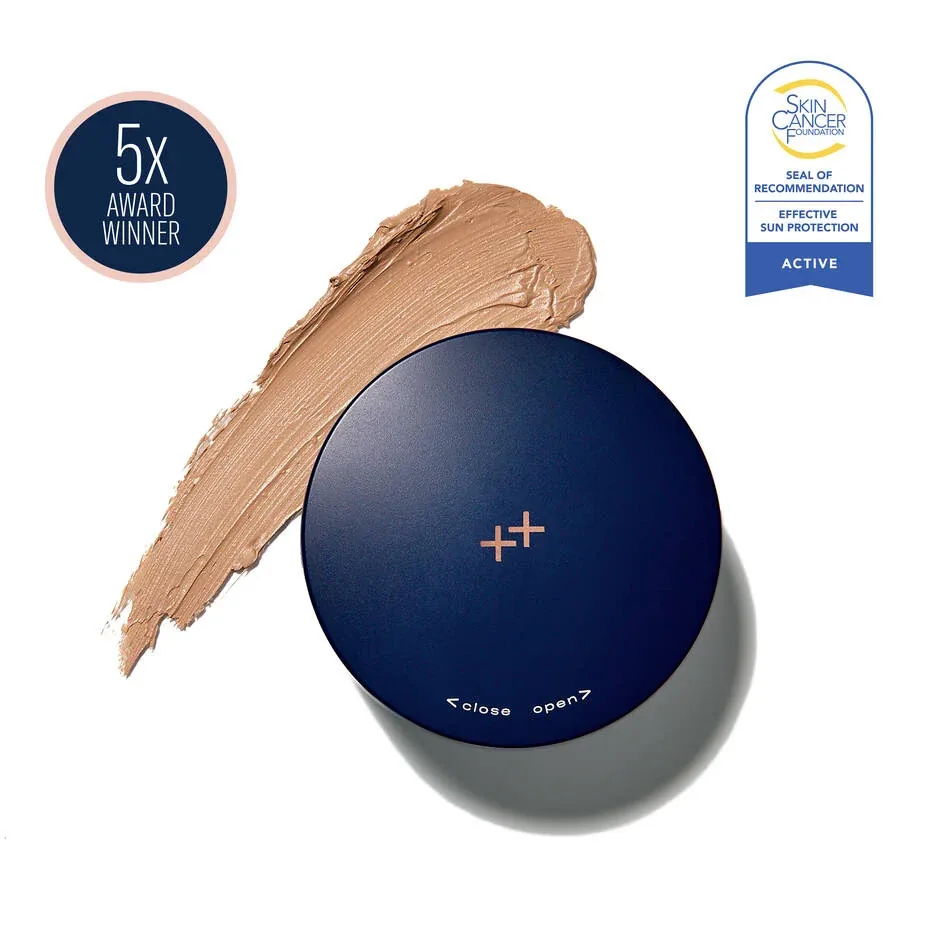 Melasma-Grade Mineral Sunscreen
 sunbetter TONE SMART SPF 68
One of the most clinically useful tinted mineral sunscreens in the professional category. SPF 68 from a 100% mineral formula, iron oxide tint that blocks visible light for melasma protection, and an unusually lightweight texture that doesn't feel like you're wearing high-concentration zinc. For patients with melasma or post-inflammatory hyperpigmentation, this is the category benchmark — and it's earned its Allure Best of Beauty wins.
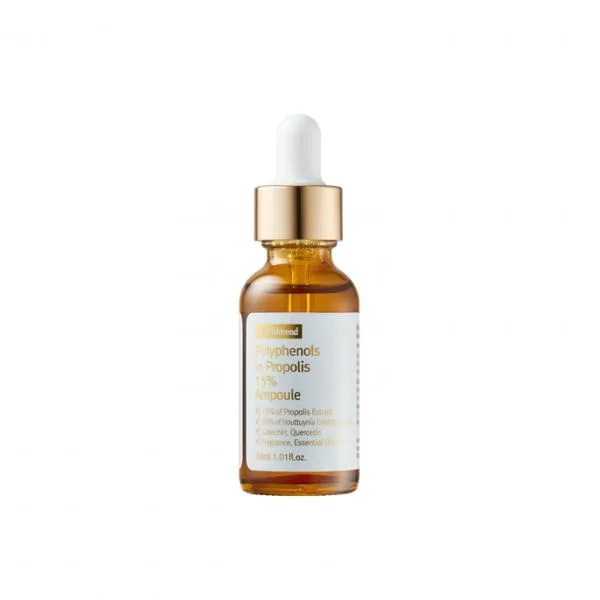 Sensitive Skin Soother
 Polyphenols In Propolis 15% Ampoule
A 15% propolis ampoule that earns its name with a real polyphenol stack — French Auvergne propolis layered over a houttuynia cordata base, with tulsi and pomegranate piling on. It's slightly sticky and not cheap by volume, but for sensitive, breakout-prone skin chasing calm, this is one of the most reliable K-beauty soothers in production.
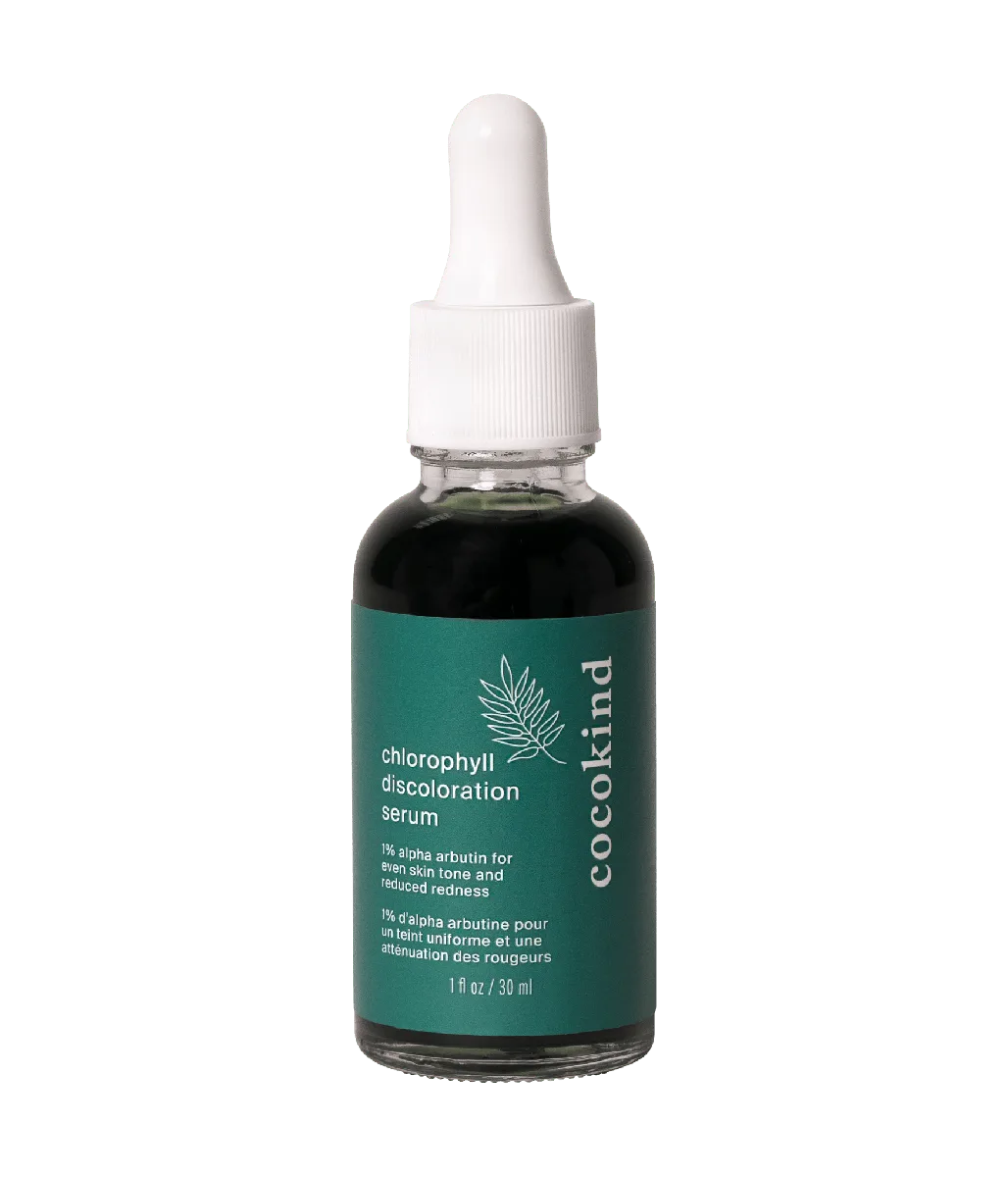 Budget Brightening Hero
 Chlorophyll Discoloration Serum
A quietly brilliant brightening serum that proves you do not need luxury prices or harsh actives to fade dark spots effectively. The alpha-arbutin and licorice root combination delivers genuine multi-pathway melanin inhibition, the sensitive-skin-friendly formula is impeccable, and $20 makes it accessible to virtually everyone. The chlorophyllin is more marketing differentiator than scientific powerhouse, but it does not hurt anything either.
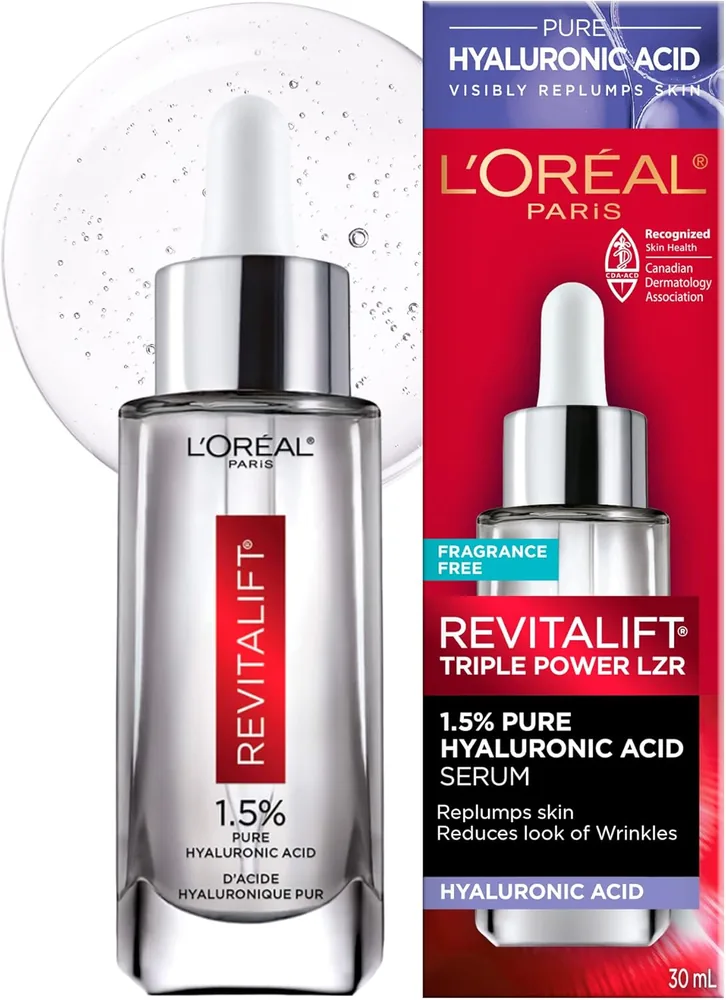 The People's HA Serum
 Revitalift Derm Intensives 1.5% Pure Hyaluronic Acid Serum
A masterclass in minimalist formulation — thirteen ingredients, no filler, four functional actives, and over thirty thousand glowing reviews. L'Oréal's multi-weight HA system delivers genuine hydration at every level of the skin, and the fragrance-free, alcohol-free formula is clean enough for virtually anyone. The drugstore serum that embarrasses its prestige competitors.
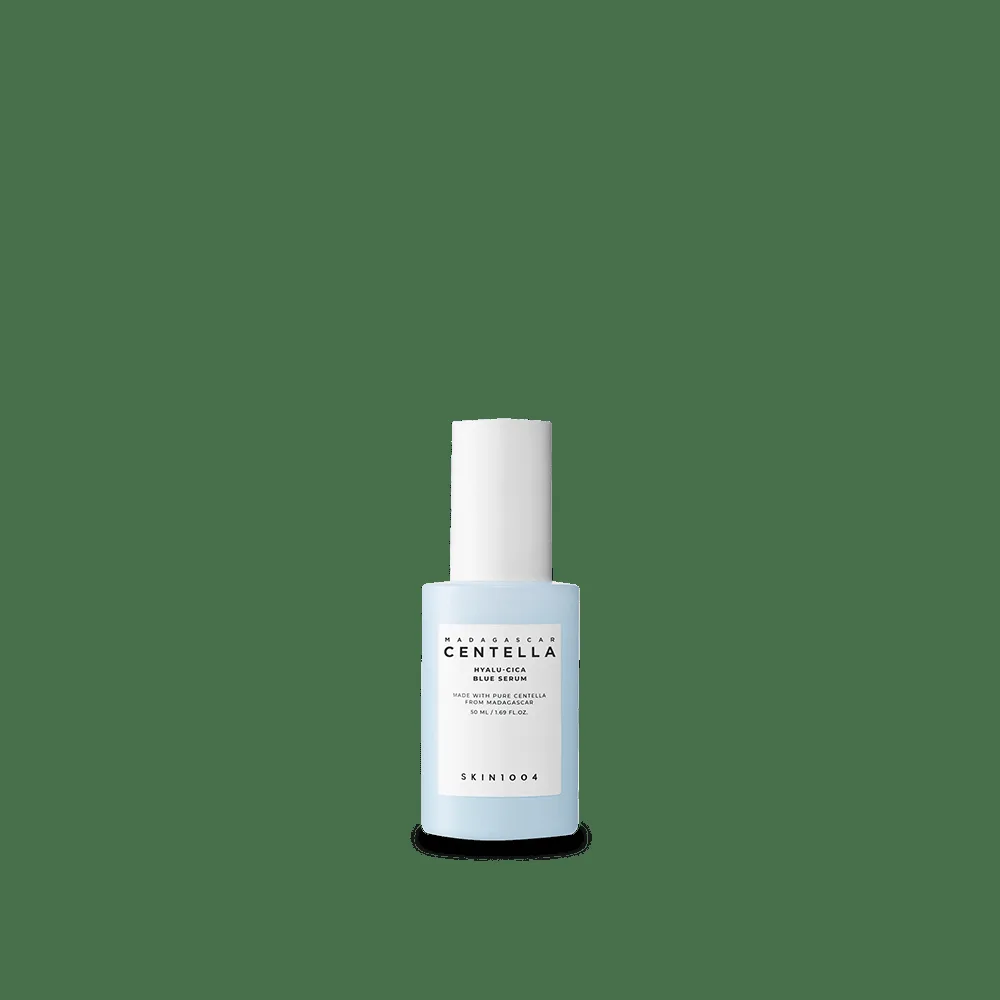 Budget Hydration Holy Grail
 Hyalu-Cica Blue Serum
A quietly excellent budget serum that stacks Centella asiatica leaf water, five types of hyaluronic acid, niacinamide, ceramide NP, and adenosine into a fragrance-free under-$20 bottle. It is genuinely one of the best hydration-plus-soothing serums at any price, and the fact that it costs less than a salad in Manhattan is the point.
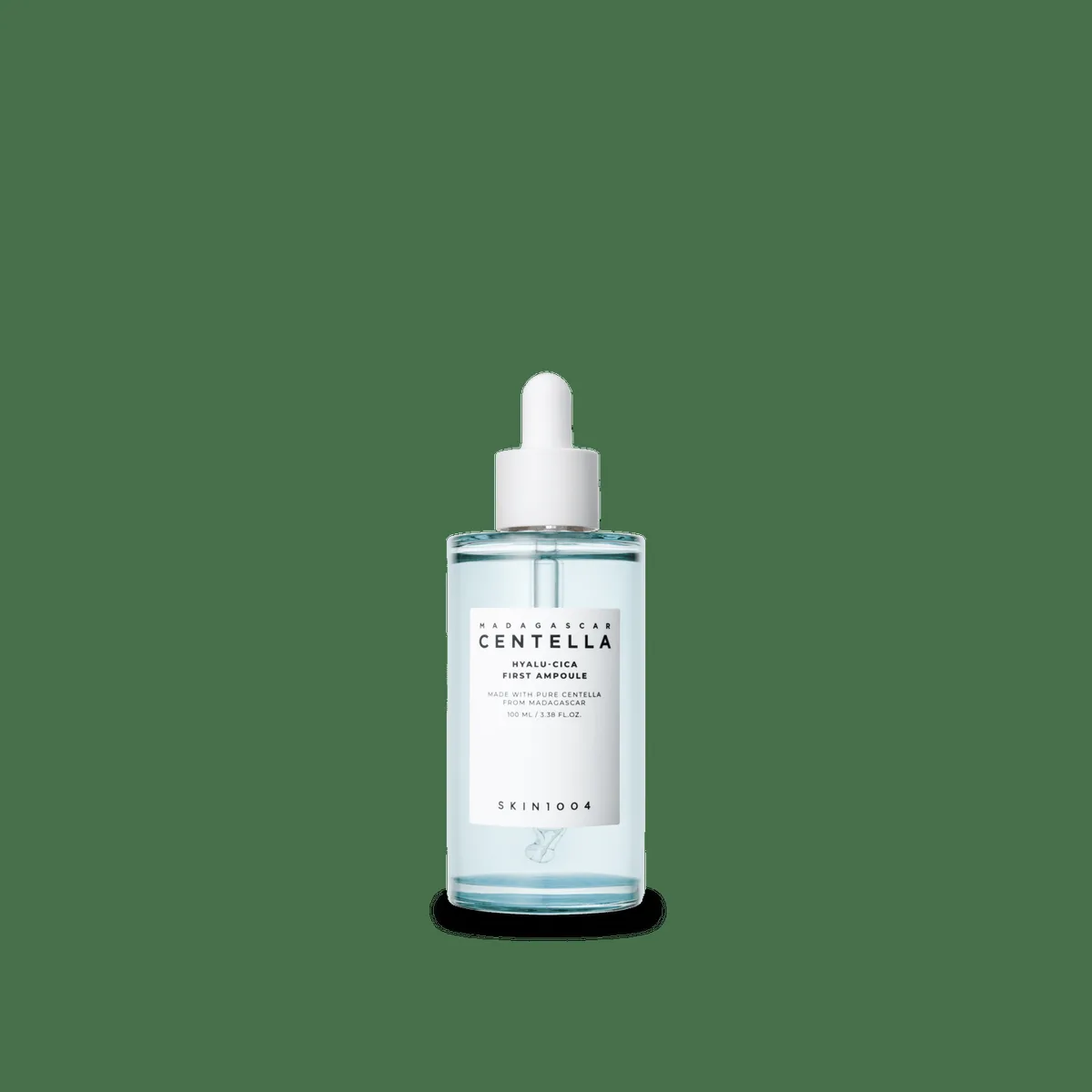 Sensitive Skin First-Line Defense
 Hyalu-Cica First Ampoule
A 92% Centella asiatica extract ampoule paired with niacinamide and a multi-weight HA complex, fragrance-free and purpose-built for sensitive, compromised, and reactive skin. At $25 for 100ml, it is one of the most justifiable skincare purchases a budget-conscious buyer can make, and it earns a place in almost any routine that needs a soothing anchor.