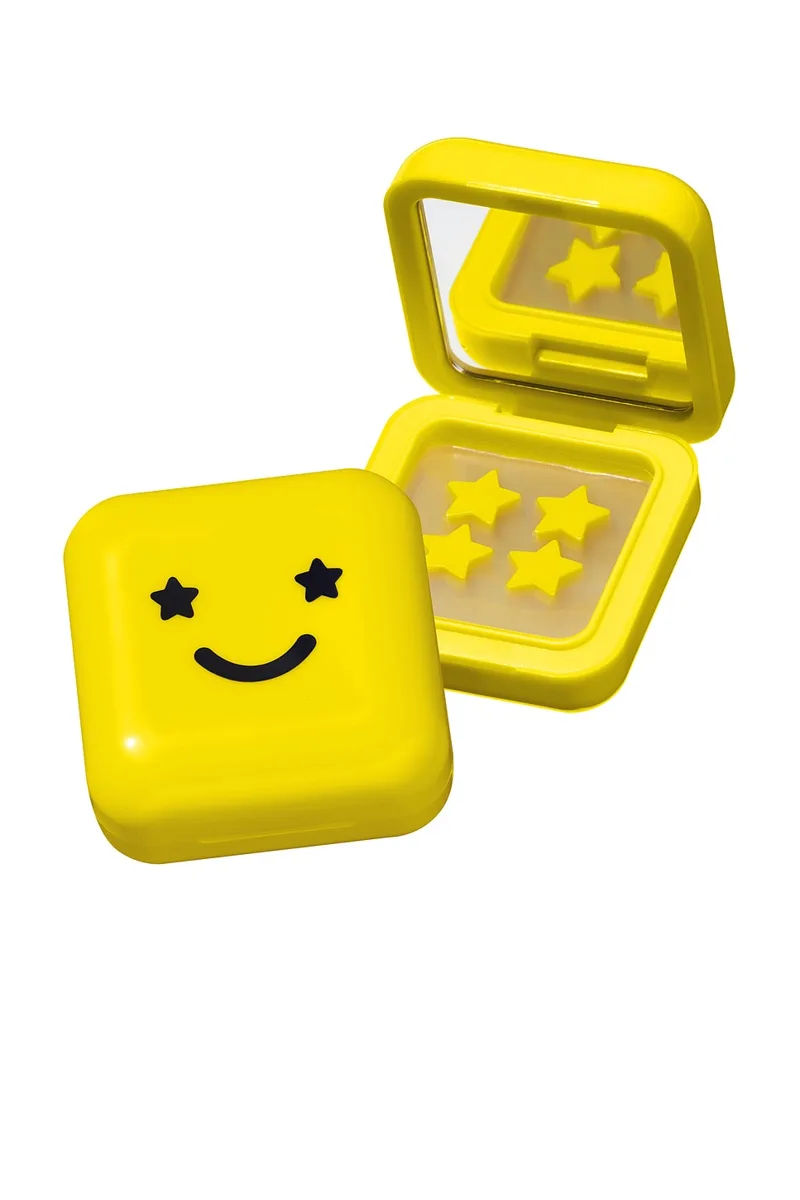
The patch that turned pimple treatment into a fashion statement. Hydrocolloid technology is nothing new, but Starface's genius was making you want to wear it on your face in public — and at $15 for 32 patches, you're paying for that cultural shift as much as the acne treatment.
Hydro-Star Pimple Patches
The patch that turned pimple treatment into a fashion statement. Hydrocolloid technology is nothing new, but Starface's genius was making you want to wear it on your face in public — and at $15 for 32 patches, you're paying for that cultural shift as much as the acne treatment.
Score Breakdown
Where this product gains points and where it loses them — broken down across the four scoring pillars.
A single-ingredient hydrocolloid patch that earns high marks for universal skin type compatibility and near-zero irritation risk. The value score reflects the significant premium over generic alternatives using identical technology. The ingredient quality score acknowledges that while hydrocolloid is effective, it's a commodity material.
Pros & Cons
- ✓Iconic star shape transformed pimple patches from clinical to culturally desirable
- ✓Clinically proven hydrocolloid technology shrinks blemishes within six hours
- ✓Strong adhesion keeps patches in place overnight without lifting or peeling
- ✓Star shape fits facial contours near nose and lips better than some circular patches
- ✓Zero irritants — safe for every skin type including sensitive and reactive skin
- ✓Reusable mirrored compact is portable and well-designed for on-the-go use
- ✗Nearly double the per-patch cost of generic hydrocolloid alternatives
- ✗Standard size too small for larger or clustered blemishes
- ✗Bright yellow stars are intentionally visible — not suitable for discreet wear
- ✗Star points can catch on fabric and lift at edges during sleep
- ✗Cannot treat deep cystic acne that hasn't reached the skin's surface
Full Review
The beauty industry spent decades telling people with acne to hide. Conceal it, cover it, treat it in secret, and whatever you do, don't let anyone see you dealing with it. When Julie Schott — a veteran beauty editor who'd spent years inside that machine — launched Starface's Hydro-Stars, the premise felt almost confrontational: here's a bright yellow star to stick on your pimple, and yes, everyone will see it, and that's the point.
The cultural impact landed harder than the technology. Hydrocolloid patches had existed for years, sold in discreet, medical-looking packaging that signaled 'I'm dealing with a skin problem.' Starface repackaged the same material in a mirrored star compact and asked consumers to wear their breakouts as accessories. The brand found its audience immediately — primarily Gen Z and younger millennials who were already rejecting the shame-based messaging of legacy acne brands.
But strip away the branding and the Instagram moments, and what you have is a hydrocolloid patch. One ingredient. The same material used in hospital wound dressings since the 1980s. It absorbs fluid from the surface of a blemish, creates an occlusive environment that supports healing, and physically prevents you from touching or picking at the spot. That last function — the anti-picking barrier — is arguably the most valuable thing any pimple patch does, because excoriated acne causes significantly more scarring than untouched blemishes.
The Hydro-Stars work. Applied to a pustule or papule that has come to a head, the patch visibly absorbs fluid over several hours, turning from translucent to opaque white. By morning, the blemish is typically flatter, less red, and less tender. Starface claims clinical proof of spot shrinking within six hours, and that aligns with the broader evidence base for hydrocolloid dressings in wound care. The star shape hugs facial contours reasonably well — the points can reach into the nose crease and near the lip line where circular patches sometimes struggle to maintain full contact.
Adhesion is generally strong. The patches stay put through a night's sleep and don't peel off on pillows the way some thinner alternatives do. The star points are the weak link — they can catch on fabric or hair and lift slightly, but the center where the blemish contact matters most stays sealed. During the day, the yellow stars are visible and intentional, which is either the entire appeal or a non-starter depending on your context.
The elephant in the compact is price. At roughly $15 for 32 patches, each Hydro-Star costs about 47 cents. Generic hydrocolloid patches — circular, transparent, functionally identical — run 15 to 25 cents each. The hydrocolloid doesn't know it's star-shaped. It doesn't absorb fluid differently because it's yellow. The technology is commodity-grade, and Starface's premium exists entirely in the design, the compact, and the brand identity.
Is that premium justified? That depends on who's buying. For a teenager whose relationship with their skin is complicated by insecurity, a pimple patch that feels empowering rather than medical might be the difference between treating a breakout and picking at it until it scars. The behavioral change — actually using the product consistently because it feels good — has real dermatological value. For an adult who uses pimple patches pragmatically and goes through a pack every couple of weeks, the math favors generic alternatives.
The Big Yellow compact is admittedly well-designed — pocketable, mirrored, and surprisingly satisfying to open. The refill system means you buy the compact once and can repurchase just the patch sheets afterward, which slightly improves the value proposition over time. The 96-count Big Pack also brings the per-patch cost down meaningfully.
Starface didn't invent hydrocolloid, and the Hydro-Stars don't perform better than cheaper alternatives in clinical terms. What the brand invented was permission — permission to acknowledge your breakout, treat it visibly, and move on without shame. Whether that's worth a price premium is personal, but the cultural contribution is undeniable.
Formula
Key Ingredients
The hero actives that drive this product's performance.
| Ingredient | Function | Evidence |
|---|---|---|
| Hydrocolloid | The sole active material in these star-shaped patches, hydrocolloid creates an occlusive micro-environment over blemishes that simultaneously draws out fluid and maintains the moist conditions needed for optimal healing. The standard-size patches are designed to fit individual pimples on any area of the face, including hard-to-reach spots like the nose crease. | well-established |
Full INCI List
Hydrocolloid (Cellulose Gum, Polyisobutene, Petroleum Resins, Styrene-Isoprene-Styrene Block Copolymer)
Product Flags
✓ Fragrance Free✓ Alcohol Free✓ Oil Free✓ Silicone Free✓ Paraben Free✓ Sulfate Free✓ Cruelty Free✓ Vegan✓ Fungal Acne Safe
Compatibility
Skin Match
Best For
Works For
Not Ideal For
Addresses These Conditions
Routine Step
treatment
Time of Day
AM & PM
Pregnancy Safe
Yes ✓
Layering Tips
Apply to clean, dry skin as the last step in your routine. The patch needs direct contact with the blemish — do not apply over serums, oils, or moisturizers. Apply moisturizer and other products around the patch, not under it.
Results Timeline
Visible fluid absorption within 4-6 hours as the patch turns opaque white. Clinically proven to shrink pimples within 6 hours. Most effective on pustules and papules that have come to a head. Deeper blemishes may require multiple overnight applications.
Pairs Well With
gentle cleanserniacinamide serumoil-free moisturizer
Sample AM Routine
- Gentle cleanser
- Remove patch
- Niacinamide serum
- Moisturizer
- Sunscreen
Sample PM Routine
- Gentle cleanser
- Serum
- THIS PRODUCT on active blemishes
Evidence
Science & Expert Perspective
The Science
Hydrocolloid technology has been validated in wound care for over four decades. The material consists of a matrix of gel-forming agents — typically cellulose gum, polyisobutene, and polymer resins — that absorb moisture on contact. When applied to a blemish, the hydrocolloid creates a moist wound healing environment that research has consistently shown accelerates tissue repair compared to dry healing.
A 2006 review published in the Journal of Wound Care examined the clinical evidence for hydrocolloid dressings and confirmed their efficacy in maintaining moisture balance, absorbing exudate, and providing a bacterial barrier over wounds. The same principles apply to acne lesions: the occlusive seal prevents external contamination while the absorbent matrix draws fluid away from the inflammatory site.
The anti-picking function of pimple patches deserves clinical attention. A body of dermatological literature on excoriated acne — acne worsened by habitual picking — demonstrates that mechanical disruption of blemishes significantly increases the risk of post-inflammatory hyperpigmentation and atrophic scarring. By creating a physical barrier between fingers and blemishes, patches like the Hydro-Star provide a simple behavioral intervention that reduces long-term skin damage.
It's worth noting that hydrocolloid patches are most effective on superficial inflammatory lesions: pustules and papules where fluid has accumulated near the skin's surface. For nodular or cystic acne, where inflammation occurs deeper in the dermis, surface-level hydrocolloid absorption has minimal impact, and prescription treatments remain the standard of care.
References
- Hydrocolloid acne dressing versus tea tree oil for the treatment of acne vulgaris: a pilot study — Journal of Cosmetic Dermatology (2020)
Dermatologist Perspective
Board-certified dermatologists broadly endorse hydrocolloid patches as a safe, low-risk adjunct to acne treatment regimens. Dermatologists frequently recommend them for patients who struggle with skin picking, noting that the physical barrier function can be as valuable as the fluid absorption. Dermatologists also emphasize that hydrocolloid patches complement but do not replace comprehensive acne treatments — retinoids, benzoyl peroxide, or prescription medications — and are best used for spot treatment of individual surface-level blemishes rather than as a primary acne management strategy.
Guidance
Usage Guide
How to Use
Cleanse and thoroughly dry the skin before application — moisture or oils will prevent proper adhesion. Peel a Hydro-Star from the sheet inside the compact and press firmly over the blemish for a few seconds to seal the edges. Leave on for at least 6 hours or overnight. When the patch has turned white, it has absorbed fluid and should be removed and replaced if the blemish is still active. Do not apply over any skincare products — the patch must contact bare skin.
Value Assessment
At $14.99 for 32 patches ($0.47 per patch), Starface Hydro-Stars carry a substantial premium over generic alternatives that offer identical hydrocolloid technology at $0.15-0.25 per patch. The premium funds the star shape, the reusable mirrored compact, and the brand's destigmatizing mission. The 96-count Big Pack ($26.99, about $0.28 per patch) closes the gap significantly. For occasional use, the compact is a fun purchase. For frequent breakouts, generic patches are the financially sustainable choice.
Who Should Buy
Anyone who wants acne treatment to feel empowering rather than shameful — particularly younger consumers navigating their relationship with breakouts. Also ideal for chronic pickers who need a physical barrier and a visual cue to leave blemishes alone. The compact makes a thoughtful gift for teens dealing with acne.
Who Should Skip
Budget-conscious consumers who use pimple patches regularly and want to maximize patches per dollar. Also skip if you need to wear patches discreetly at work — the yellow stars are designed to be seen. For larger blemishes, the XL Big Star variant is a better fit.
Ready to try Starface Hydro-Star Pimple Patches?
Details
Details
Texture
Thin, flexible hydrocolloid material that conforms closely to the skin. Standard size is smaller than the XL Big Star variant, designed to cover individual pimples without excessive surrounding coverage.
Scent
No scent — completely fragrance-free.
Packaging
Comes in the iconic Big Yellow compact — a star-shaped, mirrored case that's become Starface's signature. The reusable compact is pocketable and designed to make acne treatment feel like a beauty ritual rather than a medical intervention. Also available in refill packs and a 96-count Big Pack.
Finish
matte
What to Expect on First Use
Peel a star from the sheet, press onto a clean, dry blemish, and the patch adheres immediately. The star shape hugs facial contours including tricky spots near the nose and lips. Within hours, the center turns white as fluid is absorbed, providing satisfying visual feedback that the patch is working.
How Long It Lasts
32 patches per compact — depends on breakout frequency
Period After Opening
24 months
Best Season
All Year
Certifications
VeganCruelty-FreeDermatologist Tested
Background
The Why
When Starface launched on September 5, 2019, the Hydro-Star was its only product. The premise was provocative for the acne industry: instead of promising to hide your pimples, Starface encouraged you to decorate them. The bright yellow star-shaped patches were designed to be seen, worn as a playful facial accessory that happened to also treat blemishes. The gamble paid off — the brand has grown to $90 million in annual revenue, spawning an entire category of decorative pimple patches.
About Starface Emerging Brand (2–5 years)
Starface was co-founded in 2019 by Julie Schott (former beauty director of ELLE.com) and Brian Bordainick with a mission to destigmatize acne. The brand's hero product — the Hydro-Star — launched the company and has since driven it to approximately $90 million in annual revenue. The hydrocolloid technology is well-established, though the brand's differentiation is in design and cultural positioning.
Brand founded: 2019 · Product launched: 2019
Myth vs. Reality
Myths & Misconceptions
Myth
Starface patches contain special ingredients that make them work better than generic patches.
Reality
Starface Hydro-Stars contain only hydrocolloid — the same material used in every other hydrocolloid pimple patch on the market. The functional difference between these and a generic circular patch is the shape, not the technology. Both absorb fluid and protect blemishes identically.
Myth
You should pop a pimple before applying a pimple patch.
Reality
Dermatologists recommend against popping pimples as it can push bacteria deeper and cause scarring. Hydrocolloid patches work on intact blemishes by drawing fluid through the skin's surface over time. Apply directly to an unpopped, surfaced pimple for the safest results.
FAQ
Frequently Asked Questions
How do Starface Hydro-Star patches work?
The patches use hydrocolloid, a moisture-absorbing material from wound care, to draw fluid out of blemishes while creating a protective seal. When applied to a pimple, the hydrocolloid absorbs pus and sebum, causing the patch to turn white. This process reduces swelling and redness, typically within 6 hours.
Are Starface patches better than other pimple patches?
Starface Hydro-Stars use the same hydrocolloid technology found in generic pimple patches. The star shape is unique and designed to be worn visibly, but the active material works identically to circular alternatives. The choice comes down to whether you value the aesthetic and brand experience or prefer maximum patches per dollar.
Can I wear Starface patches during the day?
Absolutely — they're specifically designed to be worn visibly. The bright yellow star shape is meant to be seen as a fun facial accessory. Starface also offers Clear Hydro-Stars for those who want daytime wear without the visible shape.
What size pimples do Starface Hydro-Stars fit?
The standard Hydro-Stars are designed for individual, standard-sized pimples. The star shape can hug facial contours near the nose and lips effectively. For larger blemishes, Starface offers the XL Big Star variant with 20mm-wide patches that provide more coverage.
Are Starface patches safe for sensitive skin?
Yes, Hydro-Stars contain only hydrocolloid with no fragrances, dyes, or active acids. They're dermatologist-tested and suitable for all skin types, including sensitive and reactive skin. The patches are also vegan and cruelty-free.
Community
Community Voices
Common Praise
"Star shape makes wearing pimple patches feel fun rather than embarrassing"
"Effectively absorbs fluid and flattens blemishes overnight"
"Strong adhesion that stays in place through sleep without lifting"
"Prevents picking and scratching at active breakouts"
"Suitable for all skin types with zero irritation"
Common Complaints
"Much more expensive per patch than generic hydrocolloid alternatives"
"Not effective on deep cystic acne that hasn't surfaced"
"Star points can catch on pillows and lift at the edges"
"Standard size may be too small for larger blemishes"
Appears In
best treatment for acne best pimple patches best treatment for sensitive skin best treatment for oily skin
Related Conditions
Related Ingredients
You Might Also Like
 Barrier Rescue Hero
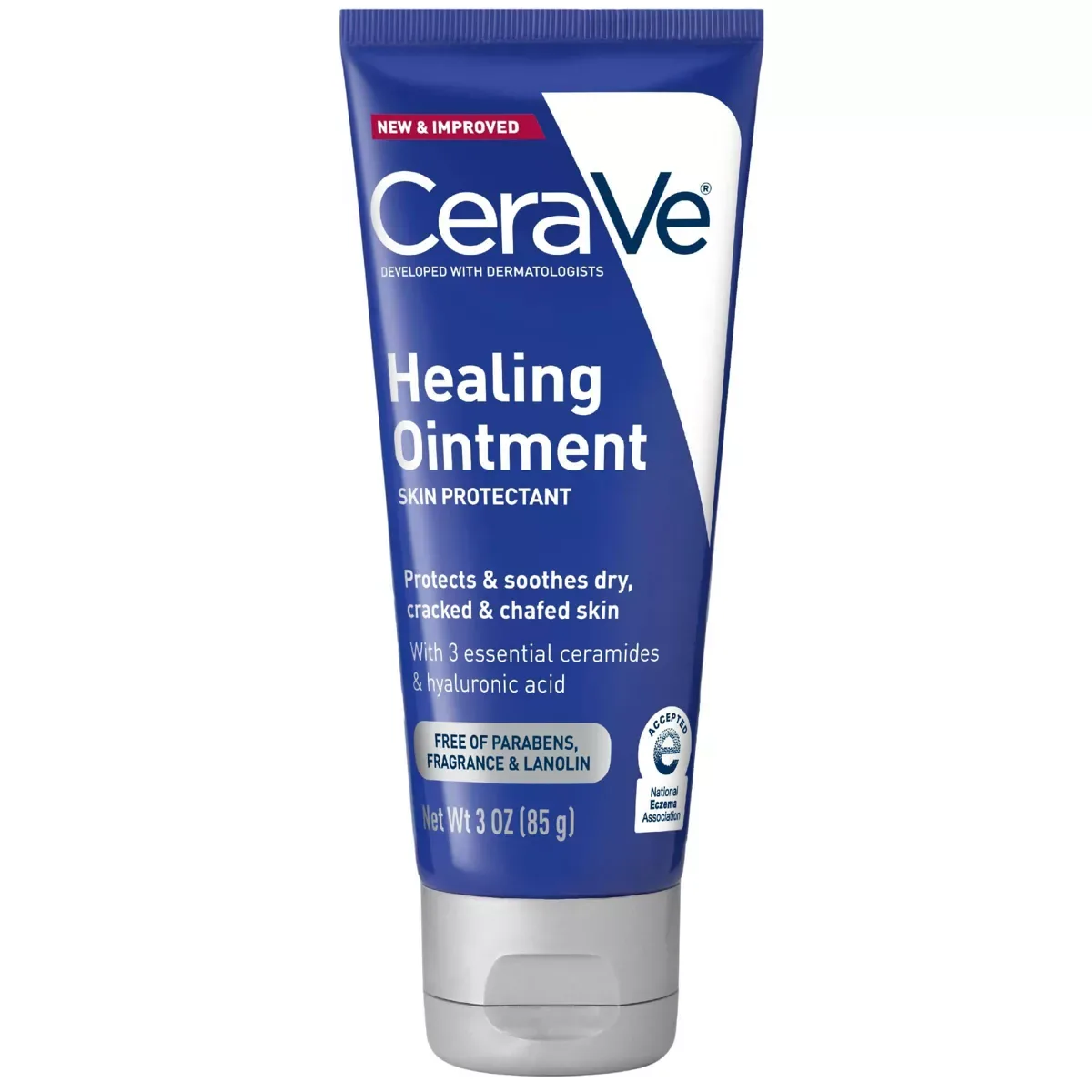
 Healing Ointment
CeraVe's Healing Ointment takes the simplest concept in skincare — seal the skin with petrolatum — and makes it genuinely intelligent by adding ceramides, hyaluronic acid, and panthenol beneath the occlusive layer. It is the gold standard drugstore occlusive for barrier rescue, slugging, and post-procedure care.
 Derm Office Staple
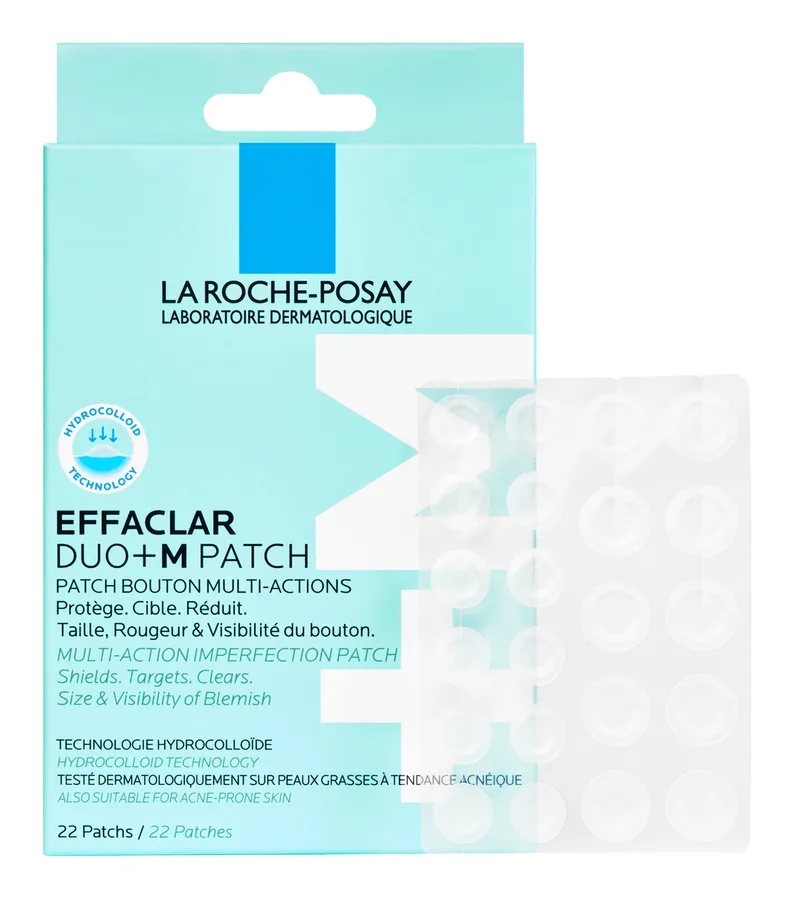
 Effaclar Multi-Target Blemish Patches
One of the few hydrocolloid pimple patches that actually stays on overnight without curling off at 3am. At 420 microns thick with two size options in one pack and zero actives to irritate sensitive skin, this is the Effaclar line's quiet overachiever — and a legitimately good answer for anyone whose acne routine has been sabotaged by thinner patches that refuse to stay put.
 Reactive-Skin Cult Favorite
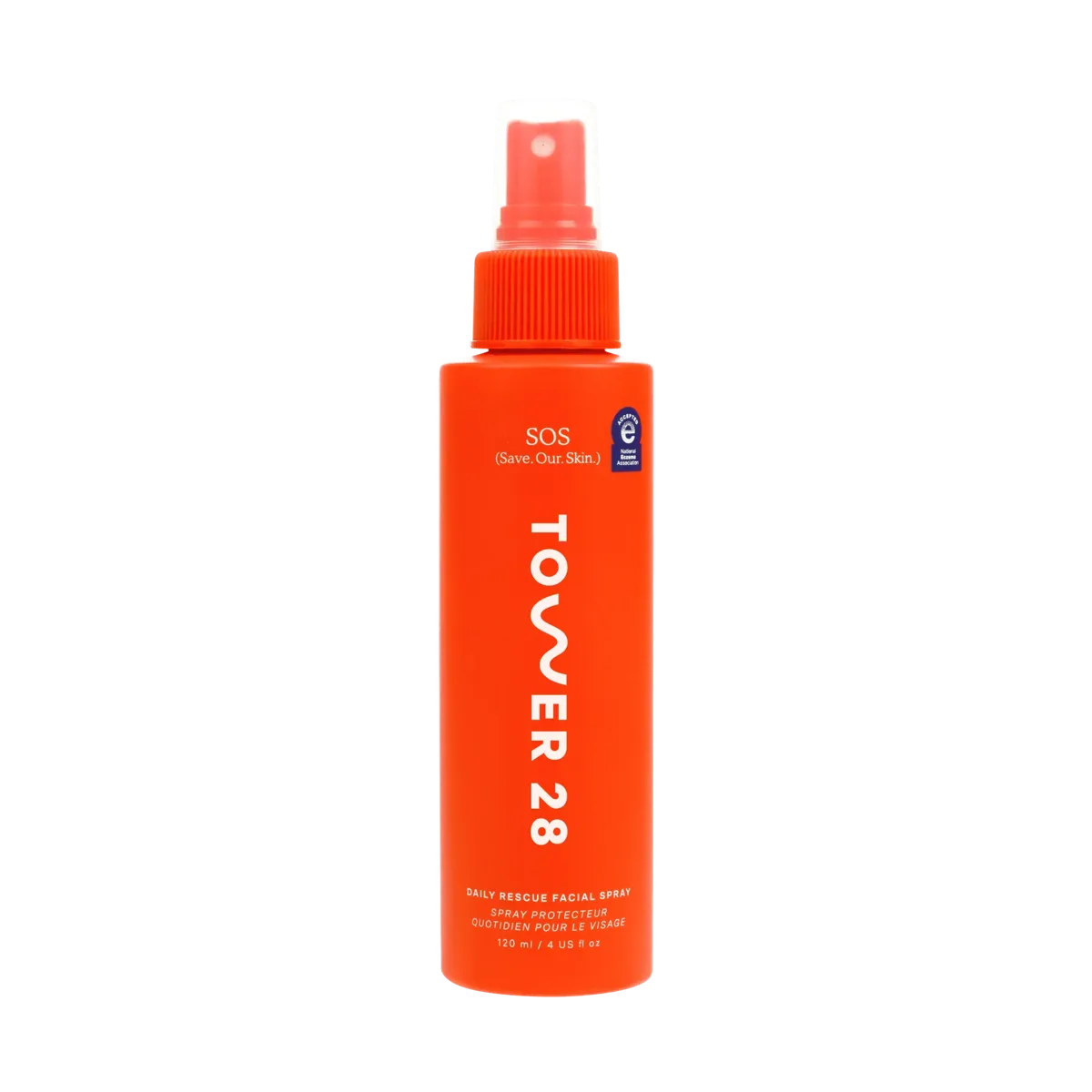
 SOS Save Our Skin Daily Rescue Facial Spray
The product that single-handedly brought hypochlorous acid into mainstream skincare. A fine-mist HOCl spray with genuine dermatology-organization validation, a near-perfect tolerability profile, and a cult following among people whose skin reacts to everything else. The price runs steeper than medical-grade HOCl, but the stabilization and design are worth the difference for daily use.
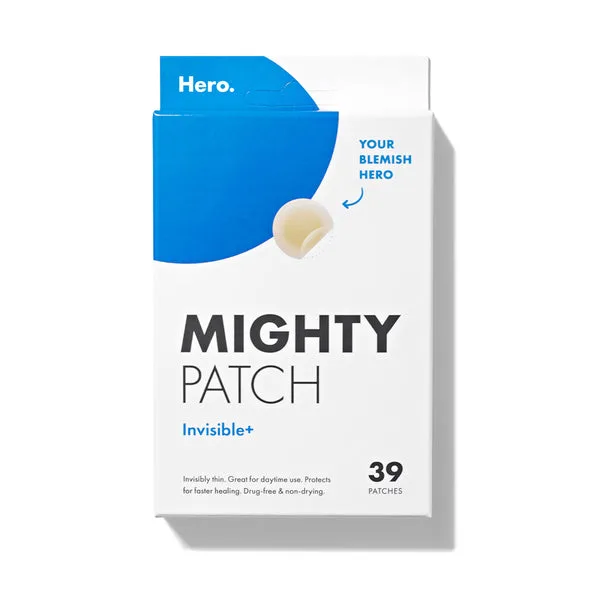
Mighty Patch Invisible+
The pimple patch that proved acne treatment could be invisible — Mighty Patch Invisible+ delivers the same fluid-absorbing hydrocolloid technology as the category-defining Original, but engineered thin enough to disappear under makeup. For daytime blemish management, nothing else comes this close to invisible.
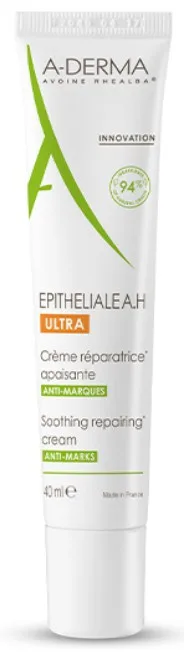 Post-Procedure MVP
 Epitheliale A.H Ultra Repairing Cream
One of the best-formulated French pharmacy repair creams on the market, full stop. Rhealba oat, three-weight HA, madecassoside, trace minerals, panthenol, and shea butter come together in a cream that handles post-procedure skin, eczema flares, friction damage, and compromised barriers with unusual competence for the price.
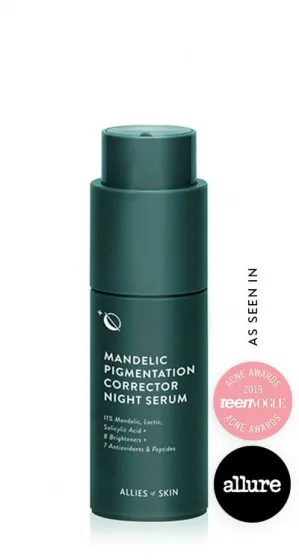 Pigmentation Specialist Pick
 Mandelic Pigmentation Corrector Night Serum
One of the most thoughtfully formulated pigmentation serums on the market. Mandelic acid leads, but the real story is the supporting cast — tranexamic acid, azelaic acid, niacinamide, and bakuchiol attacking hyperpigmentation through five different pathways. Specifically formulated to be safe on melanin-rich skin and it shows.