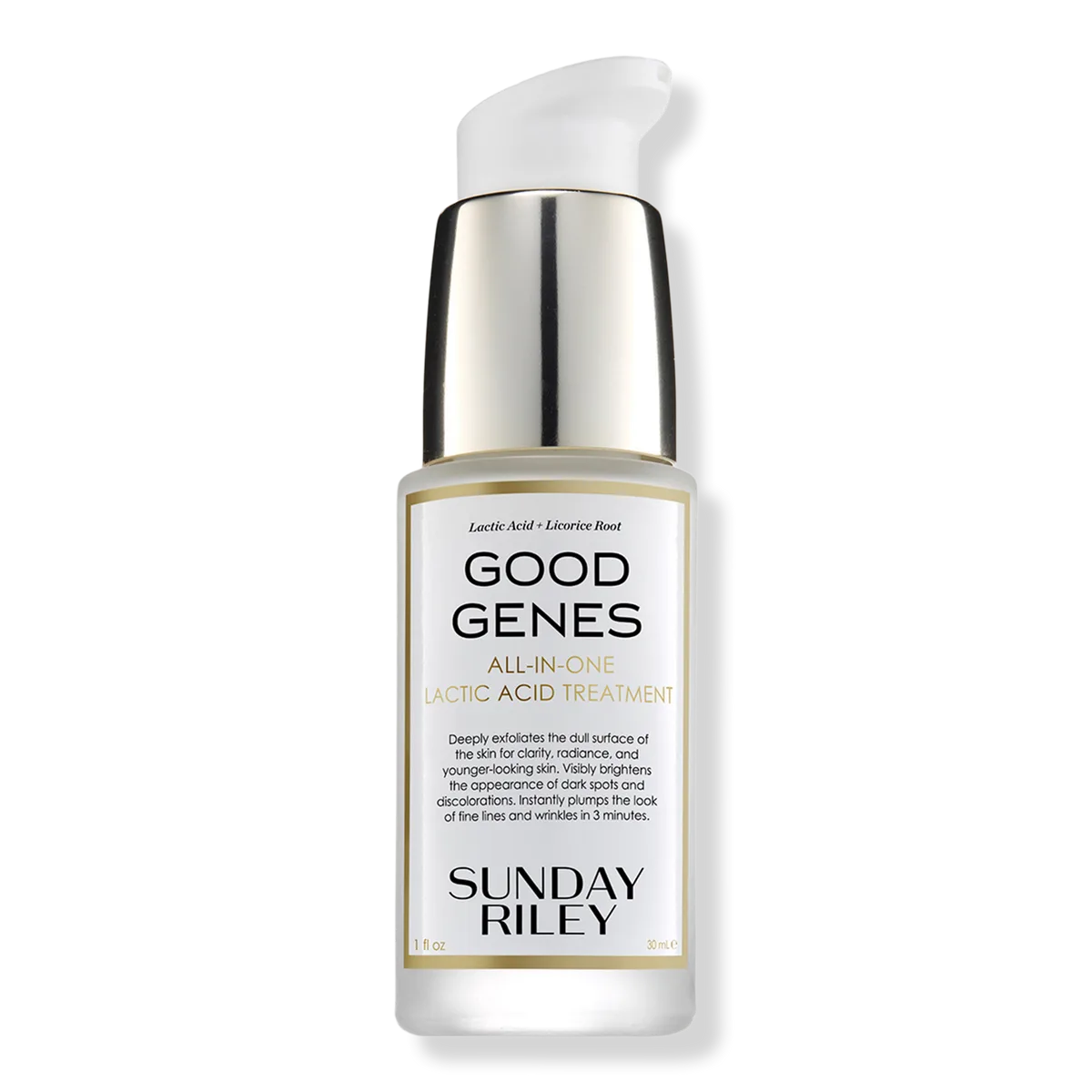
Good Genes delivers undeniable instant radiance and a uniquely luxurious AHA experience — but at $85 for an undisclosed concentration of lactic acid wrapped in lemongrass oil, you're paying a significant premium for the sensory ritual and cult status as much as the exfoliation itself.
Good Genes All-in-One Lactic Acid Treatment
Good Genes delivers undeniable instant radiance and a uniquely luxurious AHA experience — but at $85 for an undisclosed concentration of lactic acid wrapped in lemongrass oil, you're paying a significant premium for the sensory ritual and cult status as much as the exfoliation itself.
Score Breakdown
Where this product gains points and where it loses them — broken down across the four scoring pillars.
A well-formulated lactic acid treatment with effective soothing botanicals and brightening licorice, but the premium price tag for an undisclosed concentration of lactic acid and the inclusion of lemongrass oil — a known sensitizer — hold back the overall score.
Pros & Cons
- ✓Visible instant radiance and smoother texture from the very first application
- ✓Dual-form licorice root targets both redness and hyperpigmentation simultaneously
- ✓Creamy, emollient base prevents the over-drying common with AHA treatments
- ✓Versatile usage — works as a short-contact mask or overnight leave-on treatment
- ✓Botanical-blend water phase adds soothing antioxidant support beyond basic formulations
- ✓Pregnancy-safe AHA option confirmed by the brand for expectant users
- ✓PETA and Leaping Bunny certified cruelty-free and fully vegan
- ✗Premium price of $85/oz for an undisclosed lactic acid concentration
- ✗Lemongrass oil is a known sensitizer, questionable in an acid-based treatment
- ✗Thick texture can feel heavy and unabsorbed on oily skin types
- ✗Strong citrus-herbaceous scent is polarizing and may be unwelcome for nighttime use
- ✗Brand's 2018 FTC fake review settlement undermines trust in its organic review base
Full Review
Before Good Genes arrived around 2010, lactic acid lived mostly in dermatology offices and clinical peels. Glycolic was the household name in AHAs, and if you wanted lactic acid at home, your options were limited to pharmacy-grade products with all the sensory appeal of a medical ointment. Sunday Riley changed that calculus entirely, wrapping lactic acid in a creamy, botanical-rich base that felt like skincare, not a clinical procedure, and marketing the instant glow as a '3-minute facial.' It worked. Good Genes became the product that launched a thousand dupes and turned Sunday Riley from a niche indie into a Sephora anchor brand.
The formulation itself is genuinely interesting. Rather than starting with plain water, Sunday Riley builds the aqueous phase from a proprietary botanical blend — prickly pear, agave, arnica, lady's slipper orchid, aloe, yeast extract, and radish root ferment filtrate. Whether this botanical water delivers meaningfully more than standard purified water is debatable, but it signals a formulation philosophy that prioritizes plant actives at every level. The lactic acid sits third in the active portion of the formula, preceded by caprylic/capric triglyceride and squalane, both emollients that help buffer the acid's penetration and contribute to the product's characteristic creamy texture.
The licorice root story is where the formulation gets clever. Sunday Riley includes two forms — stearyl glycyrrhetinate (a lipid-soluble derivative with anti-inflammatory properties) and glycyrrhiza glabra root extract (the whole-plant version containing glabridin, a tyrosinase inhibitor). This dual-form approach means the licorice is working on both redness reduction and melanin suppression simultaneously, complementing the exfoliation-driven brightening from the lactic acid. It is a thoughtful formulation choice that many cheaper lactic acid products skip.
Texture is where Good Genes polarizes. This is not a thin, watery serum. It is thick, creamy, and milky-white — more reminiscent of a lightweight moisturizer than a treatment step. Dry and normal skin types tend to love this, finding it rich enough to skip a separate moisturizer on some nights. Oily skin types frequently complain that it sits on the surface and never fully absorbs, leaving a film that feels more oppressive than glowy. The lemongrass oil gives the product a distinctive citrus-herbaceous scent that is not subtle. Some people find it spa-like and invigorating. Others find it sharp and off-putting, particularly at night when strong scents can be unwelcome. More importantly, lemongrass oil contains citral and other terpenes that are known contact allergens — a questionable inclusion in a product that already contains an active acid.
Performance is where Good Genes earns its reputation. The instant radiance effect is real and noticeable. Within minutes of application, skin looks smoother, brighter, and more even-toned. This is partly the lactic acid working on surface dead skin cells and partly the emollient base creating a light-reflective finish. Over weeks of consistent use, the cumulative effects deepen — dark spots fade, texture refines, and fine lines appear softer. Lactic acid is one of the most well-studied AHAs in dermatological literature, with research dating back to the mid-1990s confirming its ability to increase both epidermal and dermal thickness.
The elephant in the room is the price. At $85 for one ounce, Good Genes costs significantly more than alternatives with disclosed — and often higher — concentrations of lactic acid. Sunday Riley has never revealed the lactic acid percentage in Good Genes, which makes direct potency comparisons impossible. You can get a 10% lactic acid serum with hyaluronic acid for under $10 from other brands. The question becomes whether the botanical blend, dual-form licorice, squalane enrichment, and the overall sensory experience justify an eightfold price difference. For some people, the ritual and the results speak for themselves. For others, the math simply does not work.
The brand also carries baggage. In 2018, the FTC charged Sunday Riley with posting fake reviews on Sephora over a two-year period, with the company's CEO personally directing employees to write them. The settlement required no financial penalty, which itself drew criticism. It is a relevant data point when evaluating a product that built its reputation partly on enthusiastic online reviews.
Despite all of this, Good Genes remains a genuinely enjoyable product to use. The formulation is above average, the results are visible, and the experience of applying it feels like a small luxury. Whether that luxury is worth $85 depends entirely on your budget and your priorities. If you want effective lactic acid exfoliation at the best price, look elsewhere. If you want a polished, multitasking AHA treatment that feels as good as it works and you have the budget for it, Good Genes still delivers on the promise that made it famous.
Formula
Key Ingredients
The hero actives that drive this product's performance.
| Ingredient | Function | Evidence |
|---|---|---|
| Lactic Acid | The workhorse AHA in this formula, lactic acid exfoliates by dissolving the bonds between dead skin cells in the stratum corneum. Unlike glycolic acid, lactic acid's larger molecular size gives it a slower, more even penetration — which pairs well with the soothing botanical blend here to deliver exfoliation with less irritation risk. It also functions as a humectant, drawing moisture into the skin. | well-established |
| Licorice Root Extract (Stearyl Glycyrrhetinate & Glycyrrhiza Glabra) | Present in two complementary forms — the lipid-soluble stearyl glycyrrhetinate and the whole root extract — licorice root works in this formula to counterbalance the potential redness and irritation from lactic acid exfoliation. Glabridin, a key compound in licorice, also inhibits tyrosinase to support the brightening effects of the lactic acid. | well-established |
| Squalane | Positioned high in the ingredient list, squalane provides a lipid-rich emollient layer that helps buffer the exfoliating action of the lactic acid. In this creamy-serum format, it contributes to the product's characteristic rich texture and prevents the over-drying that many AHA treatments cause. | well-established |
| Prickly Pear Extract (Opuntia Tuna & Opuntia Vulgaris) | Two species of Opuntia cactus extract form part of the proprietary botanical blend that serves as this formula's base. Rich in betalains and flavonoids, prickly pear provides antioxidant protection and soothing support to skin undergoing active exfoliation from the lactic acid. | promising |
| Lemongrass Oil (Cymbopogon Schoenanthus) | Provides the product's distinctive citrus-herbaceous scent while also contributing mild antimicrobial and antioxidant properties. While it adds sensory appeal, lemongrass oil contains citral, which can be a sensitizer for reactive skin types — a trade-off in an otherwise well-formulated product. | promising |
Full INCI List
Botanical Blend [Water/Eau/Aqua, Opuntia Tuna Fruit Extract, Cypripedium Pubescens Extract, Opuntia Vulgaris Leaf Extract, Agave Tequilana Leaf Extract, Arnica Montana Flower Extract, Aloe Barbadensis Leaf Extract, Saccharomyces Cerevisiae (Yeast) Extract, Leuconostoc/Radish Root Ferment Filtrate], Caprylic/Capric Triglyceride, Squalane, Lactic Acid, PPG-12/SMDI Copolymer, Propanediol, Butylene Glycol, Stearic Acid, Dimethicone, Cetearyl Alcohol, Phenyl Trimethicone, Disiloxane, Ceteareth-20, Glyceryl Stearate, PEG-100 Stearate, Stearyl Glycyrrhetinate, Glycyrrhiza Glabra (Licorice) Root Extract, Cymbopogon Schoenanthus (Lemongrass) Oil, Potassium Hydroxide, Phenoxyethanol, Xanthan Gum, Caprylyl Glycol, Chlorphenesin, Sodium Phytate
Product Flags
✗ Fragrance Free✓ Alcohol Free✗ Oil Free✗ Silicone Free✓ Paraben Free✓ Sulfate Free✓ Cruelty Free✓ Vegan✗ Fungal Acne Safe
Comedogenic Ingredients
Cetearyl AlcoholPEG-100 Stearate
Potential Irritants
Lactic AcidCymbopogon Schoenanthus (Lemongrass) Oil
Common Allergens
Lemongrass Oil (contains citral, geraniol, limonene)
Compatibility
Skin Match
Best For
Works For
Not Ideal For
Addresses These Conditions
dullness hyperpigmentation texture aging dark spots
Use With Caution
rosacea sensitivity compromised skin barrier
Avoid With
Routine Step
treatment
Time of Day
PM
Pregnancy Safe
Yes ✓
Layering Tips
Apply a thin layer after cleansing and toning. Can be used as a short-contact treatment (rinse after 3-5 minutes) for sensitive skin, or left on overnight for maximum results. Follow with moisturizer. Avoid layering with other direct acids, retinoids, or vitamin C in the same routine.
Results Timeline
Immediate radiance and smoothness visible after first use (the '3-minute facial' effect). Within 1-2 weeks, expect more even skin tone and reduced dullness. Full benefits — including visibly reduced dark spots, refined texture, and improved fine lines — typically emerge after 4-8 weeks of consistent use.
Pairs Well With
hyaluronic acidceramidesniacinamideSPF
Conflicts With
retinolretinalbenzoyl peroxideother AHA/BHA treatments
Sample AM Routine
- Gentle cleanser
- Hyaluronic acid serum
- Moisturizer
- SPF 30+
Sample PM Routine
- Cleanser
- Sunday Riley Good Genes All-in-One Lactic Acid Treatment
- Moisturizer
Evidence
Science & Expert Perspective
The Science
Lactic acid is an alpha-hydroxy acid with a molecular weight of 90.08 g/mol — larger than glycolic acid's 76.03 g/mol — which results in slower, more uniform penetration into the stratum corneum. This molecular size difference is clinically meaningful: lactic acid tends to produce less stinging and irritation at comparable concentrations while still delivering effective exfoliation.
The foundational study on topical lactic acid's skin effects was published by W.P. Smith in the Journal of the American Academy of Dermatology in 1996. The study demonstrated that 12% lactic acid applied twice daily for three months increased both epidermal and dermal firmness and thickness, with clinical improvements in skin smoothness and the appearance of lines and wrinkles. Notably, 5% lactic acid produced similar surface and epidermal benefits but did not affect the dermis, suggesting a concentration-dependent depth of action.
Lactic acid also has a unique dual mechanism that distinguishes it from other AHAs: beyond its exfoliating action (weakening the ionic bonds between corneocytes), it functions as a humectant, drawing water into the stratum corneum. This means that even as it removes dead skin cells, it simultaneously supports hydration — which explains why lactic acid products tend to leave skin looking plump rather than stripped.
The licorice root components in this formula have their own evidence base. Glabridin, a key isoflavonoid in Glycyrrhiza glabra, has been shown to inhibit tyrosinase activity and prevent UVB-induced pigmentation in animal models. Stearyl glycyrrhetinate, the lipid-soluble derivative, has documented anti-inflammatory effects through inhibition of phospholipase A2 and cyclooxygenase pathways. The combination of an exfoliant that accelerates pigmented cell turnover with an ingredient that slows new melanin production is a sound strategy for addressing hyperpigmentation.
Since Sunday Riley does not disclose the lactic acid concentration in Good Genes, it is impossible to compare its potency directly to products with known percentages. The formula's pH is also undisclosed, which matters because an AHA's effectiveness depends on both concentration and pH — a higher concentration at a higher pH may be less effective than a lower concentration at a more acidic pH.
References
- Epidermal and dermal effects of topical lactic acid — Journal of the American Academy of Dermatology (1996)
Dermatologist Perspective
Dermatologists frequently recommend lactic acid as a gentler entry point into chemical exfoliation, particularly for patients with dry or sensitive-leaning skin who find glycolic acid too aggressive. Board-certified dermatologists note that Good Genes' creamy vehicle and emollient ingredients make it more tolerable than many AHA treatments, though they often express concern about the lemongrass oil content for patients with fragrance sensitivities or reactive skin. The product is generally considered appropriate for use during pregnancy, as lactic acid does not carry the same teratogenic concerns as retinoids. Dermatologists typically advise patients to introduce Good Genes gradually — starting at 2-3 times per week — and to pair it with rigorous daily sunscreen, as AHAs increase photosensitivity for up to a week after use.
Guidance
Usage Guide
How to Use
Cleanse skin thoroughly and pat dry. Apply 1-2 pumps to the face, avoiding the immediate eye area. For a quick treatment, leave on for 3-5 minutes and rinse with lukewarm water. For maximum results, leave on overnight as the last step before moisturizer. Start with 2-3 times per week and increase frequency as tolerated. Always apply broad-spectrum SPF 30 or higher the following morning, as lactic acid increases sun sensitivity. Avoid mixing with retinoids, other AHAs/BHAs, or vitamin C in the same routine to prevent over-exfoliation.
Value Assessment
At $85 for one ounce (with a 1.7 oz option at $122 and a 0.5 oz mini at $50), Good Genes sits firmly in the prestige tier. The per-ounce price is high for a product whose key active — lactic acid — is available at disclosed and often higher concentrations in formulations costing under $15. However, the botanical blend base, dual-form licorice root, and quality emollients like squalane do elevate the formulation beyond a basic acid-and-water treatment. Sunday Riley is an established indie brand with 15+ years of market presence, though it lacks the clinical research backing of dermatologist-developed brands. The larger 1.7 oz size offers modestly better per-ounce value. For budget-conscious consumers, this is a genuine luxury — enjoyable but not irreplaceable.
Who Should Buy
This is ideal for anyone who wants a gentler AHA experience wrapped in a luxurious, moisturizing vehicle — particularly those with normal to dry skin dealing with dullness, uneven tone, or early signs of aging who are willing to invest in a premium sensory experience.
Who Should Skip
Skip this if you have sensitive or reactive skin that reacts to fragrance, if you're on a budget and want maximum exfoliating value per dollar, or if you have oily skin that struggles with heavy, creamy textures that don't absorb cleanly.
Ready to try Sunday Riley Good Genes All-in-One Lactic Acid Treatment?
Details
Details
Texture
Thick, creamy serum with a milky-white consistency — more like a lightweight moisturizer than a traditional watery serum. Blends into the skin with some effort.
Scent
Noticeable lemongrass-citrus aroma with a slightly sour, herbaceous undertone. Not subtle — you will smell it during application.
Packaging
Opaque white pump bottle with green branding. The airless pump design protects the lactic acid from degradation and allows controlled dispensing.
Finish
dewyglowysatin
What to Expect on First Use
Expect a mild tingling or warming sensation upon first application — this is normal for lactic acid. Some users experience slight redness that subsides within 15-30 minutes. Many notice an immediate brightening and smoother texture even after the first use, which Sunday Riley markets as the '3-minute facial.' No purging period is typical, though those with underlying congestion may see a brief breakout in the first week.
How Long It Lasts
2-3 months with nightly use, applying 1-2 pumps to the face
Period After Opening
12 months
Best Season
All Year
Certifications
PETA Cruelty-FreeLeaping Bunny CertifiedVeganSephora Clean
Background
The Why
Good Genes launched around 2010 and quickly became Sunday Riley's signature product, earning the nickname 'liquid gold for your face.' The product helped define the 'instant results' AHA category and was one of the first prestige treatments to market lactic acid as a gentler alternative to glycolic acid. Its cult following drove Sunday Riley from a niche indie brand to a Sephora staple, though the brand faced controversy in 2018 when the FTC settled charges over fake reviews on Sephora.
About Sunday Riley Established Brand (5–20 years)
Sunday Riley was founded in 2009 by its namesake founder and has built a loyal following through ingredient-forward formulations. The brand is PETA and Leaping Bunny certified cruelty-free, and Good Genes has been an Allure Best of Beauty award winner. While the brand has faced a 2018 FTC settlement over fake reviews, its products are widely carried at Sephora and have amassed a substantial real-world review base over 15+ years.
Brand founded: 2009 · Product launched: 2010
Myth vs. Reality
Myths & Misconceptions
Myth
Good Genes contains a high concentration of lactic acid that makes it stronger than drugstore options.
Reality
Sunday Riley has never disclosed the lactic acid concentration in Good Genes. Without this information, it's impossible to compare potency to products that do disclose (like The Ordinary's 10% Lactic Acid). The immediate glow effect may be partly attributable to the emollient and light-reflecting properties of the cream base.
Myth
The tingling means it's working — more tingling equals better results.
Reality
Tingling indicates the lactic acid is lowering the skin's surface pH and loosening corneocyte bonds, but intensity of sensation does not correlate with better exfoliation. Excessive stinging may indicate the formula is too strong for your current barrier state, especially if redness persists beyond 30 minutes.
FAQ
Frequently Asked Questions
How often should I use Sunday Riley Good Genes?
Start with 2-3 times per week and build up to nightly use as your skin tolerates it. Good Genes can also be used as a short-contact treatment — apply, wait 3-5 minutes, then rinse — if you have reactive skin or are new to AHAs. The lactic acid in this formula is buffered by squalane and botanical extracts, making it more forgiving than many AHA treatments.
Can I use Good Genes with retinol?
It's best to alternate nights rather than layering them together. Lactic acid and retinol both increase cell turnover and can compound irritation when used simultaneously. On Good Genes nights, skip retinol and vice versa. The licorice root and squalane in Good Genes make it a solid exfoliation option on your retinol-off nights.
Is Sunday Riley Good Genes pregnancy safe?
Sunday Riley categorizes Good Genes as pregnancy-safe on their website. Lactic acid is generally considered one of the safer AHAs during pregnancy since it doesn't penetrate as deeply as glycolic acid. However, always confirm with your OB-GYN or dermatologist before adding any active treatment to your routine during pregnancy.
Why is Good Genes so expensive compared to other lactic acid products?
The premium price reflects the proprietary botanical blend base (prickly pear, agave, arnica, yeast extract), dual-form licorice root, and high-quality squalane — not just the lactic acid itself. Whether this justifies an $85 price tag depends on whether you value the sensory experience and supporting ingredients, or simply want exfoliation at the most effective price point.
Does Sunday Riley Good Genes cause purging?
Lactic acid can trigger purging since it accelerates cell turnover, bringing existing microcomedones to the surface faster. If you experience small breakouts in areas where you typically get acne during the first 1-2 weeks, that's likely purging. Breakouts in unusual areas or persisting beyond 4-6 weeks may indicate the product isn't right for your skin.
Can I use Good Genes as a mask?
Yes — Good Genes was originally marketed as a multi-use treatment. Apply a generous layer, leave on for 3-15 minutes, then rinse. This short-contact method is ideal for sensitive skin or AHA beginners. The creamy, emollient texture makes it more comfortable as a mask than typical watery acid treatments.
What's the difference between Good Genes Lactic Acid and Good Genes Glycolic Acid?
The lactic acid version (original) uses a larger-molecule AHA that exfoliates more gently and has additional humectant properties. The glycolic acid version uses a smaller-molecule AHA that penetrates deeper for more aggressive exfoliation. Choose lactic for dry, sensitive-leaning, or pigmentation-prone skin; choose glycolic for oily, resilient skin that wants maximum texture refinement.
Community
Community Voices
Common Praise
"Instant radiance and glow after first application"
"Smooths rough texture and evens skin tone noticeably"
"Effective at fading dark spots and post-inflammatory hyperpigmentation"
"Works well as a short-contact 3-minute treatment or overnight mask"
"Rich, creamy texture feels luxurious unlike typical thin acid serums"
Common Complaints
"Very expensive for a lactic acid treatment with undisclosed concentration"
"Strong lemongrass scent is polarizing — some find it unpleasant"
"Thick texture can feel like it sits on the skin and never fully absorbs"
"Can cause stinging or irritation on reactive or compromised skin"
"Previous FTC settlement over fake reviews has eroded trust for some consumers"
Notable Endorsements
Allure Best of Beauty Award winnerSephora Clean beauty designationWidely recommended by beauty editors at PureWow, Who What Wear, and Refinery29
Appears In
best exfoliant for dullness best exfoliant for hyperpigmentation best aha for dry skin best lactic acid treatment best exfoliant for dark spots
Related Conditions
dullness hyperpigmentation texture aging dark spots
Related Ingredients
You Might Also Like
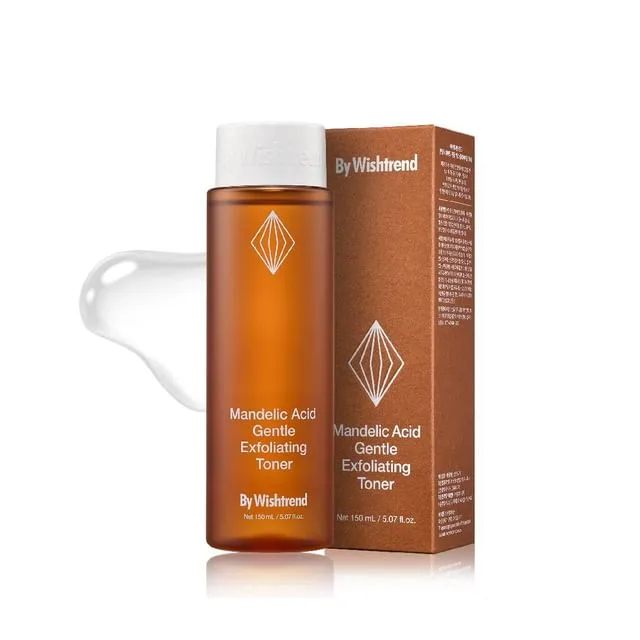 Sensitive Skin AHA Pick
 Mandelic Acid 5% Skin Prep Water
The mandelic acid prep water that quietly converted half of K-beauty Reddit away from glycolic — and for good reason. It delivers visible texture and PIH improvement at 5% without the sting or pigment risk that derails sensitive and darker skin, and it does so for around twenty bucks.
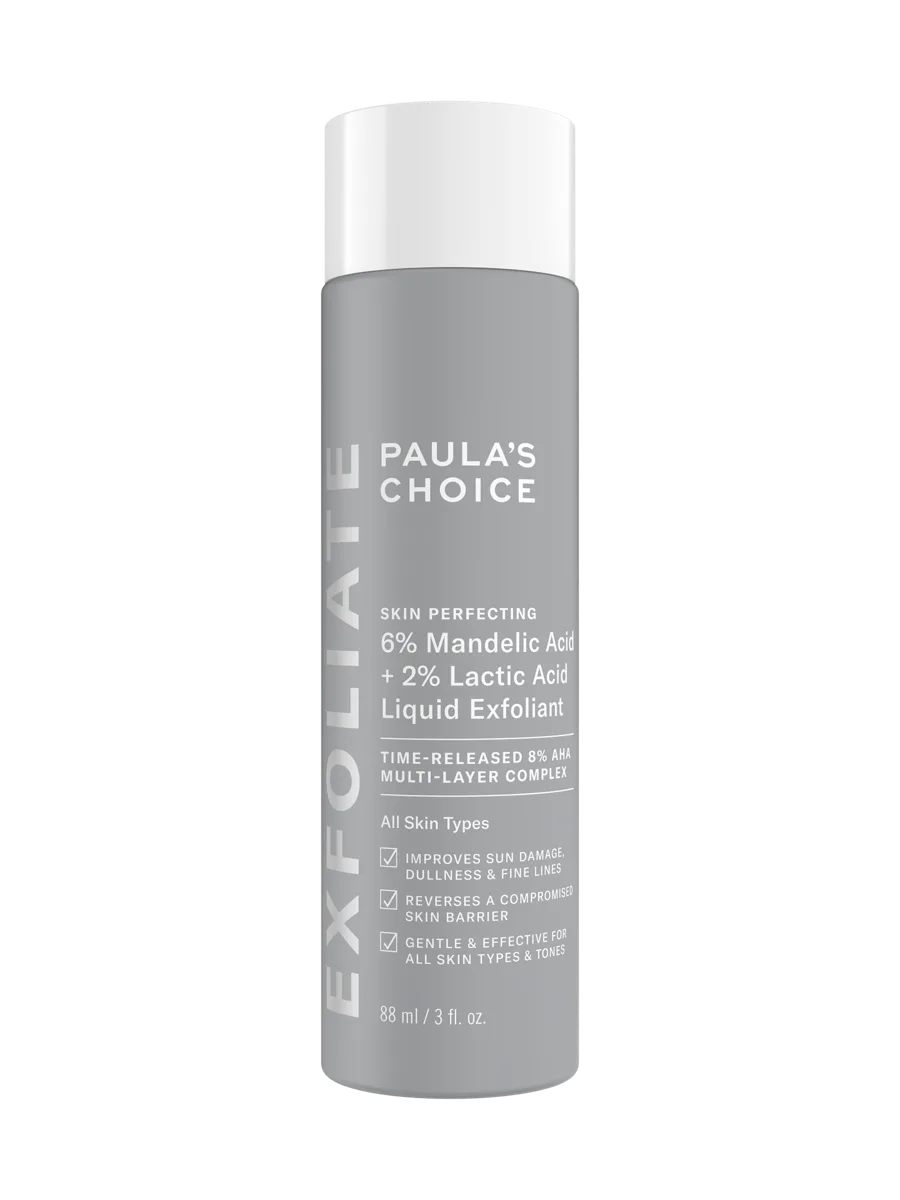 Gentle Glow Specialist
 Skin Perfecting 6% Mandelic Acid + 2% Lactic Acid Liquid Exfoliant
The exfoliant that finally treats sensitive and melanin-rich skin as the design priority rather than an afterthought. With a 4.8-star rating and 660+ reviews, this mandelic-lactic formula proves that gentleness and efficacy aren't mutually exclusive — it just requires smarter acid selection.
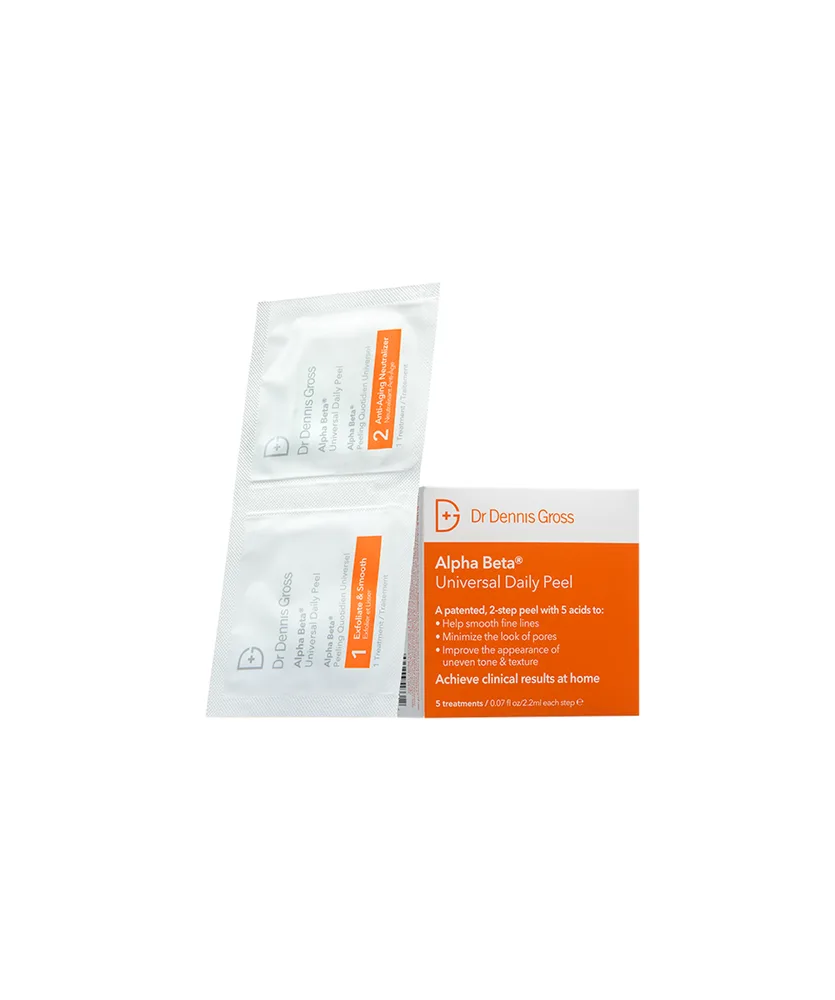 The Original At-Home Peel
 Alpha Beta Universal Daily Peel
The product that invented the at-home daily peel category in 2002 and still sits at the top of it. The five-acid Step 1 and retinol-antioxidant Step 2 deliver genuine resurfacing and anti-aging in a single five-minute routine. Expensive, but the results and track record justify the reputation.
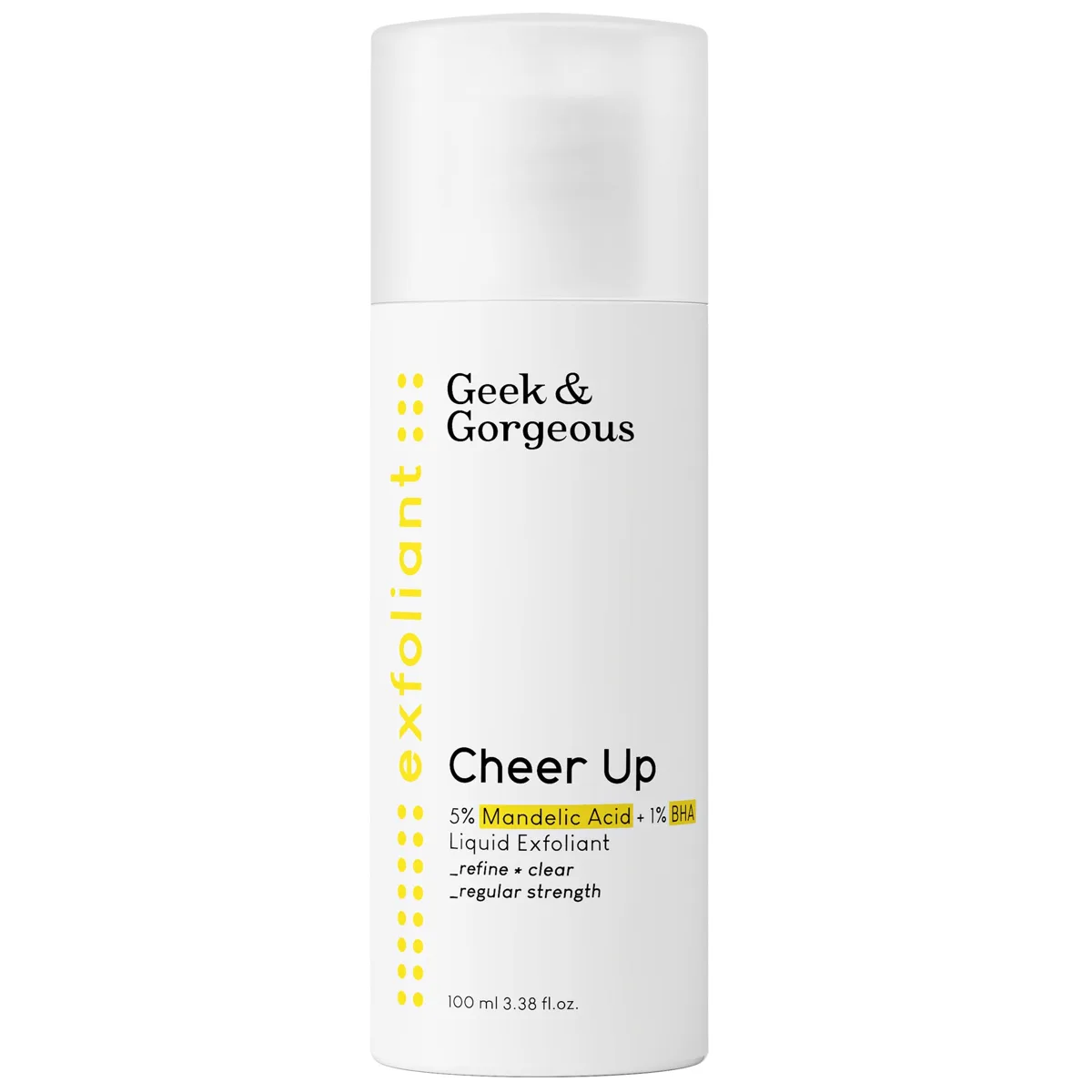 Beginner Exfoliant Pick
 Cheer Up 5% Mandelic + 1% Salicylic Exfoliant
A thoughtfully formulated beginner AHA/BHA exfoliant that uses mandelic acid — the gentlest mainstream AHA — in combination with low-strength salicylic, plus a sugar-humectant complex for comfort. At 100mL for around $12, the value is excellent, and the formulation choices reflect the kind of cosmetic-chemist thinking that separates this brand from typical indie exfoliants. Ideal for exfoliant newcomers and sensitive skin.
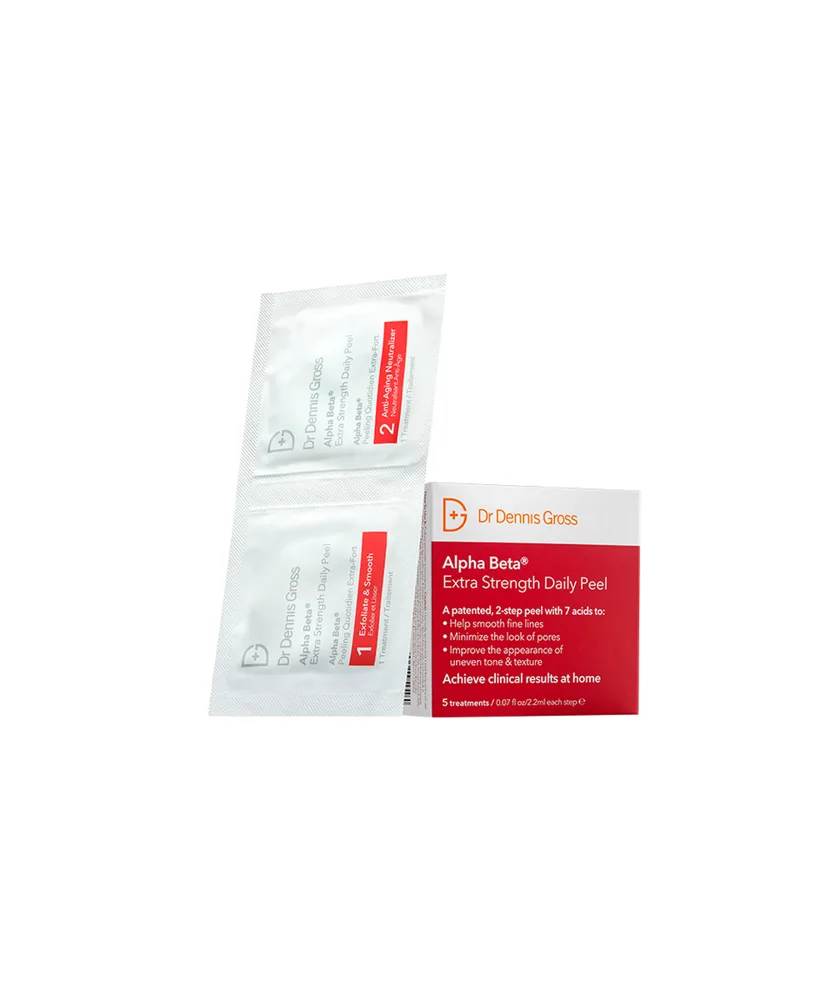 At-Home Peel Benchmark
 Alpha Beta Extra Strength Daily Peel
The harder-hitting version of the at-home peel that started the category. Step 1 delivers a serious five-acid blend and Step 2 follows with retinol and antioxidants, making this a combined resurfacing and anti-aging treatment in a single five-minute routine. Expensive but genuinely effective for experienced exfoliant users.
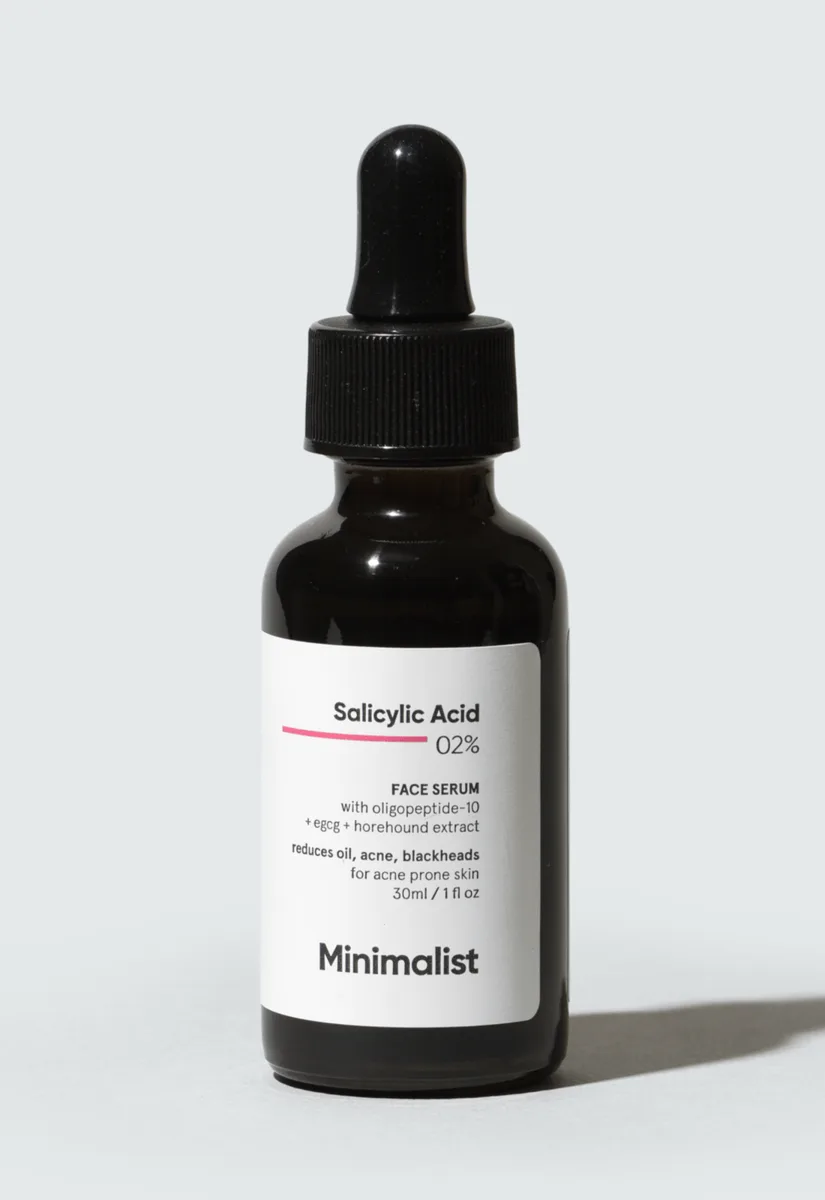 Pharma-Grade Budget BHA
 2% Salicylic Acid Face Serum
A pharma-grade 2% BHA serum at pH 3.75, built around Merck's RonaCare salicylic acid and flanked by Marrubium Vulgare, EGCG glucoside, and Oligopeptide-10 — a supporting cast most budget salicylic serums do not bother with. At ₹599 for 30ml, it is one of the best acne serums on the Indian market and genuinely competitive with the prestige alternatives.