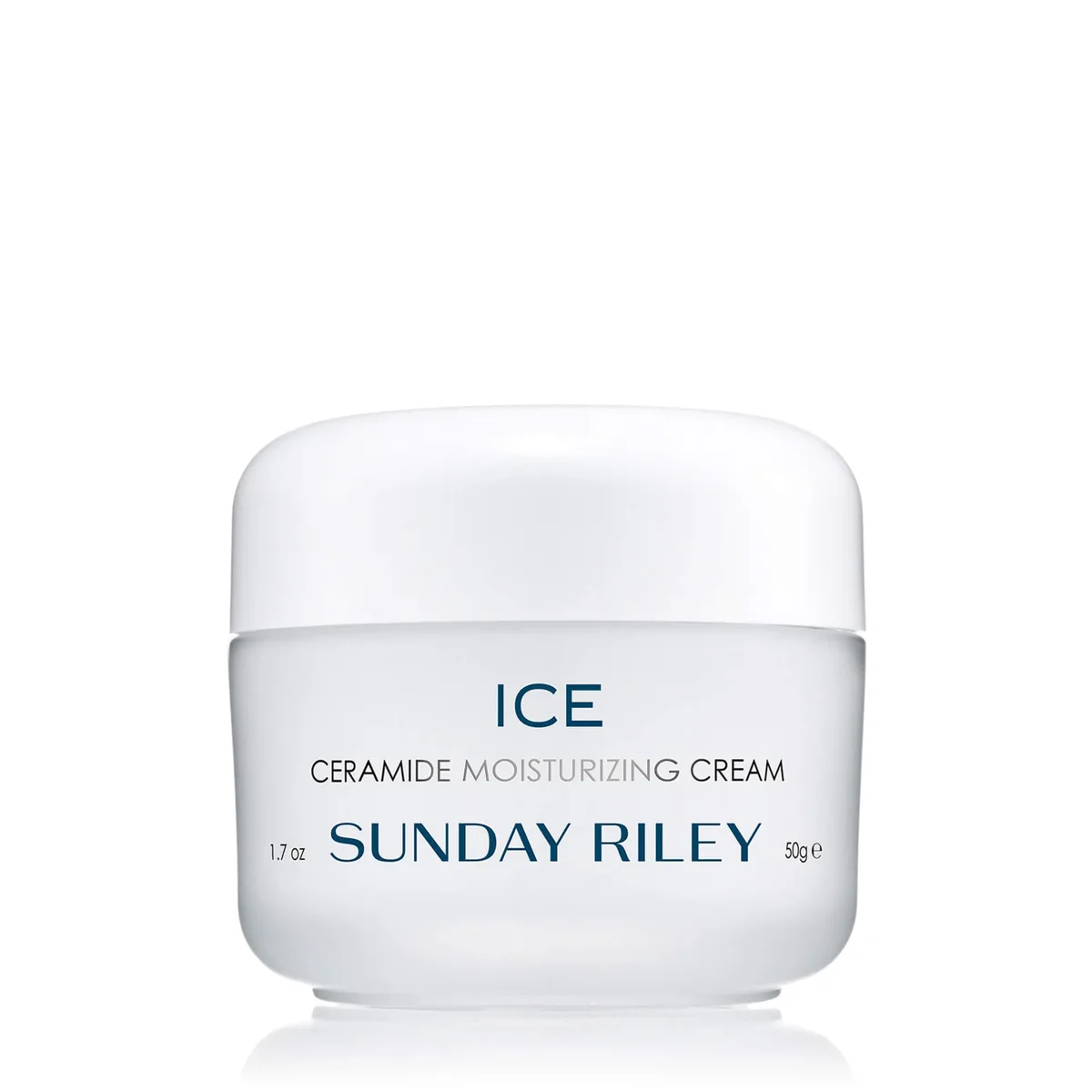
A scientifically thoughtful ceramide-cholesterol-phytosphingosine barrier cream dressed in prestige packaging and priced accordingly. The lipid architecture is genuinely impressive, but the inclusion of fragrant essential oils and a $65 price tag in a market where pharmacy brands deliver comparable ceramide science make this a harder sell than it should be.
Ice Ceramide Moisturizing Cream
A scientifically thoughtful ceramide-cholesterol-phytosphingosine barrier cream dressed in prestige packaging and priced accordingly. The lipid architecture is genuinely impressive, but the inclusion of fragrant essential oils and a $65 price tag in a market where pharmacy brands deliver comparable ceramide science make this a harder sell than it should be.
Score Breakdown
Where this product gains points and where it loses them — broken down across the four scoring pillars.
A well-constructed ceramide-cholesterol-phytosphingosine barrier repair system with quality lipids, undermined by the inclusion of fragrant essential oils (cinnamon, rose) that increase sensitization risk, and a price point that's difficult to justify when pharmacy brands offer comparable or superior ceramide formulations at a fraction of the cost.
Pros & Cons
- ✓Physiological ceramide-cholesterol-phytosphingosine trio mimics the skin's natural lipid architecture
- ✓Squalane-rich base provides substantial skin-identical emollient hydration
- ✓Free-form essential fatty acids (linoleic and linolenic) address barrier-compromised skin deficiencies
- ✓Deeply nourishing texture delivers meaningful relief for genuinely dry and dehydrated skin
- ✓B Corporation certified, Leaping Bunny approved, made in the USA
- ✓Excellent companion cream for buffering retinol irritation at night
- ✓A small amount covers the full face, extending the jar's lifespan
- ✗Contains sensitizing essential oils (cinnamon cassia, rose) that contradict its barrier-repair positioning
- ✗Priced at $65 for ceramide science available at pharmacy-brand prices
- ✗Dense, waxy texture requires warming and technique for even application
- ✗Contains lanolin alcohol, ruling out vegan status and posing allergen risk for some
- ✗Strong herbal scent is polarizing and may deter fragrance-sensitive users
- ✗Several potentially comedogenic ingredients (red algae, coconut extract) limit suitability for acne-prone skin
Full Review
There is an uncomfortable truth lurking at the heart of Sunday Riley's Ice Ceramide Moisturizing Cream: the science it's built on was designed to be affordable. The ceramide-cholesterol-fatty acid model of barrier repair was developed through decades of research specifically to create accessible treatments for conditions like eczema and xerosis. It was never meant to be exclusive. And yet here it is, in a beautiful ice-blue glass jar, asking $65 for the privilege.
That price needs to earn its keep, and the formula does make a credible argument — to a point. Ice contains three ceramides (NP, EOP, and AP) alongside cholesterol and phytosphingosine, forming the physiological lipid trio that research has consistently shown to be more effective at barrier repair than ceramides alone. This is not a superficial ceramide dusting; it's a deliberate reconstruction of the stratum corneum's lamellar lipid architecture. The ratio matters, and the inclusion of all three components suggests the formulators understand the science they're working with.
The supporting cast reinforces this impression. Squalane sits third in the INCI list, providing a substantial skin-identical emollient backbone. Free-form linoleic and linolenic acids — what the brand calls "Vitamin F" — supply the essential fatty acids that compromised skin demonstrably lacks. Pomegranate sterols add plant-derived structural lipids. Sodium hyaluronate contributes humectant hydration. Red algae extract, the second ingredient by concentration, functions as a water-binding gel matrix. On paper, this is a well-architected barrier repair system.
The texture tells you exactly what kind of product this is before you even apply it. Ice is dense. Thick. Almost waxy in the jar — the kind of cream that makes your finger push back slightly when you scoop it. This isn't a lightweight gel-cream trying to be invisible. It's a proper rich moisturizer that announces its intentions. Warming it between your fingertips transforms the texture from resistant to silky, and it spreads surprisingly well once you learn the technique. But that initial learning curve — the moment where you're trying to smear what feels like cold butter across your cheek — is the reason several reviewers describe application as "difficult."
Once on the skin, the cream absorbs more gracefully than you'd expect from its thick consistency. The finish is satin-to-dewy, leaving skin that looks fed and calm rather than greasy. For genuinely dry skin — the kind that drinks product and still feels tight by noon — this cream provides meaningful, lasting relief. The barrier-repair effect builds over the first two weeks, and users with compromised barriers from retinoid use, over-exfoliation, or winter climate report a noticeable reduction in tightness, flaking, and sensitivity.
But here is where the formula starts to undermine itself. Rosa Damascena Flower Oil and Cinnamomum Cassia Leaf Oil are in the ingredient list. Cinnamon cassia oil. In a barrier repair cream. For a product positioned as a soothing, healing moisturizer for compromised skin, the inclusion of a known sensitizer that contains cinnamal — one of the most common fragrance allergens — is a puzzling choice. Rosa damascena is less aggressive but still carries sensitization potential through its linalool and geraniol content. Add vanilla and anise extracts, and you have a formula that talks the science of gentle barrier repair while incorporating ingredients that dermatologists routinely tell patients to avoid when their barrier is compromised.
The scent these oils produce is divisive. Some users describe it as herbal and pleasant, spa-like. Others find it sharp, earthy, and off-putting. It fades within minutes, but first impressions matter, and the scent has been enough to turn some users away permanently. More importantly, the sensitization risk from essential oils is cumulative — the irritation may not appear on day one but can develop over weeks or months of use, precisely when you'd otherwise be building trust in a barrier cream.
Sunday Riley, founded in 2009, has built a respected position in the prestige clean beauty space. The brand is B Corporation certified, Leaping Bunny approved, and makes its products in the United States. These are meaningful credentials. But the brand is not dermatologist-developed, and there's no published clinical data on this specific formulation's barrier repair performance. The science behind the ceramide-cholesterol-phytosphingosine model is well-established; the science behind this particular cream's execution of it is not.
The not-vegan status is worth noting for those who care: lanolin alcohol, derived from sheep's wool, is in the formula. It's an effective emollient with a long history in dermatology, but it rules out vegan certification and is itself a known allergen for approximately 1-3% of dermatitis patients.
At $65 for 1.7 ounces, the value proposition is strained. The ceramide-cholesterol-phytosphingosine approach is not proprietary — pharmacy brands execute this same lipid strategy at a quarter of the price, often without the essential oils that compromise this formula's suitability for truly sensitive or barrier-damaged skin. A 0.5 oz travel size at $22 exists for those who want to test before committing.
What you're really paying for with Ice is the intersection of thoughtful formulation and prestige experience — the weight of the jar, the quality of the squalane base, the botanical complexity. If that experience matters to you and your skin tolerates the essential oils, this is a genuinely effective moisturizer. But if you're reaching for a ceramide cream because your barrier is in crisis, the fragrant oils in this formula work against the very goal you're trying to achieve.
Formula
Key Ingredients
The hero actives that drive this product's performance.
| Ingredient | Function | Evidence |
|---|---|---|
| Ceramides NP, EOP, AP | Three skin-identical ceramides that work alongside cholesterol and phytosphingosine in this formula to reconstruct the lamellar lipid structure of the stratum corneum. This ceramide-cholesterol-phytosphingosine trio mirrors the physiological ratio found in healthy skin barrier, making it more than a simple ceramide addition — it's a barrier mimetic system. | well-established |
| Squalane | Positioned third in the INCI list, squalane serves as the primary emollient backbone of this formula. As a hydrogenated, stable form of skin-identical squalene, it integrates into the lipid matrix without disrupting the ceramide-cholesterol architecture, providing a non-comedogenic base that reinforces the barrier while maintaining a non-greasy feel. | well-established |
| Linoleic Acid and Linolenic Acid (Vitamin F) | Essential fatty acids that the skin cannot synthesize on its own, included here as free-form lipids rather than locked in a carrier oil. Linoleic acid is particularly relevant for compromised barriers — research shows that acne-prone and barrier-damaged skin is often deficient in linoleic acid, and topical supplementation helps restore normal desquamation and reduce transepidermal water loss. | well-established |
| Phytosphingosine | A sphingoid base that is the precursor to ceramide synthesis in skin. In this formula, it completes the three-component lipid system (ceramides + cholesterol + phytosphingosine) that research has shown to be more effective at barrier repair than any single component alone. Also possesses antimicrobial properties that help maintain skin microbiome balance. | well-established |
| Sodium Hyaluronate | Provides humectant hydration that complements the occlusive lipid strategy of the ceramides and squalane. While the lipids prevent water loss from the outside, sodium hyaluronate draws and binds water from the dermis and environment, creating a dual-mechanism hydration approach in this single cream. | well-established |
| Cholesterol | The third pillar of the physiological lipid trio alongside ceramides and phytosphingosine. Cholesterol is essential for proper lamellar body formation and barrier homeostasis — studies show that ceramide-only formulations are less effective at barrier repair than those containing the full ceramide-cholesterol-fatty acid ratio. | well-established |
Full INCI List
Water/Eau/Aqua, Chondrus Crispus (Red Algae) Extract, Squalane, C13-15 Alkane, Glycerin, Helianthus Annuus (Sunflower) Seed Wax, Lanolin Alcohol, Tri(Polyglyceryl-3/Lauryl) Hydrogenated Trilinoleate, Cocos Nucifera (Coconut) Fruit Extract, Ceramide NP, Ceramide EOP, Ceramide AP, Sodium Hyaluronate, Linoleic Acid, Oleic Acid, Palmitic Acid, Linolenic Acid, Prunus Amygdalus Dulcis (Sweet Almond) Fruit Extract, Fructooligosaccharides, Beta Vulgaris (Beet) Root Extract, Shea Butter Ethyl Esters, Prunus Armeniaca (Apricot) Fruit Extract, Pimpinella Anisum (Anise) Fruit Extract, Rubus Idaeus (Raspberry) Fruit Extract, Vanilla Planifolia Fruit Extract, Cucumis Melo (Melon) Fruit Extract, Punica Granatum Sterols, Rosa Damascena Flower Oil, Ananas Sativus (Pineapple) Fruit Extract, Cinnamomum Cassia Leaf Oil, Ricinus Communis (Castor) Seed Oil, Rhus Verniciflua Peel Wax, Sodium Lauroyl Lactylate, Sodium Polyacryloyldimethyl Taurate, Triethyl Citrate, Tapioca Starch, Sodium Benzoate, Potassium Sorbate, Sodium Phytate, Magnesium Stearate, Magnesium Aspartate, Pentylene Glycol, Tocopherol, Phytosphingosine, Cholesterol, Lithothamnion Calcareum Extract, Zinc Gluconate, Stearic Acid, Copper Gluconate, Phenoxyethanol, Polymethylsilsesquioxane, Xanthan Gum, Carbomer, Ascorbyl Palmitate, Pentaerythrityl Tetra-Di-T-Butyl Hydroxyhydrocinnamate, Benzotriazolyl Dodecyl P-Cresol
Product Flags
✗ Fragrance Free✓ Alcohol Free✗ Oil Free✗ Silicone Free✓ Paraben Free✓ Sulfate Free✓ Cruelty Free✗ Vegan✗ Fungal Acne Safe
Comedogenic Ingredients
Chondrus Crispus (Red Algae) ExtractCocos Nucifera (Coconut) Fruit Extract
Potential Irritants
Rosa Damascena Flower OilCinnamomum Cassia Leaf OilPimpinella Anisum Fruit ExtractVanilla Planifolia Fruit Extract
Common Allergens
Lanolin AlcoholRosa Damascena Flower OilCinnamomum Cassia Leaf OilPrunus Amygdalus Dulcis (Sweet Almond) Fruit Extract
Compatibility
Skin Match
Best For
Works For
Not Ideal For
Addresses These Conditions
dryness dehydration compromised skin barrier winter skin dullness
Use With Caution
Avoid With
Routine Step
moisturizer
Time of Day
AM & PM
Pregnancy Safe
Yes ✓
Layering Tips
Apply after water-based serums (hyaluronic acid, niacinamide) as the occlusive moisturizer step. A pea-to-nickel-sized amount is sufficient for the full face. In the AM, follow with sunscreen. At night, can be the final step or topped with a thin occlusive layer for extreme dryness. Warm the cream between fingertips before applying for easier spreadability.
Results Timeline
Immediate improvement in skin feel — softness and reduced tightness from the first application. Noticeable hydration and plumpness within 2-3 days. Meaningful barrier repair and reduction in transepidermal water loss over 2-4 weeks of consistent use. Full benefits for compromised or winter-dry skin at 4-6 weeks.
Pairs Well With
retinol serumshyaluronic acid serumsvitamin C serumsniacinamide serumsgentle cleanserssunscreen
Conflicts With
high-concentration AHA/BHA exfoliants (layering caution due to essential oils)other products containing essential oils (cumulative sensitization risk)
Sample AM Routine
- Gentle cleanser
- Hyaluronic acid serum
- Sunday Riley Ice Ceramide Moisturizing Cream
- Sunscreen
Sample PM Routine
- Gentle cleanser
- Retinol or treatment serum
- Sunday Riley Ice Ceramide Moisturizing Cream
Evidence
Who Should Skip
- Contains sensitizing essential oils (cinnamon cassia, rose) that contradict its barrier-repair positioning
- Priced at $65 for ceramide science available at pharmacy-brand prices
- Dense, waxy texture requires warming and technique for even application
- Contains lanolin alcohol, ruling out vegan status and posing allergen risk for some
Science & Expert Perspective
The Science
The barrier-repair model underlying this formula is among the most well-validated concepts in dermatology. The stratum corneum's intercellular lipid matrix consists primarily of ceramides, cholesterol, and free fatty acids in an approximately equimolar ratio. Research by Elias and colleagues established that all three components must be present in physiological ratios for effective barrier repair — formulations missing any one component can actually delay barrier recovery.
This cream includes ceramides NP, EOP, and AP alongside cholesterol and phytosphingosine (a sphingoid base that serves as a ceramide precursor). A landmark study by Chamlin et al. in the Journal of Investigative Dermatology (2002) demonstrated that a ceramide-dominant lipid mixture in a physiological ratio accelerated barrier repair in atopic dermatitis patients significantly more than petrolatum alone. The three-component approach has since been validated across multiple conditions including xerosis, contact dermatitis, and post-procedure barrier compromise.
The free-form linoleic acid in the formula addresses a specific deficiency documented in barrier-damaged skin. Elias et al. demonstrated that essential fatty acid deficiency impairs lamellar body formation and barrier function, while topical linoleic acid supplementation can partially normalize these processes. Linoleic acid also modulates sebum composition — a 1998 study in the British Journal of Dermatology by Letawe et al. showed that topical linoleic acid reduced sebum oleic acid ratios in acne patients, correlating with comedone reduction.
Phytosphingosine, beyond its role as a ceramide precursor, has demonstrated antimicrobial activity against Propionibacterium acnes and Staphylococcus aureus. A 2008 study by Pavicic et al. in Dermatology showed that phytosphingosine-containing formulations reduced inflammatory acne lesions, suggesting this ingredient contributes beyond pure barrier repair.
References
- Ceramide-dominant barrier repair lipids alleviate childhood atopic dermatitis: changes in barrier function provide a sensitive indicator of disease activity — Journal of the American Academy of Dermatology (2002)
- Effect of linoleic acid on comedones — British Journal of Dermatology (1998)
- Efficacy and tolerability of topical phytosphingosine in the treatment of acne vulgaris — Dermatology (2008)
Dermatologist Perspective
Board-certified dermatologists widely endorse the ceramide-cholesterol-fatty acid approach to barrier repair, as it directly addresses the lipid depletion underlying conditions from eczema to retinoid dermatitis. The three-component lipid system in this cream aligns with what dermatologists consider the gold standard for barrier-mimetic formulations. However, dermatologists would likely raise concern about the essential oil inclusions — cinnamon cassia oil and rose oil are flagged sensitizers in dermatological patch testing panels, and their presence in a product marketed for compromised skin creates a contradiction. For patients with active barrier damage, most dermatologists would recommend fragrance-free ceramide formulations. That said, for dry skin without sensitization issues, the lipid architecture of this cream is dermatologically sound.
Guidance
Usage Guide
How to Use
Scoop a pea-to-nickel-sized amount using the provided spatula. Warm the cream between your fingertips for several seconds to soften the waxy texture. Press and pat into the skin rather than dragging, focusing on areas of dryness or barrier compromise. Apply after water-based serums (hyaluronic acid, niacinamide, vitamin C) as the moisturizer step. In the AM, follow with sunscreen. At night, this can be the final step; for extremely dry skin, a thin layer of occlusive (petrolatum or sleeping mask) over the top intensifies the barrier seal.
Value Assessment
At $65 for 1.7 oz, this is a premium-priced ceramide cream in a market where the underlying science has been thoroughly commoditized. A 0.5 oz travel size at $22 provides a lower-risk entry point. The cream does last 3-4 months with typical twice-daily use, bringing the daily cost to roughly $0.54-0.72. The ceramide-cholesterol-phytosphingosine formulation is genuinely more sophisticated than many competitors, but Sunday Riley's indie brand heritage — without clinical research backing its specific products — makes the price harder to justify. You're paying for formulation thoughtfulness, B Corp certification, and the prestige experience. Whether that premium is worthwhile depends on whether fragrance-free pharmacy alternatives meet your skin's needs at a quarter the cost.
Who Should Buy
Those with dry to normal skin seeking a rich, well-formulated barrier cream with prestige ingredients and ethical certifications. Particularly suited for retinol users who need a protective moisturizer to buffer irritation, and for cold-weather skin that needs intensive lipid replenishment.
Who Should Skip
Anyone with sensitive, reactive, or genuinely compromised skin should be cautious of the essential oils (cinnamon, rose) in this formula — the very audience this cream seems designed for may be most at risk for irritation. Oily or acne-prone skin types should avoid due to several comedogenic ingredients. Budget-conscious consumers can find equivalent ceramide-cholesterol science at pharmacy-brand prices.
Ready to try Sunday Riley Ice Ceramide Moisturizing Cream?
Details
Details
Texture
Rich, dense, buttery cream that appears thick and waxy in the jar but melts upon skin contact. Requires warming between fingertips before application for easier spreadability. Despite the heavy initial consistency, it absorbs relatively well without feeling overly greasy.
Scent
Noticeable herbal, earthy scent from the natural essential oils — primarily rose, cinnamon cassia, and vanilla. The scent is polarizing: some find it pleasant and spa-like, others describe it as sharp and medicinal. It fades within a few minutes of application.
Packaging
Heavy glass jar in Sunday Riley's signature ice-blue color with a screw-top lid. Comes with a plastic spatula for hygienic dispensing. The packaging is aesthetically premium but the jar format exposes the product to air with each use. Available in a 1.7 oz standard size and 0.5 oz travel size.
Finish
satindewy
What to Expect on First Use
On first application, the cream feels surprisingly dense — almost waxy. Warming it between your fingers softens it considerably. Once applied, it absorbs within a minute or two, leaving skin immediately softer and more supple. The herbal scent is most noticeable during application and fades quickly. No tingling or irritation expected for most users, though those sensitive to essential oils may notice mild warmth from the cinnamon cassia oil. The hydration effect is apparent from the first use.
How Long It Lasts
3-4 months with twice-daily use on face and neck
Period After Opening
12 months
Best Season
fall winter
Certifications
Leaping Bunny CertifiedPETA Cruelty-FreeCertified B CorporationPlastic Neutral
Background
The Why
Sunday Riley launched the Ice Ceramide Moisturizing Cream in 2020 as a straightforward barrier-repair product — a deliberate departure from the brand's more complex, active-heavy offerings like Good Genes and Luna. The 'Ice' name references the cooling, soothing effect the cream aims to provide for compromised skin. It represents the brand's acknowledgment that sometimes the most sophisticated thing a product can do is simply restore what the skin has lost.
About Sunday Riley Established Brand (5–20 years)
Sunday Riley was founded in 2009 in Houston, Texas, by its namesake founder. The brand holds Leaping Bunny cruelty-free certification and B Corporation status. While well-regarded in the prestige clean beauty space and available at Sephora and Nordstrom, Sunday Riley is not dermatologist-developed and has limited peer-reviewed research supporting its specific formulations.
Brand founded: 2009 · Product launched: 2020
Myth vs. Reality
Myths & Misconceptions
Myth
More expensive ceramide creams contain better or more ceramides than drugstore options.
Reality
Ceramides NP, EOP, and AP are the same molecules regardless of price point. What differs is the supporting formulation — this cream pairs them with cholesterol and phytosphingosine in a physiological ratio, but similar formulations exist at lower price points.
Myth
Natural essential oils in skincare are always safer than synthetic fragrance.
Reality
Essential oils like the cinnamon cassia and rose oils in this cream contain potent allergens (cinnamal, citronellol, geraniol) that cause contact dermatitis at rates comparable to or higher than many synthetic fragrance components. 'Natural' does not mean 'non-sensitizing.'
FAQ
Frequently Asked Questions
Is Sunday Riley Ice worth the price compared to drugstore ceramide creams?
The formula is well-constructed with a physiological ceramide-cholesterol-phytosphingosine trio and free-form essential fatty acids. However, pharmacy brands offer comparable ceramide-cholesterol formulations at a fraction of the price. The premium here reflects brand positioning, packaging, and the inclusion of botanical extracts and essential oils — not necessarily superior ceramide delivery.
Can I use Sunday Riley Ice with retinol?
Yes, and it's actually an excellent pairing. The ceramide-cholesterol-phytosphingosine system in this cream helps repair the barrier disruption that retinol can cause. Apply your retinol serum first, wait a few minutes, then layer this cream on top as a protective, hydrating seal.
Is Sunday Riley Ice safe during pregnancy?
Yes. Sunday Riley includes this product in their pregnancy-safe collection. It contains no retinoids, salicylic acid, or other ingredients commonly avoided during pregnancy. The essential oils are present at low concentrations considered safe for topical use during pregnancy.
Why does Sunday Riley Ice feel so thick and waxy?
The dense texture comes from the sunflower seed wax, lanolin alcohol, and ceramide-lipid complex that give this cream its barrier-mimetic properties. Warming a small amount between your fingertips before application transforms the texture from waxy to silky and makes it much easier to spread evenly.
Is Sunday Riley Ice fragrance-free?
No. While it doesn't contain synthetic fragrance, the formula includes Rosa Damascena Flower Oil, Cinnamomum Cassia Leaf Oil, and Vanilla Planifolia Fruit Extract — all naturally fragrant ingredients that can trigger sensitization. Those with fragrance sensitivities or reactive skin should patch test or consider fragrance-free ceramide alternatives.
Will Sunday Riley Ice clog my pores?
The formula contains several ingredients flagged as potentially comedogenic, including red algae extract (the second ingredient) and coconut fruit extract. While the ceramides and squalane themselves are non-comedogenic, this cream is best suited for dry to normal skin. Those prone to breakouts or milia should proceed with caution.
Is Sunday Riley Ice vegan?
No. The formula contains Lanolin Alcohol, which is derived from sheep's wool. Sunday Riley states that most of their products are vegan, but this particular cream is not. It is, however, cruelty-free with Leaping Bunny certification.
Community
Community Voices
Common Praise
"Rich, buttery texture that feels deeply nourishing without excessive heaviness"
"Leaves skin noticeably soft, plump, and hydrated after just a few uses"
"Excellent for combating winter dryness and indoor heating dehydration"
"A little product goes a long way, extending the value of the jar"
"Works beautifully as a barrier-repair cream alongside retinol use"
Common Complaints
"Waxy, pasty consistency can be difficult to spread evenly on the skin"
"Strong herbal scent from essential oils that some users find unpleasant"
"Overpriced at $65 for a ceramide moisturizer with basic active ingredients"
"Can feel sticky or leave a rubbery film if overapplied"
"May cause milia formation, especially when used around the eye area"
Notable Endorsements
Featured by beauty expert Caroline HironsB Corporation certified brandLeaping Bunny and PETA cruelty-free certified
Appears In
best moisturizer for dryness best ceramide moisturizer best moisturizer for compromised skin barrier best moisturizer for winter skin
Related Conditions
dryness dehydration compromised skin barrier winter skin dullness
Related Ingredients
ceramides squalane cholesterol phytosphingosine hyaluronic acid
You Might Also Like
 Budget Holy Grail
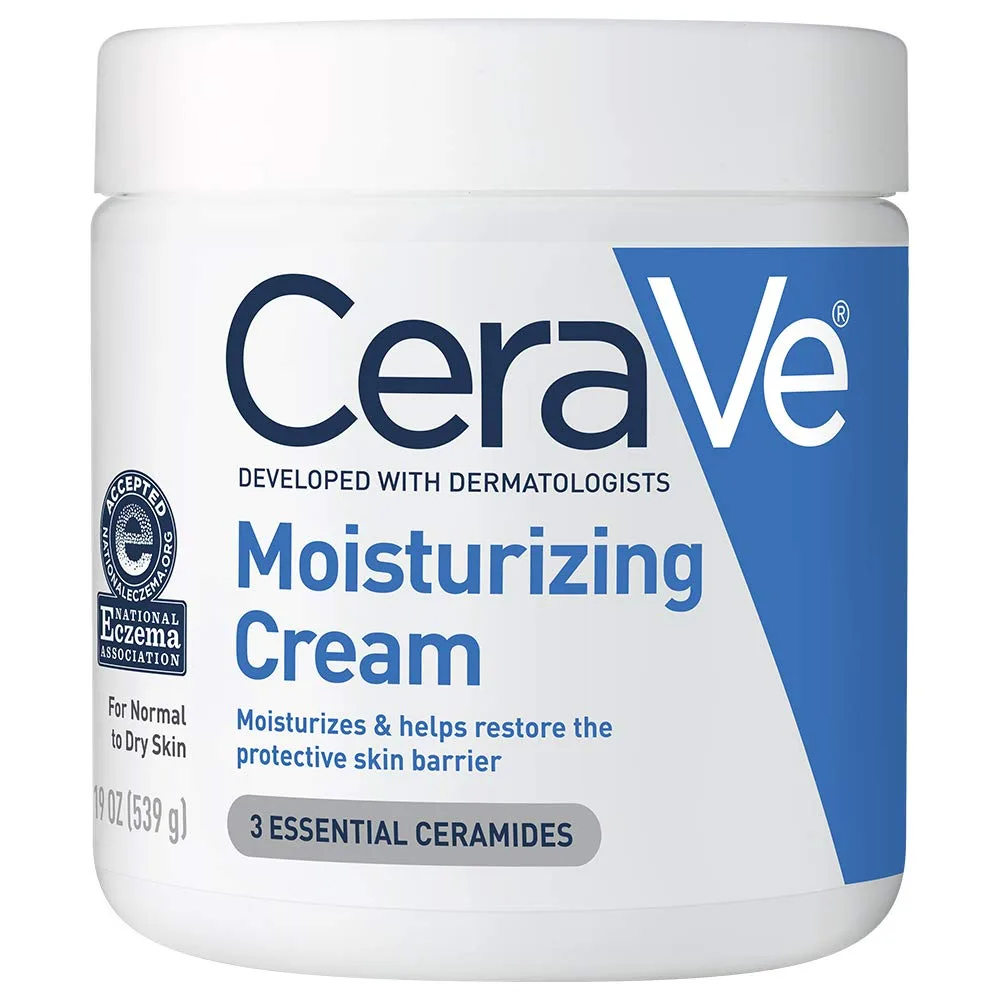
 Moisturizing Cream
The CeraVe Moisturizing Cream is the most important moisturizer in the drugstore — a ceramide-rich, dermatologist-developed formula that delivers barrier repair, multi-humectant hydration, and occlusive protection at a price so accessible it has no real excuse not to be in every household. Twenty-one years of consistent performance and universal dermatologist approval speak louder than any ingredient list.
 Barrier Repair Pioneer
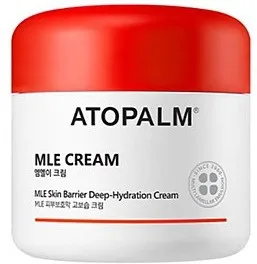
 MLE Cream
Atopalm MLE Cream is one of the genuinely scientifically anchored barrier moisturizers in K-beauty — a fragrance-free, pseudo-ceramide cream built around a patented liquid-crystal lipid structure that mimics the skin's own intercellular matrix. For eczema, atopic skin, post-procedure recovery, or anyone with a stinging compromised barrier, it's one of the most reliably effective moisturizers in the entire category.
 K-Beauty Barrier Repair Staple
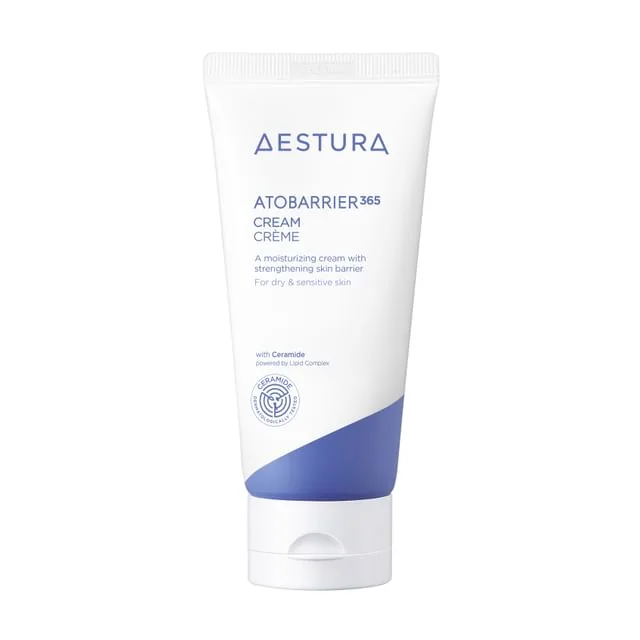
 Atobarrier 365 Cream
A Korean pharmacy cream that earns its cult following the hard way — with a lamellar lipid structure that actually rebuilds the barrier, not just coats it. If your skin has been through a rough winter, a retinoid ramp-up, or a bad reaction, this is the jar that quietly puts it back together.
 Korean Derm Clinic Recovery Pick
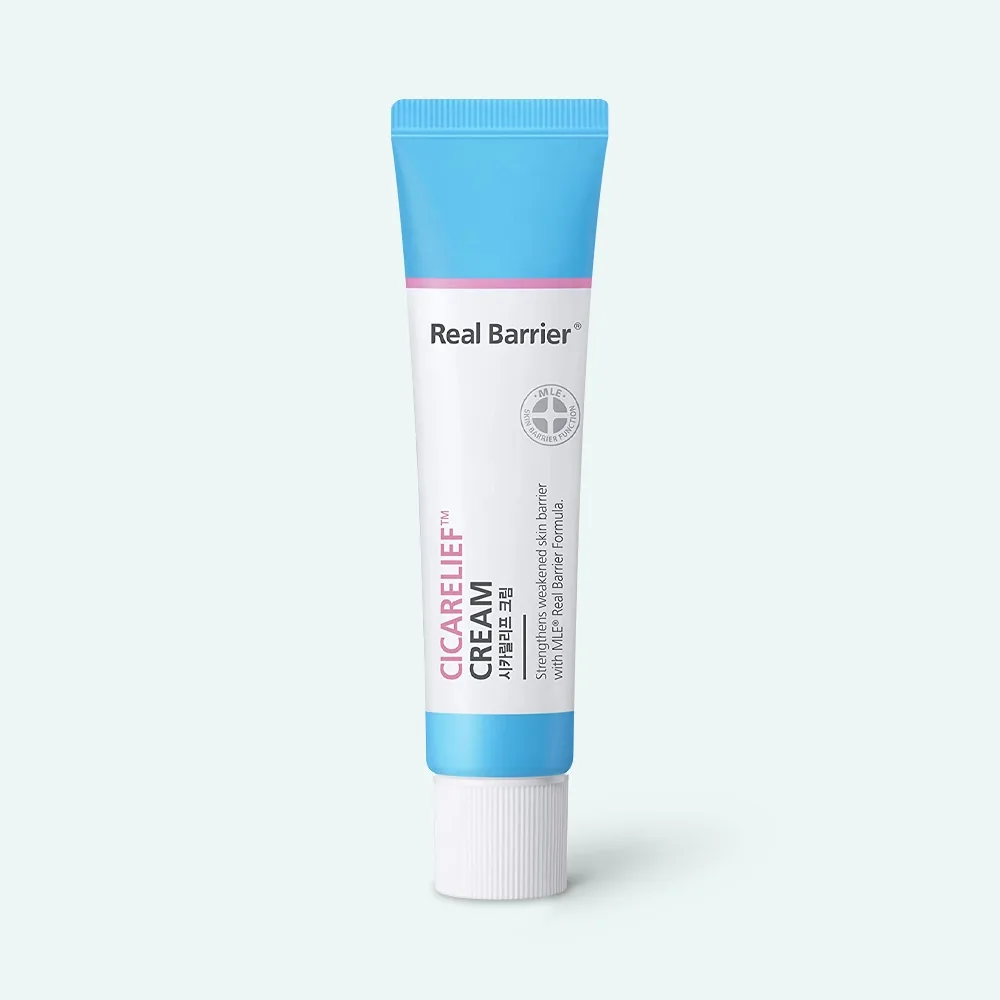
 Real Barrier Cicarelief Cream
One of the best consumer cica creams on the market, combining the full spectrum of centella actives with NeoPharm's MLE ceramide delivery and multiple complementary calming ingredients. Ideal for compromised, reactive, rosacea-prone, or recovering skin, and a staple in Korean dermatology clinic protocols. Minor limitations on packaging, but the formulation is genuinely excellent.
 Transparent 10% Panthenol Cream
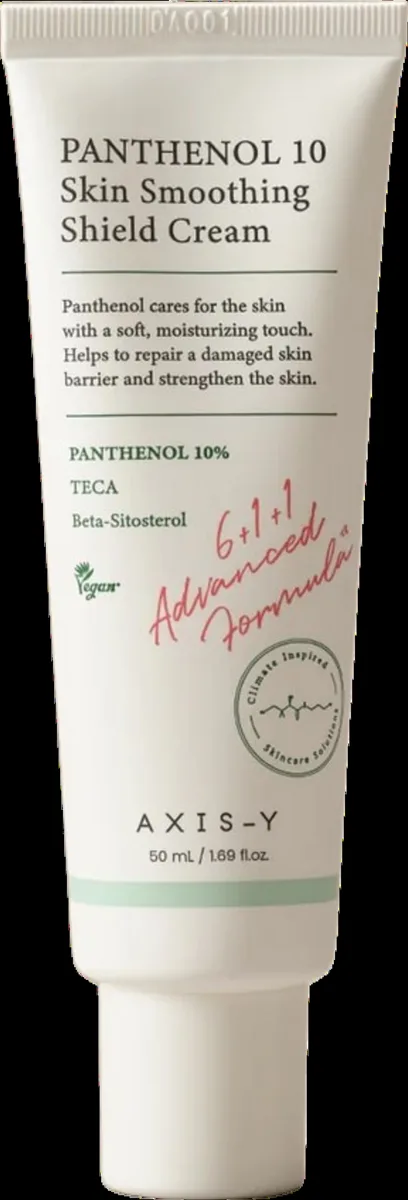
 Panthenol 10 Skin Smoothing Shield Cream
A disclosed 10% panthenol barrier cream built around a full physiological ceramide trio, a centella calming cast, and a modest shea butter occlusive. Fragrance-free, cross-season, and unusually transparent about its hero active — one of the brand's strongest moisturizer formulations.
 K-Beauty Icon
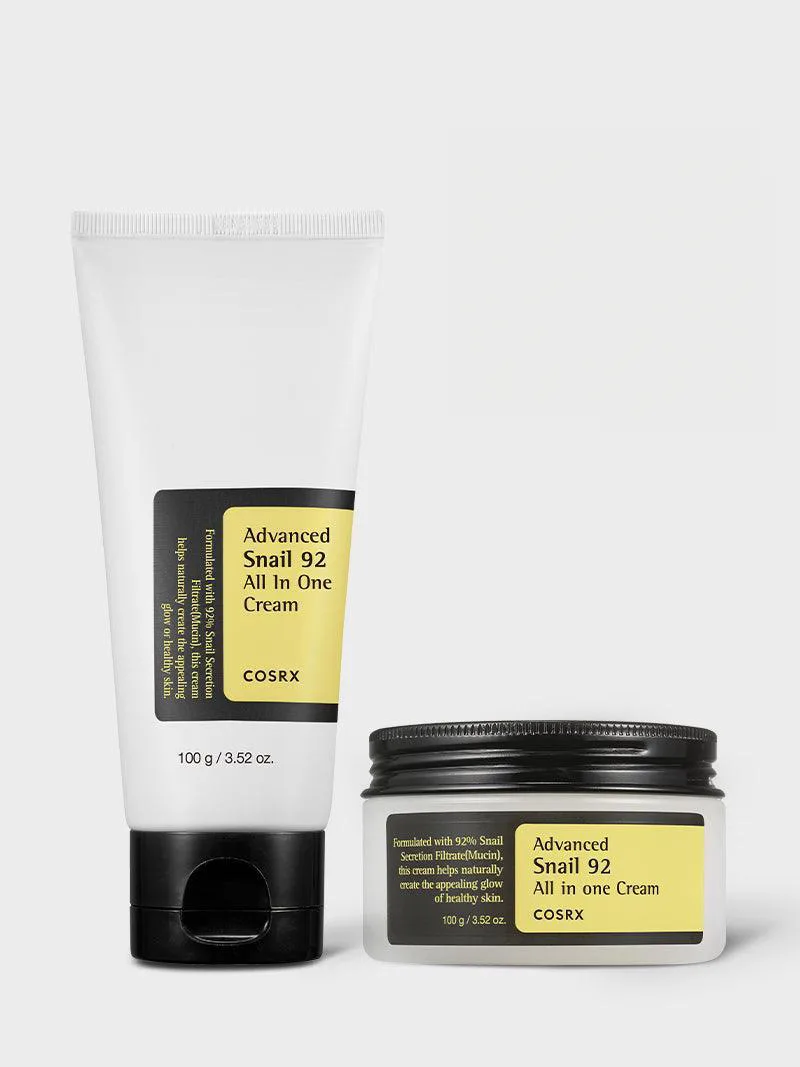
 Advanced Snail 92 All in One Cream
The cream that helped prove snail mucin to the world — and a decade later, it still deserves the reputation. At 92% snail secretion filtrate in a fragrance-free, gentle gel-cream, it delivers hydration, soothing, and gradual skin improvement across virtually every skin type. The texture takes getting used to, but 13 million sold units and 25,000+ reviews suggest most people manage.
This review reflects our independent analysis of publicly available ingredient data, manufacturer claims, and verified user reviews. We are reader-supported — Amazon links may earn us a commission at no cost to you. We do not accept paid placements; rankings are based solely on the evidence.