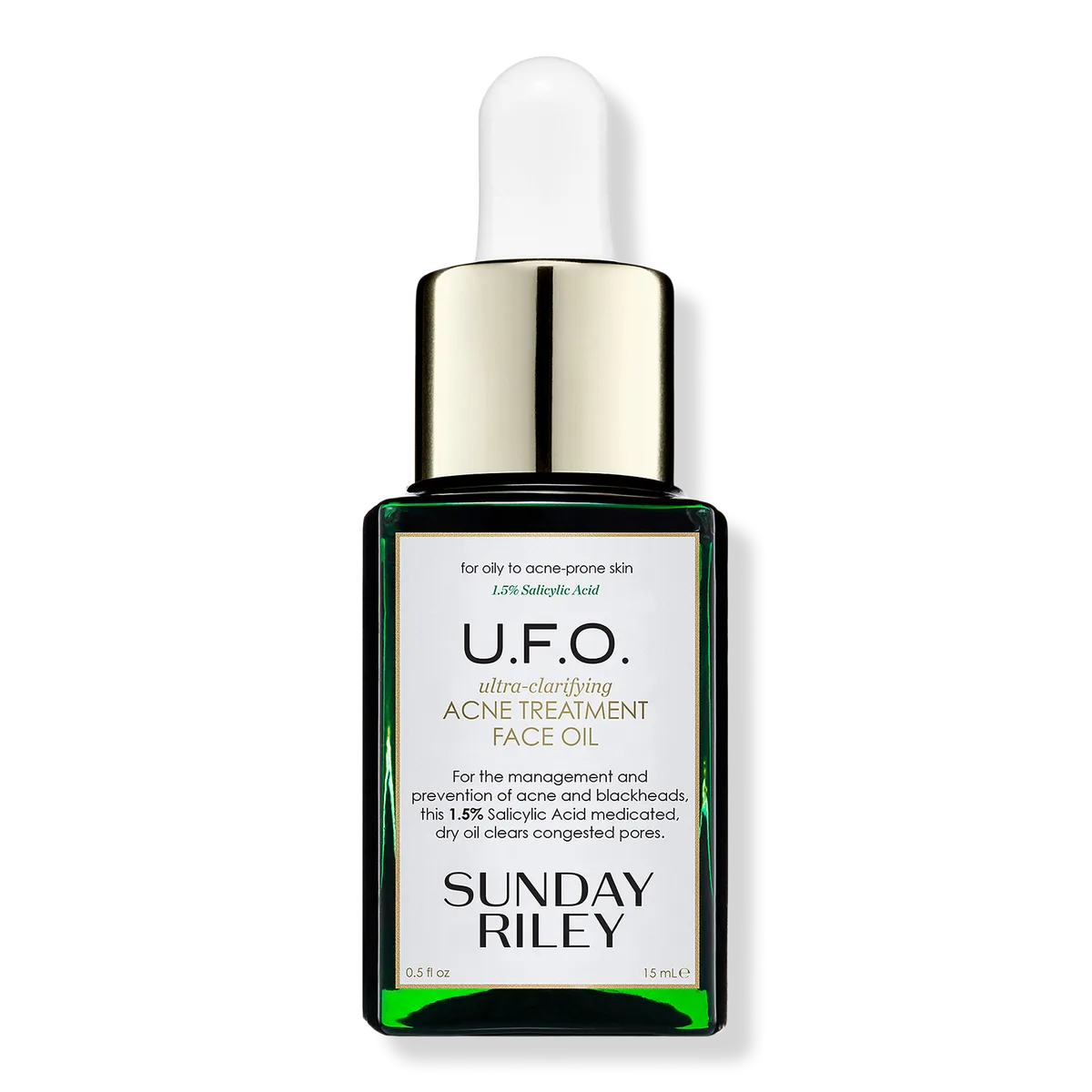
U.F.O. is a genuinely innovative acne treatment that rethinks how salicylic acid should be delivered — but at $80 for a modest 1.5% BHA concentration, the creative formulation philosophy costs significantly more than the conventional alternatives it aims to outperform.
UFO Ultra-Clarifying Acne Treatment Face Oil
U.F.O. is a genuinely innovative acne treatment that rethinks how salicylic acid should be delivered — but at $80 for a modest 1.5% BHA concentration, the creative formulation philosophy costs significantly more than the conventional alternatives it aims to outperform.
Score Breakdown
Where this product gains points and where it loses them — broken down across the four scoring pillars.
A creative formulation that delivers salicylic acid through an oil-based vehicle with thoughtful brightening and anti-inflammatory support, but the high price for a modest BHA concentration and the botanical fragrance components limit its overall appeal.
Pros & Cons
- ✓Innovative oil-based BHA delivery allows salicylic acid to penetrate sebum more naturally
- ✓Linoleic acid-rich seed oils address the fatty acid imbalance in acne-prone sebum
- ✓Hexylresorcinol and licorice root tackle post-acne dark spots alongside active breakouts
- ✓Absorbs remarkably quickly for an oil — no greasy residue on oily skin
- ✓FDA-registered OTC drug with regulatory-backed salicylic acid active ingredient
- ✓Silicone-free, alcohol-free formula that treats without stripping the barrier
- ✗Very expensive at $80 for a 1.5% salicylic acid treatment — lower concentration than many cheaper options
- ✗Intensely polarizing medicinal-herbal scent that some users find genuinely nauseating
- ✗Not potent enough as a standalone treatment for moderate to severe acne
- ✗Initial purging phase can last 1-3 weeks, discouraging new users
- ✗Oil format requires a mental shift that many acne sufferers resist on principle
Full Review
There was a time, not so long ago, when telling someone with acne to put oil on their face was like suggesting they fight fire with gasoline. The beauty industry had spent decades building an 'oil-free' orthodoxy, and any product that dared put oil and acne in the same sentence was treated with deep suspicion. Sunday Riley launched U.F.O. in 2016 and deliberately detonated that assumption.
The thesis behind U.F.O. is grounded in actual lipid science, which makes it more interesting than most prestige skincare marketing. Research published in the Journal of Investigative Dermatology established that acne-prone skin produces sebum with a different fatty acid profile than non-acne skin — specifically, it is relatively deficient in linoleic acid and elevated in oleic acid. This imbalance contributes to harder, stickier sebum that is more likely to clog pores. The logical intervention, then, is not to strip oil away but to supplement with the right kind of oil. U.F.O.'s base of milk thistle, black cumin, cucumber, and flaxseed oils are all high in linoleic acid, theoretically helping to normalize sebum composition from the outside in.
The salicylic acid at 1.5% is the FDA-recognized active ingredient, and its delivery through an oil matrix is the formulation's party trick. Traditional BHA products dissolve salicylic acid in water or alcohol-based vehicles, which then need to penetrate through the sebum plug to reach the pore lining. Salicylic acid is oil-soluble by nature, so delivering it in oil means it can move through the lipid-rich sebum environment without resistance. Whether this translates to meaningfully better pore penetration than a good water-based 2% BHA product is debatable, but the logic is sound and the approach is distinctive.
Beyond the acid and the oils, U.F.O. includes hexylresorcinol, a brightening agent that has shown impressive tyrosinase inhibition in studies — reportedly up to four times more effective than hydroquinone at equivalent concentrations. For acne sufferers, this is a clever inclusion. The pimple itself is often just the beginning of the problem; the post-inflammatory hyperpigmentation that follows can linger for months. Having a brightening agent built into the acne treatment means you are addressing both the cause and the aftermath in a single step.
The sensory experience is where U.F.O. demands commitment. The green color — a natural result of the chlorophyll-rich seed oils — is visually striking but ultimately harmless, disappearing once blended into the skin. The scent is another matter entirely. It is strong, herbal, medicinal, and polarizing in a way that goes beyond typical fragrance preferences. Some users describe it as earthy and spa-like. Others report genuine nausea. The chamomile, neem, and bitter orange flower oils contribute to a complex aromatic profile that hits you immediately upon opening the bottle and lingers through application. It fades within minutes, but those minutes can feel long if the scent does not agree with you.
Texture is genuinely impressive. Despite being an oil, U.F.O. absorbs remarkably fast and leaves a matte-to-satin finish that does not feel greasy or heavy. This is partly due to the diisopropyl sebacate, a dry-touch emollient that gives the formula its weightless feel, and partly because the seed oils used are naturally lighter than the oleic acid-heavy oils (like olive or coconut) that give face oils their greasy reputation. Oily skin types — the very people this product is designed for — tend to be pleasantly surprised by how non-oily it feels.
Performance is steady rather than dramatic. U.F.O. does not deliver the instant gratification of a peel or the overnight impact of a concentrated benzoyl peroxide treatment. Instead, it works gradually over weeks — blackheads slowly clear, surface texture smooths, inflammatory breakouts become less frequent. The brightening effect on dark marks is a welcome bonus that becomes noticeable around the four to six week mark. Some users report initial purging, which is expected with any BHA product and typically resolves within three weeks.
The price is the unavoidable sticking point. At $80 for 1.18 ounces, U.F.O. costs significantly more than highly effective 2% BHA treatments that are available for a fraction of the price. The 1.5% salicylic acid concentration is actually lower than many competitors, and while the oil-based delivery may offer some penetration advantages, there is no clinical trial comparing U.F.O.'s efficacy to a standard aqueous 2% BHA. What you are paying for is the linoleic acid-rich seed oil base, the hexylresorcinol brightening, the licorice root, and the overall formulation philosophy — which is genuinely more thoughtful than most BHA products, but whether it is four-to-five times more thoughtful is a personal calculation.
U.F.O. remains one of the more intellectually interesting acne products on the market. It took a counterintuitive premise, backed it with actual science, and delivered it in a formula that feels unlike anything else in the category. For someone who has tried conventional BHA products and found them either too drying or insufficient, U.F.O. offers a genuinely different approach. For someone who just needs their pores cleared and their budget intact, the conventional options remain hard to beat.
Formula
Key Ingredients
The hero actives that drive this product's performance.
| Ingredient | Function | Evidence |
|---|---|---|
| Salicylic Acid (1.5%) (1.5%) | The FDA-recognized active ingredient in this OTC acne treatment. Unlike most salicylic acid products that use a water-based vehicle, this formula dissolves the BHA directly into a seed oil matrix. This oil-soluble delivery allows salicylic acid to penetrate sebum-filled pores more effectively, as it does not need to cross an oil-water interface to reach its target — making the 1.5% concentration potentially more bioavailable than the same percentage in a typical gel or toner. | well-established |
| Black Cumin Seed Oil (Nigella Sativa) | Rich in thymoquinone, a compound with documented anti-inflammatory and antimicrobial properties. In this formula, black cumin seed oil supports the salicylic acid's acne-fighting action while providing essential fatty acids that help maintain the skin barrier — counteracting the potential drying effects of the BHA. | promising |
| Milk Thistle Seed Oil (Silybum Marianum) | Listed first among inactive ingredients, milk thistle seed oil serves as the primary carrier in this formula. Rich in linoleic acid — a fatty acid that acne-prone skin is often deficient in — it helps rebalance the sebum composition. Silymarin, its key antioxidant compound, also provides anti-inflammatory support to inflamed breakout areas. | promising |
| Hexylresorcinol | A potent brightening agent that inhibits tyrosinase up to four times more effectively than hydroquinone in some studies. In this acne treatment, it specifically targets the post-inflammatory hyperpigmentation that follows breakouts — addressing the dark marks that often persist long after the pimple itself has resolved. | promising |
| Licorice Root Extract (Glycyrrhiza Glabra) | Provides anti-inflammatory and brightening support through glabridin, which inhibits melanin production. In this formula, it works alongside hexylresorcinol to create a dual-pathway approach to preventing and fading acne-related dark spots while soothing the irritation that salicylic acid can cause. | well-established |
Full INCI List
Active Ingredient: Salicylic Acid 1.5%. Inactive Ingredients: Silybum Marianum (Milk Thistle) Seed Oil, Nigella Sativa (Black Cumin) Seed Oil, Cucumis Sativus (Cucumber) Seed Oil, Punica Granatum (Pomegranate) Seed Oil, Diisopropyl Sebacate, Vaccinium Macrocarpon (Cranberry) Seed Oil, Dimethyl Isosorbide, Linum Usitatissimum (Flax) Seed Oil, Caprylic/Capric Triglyceride, Glycyrrhiza Glabra (Licorice) Root Extract, Prunus Armeniaca (Apricot) Kernel Oil, Hexylresorcinol, Ethyl Linoleate, Melia Azadirachta Leaf Extract, Chamomilla Recutita (Matricaria) Flower Oil, Citrus Aurantium Amara (Bitter Orange) Flower Oil, Melia Azadirachta (Neem) Flower Extract, Helianthus Annuus (Sunflower) Seed Oil, 4-Terpineol, Linalool, Coccinia Indica Fruit Extract, Limonene, Solanum Melongena (Eggplant) Fruit Extract, Amber Powder, Curcuma Longa (Turmeric) Root Extract, Ocimum Sanctum Leaf Extract, Aloe Barbadensis (Aloe) Flower Extract, Corallina Officinalis Extract, Rosmarinus Officinalis (Rosemary) Leaf Extract
Product Flags
✗ Fragrance Free✓ Alcohol Free✗ Oil Free✓ Silicone Free✓ Paraben Free✓ Sulfate Free✓ Cruelty Free✓ Vegan✗ Fungal Acne Safe
Potential Irritants
Salicylic AcidChamomilla Recutita Flower OilCitrus Aurantium Amara Flower OilLinaloolLimonene
Common Allergens
LinaloolLimoneneChamomile Flower OilBitter Orange Flower Oil
Compatibility
Skin Match
Best For
Works For
Not Ideal For
Addresses These Conditions
acne blackheads oiliness dark spots texture
Use With Caution
Avoid With
eczema compromised skin barrier
Routine Step
treatment
Time of Day
PM
Pregnancy Safe
No ✗
Layering Tips
Apply 2-3 drops to clean, dry skin after cleansing and before moisturizer. Can be mixed into moisturizer if skin is reactive. As a dry oil, it absorbs faster than traditional oils but still layers best under water-based products rather than over them. Avoid combining with other BHA products, retinoids, or AHAs in the same routine to prevent over-exfoliation.
Results Timeline
Blackheads and surface congestion may begin clearing within 1-2 weeks. Inflammatory acne typically shows improvement within 2-4 weeks. Post-acne dark spots may begin fading within 4-6 weeks thanks to the hexylresorcinol and licorice. Full results for overall clarity usually emerge after 6-8 weeks of consistent nightly use.
Pairs Well With
gentle cleanserniacinamidelightweight moisturizerSPF
Conflicts With
other salicylic acid productsretinolAHA treatmentsbenzoyl peroxide
Sample AM Routine
- Gentle cleanser
- Niacinamide serum
- Moisturizer
- SPF 30+
Sample PM Routine
- Oil cleanser
- Water-based cleanser
- THIS PRODUCT (2-3 drops)
- Lightweight moisturizer
Evidence
Science & Expert Perspective
The Science
Salicylic acid (2-hydroxybenzoic acid) is a beta-hydroxy acid with a unique oil-soluble profile that allows it to penetrate the lipid-rich environment of sebum-filled pores. At 1.5%, U.F.O. delivers the BHA at a moderate concentration within the FDA-approved OTC range of 0.5-2%. Salicylic acid's mechanism is well-documented: it dissolves the intercellular cement holding dead corneocytes together within the pore, promoting desquamation of the follicular wall and preventing the formation of microcomedones — the precursors to all acne lesions.
The linoleic acid thesis underpinning U.F.O.'s oil base draws on research by Downing et al. published in the Journal of Investigative Dermatology, which demonstrated that acne-prone individuals have lower proportions of linoleic acid in their sebum compared to non-acne controls. This deficiency correlates with altered sebum viscosity and comedogenicity. The seed oils in U.F.O. — milk thistle (approximately 50-60% linoleic acid), black cumin (approximately 55-60% linoleic acid), and cucumber (approximately 60-68% linoleic acid) — were selected specifically for their high linoleic acid content, aiming to supplement the deficiency topically.
Hexylresorcinol, a lesser-known brightening agent in the formula, has shown potent tyrosinase inhibition. A study published in the Journal of Cosmetic Dermatology by Amer and Metwalli demonstrated that hexylresorcinol inhibits melanin production through multiple mechanisms — direct tyrosinase inhibition, inhibition of DHICA oxidase, and antioxidant activity. Its inclusion in an acne treatment is strategic, as post-inflammatory hyperpigmentation is often the most persistent consequence of acne, particularly in darker skin tones.
Nigella sativa (black cumin) seed oil contains thymoquinone, which has demonstrated anti-inflammatory effects through inhibition of the NF-kB pathway and reduction of pro-inflammatory cytokines. This provides a complementary mechanism to the salicylic acid, addressing the inflammatory component of acne pathogenesis rather than just the comedonal aspect.
References
- The use of sulfur in dermatology — Journal of Drugs in Dermatology (2004)
Dermatologist Perspective
Dermatologists generally view U.F.O. as an interesting conceptual product, though many note that the evidence for oil-based salicylic acid delivery being superior to aqueous formulations remains largely theoretical. Board-certified dermatologists acknowledge the linoleic acid rationale — the sebum composition data is legitimate — but caution that topical application of linoleic acid-rich oils may not meaningfully alter the sebum produced by sebaceous glands deeper in the skin. Dermatologists typically recommend U.F.O. as a supplementary treatment rather than a primary acne intervention, and note that the 1.5% salicylic acid concentration is lower than the 2% typically used in clinical studies demonstrating BHA efficacy.
Guidance
Usage Guide
How to Use
Cleanse and dry your face. Dispense 2-3 drops into your palm or directly onto the face. Gently press and pat into the skin, focusing on acne-prone areas (T-zone, chin, jawline). Use at night — salicylic acid increases photosensitivity. Follow with a lightweight moisturizer if needed. Apply SPF 30+ the following morning. Start every other night for the first two weeks, then increase to nightly. Do not combine with other BHA/AHA products, retinoids, or benzoyl peroxide in the same routine.
Value Assessment
At $80 for 1.18 oz (with a 0.5 oz mini at $40), U.F.O. commands a significant premium in the BHA treatment category. The salicylic acid itself — at 1.5% — is available at higher concentrations in products costing under $15. The value proposition rests on the innovative seed oil delivery system, hexylresorcinol brightening, and the linoleic acid thesis. While these are genuinely differentiated features, no comparative clinical data demonstrates that U.F.O. outperforms conventional BHA products. For Sunday Riley as an established indie brand, the price reflects positioning and formulation philosophy rather than ingredient rarity. The dropper format does allow precise dosing, and at 2-3 drops per night, the bottle lasts 3-4 months.
Who Should Buy
This is ideal for oily and combination skin types with mild to moderate acne, blackheads, and post-acne dark spots who want an oil-based alternative to conventional drying BHA products and are willing to pay a premium for a formulation philosophy grounded in lipid science.
Who Should Skip
Skip this if you have dry or sensitive skin, if you need aggressive acne treatment beyond what a 1.5% BHA can provide, if strong herbal scents trigger nausea or headaches, or if you cannot justify paying $80 for a salicylic acid treatment.
Ready to try Sunday Riley UFO Ultra-Clarifying Acne Treatment Face Oil?
Details
Details
Texture
Lightweight dry oil with a green tint that absorbs quickly and leaves a matte-to-satin finish. Despite being an oil, it does not feel greasy or heavy — more like a very thin, fast-absorbing serum with a slightly slippery initial application.
Scent
Strong medicinal-herbal aroma from the blend of chamomile, neem, and botanical extracts. Divisive — some describe it as earthy and grounding, others find it overwhelming and slightly nauseating. Dissipates within a few minutes of application.
Packaging
Green-tinted glass dropper bottle. The dark glass protects the salicylic acid and botanical oils from light degradation. Dropper allows precise dosing — 2-3 drops is typically sufficient for the full face.
Finish
mattesatinnon-greasy
What to Expect on First Use
The green color can be startling at first but disappears completely once blended into skin. Expect a mild tingling from the salicylic acid, especially on active breakouts. Some users experience purging during the first 1-3 weeks — existing congestion coming to the surface as the BHA accelerates cell turnover in pores. This is normal and should subside.
How Long It Lasts
3-4 months with nightly use of 2-3 drops
Period After Opening
12 months
Best Season
All Year
Certifications
PETA Cruelty-FreeLeaping Bunny CertifiedVeganSephora CleanFDA OTC Drug
Background
The Why
Launched in 2016 as part of Sunday Riley's space-themed product line, U.F.O. was radical for its time — an oil marketed specifically to people with acne. The idea that oil could treat oily, breakout-prone skin seemed counterintuitive, but it was grounded in research showing that acne-prone skin produces sebum deficient in linoleic acid and excess in oleic acid. By supplying linoleic acid-rich botanical oils alongside salicylic acid, U.F.O. aimed to rebalance sebum composition while clearing pores.
About Sunday Riley Established Brand (5–20 years)
Sunday Riley was founded in 2009 and has become a Sephora anchor brand over the past 15+ years. U.F.O. is an FDA-registered OTC drug product with salicylic acid as its active ingredient. The brand is PETA and Leaping Bunny certified cruelty-free, though it faced a 2018 FTC settlement over fake review practices on Sephora.
Brand founded: 2009 · Product launched: 2016
Myth vs. Reality
Myths & Misconceptions
Myth
Putting oil on acne-prone skin will make breakouts worse.
Reality
The seed oils in U.F.O. (milk thistle, black cumin, cucumber) are high in linoleic acid, which research suggests acne-prone skin is deficient in. Supplementing linoleic acid can actually help normalize sebum composition. The salicylic acid simultaneously clears pores. However, this does not mean all oils are acne-safe — oleic acid-heavy oils like coconut or olive can exacerbate breakouts.
Myth
The green color will stain your skin or pillowcase.
Reality
The green tint comes from the natural color of the botanical seed oils and chlorophyll. It disappears completely once the oil is blended into the skin and does not transfer to pillowcases or fabrics.
FAQ
Frequently Asked Questions
Can you really use oil on acne-prone skin?
Yes — but the type of oil matters. U.F.O. uses seed oils high in linoleic acid (milk thistle, black cumin, cucumber), which research suggests acne-prone skin is deficient in. Combined with 1.5% salicylic acid to actively clear pores, the formula rebalances sebum rather than adding to the problem. This is different from comedogenic oils like coconut or mineral oil.
How do you use Sunday Riley UFO oil?
Apply 2-3 drops to clean, dry skin at night after cleansing. Gently press into the face, focusing on breakout-prone areas. Follow with a lightweight moisturizer if needed. The salicylic acid increases sun sensitivity, so always use SPF the following morning. Start with every other night and increase to nightly as tolerated.
Is Sunday Riley UFO safe during pregnancy?
No — U.F.O. contains 1.5% salicylic acid, which is a BHA derived from aspirin (acetylsalicylic acid). While low-concentration topical salicylic acid is considered low-risk by some dermatologists, many OB-GYNs recommend avoiding it during pregnancy. Sunday Riley does not list U.F.O. in their pregnancy-safe collection. Consult your healthcare provider.
Does Sunday Riley UFO cause purging?
Yes, purging is common during the first 1-3 weeks. Salicylic acid accelerates cell turnover inside pores, bringing existing microcomedones to the surface faster than they would naturally emerge. This looks like a temporary increase in small breakouts in your usual acne-prone areas. If breakouts occur in unusual areas or persist beyond 6 weeks, the product may not be right for your skin.
Can you use UFO oil with retinol?
It's best to alternate nights. Both salicylic acid and retinol increase cell turnover and can compound irritation when used together. On U.F.O. nights, skip retinol and vice versa. The seed oils in U.F.O. actually make it a good companion product to have in your rotation — its emollient base helps offset the dryness that retinol can cause on alternate nights.
Community
Community Voices
Common Praise
"Absorbs quickly for an oil — does not leave a greasy residue on oily skin"
"Effectively clears blackheads and surface congestion with consistent use"
"Green color disappears once blended into skin — no staining"
"Helps fade post-acne dark marks alongside clearing active breakouts"
"Oil format is counterintuitively comfortable for acne-prone skin"
Common Complaints
"Very expensive at $80 for 1.18 oz of a 1.5% salicylic acid treatment"
"Strong medicinal-herbal scent is intensely polarizing — some find it nauseating"
"Not effective enough for moderate to severe acne as a standalone treatment"
"Can cause initial purging that discourages new users before results appear"
"Concept of putting oil on acne-prone skin requires a mental leap many users resist"
Notable Endorsements
Sephora Community FavoriteSephora Clean beauty designationFeatured in Very Good Light and multiple beauty publications
Appears In
best treatment for acne best oil for acne best treatment for blackheads best treatment for oiliness
Related Conditions
acne blackheads oiliness dark spots texture
Related Ingredients
You Might Also Like
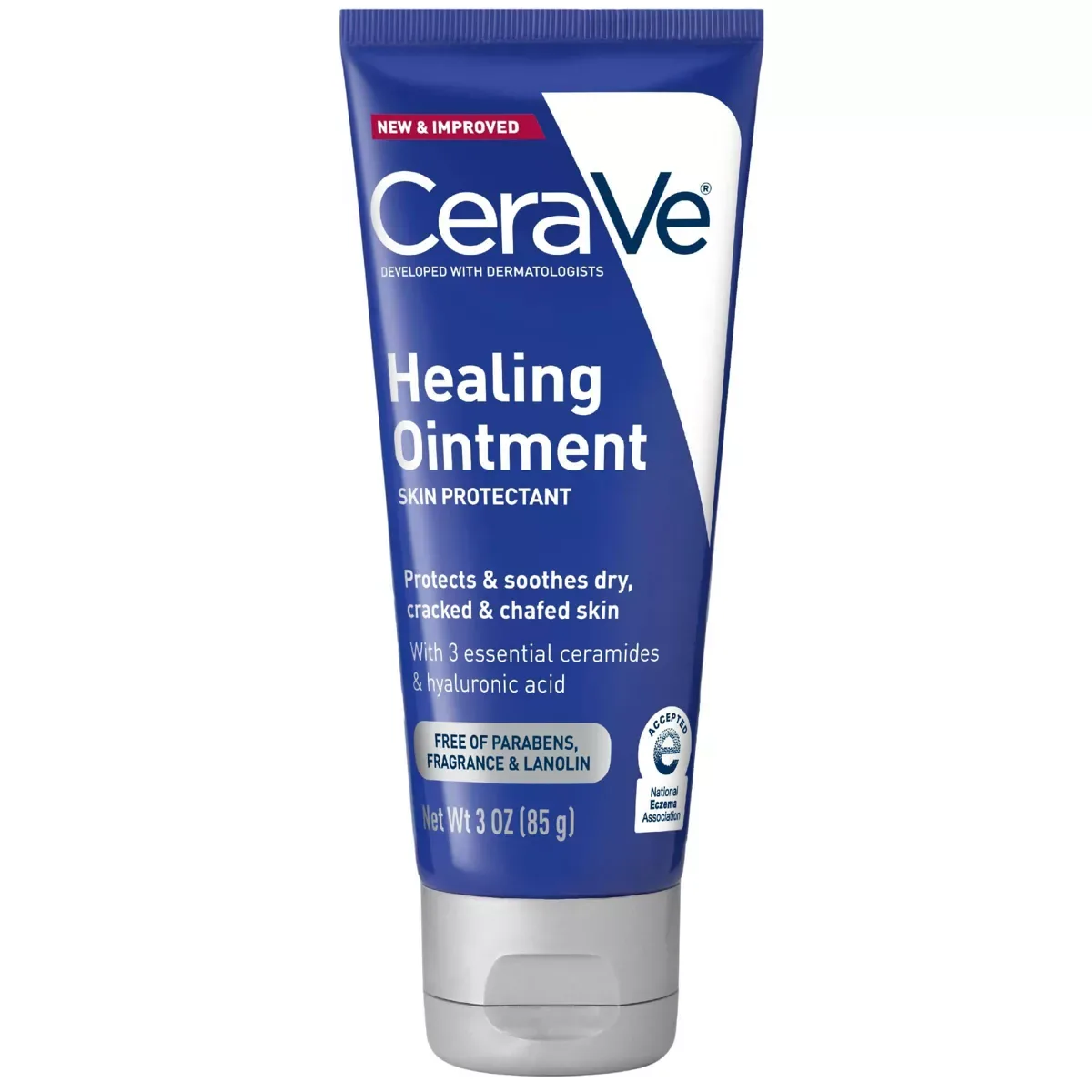 Barrier Rescue Hero
 Healing Ointment
CeraVe's Healing Ointment takes the simplest concept in skincare — seal the skin with petrolatum — and makes it genuinely intelligent by adding ceramides, hyaluronic acid, and panthenol beneath the occlusive layer. It is the gold standard drugstore occlusive for barrier rescue, slugging, and post-procedure care.
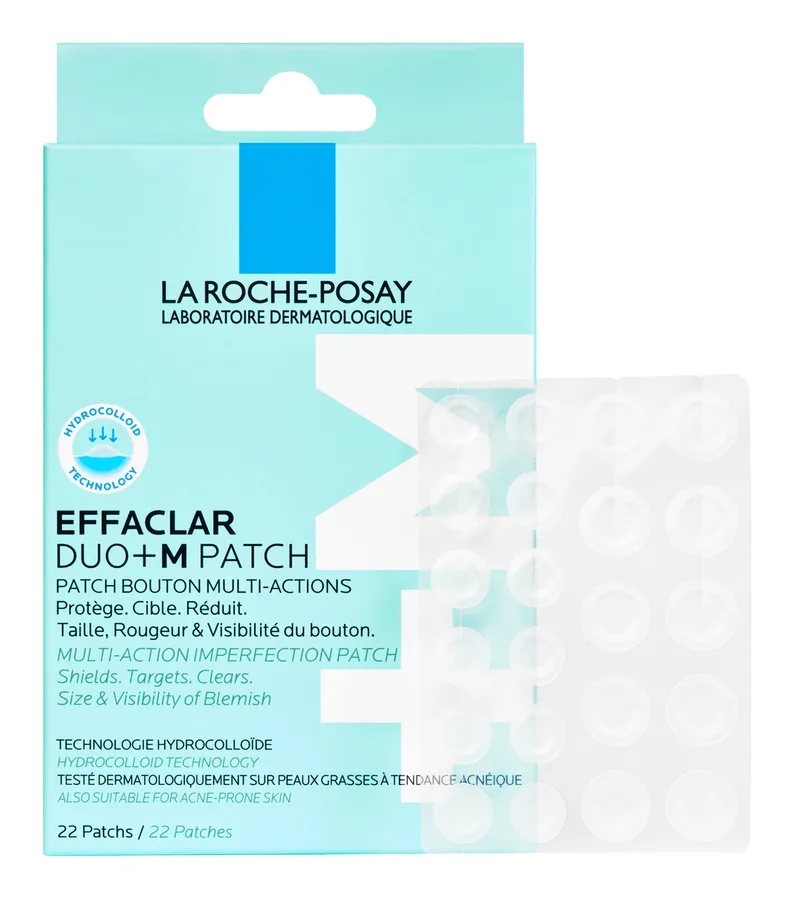 Derm Office Staple
 Effaclar Multi-Target Blemish Patches
One of the few hydrocolloid pimple patches that actually stays on overnight without curling off at 3am. At 420 microns thick with two size options in one pack and zero actives to irritate sensitive skin, this is the Effaclar line's quiet overachiever — and a legitimately good answer for anyone whose acne routine has been sabotaged by thinner patches that refuse to stay put.
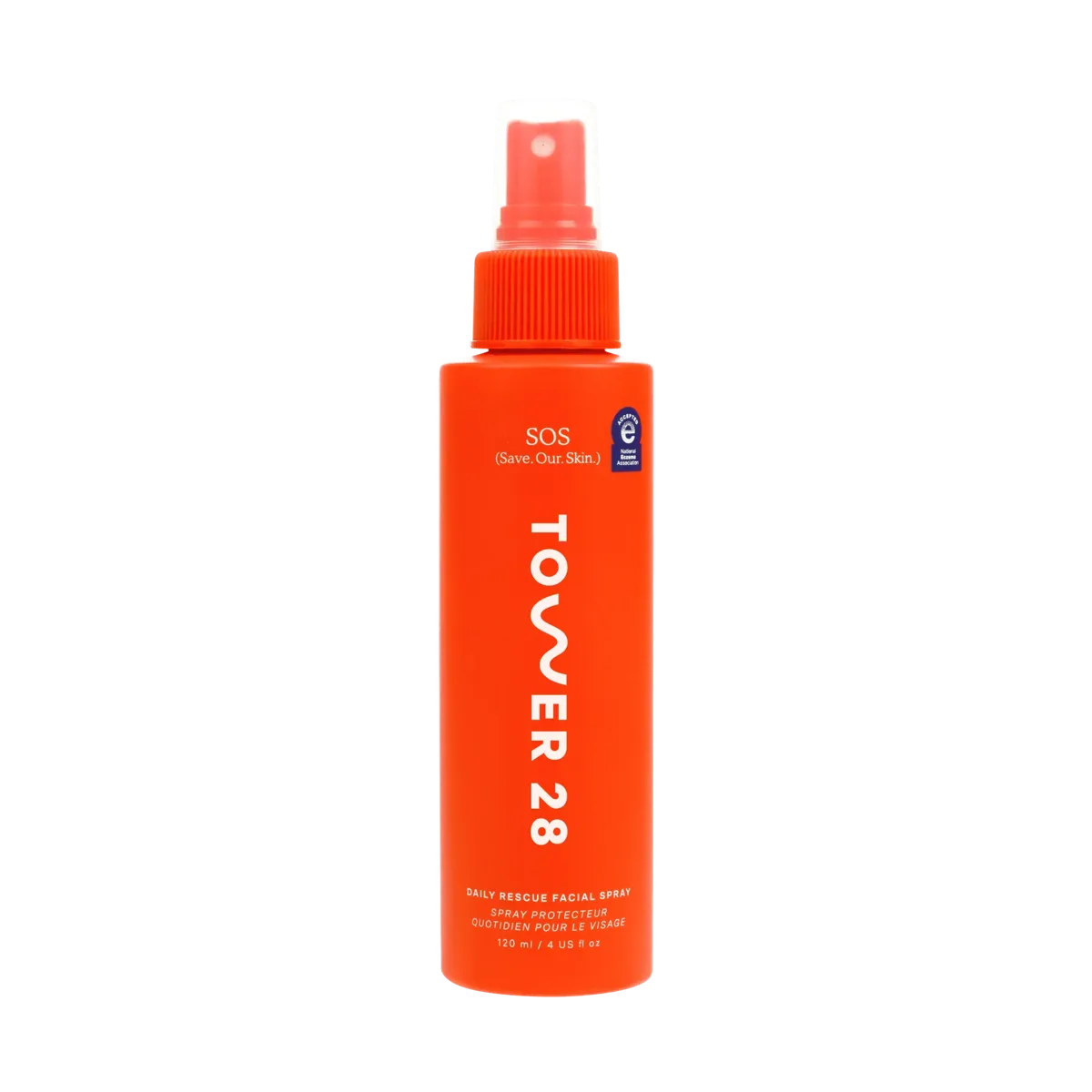 Reactive-Skin Cult Favorite
 SOS Save Our Skin Daily Rescue Facial Spray
The product that single-handedly brought hypochlorous acid into mainstream skincare. A fine-mist HOCl spray with genuine dermatology-organization validation, a near-perfect tolerability profile, and a cult following among people whose skin reacts to everything else. The price runs steeper than medical-grade HOCl, but the stabilization and design are worth the difference for daily use.
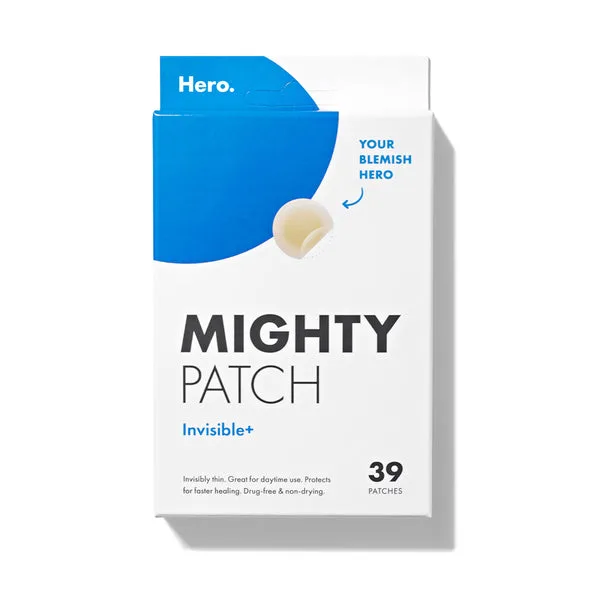
Mighty Patch Invisible+
The pimple patch that proved acne treatment could be invisible — Mighty Patch Invisible+ delivers the same fluid-absorbing hydrocolloid technology as the category-defining Original, but engineered thin enough to disappear under makeup. For daytime blemish management, nothing else comes this close to invisible.
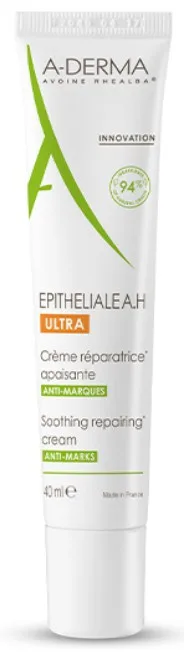 Post-Procedure MVP
 Epitheliale A.H Ultra Repairing Cream
One of the best-formulated French pharmacy repair creams on the market, full stop. Rhealba oat, three-weight HA, madecassoside, trace minerals, panthenol, and shea butter come together in a cream that handles post-procedure skin, eczema flares, friction damage, and compromised barriers with unusual competence for the price.
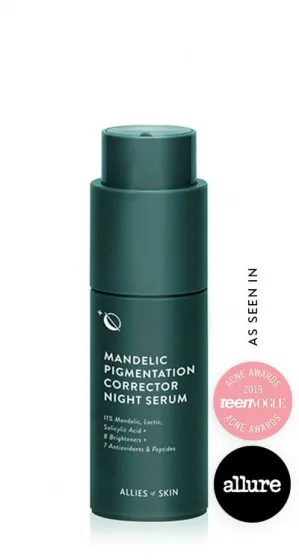 Pigmentation Specialist Pick
 Mandelic Pigmentation Corrector Night Serum
One of the most thoughtfully formulated pigmentation serums on the market. Mandelic acid leads, but the real story is the supporting cast — tranexamic acid, azelaic acid, niacinamide, and bakuchiol attacking hyperpigmentation through five different pathways. Specifically formulated to be safe on melanin-rich skin and it shows.