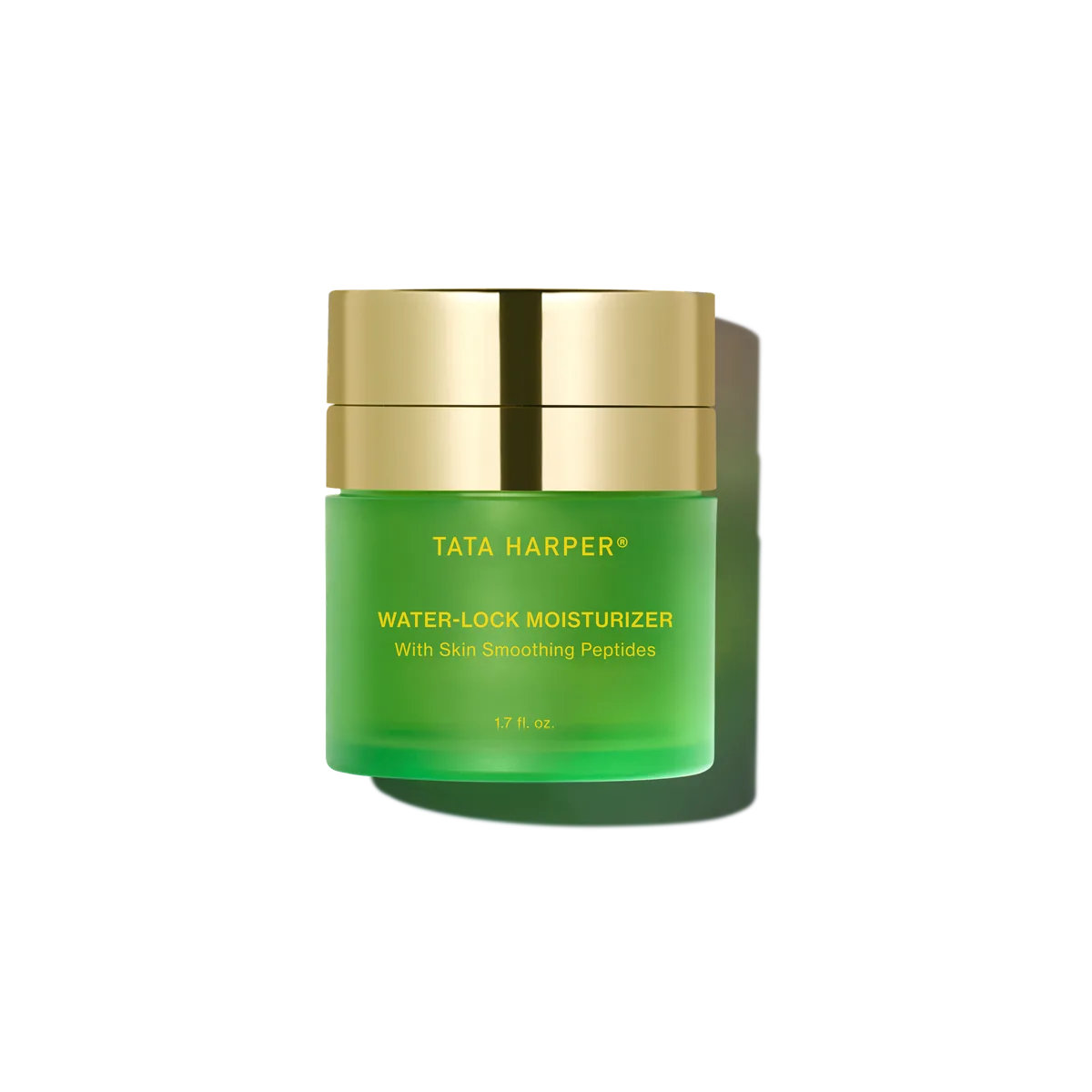
An impressively over-engineered hydration stack that earns its claim of multi-depth water-locking through five forms of hyaluronic acid, polyglutamic acid, and a triple ferment system. The price stings and the lavender oil is a needless gamble, but the formula itself is one of the more interesting gel-creams in the prestige category.
Water-Lock Moisturizer
An impressively over-engineered hydration stack that earns its claim of multi-depth water-locking through five forms of hyaluronic acid, polyglutamic acid, and a triple ferment system. The price stings and the lavender oil is a needless gamble, but the formula itself is one of the more interesting gel-creams in the prestige category.
Score Breakdown
Where this product gains points and where it loses them — broken down across the four scoring pillars.
An ambitious humectant-stacked gel-cream that delivers genuine multi-depth hydration, but the lavender and orange essential oils and the high price hold it back from being a universal recommendation.
Pros & Cons
- ✓Five-weight hyaluronic acid plus polyglutamic acid delivers genuine multi-depth hydration
- ✓Squalane backbone prevents humectant backfire in dry climates
- ✓Lightweight gel-cream texture wears beautifully under makeup and SPF
- ✓Triple ferment system supports microbiome and barrier function
- ✓Centella asiatica adds calming benefits without stimulation
- ✓Suitable for combination, normal, and even oily skin types
- ✓Pregnancy-safe with no retinoids or salicylates
- ✗Lavender and orange essential oils risk irritation in sensitive users
- ✗Premium price for 50ml is hard to justify on cost alone
- ✗Jar packaging exposes the formula to air with each use
- ✗No fragrance-free version for people who want one
- ✗Very dry skin in winter may need an occlusive layered on top
Full Review
Most moisturizers that promise long-lasting hydration accomplish it the simple way: a humectant or two near the top of the ingredient list, an occlusive or three near the middle, and some texture-improving extras to round out the formula. The Tata Harper Water-Lock takes a noticeably different route. It stacks five molecular forms of hyaluronic acid — sodium hyaluronate, hyaluronic acid itself, sodium acetylated hyaluronate, hydrolyzed hyaluronic acid, and sodium hyaluronate crosspolymer — and then layers polyglutamic acid on top of all of that. Polyglutamic acid is the trendy humectant of the past few years, and for once the marketing claim has substance behind it: it holds significantly more water than hyaluronic acid by mass and forms a thin film on the skin surface, which is exactly what you want sitting over a stack of HAs that need to be sealed in to do their job.
The rest of the formula is built around supporting that humectant system. Squalane provides a lightweight emollient backbone, which matters more than people realize for humectant-heavy products: in dry climates, hyaluronic acid can pull water out of the deeper skin if there's no occlusive layer to keep moisture moving in the right direction. The squalane here prevents that backfire scenario without giving the gel-cream a heavy or greasy feel. Beta-glucan and trehalose stack a second tier of soothing humectants on top, and three different ferments — pichia/resveratrol, lactobacillus, and saccharomyces — add postbiotic compounds that support barrier function and microbiome stability. Centella asiatica extract brings calming triterpenoids that pair well with the formula's overall emphasis on hydration without stimulation. It's the kind of ingredient list that tells you a formulator was actually thinking about how the pieces fit together, not just stacking buzzwords for the marketing copy.
In use, the texture is the immediate selling point. It's a bouncy, jelly-like gel-cream that melts on contact with warm skin and absorbs in under a minute, leaving a tacky-but-clean finish that grips foundation and sunscreen without pilling. Skin feels noticeably plumper within seconds — that's the high-molecular-weight HA and the polyglutamic film working — and the suppleness lasts through the day in normal humidity. After a week of twice-daily use, the small dehydration lines that develop around the eyes and forehead in winter visibly soften. After a month, skin looks more uniformly hydrated in a way that's hard to attribute to any single ingredient and is probably the cumulative effect of the layered humectant system doing its job consistently.
The complications are familiar from the rest of the Tata Harper line. There's lavender essential oil and orange peel oil in the formula, along with their natural limonene and linalool content. The concentrations here are lower than in the brand's BHA serum and most users tolerate them without issue, but for people with reactive skin or fragrance sensitivities the choice still feels unforced and unnecessary in a moisturizer that didn't need to smell like anything to work. The packaging is also a frosted glass jar, which is undeniably beautiful and undeniably a slightly worse delivery format than airless pump packaging from a stability and contamination perspective. The brand offsets the air exposure with antioxidants like tocopherol and a 12-month pao, which is reasonable, but it's a compromise made for aesthetics rather than performance.
The price is the biggest single barrier. Ninety-eight dollars for fifty milliliters is luxury-tier, and you can find lighter gel-cream moisturizers with single-weight HA and polyglutamic acid for a third of the cost. What you're paying for here is the depth of the humectant system, the postbiotic and centella additions, the in-house Vermont manufacturing, and the brand's overall sourcing philosophy. Whether that adds up depends entirely on how much you value the formulation sophistication and whether you've found cheaper gel-creams to feel comparatively flat. For people who appreciate ingredient lists that show genuine thought, this one delivers. For people who just need their skin to feel hydrated, the value math is harder to defend.
Pragmatically, this moisturizer slots into almost any routine. It's gentle enough for daily morning use under sunscreen, hydrating enough for evening use after a treatment serum, and lightweight enough that combination and oily skin types won't feel suffocated by it. Dry skin types in winter climates may want to layer an occlusive on top in the coldest months. People with rosacea or known fragrance reactivity should look elsewhere. Everyone else can consider it on the merits — and the merits, in this case, are real.
Formula
Key Ingredients
The hero actives that drive this product's performance.
| Ingredient | Function | Evidence |
|---|---|---|
| Five-Weight Hyaluronic Acid Complex | Layers different molecular weights of hyaluronic acid plus a crosspolymer to hydrate at multiple skin depths simultaneously, which is the central mechanism behind this moisturizer's water-binding claim. | well-established |
| Polyglutamic Acid | A film-forming humectant that holds several times more water than hyaluronic acid and forms a thin moisture-locking layer over the multi-weight HA system in this formula. | promising |
| Squalane | Provides the lightweight emollient backbone that prevents the heavy humectant load in this gel-cream from drawing water out of the skin in low-humidity conditions. | well-established |
| Beta-Glucan & Trehalose | Add a second layer of soothing humectants that buffer reactive skin and reinforce the long-acting hydration claim of this moisturizer alongside the hyaluronic acid stack. | promising |
| Centella Asiatica Extract | Brings calming and barrier-supporting compounds that pair well with this formula's emphasis on hydration without stimulation, particularly useful after acid or retinoid use the night before. | promising |
Full INCI List
Aqua/Water/Eau, Glycerin, Pentylene Glycol, Propanediol, Coco-Caprylate, Caprylic/Capric Triglyceride, Squalane, Glyceryl Stearate, Cetearyl Alcohol, Sodium Hyaluronate, Hyaluronic Acid, Sodium Acetylated Hyaluronate, Hydrolyzed Hyaluronic Acid, Sodium Hyaluronate Crosspolymer, Beta-Glucan, Trehalose, Polyglutamic Acid, Pichia/Resveratrol Ferment, Lactobacillus Ferment, Saccharomyces Ferment Filtrate, Aloe Barbadensis Leaf Juice, Centella Asiatica Extract, Chamomilla Recutita (Matricaria) Flower Extract, Calendula Officinalis Flower Extract, Tocopherol, Glyceryl Caprylate, Xanthan Gum, Sclerotium Gum, Sodium Phytate, Sodium Benzoate, Potassium Sorbate, Citrus Aurantium Dulcis (Orange) Peel Oil, Lavandula Angustifolia (Lavender) Oil, Limonene, Linalool
Product Flags
✗ Fragrance Free✓ Alcohol Free✗ Oil Free✓ Silicone Free✓ Paraben Free✓ Sulfate Free✓ Cruelty Free✓ Vegan✗ Fungal Acne Safe
Potential Irritants
lavender oilorange peel oillimonenelinalool
Common Allergens
limonenelinalool
Compatibility
Skin Match
Best For
Works For
Not Ideal For
Addresses These Conditions
dehydration dullness winter skin
Use With Caution
Avoid With
Routine Step
moisturizer
Time of Day
AM & PM
Pregnancy Safe
Yes ✓
Layering Tips
Apply to slightly damp skin to maximize the humectant performance. Layer over hydrating serums and under SPF in the morning, or under an occlusive in the evening if you have very dry skin.
Results Timeline
Immediately plumper feel; visible reduction in dehydration lines within a week; sustained suppleness with twice-daily use over 4-6 weeks.
Pairs Well With
niacinamidevitamin cpeptidesretinolceramides
Sample AM Routine
- Gentle cleanser
- Hydrating toner
- Vitamin C serum
- Tata Harper Water-Lock Moisturizer
- SPF 50
Sample PM Routine
- Cleansing balm
- Gentle cleanser
- Treatment serum
- Tata Harper Water-Lock Moisturizer
Evidence
Who Should Skip
- Lavender and orange essential oils risk irritation in sensitive users
- Premium price for 50ml is hard to justify on cost alone
- Jar packaging exposes the formula to air with each use
- No fragrance-free version for people who want one
Science & Expert Perspective
The Science
Hyaluronic acid hydration depends heavily on molecular weight. High-molecular-weight HA (above roughly 1000 kDa) sits on the skin surface and forms a film, providing immediate plumping and reducing transepidermal water loss. Low-molecular-weight HA fragments penetrate deeper into the stratum corneum and bind water at varying depths, distributing hydration through the upper layers of skin rather than just at the surface. This is why multi-weight HA formulations like the one in the Water-Lock Moisturizer are theoretically superior to single-weight formulations: they target multiple depths simultaneously instead of concentrating water-binding at one level. Polyglutamic acid is a more recent addition to the humectant landscape. It's a polymer of glutamic acid produced by bacterial fermentation, and laboratory studies have suggested it can hold more water by mass than hyaluronic acid and form a more durable film on the skin surface. The combination of multi-weight HA underneath and polyglutamic acid on top is one of the more intellectually defensible humectant pairings in current cosmetic chemistry — the HA stack hydrates at depth, and the polyglutamic film slows the evaporation of that hydration into the surrounding air. The fermented ingredients here add another layer of complexity. Lactobacillus and saccharomyces ferments contain postbiotic metabolites that early research suggests can support skin microbiome stability and reduce reactivity in sensitive populations. The evidence base is still emerging compared to the well-established humectant science, but the inclusion fits the brand's overall emphasis on gentle, layered formulation.
Dermatologist Perspective
Dermatologists often recommend humectant-heavy gel-cream moisturizers for patients with combination skin who find traditional cream moisturizers too occlusive but still need meaningful hydration. The multi-weight hyaluronic acid approach in formulas like this one is generally well-regarded in the dermatologic literature, though individual patient response varies based on climate and concurrent product use. Board-certified dermatologists also note that polyglutamic acid is a useful addition for patients dealing with mild dehydration lines or post-treatment dryness. The presence of essential oils is the routine concern raised when this category of formulation comes up — patients with rosacea, eczema, or any history of contact dermatitis are typically advised to choose fragrance-free alternatives regardless of how well-formulated the rest of the product is.
Guidance
Usage Guide
How to Use
Apply to slightly damp skin twice daily — applying to fully dry skin reduces the performance of the humectant system. Use roughly a pea-sized amount for the face and neck. Press and pat into the skin rather than rubbing, and wait a full minute before applying sunscreen or makeup to prevent any potential pilling. In the morning, layer over a hydrating serum and under SPF. In the evening, apply after your treatment products. In very dry winter conditions, layer an occlusive cream or balm on top to lock in the hydration this moisturizer draws into the skin.
Value Assessment
At ninety-eight dollars for fifty milliliters, this moisturizer sits firmly in luxury pricing territory, and there's no smaller or larger size to soften the per-milliliter cost. What you're paying for is the depth of the humectant system, the postbiotic and centella additions, the in-house Vermont manufacturing, and the brand's overall sourcing philosophy. If those factors matter to you and you've tried cheaper gel-creams that left your skin feeling under-hydrated, the price becomes defensible. If you primarily want a competent gel-cream moisturizer without the formulation depth, you can find adequate alternatives at a fraction of the cost.
Who Should Buy
People with normal, combination, or mildly dry skin who want a sophisticated humectant-stacked moisturizer and appreciate clean-beauty formulation philosophy. Particularly suited to those who've found cheaper gel-creams comparatively flat and want a lightweight texture that performs at depth.
Who Should Skip
Anyone with rosacea, fragrance sensitivity, or a history of contact dermatitis should skip this for the lavender and orange oils. Very dry skin in harsh winter climates may need a richer cream instead. Budget-conscious shoppers will get acceptable results from gel-creams in the $25-40 range.
Ready to try Tata Harper Water-Lock Moisturizer?
Details
Details
Texture
Bouncy, jelly-like gel-cream that melts into a watery finish on application.
Scent
Light lavender-citrus aroma from essential oils, milder than the brand's BHA serum.
Packaging
Frosted glass jar with a screw cap — premium feel but exposes the formula to air with each opening.
Finish
dewylightweightfast-absorbing
What to Expect on First Use
Skin feels noticeably plumper within seconds of applying. Most users report no adjustment period. The light essential oil scent dissipates within a minute.
How Long It Lasts
About 2-3 months with twice-daily face and neck use.
Period After Opening
12 months
Best Season
All Year
Certifications
Leaping BunnyMade Safe
Background
The Why
Tata Harper's team developed this moisturizer in response to customer feedback that the brand's other moisturizers leaned too rich for warm weather and combination skin. The Water-Lock formula was their attempt to deliver the brand's botanical philosophy in a true gel-cream texture, with hydration depth as the headline claim rather than richness.
About Tata Harper Established Brand (5–20 years)
Tata Harper launched in 2010 from a Vermont farm and built its reputation on in-house manufacturing and ingredient transparency. The brand has earned trust in the clean-beauty segment, though independent clinical validation of specific products remains limited compared to derm-developed lines.
Brand founded: 2010 · Product launched: 2021
Myth vs. Reality
Myths & Misconceptions
Myth
Hyaluronic acid is hyaluronic acid — multiple weights are just marketing.
Reality
Different molecular weights of HA penetrate to different depths of the stratum corneum. Stacking weights as this formula does has measurable benefits for hydration distribution, though the marginal returns diminish past three or four weights.
Myth
Gel-creams aren't hydrating enough for dry skin.
Reality
This particular gel-cream pairs its heavy humectant load with squalane and a small lipid component, which lets it serve drier skin types as long as you're not living in a desert climate. Very dry skin can layer an occlusive on top in winter.
FAQ
Frequently Asked Questions
Is the Tata Harper Water-Lock Moisturizer good for dry skin?
Yes, with caveats. The five-weight hyaluronic acid plus polyglutamic acid stack hydrates dry skin effectively, but in winter or low-humidity climates you may want to layer a richer occlusive on top to lock in the water this formula draws into the skin.
Can I use this in the morning under sunscreen?
Yes — it's specifically designed to wear well under makeup and SPF. The gel-cream texture absorbs in under a minute and leaves skin tacky enough to grip sunscreen but not slippery enough to cause pilling.
Is it pregnancy-safe?
Yes, this moisturizer is generally considered pregnancy-safe. It contains no retinoids, salicylates, or hydroquinone. The lavender essential oil is present at low cosmetic concentrations, but if you prefer to avoid all essential oils during pregnancy, choose a fragrance-free alternative.
How does it compare to Tatcha The Water Cream?
Both are luxury gel-creams in the same price range. The Tata Harper version emphasizes hyaluronic depth and humectant stacking; the Tatcha version uses a Japanese botanical approach with anti-shine claims. Choose this one if hydration is your priority, the other if oil control matters more.
Why does it contain essential oils?
The brand's botanical philosophy includes natural aromatics in most products. The lavender and orange oils here are at lower concentrations than in the brand's BHA serum, but if you're fragrance-sensitive this still won't be the right moisturizer for you.
Will polyglutamic acid pill under makeup?
It can if you use too much or layer it over a heavy silicone primer. With this formula, applying a pea-sized amount and letting it absorb for one full minute before the next step prevents pilling in almost all cases.
Does the jar packaging affect the formula's stability?
The frosted glass jar exposes the formula to air with each use, which can degrade some sensitive ingredients over time. The brand offsets this with antioxidants like tocopherol, but the pao is still 12 months — use it within that window.
Community
Community Voices
Common Praise
"plumps skin immediately"
"great under makeup"
"lightweight but lasting hydration"
"works year-round"
Common Complaints
"expensive"
"lavender scent"
"small size for the price"
Appears In
best luxury gel cream best multi weight hyaluronic moisturizer best hydrating moisturizer for combination skin best clean beauty moisturizer
Related Conditions
dehydration dullness winter skin
Related Ingredients
You Might Also Like
 Budget Holy Grail
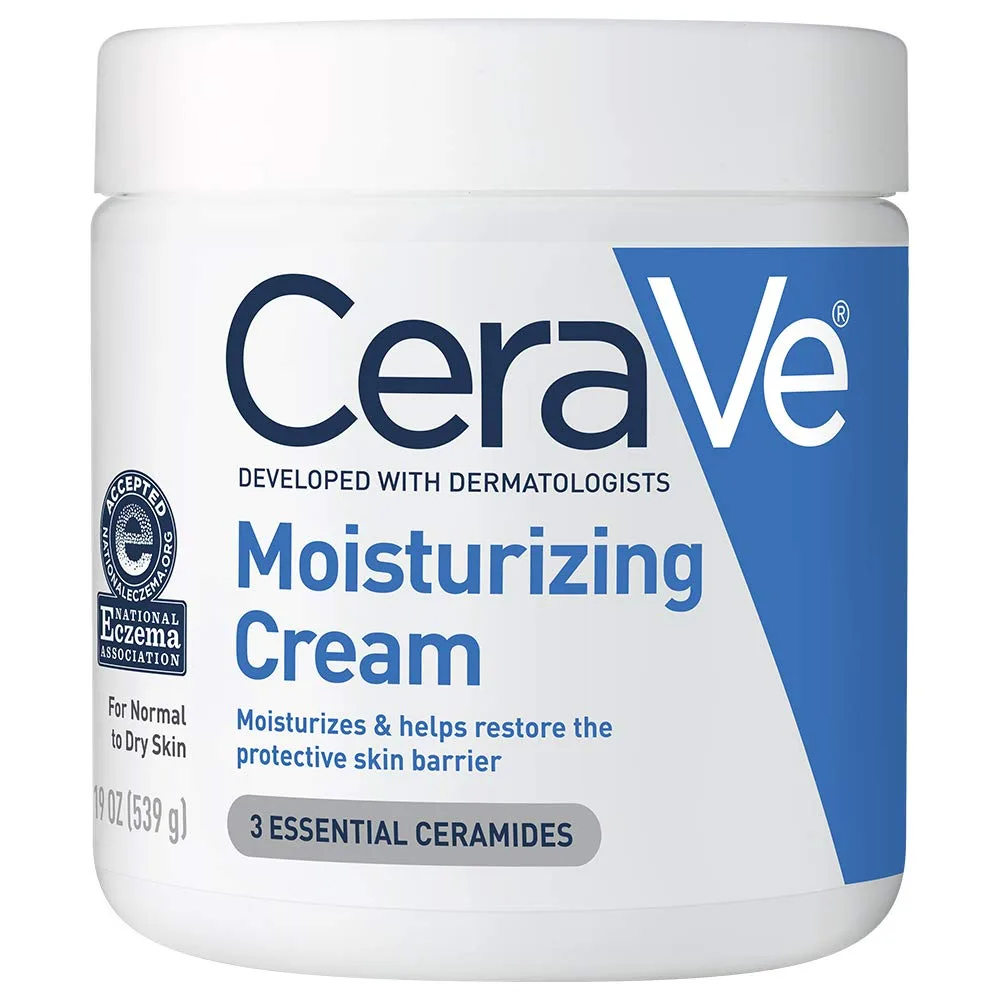
 Moisturizing Cream
The CeraVe Moisturizing Cream is the most important moisturizer in the drugstore — a ceramide-rich, dermatologist-developed formula that delivers barrier repair, multi-humectant hydration, and occlusive protection at a price so accessible it has no real excuse not to be in every household. Twenty-one years of consistent performance and universal dermatologist approval speak louder than any ingredient list.
 Barrier Repair Pioneer
 MLE Cream
Atopalm MLE Cream is one of the genuinely scientifically anchored barrier moisturizers in K-beauty — a fragrance-free, pseudo-ceramide cream built around a patented liquid-crystal lipid structure that mimics the skin's own intercellular matrix. For eczema, atopic skin, post-procedure recovery, or anyone with a stinging compromised barrier, it's one of the most reliably effective moisturizers in the entire category.
 K-Beauty Barrier Repair Staple
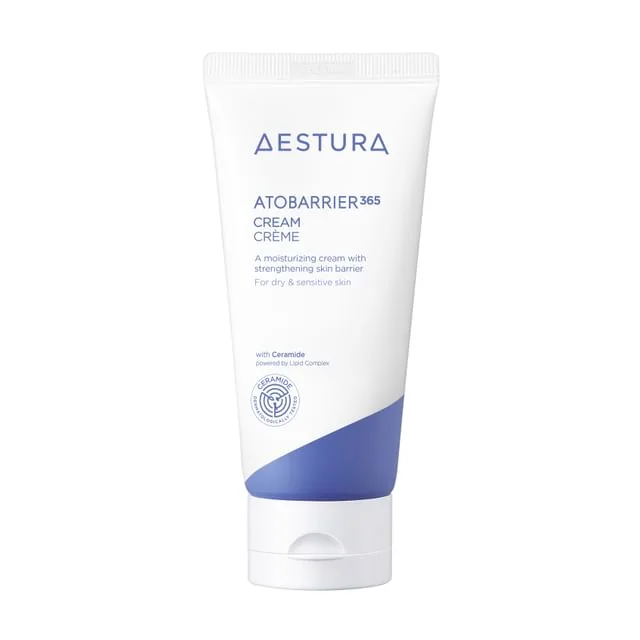
 Atobarrier 365 Cream
A Korean pharmacy cream that earns its cult following the hard way — with a lamellar lipid structure that actually rebuilds the barrier, not just coats it. If your skin has been through a rough winter, a retinoid ramp-up, or a bad reaction, this is the jar that quietly puts it back together.
 Korean Derm Clinic Recovery Pick
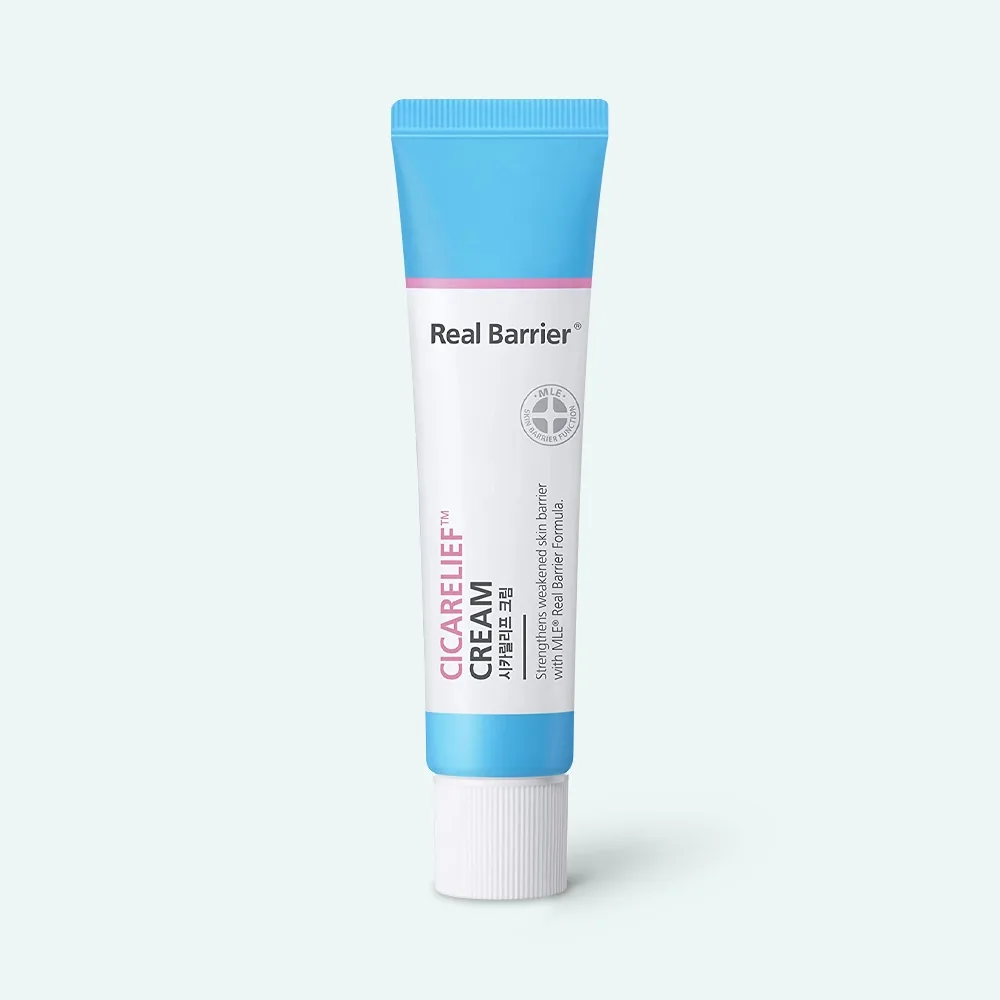
 Real Barrier Cicarelief Cream
One of the best consumer cica creams on the market, combining the full spectrum of centella actives with NeoPharm's MLE ceramide delivery and multiple complementary calming ingredients. Ideal for compromised, reactive, rosacea-prone, or recovering skin, and a staple in Korean dermatology clinic protocols. Minor limitations on packaging, but the formulation is genuinely excellent.
 Transparent 10% Panthenol Cream
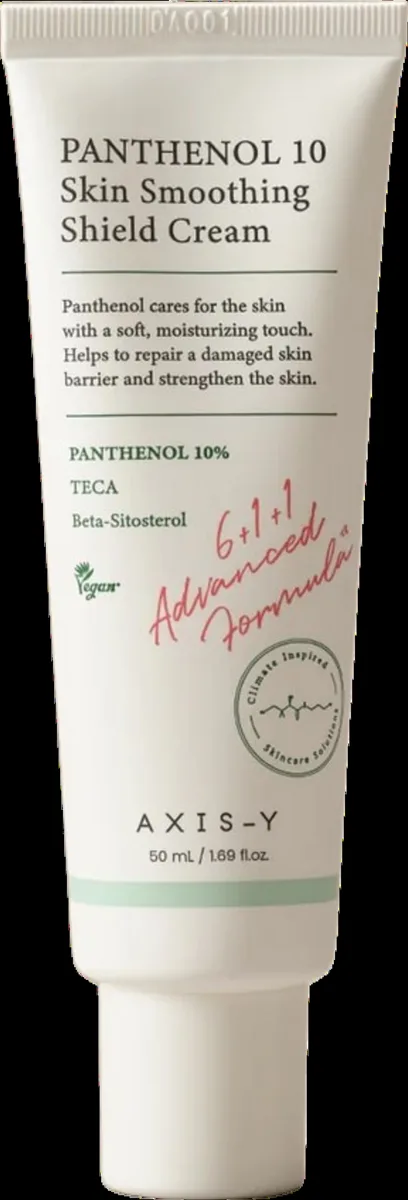
 Panthenol 10 Skin Smoothing Shield Cream
A disclosed 10% panthenol barrier cream built around a full physiological ceramide trio, a centella calming cast, and a modest shea butter occlusive. Fragrance-free, cross-season, and unusually transparent about its hero active — one of the brand's strongest moisturizer formulations.
 K-Beauty Icon
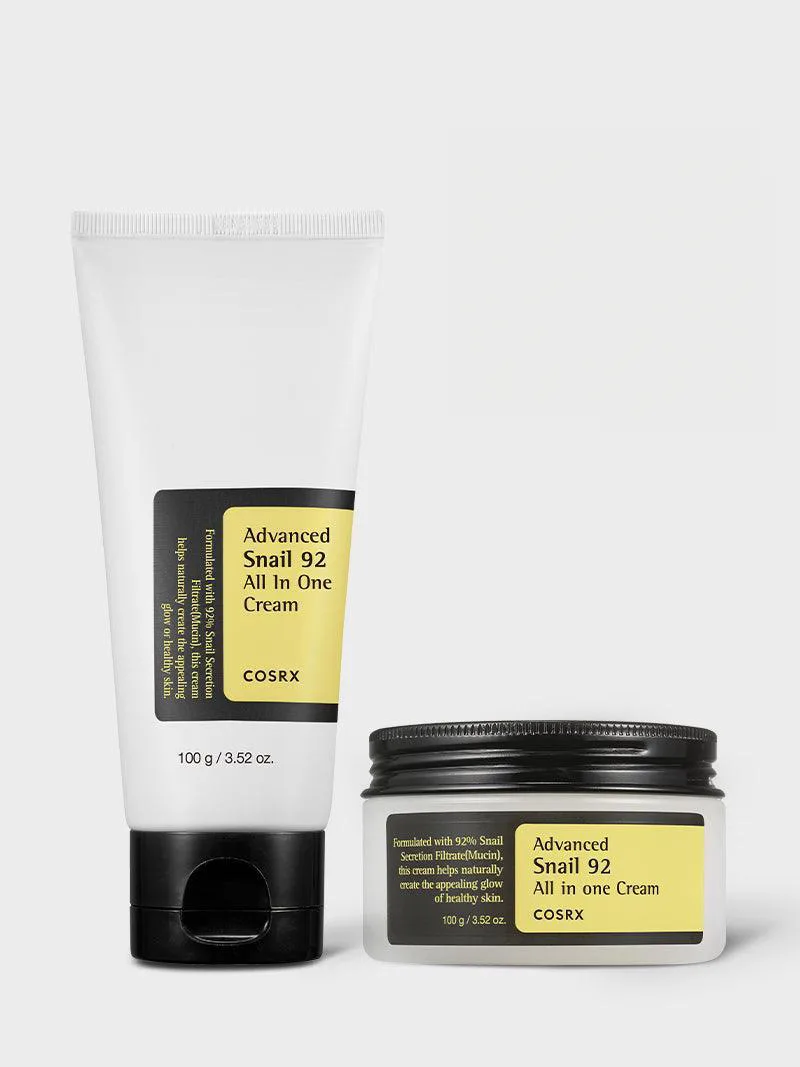
 Advanced Snail 92 All in One Cream
The cream that helped prove snail mucin to the world — and a decade later, it still deserves the reputation. At 92% snail secretion filtrate in a fragrance-free, gentle gel-cream, it delivers hydration, soothing, and gradual skin improvement across virtually every skin type. The texture takes getting used to, but 13 million sold units and 25,000+ reviews suggest most people manage.
This review reflects our independent analysis of publicly available ingredient data, manufacturer claims, and verified user reviews. We are reader-supported — Amazon links may earn us a commission at no cost to you. We do not accept paid placements; rankings are based solely on the evidence.